
Whiplash is one of those injuries that can catch you completely off guard. One moment you’re going about your day, and the next, a sudden impact — most often from a car accident — has snapped your head forward and back with enough force to strain the soft tissues of your neck. For many people living in Fanwood and Flemington, NJ, whiplash is one of the top reasons they walk through our doors seeking relief. The good news is that chiropractic care for whiplash has a well-established track record of helping patients manage pain, reduce stiffness, and work toward a full recovery — without surgery or medication.
What Is Whiplash?
Whiplash is a neck injury caused by a rapid, forceful back-and-forth motion of the head, similar to the cracking of a whip. It most commonly results from rear-end car collisions, though it can also occur from sports impacts, falls, or other physical trauma. The injury affects the muscles, tendons, and ligaments of the cervical spine, and symptoms may not appear immediately — sometimes taking hours or even days to develop fully.
Understanding Whiplash and How It Affects Your Spine
The cervical spine — the seven vertebrae that make up your neck — is designed to support the weight of your head and allow a wide range of motion. Under normal conditions, it handles these demands beautifully. But when a sudden, violent force is applied, the cervical spine is pushed far beyond its normal range of movement in a split second. This is the mechanism behind whiplash.
During the impact, the lower cervical vertebrae are forced into a position of hyperextension while the upper vertebrae flex forward. This abnormal S-shaped curve stresses the discs, joints, ligaments, and muscles of the neck in ways they aren’t built to handle. The result is micro-tears in soft tissue, joint irritation, and in some cases, misalignment of the cervical vertebrae themselves — what chiropractors refer to as vertebral subluxations.
What makes whiplash particularly tricky is that the protective adrenaline response your body produces during and after a traumatic event can temporarily mask pain. Patients often feel fine immediately after an accident, only to wake up the next morning with significant stiffness and discomfort. At Fanwood Back Relief Center, Dr. Eric Chludzinski understands this delayed onset pattern well and encourages patients in both Fanwood and Flemington to seek an evaluation promptly after any neck injury — even when symptoms feel minor at first.
Common Symptoms of Whiplash You Shouldn’t Ignore
Whiplash doesn’t always present the same way in every patient. While neck pain and stiffness are the most universally recognized symptoms, there is a surprisingly broad range of ways this injury can manifest. Understanding what to watch for is an important first step toward getting appropriate care.
Neck pain is almost always present to some degree, often worsening with movement. Stiffness and reduced range of motion in the neck are also hallmark signs, making everyday activities like checking your blind spot while driving genuinely difficult. Many patients also report headaches that begin at the base of the skull — these are often related to irritation of the upper cervical joints and surrounding muscles.
Some patients experience shoulder pain, upper back discomfort, or arm tingling and numbness, which can indicate that nearby nerves are being irritated as a result of the injury. Dizziness, difficulty concentrating, and even jaw pain have also been reported in cases of moderate to severe whiplash. These symptoms are worth taking seriously. If you’re living with any combination of these issues following a car accident or other trauma, reaching out to a chiropractor near you — whether you’re in Fanwood, Flemington, or the surrounding communities — is a smart and proactive step.
How Chiropractic Care Fits Into Whiplash Recovery
Chiropractic care is widely recognized as one of the most effective conservative, non-surgical approaches to whiplash management. Organizations like the National Center for Complementary and Integrative Health (NCCIH) acknowledge chiropractic as a legitimate option for musculoskeletal pain, and research published in leading journals such as Spine has suggested that manual chiropractic care can be effective for cervical spine injuries and related conditions.
The core of chiropractic care for whiplash revolves around restoring proper alignment and movement to the joints of the cervical and upper thoracic spine. When the vertebrae of the neck are misaligned or restricted in their movement following a whiplash event, the surrounding nerves, muscles, and connective tissues are placed under unnecessary stress. This can perpetuate pain, limit range of motion, and prevent your body from healing efficiently.
At Fanwood Back Relief Center, Dr. Eric Chludzinski evaluates each patient individually. He takes a thorough history, assesses posture, performs orthopedic and neurological testing, and examines spinal movement patterns before recommending any course of care. This means your care plan is tailored specifically to the nature and severity of your injury — not a one-size-fits-all approach. Patients at both our Fanwood and Flemington offices benefit from this personalized, evidence-informed evaluation process.
What to Expect From Chiropractic Adjustments for Whiplash
If you’ve never visited a chiropractor before, it’s completely normal to feel a little uncertain about what the process looks like. Understanding what happens during a chiropractic adjustment for whiplash can go a long way in easing any nervousness and helping you feel comfortable and confident.
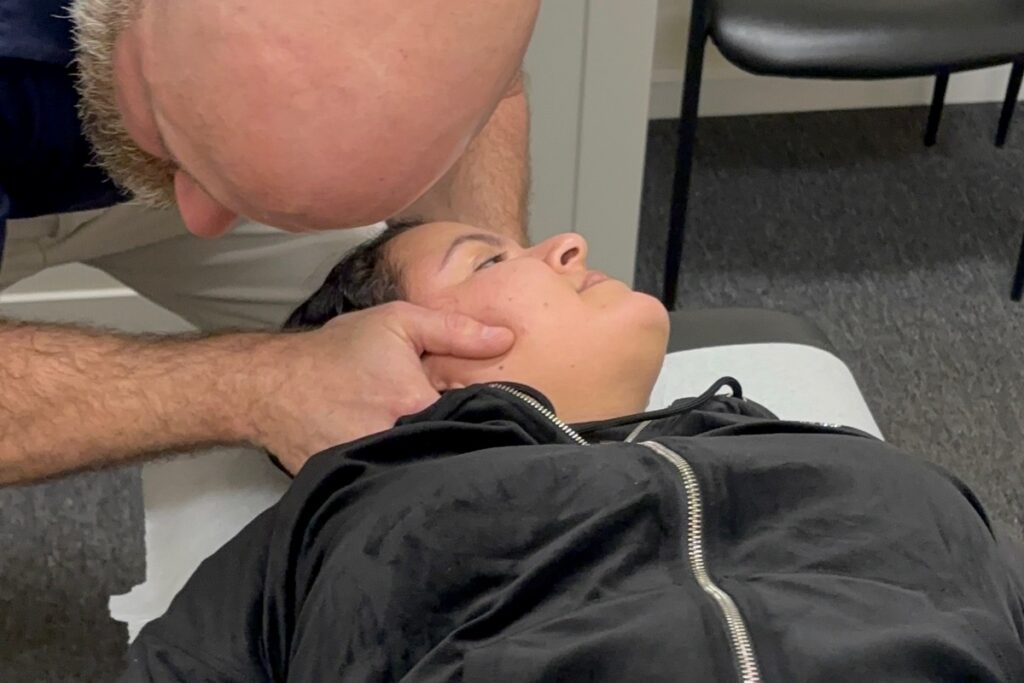
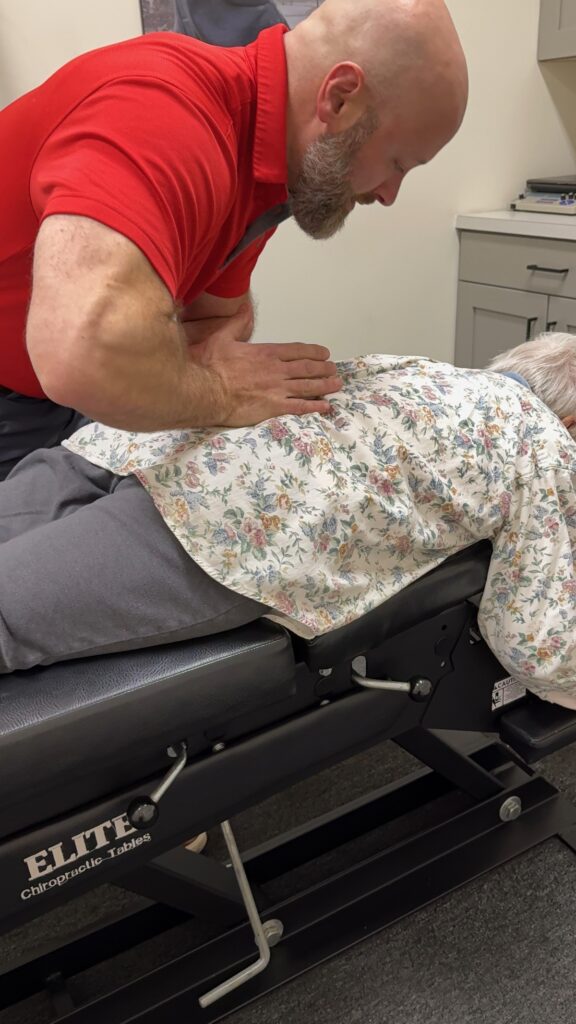
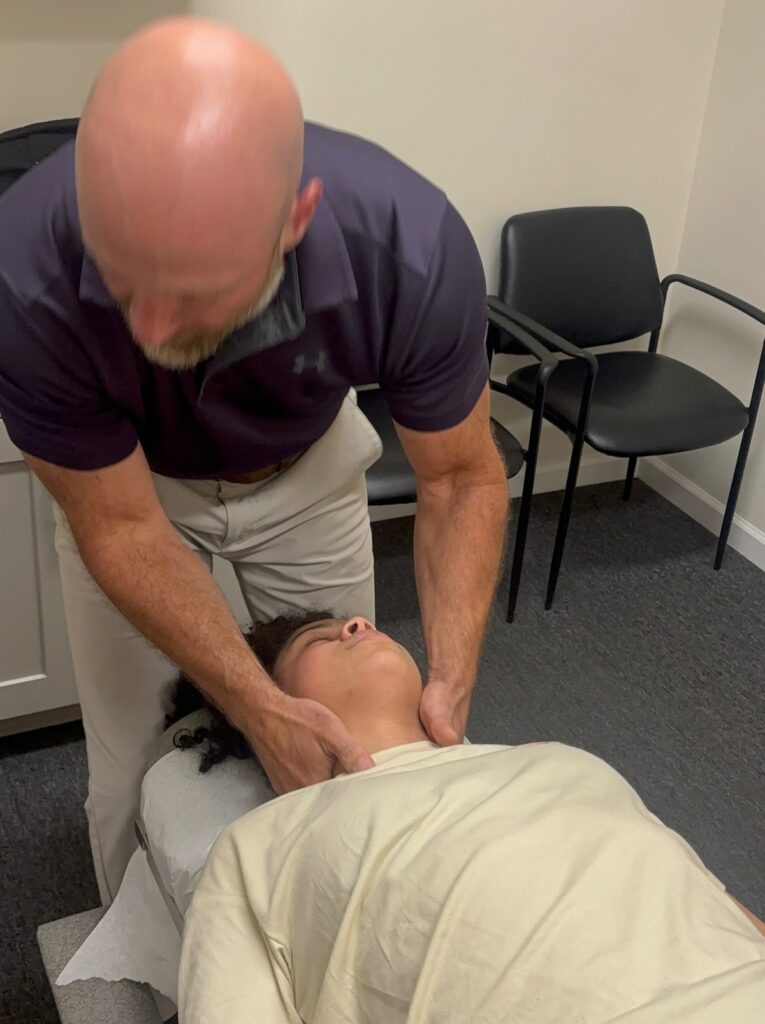
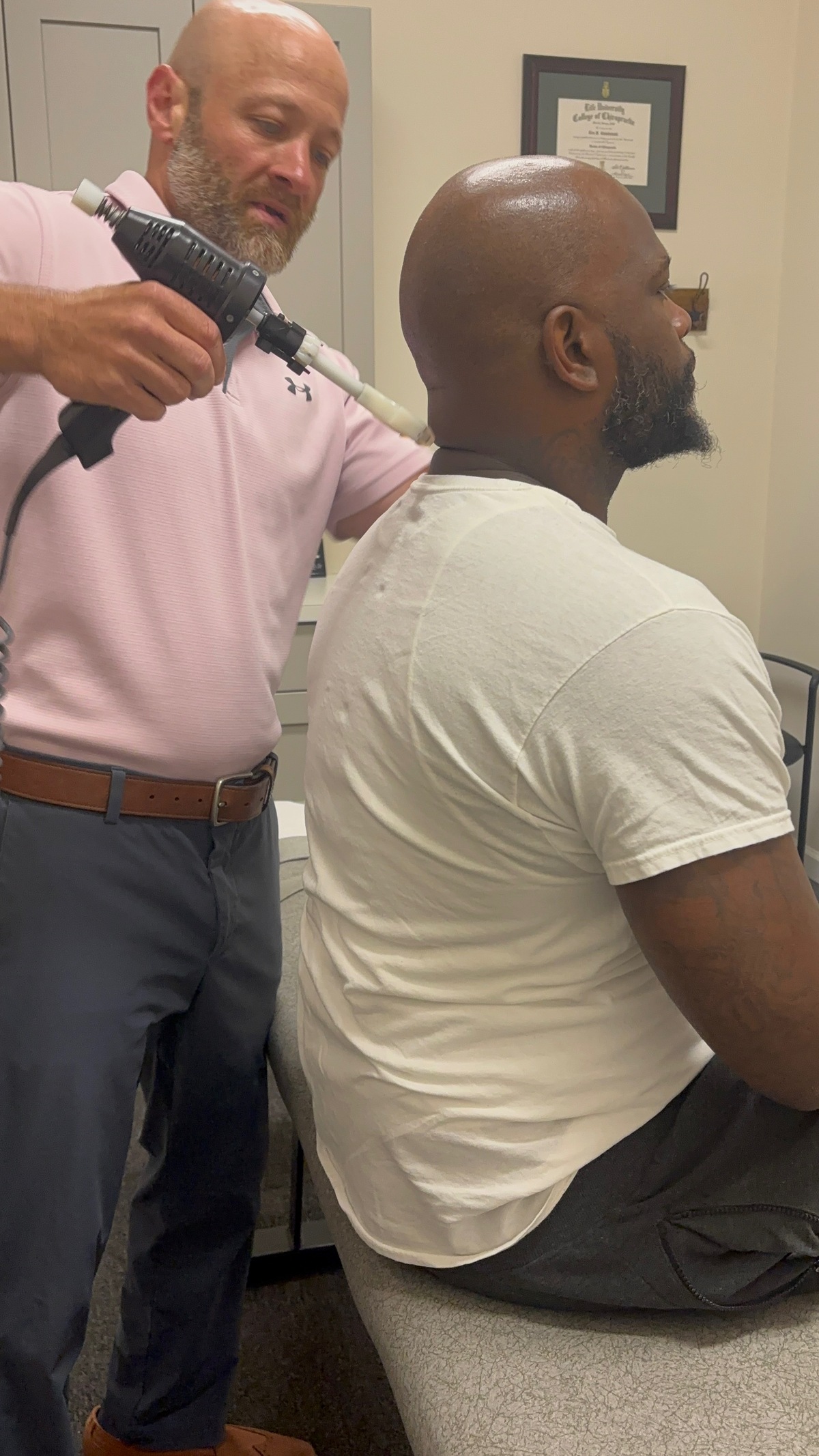
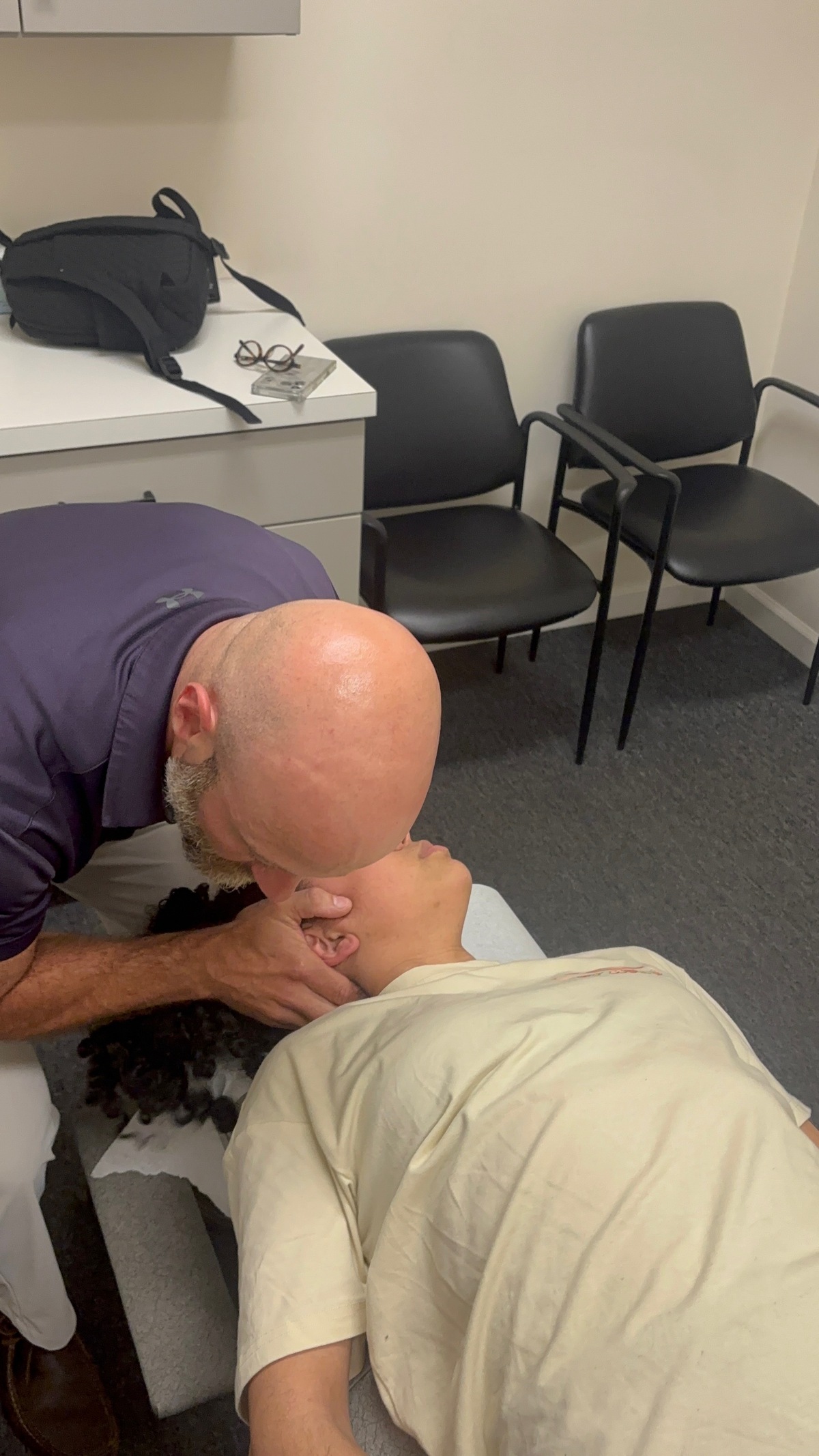
A chiropractic adjustment — also called spinal manipulation — is a precise, controlled movement applied to a specific joint of the spine. When the cervical spine has been affected by whiplash, certain vertebrae may have shifted slightly out of their optimal position or become restricted in their normal motion. Dr. Eric Chludzinski uses carefully directed, gentle adjustments to help restore proper joint mechanics to these areas. This can reduce nerve irritation, ease muscle tension, and improve the overall mobility of your neck.
For many whiplash patients — especially those in the acute phase of injury — the adjustments performed in the early stages of care are notably gentle. Dr. Chludzinski prioritizes your comfort throughout the process and adapts his techniques based on how your body is responding. Over time, as inflammation settles and mobility improves, the nature of the adjustments may evolve to address deeper patterns of restriction that developed as a result of the injury. Patients visiting us from Flemington and Fanwood alike consistently report that their experience feels supportive, not forceful or intimidating.
It’s also worth mentioning that the number of visits you may need will depend on the severity of your injury and how your body responds to care. Some patients begin to notice meaningful improvement within a few weeks; others with more complex presentations may require a longer course of chiropractic care. Dr. Chludzinski will be transparent with you about your progress and realistic expectations from the very beginning.
Practical Tips to Support Your Recovery at Home
Chiropractic adjustments are a powerful tool for whiplash recovery, but what you do between visits also matters. Supporting your healing process at home with simple, thoughtful habits can complement your care and help you progress more efficiently.
Staying gently active is one of the most important things you can do. While it might feel tempting to stay completely still when your neck is sore, prolonged immobility can actually slow healing and contribute to muscle tightening. Gentle, pain-free range-of-motion movements — such as slowly turning your head from side to side within a comfortable range — can help maintain circulation and prevent excessive stiffness. Always discuss specific movements with Dr. Chludzinski before starting anything new.
Posture awareness is equally important during recovery. Spending long hours looking down at a phone or slouching at a desk can place additional strain on an already-irritated cervical spine. If you work at a computer, try to position your monitor at eye level to reduce forward head posture. Take brief breaks throughout the day to stand, move, and reset your position. Small adjustments like these can reduce unnecessary stress on your healing tissues.
Sleep positioning also plays a role. Sleeping on your back with a supportive pillow that cradles the natural curve of your neck is generally preferred during whiplash recovery. Avoid sleeping on your stomach, which forces the neck into a rotated position for extended periods. If you’re unsure what pillow height or firmness works best for you, ask Dr. Chludzinski during your visit — it’s a simple but genuinely valuable conversation.
When to See a Chiropractor for Whiplash
One of the most important things we want patients across Fanwood and Flemington to understand is that earlier intervention typically leads to better outcomes with whiplash. Waiting weeks or months to seek care allows the body to adapt around the injury in ways that can create secondary problems — chronic muscle tension, joint restriction, and persistent postural changes that become harder to address over time.
You should strongly consider scheduling a chiropractic evaluation if you’ve recently been involved in a motor vehicle accident — even one that felt minor. Low-speed collisions can still generate enough force to injure cervical soft tissues. Additionally, if you have developed neck pain, headaches, or stiffness following a sports impact, a fall, or any other physical trauma, chiropractic evaluation is a reasonable and appropriate step.
There are also certain red flag symptoms that warrant immediate medical attention rather than a chiropractic appointment. These include severe or rapidly worsening neurological symptoms such as significant arm weakness, loss of bladder or bowel control, difficulty swallowing or breathing, or signs of concussion. In these situations, please seek emergency medical care right away. At Fanwood Back Relief Center, Dr. Eric Chludzinski is committed to referring patients to the appropriate level of care whenever that is what is needed — your safety always comes first.
|
Symptom / Situation |
Recommended Action |
|---|---|
|
Neck pain and stiffness after a car accident |
Schedule a chiropractic evaluation promptly |
|
Headaches beginning at the base of the skull |
See a chiropractor for cervical joint assessment |
|
Mild arm tingling or numbness |
Discuss with your chiropractor; may indicate nerve involvement |
|
Dizziness following neck injury |
Seek evaluation — chiropractic or medical depending on severity |
|
Severe arm weakness or loss of coordination |
Seek emergency medical care immediately |
|
Loss of bladder or bowel control |
Emergency medical care required — do not wait |
|
Pain improving slowly over several weeks |
Continue chiropractic care and follow your provider’s guidance |
Myths vs. Facts About Whiplash and Chiropractic Care
Myth: Whiplash Is Not a “Real” Injury
Fact: Whiplash is a well-documented, legitimate musculoskeletal injury recognized by the medical and chiropractic communities alike. The strain placed on cervical muscles, ligaments, and joints during a sudden impact is biomechanically measurable. Symptoms can range from mild to seriously debilitating, and dismissing them can lead to long-term complications if left unaddressed.
Myth: You Only Get Whiplash in High-Speed Crashes
Fact: Research suggests that low-speed rear-end collisions can generate enough force to cause whiplash injuries. The speed of the vehicle involved does not always predict the severity of injury. Factors like headrest position, seat angle, and the direction of impact all play a role in how much force is transferred to the cervical spine.
Myth: Chiropractic Adjustments Are Unsafe for Whiplash
Fact: When performed by a licensed, trained chiropractor like Dr. Eric Chludzinski, chiropractic adjustments are considered a safe and appropriate approach for whiplash injuries. Care is always individualized, and techniques are adapted based on the patient’s specific condition, inflammation level, and comfort. Gentle approaches are commonly used in the acute phase of injury.
Myth: If Pain Goes Away on Its Own, the Injury Has Healed
Fact: Pain reduction does not always mean that the underlying joint mechanics have fully normalized. Research indicates that some patients who experience significant early pain relief still have underlying cervical dysfunction that can contribute to chronic issues if not properly addressed. Completing a full course of chiropractic care is important even when you start to feel better.
Myth: You Have to Live With Whiplash Symptoms Long-Term
Fact: While some whiplash injuries do result in prolonged recovery, many patients — particularly those who seek timely care — make excellent recoveries. Chiropractic care, combined with appropriate activity and self-care guidance, has been shown to meaningfully support recovery in whiplash patients. You don’t have to simply accept pain as your new normal.
Final Thoughts From Fanwood Back Relief Center
Whiplash can be a frightening and disorienting experience. Whether it happened in a fender-bender on Route 22 or during a recreational activity, the pain and uncertainty that follow can feel overwhelming. At Fanwood Back Relief Center, our mission is to provide the kind of thoughtful, personalized chiropractic care that helps our neighbors in Fanwood, Flemington, and the surrounding communities move through injury and back into the lives they love.
Dr. Eric Chludzinski brings genuine care and clinical expertise to every patient he sees. From your initial evaluation to each follow-up adjustment, the goal is always the same: to understand your unique situation, restore proper spinal function through skilled chiropractic care, and give you the knowledge and confidence to support your own recovery. Our offices in Fanwood and Flemington are here to serve you through every step of that process.
If you or someone you care about has recently experienced a whiplash injury — or if you’ve been carrying unresolved neck pain for longer than you’d like — we warmly encourage you to reach out and schedule an evaluation. You deserve to feel better, and conservative chiropractic care may be exactly the supportive, non-invasive approach you’ve been looking for.
Frequently Asked Questions About Chiropractic Care for Whiplash
How soon after a whiplash injury should I see a chiropractor?
It’s generally best to seek a chiropractic evaluation as soon as possible following a whiplash injury — ideally within the first few days, once any emergency medical concerns have been ruled out. Early evaluation allows Dr. Chludzinski to assess the extent of cervical involvement and begin appropriate care before secondary complications like chronic muscle tension or joint restriction have a chance to develop.
Will chiropractic adjustments hurt when I have whiplash?
Chiropractic adjustments for whiplash are tailored to your current level of inflammation and comfort. In the acute phase of injury, Dr. Eric Chludzinski uses gentler techniques that are appropriate for sensitive, irritated tissue. Most patients find that their adjustments are far more comfortable than they expected, and many notice relief in neck tension shortly after treatment.
How many chiropractic visits will I need for whiplash?
The number of visits needed varies depending on the severity of the injury, how long you’ve had symptoms, and how your body responds to care. Some patients feel significant improvement within a handful of visits; others with more complex injuries may benefit from a longer course of care. Dr. Chludzinski will discuss realistic expectations with you based on your specific case.
Can chiropractic care help with whiplash-related headaches?
Yes, chiropractic care can be quite helpful for cervicogenic headaches — headaches that originate from dysfunction in the cervical spine and surrounding muscles, which are commonly associated with whiplash. By addressing the joint mechanics and muscle tension in the neck, chiropractic adjustments may significantly reduce the frequency and intensity of these headaches.
Is whiplash only caused by car accidents?
While rear-end motor vehicle collisions are the most common cause of whiplash, the injury can also result from sports impacts, physical assaults, falls, or any event involving a sudden, forceful movement of the head and neck. If you’ve experienced this type of trauma through any mechanism, a chiropractic evaluation is worth pursuing.
Do I need a referral to see a chiropractor for whiplash in New Jersey?
In New Jersey, you do not need a referral from a medical doctor to see a licensed chiropractor. You can contact Fanwood Back Relief Center directly to schedule an evaluation at either our Fanwood or Flemington office. Dr. Chludzinski will conduct a thorough assessment and work with you from there.
TL;DR — Key Takeaways
-
Whiplash is a legitimate cervical spine injury caused by sudden, forceful head movement — and symptoms can be delayed, so don’t wait to seek care.
-
Chiropractic adjustments help restore proper alignment and joint mechanics in the neck, which can reduce pain and improve mobility following whiplash.
-
Dr. Eric Chludzinski at Fanwood Back Relief Center provides individualized, gentle chiropractic care for whiplash patients at offices in both Fanwood and Flemington, NJ.
-
Supporting your recovery at home with good posture habits, gentle movement, and smart sleep positioning can complement your chiropractic care.
-
Seek emergency medical care if you experience severe neurological symptoms — and schedule a chiropractic evaluation sooner rather than later for common whiplash symptoms.