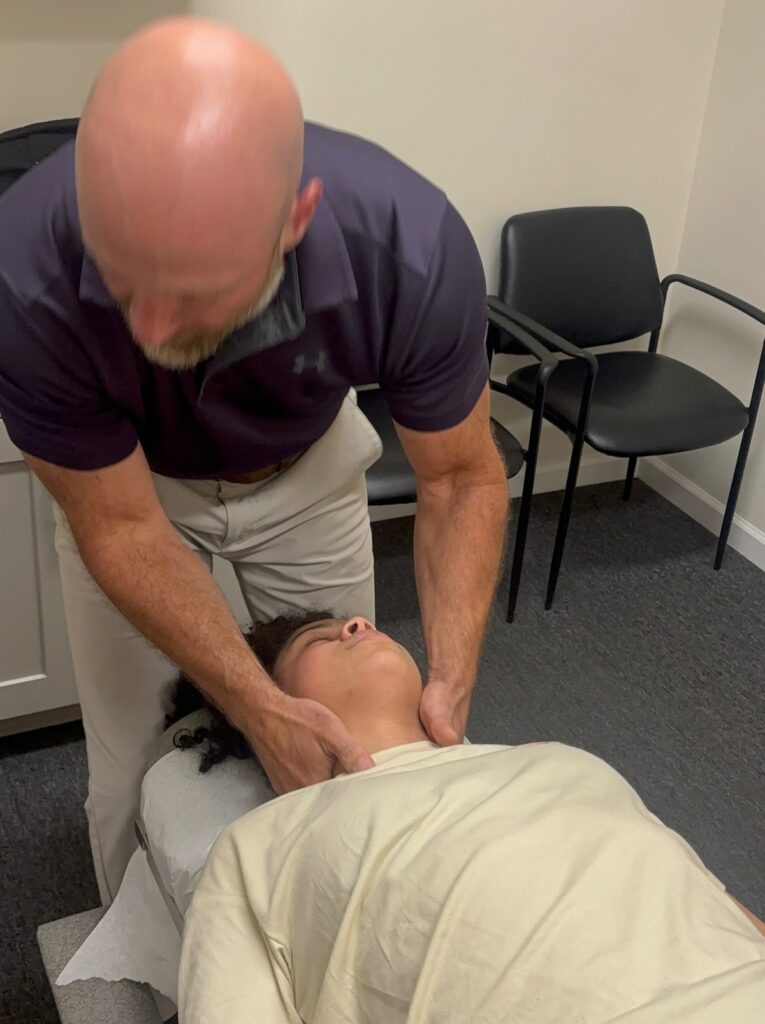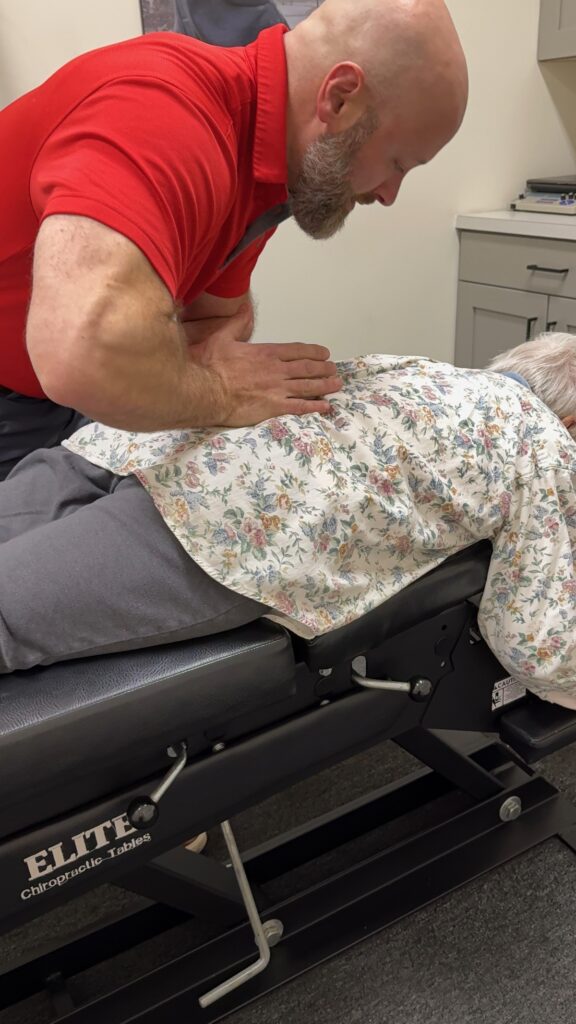
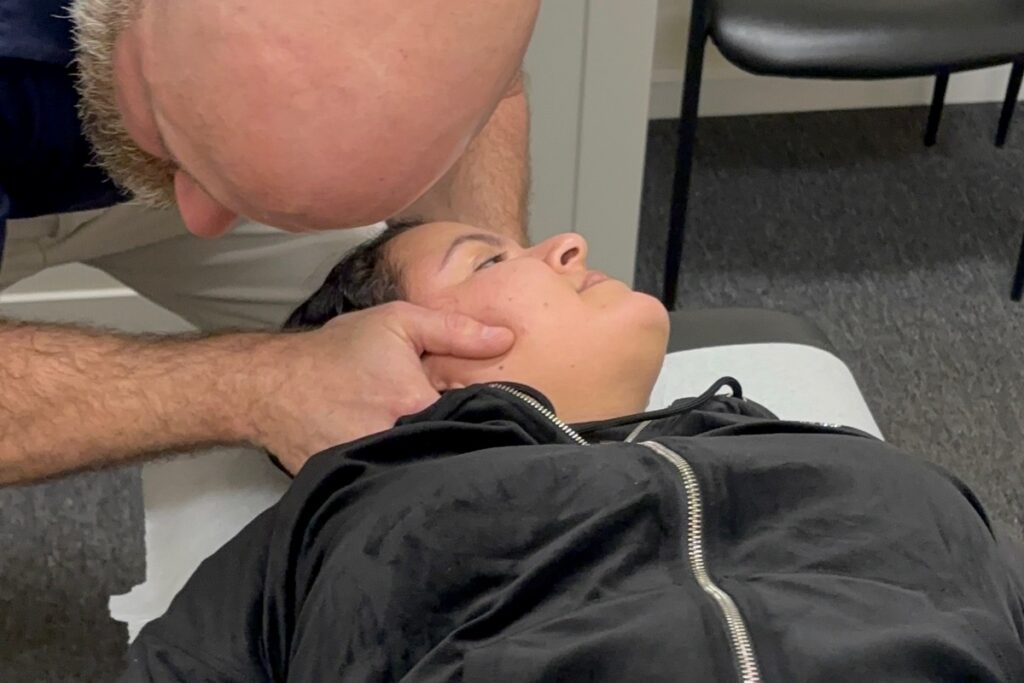

Chronic headaches can quietly take over your life. They disrupt your focus at work, steal your energy, and make even simple daily activities feel like a challenge. If you’ve been reaching for over-the-counter pain relievers week after week with little lasting relief, you’re probably wondering whether there’s a better option. Many patients who visit Fanwood Back Relief Center — with offices in Fanwood and Flemington, NJ — ask the same question: Can chiropractic care actually help with chronic headaches? The honest answer is that for many people, yes, it can make a meaningful difference. Let’s explore why.
What Is Chiropractic Care for Chronic Headaches?
Chiropractic care for chronic headaches focuses on identifying and correcting spinal misalignments — particularly in the neck and upper back — that may be contributing to recurring head pain. Through manual chiropractic adjustments, a chiropractor works to restore proper joint motion, reduce nerve irritation, and ease the muscle tension that often underlies chronic headache patterns.
What Causes Chronic Headaches?
Before we talk about solutions, it helps to understand what’s actually driving your pain. Chronic headaches are typically defined as headaches occurring 15 or more days per month for at least three months. They can stem from a surprisingly wide variety of causes, and that’s part of what makes them so frustrating to manage.
Some of the most common underlying contributors include poor posture, prolonged screen time, forward head position, stress, and reduced mobility in the joints of the cervical spine — the neck. Many people in our communities here in Fanwood and Flemington spend long hours at desks, in cars, or looking down at devices. Over time, that postural strain accumulates and can place significant stress on the structures of the neck and upper back.
Tension-type headaches, which are among the most prevalent forms, are often tied directly to muscle tightness in the neck, shoulders, and base of the skull. Cervicogenic headaches — a type that actually originates from problems in the cervical spine — are another common pattern that chiropractors are well-positioned to address. Migraines, while more complex in origin, can sometimes be influenced by spinal and musculoskeletal factors as well.
The key takeaway is this: when the bones of the neck lose their proper alignment or motion, the surrounding muscles, joints, and nerves can become irritated. That irritation doesn’t always stay in the neck — it can radiate upward and manifest as a headache.
The Cervicogenic Connection: Your Neck and Your Head
One of the most important concepts to understand when exploring chiropractic care for headaches is the relationship between the cervical spine and head pain. The neck is home to a complex network of nerves, joints, and muscles. When the vertebrae of the upper neck become restricted or misaligned, they can directly refer pain into the head — often mimicking tension headaches or even migraines.
Dr. Eric Chludzinski sees this pattern regularly among patients who come to Fanwood Back Relief Center from across Fanwood, Flemington, and the surrounding areas. A patient might describe their headache as starting at the base of the skull and wrapping around to the forehead. That description is a classic sign of cervicogenic involvement — meaning the headache has a clear spinal and musculoskeletal origin.
The suboccipital muscles — the small, deep muscles at the back of your skull — are particularly prone to tension and restriction. These muscles attach near the top of the cervical spine and connect directly to the base of the skull. When they tighten or when the joints beneath them lose their normal mobility, they can create significant discomfort that travels upward. Manual chiropractic adjustments targeting the upper cervical spine work to restore proper joint movement in this region, which can reduce the irritation driving the headache cycle.
Forward head posture — a condition where the head sits forward of the shoulders rather than directly above them — is another major contributor. For every inch the head shifts forward, the effective weight it places on the cervical spine increases dramatically. That added load creates chronic strain in the muscles and joints of the neck, which over time becomes a reliable recipe for recurring headaches.
What the Research Says About Chiropractic and Headaches
This isn’t simply a matter of clinical opinion — there is a growing body of peer-reviewed research supporting the role of chiropractic care in managing certain types of headaches. Evidence from sources including the Cochrane Library and published findings in the Journal of Manipulative and Physiological Therapeutics suggests that spinal manipulative therapy may be beneficial for both tension-type headaches and cervicogenic headaches.
The American Chiropractic Association (ACA) and various clinical guidelines have acknowledged manual adjustments as a reasonable, non-invasive option for patients seeking conservative headache care. Research suggests that chiropractic adjustments can help reduce headache frequency, intensity, and duration in patients who experience cervicogenic or tension-type headache patterns.
It’s important to be honest here: chiropractic care is not a guaranteed cure, and results vary from person to person. Some patients experience significant, lasting improvement. Others find that chiropractic care helps manage their headaches as part of an ongoing wellness routine. The evidence is strongest for cervicogenic and tension headaches. For migraine, the picture is more nuanced, though some patients do report meaningful improvement with spinal care.
What chiropractic care offers that is genuinely appealing to many people is a drug-free, non-surgical approach to care. For patients in Flemington and Fanwood who are tired of relying on medications that only mask symptoms temporarily, that distinction matters a great deal.
How Chiropractic Care Fits Into Headache Relief
At Fanwood Back Relief Center, Dr. Eric Chludzinski approaches headache care by first conducting a thorough evaluation of the patient’s spine — particularly the cervical and upper thoracic regions. Understanding the specific nature of the headache, where it originates, what aggravates it, and how it behaves over time is essential before any care begins.
The primary tool in chiropractic headache care is the manual spinal adjustment. This is a precise, hands-on technique in which the chiropractor applies a controlled force to a specific spinal joint to restore its normal position and range of motion. When applied to the cervical spine, these adjustments can relieve joint restriction, reduce nerve irritation, and ease the muscle tension that feeds the headache cycle.
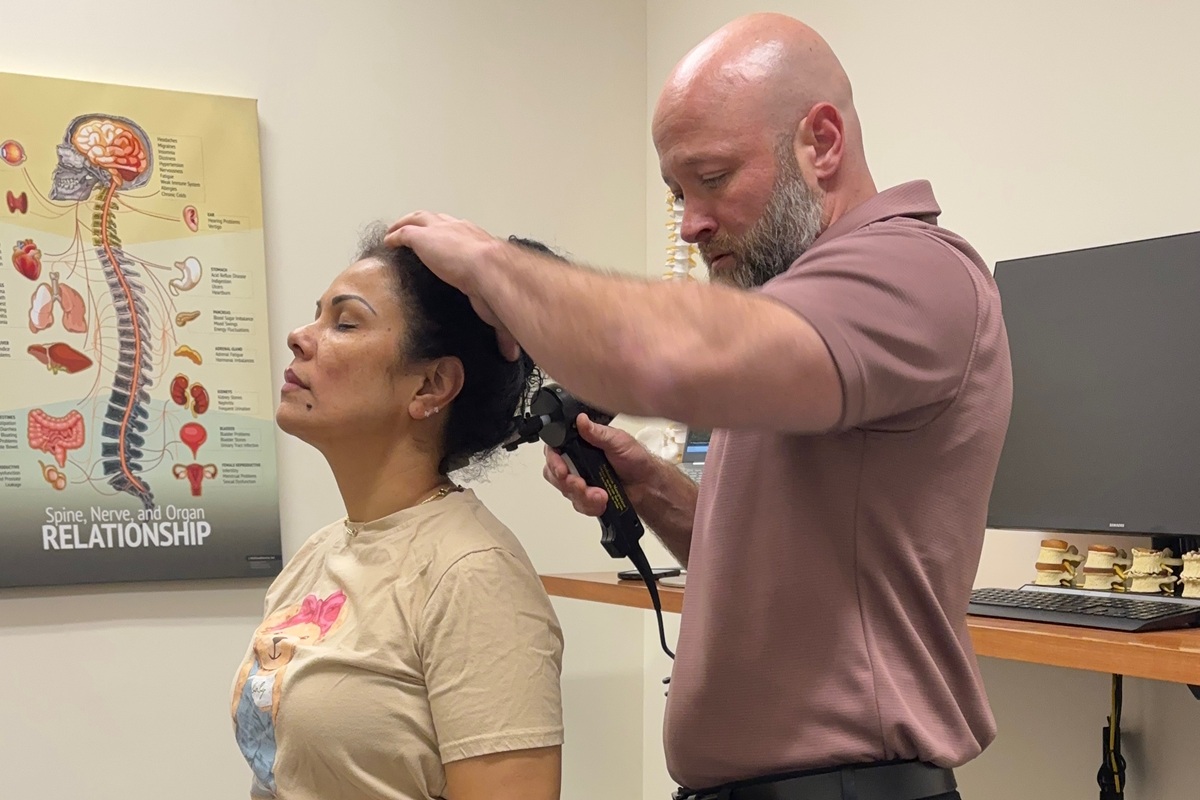
For patients with tension-type headaches, the upper cervical and upper thoracic spine are often primary areas of focus. Restricted joints in these regions are a frequent contributor to the muscle tightness that radiates into the head. Regular adjustments to these areas can help interrupt that cycle and allow the body to function with less mechanical stress driving the pain.
For cervicogenic headache sufferers — those whose pain is clearly traceable to the neck — the benefits of well-directed chiropractic adjustments can be particularly noticeable. Restoring normal joint mobility in the cervical spine removes a key source of the referred pain pattern that produces this type of headache.
Care at Fanwood Back Relief Center is always individualized. Dr. Chludzinski works to understand each patient’s unique presentation and develops a care plan that reflects what their spine actually needs — not a one-size-fits-all approach.
Practical Tips to Support Your Headache Care
Chiropractic adjustments are most effective when they are supported by thoughtful daily habits. Here are some practical steps that can help reinforce the work done in the office and reduce the likelihood of headaches returning.
Pay close attention to your posture throughout the day, especially if you work at a desk or spend long periods looking at a screen. Your monitor should be at eye level so your head isn’t tilting forward or downward. Your ears should stack over your shoulders when viewed from the side. This single adjustment to your workstation setup can dramatically reduce the cumulative strain on your cervical spine.
Take regular movement breaks. Sitting in one position for extended periods causes muscles to tighten and joints to stiffen. Setting a reminder to stand, move your neck gently through its range of motion, and reset your posture every 45 to 60 minutes can make a noticeable difference over time.
Stay well hydrated. Dehydration is a well-recognized headache trigger. Making sure you’re drinking enough water throughout the day is a simple step that supports both spinal disc health and overall neurological function.
Sleep position also matters more than many people realize. Sleeping on your stomach forces your neck into a rotated position for hours at a time, which can aggravate cervical joints and contribute to morning headaches. Sleeping on your back or side — with a supportive, appropriately sized pillow — is generally a better choice for cervical health.
When to See a Chiropractor for Headaches
If you experience headaches more than a couple of times per week, or if your headaches are lasting longer and becoming harder to manage with rest or over-the-counter remedies, it’s worth seeking a professional evaluation. Patients throughout Fanwood and Flemington often find that they’ve been managing symptoms for months or even years before exploring chiropractic care — and many wish they’d come in sooner.
Chiropractic care is especially worth considering if your headaches are accompanied by neck stiffness or discomfort, if they seem to worsen with poor posture or prolonged screen time, or if they begin at the base of the skull and travel forward. These patterns are common signs of cervicogenic involvement that responds well to manual spinal adjustments.
However, there are certain red flags that warrant prompt medical attention rather than chiropractic care. If you experience a sudden, severe headache that feels unlike anything you’ve had before, a headache following a head injury, headaches with neurological symptoms such as vision changes, numbness, weakness, or speech difficulties, or headaches accompanied by fever and neck stiffness, please seek emergency medical care right away. These situations require immediate medical evaluation to rule out serious underlying conditions.
Headache Types and Chiropractic Relevance
Headache Type |
Common Characteristics |
Chiropractic Relevance |
|---|---|---|
|
Tension-Type Headache |
Dull, pressing pain; often band-like around the head; linked to neck and shoulder tension |
Strong — cervical and upper thoracic adjustments can reduce frequency and intensity |
|
Cervicogenic Headache |
Originates in the neck; often one-sided; worsened by neck movement or sustained posture |
Very strong — directly tied to spinal joint dysfunction; highly responsive to manual adjustments |
|
Migraine |
Moderate to severe throbbing; often one-sided; may include nausea, light sensitivity |
Moderate — some patients report improvement; evidence is less definitive than for other types |
|
Post-Traumatic Headache |
Follows head or neck injury; may involve whiplash component |
Moderate — spinal care may help address cervical component following appropriate medical clearance |
Myths vs. Facts About Chiropractic and Headaches
Myth: Chiropractic adjustments are only for back pain.
Fact: While back pain is certainly a common reason patients seek chiropractic care, the cervical spine is equally within a chiropractor’s scope. Neck and upper back dysfunction is a recognized driver of chronic headaches, and manual cervical adjustments are a well-established part of conservative headache management.
Myth: You’ll need to keep going forever with no end in sight.
Fact: The frequency and duration of care depends on the individual patient and the nature of their condition. Some patients reach their goals and transition to periodic wellness visits by choice. Dr. Eric Chludzinski works with each patient at Fanwood Back Relief Center to set realistic expectations and a clear care plan from the start.
Myth: Chiropractic care cures headaches permanently after one or two visits.
Fact: Chiropractic care is not an instant cure, and anyone claiming otherwise is overpromising. Chronic headaches typically develop over time due to accumulated postural and spinal strain, and they often require consistent care and lifestyle adjustments before meaningful improvement is experienced. Gradual, sustainable progress is the realistic and honest goal.
Myth: Neck adjustments are dangerous.
Fact: Cervical chiropractic adjustments performed by a licensed, trained chiropractor are considered safe for the vast majority of patients. Serious adverse events are exceedingly rare. Dr. Chludzinski conducts a thorough evaluation before any adjustment is performed to ensure the approach is appropriate for each individual patient.
Myth: If your headaches are from migraines, chiropractic can’t help at all.
Fact: While the evidence for chiropractic and migraines is more nuanced than for tension or cervicogenic headaches, some patients do report reduced frequency or severity. A proper evaluation can determine whether a spinal component may be contributing to your migraine pattern.
Final Thoughts
Chronic headaches don’t have to be something you simply live with. For many people, recurring head pain has a meaningful spinal and musculoskeletal component — one that responds well to the kind of targeted, hands-on care that chiropractic offers. At Fanwood Back Relief Center, Dr. Eric Chludzinski has helped patients across Fanwood and Flemington better understand the root causes of their headaches and take real, practical steps toward lasting relief.
Our team at Fanwood Back Relief Center is proud to serve both the Fanwood and Flemington communities with individualized, conservative care that respects your body and your goals. Whether you’ve been dealing with headaches for a few months or many years, a thorough chiropractic evaluation can help clarify whether spinal care is a good fit for your situation.
You deserve to wake up without a headache. You deserve to move through your day with clarity and comfort. If chronic headaches have been holding you back, we warmly encourage you to reach out to us — whether you’re closer to our Fanwood or Flemington office — and find out how chiropractic care might be able to help.
Frequently Asked Questions
How many chiropractic visits does it take to see improvement in chronic headaches?
This varies depending on the type and duration of your headaches, as well as your overall spinal health. Some patients notice improvement within the first few weeks of care, while others require more time. Dr. Eric Chludzinski will assess your specific situation and provide realistic expectations during your initial evaluation.
Can chiropractors help with migraines specifically?
Evidence suggests that some migraine sufferers benefit from chiropractic care, particularly when there is a cervical component involved. Results vary by individual, and chiropractic is not a guaranteed treatment for all migraines. A proper evaluation is the best way to determine whether it may help in your case.
Is chiropractic care for headaches safe?
Yes, when performed by a licensed chiropractor following a thorough patient evaluation, chiropractic adjustments are considered safe and well-tolerated for the vast majority of headache patients. Dr. Chludzinski at Fanwood Back Relief Center always prioritizes patient safety in determining the appropriate approach to care.
Do I need a referral to see a chiropractor for headaches in New Jersey?
In New Jersey, you do not need a physician’s referral to see a chiropractor. You can contact Fanwood Back Relief Center directly to schedule an evaluation at either the Fanwood or Flemington office.
What’s the difference between a tension headache and a cervicogenic headache?
Tension headaches are characterized by a dull, pressing, often band-like sensation and are frequently linked to stress and muscle tightness. Cervicogenic headaches originate directly from the joints and structures of the cervical spine and often involve neck discomfort alongside head pain. Both types can be addressed through chiropractic adjustments, though the specific approach may differ.
Can poor posture really cause chronic headaches?
Yes, poor posture — especially forward head posture from prolonged screen use or desk work — places significant strain on the cervical spine and surrounding muscles. Over time, this strain can contribute to joint restriction and muscle tension that manifest as chronic headaches. Addressing posture is an important part of long-term headache management.
TL;DR — Key Takeaways
-
Chronic headaches often have a spinal and musculoskeletal component, particularly involving the cervical spine, that chiropractic care is well-suited to address.
-
Manual chiropractic adjustments to the neck and upper back can help reduce the frequency and intensity of tension-type and cervicogenic headaches by restoring proper joint motion and reducing nerve irritation.
-
Research suggests chiropractic care is a safe, drug-free, non-surgical option for managing certain types of chronic headaches — though results vary and realistic expectations are important.
-
Daily habits like posture correction, regular movement breaks, proper hydration, and healthy sleep positions support and reinforce chiropractic care.
-
Fanwood Back Relief Center, with offices in Fanwood and Flemington, NJ, offers individualized chiropractic evaluation and care for patients dealing with chronic headaches.