
If you’ve ever experienced sharp pain, numbness, or tingling that shoots down your arm or leg, you know how disruptive a pinched nerve can be. This common condition affects millions of people each year, interfering with daily activities, sleep, and overall quality of life. The good news is that pinched nerves are often treatable with conservative, non-invasive care. Here at Fanwood Back Relief Center in Fanwood and Flemington, NJ, we help patients understand what’s causing their symptoms and create personalized care plans to address the root cause. In this article, we’ll explore what a pinched nerve really is, what causes it, how to recognize the symptoms, and how chiropractic care can help you find relief without surgery or medication.
What Is a Pinched Nerve?
A pinched nerve occurs when excessive pressure is applied to a nerve by surrounding tissues such as bones, cartilage, muscles, or tendons. This compression disrupts the nerve’s normal function, leading to pain, numbness, tingling, or weakness. Medically known as nerve compression or radiculopathy when it involves spinal nerves, a pinched nerve can happen anywhere in the body but most commonly affects the spine, neck, and extremities.
Table of Contents
Understanding Nerve Compression and How It Happens
Your nervous system is an intricate network that carries signals between your brain and the rest of your body. Nerves branch out from your spinal cord through small openings between the vertebrae called intervertebral foramina. When these pathways become narrowed or when soft tissues around the nerve swell or shift, the nerve can become compressed or irritated.
Think of a nerve like a garden hose. When water flows freely through the hose, everything works as it should. But if someone steps on the hose or it gets kinked, the water flow becomes restricted. Similarly, when a nerve is pinched, the electrical signals it carries can’t travel properly. This disruption causes the uncomfortable sensations many people describe as shooting pain, tingling, or a “pins and needles” feeling.
Nerve compression can be acute, happening suddenly from an injury or awkward movement, or chronic, developing gradually over time due to repetitive stress, poor posture, or degenerative changes in the spine. Understanding what’s causing the compression is the first step toward effective treatment.
Common Causes of Pinched Nerves
Pinched nerves don’t just happen randomly. They develop as a result of specific mechanical problems, lifestyle factors, or structural changes in the body. Here are the most common causes we see at Fanwood Back Relief Center:
Herniated or Bulging Discs
The discs between your vertebrae act as shock absorbers for your spine. When the outer layer of a disc weakens, the inner gel-like material can bulge out or herniate, pressing directly on nearby nerves. This is one of the most common causes of pinched nerves in the lower back and neck. Disc problems can result from aging, injury, heavy lifting, or repetitive strain.
Spinal Misalignment
When vertebrae shift out of their proper position—a condition chiropractors call subluxation—they can narrow the space where nerves exit the spinal column. Even small misalignments can create enough pressure to irritate a nerve. These misalignments may develop from poor posture, sleeping in awkward positions, car accidents, sports injuries, or simply the cumulative stress of daily activities.
Bone Spurs and Osteoarthritis
As we age, the cartilage that cushions our joints can break down, leading to osteoarthritis. In response, the body sometimes forms bone spurs—small, bony projections that develop along the edges of vertebrae. These spurs can intrude into the spaces where nerves pass through, causing compression. This is particularly common in the neck and lower back.
Muscle Tension and Inflammation
Misalignments in the spine and joints can contribute to irritation or compression of nearby nerves, particularly in the neck and lower back. Poor posture, repetitive movements, prolonged sitting, and everyday physical stress may increase strain on the musculoskeletal system, leading to discomfort, numbness, tingling, or radiating pain. Manual chiropractic adjustments are designed to restore proper joint alignment and mobility, which may help reduce mechanical stress on affected nerves and support improved function.
Repetitive Motion and Overuse
Doing the same motion over and over—whether it’s typing, using tools, or playing sports—can lead to tissue inflammation and swelling that compresses nearby nerves. Carpal tunnel syndrome is a classic example of a pinched nerve caused by repetitive wrist motion.
Injury and Trauma
Sudden trauma from falls, auto accidents, or sports injuries can cause tissues to swell, bones to shift, or discs to herniate, all of which can pinch nerves. Even after the initial injury heals, structural changes may persist and continue causing nerve irritation.
Excess Weight and Poor Posture
Carrying extra weight, especially around the midsection, increases the load on the spine and can contribute to disc degeneration and nerve compression. Similarly, prolonged poor posture—such as slouching at a desk or looking down at a phone—places abnormal stress on the spine and surrounding tissues.
Signs and Symptoms to Watch For
Pinched nerve symptoms can vary depending on the location and severity of the compression. Some people experience mild discomfort, while others have debilitating pain that affects every aspect of their lives. Here are the most common signs:
Sharp, Shooting Pain: Many people describe the pain from a pinched nerve as electric or lightning-like. It may radiate from the neck down the arm or from the lower back down the leg, following the path of the affected nerve.
Numbness and Tingling: You might feel a “pins and needles” sensation or complete numbness in the area supplied by the compressed nerve. This often affects the hands, fingers, feet, or toes.
Muscle Weakness: A pinched nerve can interfere with the signals that control muscle contraction, leading to weakness in the affected limb. You might notice difficulty gripping objects, lifting your foot, or maintaining balance.
Burning Sensation: Some people experience a burning feeling along the nerve pathway, which can be constant or intermittent.
Reduced Range of Motion: Pain and stiffness may limit your ability to move your neck, back, or affected limb freely.
Symptoms That Worsen With Certain Positions: You might notice that your symptoms get worse when you sit, stand, lie down in certain positions, or perform specific movements. For example, neck extension might worsen arm symptoms, or sitting might aggravate leg pain.
Here in Fanwood and Flemington, we often see patients who’ve been living with these symptoms for weeks or months, trying to push through the discomfort. It’s important to understand that persistent nerve compression can lead to longer-term issues, so early intervention is key.
How Chiropractic Care Addresses Pinched Nerves
Chiropractic care offers a conservative, drug-free approach to treating pinched nerves by addressing the underlying spinal and joint dysfunction that may contribute to nerve irritation. At Fanwood Back Relief Center, our goal is not simply to reduce symptoms but to identify and correct the mechanical issues that may be affecting healthy nerve function.
Comprehensive Evaluation
Treatment begins with a thorough evaluation. We take the time to understand your symptoms, medical history, and daily activities. Orthopedic and neurological examinations help determine which nerve may be affected and what could be contributing to the problem. When clinically appropriate, X-rays may be used to evaluate spinal alignment, joint health, disc spacing, and other structural factors that can influence nerve function.
Manual Chiropractic Adjustments
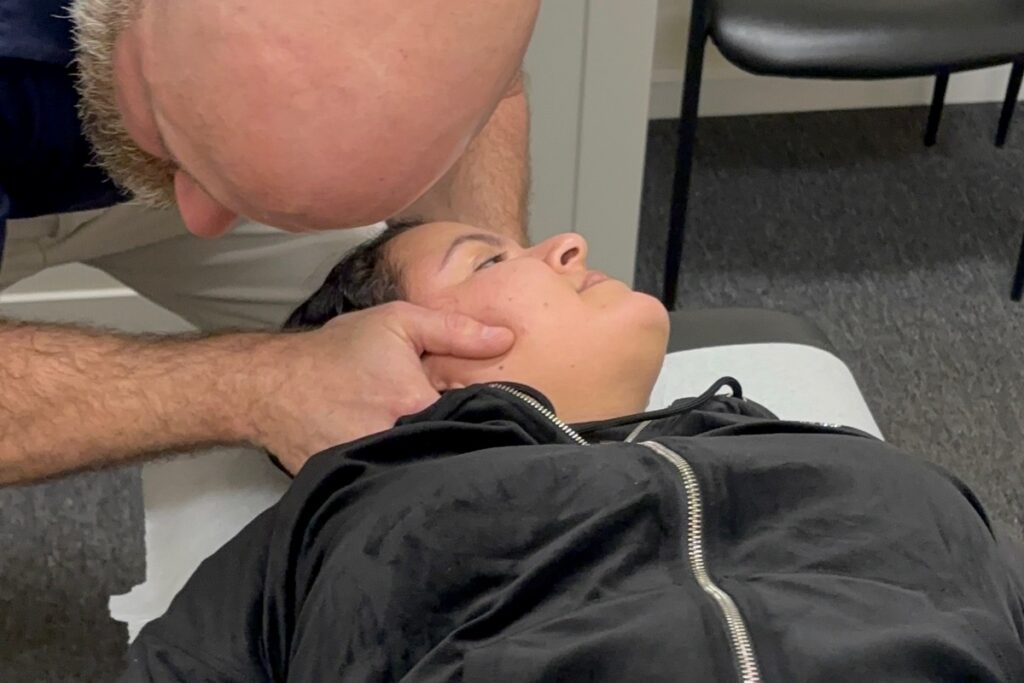
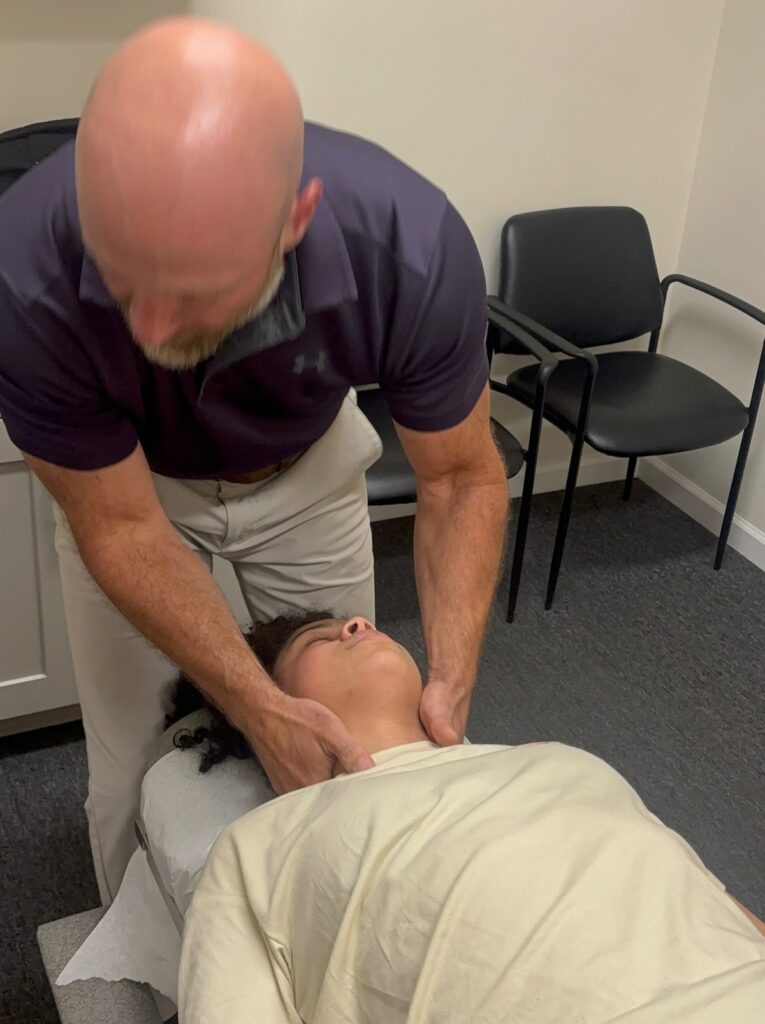
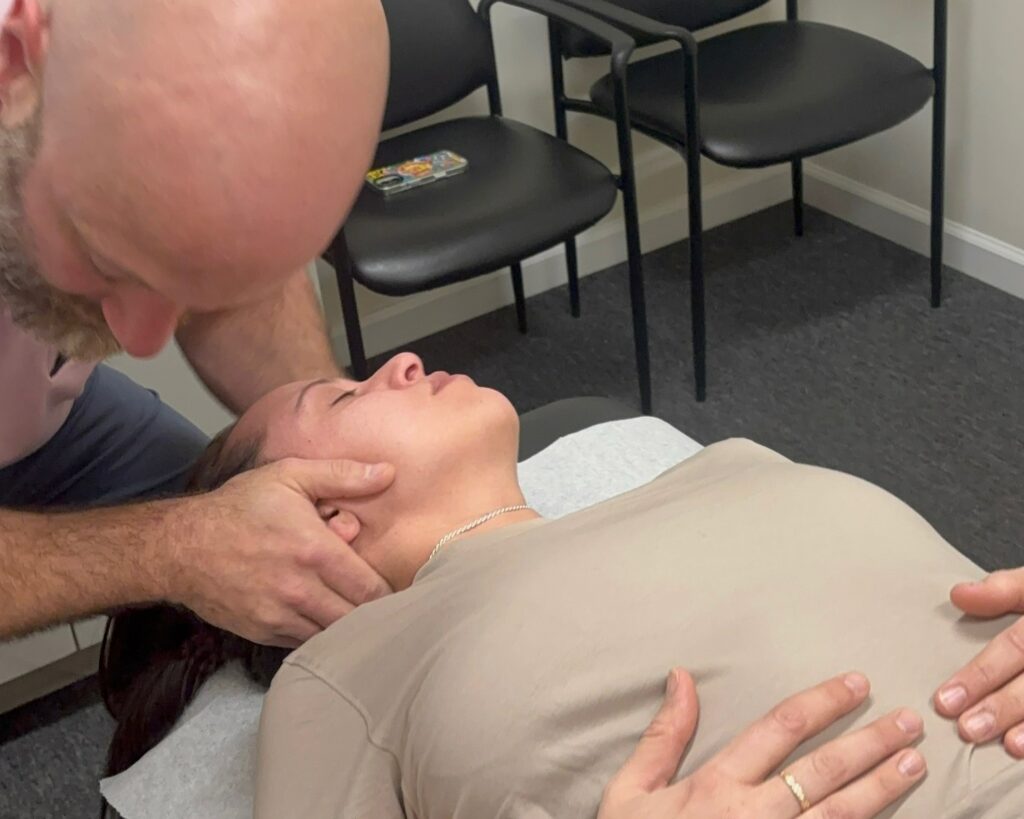
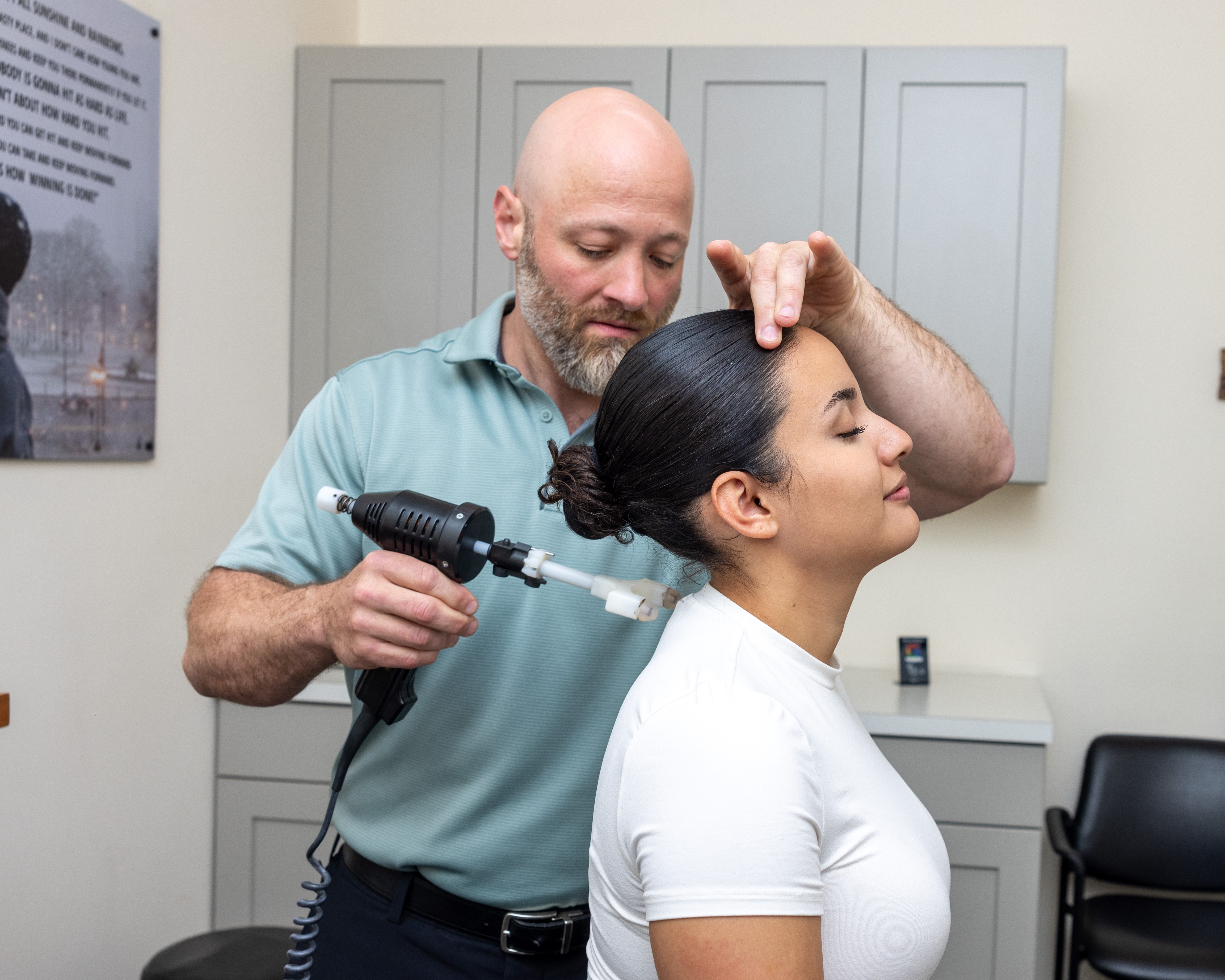
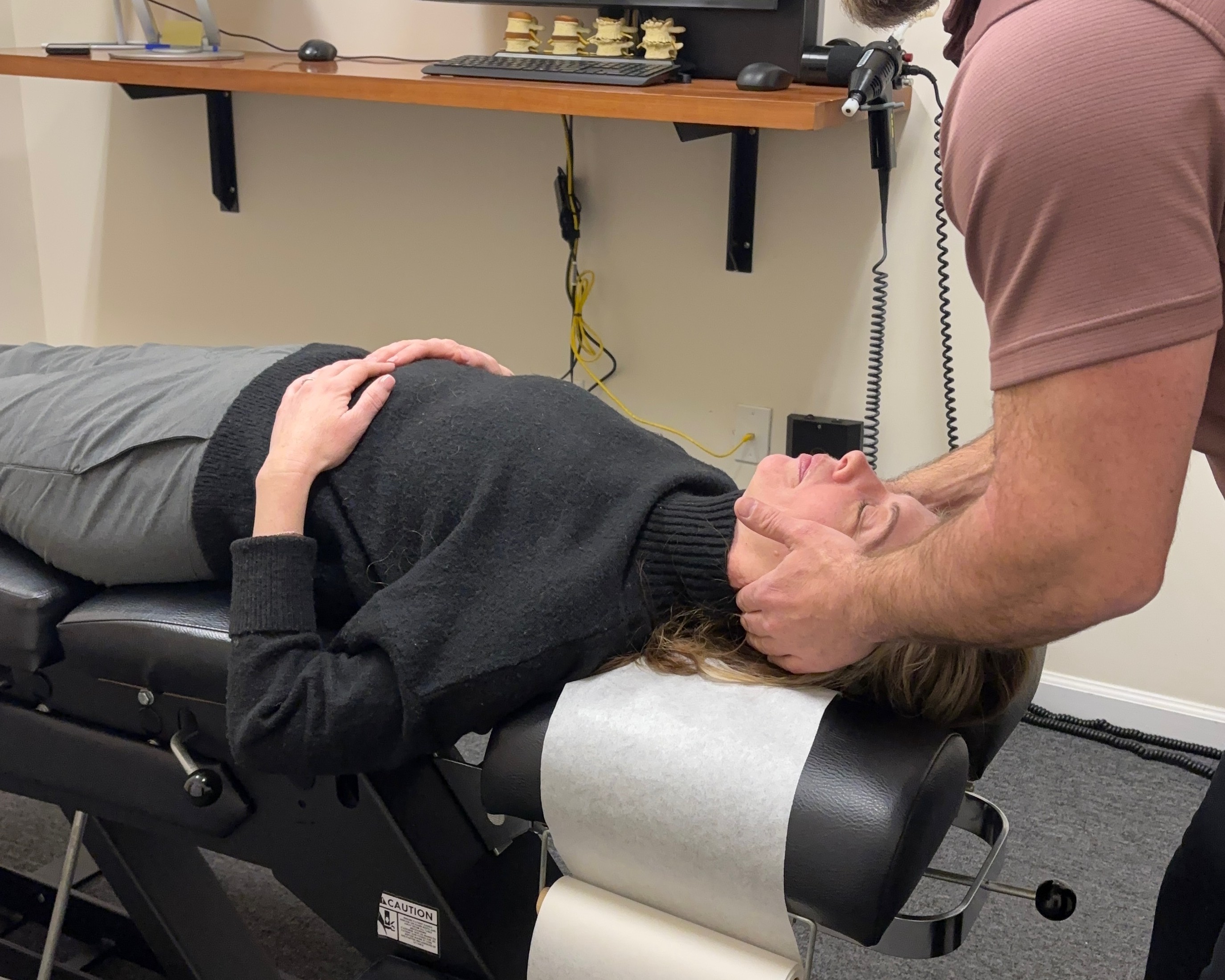
Manual chiropractic adjustments are the foundation of care for many patients with pinched nerves. By restoring proper alignment and motion to restricted spinal joints, chiropractic adjustments may help reduce mechanical stress on irritated nerves while improving overall spinal function. Each adjustment is carefully tailored to the patient’s condition, comfort level, and individual needs.
Improving spinal mobility and joint mechanics can also support healthier movement patterns, helping reduce unnecessary strain on surrounding tissues. Many patients notice improvements in pain, stiffness, range of motion, and daily function as spinal alignment and joint mobility are restored. Throughout the course of care, your progress is monitored closely so treatment can be adjusted based on your response and recovery goals.
Individualized Care Plans
Every pinched nerve case is different, which is why we create individualized care plans based on your specific condition, lifestyle, and goals. Treatment frequency and duration depend on factors like how long you’ve had symptoms, the severity of compression, and your body’s response to care. Some patients experience relief quickly, while others with chronic conditions need a more gradual approach.
We also provide specialized care for different populations. Our prenatal care addresses nerve compression that can occur during pregnancy as the body changes. Athlete care focuses on performance and injury prevention for active individuals. Auto accident care helps patients recover from trauma-related nerve issues. Wellness care supports long-term spinal health to prevent future problems.
Practical Tips for Prevention and Relief
While professional care is often necessary for pinched nerves, there are several things you can do at home to support your recovery and reduce your risk of future episodes:
Improve Your Workstation Ergonomics: If you work at a desk, ensure your monitor is at eye level, your chair supports your lower back, and your feet rest flat on the floor. Your keyboard and mouse should allow your arms to rest at a 90-degree angle. Taking regular breaks to stand and stretch can prevent muscle tension that contributes to nerve compression.
Mind Your Posture: Whether sitting, standing, or walking, maintain awareness of your posture. Keep your shoulders back, your head balanced over your spine, and avoid slouching. When using your phone, bring it up to eye level rather than looking down, which strains the neck.
Stay Active: Regular, gentle movement helps maintain spinal flexibility and muscle strength. Walking, swimming, and yoga can be excellent choices. Avoid prolonged periods of inactivity, which can lead to stiffness and worsen symptoms.
Use Proper Lifting Techniques: When lifting objects, bend at your knees and hips, not your back. Keep the object close to your body and avoid twisting while lifting. This protects your spine from injury that could lead to disc problems and nerve compression.
Apply Ice or Heat Appropriately: In the acute phase of a pinched nerve—especially if there’s inflammation—ice can help reduce swelling. After the initial inflammation subsides, heat can relax tight muscles and improve circulation. Alternate between the two as needed, using each for 15-20 minutes at a time.
Sleep in a Supportive Position: Your sleeping position matters. If you have a pinched nerve in your neck, try sleeping on your back with a supportive pillow or on your side with your neck in neutral alignment. For lower back nerve compression, sleeping on your side with a pillow between your knees can reduce strain.
Maintain a Healthy Weight: Excess weight increases the load on your spine and can accelerate disc degeneration. A balanced diet and regular activity support both weight management and overall spinal health.
Stay Hydrated: Your spinal discs need water to maintain their height and shock-absorbing properties. Drinking adequate water throughout the day supports disc health and may help prevent compression-related problems.
When to See a Chiropractor
Not every instance of tingling or temporary discomfort requires immediate professional care, but certain situations warrant evaluation. Consider scheduling an appointment at Fanwood Back Relief Center if you experience any of the following:
Persistent Symptoms: If your pain, numbness, or tingling lasts more than a few days despite rest and home care, it’s time to get evaluated. Prolonged nerve compression can lead to more significant problems if left untreated.
Progressive Weakness: Muscle weakness that worsens over time is a sign that the nerve compression may be significant and requires professional attention.
Symptoms That Interfere With Daily Life: If your symptoms prevent you from working, sleeping, or performing routine activities, don’t wait to seek care. Quality of life matters, and effective treatment can help you get back to normal activities.
Recurring Episodes: If you’ve had pinched nerve symptoms before and they keep coming back, underlying structural issues may need to be addressed to prevent future occurrences.
Symptoms Following an Injury: If your symptoms started after a car accident, fall, sports injury, or any traumatic event, professional evaluation is important to assess for underlying damage.
Red Flags Requiring Immediate Medical Attention: Certain symptoms indicate more serious conditions that require urgent medical evaluation. Seek immediate medical care if you experience loss of bladder or bowel control, severe or progressive numbness in the groin or inner thighs (saddle anesthesia), severe weakness in both legs, or symptoms accompanied by fever, unexplained weight loss, or a history of cancer. These symptoms may indicate conditions like cauda equina syndrome or other serious neurological problems that require emergency intervention.
Our team in Fanwood and Flemington is experienced in recognizing when conditions fall outside the scope of chiropractic care and will coordinate with other healthcare providers when appropriate.
Pinched Nerve Locations and Symptoms
|
Location |
Common Symptoms |
Typical Causes |
|---|---|---|
|
Cervical Spine (Neck) |
Pain radiating down arm, numbness in hand/fingers, weakness in grip, shoulder pain |
Herniated disc, bone spurs, poor posture, whiplash injury |
|
Lumbar Spine (Lower Back) |
Sciatica pain down leg, numbness in foot/toes, difficulty walking, lower back pain |
Herniated disc, spinal stenosis, degenerative changes, muscle tension |
|
Thoracic Spine (Mid-Back) |
Band-like pain around ribs, chest discomfort, upper back pain |
Poor posture, rib misalignment, trauma, degenerative changes |
|
Wrist (Carpal Tunnel) |
Numbness in thumb/first three fingers, weak grip, pain that worsens at night |
Repetitive motion, wrist position during work, fluid retention, wrist misalignment |
|
Elbow (Cubital Tunnel) |
Numbness in ring and pinky fingers, pain at inside of elbow, weakness in hand |
Prolonged elbow flexion, direct pressure on elbow, prior injury |
Myths vs. Facts About Pinched Nerves
Myth: Pinched Nerves Always Require Surgery
Fact: The vast majority of pinched nerves respond well to conservative care, including chiropractic treatment, physical rehabilitation, and lifestyle modifications. Surgery is typically reserved for severe cases that don’t improve with non-invasive approaches or involve significant structural damage. Many patients at our Fanwood and Flemington practice find relief without ever needing surgical intervention.
Myth: If You Can Move, Your Nerve Isn’t Really Pinched
Fact: You can have significant nerve compression and still maintain some degree of movement. The severity of symptoms doesn’t always correlate directly with your ability to move. Some people with substantial nerve compression have relatively mild symptoms, while others with minor compression experience intense pain. Professional evaluation is necessary to determine the extent of the problem.
Myth: Chiropractic Adjustments Can Damage Nerves
Fact: When performed by a trained, licensed chiropractor, spinal adjustments are extremely safe. Research indicates that serious complications from chiropractic care are rare. Chiropractors receive extensive training in spinal biomechanics and neurological assessment. At Fanwood Back Relief Center, we conduct thorough evaluations before treatment and use gentle, precise techniques tailored to each patient’s condition and comfort level.
Myth: Once a Nerve Is Pinched, the Damage Is Permanent
Fact: Nerves have remarkable healing capacity when pressure is relieved. Most people experience significant improvement or complete resolution of symptoms with appropriate care. Even in cases of chronic compression, reducing the pressure on the nerve can stop progression and allow healing to occur. The key is addressing the problem before permanent nerve damage develops.
Myth: Rest Is the Best Treatment for a Pinched Nerve
Fact: While avoiding activities that aggravate symptoms is wise, complete rest and inactivity can actually worsen the condition by allowing muscles to weaken and joints to stiffen. Gentle movement and targeted treatment to address the underlying cause of compression typically produce better outcomes than prolonged rest alone. The goal is appropriate activity modification, not complete immobilization.
Final Thoughts from Fanwood Back Relief Center
Living with a pinched nerve doesn’t have to be your new normal. Understanding what causes nerve compression and recognizing the symptoms early gives you the opportunity to seek care before the condition worsens. Whether your symptoms are related to a herniated disc, spinal misalignment, or repetitive stress, addressing the underlying cause with conservative chiropractic care may help reduce discomfort, improve mobility, and support your body’s natural healing process.
At Fanwood Back Relief Center in Fanwood, New Jersey, Dr. Chludzinski provides personalized chiropractic care centered on thorough evaluations and precise manual chiropractic adjustments. Every treatment plan is tailored to the individual’s condition, symptoms, and goals, with the focus on restoring proper spinal alignment and improving nervous system function. By addressing the source of nerve irritation, chiropractic adjustments may help relieve pain, numbness, tingling, and weakness while supporting long-term spinal health.
If you’re experiencing symptoms of a pinched nerve, don’t wait for them to become more severe. Early evaluation and appropriate chiropractic care may help prevent the condition from progressing and get you back to your normal activities sooner. Contact Fanwood Back Relief Center today to schedule an evaluation and learn how personalized chiropractic care may help you find lasting relief.
Frequently Asked Questions
How long does it take for a pinched nerve to heal with chiropractic care?
Recovery time varies based on the severity and duration of nerve compression, but many patients notice improvement within a few weeks of starting care. Acute cases often respond more quickly, while chronic conditions may require several months of treatment. Your chiropractor will reassess your progress regularly and adjust your care plan as needed.
Can a pinched nerve go away on its own without treatment?
Some mild cases of nerve compression resolve on their own with rest and activity modification. However, many pinched nerves require professional intervention to address the underlying structural problem. Without proper treatment, symptoms may persist, worsen, or lead to permanent nerve damage in severe cases.
Is it safe to exercise with a pinched nerve?
Gentle movement is often beneficial, but it’s important to avoid activities that aggravate your symptoms. Your chiropractor can recommend specific exercises and stretches that support healing without putting additional stress on the compressed nerve. High-impact activities or movements that recreate your symptoms should be avoided until you’ve improved.
What’s the difference between a pinched nerve and muscle pain?
Pinched nerve pain typically follows a specific nerve pathway and may include numbness, tingling, or weakness in addition to pain. Muscle pain is usually more localized, achy rather than sharp or electric, and doesn’t typically cause numbness or tingling. However, muscle tension can contribute to nerve compression, so the two conditions sometimes occur together.
Can poor posture really cause a pinched nerve?
Yes. Prolonged poor posture places abnormal stress on the spine, leading to muscle imbalances, joint dysfunction, and increased pressure on spinal discs. Over time, these changes can narrow the spaces where nerves exit the spine, resulting in compression. Forward head posture, rounded shoulders, and slouching are particularly problematic.
Will I need X-rays or other imaging for a pinched nerve?
X-rays help chiropractors evaluate spinal alignment, identify degenerative changes, assess disc spacing, and detect structural abnormalities that may be contributing to nerve compression. At Fanwood Back Relief Center, we have X-ray capabilities on-site. In some cases, additional imaging like MRI may be recommended if more detailed visualization of soft tissues is needed.
TL;DR – Key Takeaways
-
A pinched nerve occurs when excessive pressure from surrounding tissues compresses a nerve, causing pain, numbness, tingling, or weakness along the nerve pathway.
-
Common causes include herniated discs, spinal misalignments, bone spurs, muscle tension, repetitive motion, injuries, and poor posture.
-
Chiropractic care addresses pinched nerves through spinal adjustments and personalized treatment plans that target the underlying cause of compression.
-
Most pinched nerves respond well to conservative, non-surgical care when addressed promptly, though recovery time varies depending on severity and chronicity.
-
Seek professional evaluation if symptoms persist beyond a few days, progressively worsen, interfere with daily activities, or include warning signs like severe weakness or loss of bowel/bladder control.