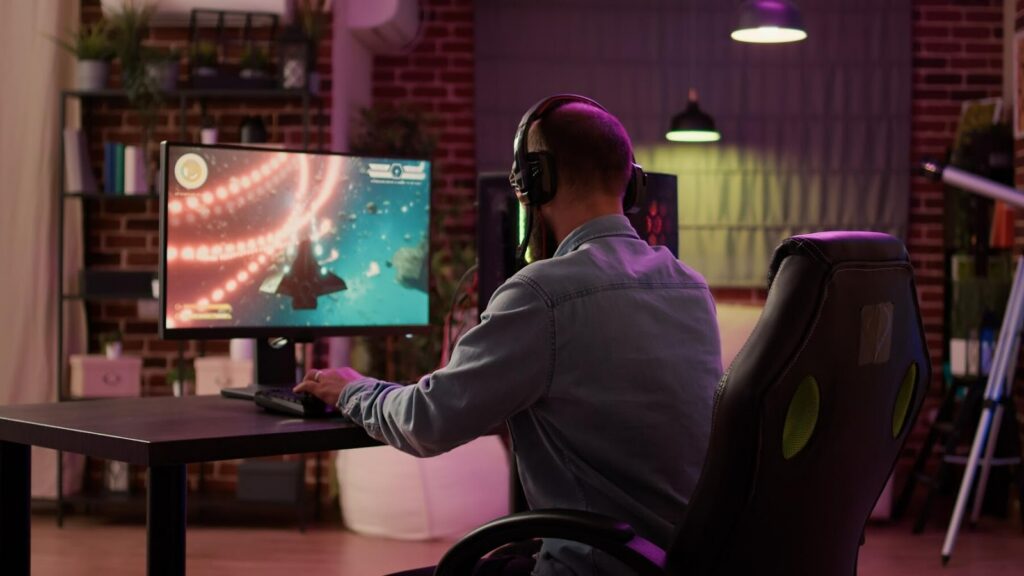

As a local chiropractor, I often see how back pain can significantly impact your daily life. What many people don't realize is that simple adjustments can make a world of difference. By correcting your posture and implementing ergonomic changes in your workspace, we can develop effective strategies to alleviate discomfort and enhance your overall well-being.
I encourage you to think about how targeted exercises can improve your spinal health. These exercises, along with chiropractic adjustments, can help restore balance and function to your body. If you're curious about which specific adjustments could work best for you, I'm here to guide you on this journey to better health through natural healing. Let's explore how we can work together to alleviate your back pain.
Understanding Back Pain Causes
As a local chiropractor, I want to help you understand the various causes of back pain and how we can address them naturally. Back pain can arise from many factors, and it's important to identify what might be affecting you personally.
One common cause is muscle or ligament strain, which often occurs from heavy lifting or sudden awkward movements. If you've been inactive for a while, your back muscles may weaken, leading to discomfort when you finally get moving again.
Herniated discs are another frequent issue. These discs, which act as cushions between your vertebrae, can bulge or rupture, putting pressure on nearby nerves. If you experience shooting pain down your legs or numbness, this could indicate a herniated disc.
Osteoarthritis, which tends to develop with age, is also a contributor to back pain. The wear and tear on your joints can result in inflammation, stiffness, and discomfort.
Sometimes, your back pain may be linked to underlying medical issues such as kidney stones or infections, which require immediate attention. It's crucial not to ignore persistent pain.
Additionally, emotional stress can significantly impact your physical well-being; tension can cause your muscles to tighten, leading to or worsening pain.
Your lifestyle choices play a vital role in your back health as well. Excess weight can put added strain on your spine, while insufficient sleep and poor nutrition may hinder your body's ability to heal.
By understanding these potential causes, you can take proactive measures to alleviate your back pain and enhance your overall health.
As your chiropractor, I'm here to guide you in recognizing the root of your discomfort and finding effective, natural relief. Together, we can explore chiropractic care and other holistic approaches to help you regain your well-being and live pain-free.
Importance of Posture
As your local chiropractor, I want to emphasize the critical importance of maintaining good posture for your overall health, especially when it comes to preventing and alleviating back pain.
Many people are unaware that common posture mistakes can lead to discomfort and strain on the back. This is where chiropractic care and natural healing come into play.
By incorporating specific exercises designed to improve your posture, you can't only relieve existing pain but also enhance your overall well-being.
It's all about creating a balanced body that supports you in your daily activities.
Let's work together to correct those posture habits and promote a healthier lifestyle!
Benefits of Good Posture
As a local chiropractor, I want to emphasize the importance of maintaining proper posture for your overall health and well-being. When you sit or stand correctly, you support the natural curves of your spine, which significantly reduces stress on your muscles and ligaments. This alignment not only helps alleviate back pain but also plays a vital role in preventing future injuries.
One of the key benefits of good posture is its positive effect on your breathing. Sitting up straight creates more space for your diaphragm, allowing your lungs to expand fully. This leads to improved oxygen flow, which can boost your energy levels throughout the day. You may find that with better posture, your concentration and alertness increase as well.
Moreover, I've seen firsthand how good posture can enhance mood and confidence. Standing tall often elevates self-esteem and projects a more assertive image to those around you. Many of my patients report feeling less stressed and more capable of handling daily challenges when they practice good posture.
In addition to these benefits, proper posture supports better digestion by allowing your organs to function efficiently without unnecessary pressure. It's a simple yet powerful way to enhance your overall quality of life.
I encourage you to pay attention to your body mechanics and make a conscious effort to practice good posture regularly. Your back—and your entire body—will thank you for it! If you have any concerns about your posture or how it may be affecting your health, don't hesitate to reach out for guidance.
Common Posture Mistakes
As a local chiropractor, I often see patients who unknowingly engage in common posture mistakes that can lead to discomfort and pain. Many people find themselves slouching in their chairs, leaning forward while working, or tilting their heads down to check their phones. These habits may seem harmless, but over time, they can strain your back and neck.
One prevalent issue is crossing your legs while sitting, which can misalign your hips and spine. Additionally, using non-ergonomic furniture can exacerbate these problems. If your desk is too high or your chair lacks proper support, it can contribute significantly to poor posture.
You mightn't realize it, but standing with your weight shifted to one side or excessively arching your back can also create muscle imbalances that lead to chronic pain.
It's easy to lose sight of your posture, especially when you're focused on tasks. However, being mindful of how you sit, stand, or move throughout the day is crucial for your overall well-being. Recognizing these common mistakes is the first step toward improving your posture and alleviating back pain.
Exercises for Better Posture
As a local chiropractor, I want to share some valuable insights on how incorporating specific exercises into your daily routine can significantly improve your posture and overall spinal health.
Many people experience discomfort due to poor posture, which can also impact confidence and energy levels. By focusing on strengthening key muscle groups, you can achieve a taller stance and feel more energized.
Here are four effective exercises I recommend:
- Plank: This is a fantastic core-strengthening exercise that stabilizes your spine and engages your entire body. By incorporating planks into your routine, you can promote better posture and spinal alignment.
- Shoulder Blade Squeeze: Whether sitting or standing, practice sitting tall and squeezing your shoulder blades together for five seconds. This exercise helps strengthen the upper back muscles, which are essential for maintaining good posture.
- Wall Angels: Stand with your back against a wall, arms bent at a 90-degree angle, and slowly slide them up and down the wall. This movement opens up the chest and improves shoulder mobility, both of which are crucial for proper posture.
- Cat-Cow Stretch: Position yourself on your hands and knees, then alternate between arching and rounding your back. This stretch enhances flexibility and increases your awareness of your spine, making it easier to maintain a healthy posture throughout the day.
Incorporating these exercises into your daily routine can truly transform how you feel in your body.
Embrace these movements, and you'll likely notice a positive change in your posture and overall well-being.
Effective Stretching Techniques
As your local chiropractor, I want to share with you how effective stretching techniques can play a crucial role in alleviating back pain. Many of my patients are surprised to learn that targeted muscle stretches can significantly enhance their overall well-being.
It's essential to focus on specific areas of tension and incorporate these stretches into your daily routine for the best results.
Additionally, integrating proper breathing techniques while stretching can further enhance the effectiveness of your practice. By doing so, you not only improve your flexibility but also promote relaxation, which is vital for reducing discomfort.
Let's take a closer look at how these methods can support your journey towards healing and help you regain a pain-free lifestyle.
Targeted Muscle Stretches
As a local chiropractor, I want to share how targeted muscle stretches can be a powerful tool in alleviating back pain and enhancing your overall well-being.
Many individuals are unfamiliar with the benefits of chiropractic care and natural healing, so let me explain how these stretches can play a crucial role in your recovery.
Targeting specific muscle groups through stretching helps release tension and improve flexibility, which can lead to a significant reduction in discomfort.
Here are four effective stretches that I often recommend to my patients:
- Cat-Cow Stretch: This dynamic stretch is excellent for warming up your spine and relieving tightness in your back. By alternating between arching and rounding your back, you promote better mobility in the spinal column.
- Child's Pose: A simple yet effective stretch, Child's Pose involves kneeling on the ground, sitting back on your heels, and stretching your arms forward. It gently soothes your lower back and encourages relaxation, making it a great addition to your routine.
- Seated Forward Bend: For this stretch, sit with your legs extended in front of you and reach for your toes. This position targets your hamstrings and lower back, providing a soothing release that can help alleviate tension.
- Piriformis Stretch: Lie on your back and cross one ankle over the opposite knee. Gently pull the uncrossed leg towards you. This stretch is particularly beneficial for easing tension in your hips and lower back, offering much-needed relief.
Incorporating these targeted stretches into your daily routine can enhance your comfort and mobility.
As your chiropractor, I encourage you to give them a try and experience the positive difference they can make in your life.
Daily Stretching Routines
As a local chiropractor, I want to emphasize the importance of incorporating a consistent daily stretching routine into your wellness regimen. Regular stretching can significantly enhance your flexibility and help alleviate back pain, allowing you to live a more comfortable life. By dedicating just a few minutes each day, you can keep your muscles relaxed and reduce the tension that often leads to discomfort.
I recommend starting with simple stretches, such as the cat-cow pose, which is excellent for mobilizing the spine and promoting better alignment. Following this, a seated forward bend can effectively stretch your hamstrings and lower back, targeting common areas of tightness.
In addition to these seated stretches, include standing stretches like the standing quadriceps stretch. This stretch targets the hip flexors and thighs, both of which can become tight and contribute to back pain. Don't overlook the importance of side stretches; enhancing your lateral flexibility is crucial for maintaining overall back health.
Aim for at least 10-15 minutes of stretching each day, and as your flexibility improves, gradually increase the duration. Pay attention to your breathing and be mindful of your body's limits to prevent injury.
Consistency is essential, so consider setting reminders or pairing your stretches with daily activities, such as brushing your teeth or watching TV.
With commitment and patience, you'll likely notice significant improvements in your back pain and overall mobility. Embracing these natural healing practices can complement the chiropractic care you receive, leading to a healthier, more active lifestyle.
Breathing Techniques Integration
As a local chiropractor dedicated to helping you find relief from back pain, I want to share how incorporating effective breathing techniques into your stretching routine can significantly enhance your results.
Many patients are unaware of the profound impact that proper breathing can have on their overall well-being. By focusing on your breath, you not only promote relaxation but also improve oxygen flow to your muscles, which can lead to more effective stretching and better outcomes.
Here are four simple breathing techniques that I recommend integrating into your stretches:
- Diaphragmatic Breathing: Begin by breathing deeply through your nose, allowing your abdomen to rise. This technique engages your core and stabilizes your spine, which is essential for maintaining proper alignment and reducing strain.
- Counted Breaths: Try inhaling for a count of four, holding your breath for another count of four, and then exhaling for a count of four. This rhythmic pattern can help you stay focused and calm, allowing your body to relax further as you stretch.
- Extended Exhalation: Focus on exhaling slowly and completely. This simple act not only helps release built-up tension but also signals to your body that it's time to relax, making your stretching routine more effective.
- Breath Coordination: As you stretch, synchronize your breath with your movements. Inhale as you prepare for a stretch and exhale as you deepen into it. This connection between breath and movement enhances your overall experience and effectiveness of the exercise.
By integrating these breathing techniques into your stretching routine, you can't only alleviate back pain but also promote a greater sense of well-being.
Role of Ergonomics
As a local chiropractor, I often see how the right ergonomic setup can significantly transform your work environment and help alleviate back pain. When you prioritize ergonomics, you're not just making your workspace more comfortable; you're also promoting better posture and reducing strain on your body.
One of the key elements is an ergonomic chair that provides support for your lower back. This type of chair encourages you to sit upright, which is crucial for minimizing pressure on your spine.
Additionally, adjusting your desk height so that your elbows are at a 90-degree angle while typing can further prevent discomfort and promote a healthier posture.
It's also important to position your computer monitor at eye level. This adjustment prevents you from craning your neck, which can lead to tension in your back and shoulders.
If you work on a laptop, I recommend investing in a separate keyboard and mouse. This will allow you to create a more flexible workstation where you can maintain a neutral wrist position, which ultimately reduces strain on your back and arms.
Don't overlook the importance of your feet! Keeping them flat on the ground or using a footrest can help maintain proper alignment and alleviate pressure on your lower back.
Even small adjustments in your workspace can lead to significant improvements in how you feel throughout the day.
I also encourage you to incorporate regular breaks to stand and stretch. These simple practices allow your muscles to relax and can help reduce fatigue, leading to a more productive and pain-free workday.
Incorporating Strength Training
As a local chiropractor, I believe that strength training can be a transformative approach to alleviating back pain. By focusing on building strength in your core, back, and legs, you can create a solid foundation that supports your spine and reduces stress on your back. You may be surprised at how effective these exercises can be in enhancing your overall well-being.
Here are four compelling reasons to consider incorporating strength training into your routine:
- Enhanced Stability: Stronger muscles provide better support for your spine, which can significantly reduce the risk of injury and strain during everyday activities.
- Improved Posture: Engaging in strength training can help correct muscle imbalances that often lead to poor posture, a common contributor to chronic back pain.
- Increased Flexibility: Many strength training exercises also promote flexibility, allowing you to achieve a greater range of motion and reduce stiffness in your back and surrounding muscles.
- Boosted Confidence: As you build strength and notice a decrease in back pain, you'll likely experience a boost in confidence regarding your body's capabilities.
If you're new to strength training, I recommend starting with guidance. Consider working with a personal trainer or following a well-structured program that emphasizes proper form and technique.
It's important to take a balanced approach, targeting all major muscle groups while prioritizing exercises that specifically strengthen your core and back.
Remember, consistency is crucial. With time and commitment, you can expect to see significant improvements in your back pain and overall quality of life.
As your chiropractor, I'm here to support you on this journey towards natural healing and improved health. Let's work together to create a personalized plan that incorporates strength training alongside your chiropractic care.
Lifestyle Modifications for Relief
As a local chiropractor dedicated to helping you understand the benefits of natural healing, I want to emphasize that alongside strength training, certain lifestyle modifications can significantly alleviate back pain.
The first step is to evaluate your daily habits. If you find yourself sitting for long periods, it may be time to invest in an ergonomic chair that offers support for your lower back. Additionally, ensure that your workstation is set up properly, with your computer screen at eye level. This simple adjustment can help reduce strain on your neck and spine.
Incorporating movement into your daily routine is essential. I recommend standing up to stretch every hour or taking brief walks during breaks. This practice keeps your muscles engaged and helps prevent stiffness. When lifting heavy bags or objects, remember to bend at your knees rather than your waist to protect your back.
Your sleep habits are also important. A supportive mattress can greatly impact how your back feels each morning. Try sleeping on your side with a pillow between your knees to maintain proper spinal alignment.
Don't overlook the role of diet in managing inflammation. A balanced diet that includes plenty of fruits, vegetables, and omega-3 fatty acids can aid in reducing pain. Staying well-hydrated is equally important, as water helps maintain healthy spinal discs.
Lastly, I encourage you to explore stress management techniques such as yoga or meditation. Stress can lead to muscle tension, which may exacerbate discomfort.
By making these lifestyle changes, you can't only relieve your back pain but also enhance your overall well-being. Remember, small adjustments can lead to significant improvements, so start implementing these strategies today for a healthier back tomorrow.
If you have any questions about how chiropractic care can further support your journey, feel free to reach out!
Conclusion
As your local chiropractor, I want to share how incorporating specific adjustments into your daily routine can significantly alleviate back pain and enhance your overall well-being. Many patients come to me unaware of the root causes of their discomfort, but understanding these factors is crucial. Maintaining good posture is essential, as it directly impacts the health of your spine.
Additionally, I encourage you to embrace effective stretching and strength training, which can provide vital support to your back. It's also important to consider ergonomic modifications in your workspace—simple changes can make a world of difference. By making these adjustments, you are taking proactive steps toward achieving a healthier back. This will allow you to engage in everyday activities without the nagging burden of pain.
Let's work together to prioritize your spinal health! If you have any questions about how chiropractic care can benefit you, please don't hesitate to ask.