
Pick your location:
Pick your location:
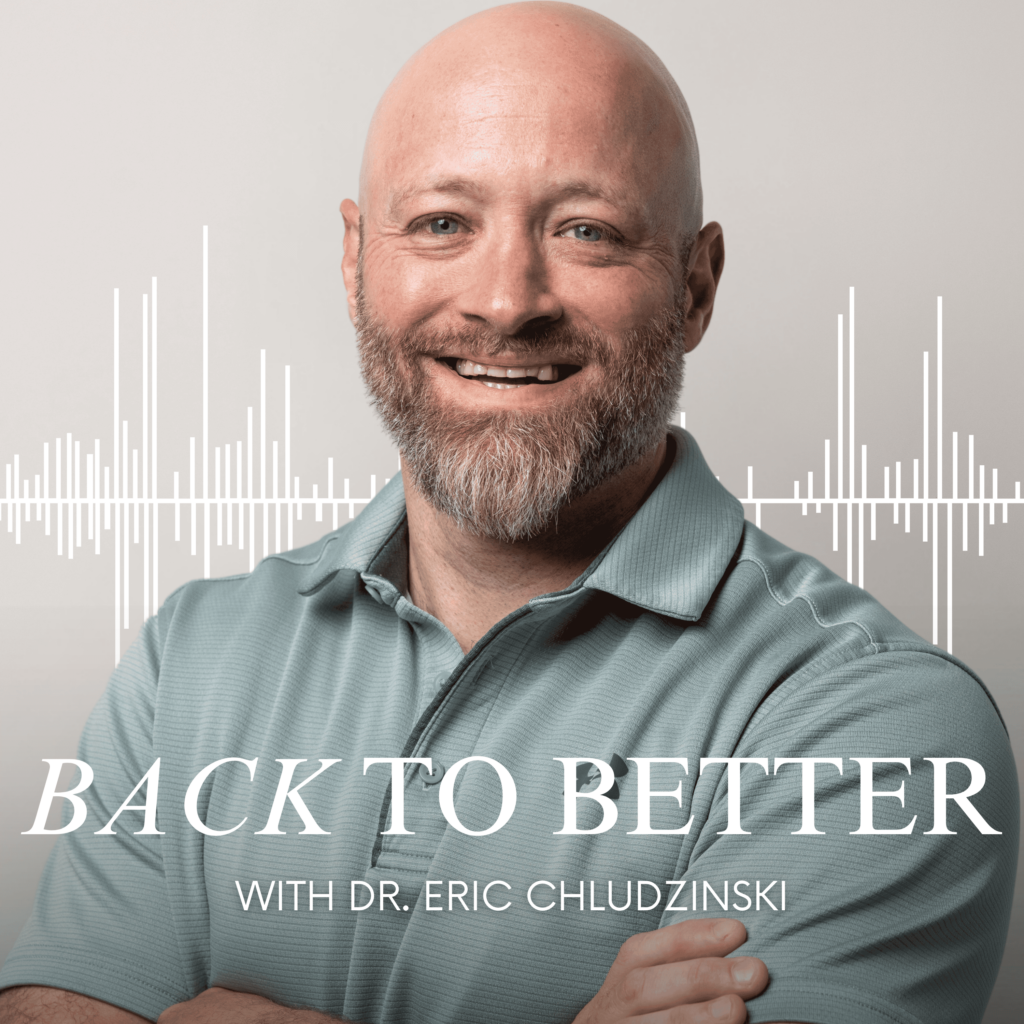
Dr. Eric Chludzinski




They really care about your well being. Dr.Eric is very knowledgeable and takes time to understand your own personal challenges and goals by being a great listener. The staff is very accomodating, thorough, and friendly as well. I would recommend this place to anyone.

Dr. Eric does a great job, and he's very friendly as well. Would highly recommend!

Dr. Eric is very helpful and strives to fix your pain

The staff is great and Dr Eric is great! There are better and better results with every visit.

This place was recommended to me and Dr. Eric is so kind, courteous and empathetic. I improved soon after my first visit from pain and stiffness in my back as I have scoliosis. My flexibility is better too. He's great!

Nothing but great interactions from me. The Doctor is awesome. Went in and in the 1st 10 minutes he xray me and found what the issues were. He then relived me of weeks of pain. Again he is awesome!! I recommend him to all my friends and family.

I went to Dr Eric after having experienced several episodes of dizziness without any explanation from any MD I had seen including cardiac, ENT and family doctor. Did some of my own research and decided to try out a chiropractic approach unsure of where it was going to go. After 2 weeks of adjustments I have not had any more episodes as I had previously been experiencing. Dr Eric explained how his treatments may help and how it helps the entire physiological system. I am still his patient about 1/4 of the way thru my treatments but I am overall feeling better and appreciative of what he has done for my health.

Takes the time to understand what’s going on and explains treatment clearly. I’ve seen a noticeable improvement in my mobility and pain levels. Highly recommend.

Highly recommend Dr. Eric. Very professional and knowledgeable. Always answers questions and greets you with a smile. Came in for a checkup on minor pain/discomfort and the doctor came up with a plan to get my body back to 100%. Staff is also top notch, receptionist has been helpful and friendly. Highly recommend Dr. Eric for your chiropractic needs. My body was feeling so much better after first session (my main complaint was neck pain/stiffness that I couldn’t stretch out). The reviews aren’t just hype, Dr. Eric is quite simply the best.

Doctor Eric and the staff are great! Top notch care and very professional!

