Pick your location:
Pick your location:
Share this episode:
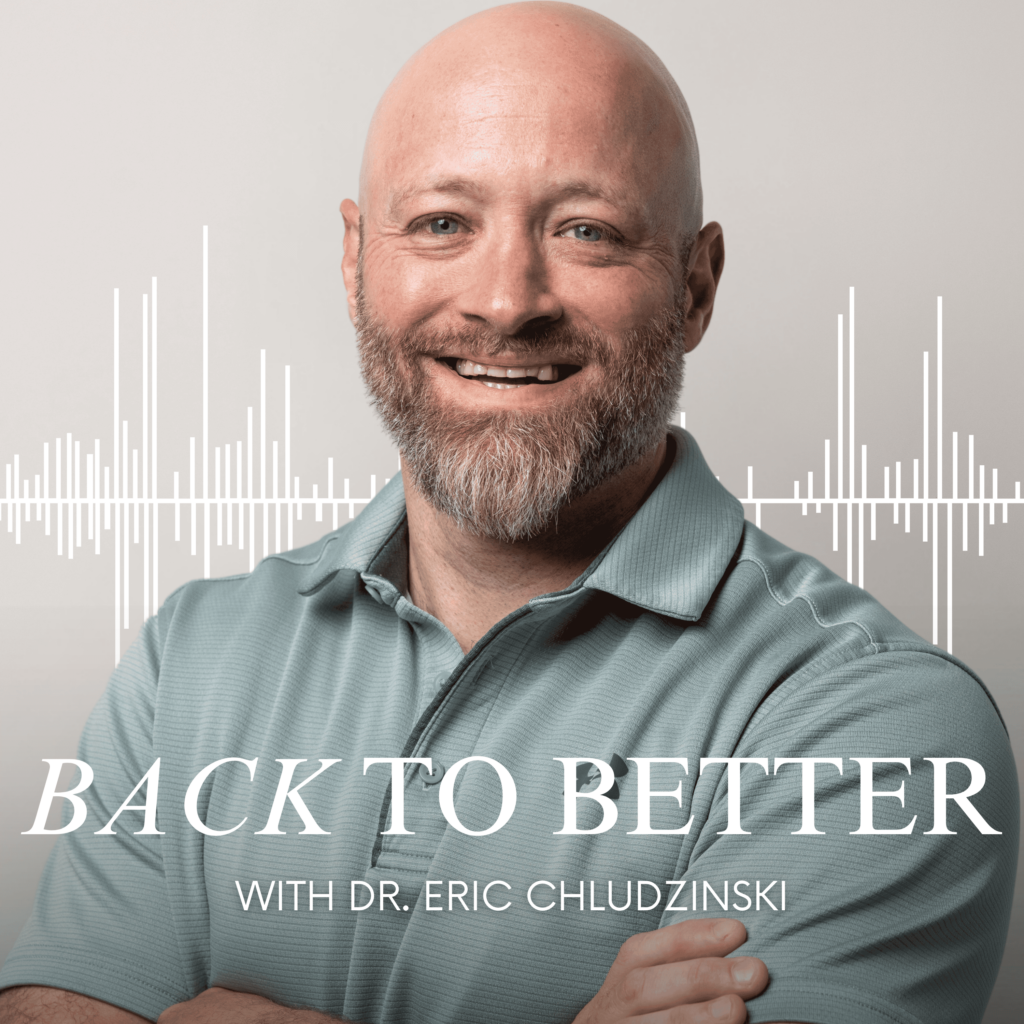
In this episode, Dr. Eric Chludzinski of Fanwood Back Relief Center explores the powerful connection between stress and physical pain. Many people don’t realize that emotional and mental tension can manifest as very real, physical symptoms like neck tightness, back pain, and muscle stiffness.
Dr. Chludzinski breaks down what stress actually does to your body on a physiological level, and why so many patients arrive at his office with pain that traces back to everyday stress and anxiety.
If you’ve ever felt your body tense up after a hard week, this episode will help you understand why that happens and what you can do about it.
Hey there, and welcome back. I’m Doctor Eric Chludzinski, and you’re listening to the Fanwood Back Relief Center podcast. Today we’re talking about something that affects just about everyone – stress. But not just the mental kind. We’re talking about what stress actually does to your body, and why so many people end up in my office with real, physical pain that started with emotional or mental tension. If you’ve ever noticed that your neck gets tight after a rough week at work, or your back starts aching when life gets overwhelming… this episode is for you.
So here’s the thing. A lot of people think of stress as something that only lives in your head. And I get that. We tend to separate the mind from the body in our culture. But the truth is, your nervous system doesn’t make that separation. When you experience stress, your brain triggers what’s called the fight-or-flight response. Your body thinks it needs to protect itself. And one of the first things it does is tighten your muscles. Now, if that stress response fires once in a while, that’s fine. That’s normal. But when stress becomes chronic – when it’s just part of your daily life – those muscles stay tense. Day after day. And that’s where the trouble starts.
Here’s what I see all the time in practice. People come in with neck pain, upper back tightness, headaches, shoulder tension – and when we talk through what’s been going on in their life, it almost always connects back to a period of prolonged stress. Work deadlines, family pressure, financial worry, poor sleep. All of it accumulates in the body. The muscles around your spine tighten up, they pull on the joints, and over time that creates real dysfunction. Your posture suffers. Your range of motion decreases. And suddenly something that started as emotional tension has turned into actual physical pain that you can’t just breathe away.
Now here’s what’s interesting. It works both ways. Physical pain increases your stress levels. And increased stress makes your pain worse. It becomes a cycle that’s really hard to break on your own. That’s why I always say treating the spine and the nervous system isn’t separate from treating stress. It’s directly connected.
So what can you actually do about this? A few simple things to start. First, pay attention to where you hold your tension. Most people hold it in their shoulders, their jaw, or the base of their skull. Just noticing it is the first step. Second, movement helps. Even a short walk can interrupt that fight-or-flight response and start to release some of that muscle tension. Third, breathing matters more than people realize. Slow, deliberate breathing signals to your nervous system that the threat has passed. Try it for just two or three minutes and see how your body responds.
Now, when should you come in and see us? If you’ve been dealing with recurring tension headaches, chronic neck or back stiffness, or pain that flares up during stressful times, that’s your body sending you a signal. At Fanwood Back Relief Center, we use a range of approaches depending on what your body needs. Chiropractic adjustments, including gentle techniques like Impulse Adjusting and Arthro-stim Adjusting, help restore proper motion to the spine and take pressure off the nervous system. We also offer Myofascial Release and Trigger Point Therapy, which are incredibly effective for releasing that deep muscle tension that stress leaves behind. Intersegmental Traction Therapy is another great tool for relaxing the muscles along the spine and improving mobility. We look at the whole picture, because you are more than just a sore back.
Whether you’re a busy professional, a parent, an athlete, or you’re pregnant and feeling the physical weight of all of it – we have options for you here.
The bottom line is this. Stress is real, pain is real, and the connection between them is real. You don’t have to just push through it. There are answers, and there is relief.
Thank you so much for spending a few minutes with me today. If anything I said resonated with you, I’d love to see you in the office. Give us a call or visit us at Fanwood Back Relief Center right here in Fanwood, New Jersey. We’re here to help you feel like yourself again. Take care, and we’ll talk soon.

This place was recommended to me and Dr. Eric is so kind, courteous and empathetic. I improved soon after my first visit from pain and stiffness in my back as I have scoliosis. My flexibility is better too. He's great!

Nothing but great interactions from me. The Doctor is awesome. Went in and in the 1st 10 minutes he xray me and found what the issues were. He then relived me of weeks of pain. Again he is awesome!! I recommend him to all my friends and family.

I went to Dr Eric after having experienced several episodes of dizziness without any explanation from any MD I had seen including cardiac, ENT and family doctor. Did some of my own research and decided to try out a chiropractic approach unsure of where it was going to go. After 2 weeks of adjustments I have not had any more episodes as I had previously been experiencing. Dr Eric explained how his treatments may help and how it helps the entire physiological system. I am still his patient about 1/4 of the way thru my treatments but I am overall feeling better and appreciative of what he has done for my health.

Takes the time to understand what’s going on and explains treatment clearly. I’ve seen a noticeable improvement in my mobility and pain levels. Highly recommend.

Highly recommend Dr. Eric. Very professional and knowledgeable. Always answers questions and greets you with a smile. Came in for a checkup on minor pain/discomfort and the doctor came up with a plan to get my body back to 100%. Staff is also top notch, receptionist has been helpful and friendly. Highly recommend Dr. Eric for your chiropractic needs. My body was feeling so much better after first session (my main complaint was neck pain/stiffness that I couldn’t stretch out). The reviews aren’t just hype, Dr. Eric is quite simply the best.

Doctor Eric and the staff are great! Top notch care and very professional!

Dr. Eric is knowledgeable, kind, courteous, and professional, providing excellent chiropractic services. He actively listens to your concerns, and responds accordingly. His staff members are very pleasant and professional too. I like that I'm put on an automatic massage table for a few minutes before being adjusted; very relaxing. Overall, I highly recommend Dr. Eric's services to anyone in need.

Dr. Eric helped me with my back pain and made me feel much better from the very first session. I highly recommend him.

Great service, very clean and positive environment Definitely would recommend to others

After only six sessions, my neck pain is essentially gone. I came in with a lot of discomfort. The chiropractor took the time to do X-rays, clearly explained what was going on, and started a focused treatment.I felt heard and supported every step of the way. Professional, thorough, and effective, and I’m grateful for the relief.

The doctor and his staff are so amazing and helpful! The service there is excellent!

My visit to the Fanwood Back Relief Center was an excellent choice. Dr. Eric provided exceptional care that helped alleviate my shoulder and neck pain. The staff was wonderful, ensuring that my experience was both comfortable and supportive. Additionally, the service was quick and efficient, making the entire process easy. I highly recommend Dr. Eric and the Fanwood Back Relieif Center for anyone seeking relief from pain.

So far so good back is getting better sciatica relief from the visits. The Dr knows how to get your back moving in the right spots!! Thanks for the relief

Dr. Eric and his staff are excellent! They've truly helped me regain my life. I went from living with constant, chronic back pain to moving freely and functioning normally in a short amount of time. I was skeptical at first, but now I only wish I had gone years ago! Don’t hesitate like I did.

Awesome doctor who healed my back pain in two sessions. His attitude and positive outlook give comfort and confidence to patients . Entire staff were cordial and helpful

Dr. Eric is an absolutely incredible chiropractor, and I cannot praise his work enough! After recently being in a car accident, I was completely overwhelmed and felt like I had nowhere to turn. From the moment I walked into his office, everything changed. He took X-rays and pinpointed the exact problem with incredible accuracy. He saw things and explained my situation with a level of clarity that I don't think I would have gotten from any other doctor. His ability to sort out the root cause of my pain left me in absolute awe. He is thorough, deeply compassionate, and a true expert in post-accident care. If you need a chiropractor who gets conclusive results, he is the one to see.

The office staff is warm and outstanding. Dr. Eric is the BEST!!! The pain in my back has gone away in less than 2 weeks. I keep going because I don’t ever want that pain again.

Professional staff, very clean and my back feels better. Highly recommended.

DAMN!! This place is definitely the best chiropractor I’ve been too. I first came to this clinic because of a terrible pain in my lower back. On my first day I was given an Xray and started treatment. The very next day I was able to come in and get treated again. Dr.C erased all my pain in less than 1 hr. This place is efficient and effective. And to put the cherry on top, the staff is always so helpful and genuinely pleasant young ladies. If you’re looking for a new chiropractor trust this is the one!!!

Excellent service, highly recommended. They are very friendly to people. I haven't been visiting this place for very long and I have absolutely no complaints.

My pain was relieved after my first visit. Dr. Eric is great at explaining the procedures and treatment plans in plain terms without talking down to you. His assistants are also super professional and helpful. I highly recommend this location if you want pain relief.

I feel so comfortable with the Dr. and staff they are very welcoming and supportive to the patients I have seen and recommend them to all.<br>The treatment received on my back has helped me tremendously each time I go to the office. Keep up the amazing work. Thank you so much.

I have had a great experience with The Fanwood Back Relief center. The staff is warm, friendly and supportive. The facility is state-of-the-art, clean bright and comfortable. Dr. Eric is incredibly knowledgeable and has been an incredible help in relieving my neck and shoulder pain.

I’ve been scheduling numerous appointments a week at this facility and there’s a reason why. Exceptional service by both Dr. Eric as well as his staff. I can’t express enough how seamless this establishment operates. Most importantly, the progress I’ve made thus far is very much noticeable. I was referred to this facility by a coworker and I couldn’t thank him enough, I plan on doing the same for my peers who are seeking assistance from a chiropractor. All in all, I will continue to frequent this establishment as much as I can and I highly suggest any new comers to not hesitate and schedule your first appointment! Health is Wealth !

Dr. Eric is top of his class in New Jersey. He has helped me gain back mobility and is very efficient with time.

As somebody who hasn’t been to a chiropractor in years - the before and after feeling after being adjusted by Dr. Eric was amazing. I would have never guessed after a few minutes to experience relief of tightness around my lower back.

I have had a great experience every time I come in for my appointment! The office staff is very welcoming & attentive. Dr. Eric was also very attentive when listening to my concerns and intentional when coming up with the best plan of treatment for me. Highly recommend!

Great experiences here. Dr Eric has me feeling better.the office is efficient and I am never waiting.

Great place, with great amenities, I recommend it!!!!

I highly recommend this clinic because the staff is very friendly and the doctor is very professional service and care are a 10/10.

It was the best decision I made coming here and he does a good job helping you with your back problems. I’m able to walk without pain and everyone should come to him with problems

Not quite finished with my treatments yet, but so far so good.

I highly recommend Dr. Chludzinski. He is extremely knowledgeable in his profession and takes the time to truly understand the issues his patients are experiencing. His ability to identify the root cause of discomfort and provide effective solutions is impressive. He maintains a professional, welcoming environment and genuinely cares about helping people feel better. The level of attention, expertise, and care he provides makes a noticeable difference.

5/5 super flexible great patient communication and a pleasure to work with!

I am very happy with my experience at Fanwood Back Pain Relief Center. The staff is very friendly. I am already feeling an improvement with my back and neck pain and feel better mobility. Office hours are convenient to fit my bust schedule.

My son is a soccer player and in the past few months has started complaining about back pain. We decided to give a chiropractor a try. We found Fanwood Back Relief Center and recently started seeing doctor Eric for treatment. My son is already feeling better after about a month.The office is nice, the doctor friendly, and Jacqueline and the rest of the front desk very prompt and courteous. They accommodate our busy schedule but most importantly my son is feeling like himself again.

i was having trouble with my back for sometime now and i decide to start looking for a chiropractor and i found fanwood back relief center and decide to make a visit and i'm amazed from the first visit on April 7 i have less back pain and feelin much better i would recommend 100% if u want your back ,back to continue living and out of pain this is the place .i recommend.

I have been to Dr Eric for many times over the years and he is beyond a doubt not only a great Dr but if you get a chance to read and listen to his podcast he explains all of his methods and how procedures are related. His staff is also very courteous and can answer questions for you. I personally would recommend his services to anyone

Dr. Eric has been an incredible help with my neck pain. I came in with limited mobility, and he took the time to understand exactly what was going on before tailoring a treatment plan. You can tell he genuinely cares about long‑term improvement rather than quick fixes. Highly recommend.

Dr. Eric is great very knowledgeable and focused on relief.

I have been coming to Fanwood Back Relief Center for about a month now, and I couldn't be happier with the experience. One of the best parts is that I never have to wait—they see me immediately every time! The facility is spotless, and the environment is very professional yet welcoming. The doctor is incredibly kind, friendly, and inviting, making every visit a pleasant one. I would highly recommend this place to anyone looking for great care."

Dr Eric & his staff are amazing. Friendly & welcoming. Always accommodating with scheduling. Appointments are quick. In & out in 20 minutes.

excellent service staff is wonderful sooo much improvement within weeks of treatment highly recommended 👍

Dr. Eric truly has healing hands. I’ve been seeing him for 6 years now, and the level of care he provides is unmatched. He has not only helped me, but also my entire family. We always leave feeling better than when we walked in. I’m so grateful to have found someone so skilled and genuinely caring.

Always greeted with a smile. Seldom a wait. Dr Eric listens to my symptoms - carefully read my MRI and reviewed it to be sure I understood each issue - took an x-ray to confirm treatment modality - Dr Eric identified each area requiring attention… I am a work in progress and I am pleased with my results. I highly recommend Dr Eric and the Fanwood Back Relief Center.

Amazing experience! I had a lot of back tension and pain and they helped me feel so much better. The doctor is very knowledgeable and actually cares about your progress. The office is clean and the staff is very friendly. I always leave feeling relief.

Amazing place and wonderful people I recommend them.

Staff is warm and friendly, service is quick, and Dr. E is very knowledgeable and very approachable! Wish I would've started coming here sooner.

Dr. Eric is fantastic. Office is spacious and welcoming. Definitely recommend to anyone looking for exemplary chiropractic work.

Amazing! I can’t say enough good things. I was totally crippled before coming to see Dr. Eric. In a few sessions he had me pain free and back to myself.

I had a great experience at this chiropractic office. The staff was friendly and welcoming, and Dr. Eric was knowledgeable and attentive. After just a few visits, I noticed a big improvement in my pain and mobility. I highly recommend them to anyone looking for professional and caring chiropractic care.

Ok so for the first time in my life I tweaked my back during the 2026 blizzard. I had a sharp stabbing pain in my back when I’d try to lay down and lost a night of sleep it was so bad. Tried all my at home remedies and nothing worked—massage, muscle creams, Advil, stretching, etc. Did a google search and found Dr. Eric right here in town with an appointment available same day, and wow! He did an x-ray 🩻 right there on the spot and we saw that my rib was out of alignment with my spine!? He also explained how everything I was doing at home was the OPPOSITE of what the injury needed, lol! Omg it was very eye opening. He adjusted my rib back into place, and set me up for a treatment plan. After 1 month of treatments we looked at my second x-ray and you can see the alignment difference - everything is back in place and I’m all set to get back to lifting (carefully, of course). I highly highly recommend Dr. Eric as a chiropractor! He answers all my questions and is patient yet effective. It’s good energy. The office is clean and run extremely well; they get you in and out really quickly, and the staff are super nice and welcoming. I like that they are bilingual to Spanish speakers too - I speak English but I just think that’s so cool. I feel grateful for finding you all and will be referring friends, family and clients of mine in the future. Sending big hugs and love! 🙏💖💖💖💖

Dr. Eric first day consultation offered treatment right away. Referring him to all my family.

Absolutely love it there! For the first time my back pain and problems are being addressed. The staff is very nice and accommodating and the doctor is awesome and goes real in depth with what is wrong and how he is gonna fix it.

My family is so happy that we found Fanwood Back Relief. The entire team is professional, knowledgeable, friendly, and efficient. We initially came because my daughter was recently diagnosed with scoliosis. Dr. Eric has been wonderful explaining everything to us, developing a treatment plan, and giving exercises for her to do at home. As a result, my husband also started seeing Dr. Eric for his chronic cluster headaches. While they do take appointments, having the walk-in option is great as well. The facility is very clean, organized, and welcoming. Highly recommend!

My experience with Dr. Eric was fabulous, and the courtesy of the employees was wonderful. I loved it, they were super professional. I truly recommend it 100%.

Best doc ever. I had a herniated disk surgery in 21', went through all the therapy and what not and then eventually came upon this doc since my back started acting up again. He has gifted hands. He relieved my pain for well over a year after the first treatment sessions I had with him. The pain I had went from lumbar to leg and he put and end to it for a while. He is kind and efficient. It came back again after a long time, went to get a massage, did sauna, and cold plung, it helped very temporarily. So I had to come back. As soon as I came back I got the same warm welcome from the ladies upfront, and amazing help from the doc. Already feeling so much more relief 2 sessions in. The roller machine is great. The ladies upfront are very kind, accommodating, respectful, and great at what they do. They greet you kindly and go over your plan throughly. I appreciate this place alot. God blessed this doctors hands trust me.

Kept driving past this office suffering from back pain and finally decided to go in. I’m an idiot and should have done it much sooner! Felt the difference after one visit and well on my way to being able to walk without worrying about throwing my back out. Great Doctor, great location, excellent staff.

I was in pain for last 8 months for my herniated disc and facet joint irritation. I got epidural and RFA helped a lot but not enough after first visit with Dr. Eric my pain started fading away

Never been to a chiropractor. I woke up with significant pain and a stiff neck. DR. Eric discovered I had whiplash and within three sessions my pain was relieved. I’ll we doing quarterly sessions, recommend more people to do this. 👍🏾

From the moment I walked in, the staff is warm, welcoming, and incredibly professional. They make you feel comfortable right away and are always helpful with anything you need.<br><br>Dr. Eric is exceptional. He takes his time to explain everything clearly, and personalize the treatment to what your body actually needs. I have been feeling so much better since coming here!

Great and knowledgeable staff. Each practitioner and doctor takes their time getting to know you and your problems and makes a personalized program to fit your needs.

I moved to the area about a year ago and I’ve been looking for a chiropractor since then and I finally found the perfect place. Everyone is super friendly. They remember your name and they work around your schedule. It’s great that they take insurance as well. I came in with such back pain on the left side of my body and Dr. Eric was able to work with me to help adjust and clear up all of my issues.

Found a lot of relief with some neck issues I've had. Dr. Eric is amazing, I've found A LOT of relief in a short amount of time. The staff is excellent, very accommodating & especially efficient. Thanks so much!


