
Tension headaches can be a troublesome issue for many individuals, often stemming from stress or poor posture. The good news is that by making simple adjustments to your daily routine, you can significantly alleviate your discomfort. Identifying your triggers is the first step, and incorporating effective techniques can empower you to take charge of your wellness.
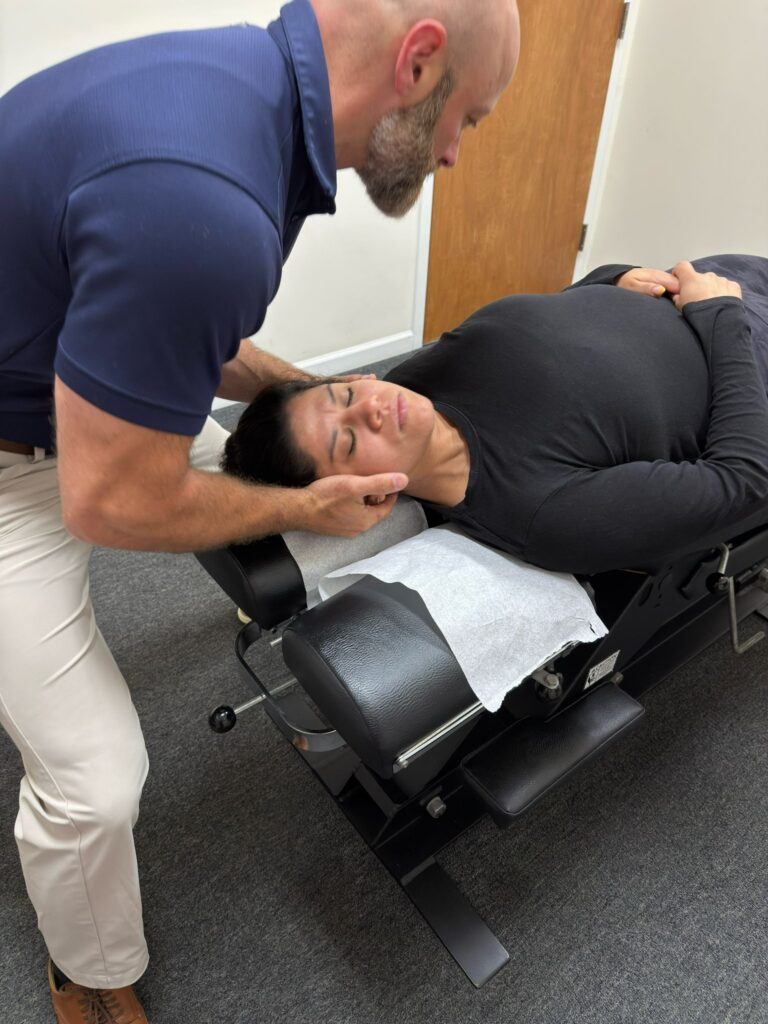
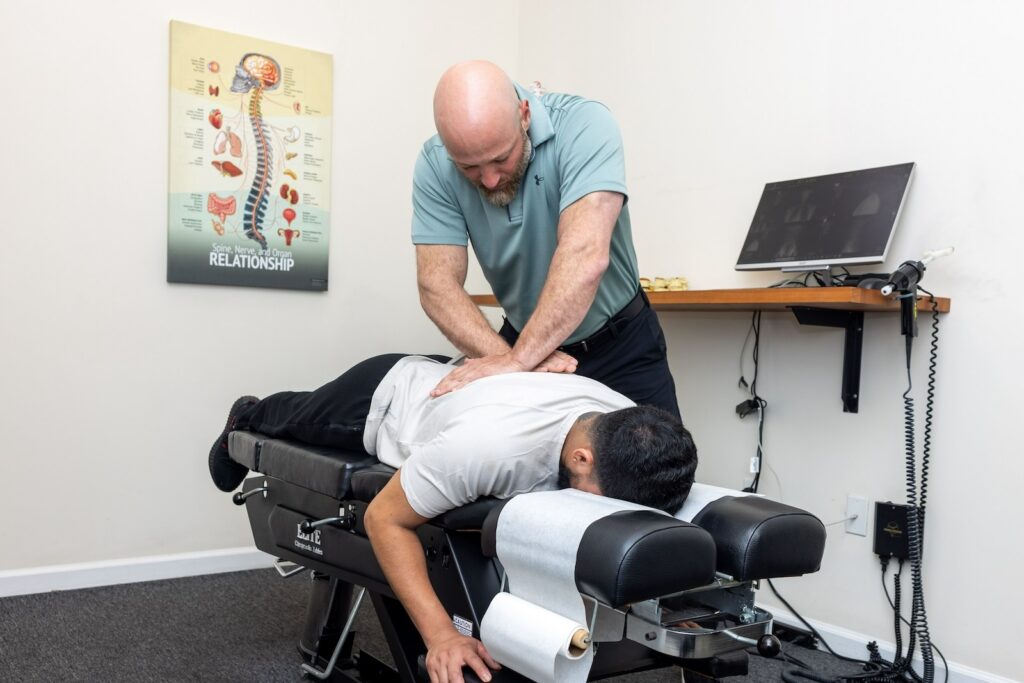
As a chiropractor, I want to emphasize the importance of spinal health in managing and preventing tension headaches. Misalignments in the spine can contribute to muscle tension and discomfort, leading to those pesky headaches. Regular chiropractic adjustments can help realign your spine, reduce tension, and promote overall well-being.
Here are a few strategies to consider for managing tension headaches:
- Posture Check: Be mindful of your posture throughout the day, especially if you work at a desk. Ensure your workstation is ergonomically set up to support your spine and neck.
- Stay Hydrated: Dehydration can lead to headaches, so make it a habit to drink plenty of water throughout the day.
- Take Breaks: If you’re engaged in prolonged activities, especially those involving screens, take regular breaks to stretch and relax your muscles.
- Practice Relaxation Techniques: Incorporate stress-relief practices such as deep breathing, meditation, or gentle yoga into your routine. These can help reduce tension in your body and mind.
- Chiropractic Care: Regular visits to your chiropractor can help maintain spinal alignment and relieve muscle tension, reducing the frequency and intensity of tension headaches.
By integrating these practices into your daily life, you can find natural relief from tension headaches and enhance your overall health. Remember, taking care of your spine is essential for your well-being, and chiropractic care is your partner in achieving optimal health. If you’re struggling with tension headaches, consider reaching out to a chiropractor for personalized care and support.
Key Takeaways
- To promote good posture and spinal health, it’s essential to adjust your workspace. Ensure your desk setup supports your back properly and that your computer screen is at eye level. This can significantly reduce tension in your neck and shoulders, which are common culprits for tension headaches.
- Incorporating relaxation techniques such as deep breathing exercises and progressive muscle relaxation can be incredibly beneficial. These practices help to release built-up tension in your body, allowing for a more relaxed state and less headache occurrence.
- Staying hydrated is crucial for overall wellness and can prevent headaches related to dehydration. Aim to drink at least eight glasses of water daily. Proper hydration supports spinal health and can enhance the effectiveness of chiropractic care.
- It’s important to take regular breaks throughout your day. Simple stretching exercises can alleviate muscle tension and improve circulation, which is essential for maintaining a healthy spine. By integrating these breaks into your routine, you can help prevent headaches and promote overall well-being.
- Seeking chiropractic care is a proactive approach to achieving optimal health. Regular adjustments can help maintain spinal alignment, relieve tension, and ultimately reduce the frequency and intensity of headaches. A chiropractor can provide tailored advice and treatment to support your journey toward natural healing and wellness.
Understanding Tension Headaches
Tension headaches are among the most common types of headaches and are often linked to stress, muscle tension, or poor posture. If you’ve ever experienced a dull, aching sensation around your forehead or the back of your head and neck, you know how uncomfortable they can be. This discomfort can vary from mild to severe, often feeling like a tight band squeezing your head.
Unlike migraines, tension headaches typically don’t come with nausea or sensitivity to light, making them a bit easier to manage.
As a chiropractor, I want you to know that your lifestyle choices can significantly impact the frequency and intensity of these headaches. You may find that they arise during stressful situations or after long hours spent at your desk. This is where chiropractic care can make a difference. By addressing spinal alignment and muscle tension, chiropractic adjustments can help relieve the underlying causes of tension headaches.
Here are a few tips to help you manage and prevent tension headaches:
- Maintain Good Posture: Be mindful of your posture, especially when sitting at a desk. Ensure your chair supports your lower back and that your computer screen is at eye level.
- Take Regular Breaks: If you work at a desk, remember to take short breaks every hour. Stand up, stretch, and move around to reduce muscle tension.
- Stay Hydrated: Dehydration can contribute to headaches. Make sure you’re drinking enough water throughout the day.
- Practice Relaxation Techniques: Stress management is crucial. Techniques such as deep breathing, yoga, or meditation can help reduce stress levels and prevent headaches.
- Consider Chiropractic Care: Regular visits to a chiropractor can help keep your spine aligned and your muscles relaxed, significantly reducing the likelihood of tension headaches.
By being aware of the factors that contribute to tension headaches and taking proactive steps, you can find relief and improve your overall well-being.
Identifying Triggers
While you may already understand the discomfort that tension headaches can bring, identifying their specific triggers is vital for effective prevention. One of the best tools you can use is a headache diary. By jotting down when your headaches occur, what activities you were engaged in, and any accompanying symptoms, you can uncover patterns that may lead to relief.
Take note of key factors such as stress levels, sleep quality, and your diet. Are you skipping meals or consuming excessive caffeine? These habits can greatly influence your overall well-being.
Additionally, consider environmental triggers like bright lights, loud noises, or strong odors that might be contributing to your discomfort.
Physical factors are equally important; for instance, poor posture while sitting at your desk or during daily activities can lead to tension headaches. Remember, chiropractic care can be a powerful ally in achieving optimal health and pain relief. Regular adjustments can help improve your posture, relieve tension, and promote overall wellness.
Incorporating simple changes can make a big difference. Make sure to take breaks from prolonged sitting, practice relaxation techniques to manage stress, and maintain a balanced diet.
Relaxation Techniques
When tension headaches strike, incorporating relaxation techniques into your routine can be a powerful way to support your overall wellness. As a chiropractor, I often recommend practices that not only help alleviate discomfort but also promote a healthier spine and nervous system.
One effective method is deep breathing exercises. By taking slow, deep breaths, you can calm both your mind and body, reducing the tension that often contributes to headaches. Consider finding a quiet space, closing your eyes, and inhaling deeply through your nose, then exhaling slowly through your mouth. This simple act can help restore balance and provide relief.
Another beneficial practice is progressive muscle relaxation. This technique involves systematically tensing and then relaxing different muscle groups in your body, which can help release built-up stress and tension. As you practice this, pay special attention to your neck and shoulders, as these areas often hold significant tension that can lead to headaches.
Remember, regular chiropractic adjustments can also play a crucial role in preventing tension headaches. By ensuring that your spine is properly aligned, you can support your body’s natural ability to heal and function optimally.
Deep Breathing Exercises
Many people find that deep breathing exercises can significantly alleviate the discomfort associated with tension headaches. As a chiropractor, I emphasize the importance of holistic approaches to health and wellness, and deep breathing is a fantastic technique to incorporate into your daily routine. By paying attention to your breath, you can calm your mind and promote relaxation in your body, which can be beneficial for spinal health.
To begin, find a comfortable position, whether sitting or lying down. Inhale deeply through your nose for a count of four, allowing your abdomen to rise as you fill your lungs. Hold that breath briefly, then exhale slowly through your mouth for a count of six. This cycle can be repeated for several minutes. Focus on the rhythm of your breath and visualize any tension melting away from your body, especially from your neck and shoulders, where stress often accumulates.
Not only does this simple technique help ease headache pain, but it also promotes overall relaxation, which is essential for maintaining a healthy spine. Incorporating deep breathing into your daily routine can lead to a noticeable reduction in stress and tension, complementing the benefits of chiropractic care.
Remember, a well-aligned spine contributes to optimal health, and combining chiropractic adjustments with mindful breathing can enhance your journey to wellness. Make deep breathing a part of your self-care toolkit, and you’ll be taking a positive step toward a more relaxed and healthier you.
If you have any concerns or persistent pain, consider visiting a chiropractor for a personalized approach to your health and well-being.
Progressive Muscle Relaxation
Progressive Muscle Relaxation (PMR) is a wonderful technique that can significantly help in releasing tension and managing tension headaches, which many of my patients experience.
By systematically tensing and relaxing different muscle groups, you’ll not only learn to recognize the difference between tension and relaxation, but you’ll also promote overall well-being—something that aligns perfectly with chiropractic care.
To get started, find a quiet space where you feel comfortable. You can either sit or lie down.
Begin with your toes: tense them for about five seconds, then let go completely and feel the relaxation. Gradually move up through your body—working on your feet, calves, thighs, abdomen, arms, shoulders, and face—tensing and relaxing each group.
As you do this, pay attention to your breathing. Inhale deeply while you tense the muscles, and as you exhale, envision the tension melting away.
This simple practice not only promotes relaxation but can also alleviate headache symptoms, allowing your body to heal naturally.
Incorporating PMR into your daily routine can enhance your overall stress management efforts, complementing the benefits of chiropractic care.
Remember, regular chiropractic adjustments can help keep your spine aligned and your nervous system functioning optimally, which is key to achieving and maintaining your best health.
Proper Posture and Ergonomics
Maintaining proper posture and ergonomics is essential for reducing tension headaches, and as a chiropractor, I want to emphasize how crucial it’s for your overall health and well-being. A well-organized desk setup, a supportive seating position, and the correct screen height can make a significant difference in your comfort while working.
First, let’s talk about your desk setup. Make sure your computer monitor is at eye level. This helps keep your neck in a neutral position, which can prevent strain and headaches. If your screen is too low or too high, it can lead to discomfort over time.
Next, pay attention to your chair. It should support your lower back and keep your spine aligned. Consider using a small cushion or lumbar roll to enhance support if your chair lacks it. Your feet should rest flat on the ground, or you can use a footrest to maintain that natural posture.
Lastly, remember to take regular breaks. Stand up, stretch, and move around. This helps relieve tension in your muscles and promotes better circulation.
Chiropractic care plays a vital role in ensuring that your spine is aligned and functioning optimally. Regular adjustments can help alleviate pain and discomfort, improve posture, and enhance your overall health.
Desk Setup Guidelines
Creating an ergonomic desk setup can significantly enhance your overall health and well-being, especially when it comes to preventing tension headaches. As a chiropractor, I emphasize the importance of a well-organized workspace that supports your spine and promotes natural healing.
Here are some simple guidelines to help you optimize your desk setup:
- Monitor Height: Position your monitor at eye level. This alignment helps keep your neck in a neutral position, reducing strain on your spine and minimizing the risk of discomfort and headaches.
- Keyboard Placement: Your keyboard should be at a height that allows your elbows to remain close to your body and your wrists to stay straight. This position helps maintain proper posture, which is essential for spinal health.
- Lighting: Ensure you have adequate lighting to avoid glare on your screen. Proper lighting not only helps reduce eye strain but also contributes to a more comfortable and productive work environment.
- Clutter Control: Keeping your desk organized is crucial for a focused mindset. A tidy workspace can reduce distractions and lower stress levels, promoting a healthier approach to your daily tasks.
Remember, chiropractic care is a natural way to address any discomfort you may experience from prolonged sitting or poor posture. Regular visits to your chiropractor can help maintain a healthy spine and enhance your overall wellness.
Make these simple adjustments to your desk setup, and enjoy the benefits of a more comfortable and health-conscious workspace!
Seating Position Importance
As a local chiropractor, I want to emphasize the importance of your seating position in not just enhancing comfort but also in preventing tension headaches and promoting overall well-being.
When you sit, it’s vital to ensure that your back is straight and well-supported. Your feet should rest flat on the floor or on a footrest, with your knees bent at a right angle. This posture is key in reducing strain on your neck and shoulders, which can minimize the tension that often leads to headaches.
Additionally, keep your arms relaxed at your sides, with your elbows close to your body and your wrists in a neutral position. Adjust the height of your chair so that your arms align comfortably with your workspace. By maintaining this proper posture, you not only enhance your comfort but also considerably lower the risk of developing tension headaches.
Remember, regular chiropractic care can help you achieve and maintain optimal posture, leading to better spinal health and overall wellness. It’s a natural approach to healing that supports your body’s ability to function at its best.
Screen Height Adjustment
Adjusting your screen height is crucial not just for comfort, but also for maintaining proper posture and supporting your spine’s health. When your screen is positioned correctly, it can help prevent strain on your neck and reduce the risk of tension headaches, which are common issues I encounter in my practice.
Here are some simple tips to find the right screen height that supports your overall well-being:
- Eye Level: Set your screen at or just below eye level. This position helps keep your neck in a neutral alignment, reducing the stress on your spine and helping you avoid discomfort.
- Distance: Keep your screen about an arm’s length away. This distance not only helps with clarity but also minimizes eye strain, allowing you to work comfortably for longer periods.
- Tilt: Tilt the top of your screen slightly away from you. This angle creates a more comfortable viewing experience, supporting your natural posture and reducing the tendency to lean forward.
- Adjustable Stand: Consider using a monitor stand or riser. This tool allows you to easily adjust the height of your screen, ensuring that you can maintain proper alignment and comfort throughout your workday.
Remember, taking care of your posture while using screens is a key part of maintaining your spinal health.
If you experience persistent discomfort, I encourage you to explore chiropractic care as a natural and effective way to relieve pain and enhance your overall wellness.
Stretching and Exercise
Incorporating stretching and exercise into your daily routine can significantly reduce the occurrence and severity of tension headaches. Regular physical activity not only helps relieve muscle tension but also enhances blood circulation, which can effectively alleviate headache symptoms. Simple stretches, such as neck rolls, shoulder shrugs, and upper back stretches, can help relax tight muscles that may contribute to discomfort.
Aim for at least 30 minutes of moderate exercise most days of the week. Activities like walking, swimming, or yoga are particularly beneficial. Yoga, in addition to improving flexibility, promotes relaxation through deep breathing techniques, which can be a natural way to reduce stress and tension.
Listening to your body is crucial; if a specific movement causes discomfort, it’s important to adjust or stop. Consistency is key in any wellness routine, so find activities that you genuinely enjoy to make it easier to incorporate them into your life.
As a chiropractor, I emphasize the importance of spinal health in overall well-being. By prioritizing stretching and exercise, along with regular chiropractic care, you’re taking proactive steps to prevent tension headaches and enhance your overall health.
Chiropractic adjustments can also support your body’s natural healing processes and help maintain proper alignment, which is essential for optimal function.
Hydration and Nutrition
Staying properly hydrated and maintaining a balanced diet are key components in preventing tension headaches and supporting your overall wellness. When you nourish your body with the right nutrients and fluids, it not only helps reduce the risk of these painful episodes but also complements the benefits of chiropractic care.
Here are some practical tips to keep in mind:
- Drink Water Regularly: Aim for at least eight glasses of water a day to stay hydrated. This is especially important if you’re active or in a warm environment. Proper hydration supports spinal health and helps keep your muscles relaxed.
- Eat Regular Meals: Skipping meals can lead to low blood sugar, which may trigger headaches. Make it a point to eat balanced meals at consistent times. This not only fuels your body but also supports your nervous system, which is crucial for pain relief.
- Incorporate Magnesium-Rich Foods: Foods such as spinach, nuts, and whole grains are excellent for muscle relaxation and can help reduce the frequency of headaches. These nutrients play a role in keeping your body functioning optimally, enhancing the effects of your chiropractic adjustments.
- Limit Caffeine and Alcohol: While a little caffeine may help some individuals, excessive amounts can lead to dehydration and worsen headaches. Strive for moderation to maintain your overall health and enhance the benefits of your chiropractic care.
By focusing on hydration and nutrition, you can boost your body’s natural healing processes and experience greater pain relief.
The Role of Sleep
Getting enough quality sleep is just as crucial as staying hydrated and eating well when it comes to preventing tension headaches. When you sacrifice sleep, your body can become more vulnerable to stress, which is a common headache trigger.
To support your overall health and well-being, especially when it comes to managing headaches, aim for a consistent sleep schedule by going to bed and waking up at the same time each day. Establishing a calming bedtime routine can signal to your body that it’s time to relax and prepare for restful sleep.
It’s also important to limit screen time before bed, as the blue light emitted from devices can interfere with your natural sleep cycle. Creating a serene bedroom environment is key—consider using blackout curtains to block out light and investing in a comfortable mattress that supports your spine.
Furthermore, be mindful of your diet in the evening; avoiding caffeine and heavy meals close to bedtime can help you achieve deeper, more restorative sleep.
By prioritizing quality sleep, you’re not just helping to reduce headache frequency; you’re also taking essential steps towards achieving optimal health. Chiropractic care can further enhance your well-being by addressing spinal alignment issues that may contribute to tension and discomfort.
Regular chiropractic adjustments can help improve your overall sleep quality, allowing your body to recover and heal naturally. Remember, the path to better health and wellness starts with the basics—sleep well, and consider incorporating chiropractic care into your routine for a holistic approach to feeling your best.
Over-the-Counter Remedies
When tension headaches strike, it can be challenging to carry on with your daily activities. While over-the-counter remedies may offer some temporary relief, it’s essential to explore natural healing methods that can address the root cause of your discomfort. Chiropractic care is a holistic approach that can help alleviate tension headaches by focusing on spinal health and overall wellness.
Here are some natural strategies you can consider to manage tension headaches and promote better health:
- Chiropractic Adjustments: Regular chiropractic adjustments can help align your spine and reduce tension in your neck and shoulders, which are common contributors to tension headaches. By addressing these misalignments, you may experience a significant decrease in headache frequency and intensity.
- Posture Awareness: Maintaining good posture is crucial for avoiding tension headaches. Be mindful of your sitting and standing positions, especially if you spend long hours at a desk. Ergonomically designed workspaces can help reduce strain on your spine.
- Stress Management: Stress is a significant trigger for tension headaches. Incorporate relaxation techniques such as deep breathing, meditation, or yoga into your daily routine. These practices can help reduce stress levels and promote overall well-being.
- Hydration: Dehydration can lead to headaches, so make sure you’re drinking enough water throughout the day. Aim for at least eight glasses of water daily, and consider herbal teas as a soothing alternative.
- Regular Exercise: Engaging in regular physical activity can help alleviate tension and promote better overall health. Activities like walking, stretching, or gentle yoga can improve blood circulation and reduce muscle tension.
- Healthy Sleep Habits: Ensure you’re getting adequate rest by maintaining a consistent sleep schedule and creating a calming bedtime routine. Quality sleep can significantly impact your overall health and help prevent tension headaches.
Always consult with a chiropractor or healthcare professional to determine the best course of action for your individual needs.
Seeking Professional Help
Even with natural remedies and lifestyle changes, some tension headaches may persist, highlighting the importance of seeking professional care.
As a chiropractor, I can help assess your symptoms and identify any underlying issues that may be contributing to your headaches, often related to spinal health and posture.
Chiropractic care focuses on aligning the spine and relieving tension in the muscles and nerves, which can effectively ease headache pain. Techniques like spinal adjustments, soft tissue therapy, and exercises tailored to your needs can provide natural relief without the need for medications.
In addition to chiropractic treatments, there are simple lifestyle adjustments you can make at home. Staying hydrated, practicing good posture, incorporating regular physical activity, and managing stress through techniques like yoga or mindfulness can all contribute to reducing the frequency and intensity of tension headaches.
If headaches become frequent or debilitating, consulting a chiropractor is a great step. We specialize in holistic approaches to health and wellness, and our goal is to help you achieve optimal health and enjoy a better quality of life.
Conclusion
By integrating these effective techniques into your daily routine, you can significantly alleviate tension headaches while enhancing your overall well-being. Start by identifying your headache triggers—whether they are stress, poor posture, or long hours at your workstation. Practicing relaxation methods, such as deep breathing or gentle stretching, can help release built-up tension.
Maintaining good posture is crucial, especially when seated for extended periods. Consider adjusting your workstation ergonomics to support a healthier spine, which is essential for overall health. Don’t underestimate the power of hydration—drinking plenty of water and nourishing your body with wholesome foods can work wonders in preventing headaches.
Sleep is another vital component; aim for quality rest each night to allow your body to rejuvenate. If your headaches persist despite these proactive measures, chiropractic care might be the ideal solution for you. A chiropractor can provide personalized adjustments and techniques that target the root cause of your headaches, promoting natural healing and long-term relief.
Remember, by taking these steps today, you are investing in a healthier, headache-free future. Embrace chiropractic care as a natural and effective way to achieve optimal health and wellness.