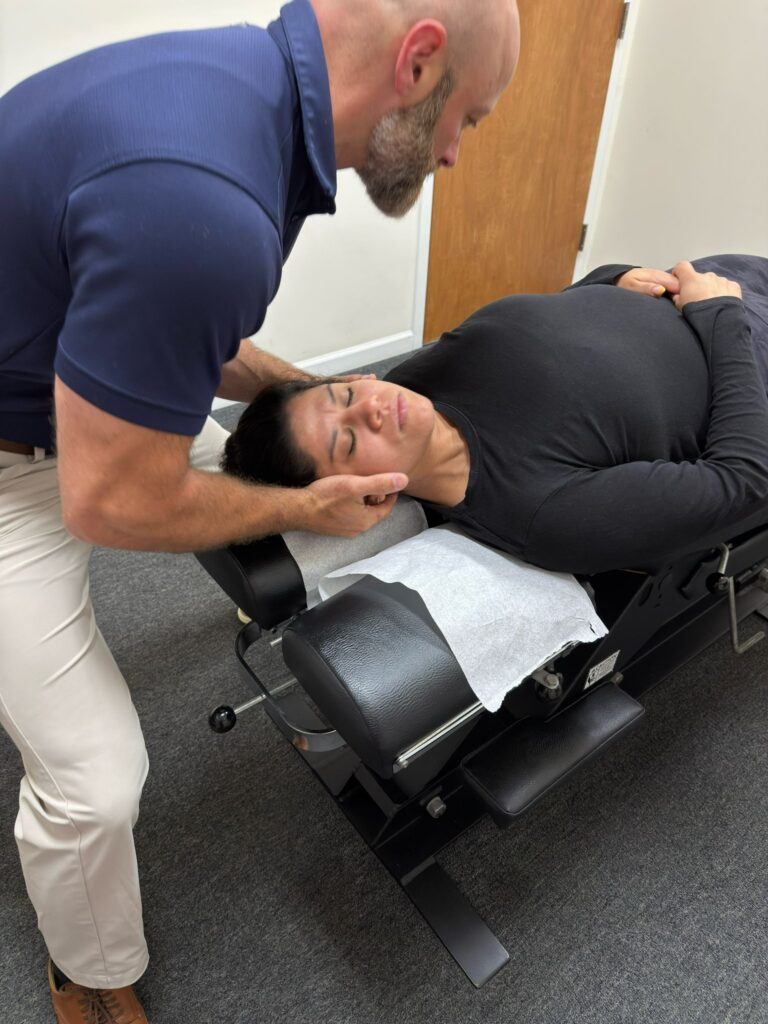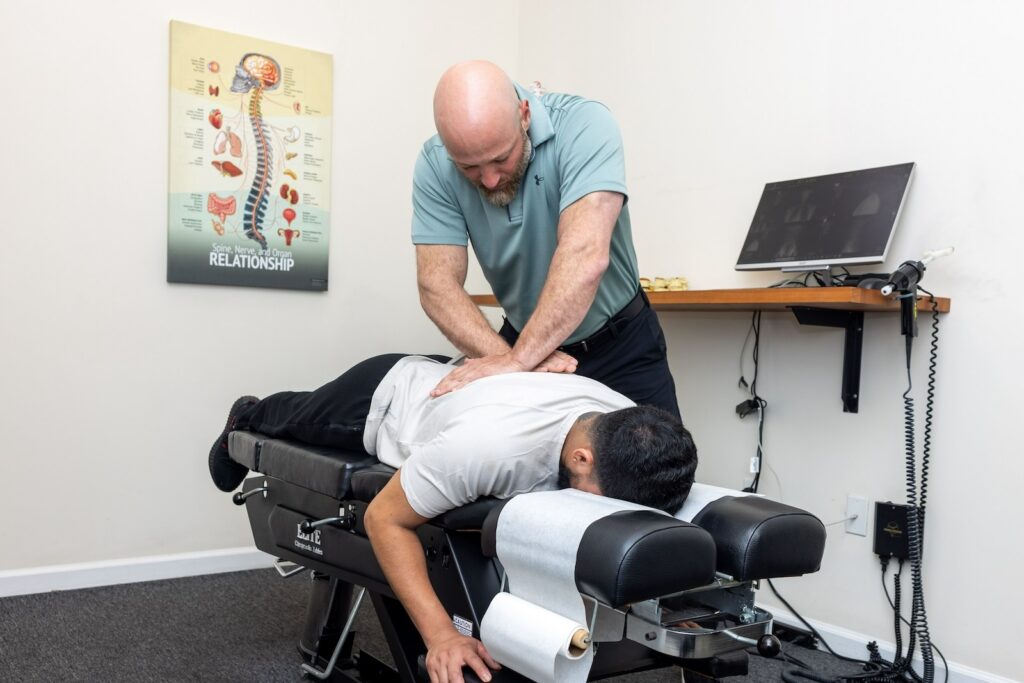

Migraine relief might be closer than you think, and surprisingly, it can often stem from simple adjustments in your daily routine. As a local chiropractor, I want to share how these changes can lead to significant improvements in your health and well-being. From managing stress effectively to making mindful dietary choices, every little shift can contribute to reducing the frequency and intensity of your migraines.
One effective approach is to incorporate regular chiropractic care into your routine. Chiropractic adjustments can help align the spine, which may alleviate tension and improve overall nervous system function. This can lead to fewer migraines and better management of pain. Additionally, keeping your body aligned can enhance your body’s natural ability to heal itself.
Here are a few tips to help you on your journey to migraine relief:
- Stay Hydrated: Dehydration can trigger migraines, so make sure you’re drinking enough water throughout the day. Aim for at least 8 glasses of water daily.
- Manage Stress: Techniques such as deep breathing, yoga, or meditation can help you manage stress levels. These practices not only promote relaxation but also support spinal health.
- Maintain a Consistent Sleep Schedule: Lack of sleep or irregular sleep patterns can contribute to migraines. Establishing a regular sleep routine can help your body recover and reduce headaches.
- Be Mindful of Your Diet: Certain foods may trigger migraines. Keeping a food diary can help you identify and avoid these triggers. Focus on a balanced diet rich in whole foods, fruits, and vegetables.
- Regular Exercise: Engaging in regular physical activity can reduce stress and tension in your body, which may help lessen the frequency of migraines.
- Chiropractic Adjustments: Regular visits to a chiropractor can provide valuable support for your spinal health, potentially reducing migraine occurrences and improving overall wellness.
By understanding and implementing these connections, you can take proactive steps toward reducing migraines naturally. If you’re curious about how chiropractic care can specifically help you achieve optimal health and wellness, I’m here to guide you on this path to relief.
Key Takeaways
Unlocking Migraine Relief: The Benefits of Chiropractic Adjustments
As a local chiropractor, I want to share how regular chiropractic adjustments can be a game changer for anyone struggling with migraines. By improving your spinal health, these adjustments can help reduce tension in your body, ultimately decreasing the frequency and intensity of those painful headaches.
One of the key benefits of chiropractic care is enhanced posture. When your spine is properly aligned, it alleviates unnecessary muscle strain that can often trigger headaches. Imagine standing tall and feeling lighter—this is the kind of relief chiropractic care can provide!
In addition to adjustments, incorporating mindfulness practices into your routine can further enhance your experience. Simple techniques like deep breathing or meditation can promote relaxation and help eliminate stress-related migraine triggers. Remember, stress is a common culprit for many headaches, so finding ways to unwind is crucial.
Another often-overlooked benefit of chiropractic care is improved sleep quality. When your body is properly aligned, it can lead to better rest, which supports hormone balance in your body. This balance can be a key factor in reducing the occurrence of migraines.
By taking a holistic approach to your health, including regular chiropractic adjustments, you’re not just seeking immediate relief from migraines; you’re also fostering overall wellness. This means a healthier, happier you in the long run!
Here are some general tips you can take away:
- Stay Hydrated: Dehydration can trigger migraines, so drink plenty of water throughout the day.
- Maintain Good Posture: Be mindful of your posture when sitting or standing to reduce strain on your neck and back.
- Practice Relaxation: Take a few minutes each day for mindfulness practices to help manage stress.
- Prioritize Sleep: Aim for a consistent sleep schedule to improve your rest and overall health.
Choosing chiropractic care as your primary method for pain relief and wellness can set you on a path toward a migraine-free life. Remember, your health is your greatest asset, and chiropractic care can help you protect it!
Understanding Migraine Triggers
Understanding migraine triggers is crucial for managing your migraines effectively and achieving a more balanced, healthier life. By identifying these triggers, you can take proactive steps to reduce the frequency and intensity of your headaches. Some common triggers include stress, specific foods, hormonal fluctuations, and environmental factors such as bright lights or strong odors.
One helpful approach is to keep a migraine diary. This tool allows you to track when your headaches occur and identify any potential triggers. Noting things like what you ate, your stress levels, or environmental changes can help you see patterns and understand what to avoid.
You may discover that certain triggers have a more significant impact on your migraines. For example, if you find that skipping meals leads to headaches, it’s important to maintain regular eating habits.
Additionally, if stress is a common trigger for you, consider incorporating relaxation techniques like mindfulness, gentle stretching, or chiropractic care into your daily routine. Chiropractic adjustments can help improve spinal alignment, reduce stress, and promote overall well-being, making it easier to manage your migraines.
By recognizing and addressing these triggers through natural methods, including regular chiropractic visits, you can take control of your migraines. This proactive approach empowers you to lead a more enjoyable and fulfilling life, free from the limitations of pain.
The Role of Hydration in Migraine Management
Staying well-hydrated is crucial for managing migraines, as even mild dehydration can trigger headaches or make existing pain worse. When you don’t drink enough water, your body may respond with irritability and fatigue—both of which can contribute to migraine attacks.
A good rule of thumb is to drink at least eight glasses of water each day, but remember that individual needs can vary based on your activity level and climate.
In addition to drinking water, incorporating hydrating foods into your diet can be beneficial. Fruits and vegetables like watermelon, cucumbers, and oranges not only help replenish fluids but also provide essential nutrients that support overall wellness.
Listen to your body. If you feel thirsty or notice that your urine is darker than usual, it’s a clear signal that you need to drink more water. Keeping a water bottle with you can make it easier to stay hydrated throughout the day.
While hydration is key, don’t forget that maintaining a healthy spine is also vital for your overall health and can play a role in managing migraines. Regular chiropractic adjustments can help ensure that your nervous system is functioning optimally, which can reduce the frequency and severity of migraines.
By prioritizing hydration and considering chiropractic care, you can take proactive steps toward reducing migraines and enjoying life with fewer interruptions.
Posture and Its Impact on Headaches
While it might seem like a small detail, good posture plays a significant role in how often and how severely you experience headaches. When you slouch or lean forward, it creates tension in your neck and shoulders, which can lead to discomfort and trigger headaches. By paying attention to your posture, you may be able to reduce these painful episodes naturally.
Here are four ways that your posture can impact headaches, along with tips for improvement:
- Neck Strain: Poor posture can strain your neck muscles, leading to tension headaches. To alleviate this, try to keep your head aligned over your shoulders and take regular breaks to stretch your neck throughout the day.
- Spinal Misalignment: Slouching can misalign your spine, which may irritate nerves and cause pain. Regular chiropractic adjustments can help restore proper alignment, relieving pressure and reducing headache frequency.
- Reduced Blood Flow: Bad posture can restrict blood flow to your brain, potentially making headaches worse. To improve circulation, practice sitting with your feet flat on the ground and shoulders relaxed; consider incorporating gentle neck and shoulder stretches into your routine.
- Muscle Imbalance: Chronic poor posture can lead to muscle imbalances that contribute to persistent headaches. Engaging in exercises that strengthen your core and upper back can support better posture and help maintain balance.
By focusing on maintaining proper posture and seeking regular chiropractic care, you can take proactive steps toward achieving optimal health and reducing headaches naturally.
Dietary Adjustments for Migraine Relief
Making dietary adjustments can significantly enhance your experience with migraines, especially when combined with chiropractic care. Certain foods can indeed trigger or worsen your symptoms, so it’s important to pay attention to what you eat. Start by keeping a food diary to help identify any patterns and pinpoint your triggers. Common culprits to watch out for include aged cheeses, processed meats, and foods containing MSG.
Also, consider moderating your caffeine intake, as it can sometimes lead to withdrawal headaches. In addition to monitoring your diet, incorporating magnesium-rich foods such as spinach, nuts, and whole grains can be quite beneficial. Staying hydrated is crucial, so make sure to drink plenty of water throughout the day. Small, frequent meals can also help maintain steady blood sugar levels, which is essential for preventing migraines.
Moreover, don’t overlook the potential benefits of omega-3 fatty acids found in fish, which may help reduce inflammation. By making these dietary changes, coupled with regular chiropractic care, you can take control of your migraine triggers. Chiropractic adjustments can help improve your overall spinal health and promote natural healing, which supports your body in managing pain more effectively.
Sleep Patterns and Migraine Frequency
When you prioritize good sleep patterns, you may notice a reduction in migraine frequency and intensity, which is essential for your overall health and wellness.
Establishing a consistent sleep schedule not only helps your body recharge but also minimizes triggers that can lead to painful migraines.
As a chiropractor, I want to share with you four key benefits of improving your sleep and how it relates to your spinal health:
- Enhanced Mood: Quality sleep can boost your emotional resilience, making it easier to cope with daily stresses that might otherwise spark a migraine. A well-adjusted spine can also contribute to a better mood, as it ensures that your nervous system functions optimally.
- Improved Focus: A well-rested mind allows for better concentration, reducing the likelihood of stress-induced headaches. Remember, a healthy spine supports proper brain function, which can enhance your focus and clarity.
- Regulated Hormones: Consistent sleep patterns help balance hormones, which can influence migraine occurrences. Proper spinal alignment promotes better overall health and can support hormonal balance naturally.
- Increased Energy: Better sleep leads to higher energy levels, keeping you active and engaged, rather than succumbing to fatigue-triggered migraines.
With chiropractic care, you can ensure that your body is functioning at its best, allowing you to maintain that energy throughout the day.
To further improve your sleep and reduce migraines, consider these simple tips:
- Stick to a regular sleep schedule by going to bed and waking up at the same time each day.
- Create a relaxing bedtime routine to signal your body that it’s time to wind down.
- Keep your sleep environment comfortable, dark, and cool.
- Consider regular chiropractic adjustments to keep your spine aligned and your nervous system functioning optimally.
Stress Reduction Techniques to Alleviate Pain
When it comes to managing migraine pain, chiropractic care can play a vital role in your overall wellness. Incorporating stress reduction techniques, such as mindfulness meditation, breathing exercises, and regular physical activity, can enhance the benefits of chiropractic adjustments and help you feel more relaxed and in control of your body.
Mindfulness meditation allows you to focus on the present moment, reducing stress and tension that can contribute to migraines. Breathing exercises help to promote relaxation and can be easily practiced at home or in the office.
Additionally, incorporating regular physical activity can improve spinal health, reduce muscle tension, and release endorphins—your body’s natural pain relievers.
By combining these practices with chiropractic care, you can effectively alleviate discomfort, improve your spinal health, and enhance your overall well-being.
Mindfulness Meditation Practices
Many individuals experiencing migraines often turn to traditional treatments, but there’s a natural and effective approach that can complement your journey towards relief: chiropractic care.
By focusing on spinal health and incorporating mindfulness meditation practices, you can effectively reduce stress, alleviate pain, and promote overall wellness. Embracing the present moment through mindful techniques can enhance the benefits of chiropractic treatments, creating a sense of calm that helps ease migraine symptoms.
Here are four mindfulness techniques that you can easily incorporate into your daily routine:
- Body Scan: Take a moment to pay attention to each part of your body. As you do this, consciously release any tension you feel, particularly in areas that may be contributing to your discomfort.
- Guided Imagery: Picture yourself in a tranquil setting, such as a peaceful beach or a serene forest. This visualization can help distract your mind from pain and promote relaxation, enhancing the benefits of your chiropractic adjustments.
- Loving-Kindness Meditation: Focus on cultivating compassion towards yourself. When you treat yourself with kindness, you promote healing and relief, supporting the positive changes initiated by your chiropractic care.
- Mindful Breathing: Concentrate on your breath, allowing it to ground you in the moment. Deep, intentional breaths can help reduce stress and tension in your body, making it an excellent complement to your chiropractic treatments.
Incorporating these mindfulness practices alongside regular chiropractic care can lead to lasting relief and a more balanced, peaceful mindset.
Breathing Exercises Benefits
Breathing exercises can significantly support your journey towards migraine relief by promoting relaxation and reducing stress. As a chiropractor, I understand how crucial it is to manage tension and anxiety, as these can often trigger migraines. By incorporating simple breathing techniques into your daily routine, you can help calm your mind and reduce muscle tension, making it easier to manage stress and alleviate pain.
Here are some effective breathing techniques you can try:
| Technique | Benefits |
|---|---|
| Diaphragmatic Breathing | Helps reduce anxiety and muscle tension, allowing for better spinal alignment and overall relaxation. |
| 4-7-8 Breathing | Aids in promoting relaxation and improving sleep quality, which is essential for recovery and well-being. |
| Box Breathing | Enhances focus and calmness, contributing to a clearer mind and better stress management. |
| Alternate Nostril Breathing | Balances the mind and helps reduce stress, which can be beneficial for overall health. |
Incorporating these breathing exercises into your daily life can complement your chiropractic care by enhancing your body’s natural ability to heal and maintain balance. Remember, chiropractic care focuses on optimizing your overall health, and these breathwork techniques can serve as valuable tools in your wellness journey. Prioritize your health by embracing natural methods like these to support your body’s healing process.
Physical Activity Importance
Engaging in regular physical activity isn’t only vital for managing stress and alleviating migraine pain but also complements the benefits of chiropractic care. When you move your body, you release endorphins that enhance your mood and help you cope with stress—key components in reducing migraine frequency.
Here are four reasons why incorporating physical activity can work hand-in-hand with chiropractic care for migraine relief:
- Reduces tension: Exercise helps release built-up tension in your muscles, which can lessen the chances of triggering a migraine. Regular adjustments from your chiropractor can further relieve tension in your spine, enhancing the benefits of your physical activity.
- Improves sleep: Staying active can promote better sleep quality, which is crucial for preventing migraines. Good sleep supports your body’s natural healing processes, and chiropractic care can help address any underlying issues that may be affecting your rest.
- Enhances mood: Physical activity is a natural way to combat anxiety and depression, both of which can make migraine symptoms worse. Chiropractic adjustments can also contribute to a better mood by improving your overall spinal health and nervous system function.
- Increases resilience: Building physical strength through exercise can help you become more resilient to stress, thereby reducing the frequency and severity of migraines. Working with a chiropractor can optimize your body’s alignment, making your physical activity more effective.
Incorporating regular physical activity into your routine, along with regular chiropractic visits, can significantly improve your overall health and wellness.
Remember to start slowly and find activities you enjoy, whether it’s walking, swimming, or yoga. Always consult with your chiropractor to develop a personalized plan that suits your needs and promotes a healthier, pain-free life.
The Importance of Regular Exercise in Prevention
Regular exercise is a key component in preventing migraines, as it enhances blood circulation and helps reduce stress levels. As a chiropractor, I want to emphasize that staying active not only contributes to your overall health but also significantly improves the quality of your sleep. By incorporating physical activity into your daily routine, you can effectively manage migraine triggers and promote a healthier lifestyle.
Engaging in regular exercise can also support spinal health. A well-aligned spine can alleviate tension and discomfort, which are often contributors to migraine episodes. Simple activities like walking, stretching, or yoga can be beneficial. These exercises help maintain flexibility and prevent stiffness in your spine, leading to better posture and reduced pain.
Here are some tips to get started:
- Start Small: If you’re new to exercise, begin with short sessions and gradually increase the duration and intensity.
- Stay Consistent: Aim for at least 30 minutes of moderate activity most days of the week. Consistency is key in reaping the benefits.
- Listen to Your Body: Pay attention to how your body feels during and after exercise. If you experience pain, consult with a chiropractor to ensure you’re on the right track.
- Incorporate Relaxation Techniques: Activities like yoga or tai chi not only promote physical fitness but also help to manage stress, which can trigger migraines.
- Stay Hydrated: Drinking plenty of water before, during, and after exercise can help prevent dehydration, a common migraine trigger.
Incorporating these strategies can help you take control of your health and well-being.
Remember, chiropractic care is here to support you in achieving optimal health through natural methods. Regular adjustments can keep your spine aligned, enhance your overall function, and help prevent migraine occurrences.
Prioritize your health by making chiropractic care a part of your wellness routine.
Enhanced Blood Circulation
While you mightn’t immediately think of exercise as a solution for migraine relief, enhancing blood circulation through physical activity is key to prevention. Regular exercise not only boosts your blood flow but also helps in reducing migraine triggers.
As a chiropractor, I often emphasize the importance of a holistic approach to health, and exercise is an essential component of that. Here are some emotional benefits of improved circulation that you can enjoy through chiropractic care and a healthy lifestyle:
- Increased Energy: Chiropractic adjustments can help improve your overall physical function, making you feel more vibrant and ready to tackle your day with enthusiasm.
- Better Mood: Regular chiropractic care, combined with physical activity, can lead to a natural uplift in your mood, helping to combat anxiety and depression. This holistic approach not only addresses your physical health but also supports your emotional well-being.
- Enhanced Focus: A well-aligned spine and improved circulation can sharpen your mind and enhance concentration. This can reduce the likelihood of stress-induced headaches, allowing you to stay focused on what matters most.
- Fewer Attacks: By regularly attending chiropractic sessions and incorporating exercise into your routine, many patients experience fewer migraine episodes. This empowers you to live life more fully, free from the limitations of pain.
Incorporating chiropractic care into your wellness routine is a natural way to promote optimal health and alleviate migraine symptoms.
Remember to listen to your body, stay active, and prioritize your spinal health for a more vibrant, pain-free life!
Stress Reduction Techniques
As you go about your daily routine, stress can build up and lead to discomfort, including migraines. It’s crucial to incorporate effective stress reduction techniques into your life, and one of the best ways to do this is through chiropractic care. Regular chiropractic adjustments not only help alleviate pain but also support your body’s ability to manage stress, potentially reducing the frequency of migraines.
In addition to chiropractic care, there are several simple stress reduction techniques you can easily incorporate into your day-to-day life:
| Technique | Duration | Frequency |
|---|---|---|
| Deep Breathing | 5 minutes | Daily |
| Meditation | 10 minutes | 3 times/week |
| Physical Activity | 30 minutes | 5 times/week |
| Journaling | 15 minutes | Daily |
Engaging in deep breathing exercises can help calm your mind and reduce tension in your body. Meditation can give you a peaceful break, allowing your nervous system to reset. Regular physical activity, whether it’s a brisk walk or a fun dance session, not only releases endorphins but also keeps your spine healthy and aligned. Journaling can provide an outlet for your thoughts and feelings, helping to lighten your mental load.
Improved Sleep Quality
Managing stress is essential for your overall well-being, and it can significantly improve your sleep quality. As a chiropractor, I often see how spinal health plays a crucial role in stress management and restful sleep. By prioritizing regular exercise and incorporating chiropractic care into your routine, you can experience remarkable improvements in your sleep.
Here are some benefits to consider:
- Reduced Anxiety: Chiropractic adjustments can help relieve tension in the spine, promoting better communication between your brain and body. This can lead to the release of endorphins, which reduce stress and make it easier to fall asleep.
- Better Sleep Patterns: Regular chiropractic care can help align your spine, which may improve your body’s internal clock. This alignment can lead to more consistent sleep schedules and easier transitions into restful sleep.
- Increased Deep Sleep: A well-functioning nervous system, supported by chiropractic adjustments, can enhance your ability to reach deeper, restorative sleep stages. This is vital for recovery and can even help with migraine prevention.
- Enhanced Mood: By relieving physical discomfort and improving spinal health, chiropractic care can boost your overall mood. When you feel better physically, you’re less likely to be affected by stress-induced insomnia.
To further improve your sleep quality, consider these general tips:
- Establish a calming bedtime routine to signal to your body that it’s time to wind down.
- Create a comfortable sleep environment that promotes relaxation.
- Stay active during the day, but try to avoid vigorous exercise right before bedtime.
Incorporating chiropractic care into your wellness routine can be a powerful ally in your journey toward better sleep and overall health. If you’re struggling with sleep or stress, I encourage you to explore how chiropractic adjustments can help you feel your best.
Conclusion
Incorporating these surprising adjustments into your daily routine can make a significant difference in managing migraines, and as a local chiropractor, I want to emphasize the importance of a holistic approach to health. Staying hydrated, improving your posture, eating a balanced diet, prioritizing sleep, practicing stress reduction techniques, and staying active are all essential steps toward empowering yourself to reduce the frequency and intensity of your headaches.
However, one of the most effective ways to achieve optimal health and find relief from migraines is through chiropractic care. Chiropractic adjustments help to align the spine and improve nervous system function, which can play a key role in reducing headache symptoms. By addressing any misalignments in your spine, you may find that your body is better equipped to handle stress and tension, leading to fewer migraines.
Moreover, small changes in your lifestyle can lead to big results. For instance, maintaining good posture throughout your day can alleviate unnecessary strain on your neck and back, which may contribute to headache pain. Simple exercises to strengthen your core and improve your posture can also complement your chiropractic care.
Take charge of your health by embracing these holistic strategies for migraine management, and consider incorporating regular chiropractic visits into your routine. This natural approach to wellness can not only help relieve your current pain but also promote overall health and prevent future issues. Together, we can work towards discovering the relief you deserve!