
If you’ve ever faced the challenges of a migraine, you understand how disruptive they can be to your daily life. A key first step toward finding relief is recognizing your specific triggers and symptoms. However, it’s essential to remember that effective migraine management goes beyond just alleviating pain. Embracing lifestyle changes and natural remedies can significantly enhance your overall well-being.
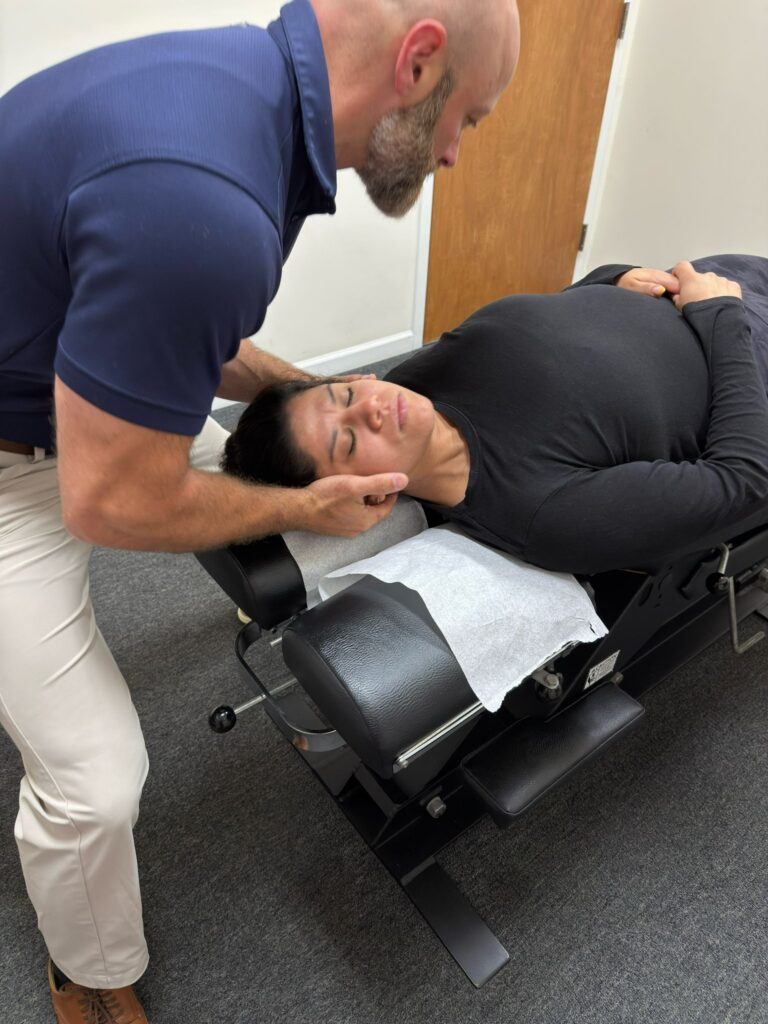
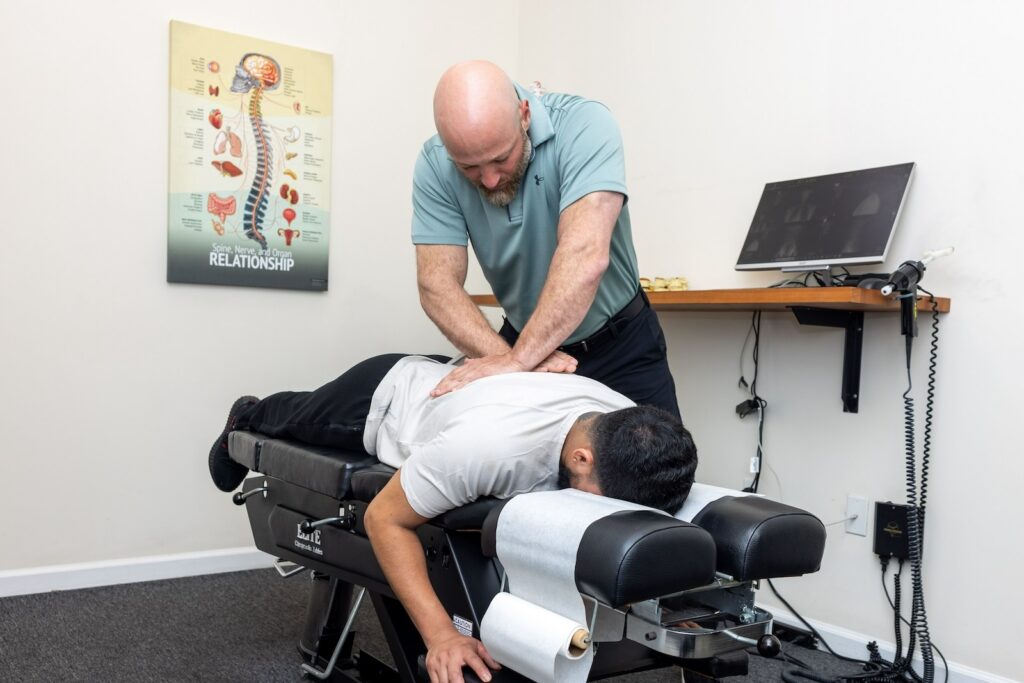
As a chiropractor, I believe that chiropractic care is one of the most effective ways to achieve optimal health and manage migraine symptoms. By focusing on spinal health, we can improve nervous system function, which plays a crucial role in how your body processes pain.
In this article, you’ll discover practical strategies that can help transform your approach to managing migraines. We’ll discuss the importance of maintaining a healthy spine, as well as other simple, actionable tips to incorporate into your daily routine. Remember, finding relief doesn’t have to mean resorting to medications or invasive procedures; natural healing through chiropractic care can be a powerful ally in your journey towards wellness.
Let’s dive into the effective techniques and therapies that can help you reclaim your life from migraines. Together, we can explore what works best for you in your quest for lasting relief.
Key Takeaways
- Start by identifying and avoiding common migraine triggers, such as certain foods, stress, and environmental factors. This proactive approach can significantly reduce the frequency of attacks and help you feel better overall.
- Focus on maintaining a balanced diet that includes plenty of fruits, vegetables, whole grains, and foods rich in magnesium. These nutrients help stabilize blood sugar levels and support your overall health, which is essential in managing migraines.
- Incorporate relaxation techniques into your daily routine, such as deep breathing exercises and mindfulness meditation. These practices can effectively manage stress levels, which is crucial for promoting your well-being and reducing the likelihood of migraine episodes.
- Consider chiropractic care as a natural and effective way to achieve spinal alignment and reduce tension in your body. By addressing these underlying issues, chiropractic adjustments can alleviate migraine symptoms without the side effects associated with medications.
- Make it a priority to stay hydrated and establish a consistent sleep schedule. Proper hydration and restful sleep can help prevent dehydration-related headaches and enhance your overall migraine management strategy.
By embracing these holistic approaches, you can take charge of your health and find relief from migraines while supporting your body’s natural healing processes through chiropractic care.
Understanding Migraines: Triggers and Symptoms
Understanding Migraines: Triggers and Symptoms
Migraines can be challenging, but with the right understanding of their triggers and symptoms, you can take effective steps toward relief—naturally. Many people notice that specific factors lead to their migraines. Common triggers include stress, hormonal changes, certain foods, and environmental elements like bright lights or loud noises. By identifying these triggers, you can proactively manage your lifestyle to minimize their impact.
Symptoms often begin with an aura or warning signs, which may include visual disturbances or tingling sensations. As the headache progresses, you might experience throbbing pain, usually on one side of your head, accompanied by nausea and sensitivity to light or sound. Keeping a migraine diary can be a helpful tool to track these occurrences and identify what may be triggering your episodes.
In addition to identifying triggers, consider incorporating chiropractic care into your wellness routine. Chiropractic adjustments can help alleviate tension and misalignments in your spine, which may contribute to headaches. By improving your spinal health, you can support your body’s natural ability to heal and reduce the frequency and intensity of migraines.
Here are a few general tips to help manage migraines and improve your overall well-being:
- Stay Hydrated: Dehydration can be a significant trigger. Make sure you drink plenty of water throughout the day.
- Manage Stress: Incorporate relaxation techniques such as deep breathing, yoga, or meditation into your daily routine.
- Maintain a Consistent Sleep Schedule: Aim for regular sleep patterns to help keep your body in balance.
- Eat a Balanced Diet: Focus on whole foods and avoid known trigger foods. Regular meals can help stabilize your blood sugar levels.
- Consider Regular Chiropractic Care: Regular adjustments can help improve spinal alignment, reduce tension, and enhance your body’s overall function.
Lifestyle Modifications for Prevention
To effectively prevent migraines, consider making some straightforward lifestyle changes that can lead to significant benefits. As a chiropractor, I emphasize the importance of a holistic approach to health, which includes focusing on your diet, managing stress, and enhancing your sleep habits.
These adjustments not only contribute to overall well-being but also support your spinal health, which can be linked to migraine relief.
Start by paying attention to your diet. Incorporate whole, nutritious foods that fuel your body and avoid known migraine triggers such as aged cheeses, processed meats, and excessive caffeine. Staying hydrated is also crucial, so make sure to drink plenty of water throughout the day.
Stress management is another key aspect. Techniques like deep breathing, meditation, and gentle stretching can help reduce tension in your body, which may alleviate migraine symptoms. Regular chiropractic adjustments can also play a vital role in managing stress by promoting relaxation and improving spinal function.
Lastly, prioritize your sleep habits. Aim for a consistent sleep schedule, create a calming bedtime routine, and ensure your sleeping environment is comfortable and conducive to rest. Quality sleep is essential for overall health and can help reduce the frequency of migraines.
By implementing these strategies and considering regular chiropractic care, you’ll be taking proactive steps toward a healthier, migraine-free life. Chiropractic care is a natural and effective way to support your body’s healing processes, leading to improved wellness and pain relief.
Diet and Nutrition Changes
Making changes to your diet and nutrition can significantly enhance your overall well-being and help manage migraine attacks effectively. As a chiropractor, I believe that a holistic approach to health—one that includes proper nutrition—can complement the benefits of chiropractic care in achieving optimal health.
Start by identifying potential trigger foods that may contribute to your migraines. Common culprits include aged cheeses, processed meats, and alcohol. Keeping a food diary can be a helpful tool in pinpointing these triggers. Instead, aim for a balanced diet that emphasizes nourishing foods. Incorporating plenty of fruits, vegetables, whole grains, and lean proteins can support your body’s natural healing processes.
Staying hydrated is also crucial for overall health and can help reduce the frequency of headaches. Make it a habit to drink plenty of water throughout the day, as proper hydration supports your spinal health and overall bodily functions.
Here are some simple recommendations to enhance your diet:
| Food Category | Recommendations |
|---|---|
| Fruits | Bananas, Berries |
| Vegetables | Spinach, Kale |
| Whole Grains | Quinoa, Brown Rice |
| Lean Proteins | Chicken, Fish |
Stress Management Techniques
Implementing effective stress management techniques can greatly improve your overall health and potentially reduce the frequency of migraine attacks. As a chiropractor, I understand the importance of a holistic approach to wellness, and incorporating relaxation exercises into your daily routine can be vital. Simple practices like deep breathing, progressive muscle relaxation, and mindfulness meditation can help you unwind and alleviate tension throughout your body.
Regular physical activity is another key component. Engaging in activities such as walking or yoga not only elevates your mood but also promotes better spinal health and reduces stress levels. Make sure to listen to your body and choose movements that feel good for you.
Setting aside time for hobbies or activities you love is essential for your mental well-being. Whether it’s painting, gardening, or reading, taking breaks to enjoy these pursuits can provide a refreshing mental escape. Additionally, consider keeping a journal to express your thoughts and feelings. Writing can be a powerful tool for processing stress and gaining clarity.
Building a support system of friends or family who understand your challenges can also make a significant difference. Sharing your experiences with those who care about you can lighten your emotional load and help you build resilience against stress and migraines.
Remember, chiropractic care is an excellent option for achieving optimal health. Regular adjustments can help relieve tension, improve spinal alignment, and promote overall well-being.
Sleep Hygiene Practices
A good night’s sleep is vital for managing migraines and maintaining overall health, and chiropractic care plays a significant role in supporting your body’s natural healing processes. To improve your sleep hygiene and promote spinal health, start by establishing a consistent bedtime and wake-up time, even on weekends. This helps regulate your body’s internal clock, which is crucial for quality sleep.
Consider creating a relaxing bedtime routine that signals your body it’s time to wind down. Gentle stretches or spinal exercises can help relax your muscles and prepare your body for rest. Limiting screen time an hour before bed is also essential; the blue light emitted from screens can disrupt your sleep cycle, so opt for calming activities instead.
Make your bedroom a sanctuary for sleep: keep it dark, cool, and quiet. You can enhance this environment with blackout curtains and white noise machines if necessary. It’s also important to avoid large meals, caffeine, and alcohol close to bedtime, as these can interfere with your sleep quality.
As you work on enhancing your sleep hygiene, consider keeping a sleep diary to track patterns and triggers that may be affecting your rest. This can be a valuable tool when discussing your sleep issues with a chiropractor, who can help identify underlying spinal misalignments that may be contributing to your migraines and sleep disturbances.
By prioritizing these practices and incorporating chiropractic care into your wellness routine, you can enhance your sleep quality, reduce the frequency of migraines, and move toward a healthier, more balanced life.
Dietary Changes to Reduce Migraine Frequency
As a local chiropractor, I understand how frustrating migraines can be and how they can affect your daily life. One effective way to reduce the frequency of these painful episodes is by making mindful dietary changes. Since certain foods may trigger migraines in many people, taking control of what you eat can be a crucial step toward finding relief.
Start by keeping a food diary to pinpoint any potential triggers. Common foods that might contribute to migraine attacks include aged cheeses, processed meats, chocolate, and caffeinated beverages. Once you identify your triggers, try eliminating them one at a time to see if your migraines decrease.
In addition to avoiding triggers, consider incorporating foods rich in magnesium, such as spinach, nuts, and whole grains, into your diet. Some studies have shown that a diet high in omega-3 fatty acids—found in foods like fish and flaxseeds—may also help reduce the occurrence of migraines. Staying properly hydrated is essential too; aim to drink enough water throughout the day to support your overall health and wellness.
Another important tip is to maintain regular meal times. Skipping meals can lead to hunger-induced migraines, so try to eat at consistent times each day. By making these dietary adjustments, you can promote better health and potentially lessen the frequency of migraine attacks.
Remember, while making these changes can be beneficial, chiropractic care is an excellent complementary approach to managing pain and enhancing your well-being. Regular chiropractic adjustments can help improve spinal alignment and reduce tension in your body, which may contribute to fewer migraines and a greater sense of overall health.
Take charge of your diet and consider incorporating chiropractic care into your wellness routine. Together, these steps can help you find relief and enjoy a healthier, more vibrant life.
Natural Remedies: What Works?
Finding effective relief from migraines often leads individuals to consider various natural remedies, especially when combined with healthy lifestyle changes.
While there are many options to explore, it’s essential to remember that chiropractic care is a powerful ally in achieving optimal health and wellness.
Here are three natural remedies that can complement your chiropractic treatments and help alleviate migraine symptoms:
1. Peppermint Oil: Applying diluted peppermint oil to your temples can create a soothing, cooling sensation and may relieve tension headaches. The menthol in peppermint helps increase blood flow, which can ease pain.
However, always pair this with regular chiropractic adjustments to address spinal misalignments that could be contributing to your headaches.
2. Ginger Tea: Sipping on ginger tea can help manage nausea and reduce inflammation, both of which are common migraine symptoms. Ginger is believed to inhibit certain chemicals in the body that trigger migraines.
Incorporating ginger into your diet can be beneficial, but don’t forget to maintain regular visits to your chiropractor to support your overall wellness.
3. Magnesium-Rich Foods: Low magnesium levels have been linked to increased migraine frequency. Including magnesium-rich foods in your diet, such as leafy greens, nuts, and whole grains, can be a great way to naturally balance your body.
Additionally, chiropractic care can help improve your overall spinal health, which can further reduce the occurrence of migraines.
While these natural remedies can be helpful, they work best when integrated into a comprehensive wellness plan that includes chiropractic care.
Always consult with your chiropractor when considering new treatments to ensure they align with your overall health goals.
Over-the-Counter and Prescription Medications
When you’re dealing with a migraine, it’s essential to explore all your options for relief. While many people immediately think of over-the-counter or prescription medications, there are natural and effective alternatives that can provide you with the relief you need without the potential side effects of drugs.
Chiropractic care, for instance, offers a holistic approach to managing pain, including migraines. By focusing on spinal health and addressing any misalignments, chiropractors can help alleviate the tension that often contributes to headaches. Regular chiropractic adjustments can improve your overall well-being, enhance your body’s natural healing abilities, and reduce the frequency and intensity of migraine episodes.
In addition to chiropractic care, here are some general tips to help manage migraines naturally:
- Stay Hydrated: Dehydration can trigger headaches, so make sure you’re drinking plenty of water throughout the day.
- Practice Relaxation Techniques: Stress is a common migraine trigger. Techniques such as deep breathing, meditation, or yoga can help you manage stress levels.
- Maintain a Healthy Diet: Eating regular meals and avoiding headache triggers like excessive caffeine or processed foods can make a difference.
- Get Plenty of Sleep: Establishing a regular sleep routine can help prevent migraines. Aim for 7-9 hours of quality sleep each night.
- Regular Exercise: Engaging in regular physical activity can help reduce stress and improve overall health, which may decrease the frequency of migraines.
- Keep a Migraine Diary: Tracking your headaches can help you identify triggers and patterns, making it easier to avoid what causes your migraines.
By focusing on these natural methods and incorporating chiropractic care into your routine, you can find effective pain relief and promote long-term wellness.
Common OTC Options
When it comes to managing migraines, many people often seek relief through various over-the-counter (OTC) medications. However, as a local chiropractor, I want to emphasize the benefits of exploring natural alternatives, like chiropractic care, to address the root causes of your discomfort and promote overall wellness.
Chiropractic care focuses on spinal health, which plays a crucial role in your nervous system and can significantly impact headache patterns, including migraines. By ensuring proper alignment and function of your spine, you may find that your migraine symptoms lessen or even resolve over time.
Here are a few tips to help you manage migraines naturally:
- Stay Hydrated: Dehydration can trigger migraines. Make sure you’re drinking enough water throughout the day.
- Maintain a Healthy Diet: Eating regular, balanced meals can help stabilize blood sugar levels, which may reduce the frequency of migraines.
- Practice Stress Management: Stress is a common trigger for migraines. Techniques such as deep breathing, meditation, or yoga can help alleviate stress and tension.
- Get Regular Chiropractic Adjustments: Regular visits to your chiropractor can help maintain spinal alignment, reduce muscle tension, and improve your overall health, potentially leading to fewer migraines.
Always remember that while OTC medications can provide temporary relief, they don’t address the underlying issues that may be contributing to your migraines. Chiropractic care offers a holistic approach that focuses on healing your body naturally.
If you experience frequent migraines, consider consulting with a chiropractor to explore how spinal health can play a vital role in your wellness journey. Your path to optimal health starts with a healthy spine!
Prescription Medications Overview
While natural methods like chiropractic care can greatly aid in managing migraines, it’s essential to explore all avenues for treatment. Chiropractic care focuses on the alignment of the spine and overall wellness, which can significantly reduce the frequency and intensity of migraines. Many patients find that regular chiropractic adjustments help to relieve tension and improve their overall health, leading to fewer migraine episodes.
Chiropractic care not only addresses the physical aspects of migraines but also promotes natural healing. By ensuring proper spinal alignment, we can improve nerve function and enhance circulation, which may contribute to a decrease in migraine symptoms.
It’s important to understand that while some people may consider medications for migraine relief, these can come with side effects and may not address the root cause of the problem.
In addition to chiropractic adjustments, there are several lifestyle changes that can further assist in managing migraines. Here are a few tips:
- Stay Hydrated: Dehydration can trigger migraines. Make sure to drink plenty of water throughout the day.
- Maintain a Regular Sleep Schedule: Aim for consistent sleep patterns, as sleep disturbances can be a significant migraine trigger.
- Manage Stress: Stress is a common cause of migraines. Techniques like deep breathing, meditation, or yoga can help reduce stress levels.
- Monitor Your Diet: Keep a food diary to identify any potential triggers, such as certain foods or drinks.
- Exercise Regularly: Engaging in regular physical activity can help reduce stress and improve overall health, which may contribute to fewer migraines.
Remember, chiropractic care is a holistic approach that focuses on your overall well-being. If you’re struggling with migraines, consider visiting a chiropractor who can help you develop a personalized plan that promotes natural healing and wellness.
Don’t hesitate to reach out to discuss any concerns you may have, as your health and comfort are our top priorities!
Side Effects Considerations
While over-the-counter and prescription medications may offer some relief for migraines, it’s essential to recognize that there are natural alternatives that can help without the potential side effects associated with pharmaceuticals.
As a chiropractor, I believe that chiropractic care is a powerful option for managing migraines and promoting overall wellness. Here are some important considerations when it comes to managing migraines naturally:
1. Spinal Health: Misalignments in the spine can contribute to headaches and migraines. Regular chiropractic adjustments can help restore proper alignment, alleviate tension, and improve spinal function, which may reduce the frequency and intensity of migraines.
2. Lifestyle Modifications: Incorporating healthy habits into your routine can make a significant difference. Staying hydrated, maintaining a balanced diet rich in whole foods, and getting regular exercise are all key components of a natural approach to migraine management.
3. Stress Management: Stress is a common trigger for migraines. Techniques such as deep breathing exercises, meditation, and yoga can promote relaxation and help keep stress levels in check.
Chiropractic care also addresses physical stressors in the body, contributing to a more relaxed state.
4. Holistic Approaches: Consider alternative therapies such as acupuncture, massage, or physical therapy, which can complement chiropractic care and provide additional relief from migraines.
By focusing on natural healing methods and maintaining a healthy lifestyle, you can effectively manage your migraines while avoiding the potential side effects of medications.
The Role of Alternative Therapies
When dealing with migraines, finding effective relief is crucial, and incorporating chiropractic care into your treatment plan can be a powerful option. Many patients have experienced significant improvements in their migraine symptoms through spinal adjustments and the holistic approach that chiropractic offers.
By focusing on the alignment of the spine, chiropractic care can help alleviate tension in the neck and back, which may contribute to the onset of migraines.
In addition to chiropractic adjustments, there are other natural strategies that can enhance your well-being. Mind-body techniques, such as yoga and meditation, can promote relaxation and help you manage stress, which is often a trigger for migraines.
These practices encourage mindfulness and can lead to a greater sense of balance in your life.
Consider incorporating herbal supplements, like butterbur and feverfew, into your wellness routine, but always discuss these options with your chiropractor or healthcare provider first. They can guide you on the best choices for your individual needs.
Overall, the key to managing migraines lies in a comprehensive approach that includes chiropractic care, relaxation techniques, and healthy lifestyle choices.
Stress Management Techniques
Stress can significantly contribute to the onset of migraines, making it crucial to adopt effective stress management techniques for relief. By integrating these strategies into your daily life, you can alleviate stress and potentially reduce the frequency of migraines, all while supporting your overall health through natural methods like chiropractic care.
1. Mindfulness Meditation: Dedicate a few minutes each day to focus on your breath and clear your mind. This simple practice can enhance your awareness and lower stress levels.
It can also complement chiropractic care by helping you maintain a relaxed state, which is vital for optimal spinal health.
2. Physical Activity: Regular exercise is essential for overall wellness. Whether you prefer a brisk walk, yoga, or dancing, physical activity is beneficial.
It releases endorphins, which improve your mood and reduce tension. Plus, staying active supports your spine and overall musculoskeletal health, making chiropractic adjustments even more effective.
3. Deep Breathing Exercises: Incorporate deep breathing techniques into your routine, such as the 4-7-8 method. Inhale for four seconds, hold for seven, and exhale for eight.
This practice calms your nervous system and alleviates stress, which can enhance the benefits of your chiropractic care by promoting relaxation and better spinal alignment.
By focusing on these natural stress management techniques, you not only help reduce migraine occurrences but also support your body’s natural healing processes.
Chiropractic care, combined with these lifestyle adjustments, can guide you toward optimal health and wellness.
When to Seek Professional Help
Understanding when to seek professional help for migraines is crucial for effective management, especially from a chiropractic perspective. If you’re experiencing frequent migraines, ones that last more than 72 hours, or if they seem to be getting worse, it’s important to consult a healthcare provider. Chiropractic care can be an excellent option to explore for relief.
If your headaches are interfering with your daily activities or if over-the-counter remedies aren’t doing the trick, consider visiting a chiropractor. They can assess your spinal health, which plays a vital role in overall wellness and can help alleviate headache pain naturally.
Additionally, keep an eye out for concerning symptoms like sudden vision changes, confusion, or difficulty speaking. While these may signal a more serious issue, addressing your spinal alignment and overall health through chiropractic care can help reduce the frequency and intensity of migraines.
A helpful tip is to maintain a migraine diary. This can help you track your symptoms, triggers, and any patterns. Sharing this information with your chiropractor can assist in developing a personalized treatment plan to manage your migraines effectively.
Remember, you don’t have to navigate this struggle alone. Chiropractic care focuses on natural healing and can provide you with effective strategies tailored to your specific needs.
Prioritize your health and take action on these signs—it’s a proactive step towards reclaiming your quality of life. Embrace the journey to better health through chiropractic care and the principles of natural wellness.
Conclusion
Incorporating effective techniques for migraine relief can significantly enhance your quality of life. As a local chiropractor, I want to emphasize the importance of understanding your triggers and implementing simple lifestyle changes. By doing so, you can reduce the frequency and intensity of migraines, naturally.
Chiropractic care is a powerful tool in your journey toward relief. Regular adjustments can help align your spine, which may alleviate tension and stress on your nervous system, potentially reducing migraine occurrences. Embracing natural remedies such as hydration, proper nutrition, and regular exercise can also support your overall well-being.
Additionally, exploring therapies like massage or acupuncture may complement your chiropractic care, offering further relief from migraine symptoms. Stress management techniques, such as deep breathing exercises and mindfulness practices, are essential in maintaining balance and reducing migraine triggers.
Remember, if your migraines persist or worsen, consulting with a chiropractor can provide personalized treatment options tailored to your needs. You deserve to enjoy life free from the burden of migraines, and chiropractic care can help you achieve that optimal health and wellness.