Pick your location:
Pick your location:
Share this episode:
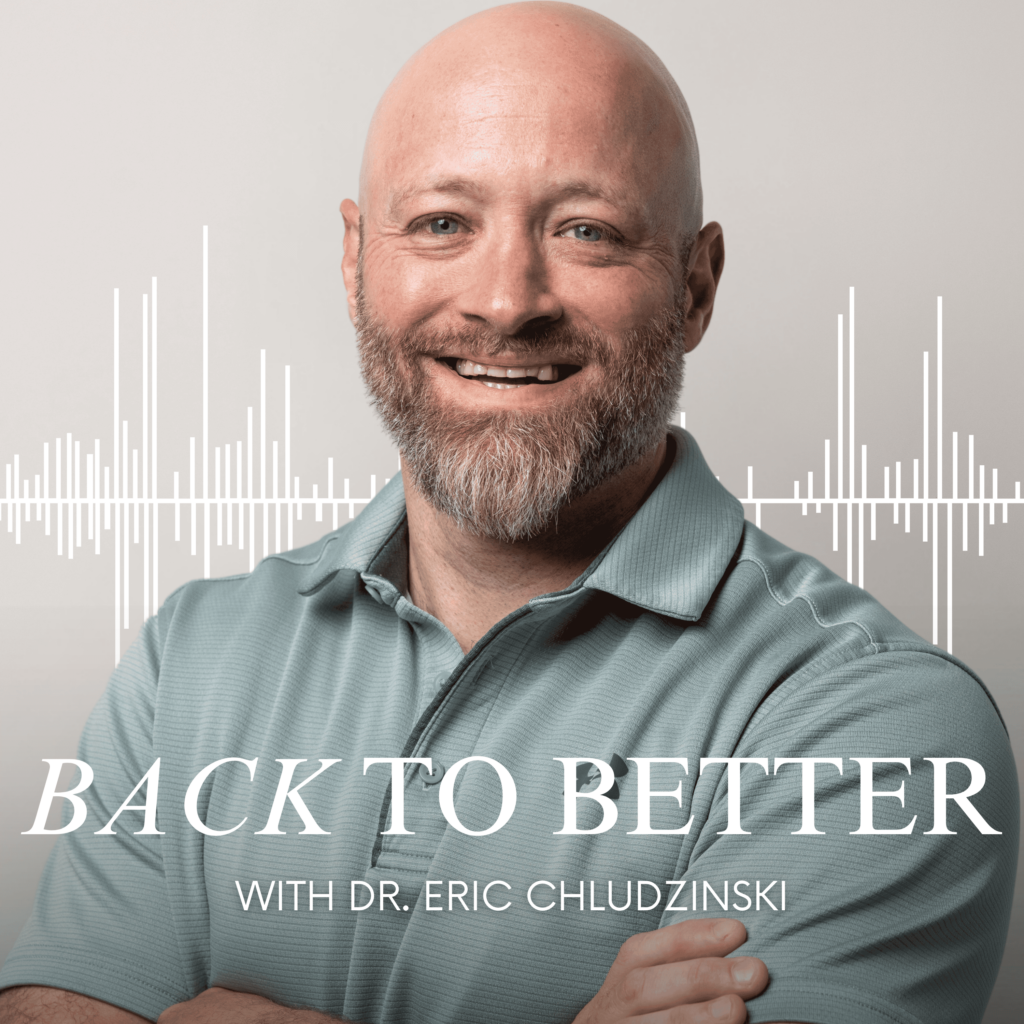
Jaw pain, clicking, and clenching affect more people than you might realize. In this episode, Dr. Eric Chludzinski from Fanwood Back Relief Center explores the connection between TMJ dysfunction and common complaints like neck pain and headaches.
Discover why your jaw problems might be related to issues elsewhere in your body, and learn how chiropractic care can address the root cause of TMJ pain rather than just masking symptoms.
If you’ve been dealing with jaw discomfort, clicking sounds when you eat, or wake up with soreness from nighttime clenching, this episode offers insights into a treatment approach you may not have considered.
Hey there, this is Doctor Eric Chludzinski from Fanwood Back Relief Center, and today we’re talking about something that affects way more people than you might think… jaw pain. Or as we call it in the office, TMJ dysfunction.
You know what I hear all the time? Someone comes in for neck pain or headaches, and when I start asking questions, they mention their jaw clicks when they eat. Or it hurts to chew. Or they wake up with a sore jaw because they’ve been clenching all night. And here’s the thing… most people don’t realize these issues are all connected.
So let’s break this down. TMJ stands for temporomandibular joint. That’s the hinge joint right in front of your ear that lets you open and close your mouth. It’s actually one of the most complex joints in your entire body. Think about it… this joint has to move smoothly every time you talk, chew, yawn, or swallow. That’s thousands of times every single day.
Now, when this joint gets irritated or misaligned, you can get all kinds of symptoms. Jaw pain, sure. But also clicking or popping sounds, headaches, ear pain, even neck and shoulder tension. Sometimes people think they have an ear infection when it’s actually their TMJ acting up.
Here’s what’s really interesting. Your jaw doesn’t work in isolation. It’s directly connected to your skull and your upper neck through muscles, ligaments, and nerves. When your neck alignment is off, or when you have tension in those upper cervical vertebrae, it can absolutely affect how your jaw functions. And it goes the other way too… chronic jaw clenching can create neck problems.
So where does chiropractic come in? Well, we look at the whole picture. I check the alignment of your upper neck, especially those first two vertebrae right below your skull. I evaluate the muscles around your jaw and neck. And we work on restoring proper movement and reducing tension in that whole area.
A lot of times, gentle adjustments to the upper cervical spine can take pressure off the nerves that affect jaw function. We also use soft tissue work on those tight jaw muscles… the masseter, the temporalis, muscles that get overworked from clenching or grinding. Many patients tell me they notice their jaw feels looser and more comfortable after just a few visits.
Now, here’s what you can start doing today if you’re dealing with jaw pain. First, pay attention to your posture. When you’re looking down at your phone or hunched over a computer, that forward head posture puts extra strain on your jaw. Try to keep your ears over your shoulders.
Second, avoid hard or chewy foods for a while. Give that joint a break. And third, notice if you’re clenching during the day. A lot of us hold tension in our jaw without even realizing it. Your teeth should only touch when you’re chewing… the rest of the time, there should be a little space there.
If you’ve been dealing with jaw pain, clicking, headaches, or that feeling like your jaw is stuck… it’s worth getting evaluated. TMJ issues don’t usually just go away on their own, and the longer they go on, the more stubborn they can become.
We see patients with TMJ problems here at Fanwood Back Relief Center all the time, and chiropractic care can be a really effective, non-invasive option. No surgery, no medications… just getting your body back in balance so it can heal.
If you’re in the Fanwood area and you want to find out if we can help, give us a call. We’ll sit down, talk about what’s going on, and figure out the best approach for you.
Thanks for listening, and remember… that jaw pain isn’t something you just have to live with. Take care.

I am in the middle of the treatment with Dr. Eric Chludzinski and I can say that from the first session I felt a big change. All the stuff from Fanwood Back Relief Center is excellent, very professional and friendly. I totally recommend Dr. Eric Chludzinski and clinic Fandwood Back Relief Center

I can't recommend Dr. Eric enough. He's kind, attentive, and always makes me feel better the moment I walk in. Over the past few months, my pain has improved and I'm so grateful for his care. Five stars, hands down!

They really care about your well being. Dr.Eric is very knowledgeable and takes time to understand your own personal challenges and goals by being a great listener. The staff is very accomodating, thorough, and friendly as well. I would recommend this place to anyone.

Dr. Eric does a great job, and he's very friendly as well. Would highly recommend!

Dr. Eric is very helpful and strives to fix your pain

The staff is great and Dr Eric is great! There are better and better results with every visit.

This place was recommended to me and Dr. Eric is so kind, courteous and empathetic. I improved soon after my first visit from pain and stiffness in my back as I have scoliosis. My flexibility is better too. He's great!

Nothing but great interactions from me. The Doctor is awesome. Went in and in the 1st 10 minutes he xray me and found what the issues were. He then relived me of weeks of pain. Again he is awesome!! I recommend him to all my friends and family.

I went to Dr Eric after having experienced several episodes of dizziness without any explanation from any MD I had seen including cardiac, ENT and family doctor. Did some of my own research and decided to try out a chiropractic approach unsure of where it was going to go. After 2 weeks of adjustments I have not had any more episodes as I had previously been experiencing. Dr Eric explained how his treatments may help and how it helps the entire physiological system. I am still his patient about 1/4 of the way thru my treatments but I am overall feeling better and appreciative of what he has done for my health.

Takes the time to understand what’s going on and explains treatment clearly. I’ve seen a noticeable improvement in my mobility and pain levels. Highly recommend.

