Chiropractic Techniques for Neck Pain: What to Expect During Treatment

Neck pain has a way of making everything harder — turning your head to check traffic, sitting through a work meeting, even trying to get a good night's sleep. If you've been dealing with stiffness, aching, or limited range of motion in your neck, you're not alone. It's one of the most common complaints that brings people through our doors at Fanwood Back Relief Center. And one of the first questions patients in both Fanwood and Flemington ask us is: What exactly does chiropractic treatment for neck pain look like? That's a great question, and this article is here to answer it thoroughly so you feel informed, comfortable, and confident before your first visit.
What is chiropractic care for neck pain?
Chiropractic care for neck pain involves hands-on, manual adjustments to the cervical spine — the section of your spine that runs through your neck. The goal is to restore proper alignment, improve joint mobility, and reduce the nerve irritation and muscle tension that often contribute to neck pain. It is a non-invasive, drug-free approach that focuses on addressing the root cause of discomfort rather than simply masking symptoms.
- What Causes Neck Pain?
- Understanding Your Cervical Spine
- Common Chiropractic Techniques Used for Neck Pain
- What to Expect During a Chiropractic Visit
- Practical Tips for Supporting Your Neck Health
- When to See a Chiropractor for Neck Pain
- Chiropractic Techniques at a Glance
- Myths vs. Facts About Chiropractic Neck Adjustments
- Final Thoughts from Fanwood Back Relief Center
- Frequently Asked Questions
- TL;DR Summary
What Causes Neck Pain?
Neck pain rarely comes out of nowhere. Even when it seems sudden, there's almost always an underlying pattern — in your posture, your daily habits, or the accumulated stress on your spine over time. Here in Fanwood and Flemington, we see patients from all walks of life dealing with neck pain for a wide variety of reasons, and understanding those causes is the first step toward real relief.
One of the most prevalent causes today is what many clinicians call "tech neck" — the forward head posture that develops from spending hours looking down at phones, laptops, and screens. For every inch your head drifts forward from its neutral position, the effective weight your neck muscles must support increases significantly. Over time, this places tremendous strain on the cervical joints and surrounding soft tissue.
Poor workplace ergonomics play a major role as well. Sitting at a desk with a monitor that's too low, too high, or off to one side forces your neck into awkward, sustained positions. Sleeping on an unsupportive pillow or in a poor position can cause stiffness that lingers for days. Auto accidents, sports injuries, and even something as simple as a sudden awkward movement can cause the joints of the neck to shift out of their ideal alignment — a condition chiropractors refer to as a vertebral subluxation.
Stress is another underrated contributor. When we're tense or anxious, we tend to carry that tension in the muscles of the neck and upper shoulders. This guarding pattern can restrict spinal movement and set off a cycle of tightness, pain, and further restriction that is difficult to break without professional care.
Understanding Your Cervical Spine
Your cervical spine is a remarkable structure. It consists of seven vertebrae — labeled C1 through C7 — stacked on top of one another, cushioned by intervertebral discs, and supported by an intricate network of muscles, ligaments, and nerves. These seven vertebrae allow you to nod your head, rotate your neck, and tilt side to side with a surprising range of motion.
At the very top, the C1 vertebra (called the atlas) supports the weight of your skull and allows the nodding motion. Just below it, C2 (the axis) enables the rotational movement when you shake your head "no." These upper cervical joints are particularly sensitive and are closely associated with headaches, dizziness, and upper neck pain when they aren't moving properly.
Running alongside and through the cervical vertebrae are nerve roots that branch out from the spinal cord and travel into your arms, hands, and chest. When a cervical vertebra is misaligned or a joint becomes restricted, it can irritate or compress these nerve roots — producing symptoms not just in the neck itself, but potentially in the shoulders, arms, and even the fingers. This is why neck problems sometimes cause numbness, tingling, or weakness in the upper extremities.
Dr. Eric Chludzinski and the team at Fanwood Back Relief Center take time to explain this anatomy to patients, because understanding what's happening in your spine makes the treatment process far less intimidating. An informed patient is an empowered patient.
Common Chiropractic Techniques Used for Neck Pain
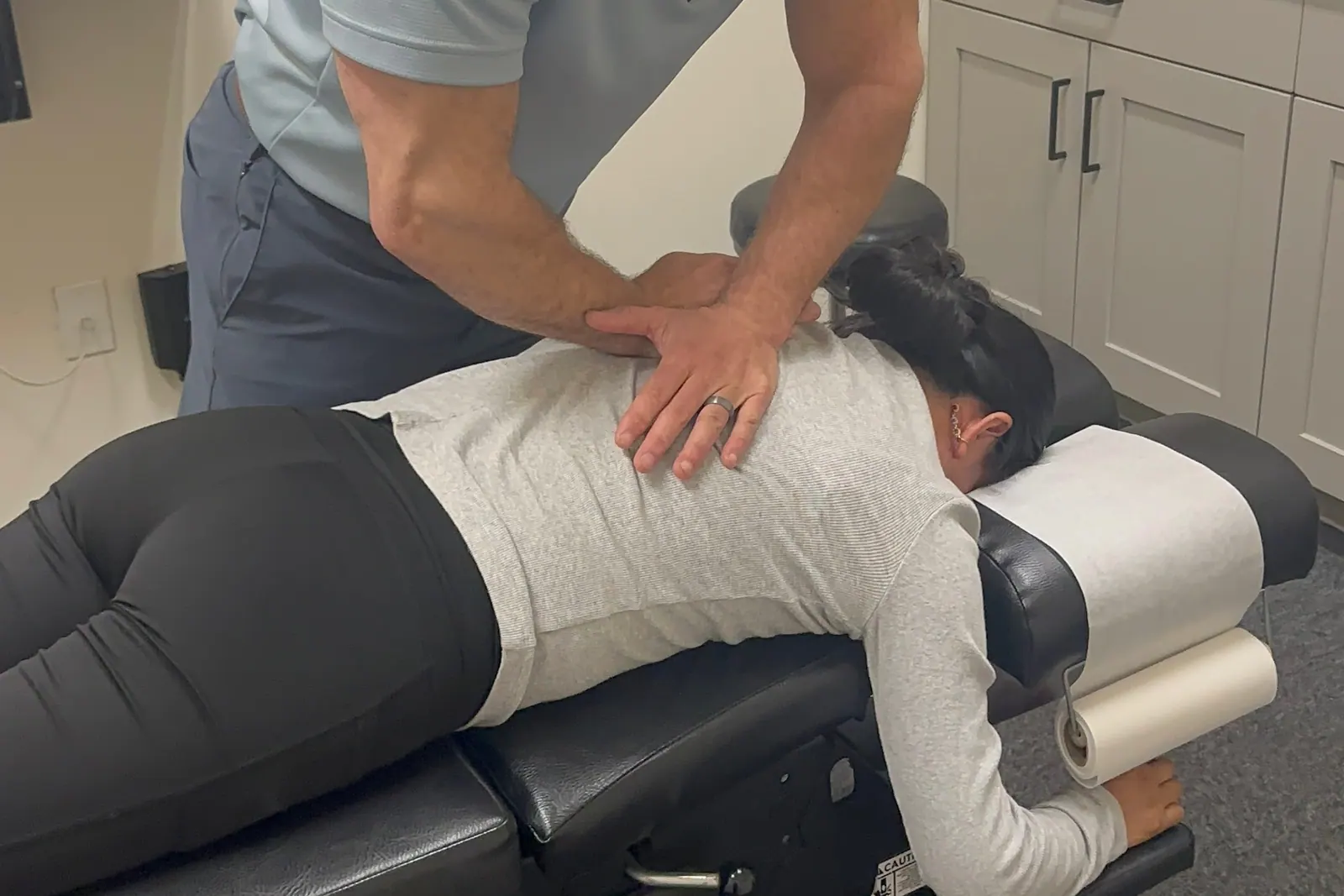
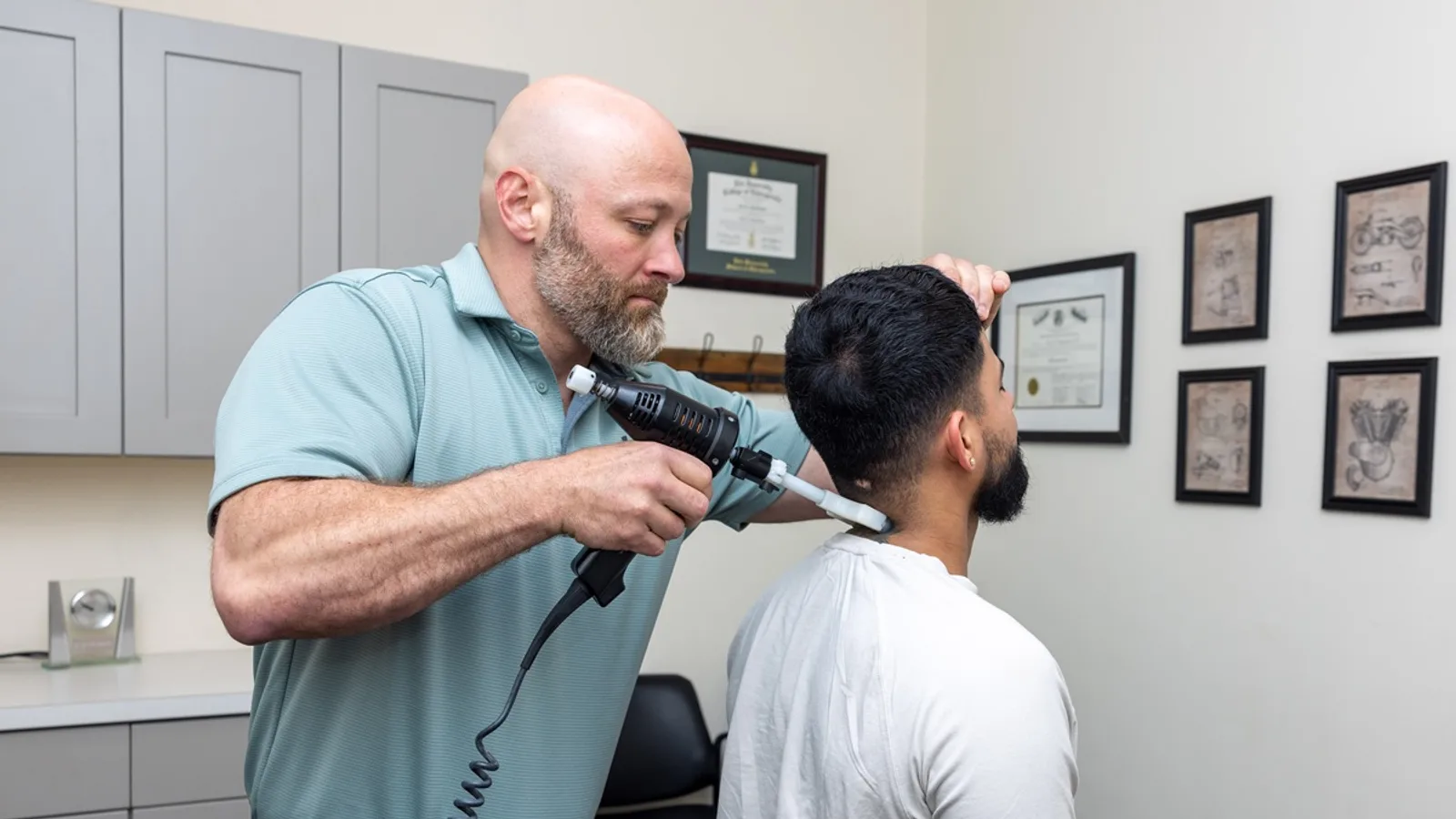
When most people think of chiropractic care, they picture a quick adjustment with a satisfying pop. While that image isn't entirely wrong, the reality is more nuanced. Chiropractic techniques for neck pain range from precise, low-force maneuvers to more traditional manual adjustments, and Dr. Eric Chludzinski tailors the approach at Fanwood Back Relief Center to each individual patient's condition, comfort level, and health history.
Cervical Manipulation (High-Velocity, Low-Amplitude Adjustment)
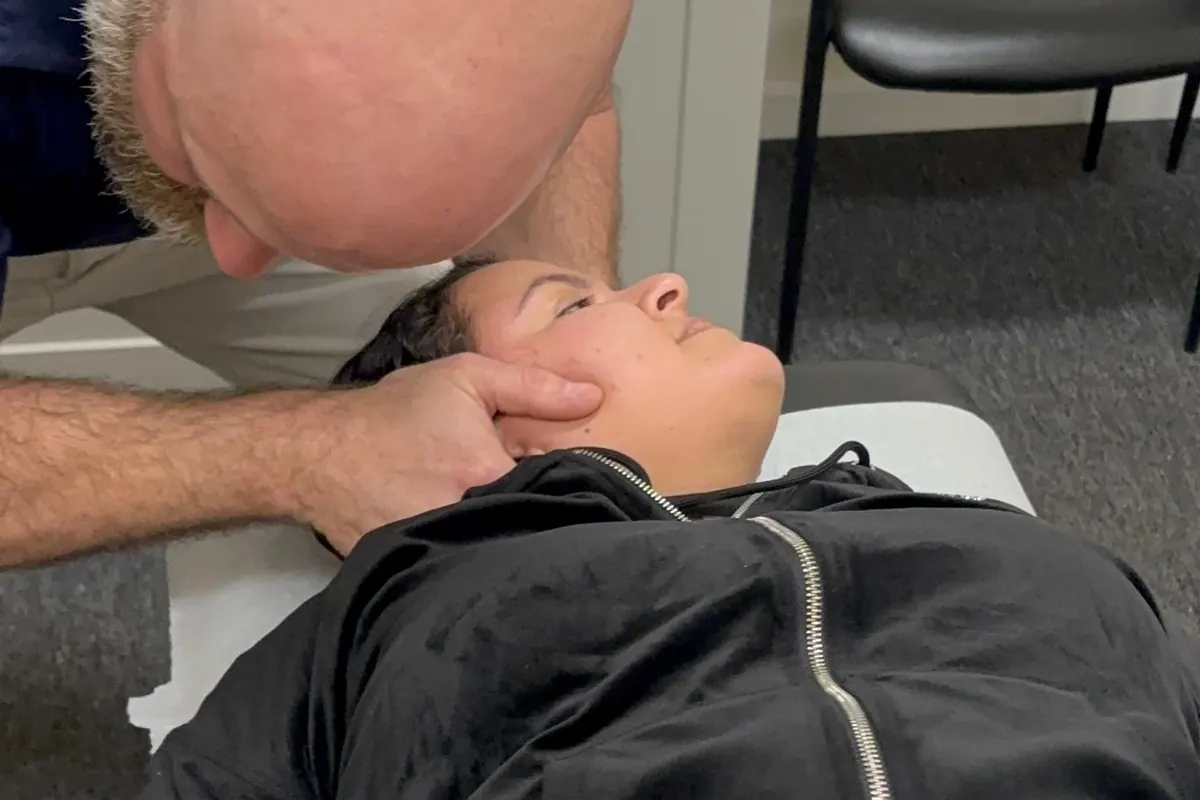
The cervical manipulation — often called a cervical adjustment — is the cornerstone of chiropractic care for neck pain. In this technique, the chiropractor uses their hands to apply a quick, controlled thrust to a specific cervical joint. The goal is to restore movement to a joint that has become restricted or misaligned. That audible "pop" you sometimes hear is simply the release of gas pressure within the joint — it's the same phenomenon that occurs when you crack your knuckles, and it is not harmful.
Research published in prominent journals, including work referenced by the American Chiropractic Association, suggests that cervical manipulation can be effective in reducing acute and chronic neck pain. It has also been associated with improved range of motion and reduced muscle tension in the surrounding area. At Fanwood Back Relief Center, this technique is performed with precision and care, and patients are always thoroughly evaluated before any cervical adjustment is performed.
Cervical Mobilization
For patients who prefer a gentler approach — or for those whose condition requires a more cautious technique — cervical mobilization is an excellent option. Rather than a quick thrust, mobilization involves slow, rhythmic movements applied through the neck's natural range of motion. The chiropractor moves the cervical joints carefully to gradually increase mobility and reduce stiffness without the high-velocity component.
This technique is particularly well-suited for patients who are new to chiropractic care, those who are anxious about adjustments, or individuals with certain health conditions that make a more forceful approach less appropriate. Many patients in both our Fanwood and Flemington communities find cervical mobilization to be a comfortable and effective starting point.
Flexion-Distraction Technique for the Cervical Spine
Flexion-distraction is a manual technique performed on a specially designed adjusting table. When applied to the cervical spine, the chiropractor gently flexes and stretches the neck in a slow, rhythmic motion. This approach is particularly helpful for patients dealing with disc-related issues in the neck, nerve root irritation, or significant stiffness. It is a low-force, controlled method that many patients find deeply relieving — especially those whose neck pain is accompanied by radiating symptoms into the arms.
Upper Cervical Specific Techniques
The uppermost two vertebrae — C1 and C2 — are biomechanically unique and often require their own specific approach. Upper cervical techniques involve very precise, targeted adjustments to the atlas and axis with minimal force. Misalignments at this level are associated not only with neck pain, but also with headaches and tension that radiates into the base of the skull. Dr. Eric Chludzinski pays careful attention to this region of the spine during evaluations, as it is frequently overlooked in patients who have been struggling with chronic neck and head pain.
What to Expect During a Chiropractic Visit for Neck Pain
If you've never visited a chiropractor before, knowing what to expect can go a long way toward making you feel at ease. At Fanwood Back Relief Center, the process is thorough, patient-centered, and never rushed — whether you're coming to us from Fanwood, Flemington, or anywhere in between.
Your first visit begins with a comprehensive health history intake. Dr. Eric Chludzinski will ask about the nature of your neck pain — when it started, what makes it better or worse, whether you've had any injuries, and how it's affecting your daily life. This conversation matters. It gives Dr. Chludzinski a clear picture of what you're dealing with before he ever puts his hands on your spine.
Next comes the physical examination, which typically includes orthopedic and neurological testing to evaluate your range of motion, muscle strength, reflexes, and areas of tenderness. Postural analysis is also a key component — the way you hold your head and shoulders often tells a clear story about where the mechanical problems are coming from. If X-rays are warranted, they may be taken at this stage to get a clearer look at your cervical spine alignment.
Once the evaluation is complete, Dr. Chludzinski will explain what he found and what a care plan might look like for you. If you're a good candidate for cervical adjustments that day, treatment may begin during that first visit. The adjustment itself typically takes only a few minutes. Many patients notice an immediate sense of relief — a loosening of tension, improved movement, or simply a feeling that something has "released." Others experience mild soreness for a day or two as their body adapts, which is completely normal.
Follow-up visits are typically shorter and focused on the adjustment itself. Over a series of appointments, the goal is to progressively restore proper alignment and function, reduce pain, and help your neck hold its corrections for longer periods between visits.
Practical Tips for Supporting Your Neck Health
Chiropractic adjustments do powerful work, but the habits you maintain between visits have a real impact on your progress. Here are some straightforward, practical ways to support your cervical spine and reinforce the gains made through care at Fanwood Back Relief Center.
Pay close attention to your screen setup. Your monitor should be at eye level so that your head is not tilted downward or angled to one side. If you use a laptop, consider a separate keyboard and an elevated stand to bring the screen up to a neutral height. This single change can dramatically reduce the strain placed on your cervical spine throughout the workday.
Your sleep position matters more than most people realize. Sleeping on your back or side is generally better for your cervical spine than sleeping on your stomach, which forces your neck into a sustained rotation. Using a pillow that supports the natural curve of your neck — rather than one that props your head up too high or lets it sink too low — makes a meaningful difference in how your neck feels when you wake up.
Taking regular movement breaks throughout the day is one of the simplest and most effective things you can do. Static postures, even relatively good ones, create cumulative stress on the cervical joints. Standing up, rolling your shoulders, and gently moving your neck through its range of motion every hour or so helps prevent stiffness from setting in.
Staying well-hydrated is worth mentioning, too. The intervertebral discs in your neck rely on adequate hydration to maintain their height and shock-absorbing capacity. Chronic dehydration, over time, can compromise disc health and contribute to spinal stiffness.
When to See a Chiropractor for Neck Pain
Not every stiff neck requires a chiropractic visit — sometimes a poor night's sleep is to blame, and the discomfort resolves within a day or two on its own. But there are clear signs that your neck pain deserves professional evaluation, and waiting too long can allow minor problems to become more complex ones.
If your neck pain has persisted for more than a week or two without improvement, it's time to get checked. Recurring pain that keeps coming back — even if it goes away for a while — suggests an underlying mechanical issue that isn't resolving on its own. Stiffness that limits your ability to fully turn your head in both directions is another clear indicator that the joints of your cervical spine need attention.
When neck pain is accompanied by radiating pain, numbness, or tingling into the shoulder, arm, or hand, that symptom pattern warrants prompt evaluation. It may indicate nerve root involvement, and the sooner it's assessed, the better. Dr. Eric Chludzinski is experienced in identifying these presentations and determining whether chiropractic care is appropriate or whether a referral to another provider is the right next step.
There are also symptoms that should prompt you to seek immediate medical attention rather than waiting for a chiropractic appointment. These include neck pain following a significant trauma such as a car accident or fall, neck pain paired with severe headache, fever, unexplained weight loss, or any neurological symptoms such as difficulty walking or controlling your limbs. These are red flags that require emergency evaluation.
Chiropractic Techniques at a Glance
| Technique | Approach | Best Suited For | Force Level |
|---|---|---|---|
| Cervical Manipulation (HVLA) | Quick, precise manual thrust to a cervical joint | Restricted joints, acute or chronic neck pain, limited rotation | Moderate to firm |
| Cervical Mobilization | Slow, rhythmic joint movement within normal range | New patients, anxious patients, mild stiffness | Gentle to moderate |
| Flexion-Distraction (Cervical) | Gentle flexion and traction on a specialized table | Disc-related neck pain, nerve root irritation, radiating arm symptoms | Very gentle |
| Upper Cervical Specific Adjustment | Highly precise, low-force adjustment to C1/C2 | Headaches, upper neck pain, atlas/axis misalignment | Very precise, low force |
Myths vs. Facts About Chiropractic Neck Adjustments
Myth: Cracking your neck yourself is the same as getting a chiropractic adjustment.
Fact: Self-manipulation and professional chiropractic adjustments are very different things. When you crack your neck on your own, you're releasing gas pressure across multiple joints nonspecifically — often the hypermobile ones, not the ones that are actually restricted. A chiropractic adjustment is a precise, targeted maneuver applied to a specific joint that has been identified as restricted or misaligned through a clinical examination. It is controlled, intentional, and based on a thorough assessment — not a habit or a quick fix.
Myth: Neck adjustments are dangerous.
Fact: When performed by a licensed, trained chiropractor following a proper evaluation, cervical adjustments have a well-established safety profile. Serious adverse events are extremely rare. Dr. Eric Chludzinski conducts thorough examinations before any cervical treatment to identify contraindications and ensure that the approach chosen is appropriate and safe for each individual patient. Open communication between patient and chiropractor is a key part of that safety process.
Myth: Chiropractic care only helps while you're actively receiving treatment.
Fact: While chiropractic adjustments do provide immediate relief for many patients, the goal of a well-designed care plan is to create lasting improvement in spinal alignment and function. As the spine holds its corrections over time and the supporting muscles strengthen, many patients find that they need less frequent care and experience longer stretches of pain-free function. Patients at Fanwood Back Relief Center in both Fanwood and Flemington regularly report sustained improvements well beyond their active care period.
Myth: Once you start chiropractic care, you have to go forever.
Fact: No reputable chiropractor requires or pressures patients into indefinite care. Treatment plans at Fanwood Back Relief Center are built around your specific goals. Some patients complete a focused course of care and are discharged once their goals are met. Others choose to continue with periodic wellness visits, which is entirely their own decision. You are always in control of your care.
Myth: Chiropractic adjustments are only for back pain.
Fact: While chiropractic care is widely associated with low back pain, it is equally applicable to the neck, mid-back, and other spinal regions. The cervical spine is well within the scope of chiropractic practice, and evidence indicates that chiropractic care can be an effective option for both acute and chronic neck pain.
Final Thoughts from Fanwood Back Relief Center
Living with neck pain doesn't have to be your normal. Whether your pain is sharp and recent or a dull ache you've learned to live with over the years, the team at Fanwood Back Relief Center is here to help you understand what's going on and what can be done about it. Dr. Eric Chludzinski has helped patients throughout Fanwood, Flemington, and the surrounding New Jersey communities take meaningful steps toward lasting relief — not through guesswork, but through careful evaluation, honest communication, and skilled, individualized chiropractic care.
Our offices in Fanwood and Flemington are welcoming places where you'll always be treated as a person — not a diagnosis. If you've been searching for a chiropractor for neck pain near you, we encourage you to reach out and start the conversation. You deserve to understand what's happening in your spine, and you deserve care that actually addresses it. The first step is simply showing up — and we'll be ready when you do.
Frequently Asked Questions
How many chiropractic visits does it take to feel relief from neck pain?
This varies considerably depending on the severity and duration of your condition. Many patients notice meaningful improvement within the first few visits. Dr. Eric Chludzinski will give you a realistic expectation based on your specific findings during the initial examination — there is no one-size-fits-all timeline.
Is a chiropractic neck adjustment painful?
Most patients find cervical adjustments to be comfortable and even relieving. Some may experience mild soreness for a day or two afterward, similar to the feeling after a good workout. If you have concerns about discomfort, Dr. Chludzinski can discuss gentler technique options with you before beginning treatment.
Can chiropractic care help with neck pain that radiates into my arm?
Radiating pain, numbness, or tingling into the arm can sometimes be related to cervical nerve root involvement, which chiropractic care may help address. A thorough evaluation is essential first to identify the cause and determine whether chiropractic care is appropriate for your specific situation.
Can I see a chiropractor for neck pain after a car accident?
Yes, chiropractic care is commonly sought after auto accidents, particularly for whiplash-associated injuries. It is important to be evaluated as soon as reasonably possible after an accident. Dr. Eric Chludzinski will conduct a comprehensive assessment to determine the extent of any injury and the most appropriate course of care.
Is there anything I should do or avoid before my first chiropractic visit for neck pain?
There's nothing specific you need to do to prepare. Wearing comfortable clothing is helpful, as the exam may involve movement and range-of-motion testing. Bring a list of any current medications, relevant health history, and any imaging (like X-rays or MRIs) you've already had taken.
Does Fanwood Back Relief Center treat neck pain at both the Fanwood and Flemington offices?
Yes. Chiropractic care for neck pain is available at both our Fanwood, NJ and Flemington, NJ locations. Dr. Eric Chludzinski serves patients throughout both communities and would be glad to help you at whichever office is most convenient for you.
TL;DR Summary
- Neck pain is commonly caused by poor posture, tech neck, ergonomic issues, stress, and spinal misalignments that restrict joint movement.
- Chiropractic techniques for neck pain include cervical manipulation, cervical mobilization, flexion-distraction, and upper cervical specific adjustments — each tailored to the patient's condition and comfort level.
- At Fanwood Back Relief Center, Dr. Eric Chludzinski conducts a thorough evaluation before any treatment to ensure safety and create a personalized care plan for patients in Fanwood, Flemington, and surrounding NJ communities.
- Supporting your chiropractic care with good ergonomics, proper sleep posture, and regular movement breaks can significantly improve your results between visits.
- Red flags like neck pain after trauma, neurological symptoms, or pain with fever require immediate medical attention rather than a chiropractic visit.