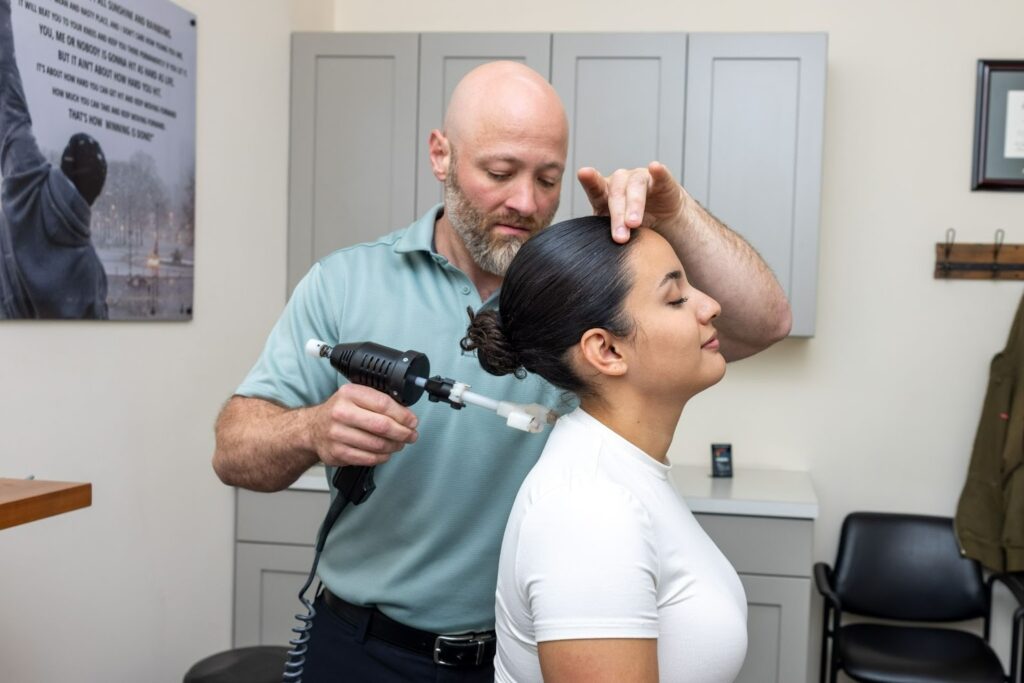

As a local chiropractor, I’m here to help you understand how effective treatments for sports-related pain can aid in your recovery. If you’re experiencing discomfort from physical activity, it’s crucial to explore the right options tailored to your needs. Chiropractic care is a fantastic choice, as it focuses on natural healing and restoring proper function to your body.
In addition to chiropractic adjustments, we also recommend complementary therapies such as physical therapy and acupuncture, each offering unique benefits. It’s essential to recognize that these treatments not only help alleviate pain but also contribute to improving your overall athletic performance. By addressing the root cause of your discomfort, we can work together to enhance your physical capabilities, helping you get back to doing what you love. Let’s embark on this journey to better health together!
Understanding Sports-Related Pain
As a local chiropractor, I want to help you understand the pain you may experience while engaging in sports activities. Pushing your body to its limits can often lead to discomfort, which can arise from a variety of sources. Gaining insight into this pain is crucial for effective management and recovery.
Commonly, pain can result from muscle strains, ligament sprains, or overuse injuries. Each type of pain indicates different underlying issues, so it’s important to learn how to recognize these differences. For instance, acute pain typically arises from a specific injury, like a fall or an awkward twist, while chronic pain develops gradually due to repetitive stress on your body.
Listening to your body is key. Ignoring pain signals can lead to more serious injuries down the line. Additionally, you may experience referred pain, where discomfort in one area is actually caused by an issue in another part of your body. This can make understanding your pain a bit more complex.
At our chiropractic clinic, we focus on natural healing methods that address these pain sources effectively. By understanding the root causes of your discomfort, we can work together to develop a personalized treatment plan that supports your recovery and enhances your overall well-being.
Over-the-Counter Pain Relief Options
As a local chiropractor, I understand that dealing with sports-related pain can be challenging, and many people often turn to over-the-counter (OTC) pain relievers for quick relief.
However, it’s important to be informed about the common OTC options available, the proper dosage guidelines to ensure safety, and the circumstances that may indicate a need for alternative treatments.
While these pain relievers can provide temporary comfort, they don’t address the underlying issues that may be causing your discomfort.
As your chiropractor, I encourage you to consider the benefits of natural healing methods alongside or in place of OTC medications. Techniques such as spinal adjustments, physical therapy, and personalized exercise regimens can help alleviate pain and promote healing in a more holistic manner.
Let’s work together to explore the best strategies for your recovery, helping you get back to your favorite activities with a stronger, healthier body.
Common OTC Pain Relievers
As a local chiropractor dedicated to your overall well-being, I want to share some insights about over-the-counter (OTC) pain relievers that many athletes and active individuals turn to for quick relief from sports-related discomfort.
While these medications can provide temporary relief, I encourage you to consider the benefits of chiropractic care and natural healing as a more holistic approach.
Here are some common OTC pain relievers you might encounter:
- Ibuprofen: This nonsteroidal anti-inflammatory drug (NSAID) is often used to reduce inflammation and alleviate pain, but it’s important to understand that it only addresses the symptoms, not the underlying issues.
- Acetaminophen: While effective for mild to moderate pain relief, it doesn’t have anti-inflammatory properties, which means it may not be the best choice for sports injuries that involve inflammation.
- Naproxen: Another NSAID that offers long-lasting relief, but like ibuprofen, it’s primarily a symptom reliever.
- Aspirin: Known for pain relief, it can also cause stomach irritation, so it’s essential to use it with caution.
- Topical Analgesics: These creams or gels can provide localized relief, but they often don’t address the root cause of your discomfort.
While OTC pain relievers can be convenient, I encourage you to explore chiropractic care as a natural and effective way to address pain and support your body’s healing processes.
Chiropractic adjustments can help alleviate pain, improve mobility, and promote overall health without the potential side effects of medications.
Always remember to consult with your healthcare provider to determine the best approach for your individual needs.
Dosage Guidelines for Safety
As a local chiropractor dedicated to educating my patients about natural healing and safe pain management, I want to emphasize the importance of understanding proper dosage guidelines for over-the-counter (OTC) pain relief options.
It’s crucial to always read the label before taking any medication, as dosages can differ significantly between products.
For common pain relievers such as ibuprofen and acetaminophen, the recommended dosage for adults is generally 200-400 mg of ibuprofen every 4-6 hours, and 500-1000 mg of acetaminophen every 4-6 hours.
However, it’s important not to exceed the maximum daily limits: 3,200 mg for ibuprofen and 4,000 mg for acetaminophen.
If you’re considering these medications for children, please consult with a healthcare professional who can provide the appropriate dosage based on their weight and age.
By adhering to these dosage guidelines, you can help minimize risks and ensure effective pain relief without the potential for dangerous side effects.
When to Seek Alternatives
While many individuals find relief with over-the-counter (OTC) pain medications, there are circumstances where considering alternative options, such as chiropractic care, can be incredibly beneficial.
As your local chiropractor, I want to help you understand when it might be time to explore these natural healing methods. Here are some signs that alternatives could be right for you:
- You experience ongoing pain that persists even after taking OTC medications.
- You have a history of gastrointestinal issues or sensitivities that make you wary of pharmaceutical solutions.
- You’re concerned about potential interactions with other medications you may be taking.
- You prefer a holistic approach to pain management that addresses the root cause rather than just masking symptoms.
- You’re seeking long-term solutions that promote overall wellness instead of temporary fixes.
If any of these situations resonate with you, I encourage you to consult with me.
Together, we can discuss effective chiropractic alternatives tailored to your needs, helping you regain your active lifestyle and achieve lasting relief.
The Role of Physical Therapy
When it comes to managing sports-related pain, chiropractic care can truly make a difference.
We provide personalized treatment plans tailored to your unique needs, which can enhance your recovery process. Through our holistic approach, you’ll not only find relief but also gain valuable techniques for strengthening and improving flexibility.
This proactive care can help prevent future injuries and elevate your overall performance, allowing you to enjoy your favorite activities with renewed vigor.
Let’s guide you on your path to natural healing and optimal health!
Customized Treatment Plans
Customized treatment plans are crucial for effectively managing sports-related pain, especially when incorporating chiropractic care into your recovery. These plans are designed to meet your individual needs and focus specifically on your injuries.
As your local chiropractor, I work closely with you to develop a strategy that includes:
- A comprehensive evaluation of your condition
- Specific adjustments and techniques to facilitate healing
- Gentle manipulation to alleviate pain and improve mobility
- Guidance on injury prevention and ongoing self-care
- Regular assessments to track your progress and modify treatment as necessary
With this personalized approach, you won’t just relieve pain; you’ll also enhance your overall athletic performance.
Focusing on your unique circumstances ensures you receive the most effective care possible, enabling you to return to your sport stronger and more resilient than before.
Strengthening and Flexibility Techniques
Incorporating strengthening and flexibility techniques into your rehabilitation process can significantly enhance your recovery from sports-related injuries.
As a local chiropractor, I want to emphasize the importance of these approaches in promoting natural healing and preventing future injuries. Chiropractic care focuses on optimizing your body’s alignment and function, which complements muscle strength and flexibility.
Through specific exercises tailored to your needs, we can work on strengthening the affected area, providing better support during physical activities. Additionally, we’ll incorporate stretching routines that target tight muscles, improving your overall range of motion and reducing tension.
By collaborating with me, you’ll be able to monitor your progress and make necessary adjustments to your rehabilitation program. It’s essential to challenge yourself appropriately while ensuring you’re not overdoing it.
Consistency is crucial—regularly practicing these techniques not only aids in your healing process but also enhances your athletic performance.
Benefits of Massage Therapy
As a local chiropractor, I want to share with you the incredible benefits that massage therapy can provide, particularly for athletes and those dealing with sports-related pain.
While many may view massage as an indulgence, it is, in fact, a powerful tool for recovery and performance enhancement. Here are some significant advantages you can experience through regular massage therapy:
- Improved blood circulation: Massage therapy promotes better blood flow, ensuring that your muscles receive the oxygen and nutrients they need for effective healing and recovery.
- Decreased muscle tension: By alleviating tightness in your muscles, massage therapy helps you move more freely, enhancing your overall performance during physical activities.
- Increased flexibility: Regular massage can help expand your range of motion, which is essential for preventing injuries and maintaining optimal athletic performance.
- Stress reduction: Engaging in massage therapy can lower cortisol levels in your body, allowing you to relax more and concentrate better on your training regimen.
- Pain alleviation: Targeting specific areas of discomfort, massage therapy can provide immediate relief from pain and soreness, helping you get back to your activities sooner.
Integrating massage therapy into your health and wellness routine can significantly enhance your recovery process and enable you to train with greater intensity and effectiveness.
As a chiropractor, I encourage you to explore the holistic benefits of both chiropractic care and massage therapy for a more natural approach to healing and performance improvement.
Exploring Acupuncture for Pain Relief
If you’re seeking alternative ways to manage sports-related pain, I encourage you to consider acupuncture as a complementary treatment option. This ancient healing practice involves the insertion of thin needles into specific points on your body, which can help promote natural healing processes. Many athletes have found acupuncture beneficial for its potential to alleviate pain, reduce inflammation, and enhance mobility.
During an acupuncture session, the treatment stimulates your body’s energy flow, known as Qi. This can help restore balance within your system and support quicker recovery from injuries. Acupuncture is particularly effective for common sports-related issues like tendonitis and muscle strains.
Many patients report feeling relaxed during their sessions, and some even notice a reduction in anxiety. Additionally, acupuncture tends to have fewer side effects compared to traditional medications, making it a safer option for pain management.
Whether you’re a casual sports enthusiast or a dedicated athlete, acupuncture could provide the relief you need to return to your activities. Just be sure to consult with a qualified practitioner to ensure you receive the best care possible.
Cryotherapy: A Cool Solution
As a local chiropractor dedicated to helping my patients explore natural healing methods, I want to highlight the benefits of cryotherapy as an effective option for managing pain, especially for those dealing with sports injuries.
Cryotherapy, which involves exposing your body to extremely cold temperatures, offers a variety of healing advantages that can complement chiropractic care.
Here are some of the notable benefits of incorporating cryotherapy into your wellness routine:
- Reduced inflammation: The cold exposure from cryotherapy can significantly decrease swelling in injured areas, making it a great complement to chiropractic adjustments.
- Pain relief: Many patients experience an immediate numbing effect, which can provide quick relief from pain associated with injuries or chronic conditions.
- Enhanced recovery: If you engage in intense workouts or sports, cryotherapy may help speed up muscle recovery, allowing you to get back to your activities sooner.
- Improved circulation: The cold stimulus can stimulate blood flow, which is essential for the healing process and can enhance the effects of chiropractic treatments.
- Mood boost: Cryotherapy can trigger the release of endorphins, which may improve your overall well-being and help manage stress.
Adding cryotherapy to your pain management plan can be a powerful step towards achieving optimal health.
However, I always recommend consulting with a healthcare professional, like myself, to ensure that this treatment aligns with your individual needs and health goals.
Together, we can create a comprehensive approach to your recovery and overall wellness.
The Impact of Rest and Recovery
As a local chiropractor, I want to emphasize the vital importance of rest and recovery in achieving optimal health and performance, especially for those who engage in physical activities. Your body is a remarkable machine, and just like any machine, it requires time to heal and recuperate after being pushed to its limits. Neglecting rest can lead to fatigue, diminished performance, and a heightened risk of injury.
Incorporating rest days into your routine is crucial for allowing your muscles to recover and grow stronger. Sleep, in particular, is a key component of this process; during sleep, your body releases essential growth hormones that facilitate tissue repair.
Additionally, practices like active recovery—such as gentle stretching or light exercises—can enhance blood circulation and help alleviate soreness.
It’s important to listen to your body. If you find yourself feeling excessively tired or dealing with ongoing discomfort, it’s a sign that your body is signaling for more recovery time.
When to Seek Professional Help
As a local chiropractor, I want to emphasize the importance of recognizing when it’s time to seek professional help for managing sports-related pain. Many people may not be familiar with how chiropractic care can aid in your recovery, so let’s talk about some key signs that indicate you should consult with a healthcare professional like myself.
- If you’re experiencing sharp or severe pain during your activities, that’s your body’s way of signaling that something isn’t right.
- When pain lingers for more than a few days despite your efforts to rest and treat it at home, it’s crucial to get a professional opinion.
- The appearance of swelling or bruising around the affected area is another warning sign that shouldn’t be ignored.
- If you’re struggling to bear weight or use the injured part of your body, it’s time to seek assistance.
- Lastly, if pain is hindering your daily activities or affecting your performance in sports, please don’t wait to reach out for help.
Chiropractic care focuses on optimizing your body’s natural healing processes. Early intervention can lead to faster recovery times and a quicker return to the activities you love.
Conclusion
As a local chiropractor, I want to emphasize that effectively managing sports-related pain involves a tailored approach that integrates various natural healing methods. Chiropractic care plays a crucial role in this process. By focusing on spinal alignment and overall body mechanics, we can help alleviate pain and promote healing.
In addition to chiropractic adjustments, incorporating therapies such as physical therapy, massage, and acupuncture can enhance your recovery journey. It’s important to listen to your body and explore what modalities resonate with you. If you find that your pain persists or intensifies, I encourage you to seek professional guidance.
Taking an active role in your recovery not only allows you to return to the activities you love but also helps you build resilience against future injuries. Remember, your well-being is a priority, and we are here to support you every step of the way!