

A hiatal hernia is a common yet often misunderstood condition that affects millions of people worldwide. While some individuals experience only mild discomfort, others suffer from persistent symptoms that significantly interfere with daily life. Acid reflux, heartburn, chest pain, and difficulty swallowing are just a few of the problems that may arise from a hiatal hernia.
Many people rely on medication or assume surgery is their only option, but there are conservative approaches that may help manage symptoms naturally. One of these approaches is chiropractic care for hiatal hernia, which focuses on improving spinal alignment, posture, and nervous system function to support overall digestive health.
In this comprehensive guide, we will explore what a hiatal hernia is, its causes and symptoms, conventional and alternative treatment options, and how a chiropractor for hiatal hernia may play a supportive role in symptom relief and long-term wellness.
What Is a Hiatal Hernia?
A hiatal hernia occurs when a portion of the stomach pushes upward through the diaphragm and into the chest cavity. The diaphragm is a large muscle that separates the chest from the abdomen and plays a key role in breathing. Normally, the esophagus passes through a small opening in the diaphragm called the hiatus before connecting to the stomach.
When the stomach moves above the diaphragm through this opening, it is referred to as a hiatal hernia. This displacement can interfere with the function of the lower esophageal sphincter (LES), increasing the likelihood of stomach acid flowing back into the esophagus.
Types of Hiatal Hernia in Flemington
- Sliding Hiatal Hernia
This is the most common type of hiatal hernia. In a sliding hiatal hernia, the stomach and the lower portion of the esophagus slide up into the chest and back down into the abdomen. Symptoms often worsen when lying down or bending over.
- Paraesophageal Hiatal Hernia
Less common but potentially more serious, a paraesophageal hiatal hernia occurs when part of the stomach pushes through the diaphragm and sits next to the esophagus. While it may not cause reflux symptoms initially, it can lead to complications if the stomach becomes trapped or twisted.
Common Causes of Hiatal Hernia in Flemington
Several factors can contribute to the development of a hiatal hernia, including:
- Increased abdominal pressure from heavy lifting, chronic coughing, or straining during bowel movements
- Obesity, which places additional pressure on the abdomen
- Pregnancy, due to hormonal changes and increased abdominal pressure
- Poor posture, which can affect diaphragm and spinal alignment
- Age-related changes, as the diaphragm muscle may weaken over time
- Trauma or injury to the abdominal or chest area
Chiropractors often pay close attention to posture and spinal health because misalignments in the thoracic spine can influence diaphragm function and intra-abdominal pressure.
Common Symptoms of a Hiatal Hernia
Hiatal hernia symptoms vary widely. Some people experience none at all, while others struggle daily.
Common symptoms include:
- Heartburn or acid reflux
- Chest pressure or tightness (often mistaken for heart issues)
- Difficulty swallowing
- Regurgitation of food or acid
- Shortness of breath, especially after eating
- Upper abdominal discomfort
- Excessive belching or bloating
- Sensation of fullness after small meals
Symptoms often worsen with:
- Lying down after eating
- Large or heavy meals
- Poor posture
- Increased abdominal pressure
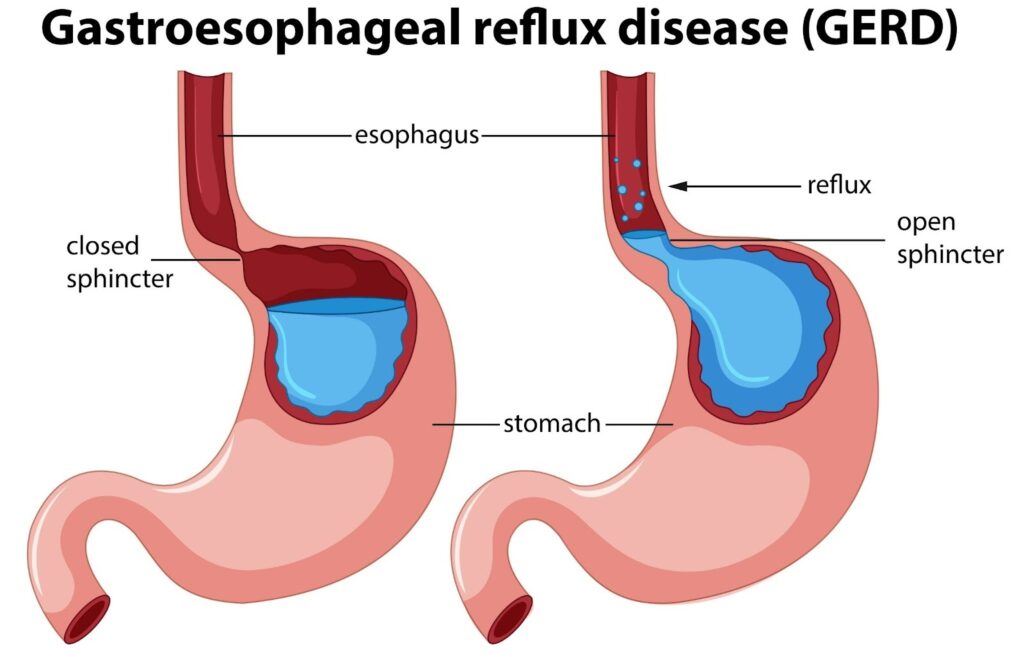
Hiatal Hernia and Acid Reflux: What’s the Connection?
Many people associate hiatal hernias with GERD (gastroesophageal reflux disease). While not all reflux is caused by a hiatal hernia, the two often coexist.
When the stomach sits above the diaphragm:
- The LES may not close properly
- Gravity no longer assists digestion as effectively
- Acid can move upward more easily
That’s why conservative care often focuses on positioning, posture, and pressure management—not just acid suppression.
Conventional Hiatal Hernia Treatment Options
Lifestyle and Dietary Changes
For mild cases, doctors often recommend lifestyle modifications such as:
- Eating smaller, more frequent meals
- Avoiding trigger foods (spicy, fatty, or acidic foods)
- Not lying down immediately after eating
- Elevating the head of the bed
- Maintaining a healthy weight
Medications
Common medications used in hiatal hernia treatment include:
- Antacids
- H2 blockers
- Proton pump inhibitors (PPIs)
While medications can reduce acid production, they do not correct the physical displacement of the stomach and may cause side effects with long-term use.
Surgery
Surgical intervention is typically reserved for severe cases or complications. Surgery aims to reposition the stomach and strengthen the diaphragm opening. Although effective, surgery carries risks and requires recovery time.

Can Chiropractic Care Help with Hiatal Hernia?
Chiropractic care for hiatal hernia does not claim to “cure” the condition, but it may help manage symptoms by addressing contributing factors such as spinal misalignment, posture, and nervous system function.
Chiropractors at Dr. Eric Chludzinski in Flemington take a whole-body approach to health, recognizing that the spine, nervous system, and internal organs are interconnected.
- Spinal Alignment and Nervous System Support
The spine and nervous system play a critical role in digestion. Misalignments in the thoracic or lumbar spine can affect nerve signals to the digestive organs, potentially contributing to reflux, bloating, and discomfort.
Chiropractic adjustments aim to:
- Improve spinal alignment
- Enhance nerve communication
- Reduce muscle tension
- Support overall digestive function
- Diaphragm and Postural Correction
Poor posture—especially forward head posture and rounded shoulders—can increase pressure on the abdomen and diaphragm. Chiropractors often focus on postural correction to reduce strain on the hiatal opening.
Postural improvements may help:
- Reduce abdominal pressure
- Improve breathing mechanics
- Support proper stomach positioning
- Gentle Manual Techniques
Some chiropractors trained in soft tissue and visceral techniques may use gentle manual methods designed to help the stomach move back into its proper position. These techniques are not forceful and are tailored to the individual patient.
How Chiropractic Care May Support Hiatal Hernia Symptoms
Chiropractic care focuses on the relationship between the spine, nervous system, posture, and musculoskeletal function.
Areas of Focus
- Thoracic spine mobility
- Rib cage mechanics
- Postural correction
- Diaphragmatic coordination
- Reducing musculoskeletal tension in the upper abdomen and chest
When spinal and rib movement is restricted, it can alter breathing patterns and increase abdominal pressure—both of which can aggravate symptoms.
Chiropractic Care vs. Medication for Hiatal Hernia
While medication focuses on suppressing acid production, chiropractic care addresses structural and functional contributors to symptoms.
| Medication | Chiropractic Care |
| Reduces stomach acid | Improves alignment and posture |
| Symptom-focused | Whole-body approach |
| Potential long-term side effects | Drug-free and non-invasive |
| Does not address posture or biomechanics | Targets underlying mechanical stress |
Many patients choose chiropractic care as part of an integrative hiatal hernia treatment plan.
A Holistic Approach to Hiatal Hernia Treatment
Living with a hiatal hernia can be frustrating, especially when symptoms interfere with daily life. While conventional treatments play an important role, many people are discovering the benefits of a more holistic approach.
Chiropractic care for hiatal hernia offers a non-invasive, drug-free option that focuses on posture, spinal health, and overall body function. When combined with proper nutrition, lifestyle changes, and medical guidance, chiropractic care may help reduce discomfort, improve digestion, and support long-term wellness.
If you are exploring natural options for hiatal hernia treatment, the experienced team at Dr. Eric Chludzinski is here to help. We have locations in Flemington and Fanwood, we provide personalized chiropractic care designed to support digestive health and overall well-being. To learn more or schedule a consultation, call (908) 632-0509 today and take the next step toward improved comfort and a better quality of life.