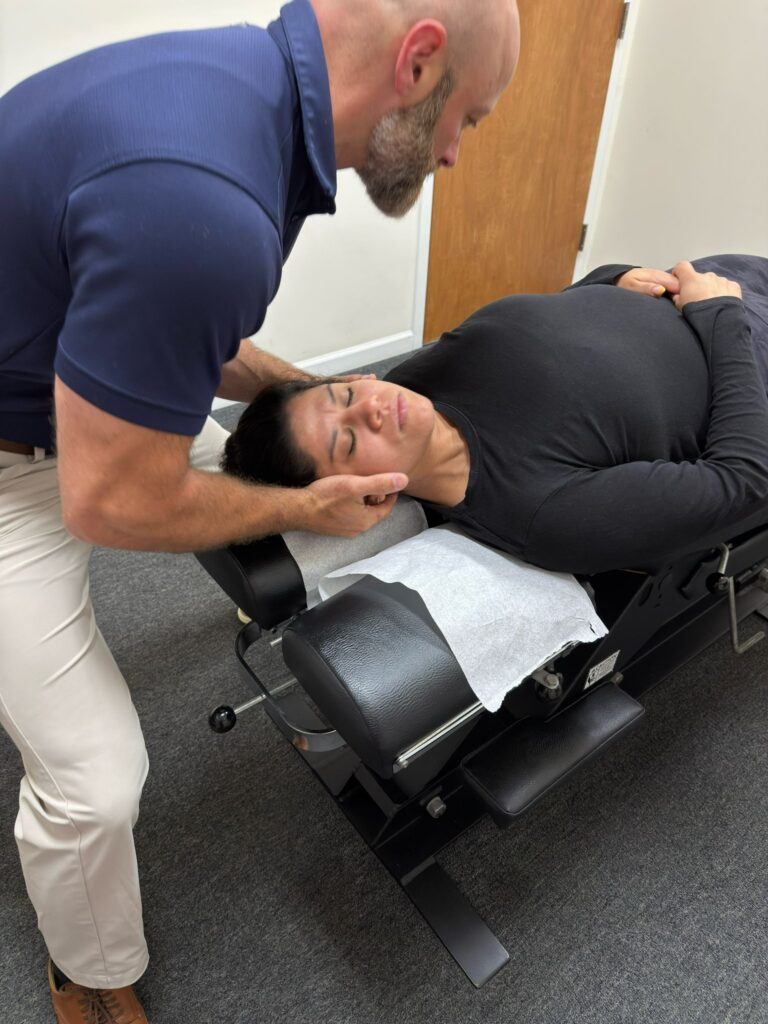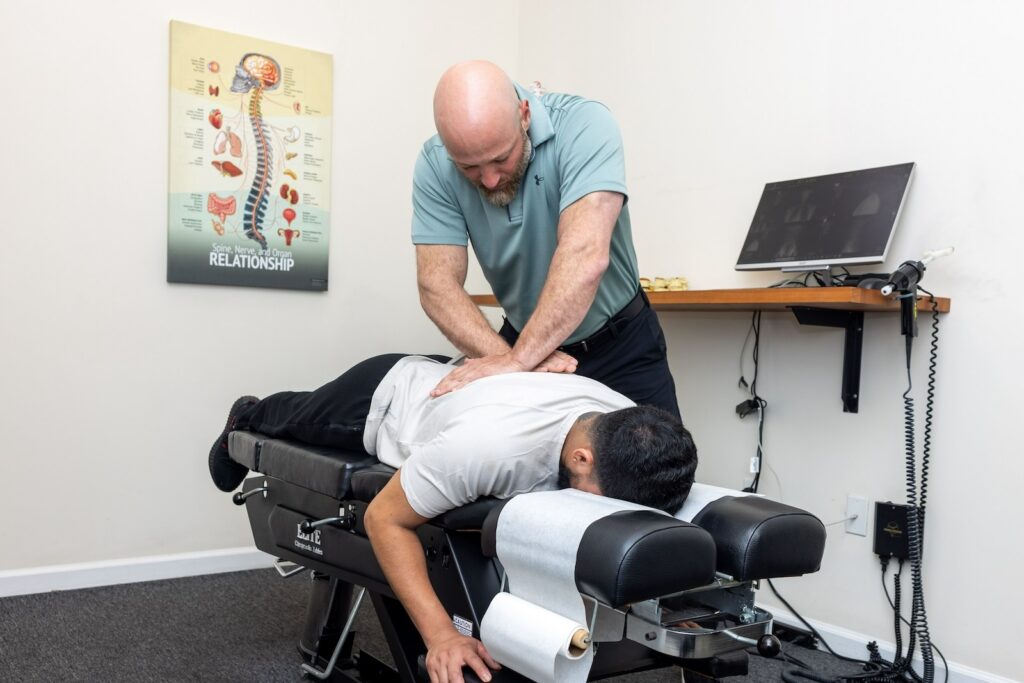

If you’re dealing with migraines, you’ve probably tried a variety of treatments. But have you thought about the powerful benefits of spinal adjustments? As a chiropractor, I can tell you that chiropractic care provides a natural and effective way to help relieve migraines by focusing on spinal alignment and the overall function of your nervous system.
You might be surprised to learn just how closely your spine is connected to migraine management. When your spine is misaligned, it can lead to nerve irritations and muscle tension, which may contribute to the frequency and intensity of your migraines. By restoring proper alignment through gentle spinal adjustments, you can reduce these irritations and promote better communication within your nervous system.
Here are a few tips to consider that can complement your chiropractic care and help manage migraines:
- Stay Hydrated: Dehydration can trigger migraines, so drink plenty of water throughout the day.
- Practice Good Posture: Maintaining proper posture can alleviate stress on your spine and prevent tension headaches.
- Regular Exercise: Gentle activities like walking or yoga can help reduce stress and improve spinal health.
- Manage Stress: Techniques like deep breathing, meditation, or mindfulness can help keep stress levels in check, reducing the likelihood of a migraine.
- Get Enough Sleep: Aim for a consistent sleep schedule and ensure you’re getting quality rest.
By incorporating these healthy habits and regularly visiting your chiropractor for spinal adjustments, you can take significant steps toward alleviating your migraines naturally. Embracing chiropractic care as part of your wellness journey may just be the key to achieving optimal health and living your best life, free from the burden of migraines.
Key Takeaways
Chiropractic adjustments are a natural way to improve your health and well-being, especially when it comes to managing migraines. By focusing on spinal alignment, these adjustments can help reduce nerve irritation and muscle strain, which are common triggers for migraines.
When your spine is aligned properly, blood circulation improves. This means that your brain receives vital nutrients and oxygen, which can play a significant role in alleviating migraine discomfort. Many patients find that with regular chiropractic care, there is a noticeable decrease in the frequency and intensity of their migraines over time.
Additionally, spinal adjustments can help relieve muscle tension, providing long-term relief from migraine symptoms. This not only helps with migraines but also contributes to an overall sense of well-being.
To enhance the benefits of chiropractic care, consider incorporating some healthy lifestyle changes. Staying well-hydrated and managing stress through relaxation techniques can further support your body’s natural ability to prevent migraines.
Remember, chiropractic care is a safe and effective option for achieving optimal health and wellness. If you’re struggling with migraines, I encourage you to explore how chiropractic adjustments can make a positive difference in your life.
Understanding Migraines: Causes and Triggers
Understanding migraines begins with recognizing their intricate causes and triggers, which can significantly impact your quality of life. As a local chiropractor, I’m here to help you navigate these challenges and explore natural ways to find relief.
Many people notice that certain factors can trigger their migraines, such as stress, hormonal changes, or specific foods. Keeping a migraine diary can be an effective tool to identify these triggers. For example, you might discover that caffeine or alcohol contributes to your headaches, or that skipping meals could lead to an attack. By recognizing these patterns, you can make informed lifestyle choices.
Environmental factors also play a crucial role. Bright lights, strong smells, or sudden weather changes can contribute to migraine episodes. Paying attention to these external influences is essential. Additionally, the quality of your sleep is vital; lack of rest can exacerbate your situation. Consider establishing a consistent sleep routine to support your overall well-being.
Emotional health is another important aspect. Feelings of anxiety or depression may contribute to your migraines. Incorporating relaxation techniques, such as deep breathing or gentle yoga, can help manage these emotional triggers.
Chiropractic care can provide an effective, natural approach to managing migraines. By focusing on spinal health, we can improve your overall nervous system function, which may help reduce the frequency and intensity of your migraines. Regular chiropractic adjustments can promote better spinal alignment, alleviate tension, and enhance circulation—all of which are beneficial for headache relief.
Remember, everyone’s experience with migraines is unique. What triggers your migraines may differ from someone else’s, so it’s essential to find what works best for you. By understanding these elements and embracing a holistic approach to your health, you can take proactive steps toward managing your migraines effectively.
Together, we can work towards achieving optimal health and wellness through chiropractic care.
The Role of the Spine in Migraine Management
Your spine plays a crucial role in managing migraines, and its alignment can significantly influence how your body functions. When the spine is misaligned, it can disrupt nerve function, which may lead to headaches. This connection highlights the importance of chiropractic care in achieving optimal health and finding natural relief from migraines.
As a chiropractor, I want to emphasize that maintaining proper spinal alignment is key to preventing migraine triggers. Regular chiropractic adjustments can help restore balance to your spine, improve nerve function, and reduce the frequency and intensity of your headaches.
In addition to chiropractic care, here are some general tips to support your health and potentially alleviate migraine symptoms:
- Stay Hydrated: Dehydration can trigger migraines, so make sure to drink plenty of water throughout the day.
- Maintain Good Posture: Poor posture can strain your spine and contribute to headaches. Be mindful of your posture while sitting, standing, and working.
- Manage Stress: Stress is a common trigger for migraines. Incorporate relaxation techniques such as deep breathing, meditation, or yoga into your daily routine.
- Get Regular Exercise: Physical activity can improve circulation and reduce tension in the body, which may help lessen migraine attacks.
- Establish a Sleep Routine: Aim for consistent sleep patterns, as irregular sleep can trigger migraines. Try to go to bed and wake up at the same time each day.
By considering the role of your spine and seeking chiropractic care, you can take proactive steps toward achieving natural wellness and effectively managing migraines.
Your journey to better health starts with a healthy spine!
Spinal Alignment and Migraines
When it comes to managing migraines, many factors are at play, but one of the most important is your spinal alignment. A properly aligned spine is crucial for maintaining good posture and minimizing tension in your neck and shoulders—areas that can often trigger migraine attacks.
On the flip side, misalignments, or subluxations, can lead to nerve irritation and muscle strain, which may worsen your migraines.
Regular spinal adjustments through chiropractic care can help restore your spine’s alignment, enhancing your body’s overall function. This gentle yet effective approach not only alleviates pressure on nerves but also improves blood flow and reduces muscle tension.
By prioritizing your spinal health, you’re setting a stable foundation for better migraine management.
Here are some simple tips to help you maintain a healthy spine and potentially reduce migraine frequency:
- Stay Hydrated: Dehydration can trigger migraines, so make sure you’re drinking enough water throughout the day.
- Practice Good Posture: Pay attention to how you sit and stand. Keeping your back straight and shoulders relaxed can help prevent tension.
- Regular Chiropractic Visits: Consider incorporating chiropractic care into your wellness routine. Regular adjustments can help keep your spine aligned and reduce stress on your body.
- Stretch and Move: Gentle stretching and regular movement can help alleviate tension in your muscles and support spinal health.
- Manage Stress: Techniques such as deep breathing, meditation, or yoga can help reduce stress levels, which may in turn help with migraine management.
By focusing on these simple lifestyle choices and prioritizing chiropractic care, you can create a natural pathway to relief and healthier living.
Nerve Function and Headaches
When your spine is misaligned, it can interfere with how your nerves function, which may lead to more frequent and intense headaches. Your nervous system needs a properly aligned spine to send signals effectively. Misalignments can put pressure on your nerves, causing irritation and pain that often shows up as headaches or migraines.
By correcting these misalignments with spinal adjustments, you can help restore proper nerve function, which may reduce both the severity and frequency of your headaches. When your nerves communicate better, your body becomes more effective at managing pain and promoting overall wellness.
Regular chiropractic care not only aligns your spine but also supports optimal nerve function, giving you a better chance at experiencing natural relief from migraines.
To take charge of your headache management, consider these simple tips:
- Stay Hydrated: Drink plenty of water throughout the day to keep your body functioning properly.
- Maintain Good Posture: Be mindful of your posture at work and home to help prevent strain on your spine.
- Practice Relaxation Techniques: Incorporate deep breathing, meditation, or gentle yoga into your routine to reduce stress, which can trigger headaches.
- Get Regular Adjustments: Regular chiropractic visits can help keep your spine aligned and your nervous system functioning optimally.
Taking care of your spine is essential not just for headache relief, but for your overall health. Embracing chiropractic care can be a natural pathway to a healthier, more vibrant life.
How Spinal Adjustments Work for Migraine Relief
Spinal adjustments can be a game changer when it comes to finding relief from migraines. By reducing nerve interference, these adjustments promote better alignment of your spine, which in turn enhances blood flow. Improved circulation is crucial for alleviating headache symptoms and supporting overall wellness.
Understanding how spinal adjustments work empowers you to take control of your health. When your spine is properly aligned, it not only helps with migraine relief but also contributes to your overall quality of life.
Here are a few key points to keep in mind:
- Regular Check-ups: Just like you’d keep your car in tune, regular visits to your chiropractor can help maintain spinal health and prevent migraines before they start.
- Stay Hydrated: Proper hydration supports your body’s functions, including blood circulation. Drinking enough water can help reduce the frequency of headaches.
- Posture Matters: Be mindful of your posture, especially if you spend long hours at a desk. Maintaining good posture can reduce strain on your spine and help prevent migraines.
- Stress Management: Incorporating stress-relief techniques such as deep breathing, yoga, or meditation can complement your chiropractic care and further reduce the likelihood of migraines.
- Healthy Lifestyle Choices: Eating a balanced diet and getting regular exercise can enhance your overall health and reduce the risk of migraines.
By choosing chiropractic care, you’re opting for a natural, holistic approach to health that prioritizes your body’s ability to heal itself.
Embrace spinal adjustments as part of your wellness journey, and you may find not only relief from migraines but also a pathway to optimal health!
Reducing Nerve Interference
Nerve interference is a common culprit behind migraines, so it’s crucial to find effective ways to reduce it. One of the best solutions is chiropractic care, specifically through spinal adjustments. These adjustments focus on correcting misalignments in your spine that can put pressure on your nerves. By restoring proper alignment, we help ease the tension on your nervous system, allowing it to work more efficiently.
When your nerves communicate effectively, you may notice a reduction in both the frequency and intensity of your migraines. Many of my patients report experiencing fewer triggers and an overall improvement in their well-being after regular chiropractic visits. Not only do these adjustments help with migraine relief, but they also promote a greater sense of balance in your body.
To get the most out of your chiropractic care, it’s important to work closely with a chiropractor who understands your unique needs. Together, we can create a personalized treatment plan that’s tailored just for you.
Here are some simple tips to help you embrace a natural approach to wellness and potentially reduce migraine discomfort:
- Stay Hydrated: Dehydration can be a trigger for migraines, so make sure you’re drinking plenty of water throughout the day.
- Maintain Good Posture: Poor posture can contribute to spinal misalignments. Be mindful of your posture when sitting, standing, or using your phone.
- Manage Stress: Stress is a known trigger for many people. Incorporate relaxation techniques such as deep breathing, meditation, or yoga into your daily routine.
- Get Regular Sleep: Aim for consistent sleep patterns to help your body recharge and reduce the likelihood of migraines.
- Eat a Balanced Diet: Certain foods can trigger migraines in some individuals. Keeping a food diary can help identify any specific triggers you may have.
Improving Blood Flow
Chiropractic adjustments do more than just relieve nerve interference; they play a crucial role in enhancing blood flow, which is key to easing migraine symptoms. When your spine is properly aligned, blood can circulate more freely to your brain and other parts of your body. This improved circulation not only helps deliver essential oxygen and nutrients but also tackles headache triggers and promotes healing.
By focusing on specific vertebrae, chiropractors can optimize blood flow and reduce tension in the surrounding muscles. This means you may experience fewer and less intense migraines over time. Regular chiropractic adjustments not only improve immediate blood flow but also contribute to long-term vascular health, making chiropractic care an invaluable tool in your migraine relief strategy.
Incorporating chiropractic care into your wellness routine can lead to significant improvements in your overall well-being.
Additionally, here are some general tips for maintaining better circulation and reducing migraine triggers:
- Stay Hydrated: Drinking plenty of water supports healthy blood flow and helps prevent dehydration-related headaches.
- Practice Good Posture: Maintaining a proper posture can relieve tension in your neck and back, promoting better circulation.
- Manage Stress: Techniques like deep breathing, meditation, or gentle yoga can help reduce stress and tension that may trigger migraines.
- Regular Exercise: Engaging in regular physical activity can enhance blood circulation and overall health.
- Balanced Diet: Eating a diet rich in fruits, vegetables, whole grains, and healthy fats can support vascular health and reduce migraine triggers.
Embracing this natural approach through chiropractic care and these healthy habits can lead to a happier, healthier life.
Scientific Evidence Supporting Chiropractic Care for Migraines
If you’re one of the many individuals who struggle with migraines, you may be searching for effective ways to find relief. Increasingly, research supports chiropractic care as a powerful solution for alleviating these intense headaches. Many studies have shown that spinal adjustments can significantly reduce both the frequency and intensity of migraine attacks.
Here are some important benefits of chiropractic care that you might find helpful:
- Better Spinal Alignment: Chiropractic adjustments can help correct misalignments in your spine, which may be contributing to your migraines. Keeping your spine in proper alignment is essential for overall health and can help prevent headaches.
- Reduced Muscle Tension: Adjustments can relieve tightness in your neck and shoulder muscles. This tension can often lead to migraines, so easing it can provide significant relief.
- Improved Nervous System Function: Chiropractic care enhances communication within your nervous system. When your nervous system functions optimally, you may experience fewer migraine occurrences.
- Patient Testimonials: Many of my patients have shared that they see a remarkable drop in the severity and frequency of their migraines after receiving chiropractic treatment. Hearing their success stories can be encouraging as you explore your own options for relief.
- A Holistic Approach: Chiropractic care works wonderfully alongside other natural wellness practices. Consider incorporating healthy lifestyle choices like regular exercise, a balanced diet, and sufficient hydration to create a comprehensive migraine management plan.
As you explore options for managing your migraines, consider trying chiropractic care. With its focus on natural healing and wellness, it may just be the solution you’re looking for to achieve optimal health and relief.
What to Expect During a Chiropractic Session
When you arrive for your chiropractic session, you can anticipate a comprehensive evaluation of your health and the specific concerns you may be experiencing. Your chiropractor will take the time to discuss your medical history, current symptoms, and lifestyle factors that could be contributing to issues like migraines. Understanding your unique situation is crucial for effective care, so expect a detailed conversation.
Here’s a breakdown of what you can typically expect during your session:
| Step | Description |
|---|---|
| Health Assessment | A discussion about your health history and current symptoms to understand your needs. |
| Physical Examination | A thorough check for misalignments and tension in your body to pinpoint areas that need attention. |
| Spinal Adjustment | Gentle manipulation of the spine to restore alignment and relieve pain. |
After your adjustment, your chiropractor will likely share self-care techniques and exercises tailored to your needs. These can help you maintain the benefits of your treatment and promote overall wellness. Remember, chiropractic care focuses on natural healing and improving your body’s function, which can lead to effective relief from pain and discomfort.
As you leave your session, you’ll not only feel more aligned, but you’ll also have gained valuable insights into your health. Here are a few general tips to enhance your well-being:
- Stay Hydrated: Drinking plenty of water helps keep your muscles and joints functioning well.
- Practice Good Posture: Be mindful of your posture throughout the day to reduce strain on your spine.
- Incorporate Stretching: Simple stretches can help alleviate tension and improve flexibility.
- Manage Stress: Techniques like deep breathing or meditation can greatly impact your overall health.
Chiropractic care is a powerful ally on your journey to optimal health, offering a holistic approach to pain relief and wellness without the need for medications or surgeries. Embrace this natural path to a healthier you!
Additional Natural Remedies to Complement Spinal Adjustments
To maximize the benefits of your spinal adjustments, it’s important to incorporate additional natural remedies into your wellness routine. These complementary strategies can help alleviate migraine symptoms and enhance your overall health, demonstrating how chiropractic care is a vital part of a holistic approach to well-being.
- Stay Hydrated: Drinking plenty of water is crucial to prevent dehydration, which can trigger migraines. Proper hydration supports overall health and complements the benefits of your adjustments.
- Herbal Supplements: Consider natural options like feverfew and butterbur, known for their potential to reduce the frequency of migraines. These supplements can work alongside chiropractic care to promote healing and wellness.
- Essential Oils: Using peppermint or lavender oil can provide soothing effects. Whether applied topically or used in aromatherapy, these oils can enhance relaxation and complement the benefits of spinal adjustments.
- Regular Exercise: Gentle activities like yoga or walking help relieve tension and promote relaxation. Regular movement not only supports spinal health but also contributes to overall wellness.
- Mindfulness and Relaxation Techniques: Engaging in meditation or deep-breathing exercises can significantly lower stress levels, a common migraine trigger. These techniques work well with chiropractic care to enhance your body’s natural healing processes.
By integrating these natural remedies into your routine alongside your chiropractic adjustments, you can take significant steps toward achieving optimal health and well-being.
Making Informed Decisions About Your Migraine Treatment
Making informed decisions about your migraine treatment involves understanding your options and embracing an approach that prioritizes your overall well-being. As a local chiropractor, I want to emphasize the benefits of chiropractic care as a natural and effective way to alleviate migraines.
Start by exploring various therapies, with a focus on spinal adjustments. These gentle, targeted treatments can help realign your spine, reduce tension, and improve your body’s overall function. Many patients find that regular chiropractic care not only helps with migraine relief but also enhances their overall health.
Keep a migraine diary to track your symptoms, including triggers, frequency, and severity. This information is invaluable and can help you and your chiropractor design a personalized treatment plan. Don’t hesitate to bring this diary to your appointments, as it can guide our discussions and decisions.
It’s important to communicate openly with your chiropractor. Ask questions about how spinal adjustments can benefit you specifically and express any concerns you might have. Remember, finding the right approach is about what works best for you, and chiropractic care offers a holistic solution that prioritizes your body’s natural healing abilities.
In addition to regular chiropractic visits, consider incorporating healthy lifestyle changes. Staying hydrated, eating a balanced diet, managing stress through relaxation techniques, and getting enough sleep can all contribute to reducing migraine frequency and severity.
Conclusion
Incorporating spinal adjustments into your migraine management plan can be a game changer for relief. Chiropractic care works to improve spinal alignment and enhance the function of your nervous system, tackling the root causes of migraines. By focusing on your spine’s health, we can help alleviate the tension and stress that often triggers these painful episodes.
To maximize your results, consider pairing your chiropractic adjustments with simple lifestyle changes. Staying well-hydrated and incorporating regular exercise into your routine can significantly boost your overall well-being. These small adjustments in your daily life can make a big difference in how you feel.
Remember, you have natural options for managing your migraines. Consulting with a chiropractor means exploring effective, drug-free treatments that prioritize your health and wellness. Take charge of your health today and discover how chiropractic care can help you find relief and achieve optimal wellness!