
Migraines can be incredibly challenging, but you don’t have to rely on medications for relief. As a chiropractor dedicated to promoting natural healing and wellness, I believe that simple lifestyle changes can significantly enhance your quality of life. Staying hydrated is crucial; dehydration can worsen migraine symptoms. Additionally, practicing relaxation techniques such as deep breathing, meditation, or gentle yoga can help alleviate tension that may trigger migraines.
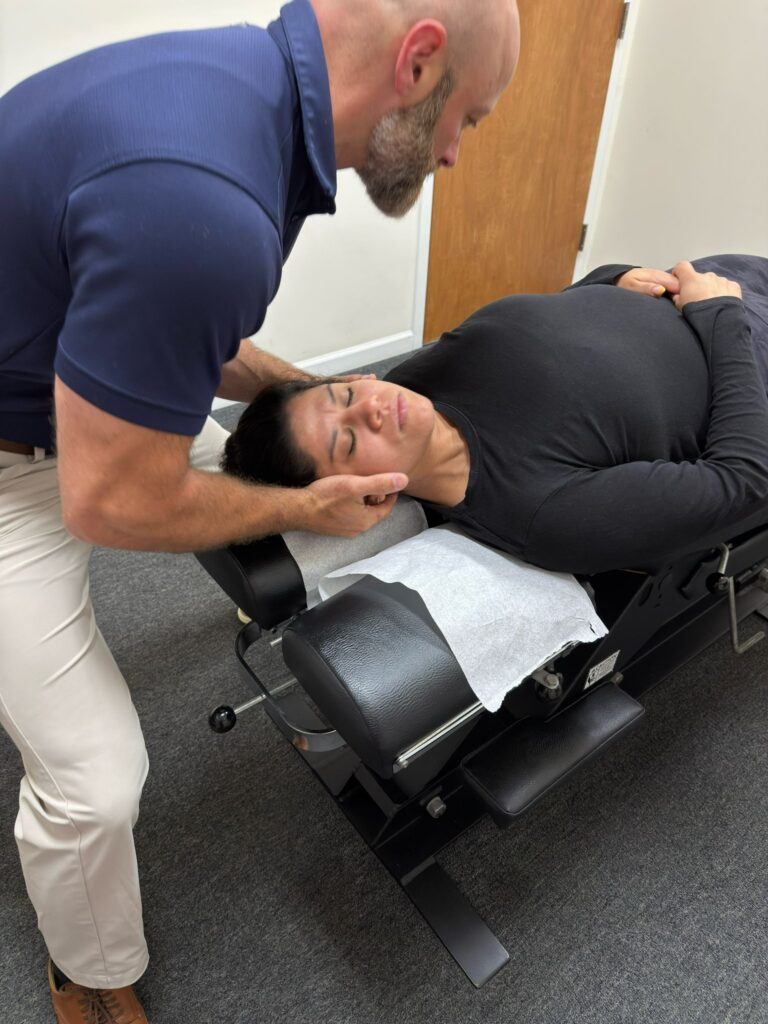
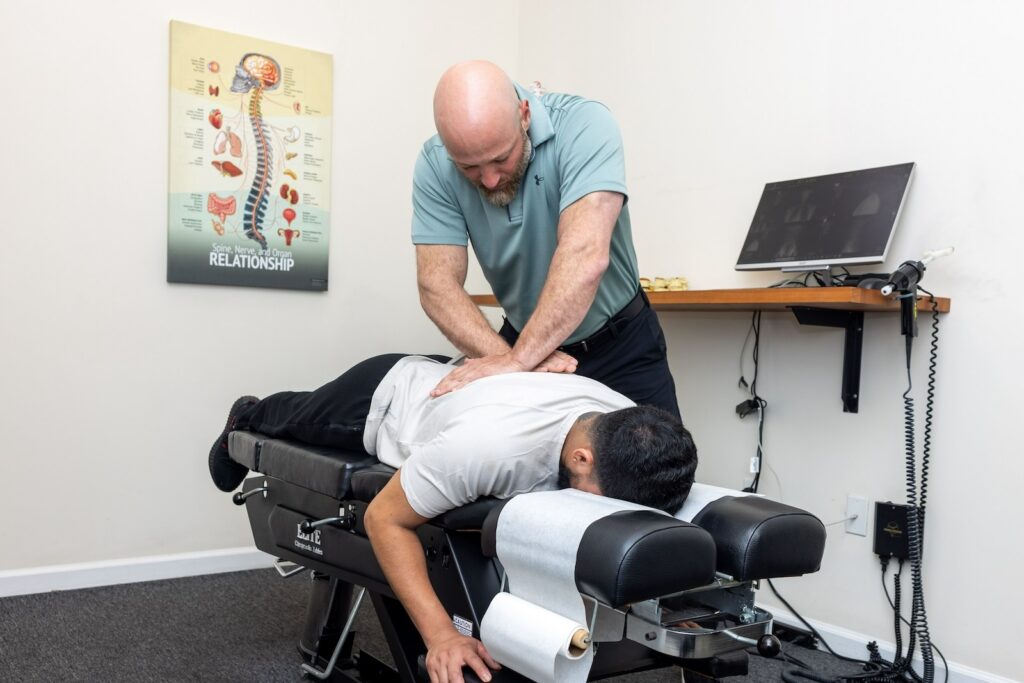
Chiropractic care plays a vital role in managing migraines as well. Regular adjustments can improve spinal alignment, reduce nerve irritation, and enhance overall function, which may lessen the frequency and intensity of your headaches. If you’re curious about other strategies to ease your discomfort, let’s explore some practical tips:
- Maintain a Consistent Routine: Try to go to bed and wake up at the same time every day. A stable schedule helps regulate your body’s internal clock, which can prevent migraines.
- Stay Hydrated: Make it a habit to drink plenty of water throughout the day. Dehydration can lead to headaches, so aim for at least 8 glasses daily.
- Manage Stress: Incorporate relaxation techniques into your daily routine, such as deep breathing exercises or mindfulness meditation. These practices can reduce stress, a common trigger for migraines.
- Consider Your Diet: Pay attention to your food intake and avoid known triggers like processed foods, excessive caffeine, and alcohol. Opt for a balanced diet rich in whole foods, fruits, and vegetables.
- Schedule Regular Chiropractic Visits: Regular chiropractic adjustments can help relieve tension in your spine and neck, which is often linked to migraines. A chiropractor can create a personalized plan to support your health and well-being.
By adopting these strategies and prioritizing chiropractic care, you may find a more natural pathway to managing your migraines and achieving optimal health. Remember, taking small steps can lead to significant improvements over time!
Key Takeaways
- Stay hydrated by drinking plenty of water daily—aim for at least eight glasses—and include hydrating fruits and vegetables in your meals. Proper hydration is crucial for maintaining spinal health and overall wellness.
- Incorporate relaxation techniques into your routine. Practices like deep breathing, meditation, and gentle yoga can help alleviate stress and tension, which are common migraine triggers. These methods not only help your mind but also support your spine and body’s alignment.
- Prioritize a consistent sleep schedule. Establishing a calming bedtime ritual can enhance your sleep quality, which is essential for your overall well-being. A well-rested body is better equipped to handle stress and maintain spinal health.
- Keep track of your migraine triggers by maintaining a diary. Documenting your symptoms can help you identify dietary or environmental factors that contribute to your migraines. By recognizing these triggers, you can make informed choices that support your health and minimize discomfort.
- Regular exercise is beneficial for your overall health, including your spine. Aim for at least 30 minutes of physical activity most days. This can elevate your endorphin levels and promote spinal health, but remember to listen to your body and avoid overexertion. Chiropractic care can also enhance your exercise routine by ensuring your spine is properly aligned, allowing for optimal movement and function.
By integrating these natural approaches into your lifestyle, you can support your body’s healing processes and promote better health without relying on medications or invasive procedures. Remember, chiropractic care is a powerful ally in your journey toward optimal wellness.
Stay Hydrated
How often do you think about your hydration? It mightn’t be at the forefront of your mind, but staying well-hydrated is crucial for your overall well-being, especially if you suffer from migraines. Dehydration can be a common trigger for headaches, so drinking enough water is essential for your health. Aim for at least eight 8-ounce glasses of water a day, but remember to listen to your body’s cues. If you’re active or it’s particularly warm outside, you’ll need to increase your intake.
Keeping a water bottle close at hand can be a great reminder to sip throughout the day. Additionally, consider adding hydrating foods like fruits and vegetables to your diet. Foods such as cucumbers, watermelon, and oranges not only provide essential nutrients but also help boost your hydration levels.
It’s important to recognize the signs of dehydration, such as a dry mouth or feelings of fatigue, and take them seriously. By prioritizing your hydration, you’re not just supporting your body; you’re also taking proactive steps to potentially reduce the frequency and intensity of migraines.
As a chiropractor, I believe that natural wellness practices, including proper hydration, play a vital role in achieving optimal health. Staying hydrated complements your chiropractic care by supporting spinal health and overall bodily function.
Practice Relaxation Techniques
Practicing relaxation techniques can significantly help in managing migraine frequency and intensity, which is essential for overall well-being.
As a chiropractor, I believe in the body’s natural ability to heal itself, and taking time to relax is a vital part of that process. By unwinding, you allow your body to ease tension that could lead to migraines.
Here are some effective relaxation techniques that can complement chiropractic care:
- Deep Breathing: Focus on taking slow, deep breaths. This practice calms both your mind and body, reducing stress and tension that may contribute to migraines.
- Progressive Muscle Relaxation: This involves tensing and then relaxing each muscle group in your body. It’s a great way to release accumulated stress and is particularly helpful after a chiropractic adjustment.
- Meditation: Spend a few quiet moments in meditation. Allow your thoughts to settle and create a mental space for relaxation. This can enhance the benefits of your chiropractic treatments by promoting a peaceful state of mind.
- Yoga: Gentle yoga stretches and poses can enhance flexibility and relaxation. Incorporating these movements into your routine can support spinal health and overall wellness.
- Visualization: Picture a serene and peaceful scene in your mind. This mental imagery can help distract you from pain and promote relaxation, making it easier for your body to heal naturally.
Remember, while relaxation techniques are beneficial, they work best when combined with regular chiropractic care.
By addressing the root causes of tension and misalignment in your spine, chiropractic adjustments can enhance the effectiveness of these relaxation practices, leading you to a healthier, pain-free life.
Embrace these techniques and consider how chiropractic care can support your journey to optimal health.
Maintain a Consistent Sleep Schedule
Establishing a consistent sleep schedule is crucial for managing migraines and supporting overall wellness. Irregular sleep patterns can trigger episodes, so it’s important to aim for a regular bedtime and wake-up time every day, including weekends. This consistency not only helps to regulate your body’s internal clock but also leads to improved sleep quality, which is essential for optimal health.
As a chiropractor, I emphasize the importance of a balanced lifestyle for natural healing. Good sleep hygiene can significantly enhance your body’s ability to recover and function well. Here’s a simple table you can use to track your sleep habits and maintain that consistency:
| Day | Bedtime |
|---|---|
| Monday | 10:30 PM |
| Tuesday | 10:30 PM |
| Wednesday | 10:30 PM |
Here are a few additional tips to help you establish and stick to a healthy sleep routine:
- Create a Relaxing Bedtime Ritual: Wind down with calming activities like reading or gentle stretching to signal to your body that it’s time to sleep.
- Limit Screen Time: Try to avoid screens at least an hour before bed, as the blue light emitted can interfere with your ability to fall asleep.
- Optimize Your Sleep Environment: Make your bedroom conducive to sleep by keeping it dark, cool, and quiet. Consider using blackout curtains and earplugs if needed.
- Stay Active: Regular physical activity can help you fall asleep faster and enjoy deeper sleep. Just be sure to avoid vigorous exercise close to bedtime.
- Mind Your Diet: Avoid heavy meals, caffeine, and alcohol before bedtime, as these can disrupt sleep.
Identify and Avoid Triggers
Have you ever noticed that certain situations or foods seem to set off your migraines? Understanding and avoiding these triggers can significantly help reduce how often and how intensely you experience migraines. One effective way to start is by keeping a migraine diary, where you can track your symptoms and identify potential triggers.
Here are some common migraine triggers to be aware of:
- Certain foods: Foods like aged cheeses, chocolate, and processed meats are known to contribute to migraines for some people. Paying attention to what you eat can be crucial.
- Dehydration: Not drinking enough water is a common issue that can lead to headaches. Staying hydrated is essential for overall health and can help keep migraines at bay.
- Stress: Elevated stress levels can often result in headaches. Finding ways to manage stress, such as through relaxation techniques, can make a big difference.
- Bright lights: Exposure to harsh lighting or glaring screens can trigger migraines. Consider using softer lighting and taking breaks from screen time to reduce this risk.
- Strong odors: Scents from perfumes, smoke, or other strong smells can provoke migraines in some individuals. Being mindful of your environment can help you avoid these triggers.
Once you identify your specific triggers, you can make simple lifestyle adjustments to steer clear of them.
Incorporating chiropractic care into your routine can also play a vital role in managing migraines. Chiropractic adjustments help ensure your spine is aligned, which can relieve tension and improve overall nervous system function, supporting your body’s natural healing processes.
By taking a proactive approach to understanding and managing your migraines, you can improve your quality of life and find a natural, effective way to cope with pain.
Incorporate Regular Exercise
Incorporating regular exercise into your routine can be a transformative approach for managing migraines and enhancing your overall wellness. As a chiropractor, I understand the importance of physical activity in supporting both spinal health and pain relief. Exercise helps release endorphins, which can improve your mood and reduce pain perception, making it an excellent natural remedy for migraine sufferers.
Aim for at least 30 minutes of moderate exercise most days of the week. Activities like walking, cycling, or swimming are fantastic options that can strengthen your body without straining your spine. It’s essential to listen to your body and select exercises that you genuinely enjoy, as this will make it easier to maintain a consistent routine.
Be cautious not to overexert yourself, as excessive physical activity might trigger a migraine. Start with light exercises and gradually increase the intensity as you feel comfortable. This gradual approach not only helps in avoiding potential triggers but also promotes better spinal health.
In addition to traditional exercises, consider integrating relaxation techniques into your routine, such as yoga or tai chi. These practices not only provide physical benefits but also promote relaxation and stress relief, addressing common migraine triggers. The gentle movements and stretches involved in these activities are particularly beneficial for maintaining spinal alignment and overall body wellness.
By staying consistent with your exercise regimen, you may notice a decrease in the frequency and severity of your migraines. This can lead to a more active and enjoyable lifestyle.
Conclusion
By making some simple lifestyle adjustments, you can find relief from migraines while embracing a natural approach to your health. As a chiropractor, I believe that chiropractic care plays a vital role in achieving optimal wellness and can help alleviate migraine pain effectively.
Start by ensuring you stay hydrated, as dehydration can trigger headaches. Alongside proper hydration, practicing relaxation techniques such as deep breathing or meditation can help reduce stress, a common migraine trigger. Maintaining a consistent sleep schedule is also crucial; good sleep hygiene supports your body’s natural rhythms and promotes overall health.
Identifying and avoiding your specific migraine triggers is essential too. This could include certain foods or environmental factors. Regular exercise not only boosts your overall well-being but also helps to reduce tension in your body, which can contribute to migraines.
Incorporating chiropractic adjustments into your routine can also be incredibly beneficial. Chiropractic care focuses on aligning the spine, which can relieve tension and improve your body’s function. By taking charge of your health and integrating these tips, you’ll be on your way to a migraine-free life, all while promoting natural healing and wellness. You’ve got this!