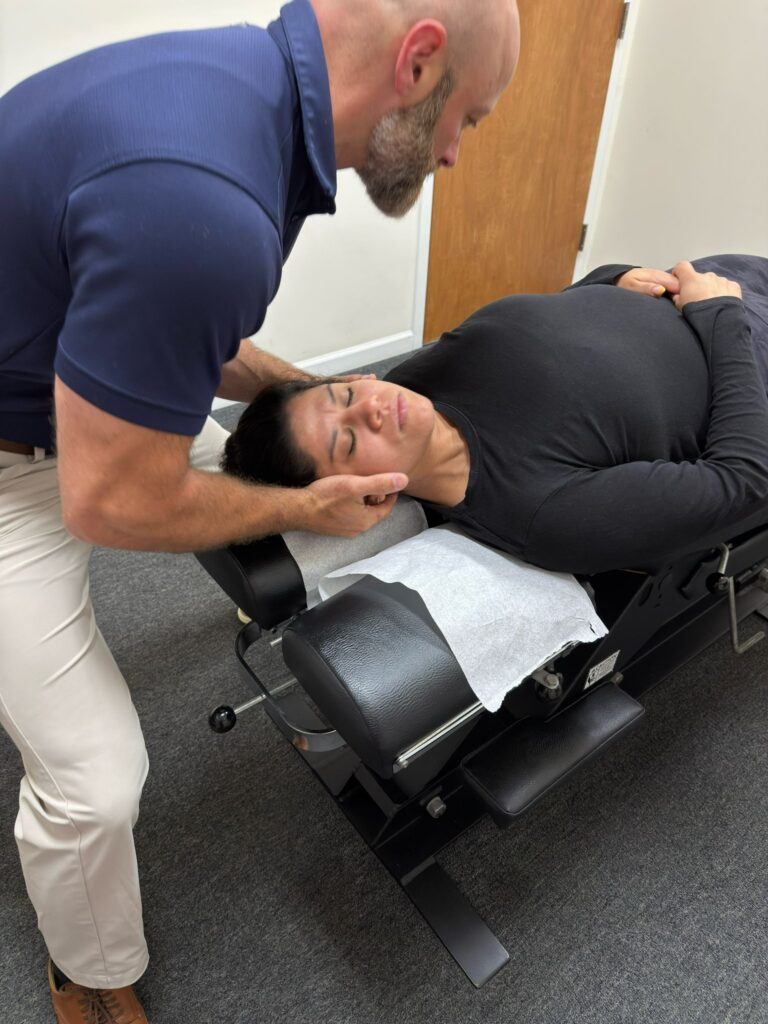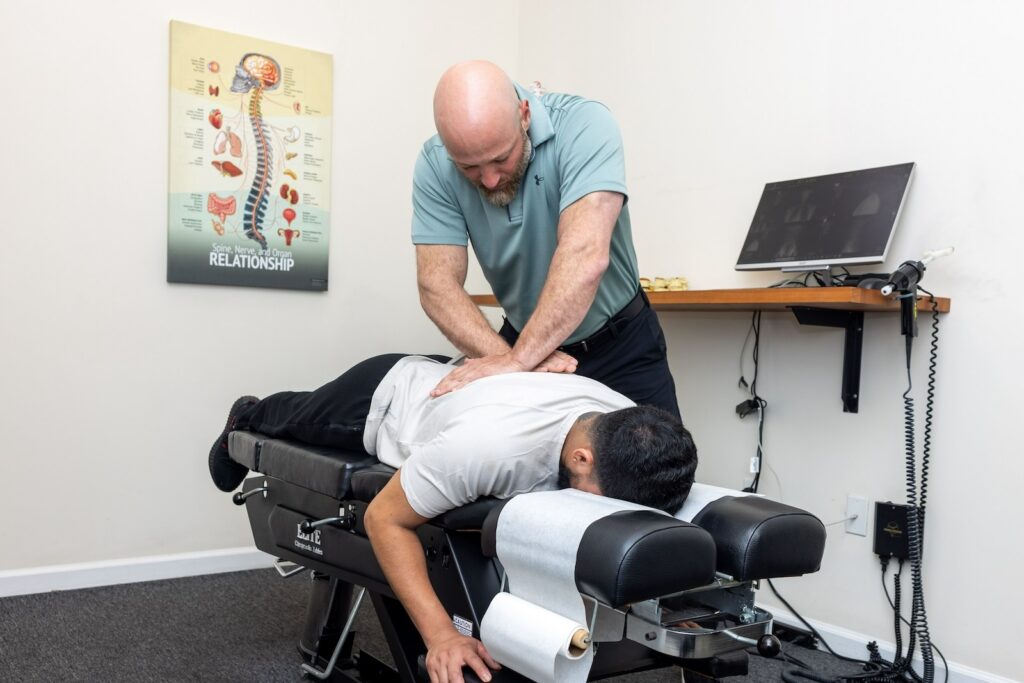

If you’re dealing with headache pain, chiropractic adjustments may be the solution you’ve been looking for. These gentle adjustments work to realign your spine, which can significantly enhance blood flow—an essential component for alleviating pain. But there’s more to it than just adjustments. Incorporating a few simple practices into your daily routine can greatly improve your overall well-being and help you tackle headaches more effectively.
Here are the best ways to manage headache pain and promote a healthier lifestyle:
- Regular Chiropractic Care: Frequent visits to your chiropractor can help maintain spinal alignment and prevent future headaches. Your chiropractor can tailor a care plan specifically for you, addressing the root causes of your discomfort.
- Stay Hydrated: Dehydration can trigger headaches, so make sure you’re drinking enough water throughout the day. Aim for at least eight glasses daily, and consider herbal teas as a soothing option.
- Practice Good Posture: Poor posture can strain your neck and spine, leading to headaches. Be mindful of how you sit, stand, and use your devices. Keeping your shoulders back and your head aligned over your spine can help reduce tension.
- Incorporate Relaxation Techniques: Stress can be a major headache trigger. Try deep breathing exercises, meditation, or gentle yoga. These techniques promote relaxation and can help ease the tension that may be contributing to your headaches.
- Get Enough Sleep: A well-rested body is crucial for preventing headaches. Establish a consistent sleep schedule and create a calming bedtime routine to improve your sleep quality.
- Limit Caffeine and Alcohol: While a little caffeine can sometimes help with headaches, too much can lead to dehydration and withdrawal headaches. Similarly, excessive alcohol can contribute to tension and headaches. Moderation is key.
- Regular Exercise: Engaging in regular physical activity can boost your overall health and reduce the frequency and intensity of headaches. Activities like walking, swimming, or cycling can help relieve tension and improve your mood.
By focusing on these natural approaches alongside chiropractic care, you can create a balanced lifestyle that not only alleviates headache pain but also promotes optimal health. Remember, your well-being is a journey, and small, consistent changes can lead to significant improvements. Always consult your chiropractor for personalized advice and support on your path to wellness.
Key Takeaways
- Chiropractic adjustments work wonders by realigning your spine, which can relieve pressure on nerves that might be causing your headaches. This gentle technique helps restore balance to your body and can lead to significant pain relief.
- By improving your posture through chiropractic adjustments, you can reduce muscle tension. This not only makes you feel better but can also decrease the frequency of headaches, allowing you to enjoy your daily activities without the nagging pain.
- Regular chiropractic care enhances blood flow to your brain, ensuring it receives the oxygen it needs. This boost in circulation can help reduce headache pain and improve your overall well-being.
- Stress and anxiety are common culprits behind headaches, but chiropractic care can help. By addressing misalignments in your spine, you can alleviate stress, making it easier to cope with life’s challenges.
- Consistent adjustments support your overall spinal health, which is key to long-term headache relief and prevention. By prioritizing your spinal care, you can enjoy a healthier, headache-free life.
General Tips:
- Practice good posture daily, whether you’re sitting or standing, to help prevent tension headaches.
- Stay hydrated, as dehydration can also trigger headaches.
- Incorporate gentle stretches into your routine to relieve muscle tightness.
- Make time for relaxation techniques, such as deep breathing or meditation, to reduce stress levels.
By choosing chiropractic care, you’re taking a proactive step towards achieving optimal health and well-being.
Stay Hydrated
When you’re feeling the throb of a headache, staying hydrated can play a vital role in your overall health and wellness. Dehydration is a common trigger for headaches, so it’s important to ensure you’re drinking enough water throughout the day. Aiming for at least eight 8-ounce glasses daily is a good start, but feel free to adjust this based on your activity level and climate.
Incorporating hydrating foods like fruits and vegetables can also help boost your fluid intake.
If you start to notice a headache coming on, try sipping water slowly rather than gulping it down. This allows your body to absorb the fluids more effectively. It’s also wise to limit your caffeine intake, as it can lead to dehydration and exacerbate your headache.
Instead, consider herbal teas or infused water if plain water doesn’t appeal to you.
Staying mindful of your hydration levels is a simple yet effective way to help fend off headaches and support your overall wellness.
Remember, regular chiropractic care can also help address underlying issues that may contribute to headaches, such as spinal misalignments.
Maintain a Consistent Sleep Schedule
To help relieve headache pain, maintaining a consistent sleep schedule is crucial. As a chiropractor, I emphasize the importance of a regular bedtime and limiting nap durations to enhance your sleep quality. When you prioritize restorative sleep, you may notice a significant decrease in headache frequency and intensity.
Additionally, incorporating chiropractic care into your health routine can further support your journey toward pain relief and overall wellness. Regular chiropractic adjustments not only promote proper spinal alignment but also help improve sleep patterns by reducing tension and stress in your body.
Here are some simple tips you can implement to enhance your sleep and, in turn, manage headache pain:
- Set a Sleep Routine: Aim to go to bed and wake up at the same time every day, even on weekends. This consistency helps regulate your body’s internal clock.
- Create a Relaxing Bedtime Ritual: Engage in calming activities before bed, such as reading, gentle stretching, or meditation. This can signal to your body that it’s time to wind down.
- Limit Screen Time: Try to avoid screens at least an hour before bedtime. The blue light emitted by devices can interfere with your ability to fall asleep.
- Stay Active: Regular physical activity can help you fall asleep faster and enjoy deeper sleep. Just be sure to finish exercising a few hours before bedtime.
- Consider Chiropractic Care: Regular visits to your chiropractor can help alleviate tension in your neck and shoulders, often contributing to headaches. They can provide personalized care that aligns your spine and promotes overall well-being.
By focusing on these strategies, you can improve your sleep quality and reduce headache pain naturally.
Establish Regular Bedtime
Establishing a regular bedtime is a simple yet powerful way to reduce headache pain and improve your overall health. Quality sleep plays a vital role in your body’s natural healing processes, including spinal health. When you maintain a consistent sleep schedule, your body can better regulate itself, leading to more restorative rest that supports your spine and reduces tension.
Here are some straightforward steps to help you develop a healthy bedtime routine:
- Set a Fixed Sleep Time: Aim to go to bed and wake up at the same time every day, even on weekends. This helps train your body’s internal clock and can lead to better spinal alignment and reduced pain.
- Create a Relaxing Pre-Sleep Ritual: Engage in calming activities before bed, such as gentle stretches or reading a book. This can help ease tension in your spine and prepare your body for restorative sleep.
- Limit Screen Time: Try to avoid electronics at least an hour before bedtime, as the blue light emitted from screens can interfere with your sleep quality. Instead, consider activities that relax your mind and body, promoting a better sleep environment.
- Keep Your Sleep Environment Comfortable: Ensure your bedroom is dark, quiet, and cool. A comfortable sleep environment supports your body’s natural healing processes while you rest.
Remember, prioritizing a regular sleep routine not only benefits your ability to manage headaches but also contributes to your overall wellness.
Limit Naps Duration
Although it can be tempting to take long naps during the day, it’s important to keep them short to maintain a consistent sleep schedule and promote overall wellness.
As a chiropractor, I believe that good sleep is vital for your spinal health and can help prevent issues like headaches and fatigue. Short naps, ideally lasting around 20-30 minutes, can give you a quick energy boost without interfering with your nighttime sleep.
Napping for too long might leave you feeling groggy and can disrupt your natural sleep cycle, which may lead to more headaches and tiredness throughout the day.
To keep your body and spine in optimal condition, try to schedule your naps for the early afternoon. This timing helps ensure that they don’t affect your ability to fall asleep at night.
Remember, consistency is key when it comes to sleep. By keeping your naps brief and timing them wisely, you can enhance your sleep quality and reduce the chances of headaches.
Prioritizing good sleep hygiene is just one of the many steps you can take toward a healthier lifestyle.
And don’t forget, regular chiropractic care can also support your overall wellness and help maintain your body’s natural balance. Make sure to prioritize your health and well-being!
Practice Relaxation Techniques
As a local chiropractor, I understand how stress can play a significant role in headache pain. Thankfully, practicing relaxation techniques can provide you with effective relief while also promoting overall wellness. By incorporating these methods into your daily routine, you can ease headache symptoms and enhance your well-being.
Here are four simple relaxation techniques that can complement your chiropractic care:
- Deep Breathing: Start by taking slow, deep breaths. Inhale deeply through your nose, hold it for a few seconds, and then gently exhale through your mouth. This technique helps calm your mind and reduces tension throughout your body, which can be particularly beneficial for headache relief.
- Progressive Muscle Relaxation: This involves gradually tensing and then relaxing each muscle group, starting from your toes and working your way up to your head. By consciously releasing physical stress, you can alleviate the tension that often contributes to headaches.
- Meditation: Even just a few minutes of meditation can be helpful. Focus on your breathing or visualize a calming scene. This practice not only enhances mental clarity but also reduces anxiety, which can further lessen headache triggers.
- Gentle Yoga: Incorporating simple stretches and yoga poses into your routine can be incredibly beneficial. Gentle movement helps relieve tension in the muscles and improves circulation, both of which can lead to headache relief.
By integrating these relaxation techniques into your life, you can make a noticeable difference in managing headaches.
Adjust Your Posture
Adjusting your posture can significantly alleviate headache pain, and it’s one of the many ways that chiropractic care promotes natural healing and wellness.
When you sit in an ergonomic chair and maintain proper spinal alignment, you not only reduce strain on your muscles but also support your overall health.
As a chiropractor, I encourage you to be mindful of your posture throughout the day. Here are some simple tips to help you improve your posture and prevent headaches:
- Sit Up Straight: Keep your back straight and shoulders relaxed, allowing your spine to maintain its natural curves. This alignment can greatly reduce tension and discomfort.
- Take Regular Breaks: Don’t forget to take short breaks for stretching and movement every hour. Simple stretches can help relieve muscle tension and promote blood flow, which is beneficial for headache relief.
- Use Supportive Furniture: Invest in an ergonomic chair that supports your lower back and keeps your computer screen at eye level. This will help you maintain a healthy posture while you work.
- Stay Hydrated: Dehydration can contribute to headaches, so ensure you’re drinking enough water throughout the day.
- Consider Chiropractic Care: Regular chiropractic adjustments can help maintain proper spinal alignment, relieve tension in your muscles, and enhance your overall well-being.
By incorporating these practices into your daily routine, you can take control of your health and reduce the frequency and severity of headaches naturally.
Importance of Ergonomic Seating
Proper seating plays a crucial role in maintaining good posture, which directly impacts your overall well-being, including the prevention of headaches. Many people are unaware of how their chair can affect their body until they switch to ergonomic seating.
As a chiropractor, I want to share some essential features to look for in a chair, which can help promote spinal health and comfort:
- Adjustable Height: Ensure that your feet rest flat on the floor. This alignment helps support your spine and prevents unnecessary strain on your lower back.
- Lumbar Support: A chair with lumbar support provides essential support to your lower back, encouraging better posture and reducing the risk of discomfort.
- Seat Depth: The seat should allow your back to be fully supported while leaving a small gap behind your knees. This positioning helps maintain proper blood circulation and prevents pressure points.
- Armrests: Well-placed armrests can support your arms comfortably, minimizing shoulder strain and allowing your upper body to relax.
Making these adjustments to your seating can significantly improve your comfort and posture, which is vital for your spinal health.
Remember, if you’re experiencing pain or discomfort, chiropractic care is an excellent option for natural healing and pain relief. Regular visits to your chiropractor can help ensure that your spine stays aligned, promoting a healthier, more active lifestyle.
Always listen to your body, and don’t hesitate to reach out for professional guidance on maintaining your health and wellness.
Aligning Your Spine
Maintaining good posture is crucial for spinal alignment and can significantly impact how you feel throughout the day. When your spine is aligned, you reduce the strain on your muscles and ligaments, which can help prevent discomfort and headaches. Aim for a straight line from your ears to your shoulders to your hips, whether you’re sitting or standing.
To support your posture, adjust your chair height so your feet rest flat on the ground. When using a computer, keep the screen at eye level to avoid hunching over. If you catch yourself slouching, take a moment to realign your body. Being mindful of your posture not only alleviates tension but also promotes a healthier spine, which is essential for overall wellness.
Chiropractic care is an excellent way to help you achieve and maintain proper spinal alignment. Regular adjustments can enhance your posture, reduce discomfort, and improve your daily living.
Stretching and Movement Tips
Incorporating regular stretching and movement into your daily routine can work wonders for relieving headache pain and promoting overall wellness. As a chiropractor, I want to emphasize the importance of maintaining proper posture and spinal alignment.
Here are some effective tips to help you stay aligned and comfortable, which can also enhance the benefits of chiropractic care:
- Neck Stretch: Gently tilt your head to one side for 15 seconds, feeling the stretch in your neck. This simple movement can help alleviate tension and improve your spinal health. Remember to switch sides!
- Shoulder Rolls: Roll your shoulders forward and backward in a circular motion. This exercise not only helps release tension but also encourages proper alignment of your upper spine.
- Chest Opener: Clasp your hands behind your back and gently pull your shoulders back. This opens up your chest and counteracts the forward hunch many people develop from sitting or working at a desk. It’s a great way to support your posture.
- Seated Twists: While sitting, gently twist your torso to one side, taking a few deep breaths. This movement helps improve spinal mobility and can relieve pressure in your back. Don’t forget to switch sides!
By incorporating these simple stretches into your daily routine, you can support your spinal health and reduce headache pain naturally.
Remember, regular chiropractic care can also play a crucial role in achieving and maintaining optimal health. If you’re experiencing persistent headaches or discomfort, consider visiting your chiropractor for personalized guidance and treatment.
Your journey to wellness starts with taking small, meaningful steps!
Limit Screen Time
When you spend long hours in front of a screen, the strain on your eyes can contribute significantly to headache pain and discomfort in your neck and shoulders. To alleviate these issues and promote overall wellness, it’s essential to manage your screen time effectively. Chiropractic care can help address the underlying tension and misalignments that may arise from prolonged screen use, but simple habits can also make a big difference.
To reduce eye fatigue and prevent tension headaches, aim for regular breaks. A popular technique is the 20-20-20 rule: every 20 minutes, take a moment to look away from your screen and focus on something 20 feet away for at least 20 seconds. This practice not only helps your eyes but also allows your neck and shoulders to relax.
Here’s a quick reference table to help you manage your screen time effectively while keeping your spine and overall health in mind:
| Activity | Recommended Time | Break Duration |
|---|---|---|
| Work on Computer | 60 minutes | 10 minutes |
| Watch TV | 90 minutes | 15 minutes |
| Play Video Games | 45 minutes | 5 minutes |
| Use Smartphone | 30 minutes | 5 minutes |
| Read eBook | 40 minutes | 10 minutes |
In addition to these breaks, consider incorporating stretches that promote spinal health and relieve tension. Simple neck rolls, shoulder shrugs, and chest openers can help alleviate tightness from prolonged sitting and screen time.
Incorporate Regular Exercise
Regular exercise can be an essential part of your journey to alleviate headache pain and enhance your overall wellness. As a chiropractor, I often see how incorporating physical activity into your daily routine can significantly boost your mood and help reduce the frequency and intensity of headaches.
Here are some straightforward ways to get started on this path to better health:
1. Choose activities you enjoy: Finding joy in movement is key! Whether it’s dancing, jogging, or swimming, select exercises that excite you and make you look forward to being active.
2. Aim for consistency: To reap the maximum benefits, try to engage in some form of exercise at least 3-4 times a week. Consistency is vital for building strength and resilience.
3. Mix it up: Keep your routine fresh by combining different types of exercises. Incorporate aerobic workouts to elevate your heart rate, strength training to build muscle, and flexibility exercises like yoga to enhance your range of motion.
This variety not only keeps you engaged but also supports your spinal health.
4. Listen to your body: It’s important to pay attention to how you feel before, during, and after your workouts. If you notice any discomfort or triggers that lead to headaches, adjust your routine accordingly. Remember, your body is your best guide!
Incorporating regular exercise alongside chiropractic care can create a powerful synergy for optimal health. Chiropractic adjustments help to align your spine and improve overall function, which can enhance the benefits of your physical activity.
Together, they can promote natural healing, reduce pain, and support a healthier lifestyle. Prioritize your well-being by moving your body and seeking chiropractic care for a holistic approach to health!
Manage Stress Through Mindfulness
Managing stress through mindfulness can significantly alleviate headache pain, and as a chiropractor, I believe that a holistic approach to wellness can enhance your overall health. By tuning into the present moment, you can reduce anxiety and muscle tension that often lead to headaches. Simple mindfulness practices, such as deep breathing and meditation, can help you reconnect with your body and release built-up stress, which is essential for maintaining a healthy spine and nervous system.
Here’s a quick overview of mindfulness techniques that can complement your chiropractic care:
| Technique | Benefits |
|---|---|
| Deep Breathing | Eases tension, calms the mind |
| Guided Meditation | Enhances relaxation, sharpens focus |
| Body Scanning | Promotes awareness of physical sensations |
| Visualization | Encourages a positive mindset |
| Journaling | Aids in processing thoughts and emotions |
Incorporating these techniques into your daily routine can support your chiropractic treatment and improve your overall well-being. Remember, creating a habit of mindfulness not only helps you manage stress effectively but can also lead to fewer headaches and a healthier spine. Chiropractic care, combined with these mindfulness practices, can be your best path to natural healing and optimal health.
Conclusion
Incorporating chiropractic adjustments into your daily routine can significantly alleviate headache pain and enhance your overall well-being. Chiropractic care focuses on aligning your spine and improving nervous system function, which can lead to fewer headaches and a healthier lifestyle.
To maximize the benefits of your chiropractic adjustments, consider these simple strategies:
- Stay Hydrated: Drinking enough water is essential for your body’s function and can help reduce headache frequency.
- Maintain a Consistent Sleep Schedule: Quality sleep is crucial for recovery and can minimize stress on your body, which often contributes to headaches.
- Practice Relaxation Techniques: Techniques such as deep breathing or meditation can help ease tension and promote relaxation, making your adjustments more effective.
- Adjust Your Posture: Be mindful of your posture, especially if you spend long hours at a desk. Good posture can help prevent strain that leads to headaches.
- Limit Screen Time: Reducing the amount of time spent on screens can decrease eye strain and tension headaches.
- Exercise Regularly: Engaging in regular physical activity helps improve circulation and reduce stress, both of which can contribute to headache relief.
- Manage Stress: Incorporating mindfulness practices into your daily life can help lower stress levels and keep your body in balance.
By embracing these strategies along with regular chiropractic care, you’re taking proactive steps towards not only reducing headaches but also improving your overall quality of life. Remember, chiropractic care is a powerful ally in your journey to optimal health and natural wellness.