
As a parent, nothing matters more than your child’s health and safety. When it comes to healthcare decisions for your kids, it’s natural to have questions—especially about treatments that might be new to you. At Fanwood Back Relief Center in Fanwood, NJ, we frequently hear from concerned parents asking about chiropractic care for children. Whether your child is dealing with growing pains, sports injuries, or postural issues from heavy backpacks and screen time, you want to know if chiropractic care is truly safe and appropriate. This article will help you understand what pediatric chiropractic care involves, the research supporting it, and what you can realistically expect when bringing your child in for an evaluation.
Is chiropractic care safe for children? Yes, when performed by a licensed chiropractor trained in pediatric techniques, chiropractic care is considered safe and gentle for children. Pediatric adjustments use far less force than adult treatments—often just light fingertip pressure. Research indicates that adverse events are extremely rare, and many parents seek chiropractic care for issues like neck pain, back pain, headaches, and sports-related discomfort.
Table of Contents
- Why Parents Consider Chiropractic Care for Their Kids
- What Pediatric Chiropractic Care Actually Involves
- The Safety Evidence: What Research Shows
- Common Childhood Conditions Parents Seek Help For
- How Chiropractic Care Fits Into Your Child’s Health Plan
- What to Expect During Your Child’s First Visit
- Age-Specific Considerations and Techniques
- Practical Tips for Supporting Your Child’s Musculoskeletal Health
- When to Consider Chiropractic Care for Your Child
- Myths vs. Facts About Pediatric Chiropractic Care
- Final Thoughts from Fanwood Back Relief Center
Why Parents Consider Chiropractic Care for Their Kids
Children today face unique physical stresses that previous generations didn’t encounter. Between hours hunched over tablets and smartphones, overloaded backpacks weighing down growing spines, and increasing participation in competitive sports, kids experience musculoskeletal strain earlier than ever before. Here in Fanwood, NJ, we see young patients dealing with neck discomfort from screen time, lower back pain from poor posture, and sports-related injuries from soccer, basketball, and gymnastics.
Many parents turn to chiropractic care as a conservative, non-invasive approach before considering medication or more aggressive interventions. They appreciate that chiropractic philosophy emphasizes the body’s natural ability to heal and function optimally when the musculoskeletal system is properly aligned and moving well. Parents also value having a healthcare provider who takes time to educate both them and their children about posture, movement patterns, and injury prevention.
The decision to seek chiropractic care for a child often comes after noticing persistent discomfort that affects their daily activities, sleep quality, or athletic performance. Some parents bring their children in after a specific injury, while others come seeking preventive care or guidance on supporting healthy development during crucial growth phases.
What Pediatric Chiropractic Care Actually Involves
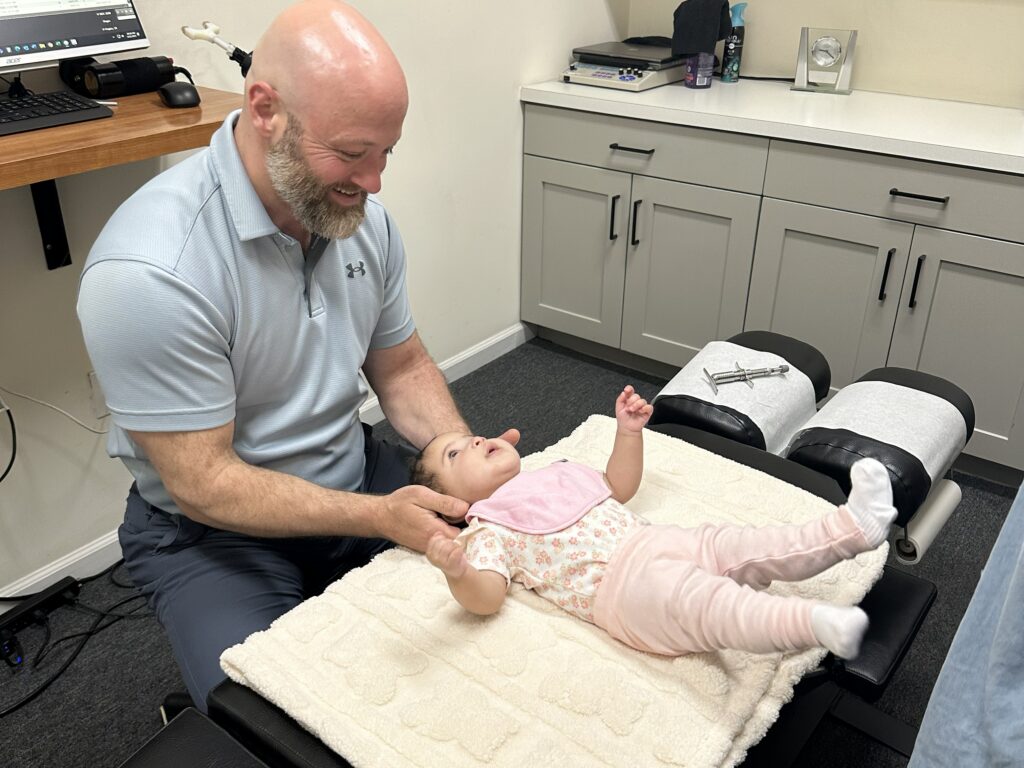
Pediatric chiropractic care differs significantly from adult chiropractic treatment. The techniques, force applied, and approach are all modified to suit a child’s developing body. Many parents are surprised to learn just how gentle pediatric adjustments truly are. For infants, the pressure used is often no more than you’d use to test the ripeness of a tomato—approximately the weight of a nickel or dime.
During a pediatric chiropractic session, the chiropractor performs a thorough assessment of your child’s spine, posture, and movement patterns. This evaluation helps identify areas of restricted motion, muscle imbalance, or biomechanical stress. The chiropractor observes how your child moves, stands, and sits, looking for patterns that might contribute to discomfort or dysfunction.
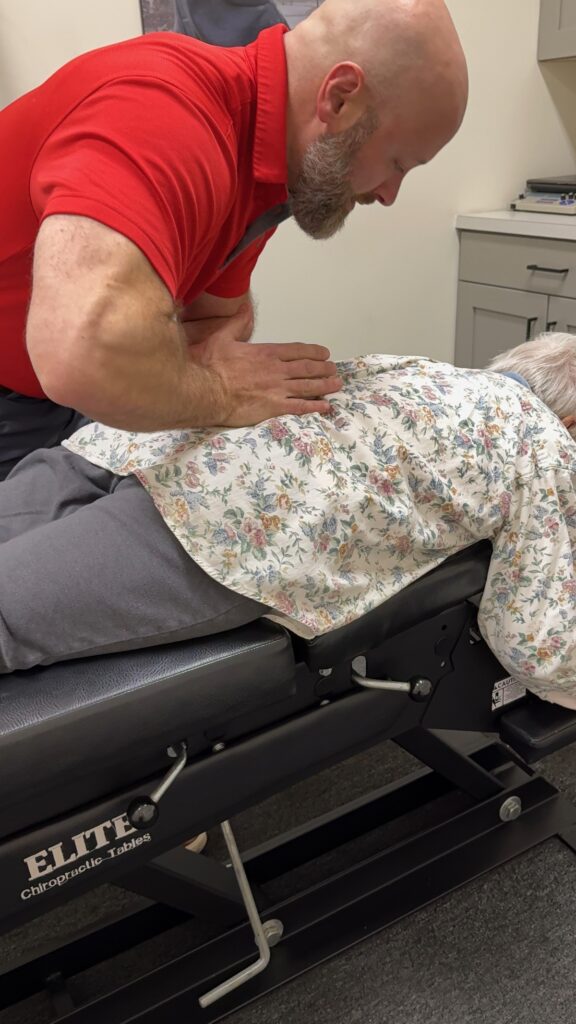
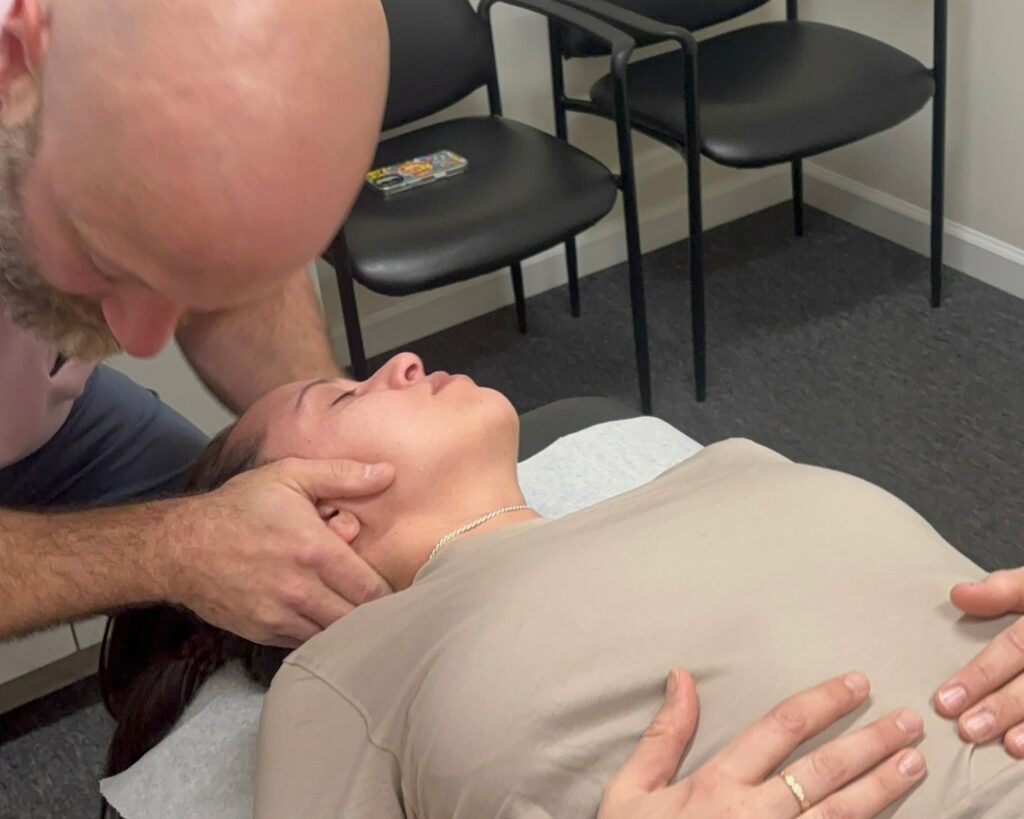
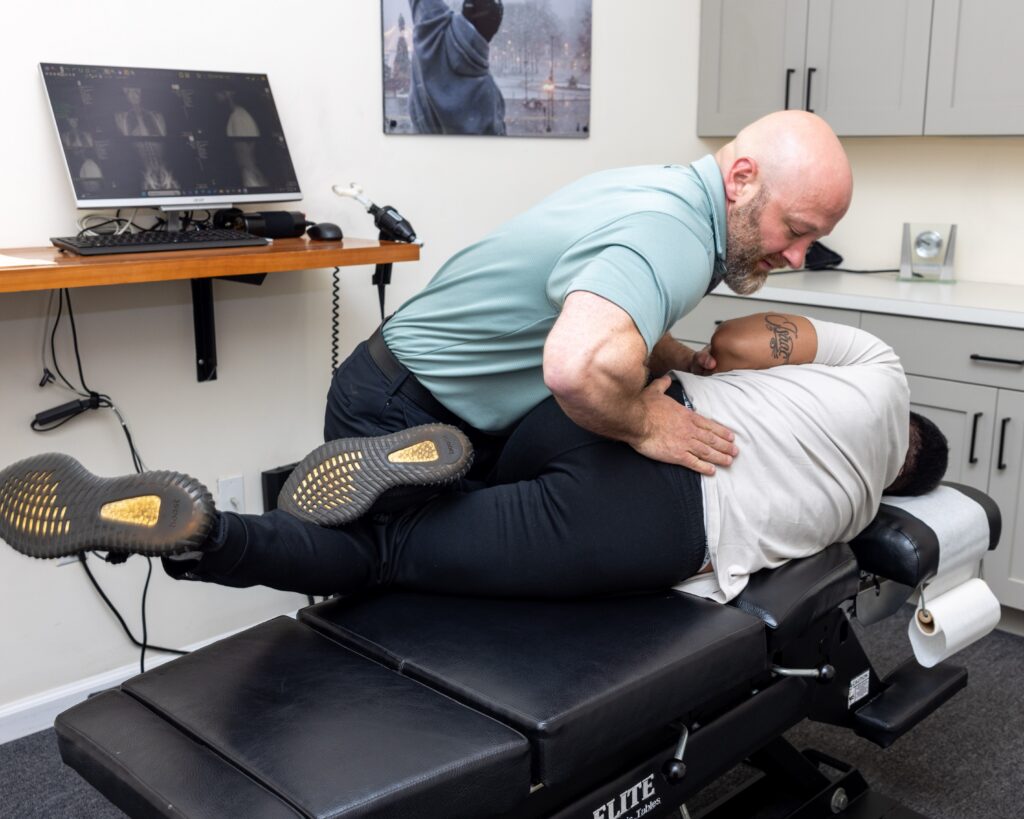
Adjustments for children typically involve very light, specific touches or gentle mobilizations rather than the more forceful manipulations sometimes used with adults. Techniques may include sustained contact, soft tissue work, or instrument-assisted adjustments that deliver controlled, low-force impulses. The goal is to restore proper joint motion and reduce nervous system irritation without causing any discomfort.
At Fanwood Back Relief Center, we prioritize creating a comfortable, non-threatening environment for young patients. We explain everything in age-appropriate terms, demonstrate techniques on parents first when helpful, and always proceed at a pace that respects the child’s comfort level. Building trust is essential, and we never force care on a reluctant or fearful child.
The Safety Evidence: What Research Shows
Safety is understandably the primary concern for any parent considering chiropractic care for their child. The good news is that the existing research and clinical evidence strongly support the safety of pediatric chiropractic care when delivered by appropriately trained practitioners.
A comprehensive review published in the journal Chiropractic & Manual Therapies examined adverse events associated with pediatric chiropractic care. The researchers found that serious adverse events were exceedingly rare, and minor, temporary responses like brief soreness or tiredness occurred infrequently. The study concluded that chiropractic care for children appears to be safe when practiced by trained professionals.
Additional research indicates that the force used during pediatric adjustments is substantially lower than that used for adults—often measured at just a few pounds of pressure or less. This gentle approach minimizes any potential for injury while still addressing biomechanical concerns. Studies measuring the forces applied during infant and child adjustments have documented pressures ranging from 20-50 Newtons, which is considerably less than the forces children experience during normal daily activities like play.
Professional chiropractic organizations, including the International Chiropractic Pediatric Association, emphasize the importance of specialized training in pediatric techniques. Chiropractors who regularly work with children typically pursue additional education in developmental stages, pediatric assessment, and age-appropriate treatment methods. This specialized knowledge ensures that care is tailored to each child’s unique needs and developmental stage.
It’s worth noting that while chiropractic care is considered safe, proper screening and evaluation are essential. Chiropractors are trained to recognize conditions that fall outside their scope of practice and will refer to appropriate medical specialists when necessary. Red flags requiring immediate medical attention are always taken seriously.
Common Childhood Conditions Parents Seek Help For
Parents bring their children to chiropractors for a variety of reasons. While chiropractic care doesn’t treat diseases or cure medical conditions, it addresses musculoskeletal complaints and biomechanical dysfunction that can affect children’s comfort and function.
One of the most common reasons parents visit our practice in Fanwood is neck and upper back discomfort related to “tech neck”—the forward head posture that develops from prolonged device use. This postural strain can cause tension headaches, neck stiffness, and shoulder discomfort in children and teenagers. Chiropractic care focuses on restoring proper spinal motion and providing education about ergonomic device use.
Sports injuries represent another frequent concern. Young athletes involved in football, soccer, gymnastics, dance, and other activities often experience strains, sprains, and overuse injuries. Chiropractic care may help address the biomechanical factors contributing to injury risk and support recovery through gentle joint mobilization and soft tissue work.
Growing pains, while often considered a normal part of childhood, can sometimes be related to biomechanical stress or movement pattern issues. Parents seek chiropractic evaluation to ensure that pain isn’t stemming from correctable spinal or extremity joint dysfunction. Backpack-related discomfort is increasingly common, especially when students carry loads exceeding recommended weight limits.
Postural concerns also prompt many parents to seek chiropractic consultation. Scoliosis screening, gait abnormalities, and asymmetrical movement patterns can all be evaluated and, when appropriate, addressed through conservative chiropractic care and exercise recommendations. Early identification of postural issues allows for intervention during crucial developmental windows.
How Chiropractic Care Fits Into Your Child’s Health Plan
Chiropractic care for children works best as part of a comprehensive approach to health and wellness, not as an isolated treatment. At Fanwood Back Relief Center, we view ourselves as partners in your child’s healthcare team, complementing the care provided by pediatricians, school nurses, coaches, and other professionals involved in your child’s wellbeing.
When you bring your child in for an initial consultation, we start with a thorough case history. We want to understand not just the presenting complaint, but also your child’s overall health history, developmental milestones, activity level, and any previous injuries or medical conditions. This comprehensive picture helps us determine whether chiropractic care is appropriate and what approach would be most beneficial.
The examination includes postural analysis, range of motion testing, orthopedic and neurological screening, and palpation of the spine and relevant joints. We assess movement quality, muscle balance, and coordination. For adolescent patients dealing with athletic concerns, we may evaluate sport-specific movement patterns to identify potential injury risk factors.
If chiropractic care appears appropriate, we develop an individualized care plan. This plan takes into account your child’s age, the nature of their complaint, their activity level, and their comfort with treatment. The frequency and duration of care vary considerably based on the presenting issue. Some children benefit from just a few visits for acute problems, while others with chronic or complex issues may need ongoing supportive care.
Education is a cornerstone of pediatric chiropractic care. We teach children about proper posture, safe backpack wearing, stretching and strengthening exercises, and injury prevention strategies. Empowering kids with knowledge about their own bodies helps them make healthier choices and recognize early warning signs of potential problems.
What to Expect During Your Child’s First Visit
Understanding what happens during the first visit can help ease any anxiety you or your child might feel. At Fanwood Back Relief Center, we’ve designed our approach to be welcoming and non-threatening, especially for younger or nervous patients.
The first appointment typically begins with paperwork where you’ll provide information about your child’s health history, current concerns, and any medications or previous treatments. We then sit down for a detailed consultation where we ask about the specific issues bringing you in, when they started, what makes them better or worse, and how they affect your child’s daily life and activities.
The examination portion is conducted with respect for your child’s comfort and modesty. Younger children often feel more comfortable with a parent nearby, and we welcome your presence throughout the process. We explain each step of the examination before we do it, using language appropriate for your child’s age. The exam is gentle and typically doesn’t cause any discomfort.
If we determine that chiropractic care is appropriate, we’ll discuss our findings and recommendations with both you and your child. We explain in clear terms what we found, why it matters, and how we propose to address it. We never proceed with treatment without your informed consent and your child’s cooperation.
The first adjustment, if performed during the initial visit, is always gentle and brief. We often start conservatively, using the lightest techniques to gauge how your child responds. Many children find the experience surprisingly comfortable—some even fall asleep during treatment. We monitor your child’s response carefully and adjust our approach as needed.
Before you leave, we provide guidance on what to watch for in the hours and days following treatment. Most children experience no adverse effects, though some may have mild, temporary soreness similar to post-exercise muscle fatigue. We also provide any home care recommendations, such as ice/heat protocols, stretches, or activity modifications.
Age-Specific Considerations and Techniques
Chiropractic care is not one-size-fits-all, especially when treating children of different ages and developmental stages. The techniques and approaches used for a two-month-old infant differ dramatically from those used for a fifteen-year-old athlete.
Infants and Toddlers (0-3 years)
Care for the youngest patients uses the gentlest techniques possible. Adjustments involve sustained, light fingertip pressure or gentle mobilization—nothing forceful or thrust-based. Parents sometimes seek care for infants dealing with feeding difficulties, limited neck motion (torticollis), or general fussiness that may be related to birth-related spinal strain. The assessment focuses on observing movement patterns, noting any postural asymmetries, and gently palpating for areas of restriction. Treatment sessions are very brief and proceed only when the infant is calm and comfortable.
Preschool and Early Elementary (4-7 years)
Children in this age group are typically more interactive and can communicate about discomfort. Techniques remain gentle but may include slightly more variety as appropriate. These children often present with concerns related to coordination, early sports participation, or falls and tumbles from active play. Building rapport is essential at this age—many practitioners use play-based approaches or demonstration on stuffed animals to help children understand what to expect.
Middle Childhood (8-12 years)
This age group often deals with backpack-related discomfort, increased sports participation, and the beginning of extended screen time exposure. Children are old enough to understand explanations about posture and body mechanics. Techniques used may include gentle spinal adjustments, extremity work for sports injuries, and soft tissue therapy for muscle tension. Education about proper ergonomics and strengthening exercises becomes increasingly important.
Adolescents (13-18 years)
Teenagers experience rapid growth spurts, increased academic demands, intense athletic training, and sometimes postural issues like scoliosis progression. They’re capable of understanding detailed explanations about their musculoskeletal health and can actively participate in their care plan. Treatment approaches may more closely resemble adult techniques, though force levels remain appropriate for their developing bodies. Adolescents particularly benefit from learning about injury prevention, proper training techniques, and long-term wellness habits.
Practical Tips for Supporting Your Child’s Musculoskeletal Health
Beyond professional chiropractic care, there’s much you can do at home to support your child’s spinal health and overall musculoskeletal development. These practical strategies promote proper posture, reduce injury risk, and encourage healthy movement patterns.
Backpack Safety: Ensure your child’s backpack weighs no more than 10-15% of their body weight. Both shoulder straps should be used, adjusted so the pack sits evenly in the middle of the back, not hanging below the waistline. Heavier items should be packed closest to the back. Consider a rolling backpack if your child consistently needs to carry heavy loads.
Screen Time Ergonomics: When using tablets or phones, encourage your child to hold the device at eye level rather than looking down for extended periods. For computer use, the screen should be at or slightly below eye level, with feet flat on the floor and elbows at approximately 90 degrees. Take frequent breaks—the 20-20-20 rule works well: every 20 minutes, look at something 20 feet away for 20 seconds.
Encourage Active Play: Unstructured, varied physical activity helps children develop coordination, strength, and body awareness. Climbing, running, jumping, and playing on playground equipment all contribute to healthy musculoskeletal development. Variety is key—repetitive, single-sport specialization at young ages can increase injury risk.
Create Proper Study Environments: Set up homework spaces with age-appropriate furniture. Children shouldn’t do schoolwork hunched over the floor or sprawled on a bed. A proper desk and chair that support good posture make a significant difference, especially as homework demands increase.
Model Healthy Habits: Children learn by watching. When they see you practicing good posture, taking stretch breaks, and prioritizing physical activity, they’re more likely to adopt these habits themselves. Make family wellness a priority rather than something that applies only to children.
Promote Adequate Sleep: Growing bodies need quality rest. Ensure your child has a supportive mattress and pillow appropriate for their size. Sleep position matters too—stomach sleeping can stress the neck and lower back. Side sleeping with a pillow between the knees or back sleeping with a pillow under the knees are generally more spine-friendly.
Sports Safety: If your child participates in organized sports, ensure they have proper warm-up and cool-down routines. Cross-training and off-season rest periods help prevent overuse injuries. Never ignore persistent pain or “playing through” significant discomfort—these are warning signs that something needs attention.
When to Consider Chiropractic Care for Your Child
Knowing when to seek chiropractic evaluation for your child can be challenging. Not every ache or pain requires professional attention, but some signs suggest that assessment would be beneficial.
Consider scheduling a consultation if your child experiences persistent or recurrent neck pain, back pain, or headaches that interfere with daily activities, sleep, or school performance. Pain that has lasted more than a few days or keeps coming back warrants evaluation. Similarly, if your child complains of discomfort related to backpack carrying, prolonged sitting, or screen use that doesn’t resolve with rest, chiropractic assessment may be helpful.
Sports-related injuries that haven’t fully resolved with rest and home care, or athletes experiencing performance limitations due to tightness, reduced flexibility, or biomechanical issues, may benefit from chiropractic evaluation. Parents in Fanwood often bring their young athletes in during the off-season for preventive assessment and guidance on injury risk reduction.
Postural concerns observable to parents—such as uneven shoulders, prominent asymmetry, abnormal gait patterns, or a head that consistently tilts to one side—are appropriate reasons to seek professional evaluation. While many postural variations are within normal limits, some indicate underlying biomechanical issues that benefit from early attention.
Following significant falls, sports impacts, or accidents, even when there’s no obvious injury, chiropractic assessment can identify subtle biomechanical changes that might otherwise go unnoticed until they cause problems later. Think of it as similar to getting your car’s alignment checked after hitting a pothole.
However, certain signs require immediate medical attention rather than chiropractic care. Seek emergency medical care if your child experiences severe pain following trauma, neurological symptoms like numbness, tingling, or weakness, difficulty walking or coordinating movement, fever accompanying neck or back pain, severe headache with vomiting or changes in consciousness, or pain accompanied by unexplained weight loss or night sweats. Chiropractors are trained to recognize these red flags and will always refer appropriately.
Comparing Pediatric and Adult Chiropractic Care
| Aspect | Pediatric Chiropractic Care | Adult Chiropractic Care |
|---|---|---|
| Force Applied | Minimal pressure, often just fingertip contact (20-50 Newtons or less) | Moderate to higher force depending on technique and patient size |
| Primary Techniques | Sustained contact, gentle mobilization, low-force instrument adjusting | Manual adjustments, mobilization, various manual therapy techniques |
| Session Duration | Typically shorter (10-15 minutes), especially for young children | Longer sessions (20-30 minutes) with more extensive soft tissue work |
| Common Concerns | Tech neck, growing pains, sports injuries, backpack strain, postural development | Chronic pain, work-related strain, degenerative conditions, injury recovery |
| Education Focus | Prevention, healthy habits formation, ergonomics for school and devices | Pain management, workplace ergonomics, exercise rehabilitation |
| Parent Involvement | High—parents actively participate in education and home care implementation | Individual responsibility—patients manage their own care |
Myths vs. Facts About Pediatric Chiropractic Care
Myth: Chiropractic adjustments are too forceful and dangerous for children
Fact: Pediatric chiropractic techniques use very gentle, low-force methods specifically designed for children’s developing bodies. The pressure applied to an infant might be no more than what you’d use to test fruit ripeness. Chiropractors trained in pediatric care modify their techniques based on the child’s age, size, and condition, ensuring safety and comfort throughout treatment.
Myth: Children don’t need chiropractic care because their bodies are young and resilient
Fact: While children do heal quickly, they’re also susceptible to biomechanical stress from modern lifestyle factors like heavy backpacks, extended screen time, sports participation, and rapid growth spurts. Addressing these issues early can prevent patterns of dysfunction from becoming established. Many parents view pediatric chiropractic care as preventive and educational rather than just reactive to problems.
Myth: There’s no research supporting chiropractic care for children
Fact: While more research is always valuable, existing studies and systematic reviews indicate that pediatric chiropractic care is safe when delivered by trained practitioners. Research has examined adverse event rates, force measurements during adjustments, and outcomes for various conditions. The evidence supports safety and suggests potential benefits for certain musculoskeletal complaints, though more large-scale studies would further strengthen the evidence base.
Myth: Once you start chiropractic care for your child, they’ll need it forever
Fact: Chiropractic care plans are individualized based on the presenting concern. Many children receive care for specific issues and then discontinue once those concerns are resolved. Some families choose periodic wellness visits, similar to dental check-ups, while others seek care only when problems arise. The decision is always yours, and ethical chiropractors respect your preferences without pressure for unnecessary ongoing treatment.
Myth: Chiropractors claim they can cure diseases in children
Fact: Reputable chiropractors do not claim to cure diseases or medical conditions. Chiropractic care addresses musculoskeletal function and biomechanics. While some parents report general wellness improvements when their child’s spine and nervous system are functioning optimally, chiropractic care is not a replacement for pediatric medical care. Chiropractors work within their scope of practice and refer to medical doctors when appropriate.
Final Thoughts from Fanwood Back Relief Center
As parents in Fanwood and the surrounding New Jersey communities navigate countless healthcare decisions for their children, we understand that choosing conservative, safe, and effective care is paramount. Chiropractic care for children, when delivered with appropriate training and technique modification, represents a gentle, non-invasive option for addressing musculoskeletal concerns that increasingly affect today’s youth.
At Fanwood Back Relief Center, we’re honored to serve as a resource for families seeking to support their children’s health through conservative care. We recognize that every child is unique, with individual needs, comfort levels, and health concerns. Our approach respects these differences while providing evidence-informed care that prioritizes safety and effectiveness above all else.
Whether you’re dealing with a specific concern or simply curious about how chiropractic care might support your child’s overall wellness, we welcome your questions. Education and open communication form the foundation of everything we do. We believe that informed parents make the best healthcare decisions for their children, and we’re here to provide the information you need to feel confident in those choices.
If you’re considering chiropractic care for your child here in Fanwood, we invite you to schedule a consultation where we can discuss your specific concerns, answer your questions, and determine whether chiropractic care is an appropriate fit for your family. Your child’s health and comfort are our top priorities, and we’re committed to providing care that honors both.
Frequently Asked Questions
At what age can a child start receiving chiropractic care?
Children can receive chiropractic care from infancy onward, though techniques are significantly modified based on age. Some parents seek gentle evaluation and care for newborns, while others wait until their child is older. There’s no specific minimum age—appropriateness depends on the individual situation and the chiropractor’s training in pediatric techniques.
Will my child’s adjustment make a cracking or popping sound?
Pediatric adjustments typically do not produce audible sounds because the techniques used involve much lighter force than adult adjustments. The gentle pressure and mobilization approaches used for children don’t typically create the joint cavitation that causes the “popping” sound. This is completely normal and doesn’t indicate less effective treatment.
How many visits will my child need?
The number of visits varies considerably based on the presenting concern, severity, duration, and your child’s individual response to care. Some children feel better after just a few visits for acute issues, while others with chronic or more complex problems may benefit from longer care plans. Your chiropractor should provide a clear recommendation and reassess regularly to determine continued appropriateness of care.
Can chiropractic care help my child perform better in sports?
While chiropractic care doesn’t directly improve athletic skills, it may help optimize biomechanical function, address movement restrictions, and support injury recovery. Many young athletes report feeling less stiff and more mobile with regular chiropractic care. Additionally, the education about proper movement patterns, injury prevention, and body awareness can contribute to better performance and reduced injury risk.
Is chiropractic care covered by insurance for children?
Coverage varies significantly by insurance plan. Many health insurance policies include chiropractic benefits that apply to children as well as adults, though coverage limits, copays, and requirements differ. Contact your insurance provider to understand your specific benefits, or ask our office staff at Fanwood Back Relief Center to help you navigate your coverage options.
Should I tell my pediatrician that my child is seeing a chiropractor?
Yes, it’s always beneficial for all healthcare providers involved in your child’s care to be informed about treatments they’re receiving. This promotes coordinated, comprehensive care and ensures everyone is aware of the full picture. Most pediatricians appreciate when parents pursue conservative care options for musculoskeletal concerns, and open communication between providers benefits your child.
TL;DR – Key Takeaways
- Pediatric chiropractic care is considered safe when performed by trained chiropractors using age-appropriate, gentle techniques that involve minimal force—often just light fingertip pressure for young children.
- Common reasons parents seek chiropractic care for children include tech-related neck pain, sports injuries, backpack strain, postural concerns, and growing pains related to biomechanical stress.
- Pediatric adjustments differ significantly from adult treatment in technique, force applied, and duration—they’re specifically designed for children’s developing bodies and comfort levels.
- Research indicates that serious adverse events from pediatric chiropractic care are extremely rare, and the conservative approach complements other healthcare without replacing necessary medical treatment.
- Parents can support their child’s musculoskeletal health at home through proper backpack use, screen time ergonomics, encouraging varied physical activity, ensuring adequate sleep, and modeling healthy postural habits.