
If you’ve ever experienced back pain, you know how it can affect every aspect of your life—from the way you sleep to how you move throughout the day. The good news? Many cases of back pain are preventable, and the foundation lies in maintaining healthy spinal alignment and proper posture. Here at Fanwood Back Relief Center in Fanwood, NJ, we see patients every day who could have avoided months or even years of discomfort by understanding the connection between spinal health, posture, and back pain prevention. In this article, we’ll explore the essential role your spine plays in overall wellness, how poor posture develops, and what you can do starting today to protect your back for the long term.
What is the relationship between spinal health, posture, and back pain? Your spine is the structural foundation of your entire body, housing the spinal cord and supporting proper nervous system function. When your spine is properly aligned and you maintain good posture, the muscles, ligaments, and discs work together efficiently to distribute weight and absorb stress. Poor posture creates imbalances that strain these structures, leading to muscle tension, joint dysfunction, and ultimately back pain. Maintaining spinal health through proper alignment and posture awareness is one of the most effective strategies for preventing back pain before it starts.
Table of Contents
- Understanding Spinal Health: More Than Just Your Backbone
- How Posture Affects Your Spine and Back
- Common Posture Mistakes That Lead to Back Pain
- The Role of Chiropractic Care in Spinal Health
- Practical Tips for Better Posture Throughout Your Day
- When to Seek Professional Help
- Myths vs. Facts About Posture and Spinal Health
- Final Thoughts
Understanding Spinal Health: More Than Just Your Backbone
Your spine is an engineering marvel consisting of 24 movable vertebrae, plus the sacrum and coccyx, stacked in a specific alignment that creates natural curves. These curves—the cervical curve in your neck, thoracic curve in your mid-back, and lumbar curve in your lower back—aren’t there by accident. They serve as shock absorbers, distributing mechanical stress throughout your body as you move.
Between each vertebra sits an intervertebral disc, a cushion-like structure that allows for flexibility while protecting the bones from grinding against each other. Surrounding all of this are muscles, ligaments, and connective tissues that provide stability and enable movement. When everything works in harmony, you can bend, twist, lift, and move without pain.
But here’s where it gets interesting: your spine doesn’t just support your body structurally. It also houses and protects your spinal cord, the major highway of communication between your brain and the rest of your body. When your spine is misaligned—what chiropractors call a subluxation—it can create pressure or irritation on the nerves branching off from the spinal cord. This interference may contribute not only to back pain but also to referred pain in other areas, muscle weakness, and diminished overall function.
At Fanwood Back Relief Center, we take a comprehensive approach to spinal health that considers both the structural integrity of your spine and its role in nervous system function. Whether you’re dealing with chronic lower back pain or simply want to maintain optimal wellness, understanding your spine’s anatomy and purpose is the first step toward prevention.
How Posture Affects Your Spine and Back
Posture refers to the position your body maintains while standing, sitting, or lying down. Good posture means your spine maintains its natural curves without excessive strain on any particular area. Poor posture, on the other hand, creates imbalances that force certain muscles to work harder than they should while others become weak and underused.
When you slouch forward at your desk, for example, your head shifts forward from its ideal position directly over your shoulders. For every inch your head moves forward, it effectively gains ten pounds in weight as far as the stress on your neck and upper back muscles is concerned. Over time, this forward head posture can lead to neck pain, upper back tension, and even headaches.
Similarly, sitting with a rounded lower back flattens your lumbar curve, placing excessive pressure on the front portions of your spinal discs. This is one reason why people who sit for long hours often develop lower back pain and disc problems. The lumbar discs are designed to handle compression when your spine maintains its natural curve, but prolonged flattening of this curve shifts pressure unevenly.
Poor posture also affects the joints between your vertebrae, called facet joints. These small joints guide spinal movement and bear some of your body’s weight. When posture is compromised, certain facet joints become overloaded while others barely move at all. This leads to joint irritation, inflammation, and the development of osteoarthritis over time.
Many patients who visit us in Fanwood, NJ, are surprised to learn that their back pain didn’t start with an injury or accident. Instead, it developed gradually as the result of postural habits repeated thousands of times over months or years. The encouraging news is that just as poor posture can be learned, proper posture can be relearned and reinforced.
Common Posture Mistakes That Lead to Back Pain
Recognizing poor postural habits is the first step toward correcting them. Here are the most common mistakes we see at Fanwood Back Relief Center that contribute to back pain:
Prolonged Sitting Without Proper Support
Modern life often requires hours of sitting, whether at a desk, in a car, or on a couch. When you sit without adequate lumbar support, your lower back muscles must work constantly to prevent you from slumping backward. This creates chronic muscle fatigue and can lead to muscle spasms and disc problems. Many people also cross their legs while sitting, which rotates the pelvis and creates asymmetrical loading on the spine.
Forward Head and Rounded Shoulders
Spending time looking at screens—whether a computer, tablet, or smartphone—encourages your head to drift forward and your shoulders to round. This posture pattern, sometimes called “tech neck,” places enormous strain on the cervical spine and upper back muscles. Over time, it can contribute to chronic neck pain, shoulder tension, thoracic outlet syndrome, and even numbness or tingling in the arms.
Standing With Weight Shifted to One Side
Many people habitually stand with more weight on one leg than the other, often with one hip pushed out to the side. This creates an uneven distribution of force through the pelvis and lower spine. Done repeatedly, this habit can contribute to muscle imbalances, sacroiliac joint dysfunction, and lower back pain on one side.
Sleeping in Non-Supportive Positions
How you sleep matters more than you might think. Stomach sleeping forces your neck into sustained rotation for hours and flattens your lumbar curve. Even side sleeping can create problems if your mattress doesn’t provide proper support or if you don’t use a pillow between your knees to maintain pelvic alignment.
Poor Lifting Mechanics
Bending at the waist with straight legs to pick something up places excessive stress on your lower back structures. This movement pattern loads the spinal discs, ligaments, and muscles in a mechanically disadvantaged position. Over time, or with one wrong movement, this can lead to disc injuries, muscle strains, or ligament sprains.
| Poor Posture Habit | Common Result | Better Alternative |
|---|---|---|
| Forward head position | Neck pain, headaches, upper back tension | Keep ears aligned over shoulders, chin slightly tucked |
| Slouching while sitting | Lower back pain, disc pressure, muscle fatigue | Sit with lumbar support, feet flat on floor, hips at 90 degrees |
| Standing with weight on one leg | Hip pain, SI joint dysfunction, muscle imbalance | Distribute weight evenly on both feet, keep hips level |
| Sleeping on stomach | Neck strain, lower back flattening | Sleep on back with pillow under knees or side with pillow between knees |
| Bending at waist to lift | Lower back strain, disc injury risk | Squat down, engage legs, keep back straight while lifting |
The Role of Chiropractic Care in Spinal Health
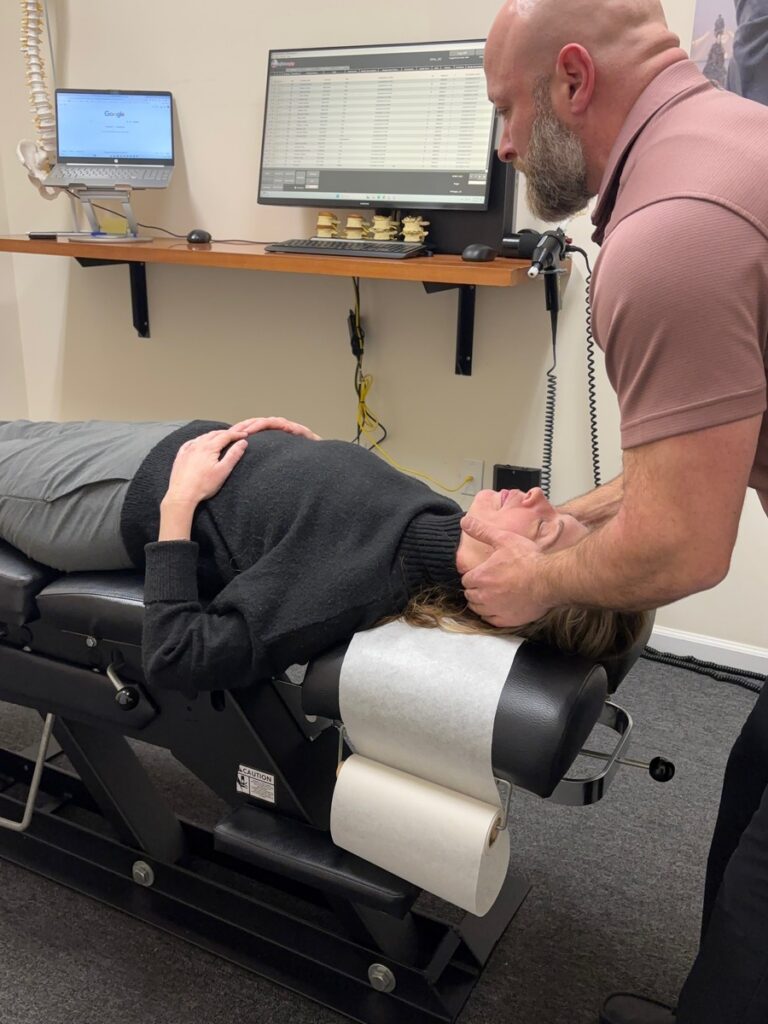
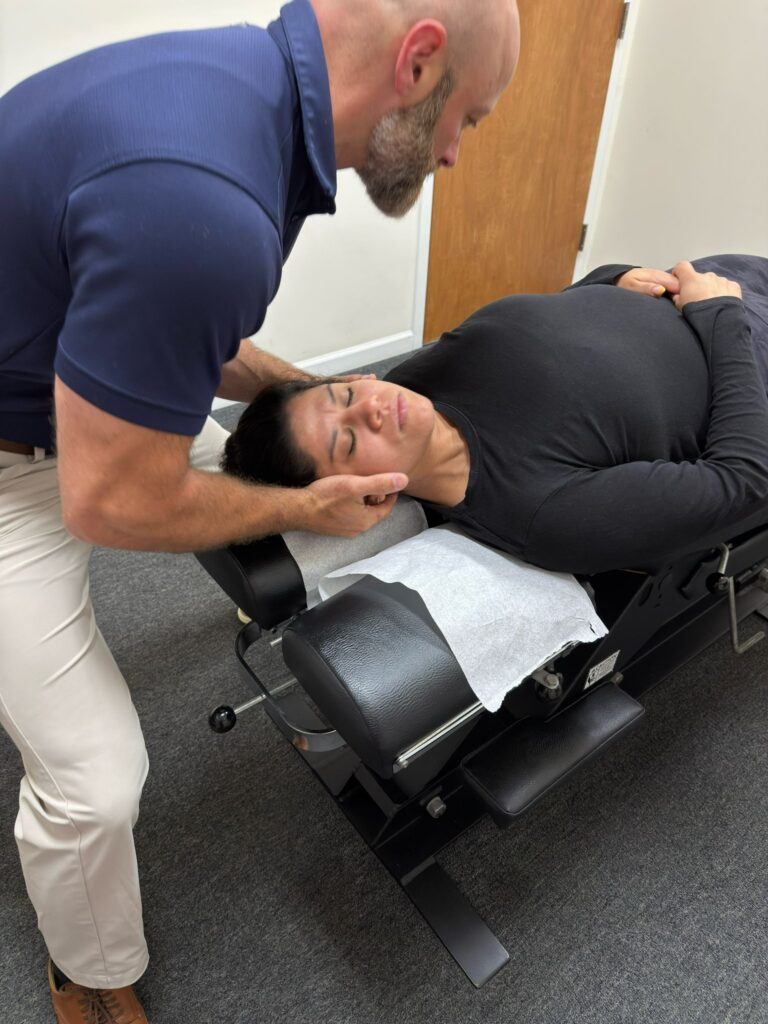
Chiropractic care focuses on detecting and correcting spinal misalignments to restore proper joint function and reduce interference with the nervous system. At Fanwood Back Relief Center, we take a patient-centered approach that begins with a thorough examination and, when necessary, X-rays to understand the current state of your spine and identify any underlying structural issues.
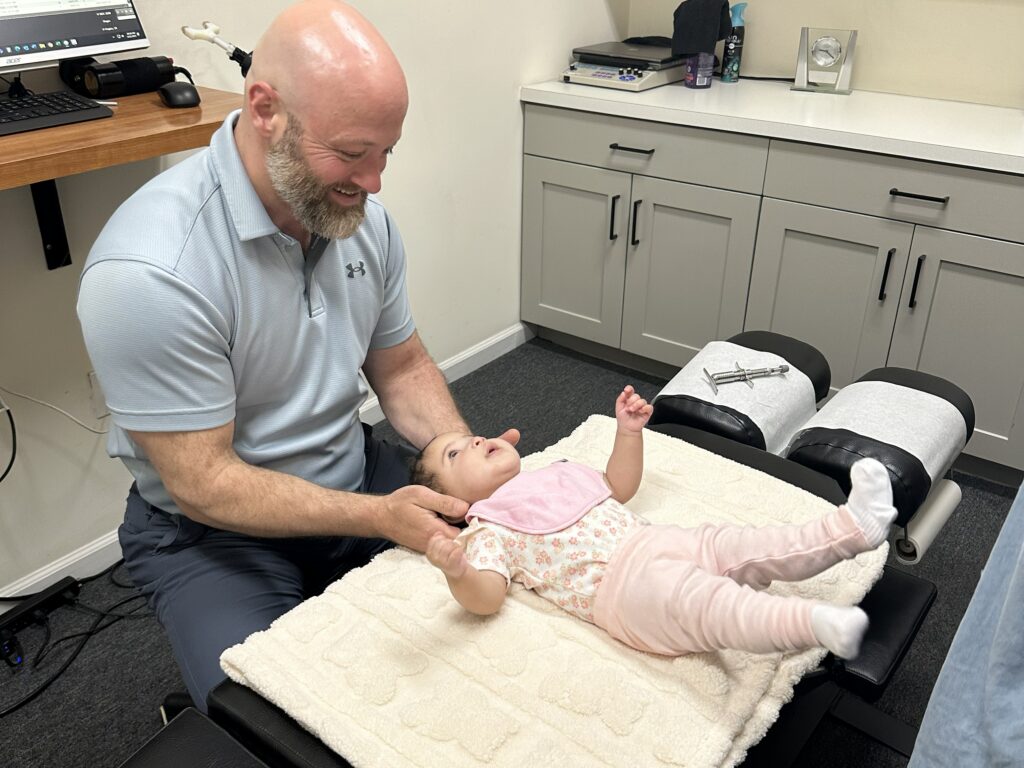
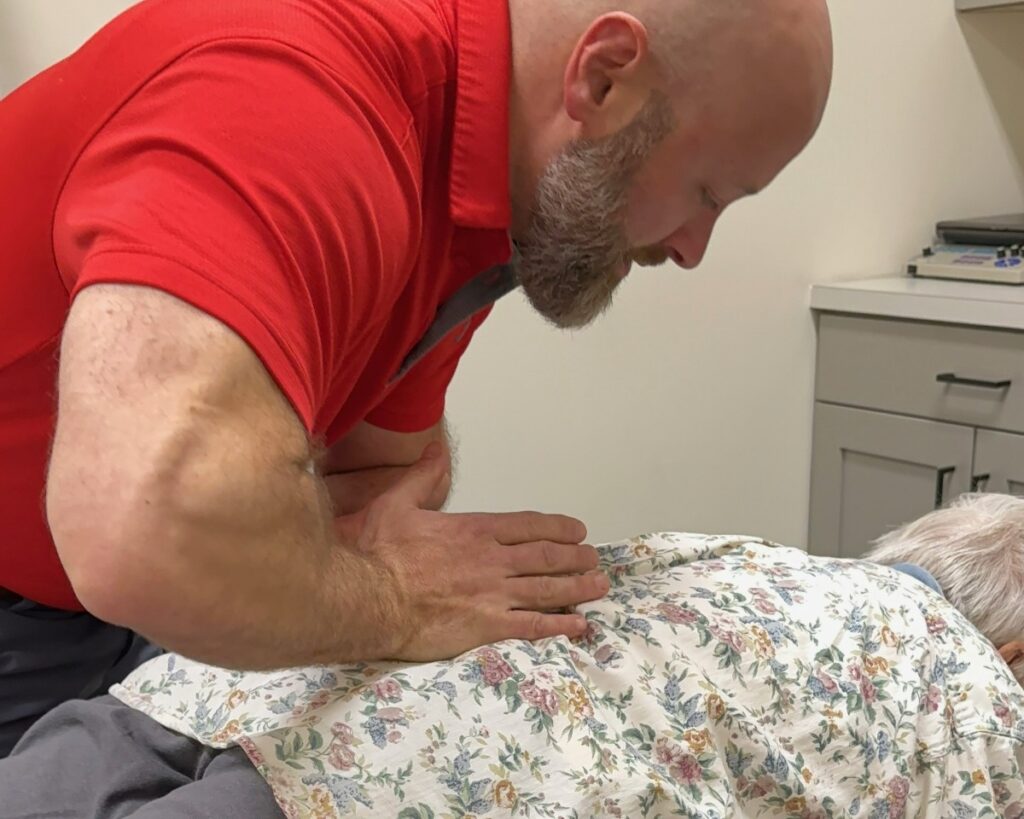
Our approach to preventing back pain through improved spinal health includes several specialized techniques and services. Chiropractic adjustments help restore normal motion to restricted spinal joints, reducing inflammation and allowing the surrounding muscles to relax. When vertebrae aren’t moving properly, the body compensates in ways that often lead to pain and dysfunction. By addressing these restrictions, we help your spine function as it was designed to.
For patients who prefer gentler adjusting methods, we offer Arthrostim Adjusting and Impulse Adjusting, both of which use instrument-assisted techniques to deliver precise, controlled forces to specific spinal segments. These approaches are particularly beneficial for patients who may be apprehensive about traditional manual adjustments or who have conditions that require a lighter touch.
We also incorporate Intersegmental Traction Therapy to improve spinal mobility and reduce muscle tension. This comfortable therapy uses a specialized table with roller mechanisms that gently move up and down the spine, promoting motion in the spinal joints and helping to relax tight paraspinal muscles.
Soft tissue treatments such as Myofascial Release and Trigger Point Therapy address the muscular component of spinal health. Chronic poor posture creates patterns of muscle tension and fascial restriction that can pull the spine out of alignment even after it’s been corrected. By releasing these soft tissue restrictions, we help your body maintain proper alignment more easily.
Practical Tips for Better Posture Throughout Your Day
Improving your posture doesn’t require expensive equipment or hours of extra time. Small, consistent changes in how you position your body throughout the day can make a significant difference in preventing back pain.
Optimize Your Workspace
If you work at a desk, position your computer monitor so the top of the screen is at or slightly below eye level. Your keyboard should allow your elbows to rest at approximately 90 degrees with your shoulders relaxed. Use a chair with proper lumbar support, or place a small rolled towel or lumbar cushion in the curve of your lower back. Your feet should rest flat on the floor or on a footrest.
Take Frequent Movement Breaks
No matter how perfect your posture, sitting or standing in any position for too long creates strain. Set a timer to remind yourself to stand up, walk around, and change positions every 30 to 45 minutes. Even just standing and doing a few gentle stretches can help reset your posture and reduce muscle fatigue.
Practice Proper Standing Alignment
When standing, imagine a straight line running from your ear through your shoulder, hip, knee, and ankle. Distribute your weight evenly on both feet. Keep your knees slightly bent rather than locked. Draw your shoulders back and down, and gently engage your core muscles without holding your breath. This alignment allows your spine to maintain its natural curves without excessive effort.
Be Mindful of Phone and Device Use
Rather than looking down at your phone, bring it up to eye level. When using a tablet, prop it up on a stand rather than holding it in your lap. These simple changes reduce the amount of time your neck spends in a flexed forward position.
Support Your Spine During Sleep
Choose a mattress that provides adequate support without being too firm or too soft. If you sleep on your back, place a pillow under your knees to maintain your lumbar curve. Side sleepers should use a pillow between their knees to keep the pelvis aligned. Replace your pillow when it no longer provides adequate support for your head and neck.
Strengthen Your Core
Your core muscles—including your abdominals, back muscles, and pelvic floor—provide essential support for your spine. Exercises like planks, bridges, and bird dogs can strengthen these muscles without requiring a gym membership. Even simple activities like standing on one foot while brushing your teeth can help improve core stability.
Stay Hydrated
Your spinal discs are largely composed of water. Staying properly hydrated throughout the day helps maintain disc height and shock-absorbing capacity. Many patients here in Fanwood, NJ, notice that their back feels stiffer when they haven’t been drinking enough water.
Practice Stress Management
Emotional stress often manifests as physical tension, particularly in the neck, shoulders, and lower back. Incorporating stress management techniques like deep breathing, meditation, or gentle yoga can help reduce this muscular tension and support better posture.
When to Seek Professional Help
While many minor postural aches and pains improve with self-care and awareness, certain situations warrant professional evaluation. Consider scheduling an appointment at Fanwood Back Relief Center if you experience any of the following:
Back pain that persists for more than a few days despite rest and home care measures may indicate an underlying issue that needs attention. Pain that radiates down your leg, especially if accompanied by numbness, tingling, or weakness, could suggest nerve involvement that benefits from chiropractic evaluation and care.
If you notice that your posture has changed—perhaps you’re developing a forward head position, one shoulder sits higher than the other, or you can’t stand as straight as you used to—these are signs that your spine may have developed restrictions or imbalances that would benefit from professional assessment.
Stiffness or reduced range of motion in your neck or back that limits your daily activities deserves attention. Your spine should allow you to move freely through all planes of motion without significant restriction or discomfort.
Pain that wakes you up at night or prevents you from finding a comfortable sleeping position is another indicator that professional care may be beneficial. While some discomfort with position changes is normal, persistent night pain can signal an issue that needs addressing.
If you’ve been involved in any type of accident—whether a car accident, slip and fall, or sports injury—having your spine evaluated is important even if you don’t have immediate pain. Injuries can create spinal restrictions or soft tissue damage that may not become symptomatic for days or even weeks after the incident.
Finally, if you’re experiencing frequent headaches, especially if they start in your neck or the base of your skull, this may be related to cervical spine dysfunction or posture problems that chiropractic care can address.
At Fanwood Back Relief Center, we always perform a thorough examination before recommending any care plan. We use X-rays when appropriate to visualize your spinal structure and identify any underlying conditions that might affect our approach. Our goal is to understand the root cause of your symptoms rather than simply treating the pain itself.
Myths vs. Facts About Posture and Spinal Health
Myth: There’s One “Perfect” Posture Everyone Should Maintain
Fact: While there are general principles of good posture, the ideal position varies somewhat from person to person based on individual anatomy and spinal curves. The best posture is actually one that changes regularly—no single position should be held for extended periods. The key is maintaining your spine’s natural curves and distributing weight evenly while also incorporating regular movement throughout your day.
Myth: If You Don’t Have Pain, Your Spine Must Be Healthy
Fact: Spinal problems often develop long before they become painful. Restricted motion, muscle imbalances, and even early disc degeneration can exist without causing noticeable symptoms initially. This is why wellness chiropractic care focuses on maintaining spinal health proactively rather than waiting until pain develops. Regular check-ups can identify and address minor issues before they become major problems.
Myth: Cracking Your Own Back Is Just as Good as a Chiropractic Adjustment
Fact: When you twist or bend to make your back crack, you’re typically moving segments that are already hypermobile—areas that move too much because other areas aren’t moving enough. Chiropractic adjustments are specific, controlled forces applied to restricted segments to restore proper motion where it’s needed. Self-manipulation can actually worsen imbalances by increasing instability in already-mobile areas while leaving restrictions unaddressed.
Myth: Poor Posture Is Just a Cosmetic Issue
Fact: While poor posture certainly affects appearance, it’s far more than cosmetic. Research indicates that postural problems can contribute to breathing difficulties, digestive issues, reduced energy levels, and mood changes in addition to musculoskeletal pain. Your posture affects how efficiently your body systems function, not just how you look.
Myth: Once Your Spine Develops Problems, Nothing Can Be Done
Fact: While it’s true that certain degenerative changes in the spine can’t be completely reversed, significant improvement in function, pain levels, and quality of life is possible even with chronic spinal conditions. Through chiropractic care, corrective exercises, and postural awareness, many patients experience substantial relief and improved function regardless of how long they’ve had symptoms. The body has remarkable adaptive and healing capabilities when given the right support.
Final Thoughts
Your spine serves you every moment of every day, supporting your body and protecting your nervous system. Taking care of it through proper posture and regular maintenance isn’t just about avoiding pain—it’s about optimizing your body’s ability to function at its best throughout your entire life.
Here in Fanwood, NJ, we’re committed to helping our community understand that spinal health is foundational to overall wellness. Whether you’re dealing with current back pain or simply want to prevent problems in the future, the team at Fanwood Back Relief Center is here to support you with evidence-based, conservative care that addresses the root causes of spinal dysfunction.
Remember that small changes in your daily habits can create significant improvements in your spinal health over time. Pay attention to how you sit, stand, sleep, and move throughout your day. Your spine will thank you for it.
If you have questions about your spinal health or would like to schedule an evaluation, we invite you to reach out to Fanwood Back Relief Center. We’re here to help you build a foundation for lifelong spinal wellness and freedom from back pain.
Frequently Asked Questions
How long does it take to correct poor posture?
Posture correction is a gradual process that varies from person to person depending on how long the poor habits have been in place and the degree of spinal restriction present. Most patients begin noticing improvements in comfort and awareness within 4-6 weeks of consistent effort, though more significant structural changes may take several months. The key is combining chiropractic care to address spinal restrictions with conscious postural awareness and corrective exercises.
Can chiropractic care help with posture if I have scoliosis?
Yes, chiropractic care can be beneficial for individuals with scoliosis, though expectations should be realistic. While significant curve reduction in established scoliosis is unlikely, chiropractic adjustments can improve spinal mobility, reduce muscle tension, and help manage pain associated with scoliotic curves. Many patients with scoliosis experience improved function and quality of life with regular chiropractic care focused on maintaining the flexibility and balance of the spine.
Is it too late to improve my spinal health if I’m older?
It’s never too late to benefit from improved spinal health and posture awareness. While younger individuals may see faster and more dramatic changes, older adults consistently experience meaningful improvements in pain levels, mobility, and function with appropriate chiropractic care. The focus shifts from aggressive correction to gentle restoration of function, pain management, and preventing further decline—all achievable goals at any age.
How often should I see a chiropractor for spinal health maintenance?
The frequency of maintenance care varies based on your individual needs, lifestyle, and health goals. Some patients benefit from monthly visits to maintain optimal spinal function and address minor restrictions before they become problems. Others may need more frequent care initially to address existing issues, then transition to less frequent wellness visits. At Fanwood Back Relief Center, we work with each patient to develop a schedule that makes sense for their situation.
Will I need X-rays during my chiropractic evaluation?
X-rays are recommended when they provide information necessary to develop the safest and most effective care plan for your specific situation. They help us visualize your spinal structure, identify areas of degeneration or previous injury, rule out conditions that would contraindicate certain techniques, and establish a baseline for tracking progress. Not every patient needs X-rays, and we only recommend them when the diagnostic benefit justifies their use.
Can poor posture cause problems other than back pain?
Yes, postural problems can contribute to a wide range of issues beyond back pain. Forward head posture can lead to headaches, jaw tension, and even breathing difficulties. Rounded shoulders can contribute to shoulder pain and thoracic outlet syndrome. Poor pelvic alignment can affect hip and knee function. Additionally, research suggests connections between posture and energy levels, mood, and even digestive function, though these relationships are complex and multifaceted.
Key Takeaways
- Your spine’s natural curves are designed to absorb shock and distribute stress—maintaining these curves through good posture is essential for preventing back pain.
- Poor posture creates muscle imbalances, joint dysfunction, and excessive pressure on spinal discs, leading to pain and reduced mobility over time.
- Common posture mistakes include forward head position, slouching while sitting, standing with weight shifted to one side, and poor lifting mechanics—all of which are correctable with awareness and effort.
- Chiropractic care addresses spinal restrictions and nervous system interference while supporting your body’s natural healing capabilities through various techniques including adjustments and soft tissue therapies.
- Simple daily habits like optimizing your workspace, taking movement breaks, sleeping in supportive positions, and staying hydrated can significantly improve your spinal health and reduce your risk of back pain.