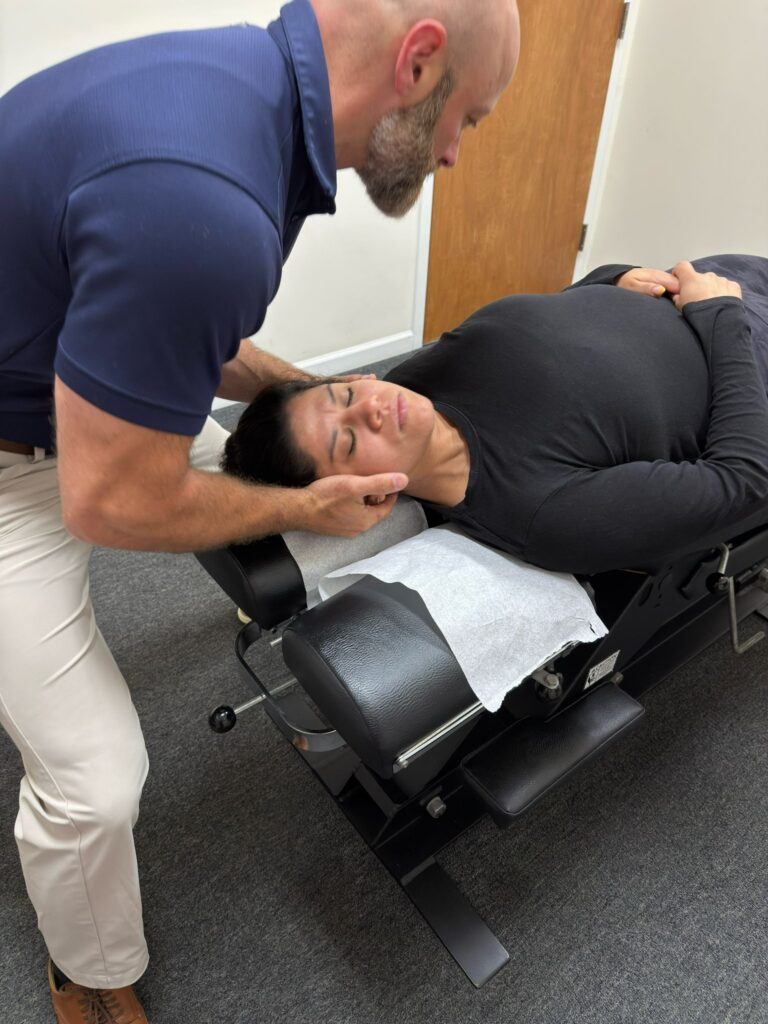

Tension headaches can be a real nuisance, but there are natural ways to prevent them, and chiropractic care plays a vital role in your journey toward better health. By understanding your triggers and making some simple lifestyle adjustments, you can significantly reduce the occurrence of these headaches.
First and foremost, it’s essential to focus on your posture. Poor posture can lead to misalignments in the spine, which may contribute to tension headaches. Regular chiropractic adjustments can help align your spine and improve your posture, reducing strain on your neck and shoulders.
Incorporating regular exercise is another key strategy. Physical activity helps relieve tension and promotes better blood flow, which can alleviate headache symptoms. Consider low-impact exercises such as walking, swimming, or yoga, which can also enhance your flexibility and overall well-being.
Exploring relaxation techniques is equally important. Practices like deep breathing, meditation, or gentle stretching can help reduce stress levels, which is a common trigger for tension headaches. Chiropractic care can also introduce you to therapeutic techniques that promote relaxation and muscle tension relief.
You might be surprised at how effective these changes can be. By making adjustments to your lifestyle and seeking regular chiropractic care, you can find relief and enjoy a healthier, pain-free life. Remember, your spine is the foundation of your overall health, and taking care of it is one of the best choices you can make for natural wellness.
Key Takeaways
As a local chiropractor, I want to share some effective, natural ways to prevent tension headaches that align with the principles of chiropractic care. By focusing on your overall wellness and spinal health, you can significantly reduce the frequency and intensity of these headaches.
- Start by practicing good posture and desk ergonomics. This can help alleviate neck and shoulder strain, especially when working at a computer. Remember, a well-aligned spine is key to reducing tension in your body.
- Incorporate regular exercise and stretching into your routine. Gentle movements and stretches can relieve muscle tension and promote relaxation, helping to keep your spine and muscles healthy.
- Maintain a balanced diet filled with fruits, vegetables, and lean proteins. Staying hydrated is also essential; proper hydration supports your overall health and can help prevent headaches.
- Prioritize quality sleep. Establishing a consistent sleep schedule and creating a calming bedtime routine can greatly enhance your rest. A well-rested body is better equipped to manage stress and tension.
- Explore relaxation techniques like deep breathing, mindfulness, and gentle yoga. These practices can help reduce stress, which is often a trigger for tension headaches.
Remember, chiropractic care is a fantastic option for those seeking natural pain relief and improved wellness. Regular adjustments can help keep your spine aligned, reduce tension in your muscles, and promote better overall health. By integrating these healthy habits into your daily life, you can take proactive steps towards preventing tension headaches and achieving optimal wellness.
Understanding Tension Headaches
Tension headaches, often described as a tight band around your head, typically arise from stress, poor posture, or muscle tension. These headaches can present as a dull, aching pain that lasts anywhere from 30 minutes to several days and may even lead to discomfort in your neck, shoulders, and jaw.
As a chiropractor, I want to emphasize the importance of understanding what triggers these headaches. When you’re stressed, your muscles tend to tighten, which can contribute to the onset of a tension headache. It’s also common to unconsciously clench your jaw or hunch your shoulders.
These habits create a cycle of pain and discomfort that can be alleviated through chiropractic care. Chiropractic adjustments can help relieve tension in the muscles and improve your posture, which may reduce the frequency and intensity of tension headaches. Regular chiropractic care can also promote better spinal alignment, allowing your body to function optimally.
Here are some simple tips to help manage and prevent tension headaches:
- Practice Good Posture: Be mindful of your posture, especially if you sit for long periods. Ensure your workstation is ergonomically friendly.
- Stay Hydrated: Dehydration can contribute to headaches, so make sure to drink plenty of water throughout the day.
- Take Breaks: If you’re working at a desk, take regular breaks to stretch and relieve muscle tension.
- Manage Stress: Incorporate stress-reducing activities into your routine, such as yoga, meditation, or deep breathing exercises.
- Get Regular Chiropractic Care: Regular visits to a chiropractor can help maintain spinal health, alleviate tension, and prevent headaches from recurring.
By focusing on these natural approaches, you can take proactive steps toward managing your tension headaches and achieving a healthier, more balanced life.
Identify Your Triggers
Identifying Your Headache Triggers for Better Spine Health
When you start experiencing headaches, it’s crucial to understand what might be causing them. By identifying your triggers, you can manage and prevent tension headaches more effectively, ultimately supporting your overall health and well-being.
Keeping a record of your daily habits and experiences can reveal patterns that may be contributing to your discomfort. Here are some common triggers to consider, along with how chiropractic care can help:
- Stress: Work deadlines or personal issues can lead to increased tension in your neck and back, which may result in headaches. Regular chiropractic adjustments can help relieve this tension and promote relaxation.
- Diet: Certain foods, caffeine, or dehydration can contribute to headaches. Maintaining a balanced diet and staying hydrated are essential for your overall wellness. Chiropractic care can also support digestive health, which can impact how your body processes food.
- Sleep: Inconsistent sleep patterns can lead to headaches. Prioritizing good sleep hygiene can make a significant difference. Chiropractic care can help align your spine, which may improve your sleep quality and reduce headache frequency.
- Screen Time: Prolonged exposure to screens can cause eye strain and tension in your neck and shoulders. Taking regular breaks, practicing good posture, and getting chiropractic adjustments can alleviate this strain and help keep your spine healthy.
- Environment: Noise, bright lights, or strong odors can trigger headaches. Creating a calm, comfortable environment is essential for relaxation. Chiropractic adjustments can also promote better overall body function, helping you cope with environmental stressors.
By identifying your headache triggers and incorporating chiropractic care into your wellness routine, you can work towards a healthier, pain-free life.
Practice Good Posture
Good posture is crucial for preventing tension headaches and promoting overall well-being. As a local chiropractor, I want to emphasize the importance of setting up your workspace with proper desk ergonomics. This means ensuring your chair supports your lower back, your computer screen is at eye level, and your feet are flat on the ground.
By doing this, you can significantly reduce strain on your neck and shoulders, which often contribute to discomfort and headaches.
In addition to these ergonomic adjustments, I encourage you to incorporate regular stretching into your daily routine. Stretching helps keep your muscles relaxed and tension-free, promoting better spinal alignment and reducing the likelihood of pain.
Simple neck rolls, shoulder shrugs, and back stretches can make a big difference in how you feel throughout the day.
Remember, chiropractic care is an excellent option for addressing tension headaches and maintaining optimal health. It focuses on the natural healing of your body by aligning the spine and improving overall function.
If you’re experiencing headaches or discomfort, consider reaching out to a chiropractor who can provide personalized care and guidance tailored to your needs. Taking these steps can lead you to a healthier, pain-free life.
Desk Ergonomics Matter
Maintaining proper desk ergonomics is crucial for preventing discomfort, tension headaches, and even spinal issues. As a chiropractor, I want to emphasize how important it’s to create a workspace that supports your body’s natural alignment.
By making a few adjustments, you can enhance your posture and overall comfort, which can lead to a healthier, pain-free life. Here are some essential tips to improve your workspace:
- Chair Height: Ensure that your feet are flat on the floor. Your knees should be at a 90-degree angle, which helps maintain proper spinal alignment. If your chair is too high or too low, consider using a footrest to support your feet.
- Monitor Position: Position your computer screen at eye level. This helps to prevent unnecessary strain on your neck and spine. If your monitor is too low, it can lead to poor posture and discomfort over time.
- Keyboard and Mouse: Keep your keyboard and mouse at elbow height. This reduces wrist strain and promotes a more natural arm position, which can help prevent repetitive strain injuries.
- Back Support: Choose a chair that offers good lumbar support. This is vital for maintaining the natural curve of your spine. If your chair lacks proper support, consider using a small cushion or lumbar roll to encourage better posture.
- Lighting: Proper lighting is key to minimizing glare on your screen. This can reduce eye strain, allowing you to work comfortably for longer periods. If possible, position your screen away from direct light sources.
Remember, creating an ergonomic workspace isn’t just about comfort; it’s about supporting your overall health and wellness.
Stretch Regularly
Incorporating regular stretching into your daily routine can significantly help reduce the risk of tension headaches and enhance your overall wellness. Stretching is a natural way to relieve muscle tension and improve blood flow, particularly in areas like the neck and shoulders, which often bear the brunt of stress.
Simple movements such as neck rolls, shoulder shrugs, and upper back stretches can be easily integrated throughout your day.
As a local chiropractor, I recommend aiming to stretch every hour, especially if you find yourself sitting at a desk for prolonged periods. Additionally, maintaining good posture is crucial. Keeping your back straight and shoulders relaxed not only helps ward off headaches but also promotes better spinal health.
Remember, just a few minutes of stretching can yield significant benefits. By prioritizing these stretches, you can create a healthier lifestyle and keep those pesky headaches at bay.
If you’re looking for a more tailored approach to your health, consider visiting a chiropractor who can provide personalized advice and treatment options to support your journey towards optimal wellness.
Incorporate Regular Exercise
While you may not initially consider exercise as a solution for tension headaches, incorporating regular physical activity into your daily routine can significantly lessen their frequency and intensity.
Exercise promotes the release of endorphins, which are natural pain relievers, and it also helps reduce stress—a common trigger for headaches. By making physical activity a staple in your life, you not only improve your overall health but also build resilience against tension headaches.
As a chiropractor, I recognize the importance of a holistic approach to wellness, which includes proper spinal alignment and regular exercise.
Here are some enjoyable and effective ways to integrate movement into your life:
- Take brisk walks during your lunch break. It’s a great way to clear your mind and keep your body active.
- Join a local fitness class to stay motivated and meet new people. This can be a wonderful way to build community while focusing on your health.
- Try yoga or Pilates. These practices not only promote gentle stretching and relaxation but also help improve your posture and spinal health.
- Engage in team sports. This adds an element of fun while offering a great workout that keeps you engaged and active.
- Set small, achievable goals. Tracking your progress can be incredibly motivating and can help you stay committed to your exercise routine.
Remember, regular exercise complements chiropractic care by enhancing your body’s natural healing abilities and improving your overall well-being.
Together, they create a powerful combination for achieving optimal health. If you’re experiencing tension headaches, consider discussing your exercise routine with your chiropractor to ensure it’s tailored to support your spinal health and overall wellness.
Explore Relaxation Techniques
Alongside regular chiropractic adjustments, exploring relaxation techniques can be a game changer in managing tension headaches. One effective method is practicing deep breathing exercises. Find a quiet space, inhale deeply through your nose, hold for a few seconds, and then exhale slowly through your mouth. This simple yet powerful technique helps calm your mind and reduce muscle tension, which can be beneficial for your overall spinal health.
Another technique to consider is progressive muscle relaxation. Tense and then relax each muscle group, starting from your toes and working your way up. This not only alleviates physical tension but also promotes mental relaxation, allowing your body to function optimally.
Incorporating mindfulness meditation into your daily routine can also make a significant difference. Spend a few minutes each day focusing on your breath or observing your thoughts without judgment. This practice can enhance your mind-body connection, supporting your journey towards natural wellness.
Lastly, gentle yoga or tai chi can be incredibly beneficial. These practices combine movement, breathing, and meditation, contributing to your overall well-being. Not only do they help in relieving tension headaches, but they also promote flexibility and strength, which are essential for maintaining a healthy spine.
Maintain a Balanced Diet
Maintaining a balanced diet is vital for overall health and can play a significant role in preventing tension headaches. The foods you consume not only provide energy but also impact your body’s ability to manage stress and tension—common triggers for headaches.
Emphasizing a nutritious diet can complement the benefits of chiropractic care, which focuses on natural healing and optimal wellness. Here are some simple dietary tips to help you feel your best:
- Fruits and Vegetables: Incorporate a variety of colorful fruits and vegetables into your meals. They’re rich in antioxidants and vitamins that support brain health and reduce inflammation.
- Whole Grains: Choose whole grains like brown rice and oats. These foods offer steady energy and help maintain stable blood sugar levels, which is important for preventing headaches.
- Lean Proteins: Include lean proteins such as chicken, fish, or legumes in your diet. They help sustain your energy levels and prevent fatigue, which can contribute to headache discomfort.
- Healthy Fats: Don’t shy away from healthy fats found in avocados and nuts. These fats support brain function and can help reduce inflammation, making them a great addition to your meals.
- Magnesium-Rich Foods: Foods like spinach, almonds, and black beans are high in magnesium, which is known to help relax muscles and alleviate headaches.
By combining these dietary choices with regular chiropractic care, you can promote better spinal alignment and overall well-being.
Chiropractic adjustments can help your body function optimally, reducing both physical and stress-related tension that may lead to headaches. Remember, a balanced diet and chiropractic care together provide a natural and effective approach to achieving and maintaining your health.
Stay Hydrated
Staying hydrated is essential not only for overall health but also for preventing tension headaches. When you consume enough water, you support your body’s natural functions and lower the risk of dehydration, which can often lead to headaches.
As a chiropractor, I want to emphasize the importance of maintaining proper hydration as part of your wellness routine, along with regular chiropractic care.
Be mindful of the signs of dehydration, such as dry mouth, fatigue, or increased thirst. Staying ahead of these signals can help you avoid discomfort, including headaches that can disrupt your daily life.
Here are some simple tips to help you stay hydrated:
- Carry a Water Bottle: Keep a reusable water bottle with you throughout the day. This encourages you to sip water regularly.
- Set Reminders: Use your phone or a timer to remind you to drink water at regular intervals.
- Add Flavor: If plain water doesn’t excite you, try infusing it with fruits or herbs like lemon, cucumber, or mint for a refreshing twist.
- Eat Water-Rich Foods: Incorporate fruits and vegetables with high water content, such as cucumbers, watermelon, and oranges, into your diet.
- Pair Water with Meals: Make it a habit to drink a glass of water with each meal to increase your daily intake.
Remember, while staying hydrated is important, regular chiropractic care can also play a vital role in alleviating tension and promoting overall wellness.
By addressing spinal alignment and enhancing nervous system function, chiropractic care supports your body’s natural healing processes, helping you maintain optimal health and reduce the occurrence of headaches.
Prioritize both hydration and chiropractic visits for the best results in your health journey!
Importance of Water Intake
As a chiropractor, I want to emphasize the vital role that proper hydration plays in your overall health and wellness, particularly when it comes to preventing tension headaches. Staying hydrated not only supports your brain function but also helps maintain muscle relaxation, which can be key in avoiding those discomforting headaches.
Here are some compelling reasons to make water intake a priority in your daily routine:
- Regulates body temperature: Proper hydration helps keep your body cool, allowing you to feel comfortable throughout the day.
- Enhances cognitive function: Staying hydrated can boost your concentration and focus—essential for your daily activities and overall productivity.
- Promotes better mood: Adequate water intake can help reduce irritability and stress, contributing to a more positive state of mind.
- Aids digestion: Drinking enough water can prevent digestive discomfort, which is often linked to muscle tension and headaches.
- Supports overall health: Hydration is crucial for your organs to function efficiently, which is foundational for your overall well-being.
To support your health, make it a daily habit to drink water consistently throughout the day.
Don’t wait until you’re feeling thirsty—by prioritizing your hydration, you can enhance your wellness and reduce the likelihood of tension headaches.
Remember, while chiropractic care is an excellent choice for addressing pain and promoting natural healing, simple lifestyle adjustments like proper hydration can have a profound impact on your health journey.
Stay hydrated, and feel your best!
Hydration and Headache Relief
Hydration is a key component in maintaining overall health and can play a significant role in alleviating tension headaches. As a chiropractor, I often see how even mild dehydration can lead to discomfort, tension, and pain, particularly in the head and neck area. To help prevent headaches and support your spinal health, it’s essential to stay properly hydrated throughout the day.
Here are some simple tips to ensure you’re drinking enough water:
1. Set a Routine: Start your day with a glass of water first thing in the morning. This kick-starts your hydration for the day ahead.
2. Carry a Water Bottle: Keep a reusable water bottle with you. This not only reminds you to drink but also makes it convenient to stay hydrated, especially when you’re busy or on the go.
3. Hydration Schedule: Aim for the following daily water intake to keep headaches at bay:
| Time of Day | Recommended Water Intake |
|---|---|
| Morning | 1-2 cups |
| Afternoon | 2-3 cups |
| Evening | 1-2 cups |
4. Listen to Your Body: Pay attention to signs of dehydration, such as dry mouth or fatigue. If you notice these symptoms, increase your water intake.
5. Incorporate Hydrating Foods: Don’t forget that fruits and vegetables also contribute to your hydration. Foods like cucumbers, watermelon, and oranges can be great additions to your diet.
Signs of Dehydration Awareness
How can you tell if you’re becoming dehydrated? Recognizing the signs early can help you avoid tension headaches and support your overall health, which is vital for maintaining a well-aligned spine. Here are some common symptoms to watch for:
- A dry mouth or feeling excessively thirsty
- Dark yellow urine, which can indicate a lack of hydration
- Fatigue or dizziness that can impact your daily activities
- Headaches or feelings of lightheadedness that can affect concentration
- Dry skin or a noticeable loss of skin elasticity
If you notice any of these signs, it’s essential to take action. Drink water regularly or enjoy hydrating foods like fruits and vegetables. Staying hydrated isn’t just about gulping down water; it’s about creating a balance that supports your body throughout the day.
Incorporating proper hydration into your routine can also play a role in enhancing your chiropractic care. When your body is well-hydrated, it helps maintain spinal health and can improve your overall wellness.
Make it a habit to check in with your body to ensure you’re getting enough fluids. This simple practice can’t only help keep those headaches at bay but also contribute to your overall well-being and spinal alignment.
Prioritize Sleep Quality
Prioritizing sleep quality is a crucial step in maintaining overall health and can significantly help in preventing tension headaches. As a chiropractor, I understand the link between restful sleep and reduced stress and muscle tension, which are common contributors to headaches. Here are some simple, practical tips to enhance your sleep quality and promote overall well-being.
First, establish a consistent sleep schedule by going to bed and waking up at the same time every day. This helps regulate your body’s internal clock, making it easier to fall asleep and wake up feeling refreshed.
Create a calming bedtime routine that signals to your body that it’s time to wind down. This could include activities like reading a book, practicing gentle stretches, or enjoying a warm bath. It’s also important to limit screen time an hour before bed, as the blue light emitted from devices can disrupt your natural sleep cycle.
Your sleep environment plays a significant role in how well you rest. Keep your bedroom dark, cool, and quiet. If noise is an issue, consider using earplugs or a white noise machine to create a more peaceful atmosphere.
Be mindful of what you consume before bedtime. Avoid caffeine and heavy meals close to sleep time, as they can interfere with your ability to fall asleep and stay asleep.
Incorporating relaxation techniques like deep breathing exercises or gentle meditation can help ease your mind and prepare your body for a restful night.
Remember, prioritizing sleep quality not only helps in preventing tension headaches but also enhances your overall health and wellness.
As you focus on these lifestyle changes, consider incorporating chiropractic care into your routine. Regular chiropractic adjustments can help align your spine, reduce tension, and promote better sleep, providing you with a natural pathway to optimal health.
Conclusion
As a local chiropractor, I want to share some effective natural strategies to help you prevent tension headaches and enhance your overall well-being. One of the most important factors in headache prevention is maintaining good posture. Poor posture can put unnecessary strain on your spine and neck, leading to discomfort and headaches. Be mindful of how you sit and stand throughout the day.
Regular exercise is also key. Engaging in physical activity helps improve blood flow and reduces muscle tension, both of which can alleviate headache symptoms. Consider incorporating activities like walking, yoga, or swimming into your routine.
In addition, practicing relaxation techniques can significantly reduce stress, which is a common trigger for tension headaches. Try deep breathing exercises, meditation, or gentle stretching to help calm your mind and body.
Don’t underestimate the importance of a balanced diet and staying hydrated. Consuming nutritious foods and drinking plenty of water can have a positive impact on your overall health and help prevent headaches. Also, prioritize quality sleep—aim for 7 to 9 hours each night to ensure your body has enough time to recover and repair.
Lastly, I encourage you to consider chiropractic care as a natural and effective option for managing headache pain. Chiropractic adjustments can help align your spine, relieve tension, and improve overall function, leading to fewer headaches and a healthier lifestyle. By addressing these factors and incorporating chiropractic care into your wellness routine, you’ll not only reduce the frequency and intensity of your headaches but also promote optimal health. Start making these changes today for a headache-free tomorrow!