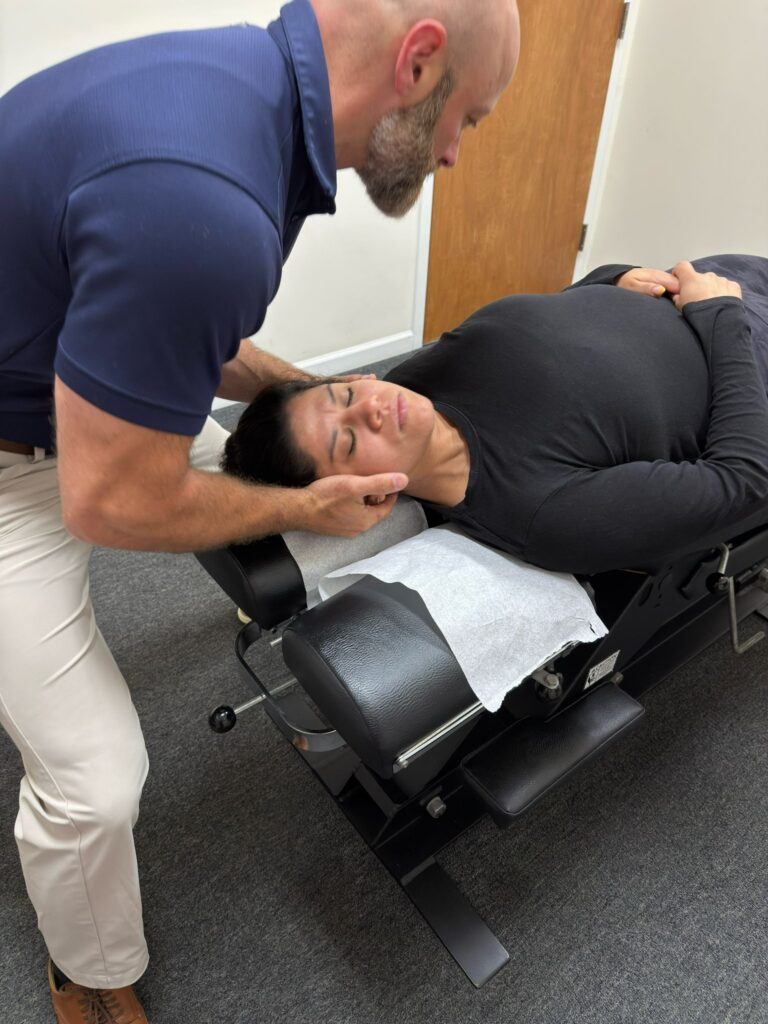
As a local chiropractor, I understand that living with fibromyalgia can feel like an uphill battle in your quest for effective symptom relief. Finding the right strategies to manage pain and fatigue is crucial, and it often requires a personalized approach. Chiropractic care, combined with other natural healing methods, can play a significant role in improving your quality of life.
Incorporating elements such as proper nutrition, exercise, and mindfulness into your daily routine can enhance your overall well-being. Chiropractic adjustments can help alleviate pain by improving spinal alignment and reducing tension in the body. Additionally, exploring techniques such as massage therapy, acupuncture, and guided relaxation can further support your healing journey.
Let’s discuss some authentic approaches that can make a real difference in managing your fibromyalgia symptoms. Together, we can create a comprehensive plan tailored to your unique needs, helping you regain control and improve your daily life.
Understanding Fibromyalgia: A Comprehensive Overview
As a local chiropractor, I understand that fibromyalgia can be a challenging condition to navigate, especially if you’re unfamiliar with its complexities. This chronic issue primarily impacts your muscles and soft tissues, leading to widespread pain and fatigue that can affect your quality of life.
Many of you might also experience sleep disturbances, cognitive difficulties, and an increased sensitivity to pain. While the exact cause of fibromyalgia remains unclear, it’s believed to stem from a combination of genetic, environmental, and psychological factors. One key aspect is that the way your brain processes pain signals may be altered, which can amplify your discomfort.
Diagnosing fibromyalgia can be quite difficult, as there’s no definitive test available. As your chiropractor, I focus on your reported symptoms and conduct a thorough physical examination to rule out other potential conditions.
Understanding fibromyalgia is essential in order to effectively manage your symptoms. By recognizing the signs and potential triggers, you can take proactive steps towards improving your health.
Knowledge is power in this journey. With the right information, you can seek appropriate treatments and make lifestyle changes that may enhance your overall well-being.
Chiropractic care, along with other natural healing approaches, can offer significant support in managing fibromyalgia. Together, we can work on strategies that aim to alleviate your pain and improve your quality of life.
The Role of Nutrition in Managing Fibromyalgia
As a local chiropractor, I want to emphasize the importance of nutrition in managing fibromyalgia symptoms.
Integrating anti-inflammatory foods into your diet and ensuring proper hydration can be powerful steps toward reducing pain and enhancing your overall wellness.
Let’s delve into how these dietary choices can positively impact your health and support your journey towards natural healing.
Anti-Inflammatory Foods Benefits
As a local chiropractor, I want to emphasize how important it’s to consider the role of nutrition in managing conditions like fibromyalgia. Incorporating anti-inflammatory foods into your diet can significantly alleviate symptoms associated with this condition. These foods not only help reduce inflammation but also promote overall wellness.
By making conscious dietary choices, you may find yourself experiencing less pain and fatigue. Here are some key benefits of including anti-inflammatory foods in your meals:
- Reduced Pain: Many of these foods can effectively lower chronic pain levels, providing you with relief.
- Improved Mood: Nutrient-dense options have been shown to enhance emotional well-being, which is crucial for managing pain.
- Better Sleep: Certain anti-inflammatory foods can facilitate more restful sleep, which is essential for healing and recovery.
- Increased Energy: By nourishing your body with anti-inflammatory foods, you can elevate your energy levels throughout the day, helping you feel more active and engaged.
As your chiropractor, I encourage you to explore these dietary changes alongside your chiropractic care for a more holistic approach to your health.
Importance of Hydration
As a local chiropractor, I want to emphasize the importance of proper hydration in managing fibromyalgia symptoms, alongside the benefits of incorporating anti-inflammatory foods into your diet. Staying well-hydrated enables your body to function at its best, which can significantly reduce fatigue and muscle pain that many of you may experience.
When you’re dehydrated, it can worsen your symptoms, leading to increased discomfort and fatigue. That’s why it’s crucial to drink water consistently throughout the day. You might also enjoy herbal teas or infused water for a refreshing change.
Additionally, be mindful of your hydration needs during physical activity or in hot weather, as your body loses fluids more rapidly in these situations. Remember, even small changes in your hydration habits can lead to noticeable improvements in how you feel.
Mindfulness and Meditation Techniques for Pain Relief
As a local chiropractor, I understand that managing fibromyalgia can be a daunting task. However, I want to share with you how incorporating mindfulness and meditation techniques into your daily routine can significantly alleviate pain and enhance your overall well-being.
These practices encourage you to be present, helping to ease anxiety and promote relaxation, which is essential for those dealing with fibromyalgia. Here are some techniques you may find beneficial:
- Deep Breathing: Begin by taking slow, deep breaths. Inhale deeply through your nose, allowing your abdomen to expand, then exhale gently through your mouth. This simple practice can calm both your mind and body, creating a sense of peace.
- Body Scan Meditation: Find a comfortable position, either sitting or lying down, and mentally scan your body from head to toe. Acknowledge any areas of tension and consciously work to relax those muscles. This technique can help you become more aware of how stress and discomfort manifest in your body.
- Guided Imagery: Picture a serene landscape or a cherished memory that brings you joy. Allow yourself to be fully immersed in this visualization, which can help distract you from pain and foster a sense of tranquility.
- Mindful Movement: Consider engaging in gentle activities such as yoga or tai chi. These mindful movements focus on the sensations within your body and can improve flexibility and relieve tension.
By integrating these mindfulness practices into your routine, you can complement the natural healing benefits of chiropractic care.
Together, we can work towards managing your fibromyalgia symptoms more effectively and improving your overall quality of life. Remember, taking small steps towards mindfulness can lead to significant changes in how you experience pain.
Exercise: Finding the Right Balance
As a chiropractor committed to your health and well-being, I want to emphasize the importance of finding the right balance with exercise, especially when managing conditions like fibromyalgia.
It’s not just about staying active; it’s about engaging in exercises that are gentle yet effective. I encourage you to explore various types of beneficial exercises, such as stretching, yoga, or low-impact activities, tailored to your body’s needs.
Setting realistic goals is crucial. It’s important to approach exercise gradually, ensuring that you don’t push yourself too hard.
Always listen to your body—if something feels uncomfortable or painful, it’s essential to adjust accordingly. This mindful approach can help you maintain an active lifestyle without the risk of overexertion, ultimately contributing to your overall health and enhancing the benefits of chiropractic care and natural healing.
Together, we can find the right balance that works for you!
Types of Beneficial Exercises
As a local chiropractor, I want to emphasize the importance of finding the right balance in exercise to help manage fibromyalgia symptoms. Engaging in specific types of exercises not only helps alleviate pain but also enhances your overall well-being.
Here are some beneficial exercises that I recommend incorporating into your routine:
- Low-impact aerobics: Activities such as walking or cycling are excellent for improving heart health while being gentle on your body. They can elevate your mood and energy levels without causing excessive strain.
- Stretching: Gentle stretches are crucial for enhancing flexibility and reducing muscle tension. Incorporating regular stretching can help maintain your range of motion and prevent stiffness.
- Strength training: Utilizing light weights or resistance bands can effectively build muscle strength and support joint stability. This type of training is important for maintaining proper alignment and reducing the risk of injury.
- Mind-body practices: Techniques like yoga and tai chi are fantastic for promoting relaxation and mindfulness. These practices not only help manage stress but also improve your mental and emotional health, which is key to managing chronic conditions like fibromyalgia.
By integrating these exercises into your daily routine, you can find relief from symptoms and significantly improve your quality of life.
Setting Realistic Goals
As a local chiropractor, I want to emphasize the importance of setting realistic goals for managing fibromyalgia symptoms and incorporating a balanced exercise routine into your life.
It’s crucial to first assess your current abilities and limitations. Rather than pushing yourself to engage in intense workouts, I encourage you to focus on small, achievable milestones that cater to your body’s needs.
For example, consider starting with a simple commitment, like walking for just ten minutes each day. As you become more comfortable, you can gradually increase the duration of your walks. It’s all about breaking your goals down into manageable steps. Celebrate each accomplishment, no matter how small it may seem. This not only enhances your confidence but is also key to preventing burnout.
In my experience, I’ve seen that consistency is far more beneficial than intensity when it comes to exercise. By setting attainable goals, you’ll foster a positive mindset that can significantly contribute to your long-term success in managing fibromyalgia symptoms.
Listening to Your Body
Listening to your body is crucial for effectively managing fibromyalgia symptoms, and as your local chiropractor, I want to help you understand how this can enhance your overall well-being.
By becoming attuned to your physical signals, you can discover what your body requires each day, leading to a better balance between activity and rest. Here are some practical tips to help you tune in to your body:
- Start Slow: Begin by gently increasing your activity level. This gradual approach will prevent you from feeling overwhelmed and ensure your body can adapt comfortably.
- Rest When Needed: Don’t hesitate to take breaks. Your body has a natural way of signaling when it needs downtime, and honoring that can significantly aid your healing process.
- Notice Patterns: Pay attention to which activities seem to trigger your symptoms or uplift your mood. Keeping a journal can be an effective way to track these patterns over time.
- Stay Flexible: Be open to adjusting your plans based on how you’re feeling. It’s completely okay to modify your routine to prioritize your health.
As you learn to listen to your body, remember that chiropractic care can also play a beneficial role in your journey to wellness.
Herbal Remedies and Supplements for Symptom Management
As a local chiropractor, I want to help you understand how incorporating herbal remedies and supplements can enhance your overall wellness, especially when managing fibromyalgia symptoms.
While conventional treatments are vital, exploring natural options may provide additional relief from pain, fatigue, and anxiety.
Herbal remedies such as turmeric are popular in the wellness community due to their anti-inflammatory properties, which can be beneficial for muscle discomfort.
Ginger is another excellent choice; it’s known to help alleviate muscle soreness and promote relaxation.
Additionally, ashwagandha is an adaptogen that may assist in reducing stress levels and boosting your energy.
You might also want to look into supplements like magnesium, which plays a crucial role in muscle function and can help improve sleep quality.
Another valuable addition could be omega-3 fatty acids, typically sourced from fish oil, which have been shown to reduce inflammation and support overall health.
Before adding any new supplements or herbal remedies to your routine, it’s essential to consult with your healthcare provider.
They can guide you in selecting the most suitable options for your specific needs and ensure that these natural approaches don’t conflict with your current treatments.
As your chiropractor, I’m here to support your journey toward holistic health and wellness.
The Benefits of Acupuncture and Massage Therapy
As a local chiropractor, I want to share how acupuncture and massage therapy can significantly enhance your fibromyalgia management by targeting pain and promoting relaxation.
These holistic approaches not only alleviate symptoms but also contribute to your overall well-being. Here’s what you can expect:
- Pain Relief: Both acupuncture and massage therapy are effective in reducing muscle tension and relieving chronic pain, making them valuable tools in your pain management arsenal.
- Improved Sleep: The relaxation techniques utilized in these therapies may enhance your sleep quality, allowing you to wake up feeling more refreshed and ready for the day.
- Stress Reduction: By lowering stress levels, acupuncture and massage can be essential in managing the challenges associated with fibromyalgia. A calmer mind can lead to a calmer body.
- Enhanced Mood: Regular treatments can uplift your mood and provide emotional support, helping you navigate daily challenges with a more positive outlook.
Incorporating these therapies into your wellness routine can lead to remarkable improvements in how you feel every day.
I encourage you to consult with a licensed practitioner to explore how acupuncture and massage therapy can be personalized to meet your specific needs.
Embrace these natural healing methods as steps toward a more comfortable and balanced life.
Cognitive Behavioral Therapy for Coping Strategies
As a local chiropractor, I want to share how Cognitive Behavioral Therapy (CBT) can be an invaluable resource for those managing fibromyalgia symptoms.
While chiropractic care focuses on physical alignment and wellness, understanding the principles of CBT can complement your journey towards better health. This therapeutic approach enables you to develop effective coping strategies and strengthen your emotional resilience.
By shifting your mindset, CBT empowers you to tackle the daily challenges of living with fibromyalgia more effectively. It teaches you how to manage stress, address negative thoughts, and foster a more positive outlook on your health journey.
Incorporating these strategies alongside chiropractic adjustments can lead to a more holistic approach to your well-being, helping you to feel more in control and improve your overall quality of life.
Understanding Cognitive Behavioral Therapy
As a local chiropractor, I want to share how understanding Cognitive Behavioral Therapy (CBT) can significantly benefit those managing fibromyalgia.
While chiropractic care focuses on physical alignment and natural healing, integrating CBT into your wellness routine can enhance your overall approach to health. CBT emphasizes the interplay between your thoughts, feelings, and behaviors, enabling you to identify patterns that might worsen your symptoms.
By adopting a more constructive mindset, you can cultivate healthier coping strategies. Here are some of the key benefits of incorporating CBT:
- Improves self-awareness: It helps you gain a deeper understanding of your thoughts and emotions, which is crucial for holistic healing.
- Reduces negative thinking: You can learn to challenge and reframe unhelpful beliefs that may hinder your recovery.
- Enhances problem-solving skills: CBT arms you with effective techniques to navigate daily challenges, complementing the physical adjustments we make in chiropractic care.
- Promotes emotional resilience: It builds your capacity to manage stressors, which can have a positive impact on your physical well-being.
Developing Coping Mechanisms
As a local chiropractor, I understand that managing fibromyalgia can be quite challenging. One effective approach I often recommend is developing coping mechanisms through strategies like Cognitive Behavioral Therapy (CBT). CBT can really help you in identifying any negative thought patterns that might be intensifying your symptoms. It equips you with tools to reframe those thoughts positively.
In my practice, I encourage patients to set realistic goals and incorporate mindfulness into their daily routines. Positive self-talk is another powerful technique that can shift your mindset. Additionally, breaking tasks down into smaller, manageable steps can significantly reduce feelings of overwhelm, which is often a symptom experienced by those with fibromyalgia.
Keeping a journal can also be a helpful practice. It allows you to track your thoughts and emotions, giving you valuable insights into what might trigger your symptoms.
Remember, it’s all about making progress rather than striving for perfection. By embracing these strategies, you can empower yourself to navigate your fibromyalgia journey with greater resilience and confidence.
If you’re interested in exploring how chiropractic care and natural healing can further support your well-being, I’m here to help you along the way.
Enhancing Emotional Resilience
Enhancing your emotional resilience can significantly improve your experience with fibromyalgia, and as your local chiropractor, I want to share some natural healing techniques that can help you on this journey.
By focusing on your thoughts and behaviors, you can develop effective coping strategies that empower you. Here are some key approaches to consider:
- Identify Negative Thoughts: It’s essential to recognize unhelpful patterns in your thinking. By replacing these with positive affirmations, you can shift your mindset and improve your overall well-being.
- Practice Mindfulness: Staying present and cultivating awareness can effectively reduce anxiety and stress. Mindfulness practices, such as deep breathing or meditation, can be beneficial in managing your symptoms.
- Set Realistic Goals: Breaking tasks into manageable steps can help prevent feelings of overwhelm. Small, achievable goals can lead to a sense of accomplishment and motivate you to keep moving forward.
- Build a Support Network: Connecting with others who understand your journey—from fellow patients to supportive friends and family—can provide the encouragement and guidance you need. Don’t hesitate to lean on your community for support.
Incorporating these strategies into your daily routine can help you navigate the emotional challenges of fibromyalgia, fostering a stronger, more resilient you.
As your chiropractor, I’m here to support you on your path to wellness, emphasizing a holistic approach that considers both your physical and emotional health.
Sleep Hygiene: Improving Rest for Better Health
As a local chiropractor, I want to emphasize the importance of sleep hygiene, especially for those managing conditions like fibromyalgia. Quality rest is vital not only for your overall health but also for the effectiveness of chiropractic care and natural healing.
To help you achieve better sleep, I recommend establishing a consistent bedtime routine. Going to bed and waking up at the same time each day, including weekends, can significantly improve your sleep quality.
It’s also important to create a relaxing sleep environment—keep your bedroom cool, dark, and quiet. You might find that using blackout curtains or a white noise machine can minimize any distractions that disrupt your rest.
Be mindful of your screen time before bed; the blue light emitted by electronic devices can interfere with your natural sleep cycle. Instead, engage in calming activities like reading a book or practicing gentle stretching before sleep.
Additionally, try to limit caffeine and heavy meals in the evening, as these can make it more difficult to fall asleep. Incorporating mindfulness or deep-breathing exercises into your nighttime routine can also be helpful in calming your mind and preparing for restful sleep.
By prioritizing these habits, you can enhance your sleep quality, which is essential for managing fibromyalgia and supporting your overall well-being.
Exploring the Impact of Essential Oils and Aromatherapy
As a local chiropractor, I want to share how essential oils and aromatherapy can be beneficial in managing fibromyalgia symptoms, providing a holistic approach to healing.
Many of my patients have discovered that certain scents can help alleviate pain, reduce stress, and enhance their overall sense of well-being. Here are a few essential oils that you might find helpful:
- Lavender: Renowned for its calming effects, lavender is excellent for easing anxiety and promoting a restful night’s sleep.
- Peppermint: This invigorating oil can be effective in relieving headaches and reducing muscle tension, which is often an issue for those with fibromyalgia.
- Eucalyptus: With its anti-inflammatory properties, eucalyptus can assist in soothing sore muscles and improving circulation, which is crucial for your overall comfort.
- Chamomile: Frequently celebrated for its relaxing qualities, chamomile can help diminish stress and foster a sense of tranquility.
To incorporate these oils into your wellness routine, consider diffusing them in your living space or adding a few drops to a warm bath.
Exploring these natural remedies may help you discover what works best for alleviating your fibromyalgia symptoms.
Building a Support System: Connecting With Others
As a local chiropractor, I understand that connecting with others who share similar health challenges, such as fibromyalgia, can significantly impact your healing journey.
Establishing a support system allows you to share your experiences, celebrate small victories, and gain valuable insights from those who understand what you’re going through. I encourage you to seek out local support groups or online communities where you can connect with fellow fibromyalgia warriors.
Participating in these groups can provide a platform for exchanging coping strategies, discussing various treatment options, and finding encouragement during difficult times.
It’s important to remember that you aren’t alone in this journey, and building connections can help alleviate feelings of isolation.
Additionally, don’t hesitate to reach out to your friends and family. Educating them about fibromyalgia and how chiropractic care can play a role in your overall health can foster deeper connections and enhance their ability to support you.
A strong support system not only empowers you but also contributes to your overall well-being.
Remember, sharing your journey and the benefits of natural healing through chiropractic care can lighten your load and inspire others facing similar challenges.
You deserve this connection and the support that comes with it. Together, we can work towards a healthier, more fulfilling life.
Conclusion
As a local chiropractor, I want to emphasize how incorporating authentic approaches can significantly enhance your experience with fibromyalgia. By placing an emphasis on nutrition, mindfulness, exercise, and establishing a robust support system, you can take charge of your health and manage your symptoms more effectively.
Chiropractic care focuses on holistic healing, and it’s essential to discover what resonates with you personally. Embracing these strategies can lead you to a healthier, more balanced life. Remember, you are not navigating this journey alone—there are many resources and a community of support available to help you flourish. Let’s work together to explore these natural healing methods and empower you on your path to wellness.