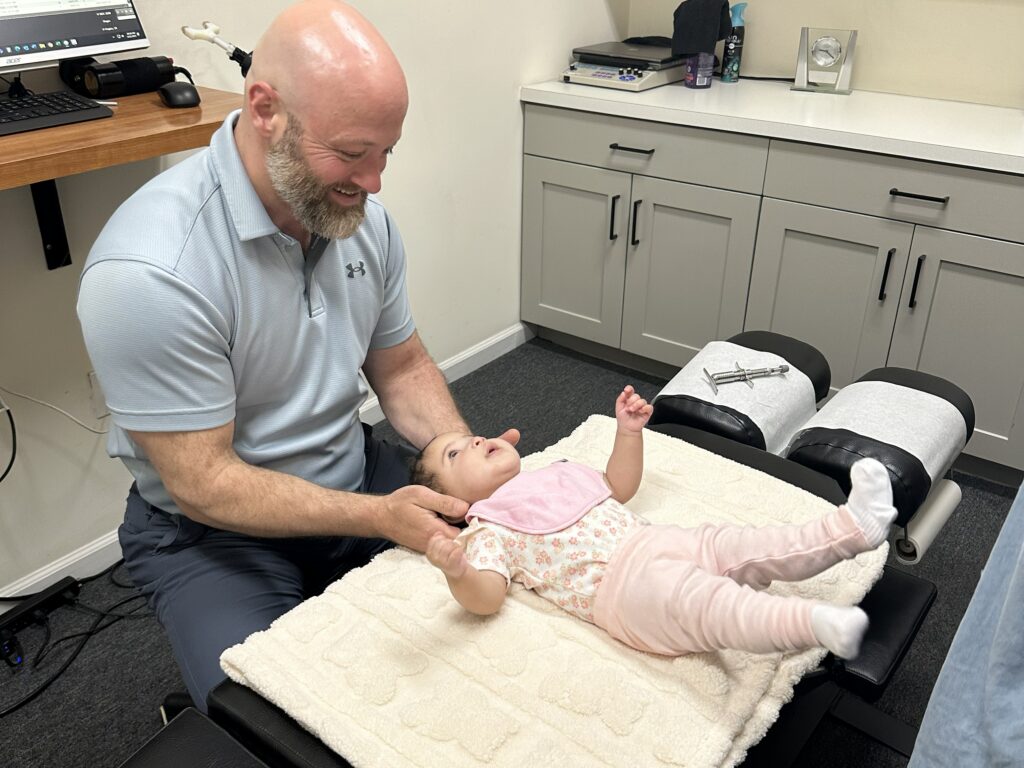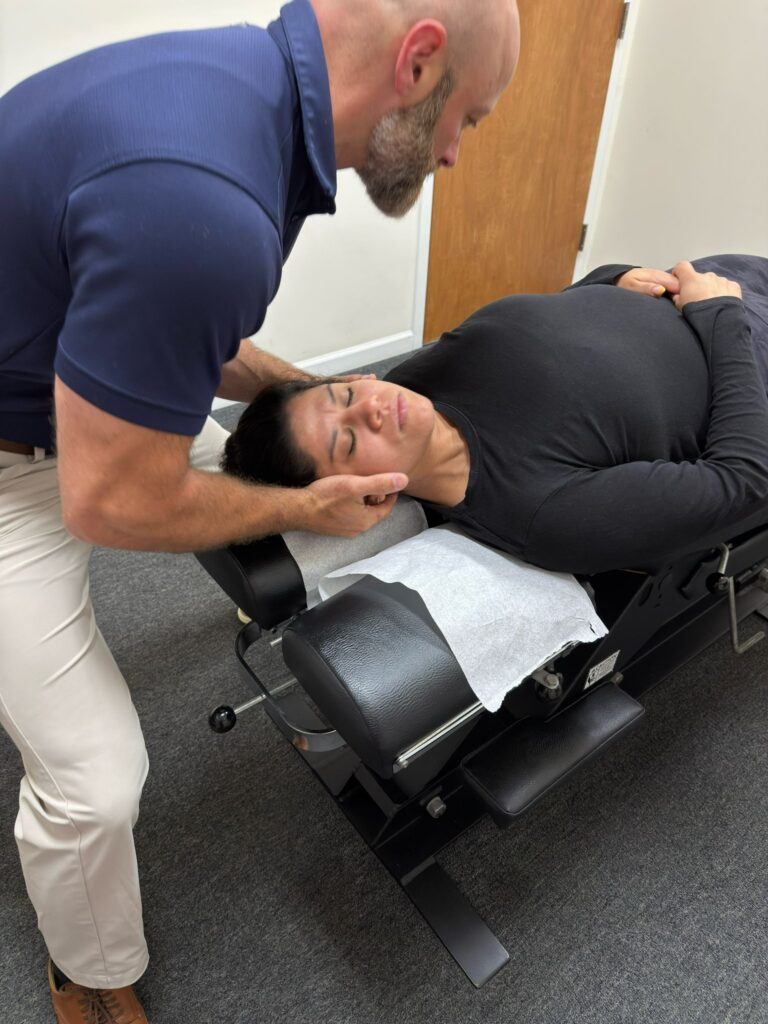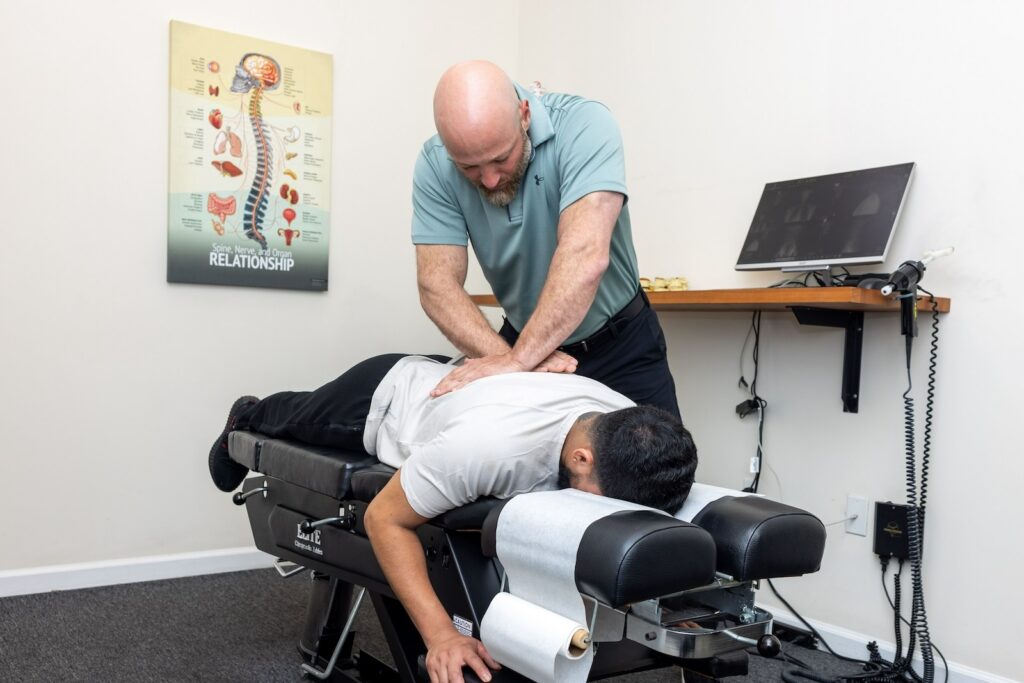

As a local chiropractor, I understand how lower back pain can significantly affect your everyday life, and it’s crucial to find relief. Many people are surprised to discover that simple lifestyle adjustments and targeted exercises can lead to substantial improvement. By focusing on stretching, strengthening your core, and making ergonomic enhancements in your workspace, you can take proactive steps towards alleviating your discomfort.
You might be wondering how these methods can work in harmony to provide relief. Let me guide you through the five best strategies to help you manage and reduce lower back pain naturally. Together, we can explore how chiropractic care, along with these approaches, can empower you to live a more comfortable and active life.
Stretching Exercises
As a local chiropractor, I want to share some valuable insights on how stretching exercises can significantly enhance your comfort and mobility, especially if you’re experiencing lower back pain. Many of my patients find that incorporating simple stretching routines into their daily lives can alleviate tension, improve flexibility, and increase blood flow to the affected areas.
Let’s begin with a gentle movement known as the cat-cow stretch. This exercise is excellent for warming up your spine and releasing tightness. It’s a great way to start your day or to relieve discomfort after long periods of sitting.
Another effective stretch is the child’s pose. This position helps to elongate your back and hips, providing a soothing stretch that can be incredibly relieving for pain in the lower back. It’s a restorative pose that many of my patients enjoy.
You may also benefit from practicing the seated forward bend. In this stretch, you’ll reach for your toes, which encourages flexibility in your hamstrings and lower back. It’s important to approach this stretch mindfully, focusing on your breathing and allowing your body to relax into the position.
I recommend holding each stretch for about 20-30 seconds while taking deep, calming breaths to enhance your relaxation. It’s crucial to avoid bouncing during these stretches, as that can sometimes exacerbate pain rather than relieve it.
By regularly incorporating these stretching exercises into your routine, you can experience a notable improvement in your daily comfort and mobility. This can make managing lower back pain more manageable over time, and it aligns perfectly with a holistic approach to healing that I advocate in my practice.
Strengthening Your Core
As your local chiropractor, I want to emphasize the importance of strengthening your core to effectively manage lower back pain. A strong core is essential because it provides the necessary support for your spine, helping to alleviate discomfort.
It’s important to understand that your core isn’t just about your abdominal muscles—it’s a complex system that includes your back, hips, and pelvis. By strengthening these areas, you can enhance your stability and reduce the strain on your lower back.
Incorporating exercises such as planks, bridges, and bird-dogs into your routine can make a significant difference. I recommend starting with shorter sessions and gradually increasing both the intensity and duration of your workouts. Aim for at least two to three core-strengthening sessions each week for optimal results.
Additionally, focusing on your form is crucial. Proper technique is vital to avoid injury and to ensure you’re getting the most benefit from your exercises.
As your core strength improves, you may notice better posture and increased ease in your daily activities.
Remember, consistency is essential. The more dedicated you’re to strengthening your core, the more support your lower back will receive, aiding in managing and reducing pain effectively.
If you have any questions or need guidance on specific exercises, don’t hesitate to reach out. I’m here to help you on your journey to better health through natural healing and chiropractic care.
Ergonomic Adjustments
As a chiropractor, I want to emphasize that strengthening your core is an excellent foundation for managing lower back pain. However, it’s just as crucial to evaluate your environment, particularly your workspace.
Start by adjusting your chair to ensure it provides adequate support for your lower back. Your feet should rest flat on the floor, and your knees should form a right angle. It’s also important to position your computer screen at eye level to prevent unnecessary strain on your neck.
If your job requires prolonged sitting, remember to take regular breaks. Stand up, stretch, and take a short walk to keep your muscles engaged. You might also want to explore using a standing desk or an ergonomic chair designed to promote healthy posture.
When typing, focus on keeping your wrists straight and your elbows close to your body. A footrest can be a helpful addition to maintain proper posture and support your lower back.
Heat and Cold Therapy
As a local chiropractor, I want to share some effective strategies for managing lower back pain, particularly through the use of heat and cold therapy. These natural methods can significantly enhance your relief efforts and promote healing.
Heat therapy is a wonderful way to soothe tight muscles and improve blood flow in the affected area. I often recommend using a heating pad, a warm towel, or even enjoying a warm bath for about 15-20 minutes.
Just remember to keep the heat warm, but not too hot, to avoid any burns.
On the flip side, cold therapy can serve as a great tool to reduce inflammation and numb sharp pain. You can use a cold pack or even a bag of frozen peas wrapped in a cloth.
Apply it for about 15-20 minutes at a time. It’s important to alternate between heat and cold based on what feels best for you and your body.
Always listen to your body; if one method doesn’t provide the relief you’re seeking, don’t hesitate to try the other.
Consistency is crucial, so I encourage you to incorporate these therapies regularly into your routine to effectively manage discomfort and support your recovery journey.
If you have any questions or need guidance on how to use these therapies effectively, please don’t hesitate to reach out!
Mindfulness and Relaxation Techniques
As a local chiropractor, I often see how incorporating mindfulness and relaxation techniques can significantly help alleviate lower back pain for my patients. By focusing on the present moment, you can effectively reduce stress and tension, which are common contributors to discomfort in the back.
A great place to start is with deep breathing exercises. Inhale slowly through your nose, hold for a moment, and then exhale gently through your mouth. This practice not only calms your mind but also helps to relax the muscles surrounding your spine.
I also recommend trying guided imagery or meditation. Imagine a serene scene that brings you peace, allowing yourself to release any stress you may be holding onto.
Additionally, practicing yoga or gentle stretching can increase your flexibility and relieve tightness in your back, further supporting your chiropractic care.
I encourage you to set aside a few minutes each day for these techniques. Not only will this aid in relieving your pain, but it will also enhance your overall well-being.
Conclusion
As a local chiropractor, I want to share some effective methods that can help alleviate your lower back pain. By integrating these five approaches into your daily routine, you can significantly improve your comfort and overall well-being.
Firstly, gentle stretching is crucial; it helps maintain flexibility and reduces tension in your muscles. Secondly, strengthening your core is essential. A strong core supports your spine and can prevent further pain.
Additionally, consider making ergonomic adjustments in your workspace and daily activities. Proper posture and support can make a significant difference in your comfort levels.
Heat and cold therapy are also valuable tools; using heat can relax tight muscles, while cold therapy can reduce inflammation and numb pain. Lastly, practicing mindfulness techniques, such as deep breathing or meditation, can help you manage pain and stress.
Remember, consistency is key. By making these techniques a regular part of your life, you can create a holistic approach to healing. With time and commitment, you’ll likely experience relief and an enhanced quality of life. Take the first step towards your comfort today!