Why You Should See A Chiropractor for Neck Pain

Neck pain is one of the most common complaints we hear about in our offices — and for good reason. Whether it comes on suddenly after sleeping in an awkward position or builds gradually from years of desk work and screen time, neck pain can seriously disrupt your daily life. It affects your ability to focus, sleep, work, and even enjoy time with the people you care about. If you've been dealing with neck stiffness, soreness, or limited range of motion, you're not alone — and there's a good chance that chiropractic care could help. At Fanwood Back Relief Center, with offices in Fanwood and Flemington, NJ, Dr. Eric Chludzinski works with patients every day who are looking for real, lasting relief from neck pain without medications or surgery.
What Is Chiropractic Care for Neck Pain?
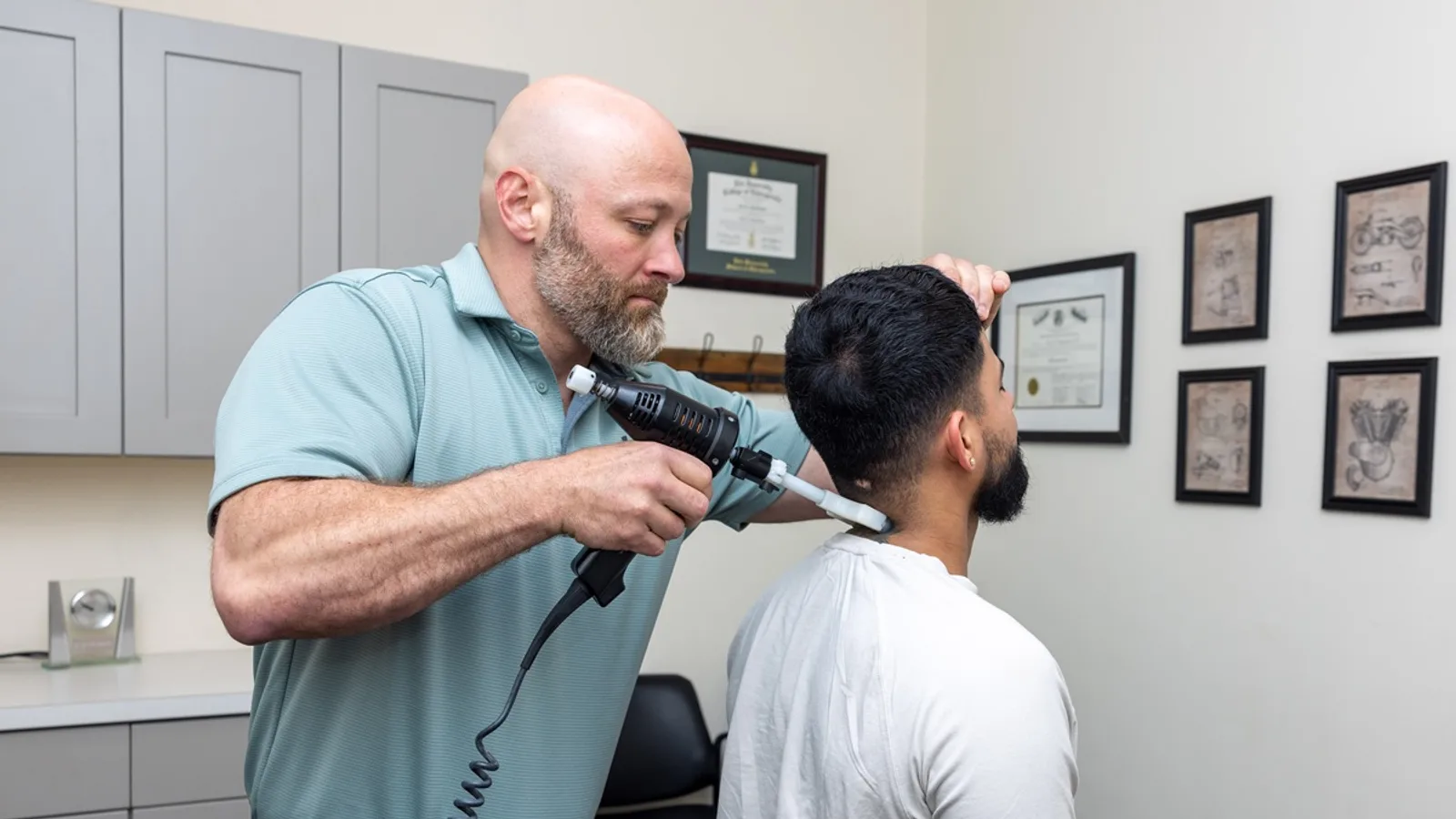
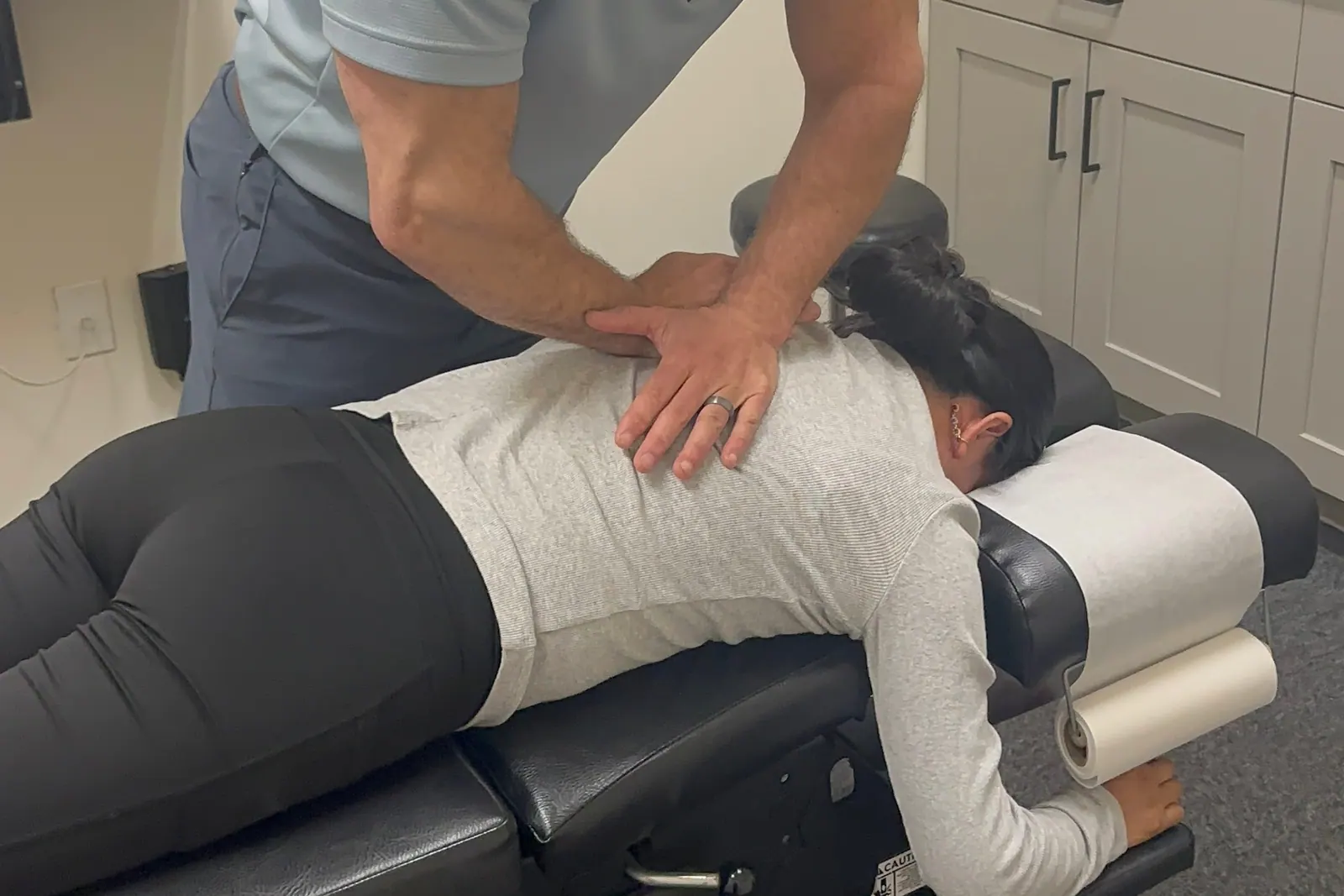
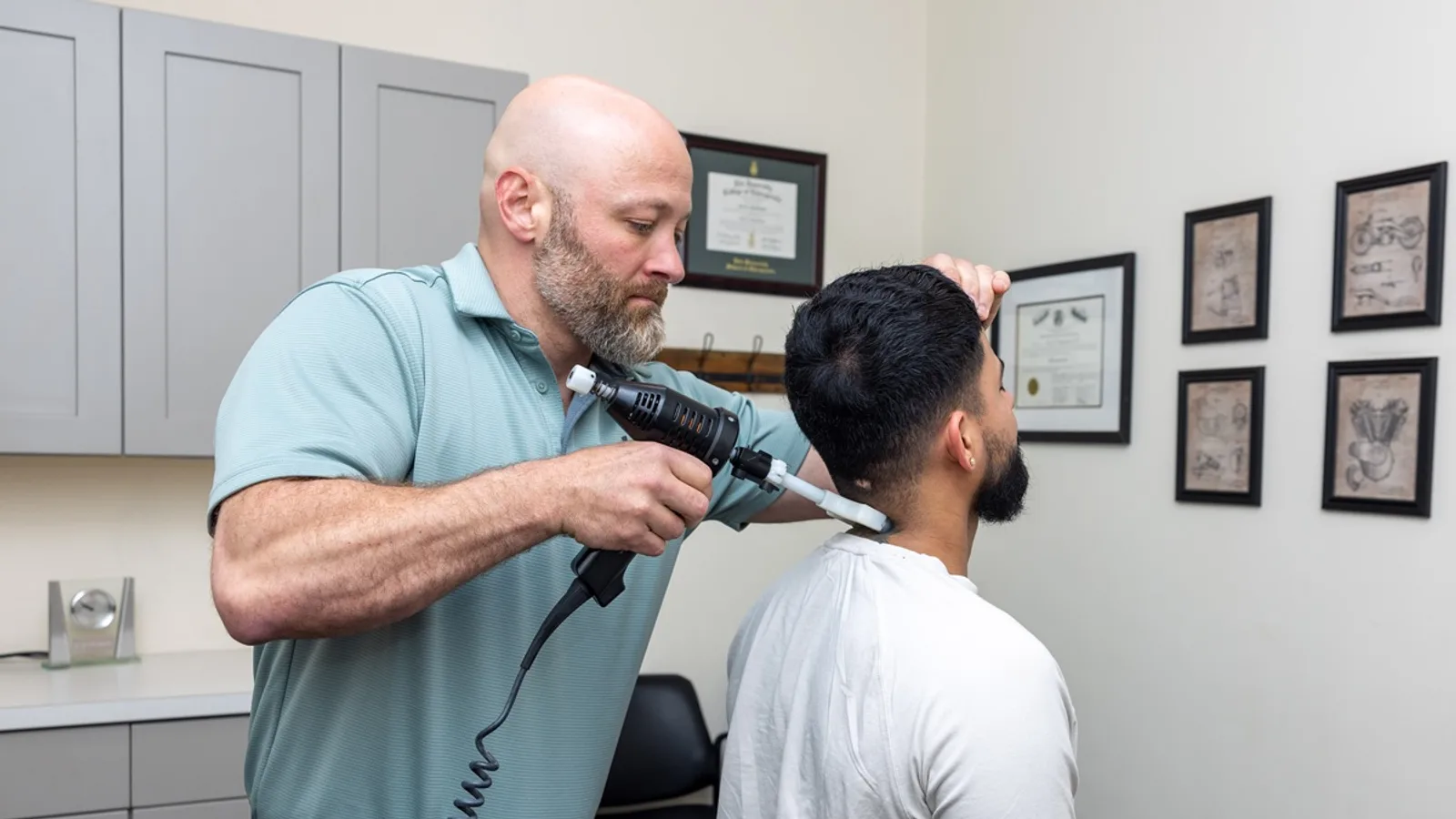
Chiropractic care for neck pain is a hands-on, non-invasive approach that focuses on restoring proper alignment and movement to the joints of the cervical spine (the neck region). Through manual chiropractic adjustments, a chiropractor gently corrects misalignments that may be contributing to pain, stiffness, nerve irritation, and muscle tension in the neck and surrounding areas.
- Why Neck Pain Happens
- Signs and Symptoms You Shouldn't Ignore
- How Chiropractic Care Helps Neck Pain
- What to Expect at Fanwood Back Relief Center
- Practical Tips for Neck Pain Relief at Home
- When to See a Chiropractor for Neck Pain
- Myths vs. Facts About Chiropractic and Neck Pain
- Final Thoughts
Why Neck Pain Happens
The neck — or cervical spine — is an incredibly mobile and somewhat vulnerable part of your body. It supports the weight of your head (roughly 10 to 12 pounds on average) and allows you to turn, tilt, and flex your head in multiple directions. All of that movement, day after day, makes the cervical spine susceptible to stress and strain.
In our experience seeing patients across both Fanwood and Flemington, some of the most common contributors to neck pain include poor posture, prolonged sitting at a computer or desk, repetitive motions, sleeping positions, and old injuries like whiplash from auto accidents. Each of these can place abnormal stress on the vertebrae, discs, muscles, and nerves of the neck.
One increasingly common cause is what many people call "tech neck" — the forward head posture that develops when you spend hours looking down at a phone, tablet, or laptop. For every inch your head moves forward in front of your shoulders, the effective weight load on your cervical spine increases significantly. Over time, this places enormous strain on the joints and muscles of the neck.
Spinal misalignments — called subluxations in chiropractic terminology — can develop as a result of these ongoing stressors. When the cervical vertebrae lose their proper alignment or range of motion, it can lead to joint irritation, muscle tension, nerve pressure, and pain. This is precisely where chiropractic adjustments are designed to make a difference.
Signs and Symptoms You Shouldn't Ignore
Not all neck pain is the same. Some people experience a dull, constant ache. Others feel sharp, stabbing pain when they turn their head. Some describe tightness and stiffness that makes it hard to look over their shoulder while driving. All of these are worth paying attention to.
At Fanwood Back Relief Center, patients from both Fanwood and Flemington come in describing a wide range of neck-related symptoms. Beyond pain in the neck itself, cervical spine problems can also contribute to headaches (especially at the base of the skull), shoulder tension, arm numbness or tingling, and even difficulty with balance or concentration — depending on which nerves are involved.
If your neck pain has been lingering for more than a few days, is getting progressively worse, or is accompanied by radiating symptoms into your arms, it's worth having a professional evaluation. Catching the problem early often means a faster and smoother recovery.
How Chiropractic Care Helps Neck Pain
Chiropractic care takes a root-cause approach to neck pain. Rather than masking symptoms with medications, the goal is to identify and address the underlying mechanical issues in the spine that are contributing to your discomfort. Manual chiropractic adjustments are the core of this approach, and they have a long track record as a conservative, evidence-informed option for cervical spine problems.
Research published in peer-reviewed journals and recognized by organizations like the American College of Physicians (ACP) suggests that spinal manipulation is a viable first-line treatment for acute and chronic neck pain. The ACP has included spinal manipulative therapy among its recommended non-pharmacological options for managing musculoskeletal pain, which is an important recognition of the value chiropractic care can offer.
When Dr. Eric Chludzinski performs a cervical adjustment, the goal is to restore proper joint motion and alignment in the neck. This can help reduce inflammation around the affected joints, relieve pressure on nearby nerves, decrease muscle guarding and tension, and improve your overall range of motion. Many patients report feeling noticeable relief even after their first few visits, though the number of sessions needed varies based on the nature and duration of your condition.
It's important to understand that chiropractic care is not a "one size fits all" approach. Dr. Chludzinski evaluates each patient individually — taking into account their health history, the specific nature of their neck pain, and their overall spinal health — before determining the best course of care. What works for one patient may look different for another, and that personalization is part of what makes chiropractic effective.
What to Expect at Fanwood Back Relief Center
If you're new to chiropractic care and wondering what happens during a visit, that's completely understandable. Many people have questions — or even a little nervousness — before their first adjustment. The process at Fanwood Back Relief Center, whether you visit the Fanwood or Flemington office, is straightforward and focused on your comfort.
Your first visit will typically begin with a thorough consultation and examination. Dr. Eric Chludzinski will ask about your symptoms, how long you've been experiencing them, what makes them better or worse, and your overall health history. He may also perform orthopedic and neurological assessments to better understand what's happening in your cervical spine. If X-rays are needed, they may be taken at that time.
From there, Dr. Chludzinski will develop a personalized care plan. Chiropractic adjustments to the cervical spine involve a precise, controlled manual force applied to specific vertebral joints that have been found to be restricted or misaligned. The technique is skilled and targeted — not rough or forceful. The goal is always to work with your body, not against it. Many patients find the adjustments to be a relief rather than something to be feared.
Care plans are typically structured around a series of visits, with the frequency and duration tailored to your specific condition and how your body is responding. Progress is monitored along the way, and adjustments to the plan are made as needed.
Practical Tips for Neck Pain Relief at Home
Chiropractic adjustments are most effective when paired with healthy habits outside of the office. Here are some practical steps that can support your recovery and help prevent neck pain from returning.
First, pay attention to your workstation setup. If you're working at a desk in Fanwood, Flemington, or anywhere else for hours each day, your screen should be at eye level to avoid constantly tilting your head down or craning forward. Your chair should provide good lumbar support, and your keyboard and mouse should be positioned so your arms are relaxed and your shoulders aren't elevated.
Second, be mindful of your phone habits. Try to hold your phone up closer to eye level when reading or scrolling rather than bending your neck down toward it. Even small changes in how you hold your device can reduce cumulative strain on your cervical spine over time.
Third, check your sleeping position. Sleeping on your stomach forces your neck into a prolonged rotated position, which can contribute to stiffness and pain. Side sleeping or back sleeping with an appropriately supportive pillow tends to be gentler on the cervical spine.
Finally, don't underestimate the value of gentle, mindful movement throughout your day. Sitting in one position for extended periods — without taking breaks to move your neck and shoulders — allows tension to build up. Brief movement breaks every 30 to 60 minutes can make a real difference in how your neck feels by the end of the day.
When to See a Chiropractor for Neck Pain
A good rule of thumb is this: if your neck pain hasn't resolved on its own within a few days, or if it keeps coming back, it's worth seeking a professional evaluation. You shouldn't have to just "live with" neck pain as though it's unavoidable.
Chiropractic care is especially worth considering when your neck pain is accompanied by stiffness, reduced range of motion, recurring headaches, or shoulder discomfort. These patterns often point to a mechanical issue in the cervical spine that manual adjustments are well-suited to address.
However, there are certain red flags that warrant immediate medical attention rather than a chiropractic visit. These include neck pain following a significant trauma (like a car accident or fall), severe or rapidly worsening symptoms, pain accompanied by high fever, unexplained weight loss, or any neurological symptoms such as sudden weakness, loss of coordination, or difficulty with bladder or bowel control. In these situations, please seek emergency medical care promptly. Dr. Eric Chludzinski and the team at Fanwood Back Relief Center will always refer patients out when a situation calls for a different level of care — your safety is always the priority.
Neck Pain Causes and How Chiropractic Addresses Them
| Common Cause of Neck Pain | How It Affects the Cervical Spine | How Chiropractic Adjustments Can Help |
|---|---|---|
| Poor Posture / Tech Neck | Increased mechanical load on cervical vertebrae, joint stress, muscle fatigue | Restores joint alignment and motion, reduces compensatory muscle tension |
| Whiplash / Auto Injury | Ligament strain, vertebral misalignment, inflammation | Gentle cervical adjustments restore normal joint mechanics and mobility |
| Repetitive Strain / Work Posture | Gradual loss of cervical curve, joint restriction | Improves range of motion, corrects segmental dysfunction |
| Sleeping Position Problems | Sustained awkward cervical positioning causing stiffness | Adjustments reduce joint stiffness and restore normal movement patterns |
| Stress and Muscle Tension | Chronic muscle guarding, reduced cervical mobility | Spinal adjustment helps normalize joint function, reducing associated tension |
Myths vs. Facts About Chiropractic and Neck Pain
Myth: Chiropractic adjustments to the neck are dangerous.
Fact: Chiropractic cervical adjustments, when performed by a licensed and trained chiropractor, are considered a safe and evidence-informed treatment option for neck pain. As with any healthcare intervention, there are risks involved, and Dr. Eric Chludzinski performs a thorough evaluation before recommending any adjustment. Serious adverse events from cervical chiropractic care are considered rare in the literature.
Myth: You'll need to keep going to the chiropractor forever once you start.
Fact: The length of care depends entirely on your condition, your goals, and how your body responds. Many patients come to Fanwood Back Relief Center with an acute issue and achieve their goals in a defined number of visits. Some choose to continue with periodic wellness care by their own choice, but it is never a requirement.
Myth: Neck pain will go away on its own, so there's no need to see anyone.
Fact: While mild neck soreness can resolve with rest, recurring or persistent neck pain often points to an underlying mechanical problem that won't self-correct. Leaving spinal misalignments unaddressed can allow compensatory patterns to develop, potentially making the problem worse over time.
Myth: Chiropractic care is only for back pain.
Fact: While lower back pain is certainly a common reason people visit chiropractors, chiropractic care is designed to address the entire spine — including the cervical spine. Neck pain is one of the most frequently treated conditions in chiropractic offices, and research supports its effectiveness in this area.
Myth: The popping sound during an adjustment means something is being "cracked."
Fact: The sound sometimes heard during a chiropractic adjustment is caused by a release of gas pressure within the joint — similar to what happens when you crack your knuckles. It is not bones breaking or grinding. Many patients find the sound satisfying, while others notice no sound at all during their adjustments.
Final Thoughts
Neck pain is not something you have to simply push through or accept as a permanent part of your life. Whether you're dealing with stiffness from long hours at a desk, lingering tension from an old injury, or the kind of dull ache that just never seems to fully go away — there is help available, and it doesn't have to involve medications or surgical procedures.
At Fanwood Back Relief Center, Dr. Eric Chludzinski is committed to helping people throughout both the Fanwood and Flemington communities find real relief through honest, thorough, hands-on chiropractic care. With offices conveniently located in both Fanwood and Flemington, NJ, we welcome patients who are looking for a trusted chiropractor near them who genuinely listens and takes a thoughtful, individualized approach to care.
If neck pain has been holding you back, we'd love to help you understand what's going on and work toward getting you feeling like yourself again. The first step is simply reaching out.
Frequently Asked Questions About Chiropractic Care for Neck Pain
How many chiropractic visits does it take to relieve neck pain?
The number of visits varies depending on the nature, severity, and duration of your neck pain. Some patients experience meaningful relief within a few visits, while others with more longstanding conditions may need a longer course of care. Dr. Eric Chludzinski will give you a realistic picture of what to expect during your initial evaluation at either our Fanwood or Flemington office.
Is chiropractic care safe for neck pain?
Yes, chiropractic care is widely regarded as a safe, non-invasive option for cervical spine pain when performed by a qualified, licensed chiropractor. A thorough health history and examination are conducted prior to any adjustment to ensure it is appropriate for your situation. If chiropractic care is not the right fit for your condition, you will be referred to the appropriate provider.
Can a chiropractor help with headaches related to neck pain?
Yes. Headaches that originate from the cervical spine — often called cervicogenic headaches — are commonly associated with neck dysfunction and can respond well to chiropractic adjustments. Many patients in Fanwood and Flemington seek care for both neck pain and related headaches and find that addressing the cervical spine helps both issues.
What's the difference between a chiropractic adjustment and a massage for neck pain?
Chiropractic adjustments are specific, targeted manual techniques applied to spinal joints to restore proper alignment and motion. They address the structural and neurological aspects of spinal function. While both approaches can support comfort and wellness, chiropractic adjustments are focused on the mechanical integrity of the spine in a way that is distinct from massage therapy.
Can I see a chiropractor if my neck pain came from a car accident?
Yes, chiropractic care is commonly sought after auto accidents, particularly for whiplash injuries that affect the cervical spine. Dr. Chludzinski will conduct a thorough evaluation to understand the nature of your injury before recommending care. Early evaluation after a whiplash injury is generally beneficial for recovery outcomes.
Do I need a referral to see a chiropractor for neck pain?
In most cases, you do not need a referral to visit a chiropractor. Chiropractors are primary contact healthcare providers, meaning you can schedule an appointment directly. If you're unsure about your specific situation, you're always welcome to call either our Fanwood or Flemington location and ask.
TL;DR Summary
- Neck pain is extremely common and is often caused by poor posture, repetitive strain, old injuries, or spinal misalignments that develop over time.
- Manual chiropractic adjustments are a non-invasive, drug-free approach to neck pain that aim to restore proper joint alignment, reduce nerve irritation, and improve range of motion.
- Dr. Eric Chludzinski at Fanwood Back Relief Center provides individualized chiropractic care at offices in both Fanwood and Flemington, NJ.
- Simple daily habits — like improving your workstation ergonomics, adjusting phone habits, and sleeping in a supportive position — can complement your chiropractic care and help prevent recurring neck pain.
- If your neck pain is persistent, recurring, or accompanied by other symptoms like headaches or arm tingling, it's worth scheduling a chiropractic evaluation sooner rather than later.