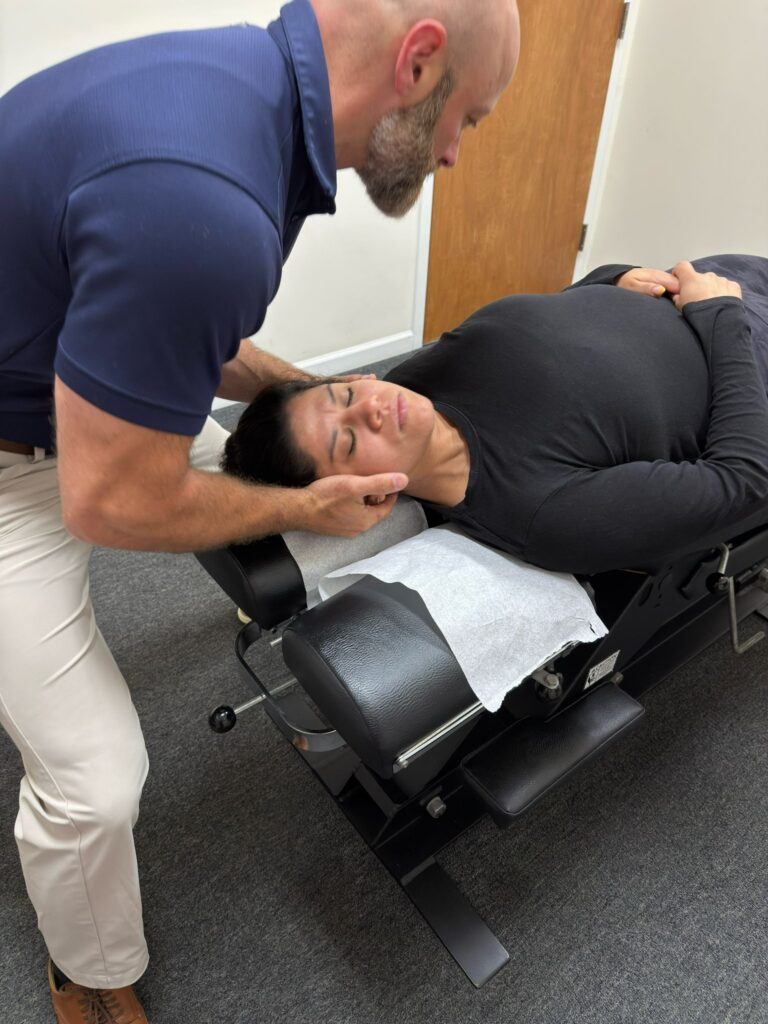
Headaches can be a real obstacle in your daily life, often affecting your mood and productivity. As a chiropractor, I believe that addressing the root causes of headaches is essential for achieving long-lasting relief. The great news is that there are natural methods you can incorporate into your daily routine to help prevent these pesky headaches without relying on medications or invasive procedures.
Let’s explore some simple and effective strategies that not only promote wellness but also support spinal health—an essential component in maintaining overall well-being.
- Stay Hydrated: Dehydration is a common trigger for headaches. Ensure you’re drinking plenty of water throughout the day. Proper hydration supports spinal health and can alleviate tension.
- Maintain Good Posture: Poor posture places stress on your spine, which can lead to headaches. Be mindful of your posture while sitting or standing, especially if you work at a desk. Consider ergonomic furniture or take regular breaks to stretch.
- Regular Chiropractic Adjustments: Chiropractic care focuses on aligning the spine and optimizing nervous system function. Regular adjustments can address misalignments that lead to headaches and enhance your body’s natural healing abilities.
- Practice Stress Management: Stress is a significant contributor to headaches. Incorporate relaxation techniques such as deep breathing, meditation, or yoga into your routine. These practices not only calm your mind but also promote spinal health.
- Optimize Your Sleep: Quality sleep is vital for overall health. Ensure your sleeping environment is conducive to rest, and consider how your mattress and pillow support your spine. Proper sleep can reduce headache frequency.
- Limit Screen Time: Excessive screen time can lead to eye strain and tension headaches. Take regular breaks from screens and practice the 20-20-20 rule: every 20 minutes, look at something 20 feet away for 20 seconds.
- Incorporate Regular Exercise: Physical activity is important for spinal health and can help reduce the frequency and intensity of headaches. Aim for a mix of cardio and strength training to keep your body balanced.
- Watch Your Diet: Certain foods can trigger headaches. Pay attention to your diet and identify any potential culprits. A balanced diet rich in fruits, vegetables, and whole grains supports overall health.
- Use Hot/Cold Therapy: Applying a hot or cold compress to your neck and shoulders can relieve tension and reduce headache pain. This simple practice can be very effective in promoting relaxation.
- Listen to Your Body: If you notice specific activities or environments trigger your headaches, take note. Understanding your body’s signals is key to prevention and can guide you in making healthier lifestyle choices.
By implementing these strategies, you can take proactive steps toward preventing headaches naturally. Remember, chiropractic care plays a vital role in supporting your journey to optimal health and well-being. If you’re struggling with persistent headaches, consider visiting your local chiropractor for a thorough assessment and personalized care plan. Together, we can work towards a headache-free life!
Key Takeaways
- Stay well-hydrated by tracking your water intake and incorporating water-rich foods like fruits and vegetables. Proper hydration is essential for overall health and can help prevent dehydration-related headaches, which can often be linked to spinal tension and misalignment.
- Establish a calming bedtime routine and limit blue light exposure an hour before sleep. Quality sleep is crucial for your health and can help reduce headache frequency. Consider consulting your chiropractor to discuss how spinal adjustments may improve your sleep quality.
- Practice mindfulness and relaxation techniques, such as deep breathing and progressive muscle relaxation. These methods can alleviate tension in your body, especially in areas that may be contributing to headache pain. A chiropractor can guide you through exercises that promote relaxation and enhance your body’s awareness of stressors.
- Create a comfortable workspace with ergonomic furniture and proper lighting. Maintaining good posture while working supports spinal health and can minimize headaches. Regular breaks to stretch and move can help keep your spine aligned and reduce tension.
- Utilize essential oils like peppermint and lavender to create a calming environment. While these can enhance your relaxation, remember that chiropractic care is a powerful tool for tension relief. Regular adjustments can help keep your body in balance, making it easier to manage headaches naturally.
By incorporating these simple practices into your daily routine and prioritizing chiropractic care, you can take significant steps toward achieving optimal health and reducing headache occurrences naturally.
Stay Hydrated: The Power of Water
Water is your body’s best ally when it comes to preventing headaches, and as your local chiropractor, I want to emphasize the importance of staying hydrated for both your spinal health and overall well-being. Proper hydration is crucial for maintaining optimal brain function, and when you’re even slightly dehydrated, it can lead to discomfort or pain in your head.
To help keep headaches at bay, aim to drink enough water throughout the day. A good starting point is to track your water intake. Carrying a reusable water bottle can be a great reminder to sip regularly. If you’re active or spending time in warmer environments, don’t hesitate to increase your water consumption.
Remember, hydration isn’t just about drinking water; foods rich in water content, like fruits and vegetables, can also play a significant role in keeping you hydrated.
Listening to your body is key. If you feel thirsty, it’s your body’s way of telling you to drink up! Making hydration a regular part of your daily routine can significantly reduce the frequency and intensity of headaches, allowing you to focus more on your health and wellness goals.
Chiropractic care is another essential element in achieving optimal health and managing pain naturally. Regular visits to your chiropractor can help ensure that your spine is aligned, which can improve your overall health, including your hydration levels and headache management.
Prioritizing water intake alongside chiropractic adjustments supports a healthier you, leading to clearer, headache-free days. Remember, a well-hydrated body and a properly aligned spine work hand in hand for your overall wellness!
Maintain a Regular Sleep Schedule
To keep headaches at bay, maintaining a regular sleep schedule is essential. By setting consistent sleep times, you allow your body to establish a natural rhythm that can enhance your overall well-being. It’s also beneficial to limit screen time before bed, as this can lead to better sleep quality, which is vital for preventing headaches.
As a chiropractor, I emphasize the importance of good sleep not just for headache prevention, but for your spinal health as well. A well-rested body can recover and heal more effectively, which is crucial for maintaining proper alignment and function of your spine.
Here are some simple tips to help you improve your sleep routine:
- Set a Consistent Bedtime: Go to bed and wake up at the same time every day, even on weekends. This consistency helps regulate your body’s internal clock.
- Create a Relaxing Bedtime Ritual: Engage in calming activities like reading or gentle stretching to signal to your body that it’s time to wind down.
- Limit Blue Light Exposure: Reduce screen time at least an hour before bed. The blue light emitted by phones and computers can interfere with your body’s natural sleep-wake cycle.
- Make Your Sleep Environment Comfortable: Ensure your bedroom is dark, quiet, and at a comfortable temperature to promote restful sleep.
- Stay Active During the Day: Regular physical activity can help you fall asleep faster and enjoy deeper sleep. Just be sure not to exercise too close to bedtime.
By incorporating these habits into your daily routine, you can significantly enhance your sleep quality, reduce the frequency of headaches, and support your overall health.
Set Consistent Sleep Times
Getting enough quality sleep is essential for preventing headaches, and establishing a consistent sleep schedule can be a key factor in achieving this. Aim to go to bed and wake up at the same time every day, even on weekends. This routine helps regulate your body’s internal clock, leading to improved sleep quality. When your body knows what to expect, you’ll fall asleep faster and enjoy deeper rest, which is crucial for overall well-being.
To further enhance your sleep quality, consider creating a calming bedtime ritual that signals to your body that it’s time to wind down. This could include reading a good book, practicing meditation, or doing gentle stretches to relax your muscles and spine. Such practices not only prepare your body for rest but also promote a healthy spine, which is vital for overall health.
By committing to consistent sleep times, you’ll not only improve your sleep but also help reduce the frequency and intensity of headaches. This means you’ll wake up feeling refreshed and ready to take on the day, leading to a more enjoyable and productive life.
Limit Screen Time Before Bed
Maintaining a regular sleep schedule is crucial for improving your sleep quality and preventing headaches, but there’s another key factor to consider: limiting screen time before bed. The blue light emitted by our devices—phones, tablets, and computers—can interfere with your body’s natural sleep cycle, making it more challenging to relax and drift off to sleep.
To support your overall well-being, I recommend setting aside at least an hour before bedtime to unplug from all screens. Instead of scrolling or binge-watching, consider engaging in calming activities such as reading a book, practicing mindfulness, or gentle stretching.
These activities not only help your mind unwind but also signal to your body that it’s time for rest. By making this simple adjustment, you may find that your sleep improves significantly, which can lead to fewer headaches and better overall health.
Remember, chiropractic care can also play a vital role in your wellness journey. Regular adjustments can help alleviate tension and stress in your body, contributing to a more restful night’s sleep.
Prioritizing these practices is an excellent step towards achieving optimal health naturally, without relying on medications or surgeries.
Practice Mindfulness and Relaxation Techniques
Dealing with headaches can be challenging, but there are natural ways to find relief, and chiropractic care can play a crucial role in your wellness journey. By focusing on the alignment of your spine and overall body mechanics, we can address the root causes of your headaches rather than just the symptoms.
One effective technique to help manage headache pain is mindfulness and relaxation. Start by focusing on your breath. Inhale deeply through your nose, hold it for a moment, and then exhale slowly through your mouth. This practice not only calms your mind but also helps reduce tension that can lead to headaches.
In addition to breathing exercises, progressive muscle relaxation can be beneficial. This involves tensing each muscle group in your body for a few seconds and then releasing them. By doing this, you can become more aware of where you hold tension and help alleviate it, which is essential for preventing headaches.
Incorporating a short daily meditation into your routine can also enhance your mindfulness practice. Just five to ten minutes of quiet reflection can increase your awareness of stressors, allowing you to manage them more effectively. This is where chiropractic care can complement your efforts, as adjustments can improve your body’s overall function and reduce stress.
Lastly, guided imagery can be a powerful tool. Picture a serene environment, like a peaceful beach or a calming forest. This mental escape can help shift your focus away from pain and promote relaxation, ultimately contributing to headache relief.
Remember, these techniques are great for managing headaches, but regular chiropractic care is key to maintaining a healthy spine and reducing the likelihood of headaches in the first place.
Incorporate Regular Physical Activity
Incorporating regular physical activity into your daily routine can significantly help in managing headaches. As a chiropractor, I want to emphasize how movement and exercise can enhance your overall health and well-being. When you engage in physical activity, you promote better blood circulation and release endorphins, which are your body’s natural pain relievers.
It’s beneficial to aim for at least 30 minutes of moderate exercise most days of the week. Activities such as walking, swimming, or cycling are great options that can help alleviate headache symptoms.
Don’t overlook the importance of stretching and flexibility exercises. These practices can relieve tension in your neck and shoulders—common triggers for headaches. Simple stretches can be done at home or even during your work breaks, making it easier to incorporate them into your day.
Even short bursts of activity can make a difference. Try to stand, stretch, or take a brief walk during your breaks to keep your body moving and reduce tension.
Listen to your body; if you sense a headache coming on, gentle movements like yoga or easy stretching can be incredibly helpful.
Monitor Your Diet: Foods That Fight Headaches
A well-balanced diet plays a crucial role in managing headaches, as certain foods can either trigger or alleviate symptoms. By focusing on what you eat, you can support your overall wellness and possibly reduce headache occurrences. Moreover, maintaining a healthy lifestyle complements chiropractic care, which is an excellent way to manage pain naturally and promote optimal health.
Here’s a helpful guide to foods that can combat headaches:
| Headache-Fighting Foods | Foods to Avoid | Benefits |
|---|---|---|
| Leafy Greens | Processed Foods | Rich in magnesium, which can help relax muscles and reduce tension |
| Fatty Fish | Aged Cheeses | Packed with omega-3 fatty acids known to reduce inflammation |
| Nuts and Seeds | Alcohol | Provide essential nutrients that support brain health |
In addition to a healthy diet, consider these general tips to help manage headaches:
- Stay Hydrated: Dehydration is a common headache trigger, so make sure you drink plenty of water throughout the day.
- Regular Exercise: Incorporating physical activity into your routine can help reduce stress and tension, which are often contributors to headaches.
- Practice Good Posture: Maintaining proper alignment can prevent tension headaches. Regular chiropractic adjustments can help keep your spine aligned and your muscles relaxed.
- Stress Management: Engage in relaxation techniques such as deep breathing, meditation, or yoga. These practices can help reduce stress levels and thus minimize headache frequency.
- Sleep Well: Ensure you get enough restful sleep each night, as lack of sleep can lead to increased headache occurrences.
Create a Comfortable Work Environment
Creating a comfortable work environment is crucial for managing headaches and supporting your overall wellness. Start by ensuring your workspace is well-lit, ideally with natural light, which can help reduce eye strain and promote a positive atmosphere. If you need to use artificial lighting, choose soft, warm bulbs that minimize glare, making it easier on your eyes.
Your chair and desk setup should encourage good posture, as proper alignment is essential for spinal health. Consider investing in ergonomic furniture that provides support for your back and neck, helping to prevent discomfort that could lead to headaches.
Keeping your workspace organized and clutter-free can also help reduce distractions and maintain focus. Don’t forget the importance of taking regular breaks—step away from your screen every hour to stretch, move around, and give your eyes a rest. This practice not only helps alleviate tension but also supports better spinal health.
Maintaining a comfortable room temperature is another key factor in preventing tension buildup, which can contribute to headaches. Aim for a temperature that feels pleasant and conducive to concentration.
Lastly, personalize your workspace with calming elements such as plants or soothing colors. These can uplift your mood and create a more relaxing environment. By making these simple adjustments, you’ll not only enhance your productivity but also create a supportive atmosphere that promotes better health and helps keep headaches at bay.
Explore Essential Oils for Relief
Essential oils can be a helpful addition to your wellness routine, especially when it comes to relieving headaches. As a chiropractor, I believe in the power of natural healing and the body’s ability to heal itself, and essential oils can be a great complement to chiropractic care.
Let’s explore how to effectively use these oils for headache relief while also prioritizing your overall spinal health.
When it comes to headaches, it’s essential to understand the underlying causes. Often, tension or misalignments in the spine may contribute to headaches. That’s where chiropractic care shines, addressing those issues directly to promote better alignment and reduce pain. However, incorporating essential oils can enhance your relief experience.
Some of the most effective essential oils for headaches include peppermint, lavender, and eucalyptus. Here’s how you can use them safely:
- Application Methods: You can apply diluted essential oils directly to your temples or the back of your neck. Make sure to mix the essential oil with a carrier oil, like coconut or jojoba oil, to avoid skin irritation.
- Aromatherapy: Diffusing essential oils in your home can create a calming environment, which may help reduce headache triggers. Lavender oil, in particular, is known for its relaxing properties.
- Hot or Cold Compress: Add a few drops of essential oil to a warm or cold compress and apply it to your forehead or neck. This can help relieve tension and promote blood flow.
- Safety Precautions: Always do a patch test before applying a new essential oil to your skin, and consult with a healthcare professional if you have any concerns, especially if you’re pregnant or nursing.
While essential oils can provide relief, remember that regular chiropractic adjustments can also help prevent headaches by maintaining proper spinal alignment and reducing tension in your body.
Combining these approaches can lead to a more holistic approach to your health and wellness. Incorporating essential oils into your routine is just one way to support your journey to optimal health.
Focus on maintaining a healthy lifestyle through regular chiropractic care, proper hydration, good posture, and stress management techniques. These practices can enhance your overall well-being and help you live a pain-free life.
Best Essential Oils
When it comes to seeking natural relief for headaches, incorporating essential oils can be a beneficial addition to your wellness routine. These concentrated plant extracts not only promote relaxation but can also complement chiropractic care in managing headache pain.
Lavender oil is a fantastic choice due to its calming properties that can help ease tension. Pairing this with regular chiropractic adjustments can enhance your overall sense of well-being.
Peppermint oil is another great option; its revitalizing scent can provide a refreshing sensation that may help alleviate tension headaches.
Eucalyptus oil is particularly effective for clearing the sinuses, which can often contribute to headache discomfort. Remember, maintaining proper spinal alignment through chiropractic care can also play a significant role in reducing headaches caused by tension and misalignment.
If you’re seeking something uplifting, consider rosemary oil. It can help stimulate circulation, which may boost your mood and energy levels.
Lastly, chamomile oil is well-known for its soothing effects, perfect for unwinding after a long day.
By experimenting with these essential oils alongside regular chiropractic care, you can discover what works best for you. Making these oils a staple in your natural headache relief toolkit can enhance your overall health journey.
Application Methods
When exploring natural ways to relieve headaches, essential oils can be a wonderful addition to your wellness routine. However, it’s important to remember that chiropractic care is a highly effective method for addressing the root causes of headaches, such as spinal misalignments and tension in the neck. Combining chiropractic adjustments with essential oils can enhance your overall health and comfort. Here are three effective ways to use essential oils for headache relief:
| Method | Description | Recommended Oils |
|---|---|---|
| Inhalation | Add a few drops to a diffuser or inhale directly from the bottle for quick relief. | Lavender, Peppermint |
| Topical Application | Mix with a carrier oil and gently massage onto your temples or neck to ease tension. | Eucalyptus, Rosemary |
| Bath Soak | Incorporate a few drops into your bath for a calming experience that promotes relaxation. | Chamomile, Bergamot |
While experimenting with these methods, remember that regular chiropractic visits can greatly improve your spinal health and reduce the frequency and intensity of headaches. It’s all about finding what works best for you. Make sure to listen to your body, and don’t hesitate to try different combinations of these natural approaches alongside chiropractic care for optimal results!
Safety Precautions
Using essential oils for headache relief can be a calming and natural approach to managing discomfort. However, it’s essential to prioritize your safety while exploring this option. Always remember to dilute essential oils with a carrier oil, like coconut or jojoba oil, before applying them to your skin. This simple step can help reduce the risk of irritation or allergic reactions.
Before you start, consider performing a patch test on a small area of skin to ensure you don’t have any adverse reactions. If you’re pregnant, nursing, or have any underlying health conditions, it’s a good idea to consult a healthcare professional before using essential oils. Additionally, avoid ingesting essential oils unless under professional guidance, as they can potentially be harmful.
When using essential oils, store them in a cool, dark place to protect their potency and keep them away from children. These precautions not only enhance your experience with essential oils but also align with the principles of natural healing that chiropractic care promotes.
Chiropractic care focuses on the overall well-being of your body and can be an excellent complementary approach for headache relief. Regular adjustments can help alleviate tension and improve spinal alignment, which may contribute to reducing headache frequency and intensity.
Try Acupressure and Massage Therapy
As a chiropractor, I understand that headaches can be a frustrating challenge, and I want to share some natural techniques that can help you find relief without the need for medications or invasive procedures.
While chiropractic care is an excellent choice for addressing the underlying causes of headaches, complementary practices like acupressure and massage therapy can also provide effective relief.
Here are four simple techniques you can use to alleviate headaches:
- Locate Pressure Points: Start by finding the webbing between your thumb and index finger. Applying firm pressure here for a few minutes can help relieve tension that may be contributing to your headache. This technique can be a great way to promote relaxation and reduce discomfort.
- Neck and Shoulder Massage: Gently massaging your neck and shoulders can be incredibly beneficial. Focus on tight areas, as stress often accumulates here and can lead to headaches. Regular self-massage in these areas helps maintain muscle balance and can alleviate pain.
- Temple Pressure: Using your fingertips, apply gentle circular pressure to your temples. This can help ease pain and discomfort associated with headaches. Remember, taking a moment to tune into your body can make a significant difference.
- Self-Massage: Spend a few minutes rubbing your forehead and scalp. This simple technique promotes relaxation and can reduce the severity of headaches. Incorporating this into your daily routine can be a wonderful way to support your overall wellness.
While these techniques can be helpful, remember that chiropractic care is a powerful approach to addressing the root causes of headaches.
Regular chiropractic adjustments can help improve spinal alignment, reduce tension, and promote overall health. By prioritizing your spinal health, you can create a solid foundation for a pain-free life.
Limit Caffeine and Alcohol Intake
Managing headache triggers often requires a holistic approach that goes beyond just physical techniques. One important aspect to consider is your intake of caffeine and alcohol. While enjoying your morning coffee or an evening glass of wine can be a part of daily life, these substances may lead to dehydration and even rebound headaches, which can increase discomfort.
Let’s break down how caffeine and alcohol might be impacting your health:
| Substance | Impact on Headaches | Recommended Limit |
|---|---|---|
| Caffeine | Can lead to withdrawal headaches | Limit to 1-2 cups/day |
| Alcohol | Dehydrates and can trigger headaches | Limit to 1 drink/day |
| Both | Can disrupt sleep and increase tension | Avoid excessive intake |
By being mindful of these substances, you can take proactive steps to support your overall wellness. In addition to limiting caffeine and alcohol, chiropractic care can play a significant role in promoting natural healing and pain relief. Regular chiropractic adjustments can help alleviate tension in the body, improve spinal alignment, and enhance your overall health.
Keep a Headache Journal to Identify Triggers
Keeping a headache journal can be a transformative step towards understanding your symptoms and enhancing your overall wellness. By tracking when and where your headaches occur, you’ll begin to notice patterns and potential triggers that may be affecting your health. This simple practice can provide valuable insights into how your body responds to various factors, allowing you to make informed choices about your well-being.
As a chiropractor, I encourage you to also note any environmental factors that might contribute to your headaches, such as changes in weather or exposure to strong odors. Understanding these triggers can help you avoid them in the future and promote a healthier lifestyle.
Additionally, consider how your spinal health may play a role in your headaches. Misalignments in the spine can lead to tension and discomfort, which may trigger headaches. Regular chiropractic adjustments can help realign your spine, relieve muscle tension, and support your body’s natural healing processes.
Incorporate some general tips to support your wellness journey: stay hydrated, maintain a balanced diet, and practice stress-reducing activities like yoga or meditation. These lifestyle changes, combined with chiropractic care, can be instrumental in achieving optimal health and reducing headache occurrences.
Track Symptoms and Patterns
Tracking your headache symptoms can uncover patterns and triggers that you may not have been aware of. As a local chiropractor, I encourage you to keep a headache journal as a powerful tool for understanding your headaches and promoting natural healing.
By capturing specific details about your headaches, you can identify what might be causing them and how chiropractic care can help alleviate the pain. Here are four essential elements to include in your journal:
- Date and Time: Document when your headache occurs to help identify any recurring patterns. This information can be crucial when discussing your symptoms with your chiropractor.
- Intensity: Rate your pain on a scale from 1 to 10. Understanding the severity of your headaches can assist in creating a personalized care plan that targets your specific needs.
- Duration: Keep track of how long each headache lasts. Knowing the duration can help your chiropractor determine the type of headache you’re experiencing and the best approach for treatment.
- Possible Triggers: Note any food, activities, or stressors that seem to contribute to your headaches. Identifying triggers can lead to lifestyle adjustments that enhance your overall well-being.
This method not only empowers you to take charge of your headache management but also opens up opportunities to explore how chiropractic adjustments can support your body’s natural healing processes.
Note Environmental Factors
Environmental factors can significantly influence the onset of headaches, making it important to keep track of them in your headache journal. Begin by noting the weather changes, humidity levels, and any temperature shifts you experience. Your environment matters too; things like strong smells, bright lights, and loud noises may exacerbate your discomfort.
Consider the impact of your daily routines—stress at work or home can also play a role in triggering headaches. By keeping a detailed record of these elements, you can start to recognize patterns and identify specific triggers that may be contributing to your pain. This awareness gives you the power to make necessary adjustments in your life, such as steering clear of certain environments or reducing exposure to irritants.
Moreover, incorporating chiropractic care into your wellness routine can be a powerful ally in managing headaches. A chiropractor can help address misalignments in your spine, which may be contributing to your discomfort. Regular adjustments not only relieve tension but also promote overall health and well-being.
Stay consistent with your tracking and consider making chiropractic visits a regular part of your health regimen. With time, you’ll likely see positive changes in your headache frequency and intensity, leading to a more enjoyable, healthier lifestyle.
Conclusion
As a local chiropractor dedicated to your health and wellness, I want to share ten surprising steps you can easily incorporate into your daily routine to naturally prevent headaches. By prioritizing your spinal health and overall well-being, you can significantly reduce headache occurrences and improve your quality of life.
- Stay Hydrated: Dehydration is a common trigger for headaches. Make sure you’re drinking enough water throughout the day to keep your body and spine functioning optimally.
- Prioritize Sleep: Quality sleep is essential for your overall health. Aim for 7-9 hours of restorative sleep each night to help your body heal and reduce tension that can lead to headaches.
- Practice Mindfulness: Techniques such as meditation and deep breathing can help you manage stress, which is often a culprit for headaches. Taking a few moments each day to center yourself can make a big difference.
- Monitor Your Diet: Certain foods can trigger headaches in some individuals. Keep a food diary to identify any potential culprits and make adjustments as needed.
- Explore Essential Oils: Aromatherapy with essential oils like lavender or peppermint can provide soothing relief. Consider using them during your relaxation routine to help ease tension.
- Maintain Good Posture: Poor posture can strain your spine and lead to headaches. Be mindful of your posture while sitting, standing, and working to reduce stress on your neck and back.
- Stay Active: Regular exercise promotes spinal health and releases endorphins, which can help alleviate pain. Aim for at least 30 minutes of physical activity most days of the week.
- Schedule Regular Chiropractic Visits: Chiropractic care is a natural and effective way to address headaches. A chiropractor can assess your spine, identify misalignments, and provide adjustments to relieve tension and pain.
- Limit Screen Time: Excessive screen time can lead to eye strain and headaches. Take regular breaks from screens and practice the 20-20-20 rule: every 20 minutes, look at something 20 feet away for 20 seconds.
- Manage Your Stress: Chronic stress can contribute to headaches. Engage in activities that help you unwind, such as yoga, reading, or spending time outdoors.
By incorporating these steps into your daily life and prioritizing chiropractic care, you can take charge of your health and work towards a headache-free future. Remember, being proactive and attentive to your body’s needs is key to achieving optimal wellness. Start today and embrace a healthier, happier you!