
Migraines can be incredibly debilitating, but as a local chiropractor, I want to share some unexpected techniques that can help you find relief and promote overall wellness. Staying hydrated, utilizing essential oils, and adjusting your sleep environment are just a few simple changes that can make a significant difference in reducing migraine triggers and easing tension.
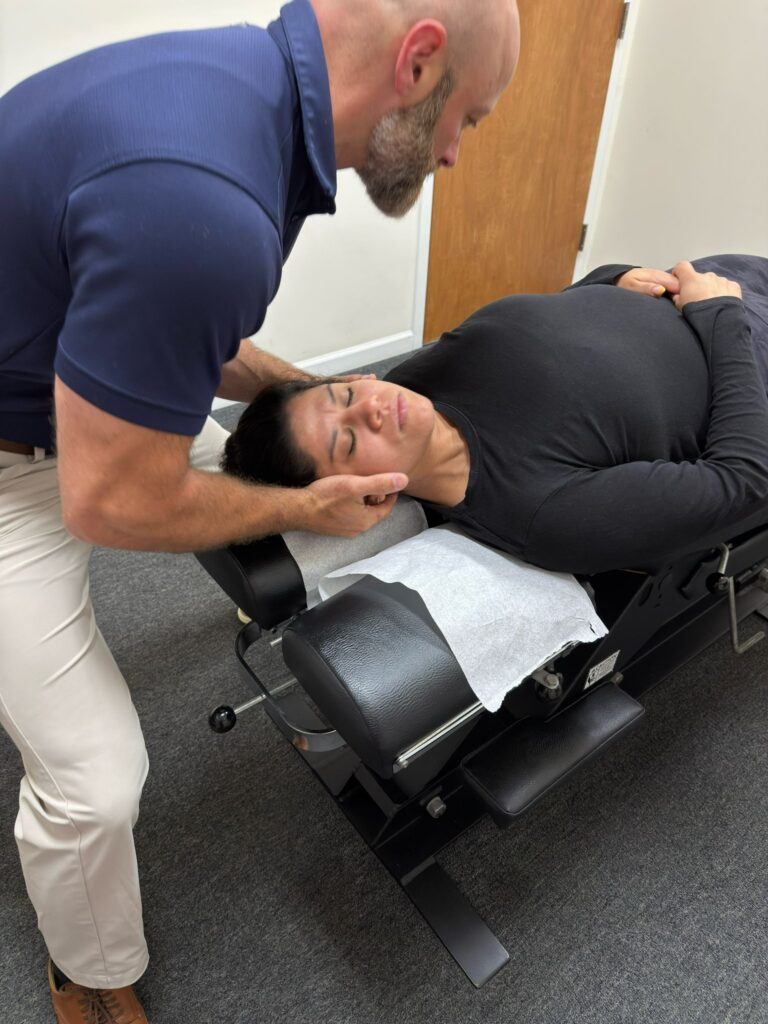
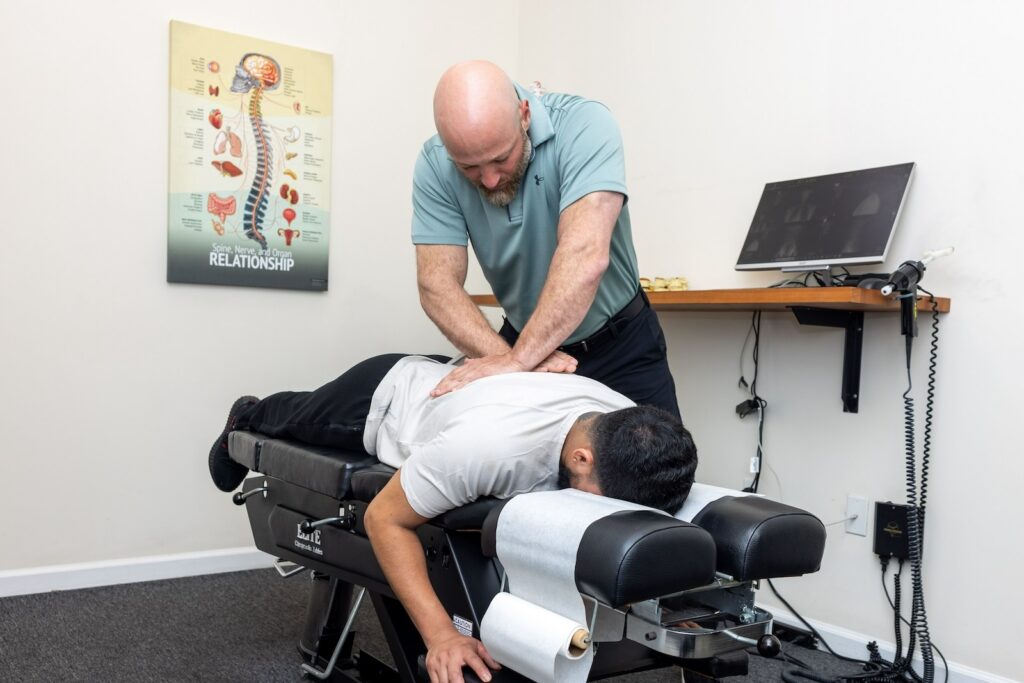
One of the best ways to manage migraines is through chiropractic care. By addressing spinal alignment and ensuring that your nervous system functions optimally, we can help reduce the frequency and intensity of migraines. Regular chiropractic adjustments can alleviate tension in your neck and back, which are often contributors to migraine pain.
In addition to chiropractic care, consider incorporating these general tips into your routine for better health and migraine prevention:
- Stay Hydrated: Dehydration can trigger migraines, so ensure you’re drinking enough water throughout the day.
- Essential Oils: Certain essential oils, like peppermint and lavender, can be soothing. Applying them to your temples or using a diffuser can create a calming environment.
- Optimize Your Sleep Environment: Create a peaceful sleeping space by reducing noise and light, and maintain a regular sleep schedule to promote better rest.
- Mindfulness and Relaxation Techniques: Stress is a common trigger for migraines. Practices such as yoga, meditation, or deep-breathing exercises can help reduce stress levels.
- Regular Exercise: Engaging in regular physical activity can improve overall wellness and reduce tension that may lead to migraines.
- Balanced Diet: Eating regular, balanced meals can help prevent blood sugar fluctuations that might trigger migraines.
- Posture Awareness: Be mindful of your posture, especially when sitting for extended periods. Proper alignment can reduce strain on your neck and back.
Curious about how these methods work and what else you can try for prevention? Chiropractic care is a fantastic starting point for managing migraines more effectively and achieving optimal health. Let’s work together to explore these strategies and find the best approach for you!
Key Takeaways
- Try using essential oils such as lavender and peppermint. These natural remedies not only promote relaxation but can also be beneficial in managing migraine discomfort. As a chiropractor, I often emphasize the importance of holistic approaches for overall wellness.
- Regular acupressure on points like LI4 (located between your thumb and index finger) and GV20 (at the top of your head) can help ease migraine pain and reduce tension. This technique complements chiropractic care, which focuses on aligning the spine to support your nervous system and overall health.
- Pay attention to your diet by maintaining a low-histamine intake. Steering clear of aged cheeses and processed meats may minimize migraine triggers. Nutrition plays a key role in your health, and chiropractic care can help support your body’s natural healing processes.
- Establishing a consistent sleep schedule and creating a restful sleep environment is crucial. Quality sleep aids in recovery and can help prevent migraines. Chiropractic adjustments can also improve sleep by alleviating discomfort and promoting relaxation.
- Incorporate daily mindfulness meditation into your routine. This practice can help manage stress, which is a common trigger for migraines. Chiropractic care also emphasizes the mind-body connection, making it a valuable tool for enhancing your overall well-being and reducing the frequency of migraine attacks.
By integrating these techniques with regular chiropractic care, you can take significant steps toward achieving optimal health and reducing migraine occurrences. Remember, pain relief and wellness can be naturally achieved through a holistic approach!
Embrace the Power of Hydration
How often do you consider the crucial role hydration plays in your overall health? Staying properly hydrated is essential for everyone, especially if you’re looking to prevent migraines. When your body doesn’t get enough water, it can easily become dehydrated, which can lead to headaches and make you more susceptible to migraines.
Even mild dehydration can be a trigger for those painful episodes. To help keep migraines at bay, aim for at least eight glasses of water a day, but feel free to adjust that based on how active you’re and the climate you live in. Hot weather or intense workouts may require you to drink more fluids.
Pay attention to your body—if you’re feeling thirsty, it’s a clear sign you need to hydrate. Keeping a water bottle with you can serve as a great reminder to drink throughout the day. Additionally, incorporating hydrating foods like fruits and vegetables into your diet can boost your hydration levels.
Remember, while hydration is vital, it’s also important to focus on your overall wellness. Regular chiropractic care can help optimize your body’s functioning, support your hydration efforts, and promote natural healing.
Explore the Benefits of Essential Oils
While many individuals seek natural remedies for migraine relief, essential oils can be a wonderful complement to your overall wellness routine. These concentrated plant extracts offer various benefits that can help soothe your symptoms and enhance your well-being. For example, lavender oil is well-known for its calming properties, while peppermint oil can help alleviate tension headaches.
Here’s a brief overview of some popular essential oils and their effects:
| Essential Oil | Benefits |
|---|---|
| Lavender | Reduces stress and anxiety |
| Peppermint | Eases tension and enhances focus |
| Eucalyptus | Clears sinuses and promotes relaxation |
| Rosemary | Boosts circulation and energy |
Incorporating essential oils into your daily routine can be simple and effective. You might consider diffusing them in your living space, applying diluted oil to your temples, or enjoying a warm bath with a few drops of your favorite oil. However, it’s important to remember that while essential oils can provide temporary relief, they work best alongside a holistic approach to health.
As a chiropractor, I emphasize the importance of spinal health and proper alignment in achieving optimal wellness. Regular chiropractic adjustments can help alleviate the root causes of headaches and migraines by addressing tension in the spine and improving overall nervous system function.
For lasting relief, consider scheduling regular chiropractic sessions. Additionally, implementing healthy lifestyle choices—such as staying hydrated, maintaining a balanced diet, managing stress through mindfulness, and practicing good posture—can further support your journey towards better health.
Try Acupressure for Relief
Acupressure can be a valuable tool in your wellness toolkit for managing migraine pain and tension, but as a chiropractor, I want to emphasize that chiropractic care is often the best choice for achieving optimal health and natural wellness.
While acupressure provides some immediate relief, addressing the root causes of migraine through spinal adjustments and holistic care can lead to lasting improvements.
Acupressure involves applying pressure to specific points on your body, which may help relieve muscle tightness and improve circulation. However, I encourage you to consider incorporating chiropractic adjustments into your routine. These adjustments can help realign your spine, reduce tension, and improve your overall nervous system function, which is crucial for preventing migraines.
If you decide to try acupressure, start with the LI4 point located between your thumb and index finger. Gently pressing this area while taking deep breaths can offer some relief. You might also find the GV20 point, located at the top of your head, helpful for tension relief.
While exploring acupressure, remember that regular chiropractic care can enhance your results. It’s about creating a comprehensive approach to your health.
The combination of spinal adjustments and self-care techniques like acupressure can empower you to take control of your wellness.
Consistency is essential, whether you’re using acupressure or visiting your chiropractor. Establishing a routine that includes both can lead to long-term benefits in managing migraines and improving your overall health.
Incorporate Regular Mindfulness Meditation
Integrating mindfulness meditation into your daily routine can significantly enhance your ability to manage migraines and support your overall well-being. This simple practice helps cultivate awareness, reduce stress, and promote relaxation—all crucial elements for minimizing migraine episodes.
Here’s how to get started, keeping in mind the importance of chiropractic care for your health journey:
- Set a Schedule: Just like you’d schedule a chiropractic appointment, dedicate a specific time each day for your mindfulness meditation practice. Consistency is key to reaping the benefits.
- Create a Calm Space: Find a quiet, comfortable spot in your home where you can sit without distractions. This environment will help you focus entirely on your meditation, enhancing your relaxation and stress relief.
- Choose a Technique: Explore different meditation methods, such as guided meditations or breath-focused practices. Discover what resonates with you, as finding the right approach can make your experience more enjoyable and effective.
- Be Patient: Remember that just like improving your spinal health takes time and commitment, so does developing a mindfulness practice. Don’t expect immediate results; stay dedicated and you’ll start to notice the benefits over time.
Incorporating mindfulness meditation alongside regular chiropractic care can create a powerful synergy for managing migraines and achieving optimal health.
Focus on these practices, and you may find a natural path to relief and wellness.
Experiment With a Low-Histamine Diet
If you’re dealing with migraines, exploring a low-histamine diet might be a beneficial step on your journey to wellness.
While chiropractic care is key for managing pain and promoting natural healing, understanding the role of diet in your overall health can enhance your recovery.
By identifying foods to avoid and getting familiar with the positives of low-histamine eating, you can take charge of your health alongside your chiropractic care. This approach not only helps in alleviating migraine symptoms but also supports your body’s natural healing processes.
Here are some simple tips to help you with this dietary shift:
- Keep a Food Diary: Track what you eat and your migraine patterns. This can help you pinpoint which foods may trigger your headaches.
- Focus on Fresh Foods: Fresh fruits, vegetables, and unprocessed meats are generally lower in histamines. Incorporating these into your meals can make a significant difference.
- Plan Meals Ahead: Meal planning can simplify your grocery shopping and help ensure you have low-histamine options readily available.
- Stay Hydrated: Drinking plenty of water is crucial for overall health and can aid in reducing headache frequency.
- Combine with Chiropractic Care: Regular chiropractic adjustments can help alleviate tension and improve spinal health, which is essential for optimal wellness.
By integrating these dietary changes with your chiropractic treatments, you can work towards a holistic approach to managing your migraines and achieving overall health.
Foods to Avoid
To effectively manage migraines and support your overall well-being, consider adopting a low-histamine diet. Certain foods may trigger or worsen your symptoms, and by identifying and avoiding these, you can potentially find relief.
Here are four common foods to steer clear of:
- Aged cheeses – Cheddar, blue cheese, and parmesan can be high in histamine and may contribute to headache symptoms.
- Cured meats – Salami, pepperoni, and other processed meats often contain histamine, which might lead to discomfort.
- Fermented foods – Items like sauerkraut, kimchi, and yogurt can provoke headaches for some people.
- Alcohol – Red wine and certain beers can trigger migraines due to their histamine content.
In addition to dietary changes, it’s important to prioritize your spinal health, as misalignments can contribute to tension and discomfort.
Regular chiropractic care can help ensure that your spine is properly aligned, which may reduce the frequency and severity of migraines.
Remember, maintaining a healthy lifestyle, staying hydrated, and managing stress through techniques like deep breathing or gentle exercise can also support your overall health and help you manage migraines more effectively.
Always listen to your body, and if you experience ongoing symptoms, consider consulting with a chiropractor for personalized advice on achieving optimal wellness.
Benefits of Low-Histamine
Adopting a low-histamine diet can be a beneficial step for those experiencing migraines, and it complements the natural healing approach of chiropractic care. By lowering histamine levels in your body, you may find that your migraine triggers decrease, leading to fewer attacks overall. Many high-histamine foods, such as aged cheeses, fermented products, and processed meats, can worsen your symptoms.
Instead, focusing on fresh, whole foods can’t only help reduce pain but also promote your overall wellness.
As a chiropractor, I often emphasize the importance of nutrition in supporting spinal health and overall well-being. By choosing nutrient-rich foods, you can enhance your body’s healing processes, which aligns perfectly with the principles of chiropractic care.
You might notice improvements in digestion, energy levels, and mental clarity as you make these dietary changes.
Here are some simple tips to help you manage migraines naturally:
- Stay Hydrated: Drink plenty of water throughout the day to help your body function optimally.
- Incorporate Fresh Foods: Focus on fresh fruits, vegetables, lean proteins, and whole grains. These foods are generally lower in histamine and can improve your health.
- Listen to Your Body: Keep track of your food intake and how it affects your migraines. This awareness can help you identify specific triggers.
- Chiropractic Care: Regular visits to your chiropractor can help alleviate tension and misalignments in your spine, contributing to overall pain relief and wellness.
Experimenting with a low-histamine diet could be a game changer in your journey to effectively manage migraines while supporting your body’s natural healing through chiropractic care.
Meal Planning Tips
When planning meals on a low-histamine diet, it’s important to focus on fresh ingredients that not only meet your dietary needs but also promote overall wellness. As a chiropractor, I believe that what you eat can significantly impact your health, including your spine and overall body function.
Here are some meal planning tips that can help you maintain a healthy lifestyle while keeping histamine levels in check:
- Fresh Fruits and Vegetables: Opt for seasonal produce like apples, pears, and leafy greens. These fresh ingredients not only provide essential nutrients but also support your body’s natural healing processes, promoting optimal spinal health.
- Lean Proteins: Choose fresh chicken, turkey, or fish cooked the same day. These lean proteins are less likely to contain high histamine levels and can help with muscle repair and recovery, allowing your body to function at its best.
- Whole Grains: Incorporate wholesome grains like quinoa, rice, or oats. These foods are packed with fiber, which is crucial for digestive health. A healthy gut can positively influence your overall well-being and even alleviate some types of pain.
- Herbs and Spices: Use fresh herbs such as basil or parsley to add flavor to your meals without the histamines found in many condiments. A flavorful diet can enhance your enjoyment of food, which is important for maintaining a healthy lifestyle.
Remember, a well-balanced diet not only supports your physical health but also complements chiropractic care in achieving optimal wellness.
Utilize Cold Therapy Techniques
Migraines can be incredibly challenging, but as a chiropractor, I want to share some natural relief techniques that can help you feel better without relying on medications or invasive treatments.
One effective method is cold therapy. Applying cold compresses to your forehead or the back of your neck can help numb the pain and reduce inflammation. You can easily use a bag of frozen peas or a gel pack, just remember to wrap it in a cloth to protect your skin.
Another simple yet effective technique is taking a cold shower. This can help cool down your body temperature and alleviate migraine symptoms. If you’d prefer something less intense, soaking your feet in cold water is a great alternative. This method can help redirect blood flow away from your head, providing relief.
Incorporating these cold therapy techniques into your routine can make a significant difference in managing migraine pain. Keeping ice packs handy and trying out different cold applications can help you discover what works best for you.
Remember, regular chiropractic care can also play a vital role in managing migraines and promoting overall wellness. By addressing spinal health and ensuring proper alignment, we can help reduce the frequency and intensity of your migraines.
Embrace a natural approach to health, and you might be surprised at how effective these methods can be in enhancing your quality of life.
Adjust Your Sleep Environment for Better Rest
Cold therapy can provide immediate relief for migraines, but creating the right sleep environment is equally important for overall wellness and managing migraine triggers. A restful sleep space can significantly enhance your quality of sleep, which is vital for your health.
Here are four simple adjustments you can make to improve your sleep environment and support your body’s natural healing processes:
- Control Light: Darkness is your friend when it comes to restful sleep. Consider using blackout curtains or a cozy sleep mask to block out any light. This helps boost melatonin production, the hormone that regulates sleep, allowing your body to recover and rejuvenate effectively.
- Regulate Temperature: Aim to keep your bedroom cool—between 60-67°F is ideal. A cooler environment not only helps you fall asleep faster but also promotes deeper sleep, which is crucial for healing. If you often experience discomfort, a chiropractic adjustment can also help improve your body’s ability to relax.
- Minimize Noise: A quiet space is essential for restoring your mind and body. Using earplugs or a white noise machine can help drown out disruptive sounds. Remember, a peaceful environment allows your nervous system to unwind, making it easier for chiropractic adjustments to take effect.
- Choose the Right Bedding: Your mattress and pillows should provide the right support for your neck and spine. Investing in quality bedding is key to preventing tension and discomfort. When your body is well-supported during sleep, it enhances the benefits of chiropractic care and helps maintain spinal health.
By making these adjustments to your sleep environment, you can create a sanctuary that fosters better sleep and supports your overall well-being.
Conclusion
As a local chiropractor, I want to share some surprising techniques to help you manage and prevent migraines, empowering you to take control of your health naturally. By incorporating these strategies into your routine, you not only enhance your overall well-being but also support your spinal health, which can play a crucial role in migraine prevention.
- Stay Hydrated: Dehydration can be a significant trigger for migraines. Make it a habit to drink plenty of water throughout the day. Proper hydration helps maintain optimal spinal function and can reduce tension that contributes to headaches.
- Explore Essential Oils: Many people find relief from migraines through the use of essential oils. Lavender and peppermint oils, for example, can be soothing and may help alleviate headache symptoms. Consider using a diffuser or applying diluted oils topically to your temples.
- Practice Acupressure: This technique involves applying pressure to specific points on the body to relieve tension and pain. You can try pressing on the space between your thumb and index finger, a common acupressure point known to help with headaches.
- Mindfulness Meditation: Regular mindfulness meditation can significantly reduce stress, which is a common migraine trigger. Taking just a few minutes each day to focus on your breath and clear your mind can lead to better mental clarity and reduced pain.
- Adopt a Low-Histamine Diet: Food sensitivities can trigger migraines, so consider following a low-histamine diet. Focus on whole, fresh foods and reduce processed options, which may contain preservatives that can exacerbate symptoms.
- Utilize Cold Therapy: Applying a cold compress to your forehead or the back of your neck can provide immediate relief during a migraine. This simple technique can help reduce inflammation and numb the pain.
- Create a Restful Sleep Environment: Quality sleep is vital for migraine prevention. Ensure your bedroom is dark, quiet, and cool. Establishing a regular sleep routine can also improve your overall health and reduce the frequency of migraines.
By integrating these techniques into your lifestyle, you are not just addressing migraine triggers but also promoting better spinal health and overall wellness. Remember, chiropractic care can be a key component in managing headaches effectively. Regular adjustments can help align your spine, reduce tension, and improve your body’s function, ultimately leading to fewer migraines and a more comfortable life. Embrace these strategies and take charge of your health naturally!