
Managing headaches can feel overwhelming, but finding the right balance between natural care strategies and understanding your body is key. You might be surprised at how simple lifestyle changes can significantly impact your headache relief. Staying hydrated and maintaining a consistent sleep schedule are foundational steps that can help reduce the frequency of headaches, but there’s more you can do to support your overall wellness.
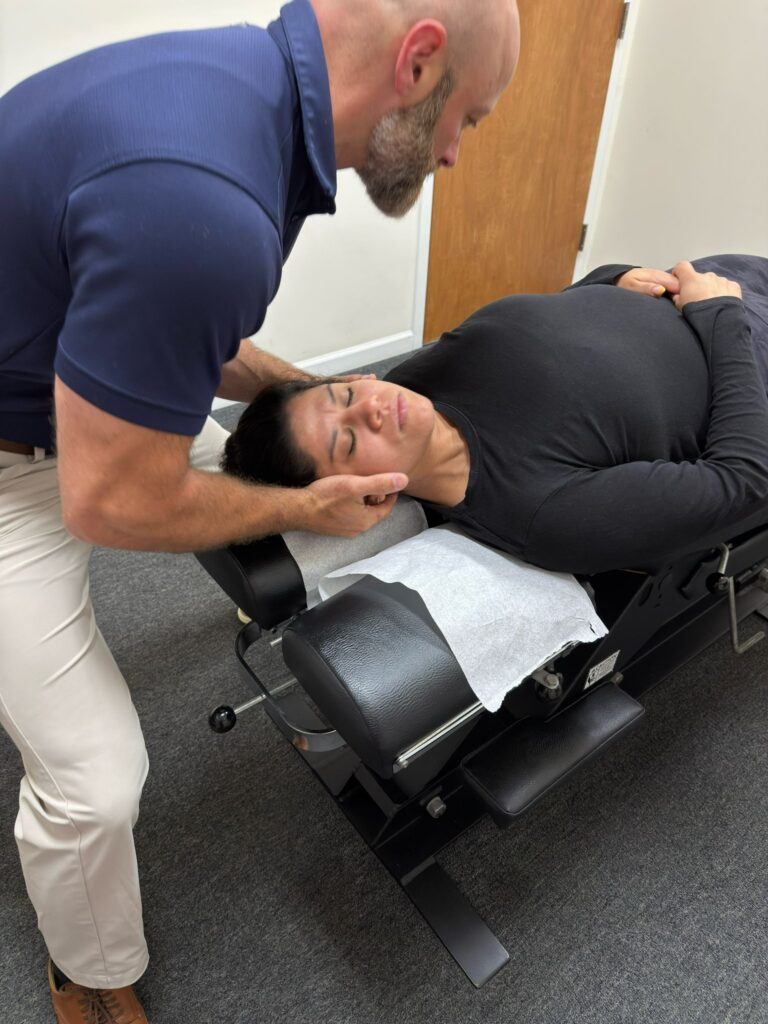
As a chiropractor, I believe that spinal health plays a crucial role in how we feel. Regular chiropractic adjustments can help align your spine, alleviate tension, and promote better nervous system function, which may contribute to reduced headache frequency and intensity. Additionally, incorporating regular physical activity, such as gentle stretching or yoga, can enhance flexibility and relieve stress, both of which are beneficial for headache management.
Don’t overlook the power of relaxation techniques. Mindfulness, deep breathing exercises, and adequate rest are excellent ways to manage stress, which can be a major headache trigger. Furthermore, creating a comfortable workspace and ensuring good posture throughout the day can prevent tension buildup that often leads to headaches.
Remember, the journey to optimal health is unique for everyone. By focusing on these natural methods and prioritizing chiropractic care, you can take charge of your health and find effective relief from headaches. Let’s explore these options together, and take steps toward a healthier, headache-free life!
Key Takeaways
- Stay hydrated by drinking plenty of water each day, as dehydration can contribute to headaches. Aim for at least eight 8-ounce glasses to keep your body well-hydrated and functioning optimally.
- Establishing a consistent sleep schedule is key. Make your sleep environment as comfortable as possible to support restful sleep, which is essential for preventing headaches and maintaining overall well-being.
- Incorporate relaxation techniques into your daily routine. Practices like deep breathing, mindfulness, and yoga can greatly reduce stress levels, which are often a significant factor in headache occurrences.
- Pay attention to your diet by keeping a food diary. This can help you identify any specific foods that may trigger headaches, allowing you to make mindful dietary choices that support your health.
- While some may reach for over-the-counter medications for quick relief, consider exploring chiropractic care as a natural and effective approach to managing headaches. A chiropractor can help address spinal misalignments that may be contributing to your pain, promoting overall wellness without the need for medications.
By focusing on these holistic strategies and prioritizing chiropractic care, you can take proactive steps toward achieving optimal health and reducing headaches naturally.
Stay Hydrated
When you start to feel a headache coming on, it’s essential to think about whether you’re drinking enough water. Dehydration is one of the common culprits behind headaches, and it’s easy to forget to hydrate during our busy days. Make it a point to drink water regularly, especially if you’re active or outside in the heat. Aim for at least eight 8-ounce glasses each day, but personalize this based on your own body’s needs.
If you feel a headache creeping in, try sipping a glass of water slowly. You may find that this simple act can provide relief in a short while. Keeping a water bottle nearby can serve as a helpful reminder to hydrate throughout the day. If plain water doesn’t excite you, consider herbal teas or infusing your water with fruits to make it more enjoyable.
Staying hydrated isn’t just essential for preventing headaches; it also supports your overall well-being and can enhance the effectiveness of chiropractic care. Proper hydration aids in maintaining healthy spinal function and can help alleviate discomfort.
Explore Relaxation Techniques
Staying hydrated is essential for overall wellness and can significantly contribute to headache relief. However, incorporating relaxation techniques can elevate your comfort even further. Techniques such as deep breathing, progressive muscle relaxation, and mindfulness are excellent ways to reduce tension and stress, which are often contributors to headaches.
Here’s a quick overview of some effective relaxation techniques you can use alongside chiropractic care:
| Technique | Description |
|---|---|
| Deep Breathing | Focus on slow, deep breaths to calm both your mind and body. |
| Progressive Muscle Relaxation | Tense each muscle group, then relax them to release built-up tension. |
| Mindfulness Meditation | Stay present and simply observe your thoughts without judgment. |
| Guided Imagery | Visualize serene and peaceful scenes to help ease your mind and body. |
| Yoga | Gentle stretches and poses that promote relaxation and align your spine. |
Incorporating these methods into your routine can be particularly beneficial when you feel a headache coming on. They help you regain control and enhance your overall well-being. Remember, a little relaxation can go a long way in alleviating discomfort and achieving a balanced state of health!
As a chiropractor, I encourage you to consider how these techniques work hand-in-hand with chiropractic care. Regular adjustments can improve your spine’s alignment and function, which can further reduce headaches and tension. By combining spinal care with these relaxation strategies, you are taking a holistic approach to your health and wellness.
Maintain a Consistent Sleep Schedule
Establishing a consistent sleep schedule is crucial for minimizing headaches and improving your overall health, particularly when it comes to spinal wellness. By going to bed and waking up at the same time every day, you can help regulate your body’s internal clock, which not only aids in reducing headache frequency and intensity but also supports the health of your spine.
Here are some straightforward tips to help you maintain a healthy sleep routine that complements chiropractic care:
- Set a Regular Bedtime: Try to go to bed and wake up at the same time every day, even on weekends. This helps your body establish a rhythm that can enhance your overall well-being.
- Create a Calming Bedtime Ritual: Engage in relaxing activities before bed, such as gentle stretching or deep breathing exercises. This can signal to your body that it’s time to wind down and prepare for restorative sleep.
- Limit Screen Time: Avoid screens at least an hour before bedtime. The blue light emitted by devices can disrupt your sleep cycle, which can exacerbate tension and discomfort in your spine.
- Optimize Your Sleep Environment: Make your bedroom a sanctuary for sleep. Keep it dark, quiet, and cool to create the ideal conditions for rest and recovery.
- Mind Your Evening Intake: Avoid caffeine and heavy meals in the evening. These can lead to sleep disturbances, which may contribute to tension in your body and increase headache occurrences.
By adopting these practices, you can support your journey toward optimal health and wellness as well as enhance the benefits of your chiropractic care.
Consider Dietary Adjustments
Making dietary adjustments can significantly enhance your headache management and overall well-being, especially when combined with chiropractic care. As a chiropractor, I believe in a holistic approach to health that includes lifestyle changes.
Start by keeping a food diary to help identify potential headache triggers. Common culprits include aged cheeses, processed meats, alcohol, and caffeine. Reducing or eliminating these items might help lessen the frequency of your headaches.
Instead, focus on incorporating whole foods such as fresh fruits, vibrant vegetables, whole grains, and healthy fats into your diet. Staying hydrated is crucial for overall health, so aim for plenty of water throughout the day.
It’s also important to eat balanced meals at regular intervals; skipping meals can sometimes lead to headaches. Consider adding magnesium-rich foods like nuts, seeds, and leafy greens to your meals, as magnesium deficiency has been linked to headaches. Omega-3 fatty acids, which can be found in fish like salmon, may also offer relief.
In addition to these dietary changes, regular chiropractic adjustments can help align your spine and alleviate tension that may be contributing to your headaches.
Know When to Seek Medical Advice
How can you tell when a headache is serious enough to seek help? As a chiropractor, I want to emphasize the importance of being aware of your body and its signals. While headaches can often be treated effectively with natural methods like chiropractic care, there are certain signs that indicate it might be time to consult a healthcare professional.
Here are some key indicators to watch for:
- A sudden, intense headache, often referred to as a “thunderclap” headache, which may come on without warning.
- Headaches that are accompanied by unusual symptoms such as confusion, changes in vision, or weakness in the body.
- Persistent headaches that don’t seem to improve with at-home remedies or natural treatments.
- Frequent headaches that interfere with your daily life or disrupt your sleep patterns.
- Headaches that occur after a head injury—this is especially important to take seriously.
Recognizing these signs is crucial for your health. While chiropractic care can help many headaches through spinal adjustments and promoting overall wellness, it’s essential to listen to your instincts. If something doesn’t feel right, seeking professional advice is the best course of action.
In addition to being attentive to these warning signs, here are some general tips for managing headaches naturally:
- Stay hydrated: Dehydration can often lead to headaches, so make sure you’re drinking enough water throughout the day.
- Maintain good posture: Poor posture can contribute to tension headaches, so be mindful of how you sit and stand.
- Incorporate regular chiropractic adjustments: These can help align your spine, reduce tension, and promote better overall health.
- Practice relaxation techniques: Stress can be a significant trigger for headaches, so activities like yoga, meditation, or deep breathing can be beneficial.
Your health is important, and taking proactive steps can help you achieve optimal wellness. If you ever feel uncertain about your symptoms, don’t hesitate to reach out for guidance. Natural methods like chiropractic care can be a powerful ally in your journey to better health!
Conclusion
In conclusion, effectively managing your headaches can greatly benefit from a holistic approach that emphasizes natural healing and wellness. Incorporating lifestyle changes such as staying hydrated, practicing relaxation techniques, maintaining a consistent sleep schedule, and eating a balanced diet can all contribute to alleviating headache pain. Additionally, it’s important to listen to your body and recognize any specific triggers that may contribute to your discomfort.
Chiropractic care stands out as an excellent choice for headache relief, as it focuses on spinal health and alignment, which can significantly impact overall well-being. Regular chiropractic adjustments can help alleviate tension in the neck and spine, reducing the frequency and intensity of headaches.
If your headaches persist, consider consulting a chiropractor for personalized care that targets the root causes of your pain. By taking these proactive steps and embracing the benefits of chiropractic care, you can find effective relief and enhance your overall health naturally. Remember, your journey to wellness starts with understanding your body and making informed choices!