
If you’ve ever dealt with a tension headache, you understand just how disruptive it can be to your daily life. Thankfully, there are natural, holistic methods to ease this discomfort, and as a chiropractor, I believe that chiropractic care is one of the best approaches to achieving optimal health and wellness. By incorporating a few simple strategies into your routine, you can alleviate pain and regain your mental clarity.
Let’s dive into some effective tips that can help you manage those pesky headaches while promoting overall well-being:
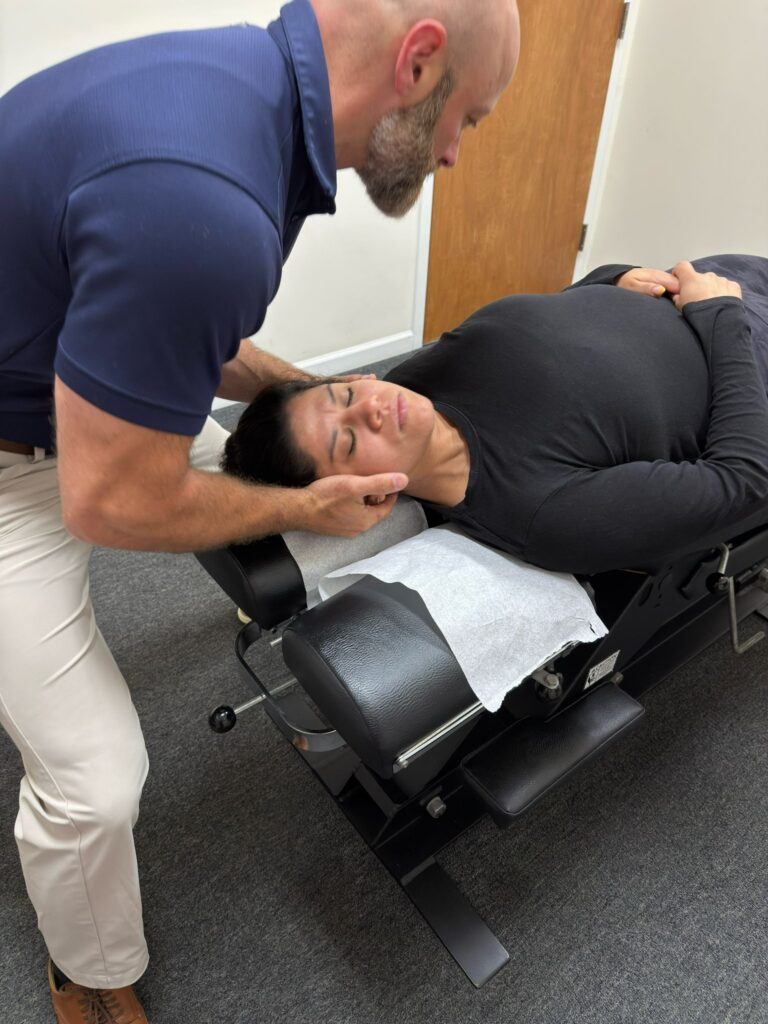
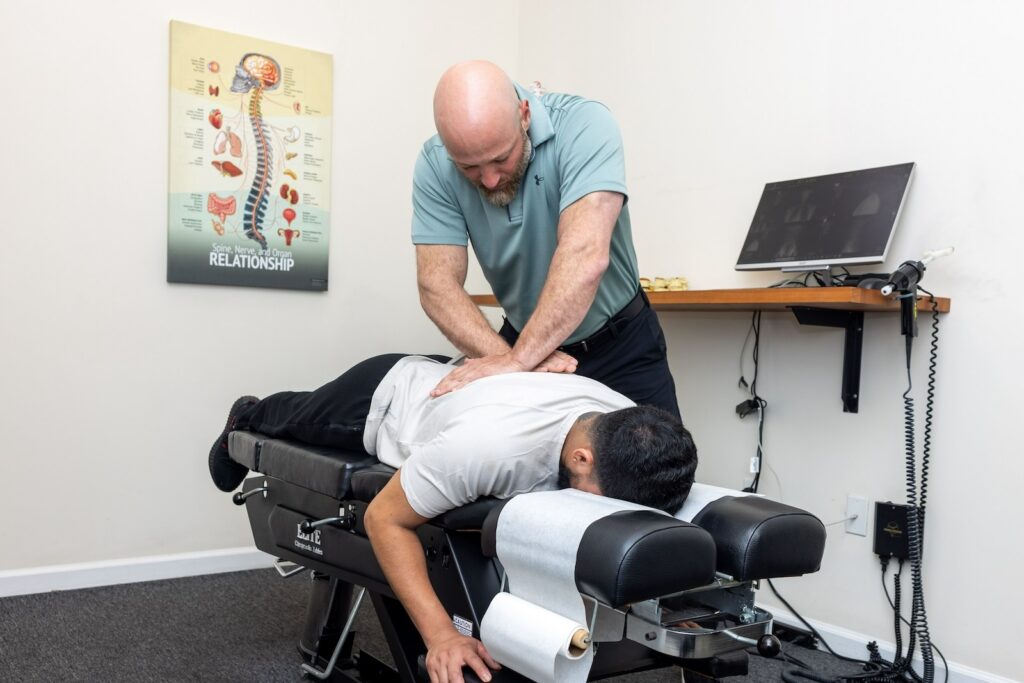
- Regular Chiropractic Adjustments: One of the most effective ways to relieve tension headaches is through chiropractic care. Regular adjustments can help align your spine, reduce muscle tension, and improve your body’s overall function, which can lead to significant headache relief.
- Stay Hydrated: Dehydration can contribute to headaches, so make sure you’re drinking plenty of water throughout the day. Keeping your body well-hydrated supports spinal health and helps maintain proper nerve function.
- Practice Good Posture: Poor posture can strain your neck and shoulders, leading to tension headaches. Be mindful of your posture, especially if you sit for long periods. Consider using ergonomic chairs and taking frequent breaks to stretch.
- Incorporate Relaxation Techniques: Stress is a common trigger for tension headaches. Techniques like deep breathing, meditation, or yoga can help you relax and reduce tension in your body. These practices not only relieve headaches but also enhance your overall health.
- Get Enough Sleep: Quality sleep is essential for your body to heal and recover. Aim for 7-9 hours of restorative sleep each night to help reduce the likelihood of tension headaches.
- Apply Heat or Cold: A warm compress or an ice pack can soothe headache pain. Try placing a warm towel on your neck or using a cold pack on your forehead to find what works best for you.
- Stay Active: Regular physical activity can help reduce the frequency and intensity of tension headaches. Engage in gentle exercises like walking, swimming, or stretching to keep your muscles relaxed and your body functioning optimally.
By focusing on these natural strategies, you can effectively manage tension headaches while promoting your overall health. Remember, chiropractic care is a powerful ally in your journey to wellness. If you’re struggling with frequent headaches, consider scheduling a visit with your chiropractor to discuss personalized strategies for relief. Your body deserves the best care possible!
Key Takeaways
- Embrace relaxation techniques like deep breathing, meditation, and gentle yoga. These practices not only help ease physical and mental stress but also promote spinal health by encouraging proper alignment and relaxation of tight muscles.
- Stay well-hydrated by drinking at least eight glasses of water daily. Adequate hydration is essential to prevent tension headaches that can arise from dehydration, which often leads to muscle stiffness and tension in the neck and shoulders.
- Consider using cold and heat therapy. Applying a cold pack can help reduce inflammation, while a warm compress is great for relaxing tight muscles. Both methods can be complemented by chiropractic adjustments to enhance your overall relief.
- Focus on maintaining good posture while sitting, standing, and walking. Proper posture can significantly reduce strain on your neck and shoulder muscles, ultimately supporting your spinal health and preventing headaches.
- Incorporate regular low-impact exercise and stretching into your routine. Not only does this enhance flexibility and circulation, but it also supports spinal alignment, which is crucial for overall well-being. Remember that chiropractic care can help guide you in developing an exercise routine that is safe and effective for your unique needs.
By integrating these natural strategies alongside chiropractic care, you can achieve a holistic approach to relieving tension headaches and promoting overall wellness. Your spine plays a vital role in your health, and caring for it can lead to a more comfortable, healthier life.
Practice Relaxation Techniques
Tension headaches can be quite uncomfortable, but there are natural ways to find relief, and chiropractic care is one of the best options for maintaining optimal health. By addressing the root causes of tension in your body, chiropractic adjustments can help alleviate headache symptoms effectively.
To begin, create a peaceful environment for yourself. Find a quiet spot where you can concentrate on your breathing. Close your eyes and take deep, slow breaths—inhale through your nose and exhale through your mouth. This practice can help reduce stress and tension, making it easier for your body to heal naturally.
In addition to chiropractic care, progressive muscle relaxation is a helpful technique. Start by tensing each muscle group for a few seconds, then release, beginning at your toes and working your way up to your head. This method can help release the physical tension that may be contributing to your headaches.
Another beneficial practice is meditation. Just a few minutes of mindfulness can ground you and ease headache symptoms. It allows you to focus your mind and reduce stress, which is vital for overall wellness.
Gentle yoga and stretching can also play a crucial role in relieving tension. These movements not only release physical stress but can also enhance mental clarity. By incorporating these techniques into your daily routine, you can manage headaches more effectively while also promoting your overall well-being.
Remember, making relaxation a priority is key to finding relief from tension headaches. By considering chiropractic care and these natural techniques, you’re taking significant steps toward a healthier, more pain-free life.
Prioritize your health and feel the difference!
Stay Hydrated
Staying hydrated is key for not just preventing tension headaches, but also for supporting your overall health and wellness. As a chiropractor, I often see the effects of dehydration manifest in the body, leading to discomfort and fatigue.
When your body lacks sufficient water, it can result in tightness and tension in the muscles, which can contribute to headaches and other aches in the spine.
One simple yet effective way to ensure you’re drinking enough water throughout the day is by carrying a water bottle with you. This not only serves as a reminder to take sips regularly, especially during busy times, but it also encourages a mindful approach to your hydration.
Aim for at least eight glasses of water a day, but remember to adjust your intake based on your activity level and the climate you’re in. Additionally, incorporating fruits and vegetables with high water content—like cucumbers, oranges, and strawberries—can help enhance your hydration.
It’s important to listen to your body. If you start noticing symptoms like a dry mouth or increased fatigue, it might be a sign that you need to up your water intake.
Maintain Good Posture
Maintaining good posture is essential for preventing tension headaches and promoting overall wellness. Poor alignment can lead to strain in the muscles of your neck and shoulders, which can be alleviated through proper posture. As a chiropractor, I want to emphasize the importance of being mindful of how you sit, stand, and move throughout your day. Keeping your back straight, shoulders relaxed, and head aligned over your spine can significantly contribute to your health.
Here’s a quick reference table to help you assess your posture and integrate chiropractic principles into your daily routine:
| Position | Tips for Improvement | Benefits |
|---|---|---|
| Sitting | Opt for an ergonomic chair that supports your spine | Reduces strain on your back and enhances comfort |
| Standing | Distribute your weight evenly on both feet | Alleviates pressure on joints and encourages better alignment |
| Walking | Keep your head up and shoulders back | Promotes overall body alignment and aids in natural healing |
Incorporate Regular Exercise
Incorporating regular exercise can significantly alleviate tension headaches, and as a chiropractor, I want to emphasize how this natural approach can enhance your overall wellness. Engaging in low-impact activities such as walking or swimming is an excellent way to keep your body active without putting unnecessary strain on it.
Moreover, combining these activities with proper stretching and muscle strengthening can greatly improve your flexibility and reduce tension. This not only helps you feel more relaxed but also supports your spine’s health, which is crucial for overall well-being.
When your spine is aligned and functioning well, your body can better manage stress and tension, further aiding in headache relief.
Remember, chiropractic care plays a vital role in maintaining a healthy spine and addressing any underlying issues that may contribute to headaches. Regular adjustments can help ensure your body is in optimal alignment, allowing for better movement and function.
Choose Low-Impact Activities
While intense workouts may seem like the go-to solution for relieving tension headaches, I encourage you to consider the benefits of low-impact activities. These gentle exercises can offer significant relief without putting extra strain on your body. Activities such as walking, swimming, or cycling allow you to stay active while promoting better circulation and releasing endorphins, which can help ease headache symptoms.
You don’t have to push yourself to the limit; consistency is key. Aim for at least 30 minutes of low-impact exercise most days of the week. This routine can’t only boost your overall mood but also reduce stress levels, making it easier to manage tension headaches naturally.
In addition to staying active, remember that chiropractic care plays an essential role in achieving optimal health and wellness. Regular chiropractic adjustments can help align your spine, improve your posture, and reduce tension in your muscles, all of which can contribute to headache relief.
If you’re experiencing frequent tension headaches, consider incorporating chiropractic care into your wellness routine.
So, lace up those sneakers and find joy in gentle movement. By prioritizing low-impact activities and chiropractic care, you can effectively manage tension headaches and enhance your overall well-being.
Stretch and Strengthen Muscles
Regularly stretching and strengthening your muscles can significantly help in relieving tension headaches, and chiropractic care plays a crucial role in this process. By incorporating exercises like yoga or Pilates into your wellness routine, you can enhance flexibility and build core strength, which ultimately reduces strain on your neck and shoulders.
As a chiropractor, I encourage you to focus on gentle stretches for the upper back, neck, and shoulders to alleviate tightness. Simple movements such as shoulder rolls, neck tilts, and even deep breathing can work wonders for your muscle health. Aim for at least 20-30 minutes of moderate exercise a few times each week. This not only promotes muscle relaxation but also boosts your overall mood and energy levels.
Chiropractic care can further complement your stretching and strengthening routine. Regular adjustments can help align your spine, reduce tension, and improve mobility, paving the way for a healthier, pain-free life.
Remember, consistency is key in both your exercise routine and chiropractic visits. Always listen to your body and avoid pushing yourself too hard; finding a balance that works for you is essential in keeping those headaches at bay.
Embrace these natural methods to enhance your well-being, and remember that chiropractic care is your best ally in achieving optimal health!
Use Essential Oils
Have you ever thought about how essential oils can be a helpful addition to your routine for easing tension headaches? While chiropractic care is the best way to address the root cause of headaches through spinal adjustments and overall wellness, essential oils can provide soothing relief when you’re feeling the pressure.
Take lavender oil, for instance. Its calming properties can help reduce stress and promote relaxation. You can simply inhale its soothing scent or apply a diluted drop to your temples for some added comfort.
Peppermint oil is another great option. The menthol in peppermint creates a refreshing cooling sensation that can alleviate pain. Try massaging a few drops onto your forehead and temples to quickly ease discomfort.
Eucalyptus oil is also worth considering, as it’s known for its anti-inflammatory properties. This oil can help open your airways and relieve tension, making it easier for you to feel at ease.
To use these oils, mix a few drops with a carrier oil, like coconut or jojoba oil, and gently apply it to the affected areas.
While essential oils can provide temporary relief, remember that regular chiropractic care is essential for maintaining a healthy spine and preventing headaches in the first place.
Incorporating these natural remedies into your wellness routine can complement the benefits of chiropractic care. By focusing on a holistic approach to health, you can find effective ways to combat those pesky tension headaches and promote overall well-being.
Apply Cold or Heat Therapy
After delving into the benefits of essential oils, it’s time to consider another effective method for alleviating tension headaches: cold or heat therapy. These natural approaches can significantly ease discomfort and promote relaxation, which is essential for maintaining overall spinal health.
If you lean toward cold therapy, a cold pack or a bag of frozen vegetables wrapped in a cloth can work wonders. Placing it on your forehead or the back of your neck for 15-20 minutes can help numb the pain and reduce inflammation. This not only provides immediate relief but also supports your body’s natural healing processes.
On the other hand, heat therapy can be just as effective. Applying a warm compress or heating pad to the tense muscles in your neck and shoulders can enhance blood flow and relieve tightness. You might also enjoy a soothing warm shower or bath, which can help relax your entire body and mind.
It’s important to listen to your body’s response to either therapy. Adjust the intensity or duration based on what feels best for you.
Ensure Quality Sleep
To effectively address tension headaches, it’s essential to prioritize quality sleep, which is a fundamental aspect of overall wellness. As a chiropractor, I understand that the health of your spine plays a crucial role in your sleep quality.
Start by creating a comfortable sleep environment, ensuring your mattress and pillows support proper spinal alignment. Maintaining a consistent sleep schedule can also help regulate your body’s internal clock, making it easier to fall asleep and stay asleep.
Incorporating relaxation techniques before bed, such as gentle stretching or deep breathing exercises, can further help you wind down and prepare your body for restorative rest. Remember, a well-rested body is better equipped to manage stress and tension, reducing the likelihood of headaches.
Additionally, regular chiropractic adjustments can enhance your overall health and improve your sleep quality by addressing spinal misalignments that may contribute to discomfort.
Sleep Environment Optimization
Creating an ideal sleep environment isn’t only crucial for achieving restful nights but also plays a significant role in managing tension headaches. As a chiropractor, I understand the importance of a good night’s sleep for spinal health and overall well-being. Here are some simple tips to help optimize your sleep space:
- Bedroom Temperature: Keep your bedroom cool, ideally between 60-67°F. A cooler environment promotes better sleep and helps reduce muscle tension that can contribute to headaches.
- Light and Noise Management: Invest in blackout curtains to eliminate light disturbances, and consider using earplugs or a white noise machine to minimize noise. A peaceful environment allows your body to relax and recover.
- Comfortable Bedding: Choose a supportive mattress and pillows that provide proper alignment for your head and neck. This is essential for spinal health and can greatly reduce headache triggers.
- Declutter for Calm: A tidy and organized space can create a soothing atmosphere. A clutter-free environment helps reduce stress, allowing your mind to unwind.
- Aromatherapy: Consider using calming scents like lavender, which can promote relaxation and improve sleep quality. Natural remedies can be very effective for enhancing overall wellness.
- Limit Screen Time: Try to reduce screen exposure at least an hour before bed. The blue light emitted by screens can interfere with your body’s natural sleep signals, making it harder to fall asleep.
By optimizing your sleep environment, you not only set the stage for rejuvenating rest but also support your body’s natural healing processes.
Consistent Sleep Schedule
Establishing a consistent sleep schedule is crucial for achieving optimal health, especially when it comes to managing tension headaches. As a chiropractor, I want to emphasize that improving your sleep can play a significant role in your overall wellness. Aim to go to bed and wake up at the same time every day, even on weekends. This routine helps regulate your body’s internal clock, which is vital for quality sleep and recovery.
Prioritize getting at least seven to eight hours of restful sleep each night. This is essential for allowing your body to recharge and heal, including your spine and muscles. Heavy meals, caffeine, and stimulating activities close to bedtime can disrupt your sleep cycle, so it’s best to avoid those.
Instead, create a calming pre-sleep routine—think gentle stretching, reading, or practicing relaxation techniques—that signals to your body it’s time to wind down.
By sticking to a consistent sleep schedule, you may notice a reduction in headache frequency and intensity, as well as an overall improvement in your well-being.
Relaxation Techniques Before Bed
As you prepare to settle in for the night, integrating relaxation techniques can significantly improve your sleep quality and help alleviate tension headaches, which often stem from spinal misalignments and stress.
Here are some effective methods to establish a calming bedtime routine that promotes both mind and body relaxation:
- Deep breathing: Take a moment to practice deep breathing. Inhale slowly through your nose, hold for a beat, then exhale gently through your mouth. This simple exercise not only calms your mind but also helps release built-up tension in your spine and muscles.
- Gentle stretching: Engage in some gentle stretches to loosen tight muscles and encourage spinal alignment. Focus on areas that may feel stiff, as this can enhance relaxation and improve your overall comfort.
- Meditation: Spend a few minutes meditating by concentrating on your breath or reciting a calming mantra. This practice can help quiet your mind and reduce stress, which is essential for maintaining a healthy spine.
- Warm bath: Consider taking a warm bath infused with relaxing scents like lavender. The warmth can soothe your muscles and promote better spinal health, while the scents can further ease your mind.
- Soothing music: Listening to calming music before bed can create a serene environment that helps you drift off peacefully, allowing your body to recover and rejuvenate overnight.
By embracing these natural relaxation techniques, you not only enhance your sleep but also support your overall health and wellness.
Remember, regular chiropractic care can further improve your spinal health, helping you achieve optimal well-being and pain relief.
Prioritize these practices and watch as your sleep and health transform!
Conclusion
By incorporating these seven natural strategies into your daily routine, you can effectively relieve tension headaches and enhance your overall wellness. As a chiropractor, I emphasize the importance of spinal health in reducing headache frequency and intensity. Here are some practical tips to help you take control of your headaches naturally:
- Practice Relaxation Techniques: Incorporate deep breathing exercises and mindfulness into your day. These techniques can help reduce stress, which is often a major trigger for tension headaches.
- Stay Hydrated: Dehydration can lead to headaches, so make sure you drink plenty of water throughout the day. Keeping your body well-hydrated supports overall bodily functions, including spinal health.
- Maintain Good Posture: Poor posture can put unnecessary strain on your spine and neck, leading to headaches. Be mindful of your posture while sitting or standing, and consider ergonomic adjustments to your workspace.
- Engage in Regular Exercise: Physical activity helps reduce tension and improve circulation. Regular chiropractic care can complement your exercise routine by ensuring your spine is in optimal alignment, allowing you to move freely.
- Use Essential Oils: Certain essential oils, like peppermint and lavender, can provide soothing relief. When applied gently, they can enhance relaxation and reduce headache symptoms.
- Apply Cold or Heat Therapy: Depending on what feels best for you, using a cold pack or a warm compress on your neck and shoulders can help alleviate tension and discomfort.
- Prioritize Quality Sleep: A well-rested body is better equipped to handle stress and tension. Ensure you have a comfortable sleeping environment and aim for consistent sleep patterns.
By making these simple adjustments, you can enhance your well-being and find relief from tension headaches. Remember, regular chiropractic care can play a vital role in supporting your body’s natural healing processes and achieving optimal health. Take charge of your headaches, and enjoy a more relaxed, pain-free life!