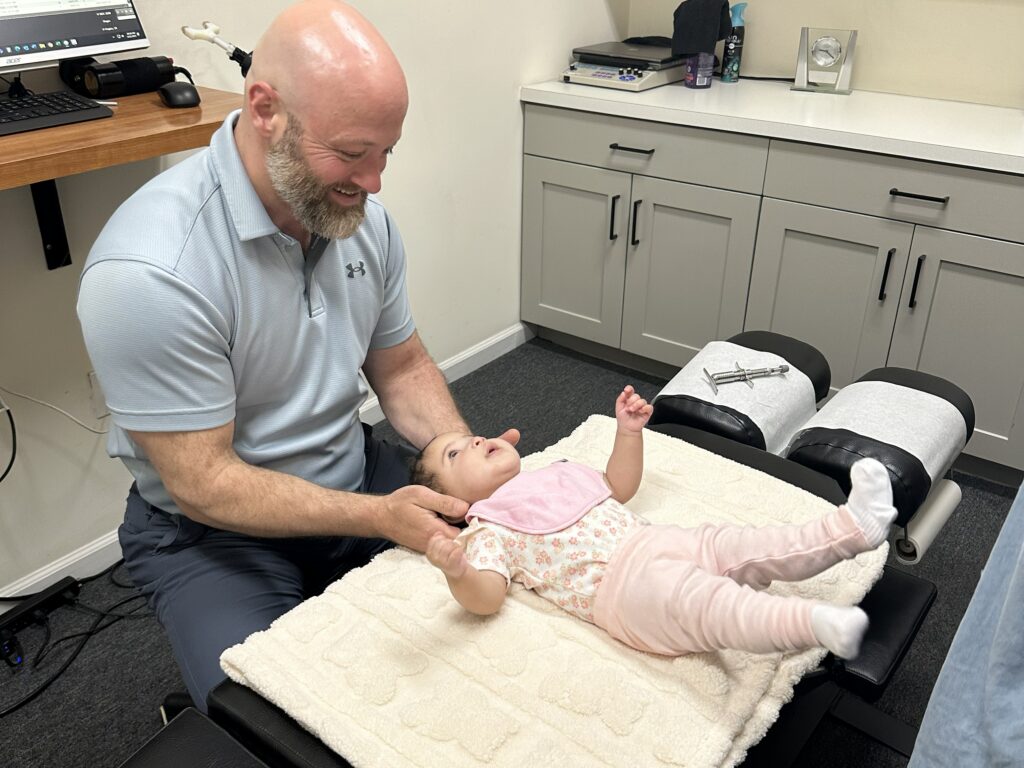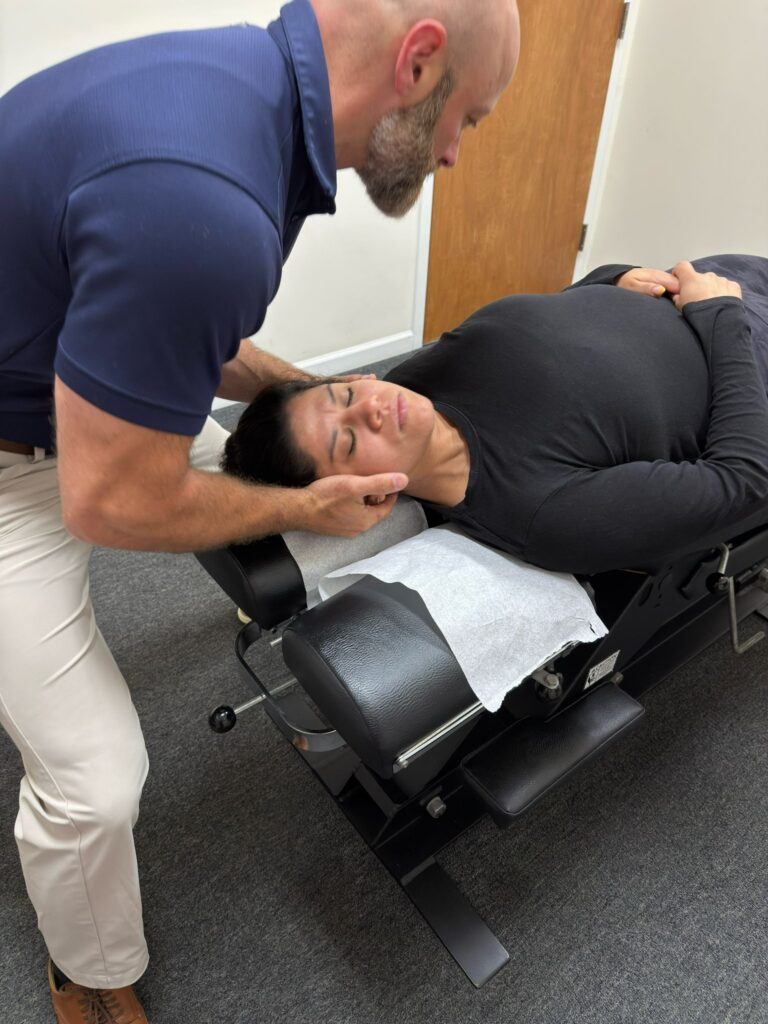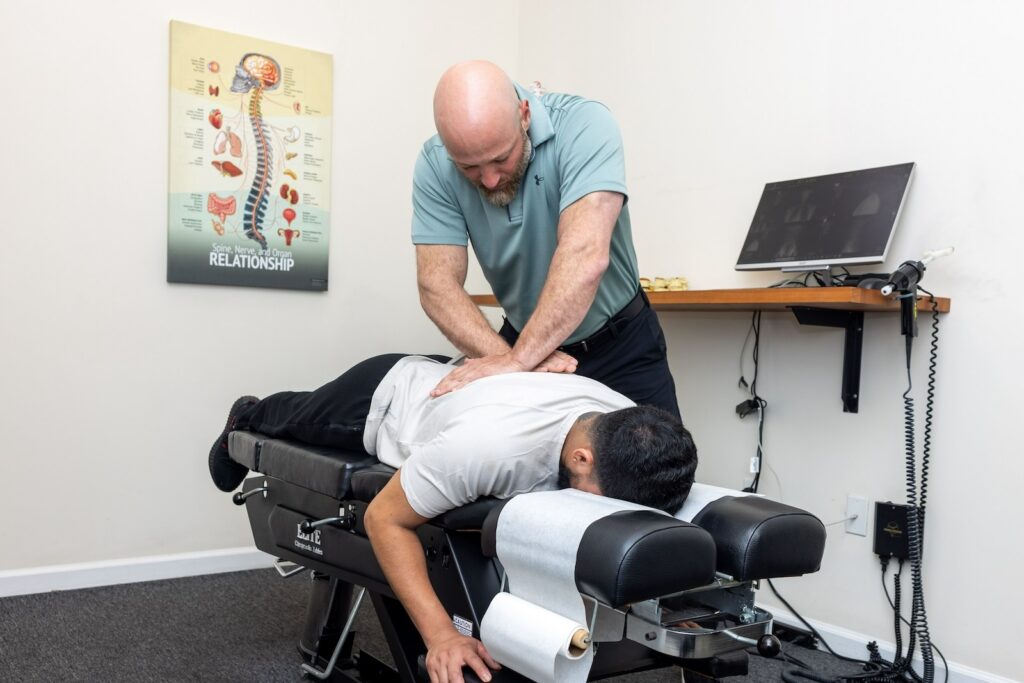

As we look ahead to 2026, there’s an exciting transformation happening in how we manage tension headaches. More and more people are discovering the benefits of chiropractic care, which offers a natural and effective solution for headache relief. By combining spinal adjustments with mindfulness techniques, we’re able to not only target the root causes of tension headaches but also promote overall wellness.
Chiropractic care focuses on aligning the spine and ensuring proper nervous system function, which can significantly reduce headache frequency and intensity. It’s a safe and drug-free alternative that empowers you to take control of your health. Plus, as we embrace new technologies, we can enhance our treatment methods while still prioritizing the personalized care that chiropractic provides.
So, what specific strategies can you incorporate into your routine to ease tension headaches? Here are a few tips:
- Regular Chiropractic Visits: Consistent adjustments can help maintain spinal alignment and reduce stress on the nervous system.
- Mindfulness Practices: Techniques such as deep breathing, meditation, or yoga can help you manage stress, which is a common trigger for tension headaches.
- Stay Hydrated: Dehydration can lead to headaches, so make sure you’re drinking enough water throughout the day.
- Posture Awareness: Pay attention to your posture, especially if you spend long hours sitting at a desk. Proper ergonomics can prevent tension buildup in your neck and shoulders.
- Regular Exercise: Engaging in physical activity helps to relieve stress and tension, promoting better overall health.
By embracing these strategies and prioritizing chiropractic care, you’re taking a proactive approach to your health and well-being. Together, we can navigate this new era of headache management and help you achieve a life free from the burden of tension headaches.
Key Takeaways
- Chiropractic care is a powerful tool in alleviating tension headaches. By aligning the spine, we address the root causes of headaches and enhance the function of the nervous system, leading to effective pain relief and improved overall health.
- To prevent tension headaches, consider ergonomic solutions in your workspace. Simple changes, like using a chair with proper support and positioning your monitor at eye level, can reduce strain on your neck and back, promoting better spinal health and lowering your chances of headaches.
- Incorporating mindfulness techniques into your daily routine can make a significant difference in managing stress. Practices like deep breathing exercises and gratitude journaling not only help you relax but can also provide relief from tension headaches.
- Embrace innovative technologies that complement chiropractic care. Wearable devices can help track stress levels and remind you to practice relaxation techniques, while virtual reality experiences may offer unique ways to reduce stress and tension.
- For optimal headache management and overall wellness, consider personalized treatment strategies. Combining chiropractic adjustments with regular exercise and relaxation practices can enhance your quality of life. Remember, taking small steps towards healthier living can lead to significant improvements in your well-being.
By prioritizing chiropractic care and these simple lifestyle changes, you can effectively manage tension headaches and work towards a healthier, pain-free life.
The Rise of Wearable Technology for Headache Relief
As you look for relief from tension headaches, it’s important to explore all available options, including the growing field of wearable technology. Devices like smart headbands and portable massagers can offer targeted relief right where you need it. These gadgets often use gentle vibrations, heat, or electrical stimulation to ease muscle tension and improve circulation, which can be beneficial for your overall wellness.
While these wearables can be helpful, I’d like to emphasize the importance of chiropractic care in addressing the root causes of headaches. Chiropractors focus on aligning the spine and improving nervous system function, which can significantly reduce headache frequency and intensity. Regular chiropractic adjustments can help relieve muscle tension and improve blood flow, providing a natural and effective approach to headache relief.
If you choose to use wearable technology, consider using it in conjunction with chiropractic care to maximize your results. Many of these devices can connect to your smartphone, allowing you to track your headache patterns and triggers. This data can be valuable for discussions with your chiropractor, helping you identify factors contributing to your headaches.
Incorporating some simple lifestyle changes can also make a difference. Staying hydrated, maintaining good posture, and managing stress through relaxation techniques can help reduce headache occurrences.
Remember to prioritize your spinal health, as a well-aligned spine plays a crucial role in overall wellness.
Mindfulness and Meditation: Key Practices for Reducing Stress
When you’re feeling overwhelmed, incorporating mindfulness and meditation alongside regular chiropractic care can make a significant difference in your overall well-being.
Techniques such as deep breathing, guided visualization, and daily mindfulness practices can help manage stress effectively while also complementing the benefits of chiropractic adjustments.
Chiropractic care focuses on aligning the spine and promoting optimal nervous system function, which is essential for overall health.
When your spine is aligned, your body can better handle stress and tension. By integrating mindfulness practices with chiropractic adjustments, you can enhance your relaxation and recovery process.
Here are some simple tips to help you incorporate mindfulness and meditation into your routine for improved health:
- Breathing Exercises: Take a few moments each day to practice deep breathing. Inhale slowly through your nose, hold for a moment, and then exhale through your mouth. This can help reduce tension and improve your focus, especially after a chiropractic adjustment.
- Guided Visualization: Spend a few minutes visualizing a peaceful place—this can help calm your mind and body. Consider visiting your chiropractor regularly to ensure your spine is aligned while you practice mindfulness.
- Daily Mindfulness: Set aside time each day to engage in mindfulness. This could be through meditation, yoga, or simply being present in the moment. Remember, a well-aligned spine can enhance your ability to relax and be mindful.
- Posture Awareness: Pay attention to your posture throughout the day. Good posture not only supports your spine but also contributes to your mental state. Taking care of your spine through chiropractic care can improve your posture and overall stress levels.
By combining these mindfulness techniques with chiropractic care, you can create a holistic approach to managing stress and promoting relaxation.
Breathing Techniques Overview
Breathing techniques are an important aspect of mindfulness and meditation, and they can be incredibly beneficial for reducing stress and managing tension headaches. By focusing on your breath, you can cultivate a sense of calm and clarity that not only helps ease discomfort but also supports your overall well-being.
As a chiropractor, I believe that integrating these techniques with regular chiropractic care can enhance your journey to optimal health. Here are three effective breathing techniques you can easily incorporate into your daily routine:
- Diaphragmatic Breathing: This technique involves breathing deeply into your diaphragm, allowing your belly to rise and fall. By doing so, you promote relaxation and reduce tension throughout your body. This can complement the benefits of chiropractic adjustments, as a relaxed body is more responsive to care.
- 4-7-8 Breathing: Inhale for 4 seconds, hold your breath for 7 seconds, and then exhale for 8 seconds. This rhythmic pattern not only helps lower anxiety but can also enhance your overall sense of well-being. Practicing this technique can prepare your body for chiropractic adjustments, ensuring that your nervous system is calm and ready to heal.
- Box Breathing: Inhale for 4 seconds, hold for 4 seconds, exhale for 4 seconds, and hold again for 4 seconds. This structured breathing technique stabilizes your mind and body, making it an excellent tool for stress relief. When your body is less stressed, it can better maintain spinal alignment and function, which chiropractic care aims to support.
Incorporating these breathing techniques into your daily routine can help you manage stress and improve your overall health.
Guided Visualization Benefits
How can guided visualization enhance your stress management and overall well-being? This effective technique allows you to create calming mental images, promoting relaxation and clarity in your mind and body. By concentrating on peaceful environments, you can significantly reduce anxiety and tension, making it easier to handle everyday stressors that may contribute to discomfort or pain.
| Benefits | How It Helps |
|---|---|
| Reduces Anxiety | Calms the mind and body, helping to alleviate physical tension related to stress |
| Enhances Focus | Improves concentration, allowing you to be more mindful and present in daily activities |
| Promotes Relaxation | Triggers the relaxation response, which can ease muscle tightness and support spinal health |
Incorporating guided visualization into your daily routine can be a beneficial complement to chiropractic care, especially for those experiencing tension headaches or stress-related discomfort. Regular practice not only helps you manage stress but also supports your body’s natural ability to heal itself, leading to a healthier and more balanced life.
As a chiropractor, I recommend combining guided visualization with your chiropractic adjustments to enhance your overall wellness journey. Remember to take a few moments each day to visualize a serene space, which can help you feel more at ease and promote a healthy spine. By focusing on relaxation techniques, you can empower yourself to live a pain-free life naturally.
Daily Mindfulness Practices
Incorporating daily mindfulness practices into your routine can greatly reduce stress, alleviate pain, and enhance your overall well-being. As a chiropractor, I understand the importance of focusing on the present moment, not just for mental health, but also for physical health.
By practicing mindfulness, you can help relieve tension headaches, improve posture, and support spinal health. Here are three simple practices to get you started on your journey towards natural wellness:
- Breath Awareness: Spend a few minutes each day focusing on your breath. Inhale deeply through your nose, hold for a moment, and then exhale slowly. This not only calms your mind but also promotes relaxation in your muscles and supports a healthy spine.
- Body Scan: Lie down comfortably and mentally scan your body from head to toe. Pay attention to areas where you may feel tension, especially in your back and neck. As you exhale, consciously release that tension. This practice helps to enhance body awareness and can improve your posture over time.
- Gratitude Journaling: Each day, write down three things you’re grateful for. This simple act shifts your focus from stress to positivity, which can reduce muscle tension and enhance your overall mood. A positive mindset also plays a crucial role in healing and maintaining a healthy spine.
Incorporating these mindfulness techniques into your daily routine can complement your chiropractic care, helping you achieve optimal health and well-being.
Ergonomic Solutions for Better Posture at Work
While many people overlook how their workspace can affect their posture, I want to emphasize that making ergonomic adjustments can significantly reduce tension headaches and improve overall well-being.
Start by adjusting your chair to ensure that your feet rest flat on the floor, with your knees aligned at hip level. It’s crucial to choose a chair that provides good lumbar support to help maintain the natural curve of your spine—this is where chiropractic care can play a vital role in promoting spinal health.
Position your computer monitor at eye level, about an arm’s length away, to prevent neck strain. This simple adjustment can help reduce discomfort and support better posture throughout your workday.
When using your keyboard and mouse, ensure that your wrists remain straight and relaxed. If you find sitting for extended periods uncomfortable, consider incorporating a standing desk or a desk converter to encourage movement and reduce strain on your body.
Remember to take breaks every hour to stretch and move around; this is essential for alleviating muscle tension and promoting circulation. Simple stretches can work wonders in maintaining a healthy spine.
By creating a comfortable and supportive workspace, you can enhance your posture and minimize discomfort, which often leads to tension headaches.
Finally, if you’re experiencing persistent pain or discomfort, chiropractic care is an excellent way to address these issues naturally. Regular chiropractic adjustments can help align your spine, improve your posture, and promote your overall health and wellness.
Prioritizing your spinal health is a key step toward achieving optimal well-being.
Innovative Pharmacological Approaches to Tension Headaches
When it comes to easing tension headaches, natural and holistic approaches can make a significant difference. As a chiropractor, I believe in the power of spinal health and its connection to overall wellness. Rather than relying on medications or complex treatments, consider how chiropractic care can help alleviate your tension headaches.
Chiropractic adjustments can address misalignments in the spine that may contribute to headache pain. By restoring proper alignment, you can relieve tension in your neck and upper back, which often plays a role in headache triggers.
Additionally, gentle stretching and relaxation techniques can help reduce muscle tension and promote overall relaxation.
Incorporating lifestyle changes can also be beneficial. Staying hydrated, practicing good posture, and managing stress through techniques like deep breathing or yoga can significantly impact your headache frequency and intensity.
Remember, everyone’s body is different, so it’s essential to find what works best for you. If you’re struggling with tension headaches, consider visiting a chiropractor who can provide personalized care tailored to your needs.
Embrace a natural approach to healing and experience the benefits of chiropractic for optimal health and wellness.
Novel Medications in Development
As a local chiropractor dedicated to health and wellness, I want to share some insights into how we can effectively manage tension headaches through natural means. While there are many new medications being explored, I believe that chiropractic care offers a holistic approach that addresses the root cause of tension headaches, promoting overall well-being.
- Spinal Adjustments: Misalignments in the spine can contribute to tension and pain in the head. Regular chiropractic adjustments help keep your spine in alignment, reducing the stress on your nervous system and potentially alleviating headache symptoms.
- Muscle Relaxation Techniques: Chiropractic care often incorporates soft tissue techniques that help relax tight muscles in the neck and shoulders, which can be a significant contributor to tension headaches. Simple stretches and exercises can also help relieve muscle tension.
- Posture Education: Poor posture is a common cause of tension headaches. As your chiropractor, I can provide guidance on maintaining good posture, both at your desk and during daily activities, to help mitigate headache triggers.
- Stress Management: Stress can exacerbate tension headaches. Incorporating relaxation techniques such as deep breathing, meditation, or yoga can be beneficial. Chiropractic care often emphasizes the connection between physical health and mental wellness.
By focusing on these natural approaches, we can work together to find effective relief from tension headaches. Chiropractic care not only aims to alleviate symptoms but also promotes a healthier lifestyle, empowering you to take control of your health.
Combination Therapies for Relief
Combination therapies can be an effective way to manage tension headaches, particularly when conventional methods don’t provide the relief you’re seeking. While medications may be common, I want to emphasize the benefits of chiropractic care as a natural and holistic approach to alleviating headache pain.
Chiropractic adjustments can help relieve tension in the spine and improve overall nervous system function, which plays a vital role in headache management. By addressing misalignments in the spine, chiropractors can reduce muscle tension and improve blood flow, which may help alleviate headache symptoms.
In addition to chiropractic adjustments, consider incorporating some natural strategies into your routine. Regular exercise can help reduce stress and improve circulation, both of which are beneficial for headache relief. Staying hydrated is also crucial, as dehydration can trigger headaches.
Practicing relaxation techniques such as deep breathing, yoga, or meditation can further enhance your well-being and reduce the frequency of tension headaches.
It’s important to work closely with your chiropractor to develop a tailored plan that addresses your specific needs. They can help you monitor your progress and make adjustments to your care as needed.
With the right approach, chiropractic care can significantly improve your quality of life and help you find relief from tension headaches naturally. Remember, prioritizing your spinal health is key to achieving optimal wellness.
Personalized Treatment Strategies
Innovative approaches to managing tension headaches are transforming how we find relief, especially when we focus on natural methods that prioritize your overall wellness.
As a chiropractor, I believe that personalized strategies rooted in spinal health can be your best option for tackling tension headaches effectively. Here are three key strategies you can explore that align with chiropractic care:
- Spinal Adjustments: Regular chiropractic adjustments can help realign your spine, reduce muscle tension, and alleviate headaches. This natural method targets the root cause of your discomfort rather than just masking the symptoms.
- Stress Management Techniques: Incorporating relaxation practices such as deep breathing, yoga, or meditation can significantly reduce stress, which is a common trigger for tension headaches. These techniques promote overall well-being and can complement your chiropractic care.
- Posture Improvement: Maintaining good posture is crucial in preventing tension headaches. As part of your chiropractic care, you can learn exercises and stretches that strengthen your back and neck muscles, helping you to maintain proper alignment throughout your day.
By focusing on these natural, non-invasive strategies, you can manage your tension headaches more effectively and enhance your quality of life.
Alternative Therapies: Acupuncture and Chiropractic Care
When tension headaches disrupt your day, finding a natural solution is key to regaining your comfort and well-being. Chiropractic care stands out as an effective way to alleviate headaches by addressing the root causes, such as spinal misalignments and tension in the neck and back. By focusing on your body’s natural ability to heal, chiropractic adjustments can provide significant relief without the need for medications.
Here’s a brief overview of the benefits of chiropractic care compared to acupuncture:
| Therapy Type | Benefits |
|---|---|
| Chiropractic | Alleviates tension, realigns the spine, enhances mobility, and promotes overall wellness. |
Chiropractic care not only helps to reduce the frequency and intensity of headaches but also supports your overall health. Unlike acupuncture, which focuses on stimulating specific points, chiropractic adjustments work to align your spine and improve your body’s function as a whole.
Here are some practical tips to consider for managing tension headaches:
- Stay Hydrated: Dehydration can contribute to headaches, so make sure you’re drinking enough water throughout the day.
- Practice Good Posture: Sitting or standing with proper posture can prevent unnecessary strain on your neck and back.
- Take Breaks: If you work at a desk, take regular breaks to stretch and move around, which helps relieve tension.
- Incorporate Relaxation Techniques: Techniques such as deep breathing or yoga can help reduce stress and tension in your body.
Choosing chiropractic care can be a powerful step toward achieving optimal health and comfort. Consulting with a qualified chiropractor can help you develop a personalized plan to address your tension headaches effectively. Remember, your spine plays a crucial role in your overall health; taking care of it can lead to a happier, healthier life.
The Role of Hydration and Nutrition in Headache Management
Staying hydrated and maintaining a balanced diet are crucial for effectively managing tension headaches, and as a chiropractor, I believe these natural approaches are essential for overall wellness. When you nourish your body properly, you can reduce the frequency and intensity of headaches, allowing your spine and nervous system to function optimally.
Here are three key factors to consider for natural headache relief:
- Hydration: Aim for at least 8 glasses of water daily. Dehydration can be a major trigger for headaches, so keeping that water bottle close by is a simple yet effective strategy. Staying hydrated not only helps prevent headaches but also supports your spinal health.
- Balanced Nutrients: Incorporate a variety of fruits, vegetables, whole grains, and lean proteins into your meals. These nutrient-rich foods provide essential vitamins and minerals that support overall health and can help prevent headaches. A healthy diet nourishes your body, which is vital for maintaining a well-aligned spine and nervous system.
- Regular Meal Times: Don’t skip meals! Eating at consistent times helps regulate your blood sugar levels, which can stave off headaches caused by hunger. Keeping your body fueled is key to maintaining energy and ensuring that your spinal health is supported.
By focusing on hydration, balanced nutrition, and regular meal times, you can take proactive steps towards managing tension headaches naturally.
Remember, chiropractic care also plays a vital role in your wellness journey, helping to align your spine and optimize your nervous system, thus supporting your body’s natural healing processes.
Make these lifestyle changes along with regular chiropractic visits to achieve the best results for your health and well-being!
Virtual Reality and Biofeedback: The Future of Pain Relief
As a chiropractor dedicated to promoting health and wellness, I want to share some exciting advancements that can complement your journey towards natural pain relief, particularly for issues like tension headaches. While traditional methods have their place, innovative tools like virtual reality (VR) and biofeedback are emerging as valuable aids in pain management.
Imagine this: you put on a VR headset and are instantly transported to a serene environment designed to help you relax. This immersive experience can significantly reduce stress, which is often a major contributor to tension headaches. When combined with biofeedback, you can learn more about how your body reacts to stress and tension, empowering you to take control of your pain.
Here’s how these technologies align with chiropractic care for holistic wellness:
| Technology | Benefits | Applications |
|---|---|---|
| Virtual Reality | Reduces stress, enhances relaxation | Pain management, meditation |
| Biofeedback | Increases self-awareness, helps with muscle control | Stress reduction, improving posture |
| Combined Use | Amplifies pain relief, complements chiropractic adjustments | Comprehensive approach to health |
As you explore these modern techniques, remember that chiropractic care remains one of the best options for achieving optimal health. Regular chiropractic adjustments can align your spine, improve your nervous system function, and reduce your overall pain levels. Here are some tips to consider:
- Stay Active: Engage in regular physical activity to keep your spine and muscles healthy.
- Practice Good Posture: Be mindful of your posture whether you’re sitting, standing, or using technology.
- Incorporate Relaxation Techniques: Use deep breathing, meditation, or even VR sessions to lower stress.
- Schedule Regular Chiropractic Visits: Consistent care can help maintain spinal health and prevent tension headaches.
Incorporating these strategies into your routine, alongside innovative tools like VR and biofeedback, can significantly enhance your well-being and pain management efforts. Embrace the journey to a pain-free life through natural methods, and remember: chiropractic care is here to support you every step of the way!
Conclusion
As we explore the 2026 trends for effectively easing tension headaches, it’s essential to emphasize the importance of a personalized approach, particularly through chiropractic care. By incorporating chiropractic adjustments into your routine, you can address the root causes of tension headaches, ultimately leading to significant pain relief and improved well-being.
In addition to chiropractic care, consider integrating mindfulness practices and ergonomic solutions into your daily life. Mindfulness can help you manage stress, and ensuring your workspace is ergonomically sound can prevent strain on your neck and shoulders, common culprits of tension headaches.
Don’t underestimate the power of hydration, as staying well-hydrated supports overall health and can help reduce headache frequency. Alternative therapies, such as chiropractic care, focus on natural healing methods that can promote a balanced lifestyle without the need for medications or surgeries.
With these tools at your disposal, including the benefits of chiropractic adjustments, you’re well-equipped to tackle tension headaches and embrace a healthier, more vibrant life. Remember, prioritizing your spinal health is a key step toward achieving optimal wellness.