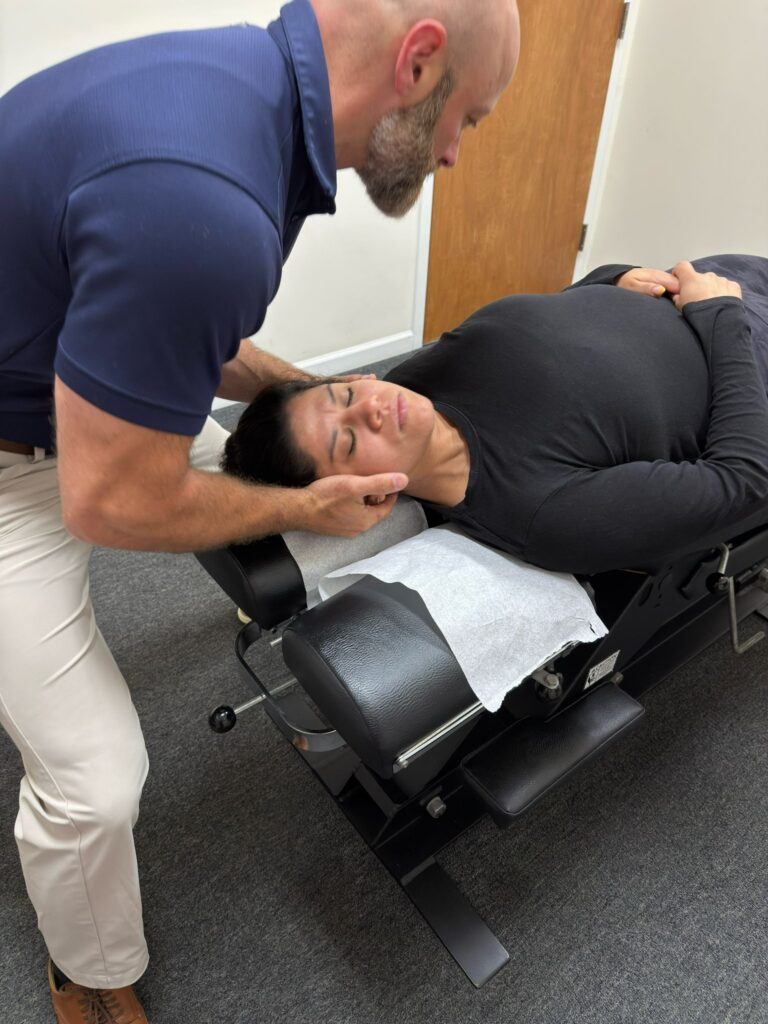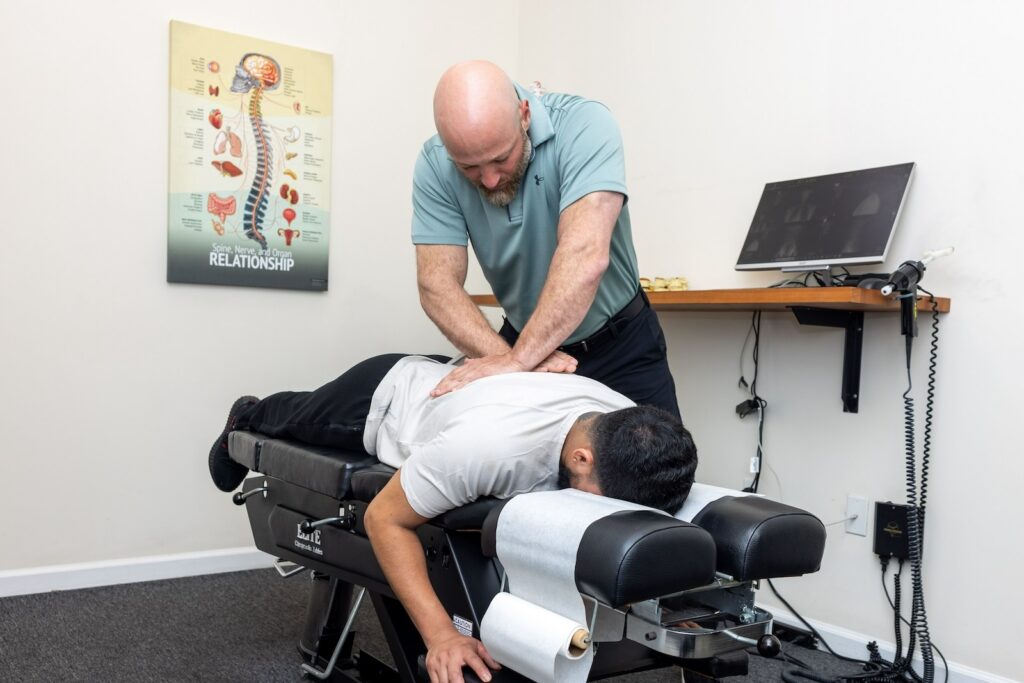

Migraines can be incredibly challenging to deal with, but there is hope through updated techniques for prevention that focus on natural wellness and chiropractic care. By understanding your triggers and incorporating healthy lifestyle changes, you can take control of your health.
Chiropractic care plays a vital role in managing migraines. Regular adjustments can help align your spine, improve nervous system function, and reduce tension that may contribute to migraine attacks. Alongside chiropractic adjustments, lifestyle modifications such as maintaining a consistent sleep schedule, staying hydrated, and practicing stress management techniques can significantly reduce the frequency and intensity of migraines.
Dietary adjustments are also important. Keeping a food diary to identify potential triggers—like certain foods or drinks—can help you make informed choices. Consider incorporating more whole foods into your diet, such as fruits, vegetables, and lean proteins, while avoiding processed foods that may exacerbate your symptoms.
Additionally, alternative therapies such as yoga and meditation can enhance your overall wellbeing and help manage stress, which is a common migraine trigger. By combining these strategies with regular chiropractic care, you can work towards achieving a healthier and more balanced life.
Curious about specific strategies that can make a difference for you? Let’s explore the most effective methods for managing and possibly preventing those painful episodes, all while emphasizing the importance of chiropractic care as a natural approach to wellness. Remember, your journey to optimal health starts with small, positive changes!
Key Takeaways
- Start by keeping a migraine diary. This tool can help you pinpoint specific triggers, patterns, and dietary habits that may be contributing to your migraines. Understanding these details can be a game-changer in managing your health naturally.
- Regular chiropractic care is essential for maintaining spinal alignment. By ensuring your spine is properly aligned, you can naturally reduce the frequency and intensity of migraines. Remember, your spine plays a crucial role in your overall health!
- Incorporating stress reduction techniques into your daily routine can significantly help manage migraines. Practices such as mindfulness, yoga, and deep breathing exercises can lower anxiety and tension, making a big difference in how you feel. As a chiropractor, I can help guide you on proper posture and body mechanics that support these activities.
- Establishing a consistent sleep schedule is vital for your overall well-being. Quality sleep, combined with staying well-hydrated, can support your body’s natural healing processes and help prevent migraine onset.
- Don’t forget the importance of regular exercise! Engaging in physical activity for at least 30 minutes most days not only boosts circulation but also helps manage stress levels effectively. As you exercise, remember to maintain good posture to avoid any strain on your spine.
By focusing on these natural approaches and prioritizing chiropractic care, you can take essential steps toward a healthier, migraine-free life!
Understanding the Triggers of Migraines
Understanding the triggers of migraines is crucial for managing them effectively, and as a chiropractor, I believe that natural approaches can significantly aid in alleviating this discomfort. By identifying what sparks your migraines, you can take proactive steps to reduce their frequency and intensity. Common triggers include stress, certain foods, changes in weather, and hormonal fluctuations. Keeping a migraine diary can be a valuable tool to help you identify these patterns and uncover specific triggers.
Once you’ve pinpointed your triggers, there are several lifestyle adjustments you can make. For example, if stress is a significant contributor to your migraines, consider integrating relaxation techniques such as chiropractic adjustments, yoga, or meditation into your daily routine. Chiropractic care can help alleviate tension in your spine and muscles, promoting relaxation and reducing the impact of stress on your body.
If you discover that certain foods trigger your migraines, try eliminating them one at a time to see if your symptoms improve. Maintaining a balanced diet rich in whole foods can also support your overall health and wellness. Additionally, staying hydrated and maintaining a consistent sleep schedule can help minimize the likelihood of an attack.
Being mindful of your habits and environment empowers you to take charge of your health. Regular chiropractic care not only helps with pain relief but also promotes natural healing and wellness, allowing your body to function optimally.
Understanding your triggers is an essential first step toward effective management, and embracing a holistic approach to your well-being can lead to a healthier, migraine-free life.
The Role of Medication in Prevention
While lifestyle changes are crucial in managing migraines, many individuals often overlook the potential benefits of chiropractic care as a natural and effective approach to prevention. Instead of relying on medications, which can come with side effects, consider exploring the advantages of chiropractic adjustments.
These adjustments can help align your spine, reduce tension, and improve overall nervous system function, which may contribute to fewer and less intense migraine attacks.
When dealing with migraines, it’s essential to find holistic solutions that work for you. Regular chiropractic visits can be a powerful way to support your body’s natural healing processes. Your chiropractor can help identify any spinal misalignments or tension that might be contributing to your headaches, providing you with tailored adjustments to alleviate discomfort.
In addition to chiropractic care, here are some helpful tips to manage migraines naturally:
- Stay Hydrated: Make sure you’re drinking enough water throughout the day, as dehydration can trigger migraines.
- Maintain a Consistent Sleep Schedule: Aim for regular sleep patterns to help reduce the frequency of migraines.
- Practice Stress Management: Techniques such as deep breathing, yoga, and meditation can help manage stress, a common trigger for migraines.
- Keep a Food Journal: Tracking what you eat can help identify any food triggers that may contribute to your migraines.
- Exercise Regularly: Engaging in regular physical activity can help reduce stress and improve overall health, which may lessen the occurrence of migraines.
By considering chiropractic care and incorporating these lifestyle changes, you can take significant steps toward achieving optimal health and reducing the impact of migraines on your life.
Innovative Devices for Migraine Management
Chiropractic care and healthy lifestyle choices are essential starting points for managing migraines effectively. As a chiropractor, I encourage you to explore natural methods to alleviate your pain. While there are innovative devices available, it’s important to remember that chiropractic care is a powerful tool for addressing the root causes of migraines.
One option that many patients find helpful is the transcutaneous electrical nerve stimulation (TENS) unit. This device uses gentle electrical impulses to reduce pain signals, but it should be viewed as a complement to the foundational benefits of chiropractic adjustments. Regular chiropractic care can help align your spine, relieve tension, and promote better overall nervous system function, which can significantly reduce the frequency and intensity of migraine attacks.
Another exciting area of development includes wearable devices that deliver neuromodulation therapy. These can be convenient, but nothing replaces the personalized care and hands-on approach that comes from a chiropractor. By focusing on spinal health and overall wellness, chiropractic adjustments can help your body function at its best, potentially minimizing migraine triggers.
In addition to these devices, there are simple lifestyle changes you can make to support your health. Staying hydrated, practicing stress-relieving techniques like deep breathing or meditation, and maintaining a balanced diet rich in whole foods can all contribute to fewer migraine episodes. Regular exercise is also a fantastic way to boost your overall health and can help reduce tension that may lead to migraines.
As you explore various methods for managing migraines, I encourage you to prioritize chiropractic care as a cornerstone of your wellness journey. By working with a chiropractor, you can achieve a more holistic approach to pain relief and improve your quality of life naturally.
Dietary Changes to Reduce Migraine Frequency
Making dietary changes can be a powerful way to help reduce the frequency of migraines, and as a chiropractor, I believe in the importance of holistic health. By paying attention to what you eat, you can identify potential migraine triggers while nourishing your body to support overall wellness. Here are some simple dietary tips that may help:
- Incorporate leafy greens like spinach and kale into your meals, as they’re rich in magnesium, which may help ease muscle tension and reduce headache frequency.
- Add fatty fish such as salmon and mackerel to your diet; these are packed with omega-3 fatty acids, which have anti-inflammatory properties that can benefit your overall health.
- Snack on nuts and seeds, as they provide healthy fats and protein, supporting your body’s needs without adding unnecessary stress.
- Choose whole grains like quinoa and brown rice to offer sustained energy and fiber, which can help maintain balanced blood sugar levels.
- Enjoy fruits like bananas and berries, which are loaded with essential vitamins and can help keep your body hydrated.
Additionally, it’s wise to be mindful of certain foods that may trigger migraines. Common culprits include aged cheeses, processed foods, and caffeine. By focusing on a balanced diet filled with fresh, whole ingredients, you can create a solid foundation for migraine prevention.
Remember, while dietary changes can make a difference, regular chiropractic care can also play a significant role in managing pain and enhancing your overall health.
Chiropractic adjustments can help align your spine, relieve tension, and promote optimal nervous system function, which is essential for your body’s healing processes.
Integrating Mindfulness and Stress Reduction Techniques
Integrating mindfulness and stress reduction techniques can significantly enhance your ability to manage migraines, and chiropractic care plays a crucial role in this holistic approach. By focusing on the present moment, you can effectively reduce the anxiety and tension that often lead to migraine attacks.
Start with simple deep breathing exercises; inhale slowly through your nose, hold for a moment, and exhale gently through your mouth. This practice not only calms your nervous system but can also complement chiropractic adjustments, which help restore balance and proper alignment in the body.
Consider adding meditation or guided imagery to your daily routine. Take a few minutes each day to sit quietly, visualizing a peaceful scene. This mental relaxation can be beneficial alongside regular chiropractic care, as both aim to promote overall well-being and stress relief.
Incorporating yoga can also be beneficial. This practice combines physical movement with mindfulness, helping to alleviate tension in the body. Through chiropractic adjustments, you can enhance your flexibility and posture, making your yoga practice even more effective.
Additionally, keeping a journal to track your thoughts and feelings can offer valuable insights into your stressors. By recognizing patterns, you can work with your chiropractor to develop strategies that address these triggers proactively.
Integrating these mindfulness techniques into your daily routine, along with chiropractic care, empowers you to take control of your migraine management and supports your journey toward natural wellness.
The Benefits of Regular Exercise
Regular exercise isn’t only beneficial for your overall health but also plays a significant role in enhancing blood circulation, which can help reduce migraine triggers.
As a chiropractor, I want to emphasize the importance of movement for your body, especially when it comes to managing stress and tension. By incorporating physical activity into your daily routine, you can create a natural strategy for preventing migraines.
In addition to exercise, maintaining proper spinal alignment through regular chiropractic care can further support your health and well-being. A healthy spine is essential for optimal nerve function, which can help in reducing the frequency and intensity of migraines.
Here are some simple tips to help you integrate exercise and chiropractic care into your wellness routine:
- Start with Gentle Movements: Begin with light activities such as walking or stretching to ease your body into a regular exercise routine.
- Stay Consistent: Aim for at least 30 minutes of physical activity most days of the week. Consistency is key for long-term benefits.
- Incorporate Chiropractic Visits: Schedule regular chiropractic adjustments to maintain spinal health and improve overall function.
- Manage Stress: Explore relaxation techniques such as yoga or deep breathing exercises, which can complement your exercise routine and further reduce tension.
- Listen to Your Body: Pay attention to how you feel during and after exercise. Adjust your routine as needed to suit your individual health needs.
Improved Blood Circulation
While many individuals turn to diet and medication for managing migraines, one often overlooked avenue is improved blood circulation, which can be significantly enhanced through chiropractic care and regular exercise. A well-aligned spine promotes optimal nerve function and blood flow, allowing your heart to pump more efficiently and deliver oxygen-rich blood throughout your body. This enhanced circulation can help reduce the frequency and intensity of migraines.
Here are some benefits of incorporating chiropractic care and exercise into your routine:
- Natural Pain Relief: Chiropractic adjustments help alleviate tension and misalignments in your spine, which can reduce headache symptoms. This natural approach can provide relief without the need for medications.
- Boosted Mood: Regular chiropractic care, combined with exercise, stimulates the release of endorphins, which can lift your mood and help ease pain associated with migraines.
- Increased Energy: Both chiropractic adjustments and consistent physical activity can enhance your energy levels, making everyday activities more enjoyable and less of a strain.
- Better Sleep Quality: A well-aligned spine can lead to improved sleep patterns, which are critical in managing migraines. Quality sleep is essential for recovery and overall well-being.
- Enhanced Cardiovascular Health: Chiropractic care supports a healthy nervous system, which is vital for optimal heart function, helping to reduce risk factors associated with migraines.
- Connection with Nature: Engaging in outdoor exercises can be both uplifting and calming, helping to soothe your mind and reduce stress, which is often a trigger for migraines.
Incorporating chiropractic care alongside regular exercise can profoundly impact your journey toward migraine prevention.
Consider visiting your local chiropractor to discuss how personalized care can support your health and wellness goals.
Stress Reduction Techniques
As a local chiropractor, I want to emphasize the importance of managing stress for your overall health and wellness, especially when it comes to preventing migraines. While improving blood circulation is beneficial, stress management plays a crucial role in achieving optimal health. One of the most effective ways to reduce stress is through regular exercise. Engaging in physical activity not only releases endorphins, which enhance your mood, but also promotes relaxation and a sense of well-being.
Here’s a quick overview of some stress-reducing exercises that can easily be incorporated into your daily routine:
| Exercise Type | Duration | Benefits |
|---|---|---|
| Walking | 30 minutes | Lowers tension, improves mood |
| Yoga | 45 minutes | Increases flexibility, calms the mind |
| Swimming | 30 minutes | Full-body workout, promotes stress relief |
| Cycling | 30 minutes | Boosts energy, enhances focus |
| Strength Training | 30 minutes | Builds confidence, reduces anxiety |
By regularly practicing these exercises, you can significantly reduce stress levels and improve your overall health. Remember, chiropractic care is also a great way to support your body’s natural ability to heal and function optimally. A well-aligned spine can enhance your physical activities, helping you to get the most out of your workouts while reducing the risk of injury.
In addition to exercise, here are some simple tips for managing stress:
- Practice Deep Breathing: Take a few moments each day to focus on your breath. Deep breathing can help calm your mind and reduce tension.
- Stay Hydrated: Drinking enough water is essential for your body to function properly and can help combat stress.
- Maintain a Balanced Diet: Nourishing your body with healthy foods can improve your mood and energy levels, making it easier to handle stress.
- Prioritize Sleep: Quality sleep is crucial for recovery and stress management. Aim for 7-9 hours each night.
- Connect with Others: Spend time with friends and family. Social support can be a great buffer against stress.
Incorporating these practices into your daily life, alongside chiropractic care, can lead to better health outcomes and a more balanced lifestyle. Remember, your journey to wellness is a holistic one, and I’m here to support you every step of the way!
Exploring Alternative Therapies
When it comes to managing migraines, it’s essential to consider a holistic approach that prioritizes natural healing and overall wellness. As a chiropractor, I believe that chiropractic care can be a powerful tool in alleviating migraine pain and preventing future episodes.
By focusing on spinal health and alignment, we can help reduce tension and improve blood flow, which are crucial factors in managing migraines.
In addition to chiropractic adjustments, incorporating relaxation techniques, regular exercise, and proper hydration can also significantly benefit your overall health and may reduce the frequency and severity of migraine attacks.
Simple practices like stretching, practicing deep breathing, and maintaining a healthy diet can make a noticeable difference.
While some individuals explore therapies like acupuncture and herbal remedies, I encourage you to see how chiropractic care can become a key part of your migraine prevention plan.
By addressing the root cause of your pain, you can achieve long-lasting relief and improve your overall quality of life.
Acupuncture for Migraine Relief
Have you ever thought about how chiropractic care can help alleviate your migraine pain? This holistic approach focuses on the alignment of the spine and nervous system, which can play a significant role in managing headaches. Many individuals experience relief from migraines through chiropractic adjustments, which may help reduce the frequency and intensity of these debilitating headaches.
Imagine:
- Feeling the soothing tension release as your chiropractor gently adjusts your spine.
- Being in a calming environment where you can relax and focus on your well-being.
- Discovering techniques to improve your posture and reduce stress that can trigger migraines.
- Gaining knowledge about lifestyle changes and exercises that promote overall health and wellness.
Chiropractic care not only addresses your immediate migraine symptoms but also provides a pathway to long-term health by focusing on natural healing. Regular adjustments can help maintain proper spinal alignment, which supports the nervous system and can lead to fewer headaches.
Here are some general tips to support your wellness journey and potentially reduce migraine occurrences:
- Stay Hydrated: Dehydration can trigger migraines, so drink plenty of water throughout the day.
- Maintain Good Posture: Proper posture can minimize tension in your neck and shoulders, which may help prevent migraines.
- Manage Stress: Incorporate relaxation techniques such as deep breathing or gentle yoga to help reduce stress levels.
- Regular Chiropractic Visits: Regular adjustments can help keep your spine aligned and reduce the likelihood of migraines.
Choosing chiropractic care is a natural way to pursue optimal health and find relief from migraine pain. It’s all about supporting your body’s ability to heal itself!
Herbal Remedies and Efficacy
Chiropractic care offers a natural and effective approach to managing migraines, promoting overall wellness and optimal health. While many patients find relief through chiropractic adjustments, incorporating herbal remedies can also complement your pain management strategies. Certain herbs have been known to help alleviate migraine symptoms, potentially reducing their frequency and intensity, making them a worthwhile addition to your wellness routine.
Here’s a quick look at some popular herbal remedies that may support your journey toward relief:
| Herb | Potential Benefits | Usage Suggestions |
|---|---|---|
| Feverfew | May reduce migraine frequency | Consider taking as a daily supplement |
| Butterbur | Might help prevent migraines | Look for standardized extracts |
| Peppermint | Can relieve tension headaches | Apply oil to temples or enjoy as tea |
In addition to exploring herbal options, it’s important to prioritize spinal health through regular chiropractic care. Adjustments can help alleviate tension and misalignments that may contribute to headaches and migraines.
Here are some general tips to support your health and wellness journey:
- Stay hydrated: Drinking plenty of water can help prevent dehydration, a common migraine trigger.
- Maintain a consistent sleep schedule: Quality sleep is essential for overall health and can help reduce the likelihood of migraines.
- Practice stress management: Techniques such as deep breathing, yoga, or meditation can help ease tension and promote relaxation.
Building a Support System for Migraine Sufferers
Building a strong support system is essential for anyone living with migraines, and as a chiropractor, I believe that holistic wellness plays a crucial role in managing pain naturally. Surrounding yourself with supportive individuals can significantly reduce feelings of isolation and provide comfort during difficult times.
Here are some effective ways to create your support network while also embracing a natural approach to health and wellness:
- Family Members: Engage your loved ones by sharing your migraine experiences. When they understand what you’re going through, they can be more supportive and provide comfort during flare-ups.
- Close Friends: Seek friends who are willing to accompany you to appointments or simply hang out when you’re feeling down. Their presence can be a powerful distraction and a source of emotional support.
- Support Groups: Join online or local support groups focused on migraine awareness and education. Sharing your experiences and learning from others can provide valuable coping strategies and a sense of community.
- Healthcare Professionals: Collaborate with chiropractors like myself who understand your condition. Chiropractic care focuses on spinal health and can help alleviate tension that contributes to migraines, offering a natural approach to pain relief.
- Community Resources: Look for local organizations dedicated to migraine education. Many of these resources can provide helpful tips for managing your condition and improving your overall well-being.
Additionally, consider these general wellness tips to help manage migraines naturally:
- Stay Hydrated: Dehydration can trigger migraines, so aim to drink plenty of water throughout the day.
- Maintain a Consistent Sleep Schedule: Sleep can impact migraine frequency, so try to go to bed and wake up at the same time every day.
- Practice Stress-Relief Techniques: Techniques like deep breathing, meditation, or gentle yoga can help reduce stress, which is a common migraine trigger.
- Monitor Your Diet: Keep a food diary to identify any potential dietary triggers and make adjustments as needed.
Conclusion
Incorporating updated techniques for migraine prevention can truly transform your experience, especially when you consider the benefits of chiropractic care. By understanding your triggers and making some simple dietary adjustments, you can significantly reduce the frequency and severity of your migraines. Embracing mindfulness practices is also essential; they can help alleviate stress, a common migraine trigger.
Regular exercise should be part of your routine, as it not only boosts overall health but also helps to relieve tension that can lead to migraines. Additionally, exploring alternative therapies like chiropractic adjustments can provide natural relief by addressing spinal misalignments that may contribute to headache pain.
Building a supportive network of friends or family is invaluable; having people who understand your struggles can offer encouragement and motivation. Remember, taking charge of your well-being through these natural methods, including chiropractic care, can lead you to a more manageable and fulfilling life. Focus on these holistic approaches as a way to enhance your health and wellness journey.