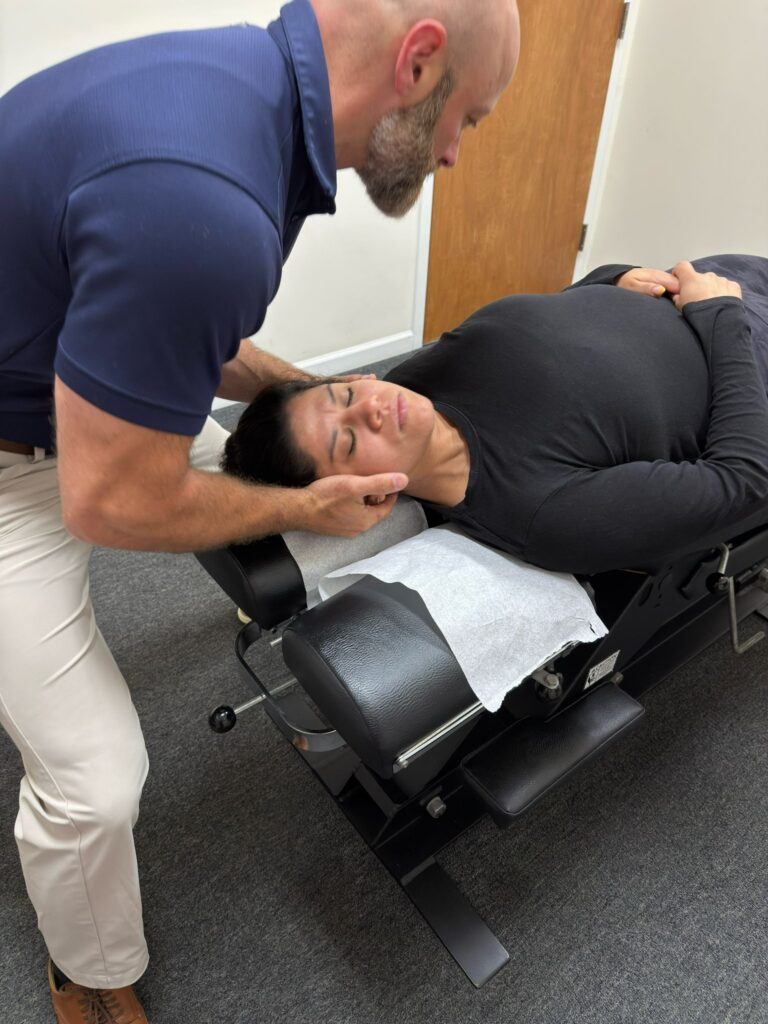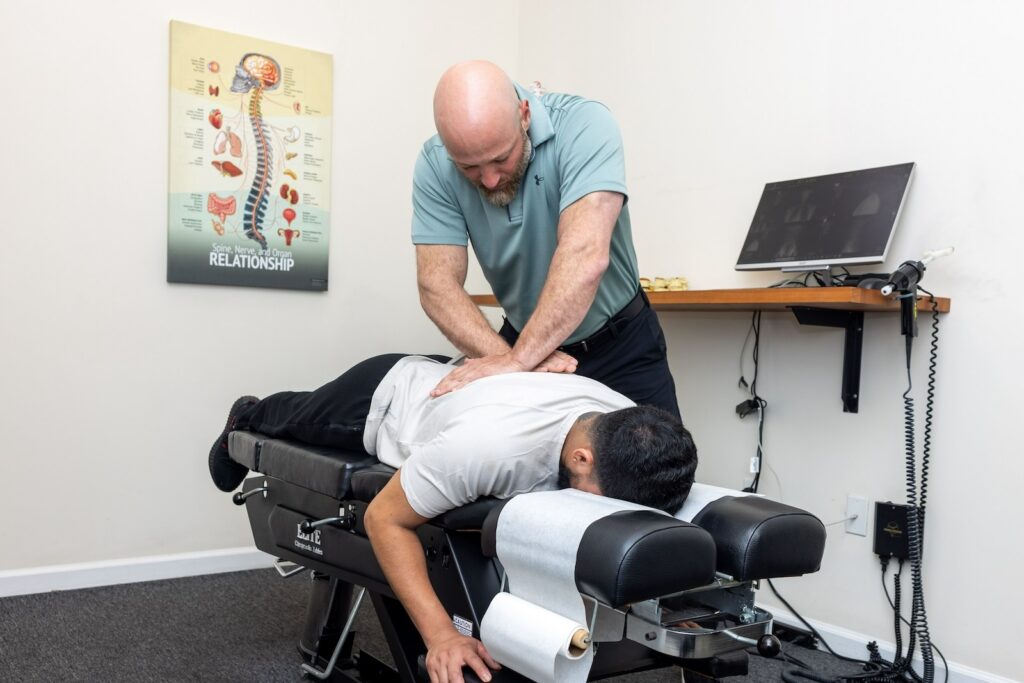

If you’ve ever dealt with the persistent discomfort of tension headaches, you may be curious about how chiropractic adjustments can help alleviate that pain. At the heart of chiropractic care is the focus on restoring proper spinal alignment, a crucial factor in reducing nerve pressure and improving blood circulation. But how do these adjustments truly impact muscle tension and stress levels? Understanding this connection can empower you to manage your headaches more effectively and promote your overall well-being. Let’s delve into this important topic.
Chiropractic adjustments work by realigning the spine, which can relieve tension in the surrounding muscles. When your spine is misaligned, it can lead to increased muscle tightness and stress, contributing to headache symptoms. By restoring proper alignment, chiropractic care helps to release that muscle tension, allowing for greater relaxation and reducing the frequency and intensity of tension headaches.
In addition to adjustments, there are simple strategies you can incorporate into your daily routine to help manage tension headaches. Maintaining good posture while sitting or standing can significantly reduce stress on your spine and muscles. Take regular breaks from prolonged activities, especially if you work at a desk or use a computer for extended periods. Stretching and gentle neck exercises can also promote relaxation and alleviate tension.
Choosing chiropractic care as a natural, non-invasive approach to headache relief not only addresses the symptoms but also targets the underlying causes. By prioritizing your spinal health, you are taking a proactive step towards achieving optimal wellness. If you’re seeking a solution that avoids medications and surgery, chiropractic adjustments could be the key to a healthier, pain-free life. Let’s work together to find the best path for your well-being and comfort!
Key Takeaways
Chiropractic adjustments play a vital role in relieving tension headaches and promoting overall wellness. Here’s how they work:
- Restoring Spinal Alignment: When your spine is misaligned, it can put pressure on your nerves, leading to discomfort and headaches. Chiropractic adjustments help realign your spine, reducing this nerve pressure and alleviating headache discomfort naturally.
- Enhancing Blood Flow: Proper spinal alignment improves blood circulation throughout your body. This increased blood flow can help relax tight muscles that contribute to headache pain.
- Relaxing Tight Muscles: Many people carry tension in their neck and shoulders, which can be a significant factor in tension headaches. Chiropractic care promotes the relaxation of these tight muscles, helping to decrease overall tension and discomfort.
- Boosting Nerve Function: Regular chiropractic adjustments enhance the function of your nervous system. This can lead to fewer headaches and improved overall health. By ensuring that your nerves are functioning optimally, you can enjoy a higher quality of life.
- Supporting Proper Posture: Good posture is essential for avoiding the muscle strain that often leads to tension headaches. Chiropractic care not only helps correct posture but also teaches you how to maintain it in your daily life.
General Tips for Headache Relief:
- Stay hydrated: Drink plenty of water throughout the day to help prevent dehydration, which can lead to headaches.
- Practice good posture: Be mindful of your posture while sitting, standing, and using electronic devices.
- Stretch regularly: Incorporate gentle neck and shoulder stretches into your routine to relieve muscle tension.
- Manage stress: Consider relaxation techniques such as deep breathing, meditation, or yoga to help reduce stress levels.
Chiropractic care offers a natural and effective way to achieve pain relief and enhance your overall health. By focusing on spinal alignment and nerve function, you can enjoy a happier, healthier life without the need for medications or invasive procedures. If you’re struggling with tension headaches, consider reaching out to a chiropractor for personalized care and support.
Understanding Tension Headaches
Tension headaches are one of the most common forms of head pain, and they can often be triggered by everyday factors like stress, poor posture, or muscle strain. You may experience a dull, aching sensation around your forehead, temples, or the back of your head and neck. This discomfort can develop gradually, making it easy to overlook until it becomes quite bothersome.
Common contributors to tension headaches include anxiety, long hours spent at a desk, and even clenching your jaw. These factors can lead to muscle tension, which in turn can result in headaches that may last anywhere from 30 minutes to several days, affecting your daily life.
Recognizing the signs of tension headaches early is crucial for managing and preventing future episodes. One of the best ways to address the root causes of these headaches is through chiropractic care. Chiropractors focus on aligning the spine and improving overall body function, which can help alleviate muscle tension and reduce the frequency and intensity of headaches.
In addition to chiropractic adjustments, here are some general tips to help you manage tension headaches naturally:
- Practice Good Posture: Make sure your workspace is ergonomically set up to prevent strain on your neck and back. Keep your feet flat on the ground and your screen at eye level.
- Stay Hydrated: Dehydration can contribute to headaches, so make sure you’re drinking enough water throughout the day.
- Incorporate Relaxation Techniques: Deep breathing exercises, meditation, or gentle yoga can help relieve stress and reduce tension in your muscles.
- Take Breaks: If you work at a desk for long periods, take regular breaks to stretch and move around. This can help prevent muscle stiffness and tension.
- Consider Regular Chiropractic Visits: Regular adjustments can help keep your spine aligned and your body functioning optimally, reducing the likelihood of tension headaches.
The Role of Spinal Alignment
When it comes to tension headaches, spinal alignment is crucial for your overall health and well-being. When your spine is properly aligned, it supports optimal nerve function, which can significantly reduce the intensity of headaches. Poor spinal alignment can lead to increased tension and discomfort, so paying attention to your posture is essential.
Take a moment to notice how you sit and stand throughout the day. Simple adjustments in your posture can make a big difference. When sitting, ensure your back is straight, and your shoulders are relaxed. When standing, keep your weight evenly distributed on both feet.
Incorporating regular chiropractic care into your routine can help maintain proper spinal alignment and promote natural healing. A chiropractor can assess your spine and provide gentle adjustments to help alleviate tension and enhance your overall health.
Additionally, consider incorporating stretching and strengthening exercises into your daily routine. Gentle neck stretches and strengthening your core can support your spine and improve your posture.
Importance of Spinal Health
Spinal health is crucial for your overall well-being, and maintaining proper spinal alignment can significantly enhance how your body functions. When your spine is aligned, it supports smooth movement and helps distribute stress evenly throughout your body. This balance is essential for minimizing tension and preventing discomfort, especially in areas like your neck and shoulders.
Many people don’t realize that misalignments in the spine can lead to muscle tightness and poor posture, which can affect your comfort and daily activities. By prioritizing your spinal health, you can boost your mobility and energy levels, making it easier to enjoy life to the fullest.
Regular chiropractic adjustments are a natural and effective way to maintain spinal alignment. These adjustments help ensure that your spine supports you optimally, allowing for better movement and less discomfort. Chiropractic care isn’t just about alleviating pain; it’s about fostering a healthier, more active lifestyle.
Here are a few tips to help you take care of your spine:
- Stay Active: Engage in regular physical activity to strengthen your back and core muscles.
- Practice Good Posture: Be mindful of your posture when sitting, standing, or lifting. Use ergonomic furniture if possible.
- Stretch Regularly: Incorporate stretching into your daily routine to keep your muscles flexible and healthy.
- Stay Hydrated: Drinking plenty of water can help keep your spinal discs healthy.
- Visit Your Chiropractor: Regular check-ups with your chiropractor can help maintain your spine’s health and catch any misalignments early.
Nerve Function and Headaches
Proper spinal alignment is crucial not just for movement and overall well-being, but it also has a significant impact on how our nerves function. When your spine is aligned correctly, it reduces pressure on the nerves that branch out from the spinal cord. This pressure can contribute to discomfort and pain, including frustrating tension headaches.
If your spine is misaligned, it can disrupt the signals that travel through your nerves, leading to muscle tightness and, ultimately, headaches. That’s where chiropractic care comes in! By getting regular adjustments, you can help maintain proper alignment, ensuring smooth communication between your brain and body. This not only helps keep your muscles relaxed but also reduces the chances of headaches.
Here are some simple tips to support your spinal health and overall wellness:
- Stay Active: Engage in regular physical activity that promotes strength and flexibility. Simple exercises like walking, stretching, or yoga can do wonders for your spine.
- Mind Your Posture: Being aware of your posture, whether sitting at a desk or standing, can help keep your spine aligned. Make sure your workstation is ergonomically set up to support good posture.
- Practice Relaxation Techniques: Stress can lead to muscle tension, which can trigger headaches. Techniques like deep breathing, meditation, or gentle stretching can help alleviate this tension.
- Stay Hydrated: Drinking plenty of water supports overall health and can help reduce muscle tension.
- Get Regular Chiropractic Care: Scheduling regular adjustments with your chiropractor can enhance your nerve function and support your body’s natural healing processes.
By prioritizing these practices and incorporating chiropractic care into your wellness routine, you can enjoy a healthier, headache-free life.
Posture and Alignment Impact
Good posture is crucial for maintaining proper spinal alignment and overall health. When you sit or stand correctly, your spine naturally follows its intended curves, which lessens strain on your muscles and ligaments. This alignment helps prevent tension from accumulating in your neck and shoulders, common sources of tension headaches.
Many people may not realize that slouching or leaning forward can lead to misalignment and discomfort. As a chiropractor, I often see how simple adjustments can correct these misalignments, bringing balance back to your body. By being mindful of your posture throughout the day, you can actively support your spinal health and possibly reduce the occurrence of headaches.
Here are some practical tips to improve your posture:
- Sit Up Straight: Ensure your back is straight, shoulders relaxed, and feet flat on the ground when sitting.
- Take Breaks: If you work at a desk, stand up and stretch or walk every 30 minutes to relieve tension.
- Use Ergonomic Furniture: Consider a chair that supports your lower back and promotes good posture.
- Strengthen Your Core: Engage in exercises that strengthen your core muscles, as a strong core supports your spine.
- Be Mindful: Throughout the day, check in with your posture—make adjustments as needed.
How Chiropractic Adjustments Work
When you visit my chiropractic office for an adjustment, I use gentle, controlled force to carefully manipulate specific joints in your spine and body. This technique is all about bringing your body back into its natural alignment, which can significantly enhance your overall function and well-being.
Chiropractic adjustments are particularly effective at relieving pressure on your nerves, improving blood flow, and reducing muscle tension—all of which can help ease those pesky headaches.
Here’s a simple breakdown of how chiropractic adjustments work and their benefits:
| Effect | Description |
|---|---|
| Joint Mobilization | Helps increase your range of motion |
| Nerve Function | Reduces interference with your nervous system |
| Muscle Relaxation | Eases tension in the surrounding muscles |
| Pain Relief | Activates your body’s natural pain relief mechanisms |
By addressing these areas, chiropractic adjustments can have a profoundly positive impact on your health. When your body is properly aligned, you may find you experience fewer headaches and enjoy better overall health.
Tips for Maintaining Optimal Health:
- Stay active: Regular movement and exercise can support your spinal health.
- Practice good posture: Being mindful of your posture can prevent strain on your spine.
- Stay hydrated: Drinking plenty of water can help maintain healthy muscles and joints.
- Manage stress: Engage in relaxation techniques like deep breathing or yoga to reduce muscle tension.
The Connection Between Muscles and Headaches
Muscle tension can often be the underlying cause of those persistent headaches you may be experiencing. One of the key factors contributing to this tension is your posture. Poor posture can place additional stress on your muscles, leading to discomfort and pain.
Understanding how chiropractic adjustments can help relax these tight muscles is essential for finding relief. Chiropractic care focuses on aligning the spine and improving overall body function, which can effectively alleviate the tension that contributes to headaches.
Here are some simple tips to help you manage muscle tension and reduce headaches:
- Maintain Good Posture: Be mindful of your posture, especially when sitting for long periods. Keep your back straight, shoulders relaxed, and your head aligned with your spine.
- Take Breaks: If you work at a desk, take regular breaks to stretch and move around. This can help relieve muscle tension and improve circulation.
- Stay Hydrated: Dehydration can lead to headaches, so make sure you’re drinking enough water throughout the day.
- Practice Relaxation Techniques: Incorporating relaxation techniques such as deep breathing, meditation, or gentle yoga can help reduce stress and muscle tension.
- Regular Chiropractic Visits: Regular chiropractic adjustments can keep your spine aligned and your muscles relaxed, helping you maintain optimal health and prevent headaches.
By prioritizing your spinal health and addressing muscle tension through chiropractic care, you can achieve lasting relief from headaches and enhance your overall well-being.
Muscle Tension Triggers Headaches
Muscle tension can be a sneaky yet significant cause of headaches. When your muscles, especially in the neck, shoulders, or jaw, become tight, they can create discomfort that radiates to your head. This tension often results from stress, overexertion, or even sitting in the same position for too long. You may not even notice how your daily activities contribute to this tightness, which can lead to a painful cycle.
As your muscles tighten, they can compress nerves and restrict blood flow, worsening your headaches. Understanding the connection between muscle tension and headaches is crucial in finding relief. One of the best ways to tackle muscle tightness is through chiropractic care. Chiropractors focus on aligning your spine and relieving tension in your muscles, which can help alleviate headaches and promote overall wellness.
In addition to regular chiropractic adjustments, there are several simple tips you can incorporate into your daily routine to help reduce muscle tension:
- Stretch Regularly: Take breaks throughout the day to stretch your neck, shoulders, and back. Gentle stretches can help relieve tightness and improve blood flow.
- Practice Relaxation Techniques: Consider deep breathing exercises, meditation, or yoga. These practices can help reduce stress and tension in your body.
- Stay Hydrated: Drink plenty of water. Dehydration can contribute to muscle tension and headaches, so keeping hydrated is key.
- Maintain Good Posture: Be mindful of your posture, especially if you spend long hours sitting. Keep your shoulders relaxed and your neck aligned with your spine.
- Get Regular Chiropractic Care: Regular visits to your chiropractor can help keep your spine aligned and your muscles relaxed, providing natural relief from headaches.
By addressing muscle tightness through these strategies and with the help of chiropractic care, you can pave the way for a healthier, pain-free life.
Posture’s Role in Discomfort
Good posture is crucial for preventing discomfort and headaches, as it significantly influences how your muscles work and interact. When you maintain proper alignment, your muscles can function efficiently, which reduces strain and tension.
On the other hand, slouching or hunching can lead to muscle imbalances, where some muscles tighten and others weaken. This imbalance can cause discomfort that radiates to your head, resulting in tension headaches.
As a chiropractor, I want to emphasize the importance of being mindful of your posture for your overall well-being and headache prevention. By practicing good posture, you can alleviate unnecessary stress on your muscles and promote better blood flow.
Here are some simple tips to help you maintain proper posture throughout your day:
- Keep your shoulders back: Imagine there’s a string pulling your shoulders back and down. This helps open up your chest and aligns your spine.
- Tuck your chin: This might feel a bit strange at first, but gently tucking your chin helps align your head with your spine, reducing strain on your neck.
- Engage your core: Your core muscles play a vital role in supporting your spine. Try to engage them gently throughout the day, especially when sitting or standing for long periods.
- Take breaks: If you’re sitting for a long time, stand up and stretch or walk around every 30 minutes. This keeps your muscles active and helps avoid stiffness.
- Consider chiropractic care: Regular chiropractic adjustments can help ensure your spine is aligned, which can improve your posture and reduce the risk of discomfort and headaches. A chiropractor can provide personalized advice and techniques tailored to your needs.
Adjustments and Muscle Relaxation
When you find yourself dealing with headaches, it’s often a result of tight muscles that aren’t functioning at their best. These muscles can create tension and discomfort, leading to those frustrating headaches. That’s where chiropractic adjustments come into play! They can help relieve this tension, promote muscle relaxation, and restore balance in your body.
Here’s how chiropractic adjustments can positively impact muscle tension:
| Muscle Group | Adjustment Effect |
|---|---|
| Neck | Reduces stiffness and increases mobility, making daily activities easier |
| Shoulders | Eases tightness, which enhances relaxation and helps you feel more at ease |
| Upper Back | Alleviates pressure, improving your posture and overall comfort |
| Jaw | Relieves clenching, which can significantly reduce headaches |
In addition to receiving adjustments, there are some simple tips you can incorporate into your daily routine to help manage and prevent tension:
- Stay Hydrated: Drinking plenty of water helps keep your muscles healthy and functioning properly.
- Stretch Regularly: Gentle stretching can relieve tightness and improve flexibility. Consider stretches specifically for your neck, shoulders, and back.
- Practice Good Posture: Be mindful of your posture while sitting and standing. This can prevent unnecessary strain on your muscles.
- Take Breaks: If you spend long periods sitting, take breaks to move around and stretch every hour.
- Mindfulness and Relaxation Techniques: Activities like yoga or meditation can help you manage stress, which often contributes to muscle tension and headaches.
Embracing chiropractic care as a natural approach to wellness can lead to lasting relief from headaches and other discomforts. By focusing on your spine and overall balance, you can achieve a healthier, more vibrant life. Remember, your body is designed to heal itself, and chiropractic adjustments can help facilitate that process!
Stress and Its Impact on Head Pain
Stress and Its Impact on Head Pain
As a chiropractor, I want to shed light on how stress can significantly contribute to headaches and how natural healing through chiropractic care can help you find relief. When life’s demands start to weigh heavily on you, your body often responds with tension, leading to uncomfortable head pain. By understanding the connection between stress and headaches, you can take proactive steps toward managing your discomfort.
Here are three ways stress impacts head pain, along with tips on how chiropractic care can help:
- Muscle Tension: Stress can cause you to unconsciously tighten your neck and shoulder muscles, which can lead to discomfort radiating to your head. Chiropractic adjustments can help relieve this muscle tension, promoting relaxation and freeing up those tight areas.
- Hormonal Changes: During stressful times, your body releases hormones like cortisol that can heighten your sensitivity to pain. Chiropractic care helps to restore balance to your nervous system, which may help regulate these hormonal responses and reduce your headache sensitivity.
- Sleep Disruption: Elevated stress levels can interfere with your sleep, leading to fatigue and increasing the chances of headaches. Regular chiropractic adjustments can improve your overall body function, which may enhance your sleep quality and help you wake up feeling refreshed.
In addition to chiropractic care, here are a few general tips you can implement in your daily routine to help manage stress and reduce headaches:
- Practice Relaxation Techniques: Consider deep breathing, meditation, or yoga to help calm your mind and body.
- Stay Hydrated: Dehydration can worsen headaches, so make sure to drink plenty of water throughout the day.
- Maintain Good Posture: Be mindful of your posture at work and home. Proper alignment can reduce muscle tension and prevent headaches.
Remember, chiropractic care is a natural and effective way to address the underlying causes of head pain. By taking a holistic approach to your health, you can achieve optimal wellness and enjoy a life with less discomfort.
If you’re struggling with stress-related headaches, don’t hesitate to reach out for a chiropractic consultation. Together, we can help you find lasting relief.
Posture’s Influence on Muscle Tension
Posture plays a crucial role in muscle tension and can significantly contribute to headaches, particularly when stress is involved. When you slouch or hunch over, it increases the strain on your neck and shoulder muscles, causing tension to accumulate over time. This build-up can lead to discomfort and even headaches, often without you realizing that your posture is the culprit.
By maintaining good posture, you help distribute your body weight evenly, reducing the burden on your muscles. Sitting up straight or properly aligning your spine can alleviate unnecessary pressure. It’s essential to stay aware of your posture throughout the day, whether you’re at your desk or on your feet. Simple adjustments, like repositioning your chair or incorporating ergonomic tools, can make a world of difference.
As a chiropractor, I want to emphasize that improving your posture isn’t just about comfort; it can also ease muscle tension and reduce the frequency and intensity of headaches. Regular chiropractic care can help you achieve and maintain optimal posture, which is vital for your overall health and wellness.
Here are a few tips you can take away to improve your posture:
- Take Breaks: If you’re sitting for long periods, take short breaks to stand, stretch, and reset your posture.
- Mind Your Workspace: Ensure your chair, desk, and computer screen are set up to promote good posture.
- Strengthen Core Muscles: Engage in exercises that strengthen your core, as a strong core supports proper spinal alignment.
- Stay Hydrated: Drinking plenty of water can help keep your muscles hydrated and reduce tension.
Benefits of Regular Chiropractic Care
Regular chiropractic care is more than just a way to ease pain; it’s a pathway to enhancing your overall well-being and achieving optimal health. By keeping your spine properly aligned, you can unlock numerous benefits that positively impact your daily life.
Here are three key advantages of incorporating chiropractic care into your routine:
- Increased Mobility: With regular chiropractic adjustments, your joints remain flexible, allowing for smoother movements and greater comfort in your everyday activities. This means you can engage in the activities you love without feeling restricted or uncomfortable.
- Boosted Immune System: Chiropractic care can play a crucial role in strengthening your immune system. When your spine is aligned, your body is better equipped to ward off illnesses, helping you feel healthier and more vibrant.
- Stress Relief: Life can be stressful, but regular chiropractic visits can help alleviate tension in your muscles and promote relaxation. This not only reduces stress levels but also cultivates a more balanced and peaceful state of mind, allowing you to tackle daily challenges with ease.
To make the most of your chiropractic experience, consider these simple tips:
- Stay Consistent: Regular visits to your chiropractor can help maintain your spinal health and overall wellness.
- Practice Good Posture: Being mindful of your posture can prevent strain on your spine and enhance your mobility.
- Stay Active: Engaging in gentle exercises or stretches can support your chiropractic care and keep your joints flexible.
Embracing chiropractic care as a natural approach to health can be one of the best decisions you make for your well-being. By prioritizing your spinal health, you’re taking an essential step toward a healthier, happier life every day.
Case Studies: Success Stories
Many patients experience transformative results from chiropractic care, leading to inspiring success stories that showcase its effectiveness.
Take Sarah, for instance. After years of battling chronic tension headaches, she turned to chiropractic adjustments. Within just a few weeks, she experienced a noticeable decrease in both the pain and frequency of her headaches, allowing her to enjoy life again.
Then there’s Mark, who discovered that regular chiropractic adjustments not only alleviated his headache symptoms but also positively impacted his posture and energy levels. With improved focus at work, he found himself feeling more productive and engaged than ever before.
These remarkable experiences aren’t one-offs. Countless individuals share similar stories—fewer headaches, improved overall well-being, and a revitalized sense of energy.
Chiropractic care focuses on addressing the root causes of tension headaches, providing a natural and effective path to relief that can truly change lives. By prioritizing spinal alignment and overall health, you too could become part of these success stories, regaining control over your days and saying goodbye to headache discomfort.
Here are a few simple tips you can incorporate into your daily routine to support your spinal health and overall wellness:
- Stay Active: Regular physical activity strengthens your muscles and supports spinal health. Aim for at least 30 minutes of moderate exercise most days of the week.
- Practice Good Posture: Be mindful of your posture, especially when sitting for long periods. Keep your back straight, shoulders relaxed, and feet flat on the floor.
- Stay Hydrated: Drinking plenty of water helps maintain the elasticity of your spinal discs and supports overall health.
- Manage Stress: Incorporate relaxation techniques such as deep breathing, meditation, or yoga to help reduce tension in your body.
- Prioritize Sleep: Ensure you’re getting enough restful sleep each night to allow your body to recover and rejuvenate.
Other Remedies to Complement Adjustments
While chiropractic adjustments are highly effective for relieving tension headaches, incorporating additional natural remedies can further enhance your journey to optimal health.
Here are three simple strategies you might consider that complement chiropractic care:
- Hydration: Keeping your body well-hydrated is vital. Dehydration can often lead to headaches, so aim to drink plenty of water throughout your day. This not only helps prevent headaches but also supports overall wellness.
- Stress Management Techniques: Embracing relaxation methods, such as yoga, meditation, or even simple deep breathing exercises, can significantly lower stress levels. Since stress is a common contributor to tension headaches, these practices can be beneficial alongside your chiropractic adjustments.
- Regular Exercise: Engaging in regular physical activity is essential for maintaining good health. Exercise helps release endorphins—your body’s natural pain relievers.
Try to aim for at least 30 minutes of moderate exercise most days. Activities like walking, cycling, or swimming can be enjoyable and beneficial for your overall well-being.
By incorporating these strategies alongside your chiropractic care, you can enhance your healing process and work towards a healthier, pain-free life!
Tips for Maintaining Headache Relief
To maintain relief from tension headaches, it’s essential to create a routine that enhances your overall well-being, and chiropractic care can play a pivotal role in this process.
Start by focusing on good posture, particularly if you spend long hours at a desk. An ergonomic workspace can significantly reduce strain on your neck and shoulders, which are common culprits for tension headaches. Regular chiropractic adjustments can help align your spine, improve posture, and alleviate discomfort.
Engaging in physical activities like walking or yoga can also relieve tension and promote better circulation. These exercises not only support your body’s natural healing processes but also enhance the effectiveness of your chiropractic care.
Staying hydrated and maintaining a balanced diet is crucial, as dehydration and poor nutrition can trigger headaches. Consider incorporating whole foods rich in nutrients and hydration into your meals.
Additionally, relaxation techniques such as deep breathing or meditation can help manage stress, which is vital for headache prevention.
Don’t underestimate the power of quality sleep; it’s essential for your overall health and well-being. Ensure you’re getting enough rest each night to support your body’s recovery and function optimally.
By committing to these healthy habits and incorporating regular chiropractic visits, you can achieve lasting relief from tension headaches while enhancing your overall wellness.
Conclusion
Chiropractic adjustments can truly transform your experience with tension headaches. By helping to restore proper spinal alignment and ease muscle tension, these adjustments not only provide pain relief but also support your overall well-being. When your spine is aligned correctly, it allows your body to function optimally, enhancing its natural healing abilities.
Regular visits to your chiropractor can lead to fewer headaches and a noticeable improvement in your quality of life. It’s also beneficial to incorporate other natural remedies, such as stress management techniques, into your routine. Simple practices like deep breathing, stretching, and staying hydrated can complement your chiropractic care and further enhance your results.
Taking charge of your health means prioritizing natural wellness. Chiropractic care is a fantastic choice for those seeking relief from tension headaches without relying on surgeries or medications. Experience the difference that chiropractic adjustments can make in your life and enjoy a healthier, headache-free future!