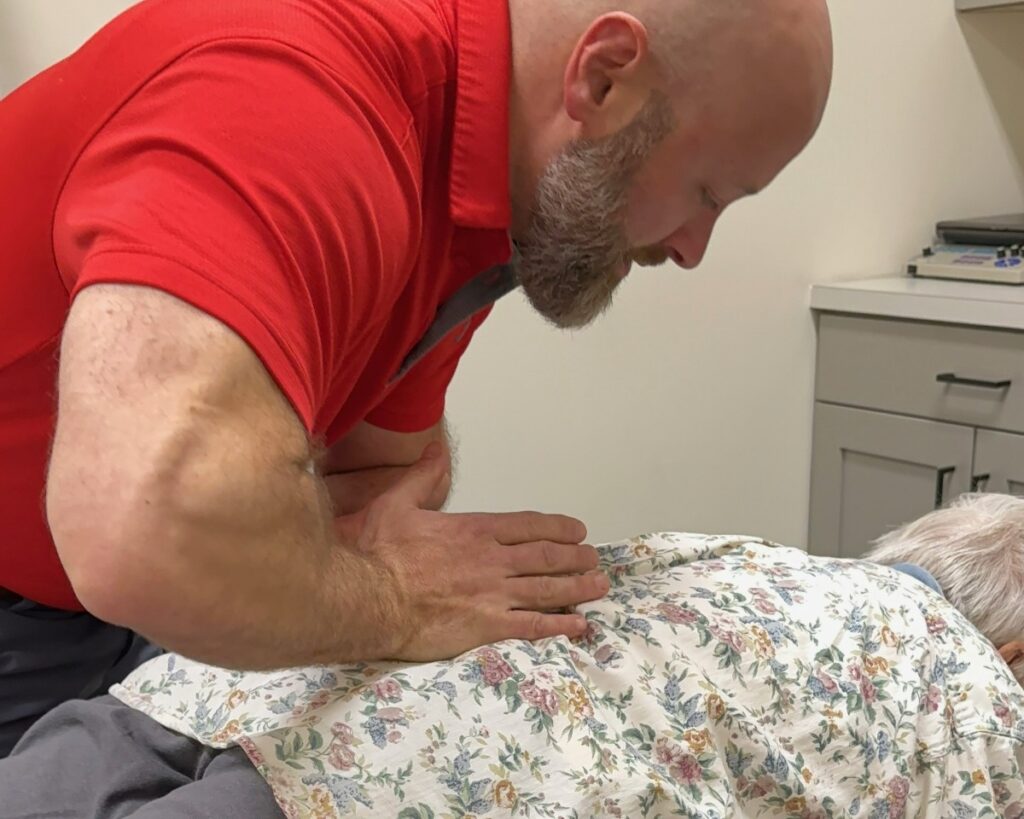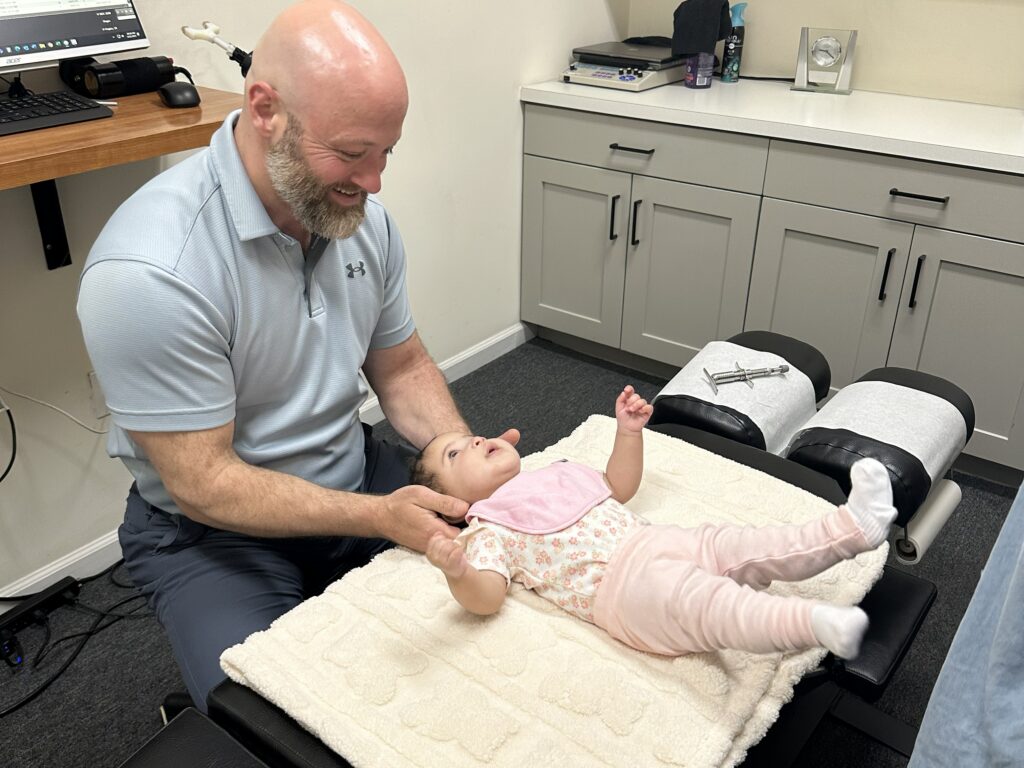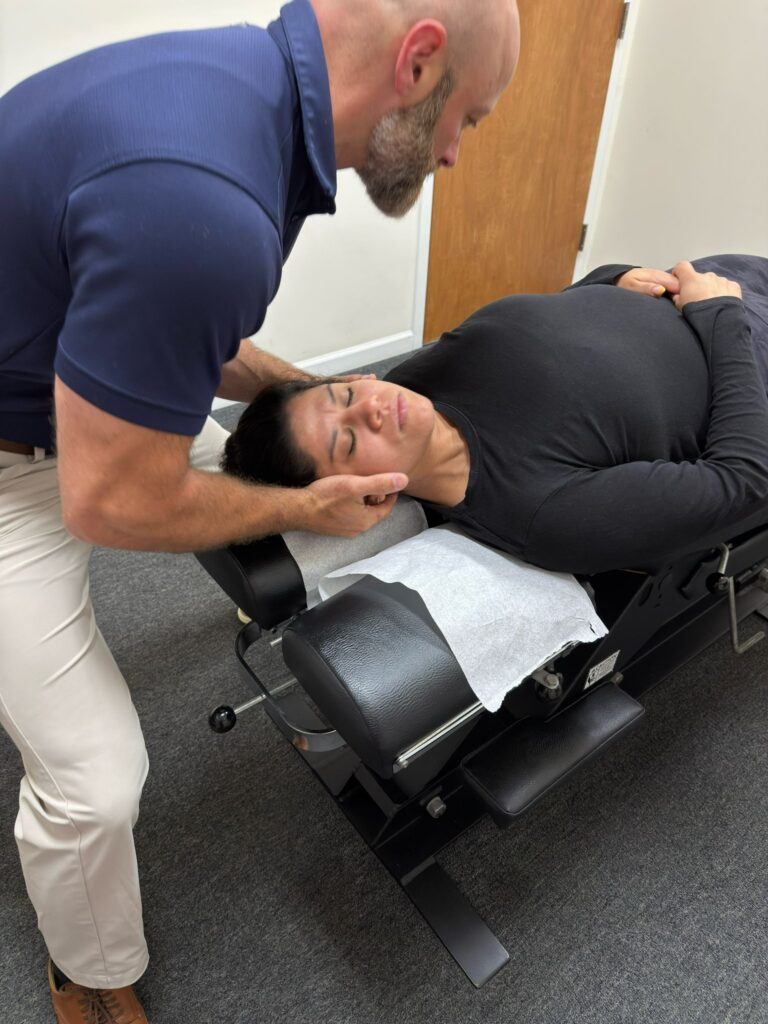

As a local chiropractor, I understand that many of you may not be familiar with the benefits of chiropractic care and natural healing. If you're looking to enhance your flexibility, I want to emphasize that it goes beyond just the ability to touch your toes; it plays a crucial role in improving your overall mobility and preventing injuries.
Incorporating daily stretching into your routine is essential, and practices such as yoga and Pilates can be incredibly beneficial for your flexibility. These methods not only help increase your range of motion but also promote balance and strength. Additionally, techniques like foam rolling and dynamic warm-ups are excellent ways to prepare your body for movement, ensuring that you're less prone to strains and injuries.
However, there's much more to enhancing your flexibility than just these basics. Let's explore some authentic methods that can truly transform your flexibility and overall performance. As your chiropractor, I can guide you through personalized approaches that align with your body's needs, helping you achieve your flexibility goals naturally and effectively.
Incorporate Daily Stretching
As a local chiropractor, I want to emphasize the significant benefits of incorporating daily stretching into your routine, especially for those who may not be familiar with chiropractic care and natural healing.
Whether you're an athlete or simply someone looking to enhance your overall well-being, regular stretching is crucial for maintaining muscle elasticity and joint mobility. It's a straightforward yet powerful practice that can help prevent injuries and improve your physical performance.
To get started, I recommend setting aside just 10 to 15 minutes each day for stretching. You don't have to dedicate hours; even a short session can yield remarkable results.
Find a time that fits your schedule—perhaps in the morning to energize your day or in the evening to help you unwind. The key to success is consistency, so try to stretch at the same time every day.
Focus on stretching the major muscle groups, including your neck, shoulders, back, hips, and legs. Dynamic stretches are excellent for warming up your muscles, while static stretches work well for cooling down after activity.
Take your time with each stretch; hold each position for at least 15-30 seconds. This duration allows your muscles to relax and lengthen effectively.
It's important to listen to your body during your stretching sessions. Stretching should feel enjoyable, not painful. If you encounter tight areas, feel free to spend a little extra time on them.
Incorporating deep breathing can further enhance your stretching routine, promoting relaxation and improving your overall experience.
As a chiropractor, I'm here to support your journey towards better health and flexibility. By integrating daily stretching into your life, you're taking a proactive step towards achieving a more balanced and pain-free body.
Try Yoga Practices
As a local chiropractor, I want to share how incorporating yoga practices into your routine can significantly enhance your flexibility and overall health. Regular yoga sessions not only improve your physical flexibility but also promote mental clarity and emotional balance.
Here are three key benefits of adding yoga to your wellness regimen:
- Increased Range of Motion: Yoga poses effectively stretch and lengthen your muscles, which can lead to greater mobility in your joints. This increase in range of motion can greatly benefit your performance in various physical activities, such as running or weightlifting, and can complement the chiropractic adjustments you receive.
- Improved Posture: Many yoga poses focus on alignment and body awareness. By practicing yoga, you can develop a stronger sense of your body's position in space, which can help you stand taller and sit straighter. Improved posture not only enhances your physical appearance but also reduces the risk of injury and alleviates discomfort, particularly in your back and neck—areas I often treat in my practice.
- Stress Relief and Relaxation: Yoga integrates physical movement with breathing techniques designed to promote relaxation. By concentrating on your breath and connecting with your body, you'll find it easier to release built-up tension. This not only enhances your flexibility but also contributes to your overall mental well-being, which is essential for a healthy lifestyle.
To get started with yoga, I recommend joining a local class or exploring online tutorials. Whether you're a beginner or have some experience, there's always an opportunity to grow.
Embrace this journey, and you may soon see the positive effects yoga can have on your flexibility and overall quality of life. As your chiropractor, I'm here to support you on this path to natural healing and wellness.
Use Foam Rollers
As a local chiropractor, I want to share with you the benefits of using foam rollers for enhancing flexibility and alleviating muscle tension. These simple, cylindrical tools can play a crucial role in your self-care routine by facilitating self-myofascial release. This technique helps break up knots in your muscles and fascia, leading to improved blood flow and a greater range of motion.
To get started with foam rolling, find a comfortable, flat surface where you can lie down. It's best to focus on specific areas, such as your calves or thighs. Position the foam roller under the muscle group you wish to target and use your body weight to apply pressure. Slowly roll back and forth for about 30 seconds to a minute, paying attention to any tender spots.
Remember to take your time and breathe deeply throughout the process. You can enhance your technique by holding the roller on particularly tight spots for 20-30 seconds to help release tension. Feel free to change your position to target different muscle groups, including your back, hips, and shoulders.
Always listen to your body; if you experience excessive pain, adjust the pressure or switch to another area. Foam rolling can be a valuable addition to your routine, whether done before or after workouts or even on rest days.
Consistent use can lead to improved flexibility, making everyday movements feel easier and more fluid. So, I encourage you to grab a foam roller and start incorporating this practice into your life for better flexibility and reduced muscle soreness. Your body will thank you!
Engage in Dynamic Warm-Ups
As a local chiropractor committed to your health and well-being, I want to emphasize the importance of dynamic warm-ups for enhancing your flexibility and overall performance.
These warm-up exercises aren't just about preparing your body for activity; they play a crucial role in increasing blood flow, which helps nourish your muscles and joints, and they significantly lower the risk of injuries.
Let's take a closer look at the benefits of dynamic warm-ups. By engaging in these movements, you activate your muscles and joints in a way that static stretching simply can't achieve.
This preparation is vital whether you're heading to the gym, participating in a sports activity, or even just going for a walk.
So, what're some effective dynamic warm-up exercises? Think of movements like arm circles, leg swings, lunges, and torso twists.
These exercises not only get your blood pumping but also improve your range of motion, making it easier for your body to move efficiently.
Now, how long should you warm up for optimal results? Aim for about 10 to 15 minutes of dynamic movement before engaging in more intense physical activity.
This short investment of time can lead to greater performance and a reduced chance of injury, aligning perfectly with the principles of chiropractic care and natural healing.
Benefits of Dynamic Warm-Ups
As a local chiropractor dedicated to promoting natural healing and overall wellness, I want to emphasize the importance of dynamic warm-ups in your fitness routine. These warm-ups aren't just a formality; they play a crucial role in preparing your body for physical activity and enhancing your overall flexibility.
- Increased Range of Motion: Dynamic warm-ups involve controlled movements that effectively stretch your muscles and joints. This process is essential for increasing your range of motion, which is particularly important for activities that require agility and flexibility. When your body can move freely, it reduces the risk of tension and discomfort.
- Improved Performance: Engaging in dynamic warm-ups activates your muscles and improves neuromuscular coordination. This means that whether you're running, jumping, or lifting weights, you'll find that your performance improves significantly. A well-prepared body functions more efficiently, allowing you to achieve your fitness goals more effectively.
- Reduced Risk of Injury: One of the key benefits of dynamic warm-ups is the way they prepare your body for exercise by gradually increasing your activity level. This approach helps decrease the likelihood of strains and sprains, keeping you safe as you push your limits. With proper preparation, you can enjoy your workouts without the fear of injury.
Incorporating dynamic warm-ups into your routine not only primes your body physically but also prepares you mentally. You'll feel more focused and ready to tackle your exercise regimen.
As your chiropractor, I encourage you to make this essential step a regular part of your fitness journey. It's a fundamental part of achieving your flexibility and performance goals while embracing a natural approach to healing and health.
Effective Warm-Up Exercises
As a chiropractor committed to promoting natural healing and overall wellness, I want to emphasize the importance of effective warm-up exercises in enhancing your flexibility and preparing your body for physical activity. Engaging in dynamic warm-ups is crucial, as they help increase blood flow to your muscles and improve your range of motion, thereby reducing the risk of injury.
Let's start with leg swings. By holding onto a wall or railing for support, you can swing one leg forward and backward. This simple exercise helps loosen your hip flexors and hamstrings, which is essential for maintaining mobility.
Next, I recommend arm circles. Extend your arms out to the side and make small circles, gradually increasing their size. This movement effectively warms up your shoulders and upper body, promoting better joint function.
Incorporating torso twists is also beneficial. Stand with your feet shoulder-width apart and gently rotate your upper body from side to side. This action helps to mobilize your spine and prepares it for more rigorous movements.
Don't overlook lunges with a twist. Step forward into a lunge position, then rotate your torso toward your front leg. This not only stretches your hips but also engages your core, enhancing stability.
Finally, finish your warm-up with high knees. Jogging in place while lifting your knees toward your chest elevates your heart rate and prepares your body for more intense activity.
These warm-up exercises aren't just about flexibility; they prime your body for movement and contribute to your overall health. By incorporating these practices into your routine, you'll be better equipped for physical activities and can support your body's natural healing processes.
Timing and Duration Tips
As a local chiropractor, I want to emphasize the importance of timing and duration when it comes to dynamic warm-ups. These movements play a vital role in preparing your body for physical activity, and understanding how to utilize them effectively can enhance your overall health and performance.
Here are three key tips to consider:
- Warm-Up Duration: It's advisable to spend at least 10-15 minutes engaging in dynamic warm-ups before you start your workout. This time frame is crucial as it helps to loosen your muscles and gradually elevate your heart rate, making your body more receptive to the movements ahead.
- Exercise Timing: Make sure to incorporate dynamic stretches right before your main workout instead of static stretches. Dynamic stretches actively prepare your muscles for movement, which not only boosts your performance but also helps to minimize the risk of injuries. This approach aligns perfectly with the principles of chiropractic care, which focuses on optimizing your body's functionality.
- Listen to Your Body: It's essential to tune into how your body feels during your warm-up. If you experience any tightness or discomfort, don't hesitate to extend your warm-up period or modify the exercises you're performing. Every individual is unique, and your body may require different adjustments to ensure you're adequately prepared.
By integrating these timing and duration tips into your fitness routine, you'll be able to reap the benefits of dynamic warm-ups, leading to enhanced flexibility and overall performance.
Practice Pilates
As a local chiropractor, I want to share how practicing Pilates can significantly enhance your flexibility and overall well-being. Pilates is a method that not only strengthens your core but also emphasizes the importance of lengthening and stretching your muscles. This unique combination is essential for improving flexibility and mobility in everyday life.
One of the key principles in Pilates is control. Each movement requires focused attention, which fosters a deeper awareness of your body and its capabilities. As you continue with Pilates, you'll find yourself gradually pushing past your limits, allowing your muscles to stretch and elongate safely. This consistent practice also promotes proper alignment, which is crucial for preventing injuries and enhancing flexibility.
In a typical Pilates session, you'll engage in various exercises designed to target multiple muscle groups. Many of these movements focus on simultaneous stretching and strengthening, often yielding more effective results than traditional stretching methods. For instance, exercises like the "Saw" and "Spine Stretch" can be incredibly beneficial for relieving tension in your hamstrings and back.
Additionally, Pilates encourages a sense of body awareness and mindfulness, prompting you to listen to your body's signals as you practice. This heightened awareness helps you pinpoint areas of tightness and focus on improving them. With regular practice, not only will you enhance your flexibility, but you'll also cultivate a stronger connection with your body.
Focus on Breath Work
As a local chiropractor, I want to emphasize the importance of breath work in enhancing flexibility and overall wellness. When you consciously focus on your breath, you not only create a deeper connection with your body but also promote relaxation, which is vital for improving your flexibility.
It's essential to understand that it's not just about stretching; it's about incorporating breath into each movement, allowing your muscles to lengthen and soften naturally.
Here are three effective breath work techniques that I recommend you incorporate into your flexibility routine:
- Diaphragmatic Breathing: This technique encourages you to breathe deeply into your diaphragm rather than your chest, which can often be constricted. I advise placing one hand on your belly and the other on your chest. Inhale deeply through your nose, letting your belly rise, then exhale through your mouth, feeling your belly fall. This method helps calm your nervous system and prepares your body for stretching, making it easier to achieve greater flexibility.
- Box Breathing: This method is beneficial for centering yourself before stretching. Inhale for a count of four, hold your breath for four, exhale for four, and hold again for four. This structured approach helps bring focus to your breath and clears your mind, allowing you to engage more fully in your flexibility exercises.
- Ujjayi Breathing: Commonly used in yoga, this technique involves gently constricting the back of your throat as you breathe in and out through your nose, creating a soothing sound and rhythm. It can help you maintain focus during your stretches and deepen your practice, enhancing the benefits of your flexibility routine.
Incorporating these breath work techniques into your daily practice can greatly enhance your overall wellness and flexibility.
Include Static Stretches
As a local chiropractor, I often emphasize the importance of incorporating breath work into your flexibility routine, and adding static stretches can significantly enhance your results. Static stretching involves holding a stretch for a period of time, typically between 15 to 60 seconds. This technique allows your muscles to lengthen and relax, ultimately improving your overall flexibility. It's a straightforward practice that can be seamlessly integrated into your workout or cool-down routine.
To begin, it's essential to identify the specific muscle groups you want to target. Common areas that benefit from static stretching include the hamstrings, quadriceps, hip flexors, and shoulders. After you've warmed up, find a calm space where you can concentrate. Start with gentle stretches, easing into each position until you feel a comfortable tension. It's crucial to avoid bouncing or forcing the stretch, as this can lead to injuries or strains.
Incorporate a variety of static stretches into your routine. For instance, you might try the seated forward bend to stretch your hamstrings or the butterfly stretch to target your inner thighs. While holding each position, focus on your breath, allowing your body to sink deeper into the stretch. Pay attention to your body's signals; if you experience pain, gently ease off the stretch.
Consistency is vital. I recommend including static stretching in your routine at least three times a week. Over time, you'll likely notice an increase in flexibility and an improved range of motion. By combining breath work with static stretches, you're not only enhancing your flexibility but also cultivating a deeper mind-body connection, which can lead to overall well-being.
As your chiropractor, my goal is to guide you in achieving a healthier lifestyle that embraces natural healing practices like these. Remember, your body deserves the care and attention that consistent stretching and mindful breathing can provide.
Maintain Hydration
As a local chiropractor dedicated to promoting natural healing and overall wellness, I want to emphasize the importance of maintaining proper hydration for your physical health and flexibility. Staying well-hydrated is crucial for your muscles to function optimally and for keeping your joints lubricated, which can significantly enhance your range of motion.
If you're not drinking enough water, you may experience muscle cramps and stiffness, making it more challenging to achieve effective stretching during your recovery and wellness routines. Here are three essential hydration tips to help you stay on track:
- Drink Water Regularly: It's important to drink water consistently throughout the day, not just when you're feeling thirsty. Keep a water bottle with you to encourage regular sipping. A helpful guideline is to aim for at least half of your body weight in ounces of water each day.
- Incorporate Hydrating Foods: Many fruits and vegetables are packed with water and can significantly contribute to your overall hydration. Options like watermelon, cucumbers, oranges, and leafy greens not only help you stay hydrated but also provide essential nutrients that support your health. Including these in your meals is a great way to boost your hydration levels naturally.
- Monitor Your Urine Color: One straightforward method to assess your hydration level is by observing the color of your urine. Aim for a light, pale yellow hue; this indicates proper hydration. If your urine appears darker, it's a sign that you need to increase your water intake.
Schedule Regular Rest
As a chiropractor, I want to emphasize the importance of scheduling regular rest for enhancing your flexibility and overall well-being. Many people push their bodies without allowing for necessary breaks, which can lead to fatigue and tension. This not only hinders progress but can also result in discomfort and misalignments that we often see in our practice.
Incorporating rest into your routine is crucial. It gives your muscles the opportunity to recover, repair, and grow stronger, especially after intense stretching or flexibility training sessions. Aim to take short breaks during your workouts. A five to ten-minute pause after every 30 to 40 minutes of exercise can help rejuvenate your muscles. Use this time to hydrate and check in with your body's sensations. If you notice feelings of fatigue or tension, don't hesitate to take a longer break. Your body has its own wisdom about when it needs to recharge.
In addition to these short breaks, it's vital to prioritize full rest days in your weekly schedule. These days are essential for complete recovery, allowing your muscles and joints the time they need to heal. This practice not only helps to prevent injuries but also supports your overall health.
On your rest days, consider engaging in gentle activities like walking or light yoga. This keeps your body moving without overexerting yourself, promoting natural healing and maintaining your flexibility.
Explore Dance Movements
As a chiropractor, I often emphasize the importance of movement in maintaining a healthy body, and exploring dance movements can be an excellent way to enhance your flexibility.
Dance isn't only a beautiful art form; it serves as a dynamic method to engage your muscles and improve your range of motion. Whether you're new to dance or have some experience, integrating dance into your routine can be both enjoyable and beneficial for your overall health.
Here are three dance styles that I recommend for boosting flexibility:
- Ballet: This traditional form of dance focuses on control and grace, promoting the stretching and strengthening of your muscles. The various positions and movements in ballet encourage a deeper range of motion, making it a fantastic choice for improving flexibility.
- Contemporary: Combining elements from ballet and modern dance, contemporary dance allows for expressive and fluid movements that often include bending and stretching. Engaging in this style can inspire you to explore your body's limits, which may result in enhanced flexibility over time.
- Hip-Hop: While hip-hop may not be the first style that comes to mind for flexibility, the energetic and varied movements require you to stretch and bend your body in different ways. This style encourages spontaneous and dynamic movements, helping to loosen tight muscles and promote overall flexibility.
Incorporating these dance styles into your routine isn't just about improving flexibility; it's about enjoying your movement and having fun while you work out.
So, turn on some music, let your body move freely, and experience the joy of dance. You'll not only find your flexibility improving but also contribute positively to your overall well-being.
Conclusion
As a local chiropractor dedicated to your health and well-being, I want to share with you 10 authentic ways to enhance your flexibility. Improving your range of motion is crucial not only for physical activity but also for your overall wellness. One of the simplest and most effective methods is to incorporate daily stretching into your routine. Additionally, practicing yoga can greatly benefit your flexibility while also promoting relaxation and mindfulness.
Using foam rollers is another excellent way to alleviate muscle tension and enhance flexibility. I encourage you to engage in dynamic warm-ups before any physical activity, as they prepare your muscles and joints for movement. Exploring Pilates can also be a fantastic avenue to improve your core strength and flexibility simultaneously.
Staying hydrated is essential for muscle function, so make sure to drink plenty of water throughout the day. Remember, rest days are just as important as active days, allowing your body to recover and adapt. Lastly, don't hesitate to have fun with dance movements! They can be a joyful way to increase flexibility while also elevating your mood.
With consistent practice of these techniques, you'll likely notice significant improvements in your flexibility and overall fitness journey. As your chiropractor, I'm here to support you on this path to natural healing and optimal health.