
As a local chiropractor, I understand that dealing with chronic pain can be incredibly challenging. Many of you may be searching for effective solutions to alleviate discomfort and improve your overall quality of life. Chiropractic care provides a variety of strategies designed specifically for pain relief. One of the first steps is to identify your pain triggers and focus on maintaining proper posture; these foundational practices can significantly contribute to your recovery.
However, the journey to relief doesn't stop there. There are numerous additional techniques and tools that we can incorporate into your treatment plan to further enhance your healing process. By exploring these chiropractic tips together, we can work towards finding the right approach that suits your individual needs and helps you regain control of your life. I'm here to educate you on how chiropractic care and natural healing can make a substantial difference in managing your chronic pain. Let's embark on this journey to wellness together!
Understand Your Pain Triggers
As a local chiropractor, I want to emphasize the importance of understanding your pain triggers for effective management of chronic pain. Knowing what causes or worsens your pain can empower you to take control and minimize its impact on your daily life. A great starting point is to keep a pain diary. Document when your pain strikes, its severity, and any activities or situations that may have contributed to it. This practice will help you identify patterns and specific triggers.
Common pain triggers often include factors such as stress, inadequate sleep, poor nutrition, and varying levels of physical activity. For instance, if you observe that your pain intensifies after a particularly stressful day at work, it may be helpful to incorporate relaxation techniques into your routine. Methods like deep breathing exercises or meditation can be beneficial.
Additionally, if you realize that certain foods seem to increase inflammation, making adjustments to your diet could lead to noticeable improvements.
It's also essential to consider environmental factors. Changes in weather, for example, can significantly affect your pain levels. If you find that cold, damp days exacerbate your discomfort, preparing by dressing warmly or engaging in light movements can help keep your body flexible.
I encourage you to share your observations and findings with me during our consultations. I can provide tailored advice and treatments based on your specific triggers, which is a crucial aspect of chiropractic care.
Maintain Proper Posture
As a local chiropractor, I want to emphasize the importance of maintaining proper posture in managing chronic pain and enhancing your overall well-being. When you adopt good posture—whether standing, sitting, or moving—you help align your spine, which can significantly reduce unnecessary strain on your muscles and joints. This alignment not only helps alleviate discomfort but also plays a crucial role in preventing further injuries that could worsen your chronic pain.
Begin by being mindful of your posture during your daily activities. When you're sitting, I recommend keeping your feet flat on the floor, ensuring your back is straight, and your shoulders are relaxed. If you spend a lot of time at a desk, it's vital to adjust your chair and computer screen so that your neck and wrists can remain in a neutral position. A supportive chair can greatly enhance your comfort and support your spine.
When standing, remember to distribute your weight evenly across both feet and avoid locking your knees. Keep your shoulders back and your head aligned over your spine. This position helps to minimize pressure on your back and hips, promoting better blood flow and reducing muscle tension.
Even during walking, it's essential to be aware of your body mechanics. Stride confidently with your head held high and your arms relaxed at your sides. This not only fosters better posture but also improves your balance and stability.
Incorporate Regular Stretching
How often do you take a moment to stretch during your day? If you're like many of my patients, the answer might be "not enough." As a chiropractor, I often see the positive effects that incorporating regular stretching can have on alleviating chronic pain. Stretching increases blood flow to your muscles, reduces tension, and enhances flexibility.
When you stretch regularly, you're not just improving your range of motion; you're also supporting your overall body mechanics, which can lead to better posture and reduced pain.
I recommend setting aside a few minutes each day specifically for stretching. Morning stretches can help wake up your muscles and prepare your body for the day ahead, while evening stretches can assist in unwinding and relieving any tension built up throughout the day.
Focus on key areas that often hold tension, such as your neck, shoulders, back, and hips.
You don't need to be a yoga expert to reap the benefits of stretching. Simple movements—like reaching your arms overhead, bending to touch your toes, or gently twisting your torso—can make a significant difference.
It's important to listen to your body and only stretch to the point of mild discomfort, avoiding any pain.
As you begin to incorporate stretching into your daily routine, you'll likely notice improvements in your mobility and a reduction in your discomfort. Remember, consistency is key.
Make it a habit, and before long, stretching will become a natural part of your day, enhancing your overall wellness and contributing to your long-term pain relief strategy.
If you have any questions or need guidance on specific stretches, feel free to reach out during your next visit!
Explore Chiropractic Techniques
As a local chiropractor, I want to take a moment to educate you on the various chiropractic techniques we utilize to help manage chronic pain and enhance your overall wellness.
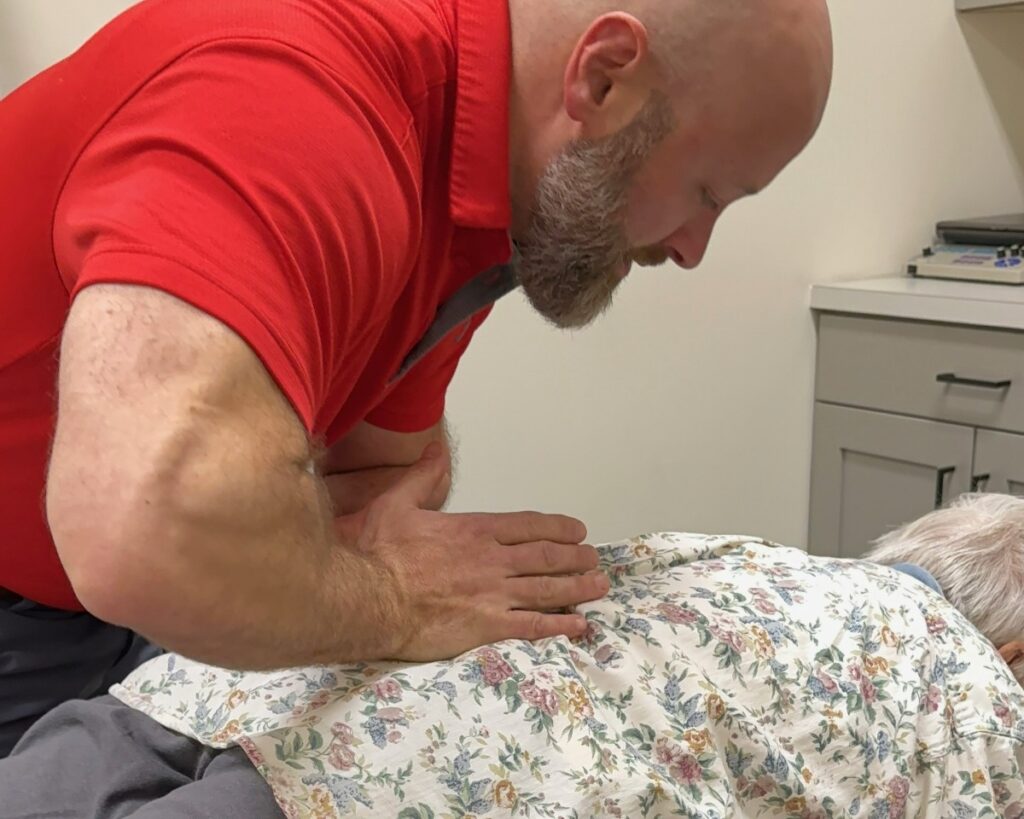
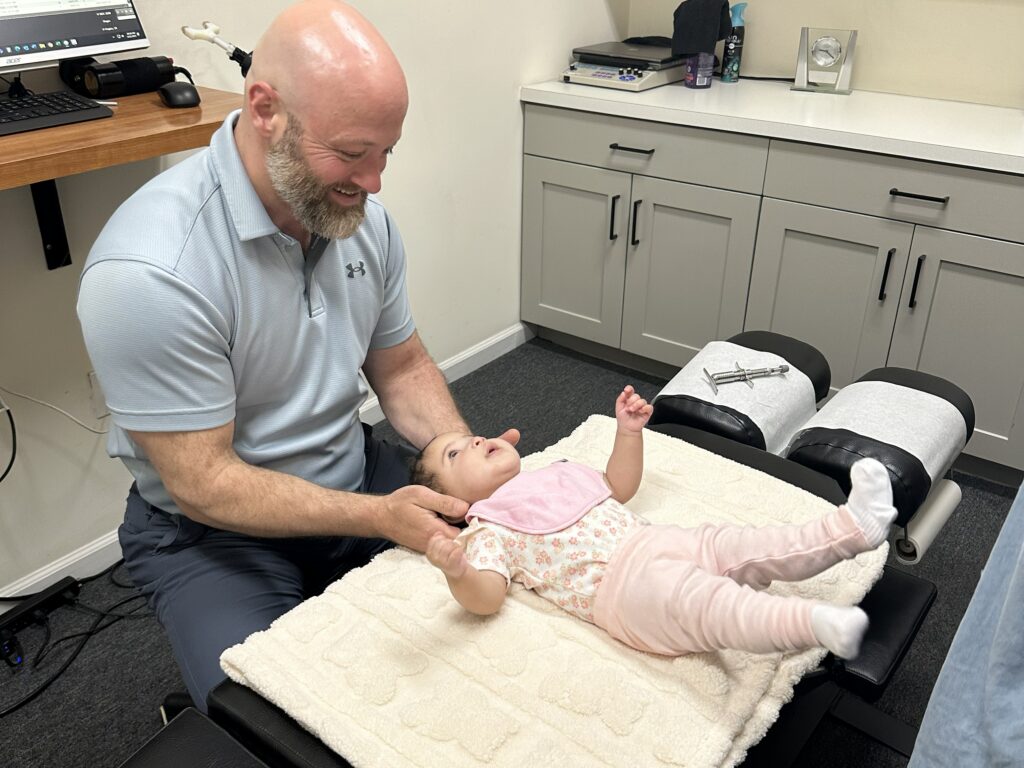
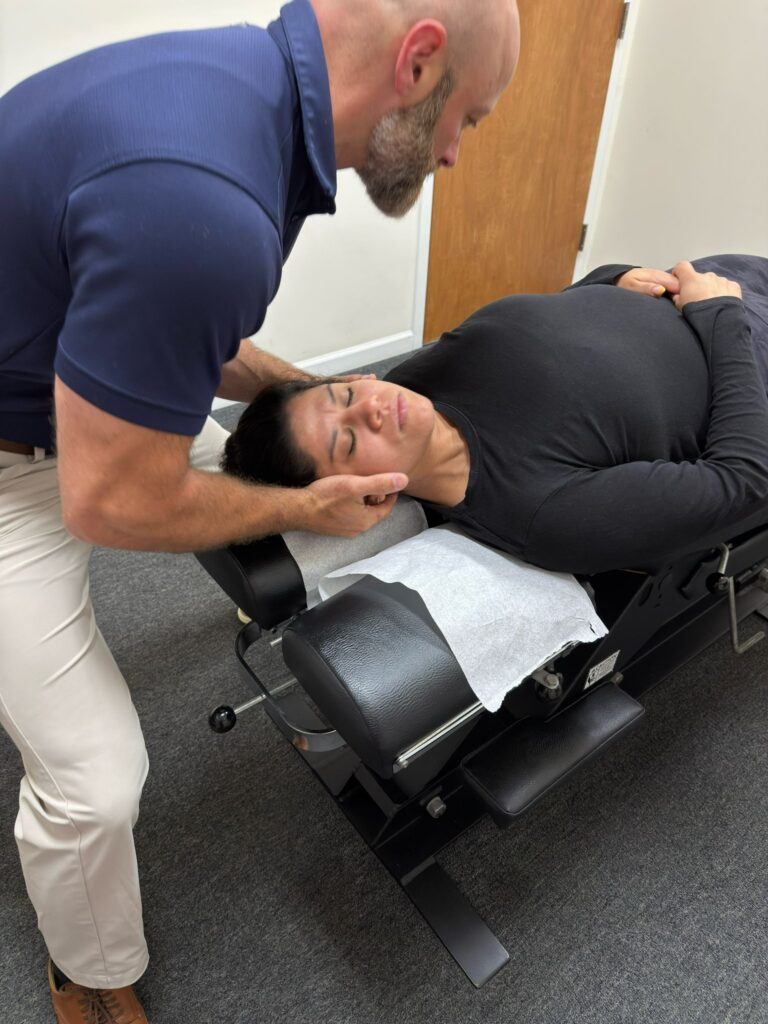
One of the most widely recognized methods is spinal manipulation. This technique involves applying controlled force to the joints in your spine, which can lead to reduced pain, improved mobility, and better nerve function. Many of my patients find that with regular treatments, they experience significant relief from discomfort and are able to lead a more active lifestyle.
Another essential technique I often employ is soft tissue therapy. This method focuses on the muscles, tendons, and ligaments in your body to alleviate tension and promote healing. Using manual pressure or specialized tools, I can help release tight areas, which improves blood circulation and reduces inflammation.
This technique is particularly beneficial for those whose chronic pain is related to muscle strain or injury.
I also encourage diversifying your chiropractic care with techniques such as the Active Release Technique (ART). This approach zeroes in on identifying and treating the root causes of pain by addressing specific muscle and joint issues. Patients often report improved range of motion and decreased pain levels after just a few sessions.
In addition to these techniques, I may incorporate therapeutic exercises into your personalized treatment plan. These exercises are designed to strengthen and stabilize the affected areas, aiding you in regaining function and preventing future injuries.
By actively participating in your recovery, you empower yourself to manage chronic pain more effectively and improve your quality of life.
I invite you to explore these chiropractic techniques with me, as they can be a valuable part of your journey toward better health and wellness.
Invest in Supportive Equipment
As a chiropractor, I often see how investing in supportive equipment can dramatically improve the management of chronic pain and enhance overall comfort. Whether it's a specialized chair, ergonomic pillows, or supportive footwear, the right tools can help alleviate pressure on your body and encourage better posture, which is essential for maintaining spinal health.
Let's start with your daily activities. If you find yourself sitting for long periods, it's crucial to evaluate your chair. A chair that offers lumbar support can help maintain the natural curve of your spine, which reduces strain on your back. Additionally, using a footrest can keep your feet flat on the ground, improving circulation and minimizing discomfort.
When it comes to sleep, the right pillow is key. A pillow that supports your neck and aligns with your spine can make a world of difference, preventing morning stiffness and pain. For side sleepers, a thicker pillow can fill the space between your head and the mattress, while back sleepers might find relief with a flatter pillow.
Footwear is another important consideration. Shoes that provide adequate arch support can alleviate pain in your back, hips, and knees. It's best to avoid high heels or overly flat shoes; instead, opt for footwear that offers proper cushioning and stability to support your body as you move.
Lastly, don't overlook the benefits of supportive braces or compression gear for areas that need extra support. Whether it's your knees, wrists, or back, these items can offer relief during daily activities and help you stay active.
Conclusion
As your local chiropractor, I want to share some valuable tips that can greatly assist you in managing chronic pain. First and foremost, it's essential to identify your pain triggers. Understanding what exacerbates your discomfort is a key step toward finding relief.
Next, let's talk about the importance of maintaining proper posture. Good posture not only alleviates strain on your body but also promotes overall well-being. Additionally, incorporating regular stretching into your routine can help improve flexibility and reduce tension in your muscles.
I encourage you to explore various chiropractic techniques that can be tailored to meet your individual needs. Each person's journey to pain relief is unique, and finding the right approach is crucial.
Lastly, investing in supportive equipment, such as ergonomic chairs or proper mattresses, can enhance your comfort and help maintain proper alignment throughout the day. By implementing these strategies, you'll be taking significant steps toward achieving a more pain-free life naturally. I'm here to guide you on this journey and support you every step of the way!