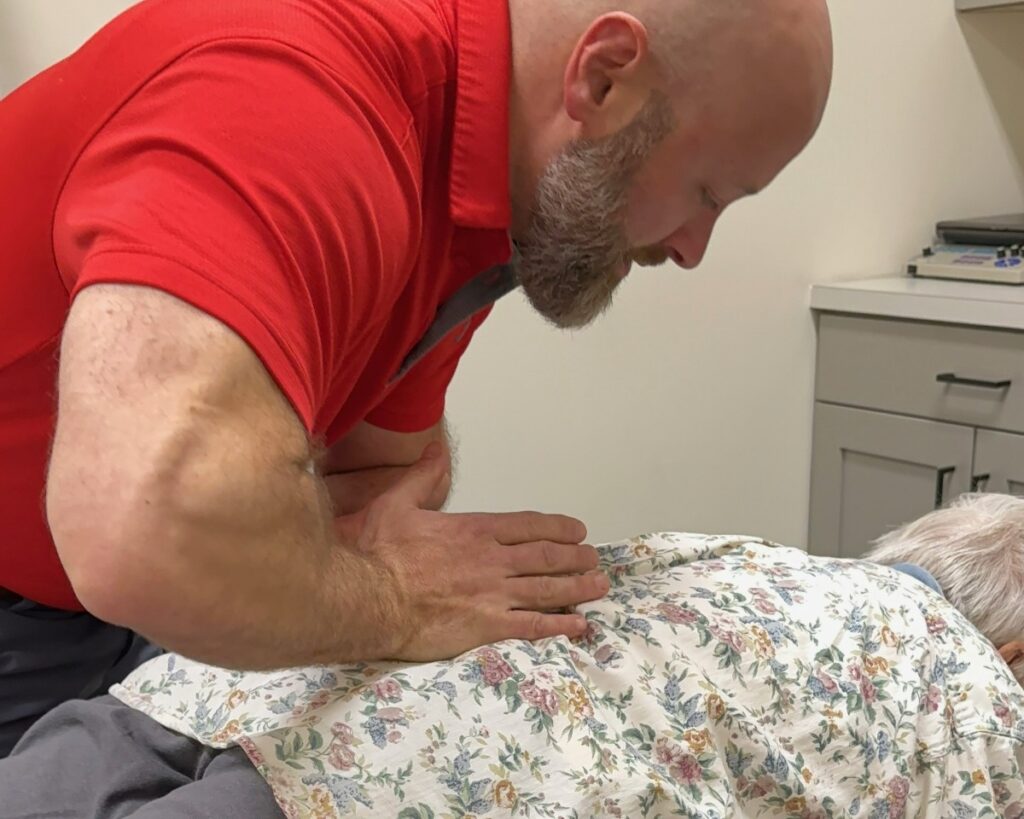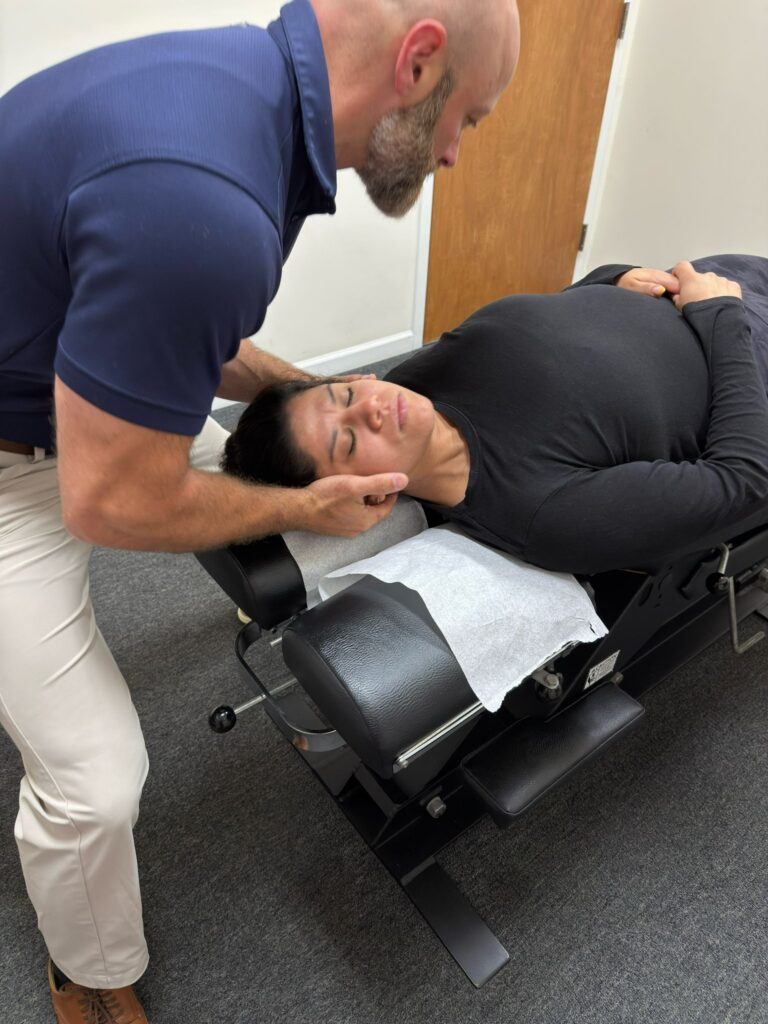

If you're dealing with chronic pain, it can be incredibly daunting to navigate the many available options for relief. As a local chiropractor, I want to share how a structured approach can truly transform your experience. The journey begins with understanding your unique pain triggers—this knowledge is key to effective management. By following a systematic path through five essential steps, you can improve your overall well-being and regain a sense of control over your life.
Each step is designed to build upon the last, providing you with a comprehensive strategy for managing your pain naturally. Curious about how these steps can enhance your daily life? Let's delve into what each one involves, and how chiropractic care can play a pivotal role in your healing journey.
Understand Your Pain Triggers
Understanding your pain triggers is essential for effectively managing chronic pain, and as your local chiropractor, I'm here to help you navigate this journey. Recognizing what aggravates your discomfort is a powerful step towards regaining control over your health. I encourage you to start by keeping a comprehensive pain diary. Record when your pain arises, how intense it feels, and any activities or stressors that coincide with those moments. This practice can reveal patterns and help identify specific triggers unique to you.
Let's also consider the environment around you. Have you noticed that certain weather conditions, like cold or humidity, seem to aggravate your symptoms? Many of my patients report that these factors can significantly impact their pain levels.
Moreover, think about your daily routine. If you find that extended hours at your desk lead to increased discomfort, it may be time to reevaluate your workspace ergonomics or incorporate more frequent breaks into your day.
Emotional triggers are equally important to address. Stress, anxiety, and feelings of depression can dramatically influence how you perceive pain. Acknowledging these emotions allows us to explore coping strategies together, such as mindfulness practices or relaxation techniques that can lessen their impact.
Don't forget about your diet, either. Certain foods can contribute to inflammation or provoke sensitivities that may intensify your pain. If you suspect specific dietary items might be affecting you, consider collaborating with a nutritionist to help assess and optimize your meals.
Lastly, it's vital to maintain open communication with me about your pain triggers. Sharing your observations can significantly inform your treatment plan, allowing us to tailor a strategy that works for you.
Understanding your pain triggers is a crucial step towards discovering effective relief methods and enhancing your overall well-being. By actively participating in identifying these factors, you're on the right path to better managing your chronic pain through chiropractic care and natural healing approaches.
Incorporate Regular Exercise
As a local chiropractor, I want to share how incorporating regular exercise into your daily routine can significantly help you manage chronic pain. Regular physical activity enhances your strength, flexibility, and endurance, which can alleviate some of the discomfort you might experience.
When you engage in exercise, your body releases endorphins, natural painkillers that not only lift your mood but also help diminish the perception of pain.
I recommend starting with low-impact activities that are gentle on your joints, such as walking, swimming, or cycling. These exercises are crucial for maintaining movement without causing excessive stress. Aim for at least 150 minutes of moderate aerobic activity each week—this can be broken down into manageable sessions, like 30 minutes a day, five days a week.
Alongside aerobic exercises, it's beneficial to incorporate strength training at least twice a week. This could involve body-weight exercises, resistance bands, or light weights. Strength training is essential as it builds muscle and supports your joints, ultimately improving your overall function and reducing pain.
Don't overlook the importance of stretching and flexibility exercises. Incorporating these into your routine can enhance your range of motion and help prevent stiffness. Practices like yoga and Pilates are fantastic for building both strength and flexibility while also promoting relaxation.
It's important to listen to your body and adjust your routine as necessary. Finding activities that you genuinely enjoy will make it easier for you to stay committed to your exercise plan.
Remember, consistency is key. By making exercise a regular part of your life, you're taking an important step toward effectively managing your chronic pain and maintaining your overall health.
If you have any questions or need guidance on starting an exercise routine, feel free to reach out—I'm here to help!
Explore Mindfulness Techniques
As a local chiropractor, I want to share how mindfulness techniques can be an effective part of your chronic pain management strategy, working alongside the benefits of chiropractic care and regular exercise. These practices encourage you to focus on the present moment, allowing you to observe your thoughts and feelings without judgment, which can significantly reduce the stress and anxiety that often accompany chronic pain.
One technique I recommend is mindful breathing. Set aside a few minutes each day to sit comfortably and concentrate solely on your breath. Inhale deeply through your nose, feeling your abdomen expand, and then exhale slowly through your mouth. If your mind starts to wander, gently bring your focus back to your breathing. This simple exercise can help cultivate a sense of calm and clarity, which is essential for managing pain.
Another valuable approach is body scanning. Find a quiet space to lie down and mentally scan your body from head to toe. Pay attention to any areas of tension or discomfort without the urge to change them. Acknowledge these sensations and allow yourself to be present with them. This technique enhances your awareness of how your body feels, which can be instrumental in identifying pain triggers that I can help address through chiropractic adjustments.
Incorporating guided meditations into your routine can also be beneficial. There are many apps and online resources offering free sessions specifically designed for pain relief. These meditations can lead you through visualizations or relaxation exercises that may enhance your ability to cope with pain more effectively.
Optimize Your Diet
As a local chiropractor dedicated to helping you achieve optimal health, I want to share how your diet can significantly impact your well-being, especially when managing chronic pain. Nutrition goes beyond just what you eat; it can influence inflammation, energy levels, and even your mood.
I encourage you to focus on incorporating anti-inflammatory foods into your diet. Think of vibrant fruits, fresh vegetables, whole grains, and healthy fats. Foods high in omega-3 fatty acids, like salmon, walnuts, and flaxseeds, are particularly beneficial for reducing inflammation and alleviating pain.
On the flip side, it's wise to limit processed foods, sugary snacks, and excessive saturated fats. These can exacerbate inflammation and contribute to unwanted weight gain, which can intensify your pain. Instead, prioritize natural, whole foods that truly nourish your body. Aim to fill your plate with a variety of colorful fruits and vegetables; they're rich in antioxidants that help combat oxidative stress.
Hydration is also key! Drinking plenty of water supports joint health and overall bodily functions. If plain water isn't your favorite, consider herbal teas or infusing your water with slices of fruit for a refreshing twist.
Additionally, I recommend keeping a food diary to monitor what you eat and how it impacts your pain levels. This practice can help you uncover any food sensitivities or triggers that may be affecting your health.
Remember, even small dietary changes can lead to significant improvements in how you feel. By making informed choices about your nutrition, you can take an active role in managing your chronic pain and enhancing your quality of life.
If you have any questions about how chiropractic care can complement your dietary efforts or support your journey to better health, don't hesitate to reach out!
Seek Professional Support
Managing chronic pain can be a challenging journey, but as a chiropractor, I want to emphasize the importance of seeking professional support to help you navigate it effectively. While dietary changes are a positive step, connecting with healthcare providers who specialize in pain management, particularly those in the field of chiropractic care, can significantly enhance your healing process.
If you're experiencing chronic pain, start by consulting with your primary care physician. They can evaluate your condition and refer you to specialists like chiropractors, who focus on the musculoskeletal system and can provide tailored strategies to address your specific needs.
As a chiropractor, I focus on improving mobility and alleviating discomfort through hands-on adjustments and techniques aimed at aligning your body. This can help relieve tension, reduce pain, and promote better overall function.
In addition to chiropractic adjustments, we often incorporate exercises and stretches that strengthen muscles and improve stability, which can significantly reduce your pain levels.
It's also important to consider the emotional and psychological aspects of chronic pain. While I may not be a pain psychologist, I encourage you to explore the benefits of connecting with professionals in that field. They can equip you with valuable coping strategies and help you manage stress, which is crucial for your overall well-being.
Furthermore, don't hesitate to explore complementary therapies such as acupuncture or massage therapy. These can be effective when combined with chiropractic care, providing additional relief and enhancing your overall treatment plan.
Lastly, consider joining a support group. Sharing your experiences with others who understand your struggles can offer not only emotional comfort but also practical advice on managing pain.
Conclusion
As a local chiropractor dedicated to your well-being, I want to share five essential steps that can empower you to manage chronic pain effectively. First, it's vital to start tracking your pain triggers; understanding what exacerbates your discomfort can be a game-changer. Next, incorporating regular exercise into your routine can significantly benefit your body, promoting mobility and strength.
Mindfulness practices, such as meditation and deep breathing, can help build resilience against pain. Additionally, nourishing your body with anti-inflammatory foods can support overall health and reduce pain levels. Lastly, seeking professional support—like chiropractic care—can provide you with tailored guidance and treatment strategies.
By embracing this holistic approach, not only can you find relief from chronic pain, but you can also elevate your overall quality of life. Remember, you have the power to make positive changes and experience the natural healing benefits of chiropractic care.