
If you're experiencing back pain, you may be surprised to find out how beneficial chiropractic adjustments can be for your recovery. As a local chiropractor, I want to emphasize the importance of chiropractic care, posture correction, and other natural healing methods in enhancing your quality of life. It's not merely about providing temporary relief; it's about adopting a sustainable approach to your overall well-being.
As you delve into these strategies with me, you'll see how simple adjustments can lead to significant improvements in your health. Are you curious about the specific adjustments that could make a difference in your journey toward pain relief and a healthier lifestyle? Let's explore the options together!
Chiropractic Care
When considering effective methods to manage back pain, chiropractic care is a valuable option worth exploring. As a local chiropractor, I want to share how this hands-on approach can help you understand and address musculoskeletal disorders, especially those affecting your spine.
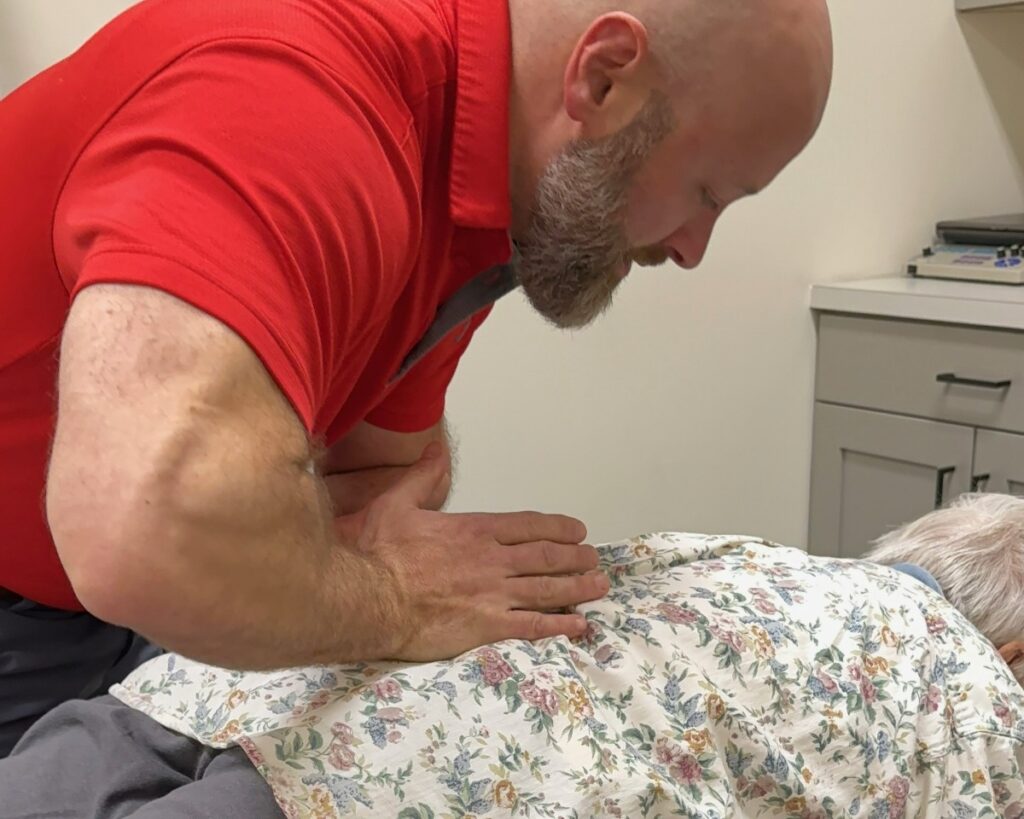
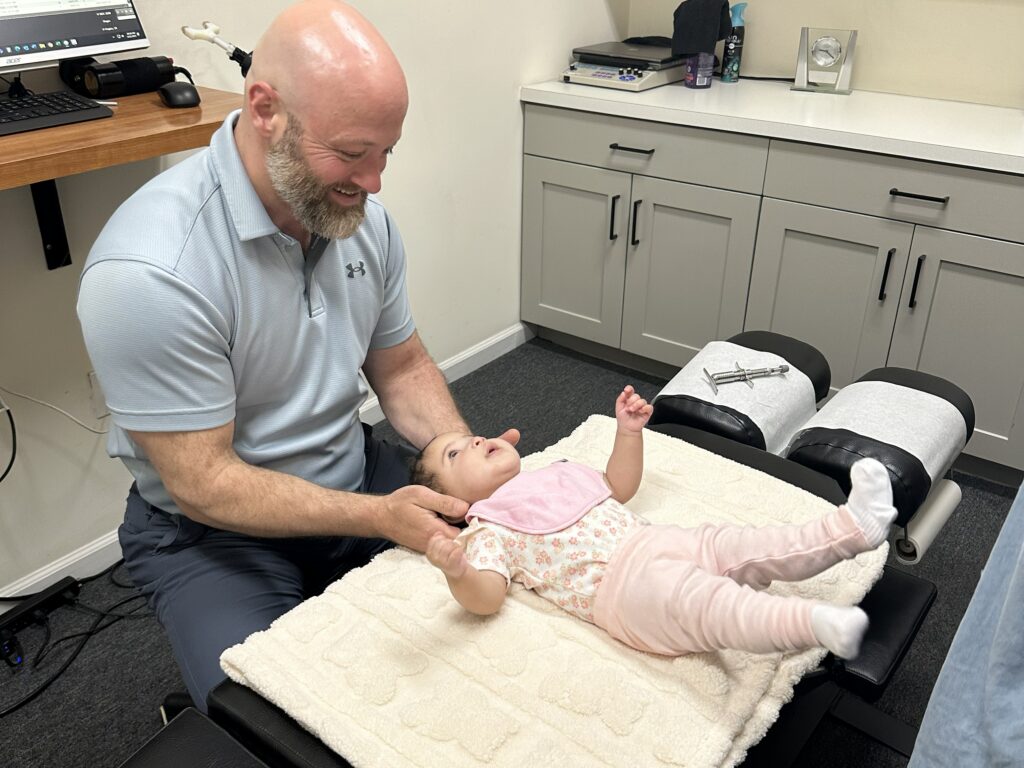
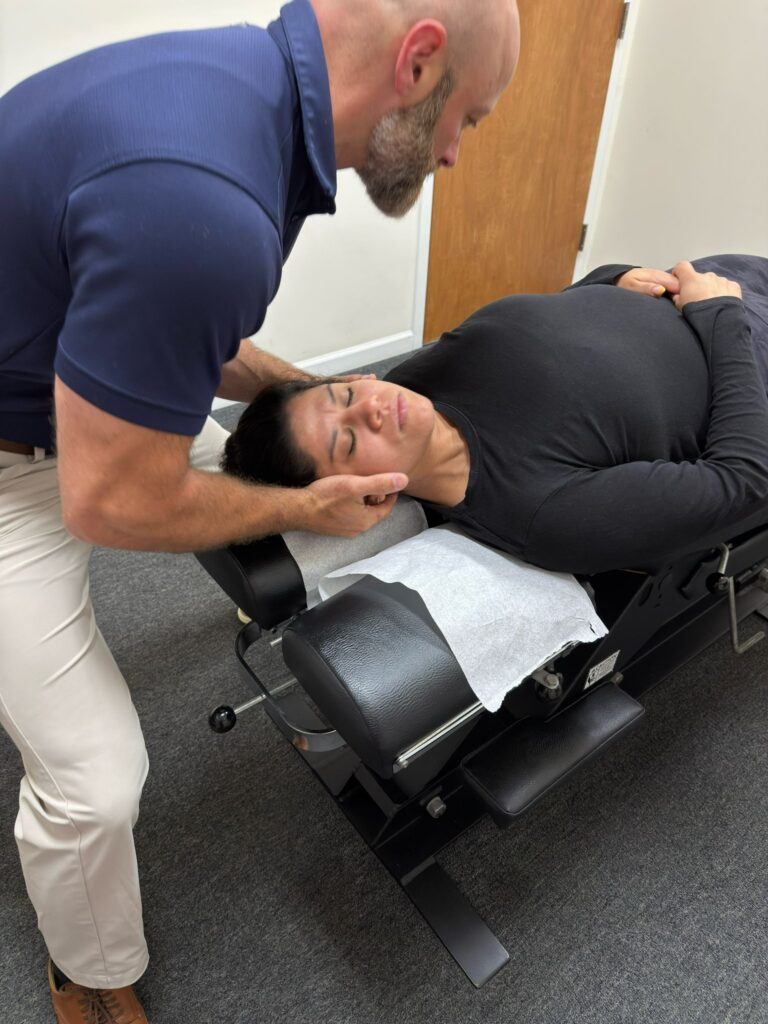
Chiropractic care involves diagnosing and treating issues related to your spine through spinal adjustments. These adjustments are designed to realign your vertebrae, relieving pressure on nerves and reducing inflammation. By targeting the underlying cause of your discomfort, chiropractic care not only alleviates pain but also enhances your overall function and well-being.
Regular adjustments can significantly improve your mobility, making everyday activities easier and more enjoyable. During your visits, I'll assess your posture, movement patterns, and any physical limitations you may have. Together, we'll create a personalized treatment plan tailored to your unique needs and goals.
In addition to spinal adjustments, my practice incorporates various techniques to support your healing journey. These may include massage therapy, stretching exercises, and practical lifestyle advice. This holistic approach focuses on your body as a whole, rather than just treating isolated symptoms, ensuring that you receive comprehensive care.
Many patients experience remarkable relief from chronic back pain after just a few sessions. I encourage you to take an active role in your recovery, which involves setting realistic goals and maintaining open communication with me throughout your treatment.
With consistency in your care plan and a commitment to your wellness, you can take proactive steps toward achieving long-term relief and improving your quality of life.
I invite you to discover the benefits of chiropractic care and explore how it can enhance your health and well-being. Together, we can work toward a pain-free future.
Posture Correction
As a local chiropractor, I want to share with you the importance of correcting your posture to help alleviate back pain. Many individuals may not realize how significant posture is to overall spinal health.
By setting up an ergonomic workstation, you can create an environment that promotes proper alignment. Additionally, practicing mindful sitting techniques encourages you to be aware of your body's positioning throughout the day.
Strengthening your core muscles is another essential strategy, as a strong core supports your spine and helps maintain good posture. Together, these approaches can make a substantial difference in your comfort and well-being.
Let's delve into how each of these methods can help you improve your posture and reduce discomfort effectively.
Ergonomic Workstation Setup
As a local chiropractor, I want to emphasize the importance of an ergonomic workstation setup for preventing back pain and enhancing your overall health. Many people are unaware that the way they arrange their workspace can significantly impact their posture and the strain on their backs.
To start, it's crucial to adjust your chair to provide proper support for your lower back. Your feet should rest flat on the floor, and your knees should be positioned at or just slightly below hip level. This alignment helps maintain a neutral spine and reduces discomfort.
Next, let's talk about your monitor. Positioning it at eye level, approximately an arm's length away, is vital. This adjustment helps prevent you from leaning forward or tilting your head down, both of which can contribute to neck and back strain.
Additionally, keep your keyboard and mouse within easy reach, so you can use them comfortably without extending your arms too far. Aim for your elbows to remain at a 90-degree angle while typing.
Don't forget about the height of your desk. If it's too high or low, you may find yourself in awkward positions that can lead to pain and discomfort over time. Consider investing in a height-adjustable desk, which allows you to alternate between sitting and standing throughout the day.
Lastly, it's essential to take regular breaks. Standing up, stretching, and moving around not only relieve tension but also promote healthy blood circulation.
Mindful Sitting Techniques
As a local chiropractor, I want to share some important mindful sitting techniques that can help you maintain good posture and prevent back pain, especially if you spend long hours at your desk.
Proper sitting posture is vital for your spinal health and overall well-being.
First, make sure to adjust your chair so that your feet are flat on the floor and your knees form a right angle. This simple adjustment can keep your spine aligned and help reduce strain on your back.
Next, it's important to sit back in your chair and ensure that your lower back is adequately supported. You might find it beneficial to use a cushion or a lumbar roll for extra support.
Keep your shoulders relaxed and avoid hunching them forward; instead, gently draw them back and down to promote better alignment.
Your computer screen should be positioned at eye level. This helps prevent you from leaning forward or straining your neck, which can lead to discomfort over time.
If you're using a laptop, consider using a stand or an external monitor to achieve the appropriate height.
Lastly, remember to take regular breaks throughout your workday. Stand up, stretch, or walk around every hour to relieve tension and promote healthy circulation.
Incorporating these mindful sitting techniques into your daily routine can significantly lower your risk of developing back pain, making your work hours more comfortable and productive.
Your posture plays a crucial role in your overall health, so I encourage you to make these adjustments a priority.
If you have any questions or need further assistance, don't hesitate to reach out to me or another chiropractic professional. Your well-being is our top priority!
Strengthening Core Muscles
As a chiropractor, I want to emphasize that maintaining good posture goes beyond simply how you sit; it fundamentally relies on having a strong core. Your core muscles, which include your abdominal, back, and pelvic muscles, are vital in supporting your spine. Weak core muscles can lead to slouching and misalignment, which often results in back pain.
To help you strengthen your core, I recommend starting with simple exercises like planks, bridges, and abdominal crunches. These exercises engage multiple muscle groups, enhancing your stability and balance. Aim to incorporate these exercises into your routine at least three times a week, gradually increasing the intensity and duration as your strength improves.
Additionally, it's important to engage your core throughout your daily activities. Whether you're standing or sitting, gently pull your belly button toward your spine. This technique not only supports your back but also encourages you to maintain an upright posture, which is essential for your overall health.
Stretching Exercises
As a chiropractor, I often emphasize the importance of incorporating stretching exercises into your daily routine. Many of my patients find that these exercises can significantly alleviate back pain and enhance overall flexibility.
By committing to regular stretching, you can help elongate tight muscles, promote better circulation, and improve your range of motion. It's not uncommon for individuals to experience a notable reduction in discomfort and an increase in mobility over time.
Here are a few effective stretches that I recommend integrating into your routine:
- Cat-Cow Stretch: This dynamic movement involves alternating between arching and rounding your back, which can help release tension and improve spinal flexibility. It's a gentle way to mobilize your spine and engage your core.
- Child's Pose: Kneeling on the floor and sitting back on your heels while stretching your arms forward can be a wonderful way to gently open your hips and relax your lower back. This pose is particularly beneficial for decompressing the spine.
- Seated Forward Bend: While seated, reaching for your toes allows for a deep stretch in your spine and hamstrings, which can help alleviate tightness you may be experiencing in these areas.
I recommend holding each stretch for 15-30 seconds and repeating them 2-3 times. You might find it helpful to perform these stretches in the morning to awaken your muscles or in the evening to unwind after a long day.
Always listen to your body; if any stretch causes discomfort, it's best to ease up or skip it altogether. Remember, these simple yet effective stretches can be a valuable part of your journey toward better spinal health and overall well-being.
Ergonomic Workspaces
As a local chiropractor, I want to emphasize the importance of creating an ergonomic workspace to help alleviate and prevent back pain. Many individuals may not realize how their work environment can impact their spinal health.
Start by adjusting your desk height to ensure that your elbows are at a comfortable angle while typing. It's also crucial to choose a chair that provides adequate lumbar support, as this helps maintain the natural curve of your spine.
Additionally, positioning your monitor at eye level can reduce strain on your neck and shoulders. Implementing these simple yet effective changes can significantly enhance your comfort and overall well-being throughout the workday.
Desk Height Adjustment
As a local chiropractor, I want to emphasize the importance of finding the right desk height for your workspace. Creating an ergonomic environment is crucial for maintaining your back health and overall well-being. When your desk is set at the correct height, you can work comfortably, which significantly reduces the strain on your back.
To achieve optimal alignment, I recommend adjusting your desk so that your elbows form a 90-degree angle while typing. It's also essential that your feet rest flat on the floor or on a footrest, as this helps distribute your weight evenly across your body.
Here are a few key points to consider when setting your desk height:
- Desk Surface: Ideally, the surface of your desk should be at or slightly below elbow height. This alignment promotes better posture and reduces tension in your back.
- Monitor Position: Position your monitor at eye level to avoid straining your neck. This helps maintain a neutral spine and minimizes discomfort.
- Keyboard Placement: Keep your keyboard close enough that you don't have to reach for it. This will allow your wrists to remain straight and reduce the risk of repetitive strain injuries.
By paying attention to these details, you can create a workspace that not only enhances your productivity but also supports your body's natural healing processes.
Chair Support Features
As a local chiropractor, I often see the impact that the right chair support features can have on your overall health and productivity. A well-designed chair can play a crucial role in preventing back pain, which is a common issue many of my patients face.
One of the key elements to look for in a chair is adjustable lumbar support. This feature allows you to tailor the support to match the natural curve of your lower back, which is essential for maintaining proper posture throughout your workday.
Another important aspect is the adjustable seat height. When your feet rest flat on the floor, it promotes better blood circulation and reduces strain on your back.
Many people underestimate the significance of armrests, too. They should be adjustable to provide support for your arms and shoulders, which can help minimize tension in your neck and upper back.
The materials and cushioning of the chair shouldn't be overlooked either. A breathable fabric can keep you comfortable and cool, while adequate padding ensures you remain comfortable during those long hours of sitting.
Lastly, a swivel base can greatly enhance your mobility, allowing you to reach different areas of your workspace without unnecessary strain.
Monitor Positioning Tips
As a local chiropractor, I often see the impact that monitor positioning can have on your overall comfort and productivity. Many people underestimate how a simple adjustment in their workspace can prevent discomfort and enhance their daily work experience.
Here are some essential tips to ensure your monitor is set up in a way that promotes your health and well-being:
- Eye Level: It's crucial that your monitor is positioned at or just below eye level. This allows you to look straight ahead without tilting your head, which can significantly reduce neck strain and encourage better posture. Remember, a good alignment is key to avoiding discomfort.
- Distance: Aim to keep your monitor about an arm's length away from your eyes. This distance not only helps prevent eye strain but also allows you to maintain a relaxed posture while you work. It's important to protect your spine and your vision alike.
- Tilt: Adjusting your monitor's angle slightly backward—about 10 to 20 degrees—can be highly beneficial. This position minimizes glare and keeps your neck in a more comfortable alignment.
By ensuring your workspace is ergonomically sound, you can support your body's natural healing processes.
Taking these simple steps can make a profound difference in your daily comfort and productivity. Remember, your posture and workspace setup are integral to your overall health!
Massage Therapy
As a local chiropractor, I want to shed light on the incredible benefits of massage therapy in conjunction with chiropractic care, especially for alleviating back pain. When you experience discomfort, your muscles often tighten up, leading to restricted movement and increased pain. This is where the collaboration between chiropractic adjustments and massage therapy can be immensely beneficial.
A skilled massage therapist can assess your specific issues, just as I'd during a chiropractic evaluation. They can tailor their techniques to target tight muscles and improve circulation, helping to release tension and restore balance in your body. Common techniques you might encounter include Swedish, deep tissue, or trigger point therapy. Each method has unique benefits, but the overarching goal is to relax your muscles and enhance blood flow.
Improved circulation allows oxygen and nutrients to reach your muscles more effectively, which promotes healing and reduces inflammation. Many patients notice immediate relief after just one session of massage therapy. However, for lasting results, I encourage regular visits. Consistency is key in maintaining muscle elasticity and preventing the recurrence of pain.
It's also important to recognize that stress can contribute significantly to muscle tension and discomfort. Incorporating massage therapy can help lower your stress levels, further supporting your overall well-being.
Communication is crucial; don't hesitate to discuss your pain and any specific areas of concern with your therapist or me. This open dialogue ensures that we can apply the right pressure and focus on the areas that need the most attention.
Lastly, I recommend pairing massage therapy with other self-care practices. Stretching, proper hydration, and maintaining good posture can enhance the benefits of your sessions.
Physical Therapy
When it comes to managing back pain, chiropractic care can be a game changer in your healing process. It's not solely focused on pain relief; it's about restoring function and ensuring your body operates at its best.
As a chiropractor, I utilize specific adjustments and techniques to help you understand your body's alignment and movement patterns, thereby minimizing the risk of future injuries.
During your visits, you can expect to participate in a range of activities aimed at improving your flexibility, strength, and overall posture. You may find yourself engaging in exercises that challenge you positively, such as:
- Gentle spinal adjustments that realign your vertebrae, enhancing your body's ability to heal and function properly.
- Core strengthening exercises designed to support your spine and reduce strain on muscles surrounding it.
- Stability and balance activities that enhance your coordination, making everyday tasks easier and safer.
Additionally, I'll provide you with tailored education about your specific condition, helping you identify which movements to avoid and how to integrate safe practices into your daily life.
This knowledge empowers you to take control of your healing journey, ensuring you feel informed and confident as you progress.
Lifestyle Modifications
As a local chiropractor, I want to share with you how making lifestyle modifications can significantly enhance your back pain management and overall well-being. Many people are unaware of how their everyday habits can impact their back health. By implementing small, thoughtful changes, you can experience considerable improvements.
First, let's talk about your posture. Whether you're at your desk or waiting in line, maintaining a neutral spine is crucial to reduce strain on your back. I recommend using ergonomic furniture and taking regular breaks to stretch and move around. These simple adjustments can make a big difference in how your back feels.
Next, consider your level of physical activity. You don't need to spend hours at the gym each day; instead, focus on incorporating low-impact exercises such as walking, swimming, or yoga into your routine. These activities can help strengthen your core and enhance your flexibility. Aim for at least 30 minutes of activity most days of the week. This not only helps keep your back strong but also reduces stiffness.
Nutrition is another vital aspect of managing back pain. A balanced diet filled with anti-inflammatory foods—like fresh fruits, vegetables, and whole grains—can aid in maintaining a healthy weight and alleviating pressure on your back. Don't forget to stay hydrated, as proper hydration keeps your joints lubricated and functioning optimally.
Finally, I want to emphasize the importance of stress management. Chronic stress can lead to muscle tension, which can worsen your pain. I encourage you to integrate relaxation techniques such as deep breathing, meditation, or mindfulness practices into your daily routine. These strategies can help you manage stress effectively.
Conclusion
As a local chiropractor, I want to share with you the incredible benefits of incorporating chiropractic adjustments into your daily routine to alleviate back pain and enhance your overall well-being. Many people are unaware of how crucial spinal health is to their comfort and mobility.
One of the key areas we focus on is posture correction. Poor posture can lead to significant strain on your back, but with proper adjustments and guidance, we can help you achieve a more aligned position. Additionally, engaging in stretching exercises is vital for maintaining flexibility and preventing stiffness, which can contribute to discomfort.
Setting up ergonomic workspaces is another important aspect of spinal health. I encourage patients to evaluate their work environments and make necessary adjustments to create a more supportive setup. This can significantly reduce strain on your back during daily activities.
Moreover, I want to highlight the importance of complementary therapies such as massage therapy and physical therapy, which can work hand-in-hand with chiropractic care to further enhance your recovery. Lifestyle modifications, including regular exercise and a balanced diet, can also contribute to better back health.
By embracing these holistic strategies, you can find relief from discomfort, improve your mobility, and ultimately enjoy a better quality of life. If you're ready to start your journey to a healthier back, I invite you to visit our office and learn more about how chiropractic care can benefit you!