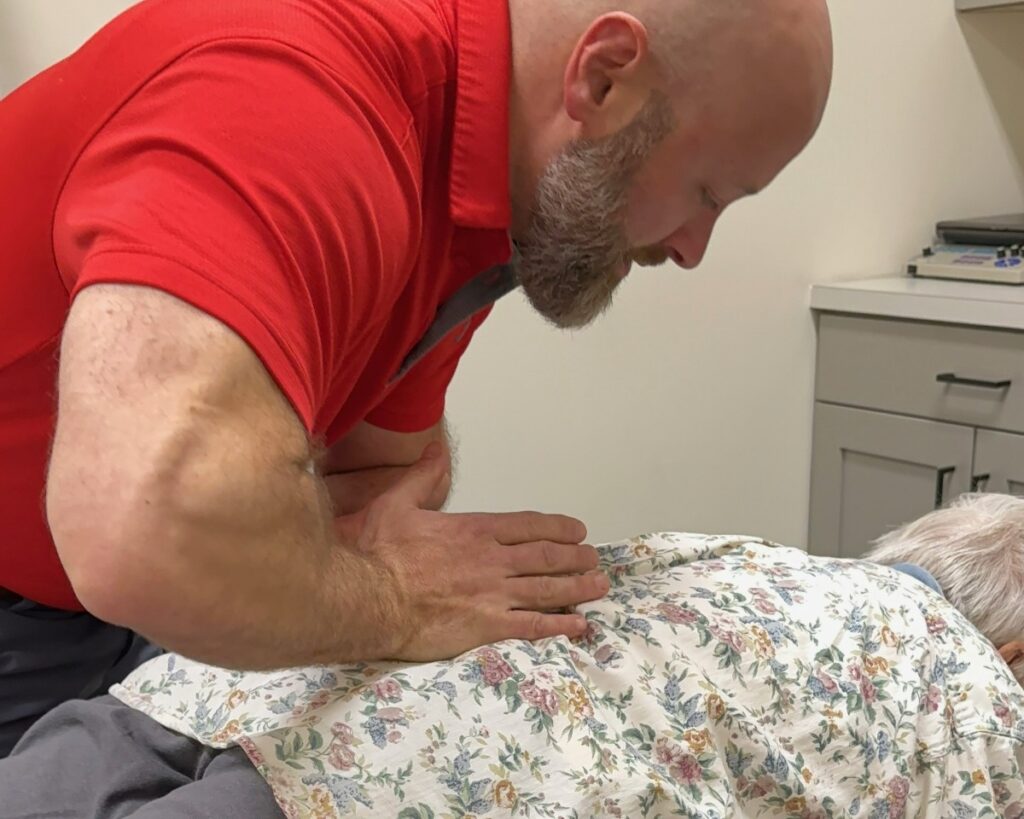
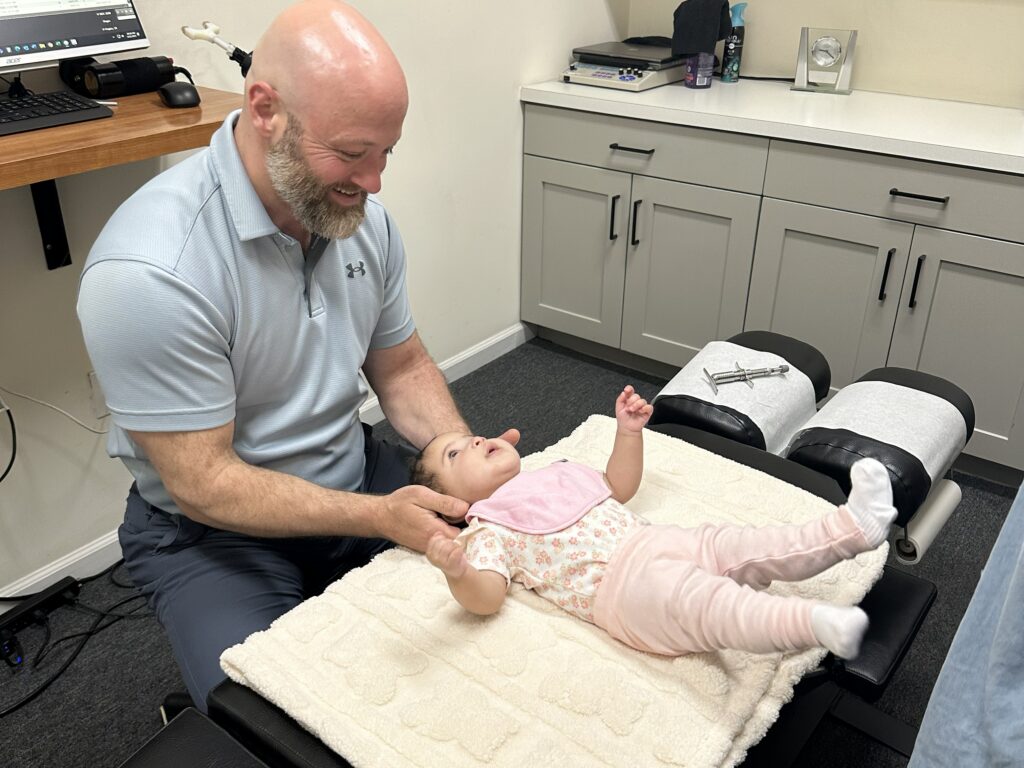
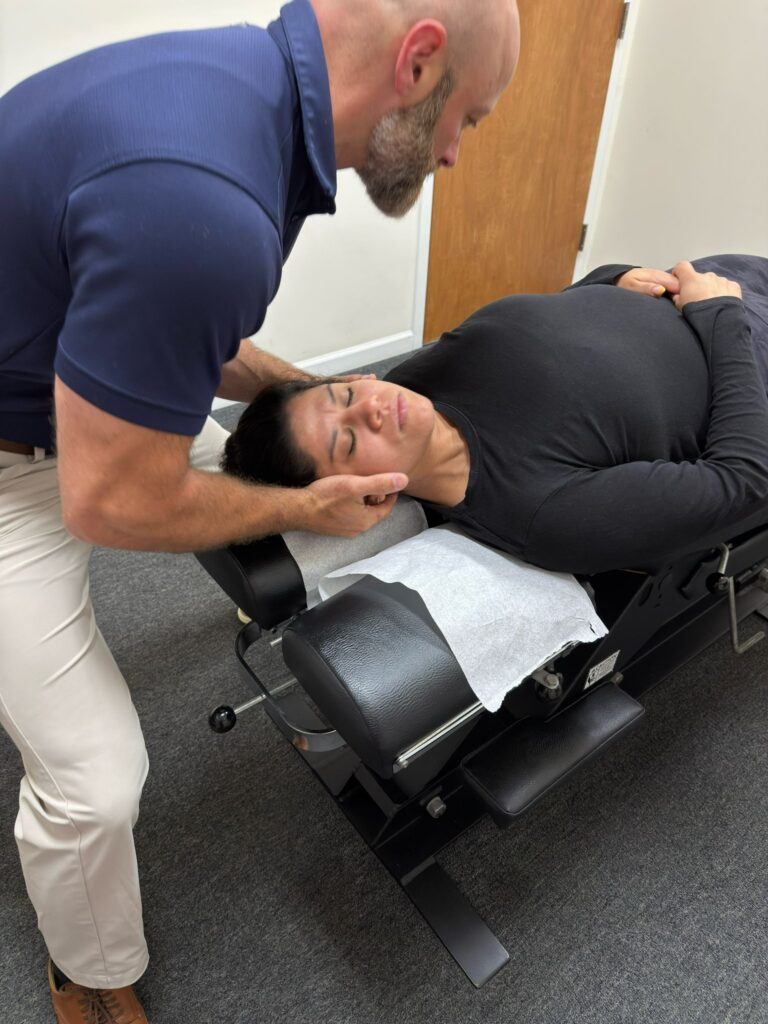
When we talk about improving mobility for seniors, the idea of making safety adjustments in the home is an important starting point. As a chiropractor, I often emphasize the significance of creating a safe environment—things like installing grab bars or ensuring adequate lighting can significantly lower the risk of falls. However, enhancing mobility goes beyond just these modifications.
It's crucial to recognize the specific challenges seniors encounter, such as decreased flexibility, balance issues, and chronic pain. By addressing these factors through natural healing techniques, such as chiropractic adjustments, we can not only improve their physical movement but also promote a sense of independence.
In addition to home modifications, incorporating regular chiropractic care can help maintain joint function and alleviate discomfort, making daily activities easier and safer. What other aspects, like nutrition, exercise, or mental well-being, do you think could contribute to a senior's journey toward safer and more accessible living? Let's explore these together for a holistic approach to enhancing mobility.
Understanding Senior Mobility Challenges
As we age, mobility can become a significant challenge for many seniors, and as your local chiropractor, I want to help you understand how we can address these issues naturally.
You may have noticed that everyday activities like walking or climbing stairs can feel more daunting. This decline in mobility often arises from a combination of physical and medical factors, such as arthritis, muscle weakness, or balance problems. Additionally, vision impairments can affect your depth perception and spatial awareness, making movement feel more risky.
Certain medications can also have side effects that impact your coordination and strength, which is why it's essential to stay informed about how these factors influence your mobility. Fatigue may set in more quickly than before, making it challenging to maintain an active lifestyle. It's important to listen to your body and acknowledge these changes as they arise.
Social factors play a role as well. Feeling isolated can lead to decreased physical activity; you might feel less motivated to get out and engage with the world. This lack of engagement can further worsen mobility issues.
To combat these challenges, I encourage you to seek out supportive communities or groups that promote physical activity. Staying connected not only boosts your morale but also inspires you to stay active.
As your chiropractor, I'm here to discuss any mobility concerns you may have. Together, we can identify specific challenges you face and explore natural strategies or therapies to improve your mobility and overall quality of life.
Understanding these mobility challenges is the first step towards regaining your freedom and enhancing your wellbeing.
Home Modifications for Safety
As a local chiropractor, I want to emphasize the importance of safety modifications in your home, particularly in areas like the bathroom and staircases.
These changes aren't just about preventing injuries; they play a significant role in maintaining your overall well-being and supporting your body's natural healing processes.
In the bathroom, installing grab bars and using non-slip mats can significantly reduce the risk of falls, which is crucial for protecting your spine and joints.
When you feel secure in your environment, it allows your body to function optimally and prevents unnecessary strain or injury.
For staircases, incorporating handrails and ensuring adequate lighting can improve accessibility and security.
This is vital for maintaining proper posture and balance as you move around your home.
Remember, a safe home is a foundation for a healthy lifestyle, and these small modifications can make a big difference in your day-to-day life.
If you have any questions about how to create a safer living space or how it relates to your chiropractic care, feel free to ask during your next visit.
Bathroom Safety Enhancements
As a local chiropractor, I often see how the bathroom can be a challenging space for our senior patients. It's a common area where slips and falls can happen quickly, leading to potential injuries. To enhance safety and promote overall well-being, I recommend several modifications that can make a significant difference.
First, consider installing grab bars near the toilet and in the shower or bathtub. These sturdy supports provide a reliable grip, which can greatly reduce the risk of falls and support your mobility as you navigate these areas.
Another important addition is non-slip mats. Placing them both inside and outside the shower or tub increases traction, helping to prevent slips on wet surfaces. Additionally, a shower chair or bench can be an excellent option, allowing you to sit comfortably while bathing. This not only enhances safety but also makes the bathing experience more enjoyable.
Adjusting the height of your toilet can also be beneficial. A higher toilet seat can alleviate strain on your joints when sitting down or standing up, making it easier for you to maintain your balance.
Furthermore, a handheld showerhead can provide greater control and flexibility, allowing you to bathe more comfortably without unnecessary twisting or reaching.
Lastly, good lighting in the bathroom is essential. Bright, adequate lighting helps eliminate shadows and allows you to see any obstacles clearly, reducing the likelihood of accidents.
By implementing these bathroom safety enhancements, you'll create a more secure environment that promotes greater independence and peace of mind.
Staircase Accessibility Solutions
As a local chiropractor, I want to emphasize the importance of a safe and accessible home environment, especially when it comes to navigating stairs. For seniors, the challenges posed by stairs can be as significant as those found in bathrooms, and addressing these hazards is crucial for maintaining mobility and preventing injuries.
One of the first modifications I recommend is the installation of sturdy handrails on both sides of the staircase. These handrails provide invaluable support as you move up and down the stairs. It's essential to ensure they're at the right height and easy to grip, as this can greatly enhance your stability.
Additionally, consider adding non-slip treads or adhesive strips to each step. This is a simple yet effective way to decrease the risk of slips and falls, particularly in areas that may not be well-lit.
If stairs remain a daunting challenge for you, a stairlift can be an excellent investment. This device allows for safe transportation up and down the stairs, helping you maintain your independence while minimizing the risk of injury.
Proper lighting is also critical when it comes to stairs. I suggest installing brighter bulbs and possibly incorporating motion-sensor lighting. This not only improves visibility but also adds convenience, making it easier to navigate the stairs, especially at night.
Lastly, it's important to keep your staircase clear of clutter. Removing any items that could obstruct your path is a simple way to enhance safety.
By implementing these staircase accessibility solutions, you can create a safer home environment that promotes mobility and peace of mind. Taking these proactive steps not only boosts safety but also fosters confidence as you move throughout your home.
Assistive Devices and Tools
As a local chiropractor, I want to emphasize the importance of mobility and how assistive devices can play a vital role in enhancing your movement and overall well-being.
Whether it's a walker, a mobility scooter, or other tools, these devices are designed to support your unique needs while promoting your independence and safety.
Understanding the different types of assistive devices available can empower you to make informed choices.
It's essential to consider how these tools can complement your chiropractic care and natural healing journey.
By incorporating the right assistive device into your daily routine, you can improve your mobility, reduce strain on your body, and enhance your quality of life.
Types of Assistive Devices
As a local chiropractor, I want to share some valuable insights on assistive devices that can significantly enhance mobility for seniors, especially those who may be experiencing discomfort or limitations in movement. Understanding these options can help you or your loved ones maintain independence and improve overall well-being.
Walkers are an excellent choice for those who need extra stability when moving around. They provide robust support, which is essential for preventing falls and promoting safe mobility.
If portability is a priority, a cane may be a more suitable option. Canes offer balance and are easy to carry when not in use, making them a convenient solution for daily activities.
For individuals who require more assistance, wheelchairs and mobility scooters can be incredibly beneficial. These devices allow you to navigate longer distances with ease, reducing fatigue and strain on your body.
If stairs pose a challenge, consider installing a stair lift or a portable ramp. These options can make accessing different levels of your home much more manageable and safe.
In addition to mobility devices, I recommend the installation of grab bars in bathrooms and near stairs. These can provide extra security and confidence when moving, reducing the risk of slips and falls.
Reaching aids are also helpful; they enable you to retrieve items from higher shelves without unnecessary strain on your back or joints. Lastly, dressing aids can simplify daily tasks, allowing for greater independence and comfort.
At our practice, we emphasize the importance of not only addressing pain but also finding ways to enhance your quality of life through natural healing and supportive tools.
If you have any questions about how these devices can work in conjunction with your chiropractic care, please don't hesitate to ask!
Benefits of Mobility Tools
As a local chiropractor, I want to emphasize the profound impact that mobility tools can have on your overall health and well-being. These assistive devices, such as walkers, canes, and scooters, not only enhance your mobility but also significantly improve your quality of life. They provide the essential support you need to maintain your independence while reducing the risk of falls, which is crucial for your safety.
When you feel secure in your movements, it opens the door to greater participation in social activities. Engaging with others can help alleviate feelings of isolation, which is often a concern for many seniors.
Additionally, using the right mobility equipment can boost your confidence tremendously. Knowing that you have the necessary support allows you to venture out into your community, reconnect with friends, and dive into hobbies that bring you joy. This sense of empowerment can have a ripple effect on your overall mental and emotional health.
From a physical perspective, mobility tools can help reduce the strain on your body during daily activities. They enable you to navigate your home, handle errands, and enjoy nature walks without the fear of overexerting yourself, leading to a more enjoyable experience.
Finally, incorporating assistive devices into your routine can promote better health outcomes. Staying active is vital for maintaining physical fitness and preventing the deterioration of chronic conditions. Embracing mobility tools is a step toward empowering yourself to lead a more fulfilling and active life, which is at the core of what we aim to achieve through chiropractic care and natural healing.
Your well-being is our priority, and mobility tools can play a crucial role in that journey.
Exercise and Physical Therapy
As a local chiropractor, I want to share how exercise and physical therapy can significantly improve mobility, especially for seniors. Engaging in regular physical activity is crucial—not only does it strengthen muscles, but it also enhances balance and flexibility, which are essential for fall prevention.
You don't need to lift heavy weights or run long distances; even simple activities like walking, stretching, or gentle yoga can lead to remarkable improvements.
Chiropractic care complements your fitness journey by offering tailored programs that address your specific needs and limitations. As a licensed chiropractor, I can evaluate your physical condition and devise a personalized plan that focuses on strengthening weak areas and enhancing your overall stability.
You'll learn safe techniques for moving and transferring, which can help increase your confidence and independence.
Consistency is vital in any wellness plan. Aim for at least 150 minutes of moderate exercise each week, divided into manageable sessions. Finding enjoyable activities can make sticking to a routine easier.
Whether it's dancing, swimming, or gardening, discover what brings you joy and integrate it into your schedule.
Don't overlook the benefits of social interaction during exercise. Participating in group classes or engaging in activities with friends can provide motivation and make your workouts more enjoyable. Plus, it's an excellent opportunity to connect with new people.
Remember, it's always important to consult with your healthcare provider before starting any new exercise regimen, especially if you have existing health conditions.
With the right approach, chiropractic care, exercise, and physical therapy can greatly enhance your mobility and overall quality of life. You deserve to move freely and confidently, so let's take that first step together today!
Creating a Supportive Environment
Creating a supportive environment is essential for enhancing your mobility and independence as you age, and as your local chiropractor, I want to share some insights on how simple adjustments can significantly improve your daily life.
First, let's talk about decluttering your living space. Removing obstacles that could lead to trips and falls, such as loose rugs and unnecessary furniture, is crucial. Ensuring that your pathways are clear and well-lit will help you navigate safely, reducing the risk of injuries that can affect your overall well-being.
Next, consider the arrangement of your furniture. Opt for sturdy chairs and tables that are at a comfortable height, which will make it easier for you to sit down and stand up. Additionally, installing grab bars in key areas like the bathroom and near stairs can provide the extra support you might need.
Remember, non-slip mats are also a great idea, especially in areas where moisture is present.
Lighting plays a vital role in your safety as well. A well-lit home is important, particularly in hallways and staircases. I recommend motion-sensor lights that activate automatically, so you won't have to struggle to find switches when it's dark.
Communicating your needs with your family and friends is equally important. They can provide assistance, encouragement, and companionship, all of which can enhance your sense of security.
And don't forget, reaching out to professionals—like your chiropractor—can provide you with tailored advice on home modifications that support your mobility and overall health.
Nutrition's Role in Mobility
As a local chiropractor, I want to emphasize the crucial role that nutrition plays in maintaining your mobility and overall health. While chiropractic care helps align your spine and improve your body's function, it's essential to remember that what you put into your body significantly affects how well you move.
Proper nutrition is vital for preserving muscle strength, bone density, and energy levels—key components for staying active as you age. To support your mobility, I encourage you to focus on a balanced diet filled with the nutrients your body needs. Incorporate protein sources such as lean meats, fish, eggs, and legumes into your meals. Protein is essential for muscle repair and growth, helping to prevent weakness and improve your stability.
Additionally, don't overlook the importance of whole grains, fruits, and vegetables. These foods provide vital vitamins and minerals that support joint health and help reduce inflammation. Incorporating foods high in antioxidants—like berries and leafy greens—can further enhance your mobility by combating oxidative stress in the body.
Hydration is another key factor. Staying well-hydrated keeps your joints lubricated and supports your energy levels. Aim for at least eight glasses of water a day, and adjust your intake based on your activity level and the climate you live in.
If you're unsure about how to optimize your nutrition for better mobility, consider reaching out to a healthcare provider or nutritionist. They can help create a personalized meal plan that addresses your specific needs, identify any nutritional deficiencies, and recommend supplements if necessary.
Encouraging Social Engagement
As a local chiropractor, I want to emphasize the incredible benefits of social connections, particularly for seniors, in enhancing mobility and overall health. Engaging socially isn't just about enjoying the company of others; it can also motivate you to be more active. Activities like joining a book club, participating in a community exercise class, or simply having coffee with friends can encourage you to move more and maintain your physical well-being.
Regular social interaction can keep your energy levels high. When you have plans with friends or groups, you're more likely to stick to a routine that incorporates movement, such as walking to a meeting spot or participating in group exercises. Additionally, these social gatherings can uplift your emotional health, helping to reduce feelings of isolation and depression that can negatively impact mobility.
I encourage you to consider volunteering or joining local senior centers where you can connect with peers who share your interests. These venues often host organized activities that promote physical engagement, from dancing to gardening, all of which can complement the chiropractic care I provide.
If mobility is a concern, don't overlook the power of online communities—virtual meetups can offer wonderful opportunities for connection without the need for extensive travel.
Promoting social engagement isn't just about staying connected; it's about cultivating a lifestyle that supports your mobility and health. By prioritizing these social interactions, you'll likely find it easier to maintain a physically active life.
Conclusion
As a local chiropractor, I want to share how thoughtful adjustments and a supportive environment can significantly enhance mobility and safety for seniors. Simple modifications around the home, along with regular chiropractic care, can play a crucial role in improving their overall well-being. Encouraging seniors to engage in regular exercise not only helps maintain physical health but also strengthens their confidence in movement.
It's important to understand that our focus isn't solely on preventing falls; rather, we aim to promote independence and elevate the overall quality of life for our senior patients. By incorporating chiropractic adjustments, we can help alleviate discomfort and improve flexibility, allowing seniors to move more freely and enjoy their daily activities. I encourage you to explore these strategies and see how they can empower your loved ones to embrace life with greater confidence and vitality.