
As a chiropractor, I often emphasize the importance of flexibility in our overall health and well-being. Many people underestimate how crucial it is to maintain and improve flexibility, but it plays a significant role in enhancing physical performance and preventing injuries. By incorporating various stretching techniques and mindful practices into your daily routine, you can make notable progress in your flexibility journey.
You might wonder, what specific methods can you use to achieve real improvement? Here are some effective strategies that I recommend to my patients:
- Dynamic Stretching: This involves moving parts of your body through their full range of motion, which can help prepare your muscles for physical activity and improve flexibility over time.
- Static Stretching: After your workouts, take the time to stretch your muscles while holding each position for 15-30 seconds. This helps to lengthen the muscle fibers and improve overall flexibility.
- Incorporate Yoga or Pilates: These practices focus on flexibility, balance, and strength. They not only improve your physical capabilities but also promote mindfulness and relaxation.
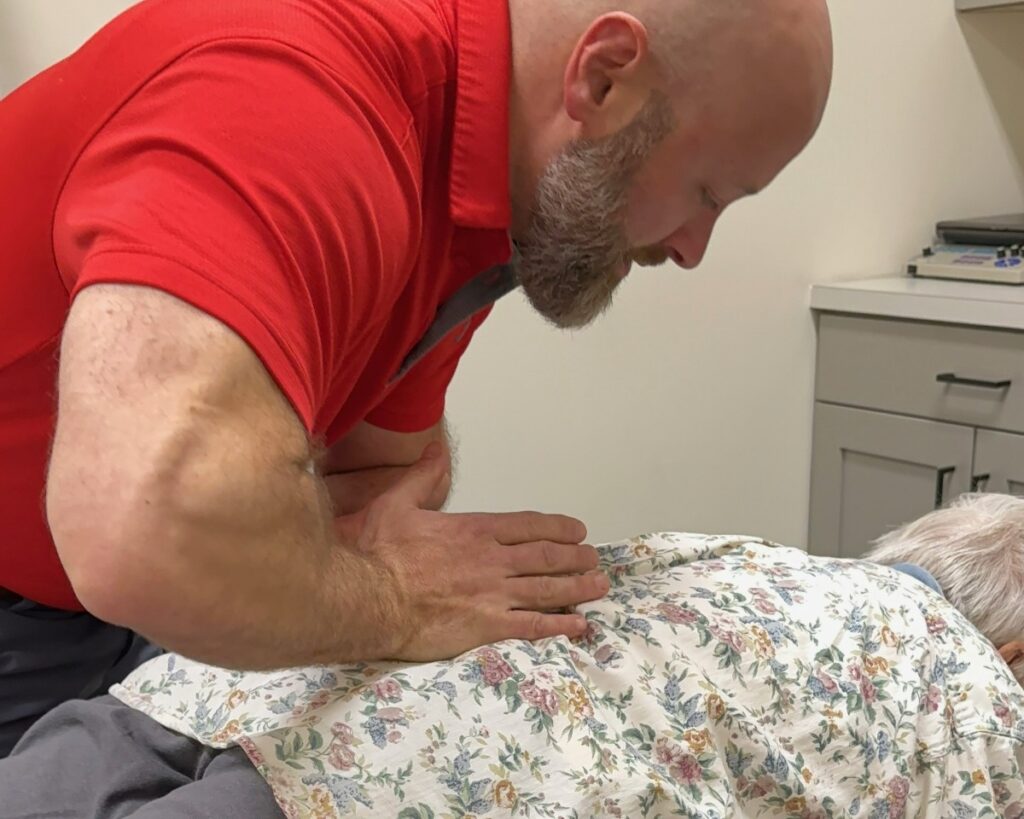
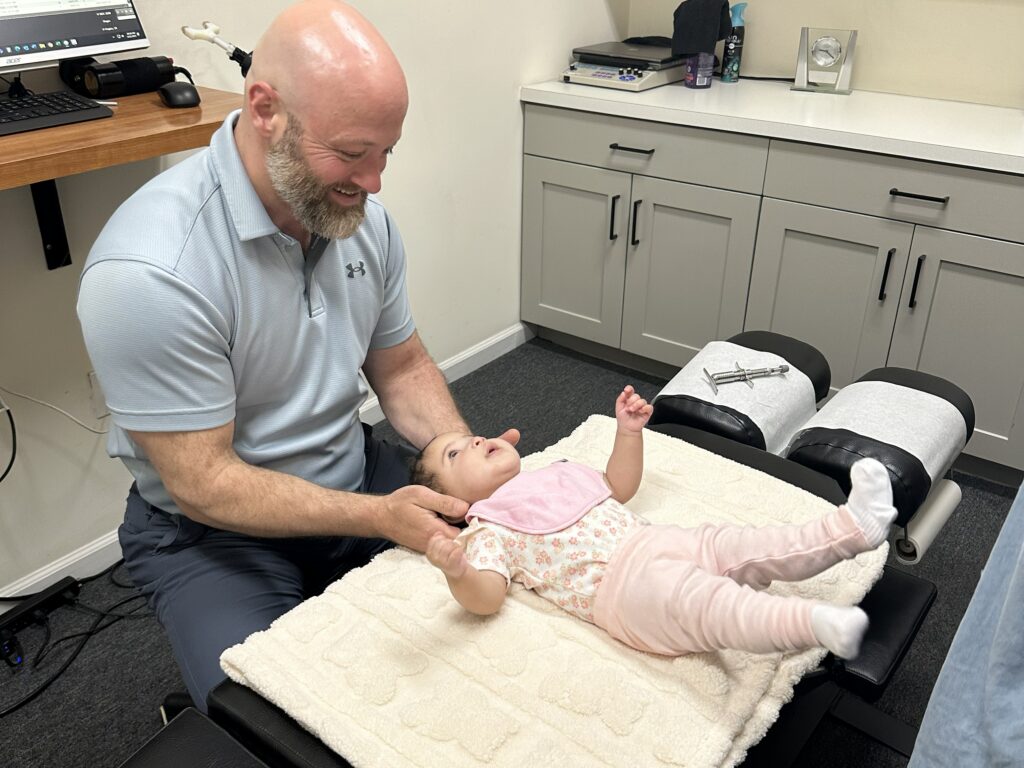
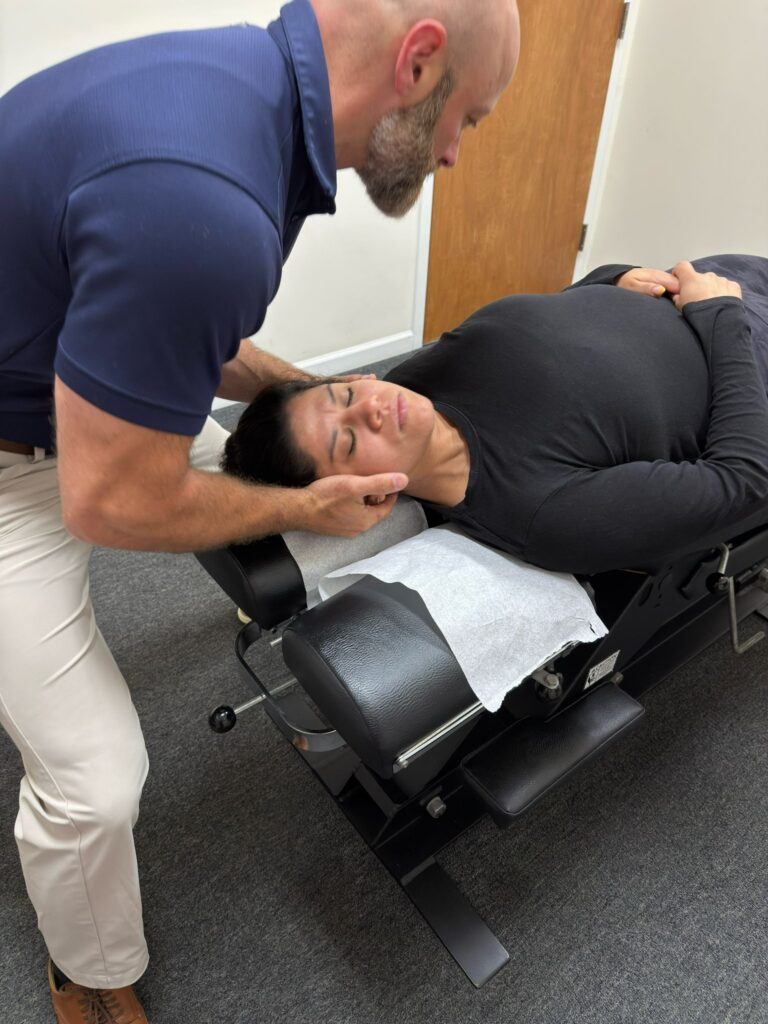
- Regular Chiropractic Adjustments: Chiropractic care can help align your spine and improve joint mobility, which can significantly enhance your flexibility. Regular adjustments can also relieve tension in your muscles, allowing for greater ease of movement.
- Mindful Breathing: Incorporating deep, mindful breathing into your stretching routine can help you relax and release tension in your body, making it easier to stretch effectively.
By implementing these strategies, you can take meaningful steps towards improving your flexibility and, as a result, enhancing your overall well-being. If you have any questions or would like personalized guidance, feel free to reach out during your next visit!
Understanding the Importance of Flexibility
As a local chiropractor, I want to emphasize the crucial role flexibility plays in your overall health and well-being. Many people overlook flexibility in their fitness routines, but prioritizing it can significantly enhance your daily life. Improved flexibility increases your range of motion, making simple tasks—like bending down to tie your shoes or reaching for something on a high shelf—much easier and more comfortable.
This increased flexibility also reduces your risk of injury, which is especially important for maintaining an active lifestyle. In my practice, I often see how improved flexibility can help your muscles function more efficiently. This not only boosts your performance in sports and exercise but also promotes better posture.
Good posture is vital, as it can alleviate strain on your back and joints, preventing discomfort and chronic pain. Moreover, flexibility is essential for relieving muscle tension and promoting relaxation. After a long day, dedicating time to stretch can help release built-up stress and improve your mood.
Types of Stretching Techniques
As a chiropractor dedicated to your holistic health, I want to share some valuable insights on how you can enhance your flexibility through a variety of effective stretching techniques. Each method has its own unique benefits and can play a crucial role in reaching your flexibility goals, which can ultimately contribute to your overall well-being.
- Static Stretching: This technique involves holding a stretch for 15 to 60 seconds. It’s a great way to lengthen your muscles and improve flexibility over time. Consider incorporating this into your routine after your workouts or daily activities.
- Dynamic Stretching: This approach includes controlled movements that help improve your range of motion. Dynamic stretching is particularly beneficial as a warm-up before physical activity, preparing your body for movement while reducing the risk of injury.
- Ballistic Stretching: While this technique uses momentum to push muscles beyond their normal range, it requires caution. It can be effective for advanced practitioners, but I recommend discussing it with a professional before trying it, as it can lead to injury if not done correctly.
- PNF Stretching: Proprioceptive Neuromuscular Facilitation is a more advanced technique that combines stretching and contracting muscles. This method can lead to deeper flexibility gains and is often utilized in rehabilitation settings.
- Active Stretching: This technique involves holding a stretch using your own muscles without any external assistance. It’s a great way to engage your core and improve strength while enhancing flexibility.
By incorporating these stretching techniques into your routine, you can support your chiropractic care and enhance your body’s natural healing processes.
Incorporating Dynamic Stretching Into Your Routine
Dynamic stretching is an excellent method to prepare your body for physical activity while enhancing your flexibility. As a chiropractor, I often recommend incorporating dynamic stretching into your routine to promote overall musculoskeletal health.
To get started, begin with a warm-up that includes movements such as leg swings, arm circles, and torso twists. These exercises not only elevate your heart rate but also improve blood circulation to your muscles, which is vital for optimal performance.
I suggest dedicating about 10-15 minutes to these stretches before your workout. Focus on controlled movements and gradually increase your range of motion. For instance, when performing walking lunges, be sure to engage your core and maintain proper form to support your spine and joints.
It’s also important to tailor your dynamic stretches to match the specific activities you plan on engaging in. If you’re preparing for a run, include high knees and butt kicks to activate your legs. On the other hand, if you’re going to lift weights, consider shoulder rotations and hip openers to ensure your body is ready for the load.
The Benefits of Static Stretching
As a local chiropractor, I want to share with you the significant benefits of static stretching and how it can support your journey towards better health.
Engaging in static stretching can greatly enhance your flexibility, which is crucial for overall well-being. Not only does it promote muscle recovery and expand your range of motion, but it also plays an essential role in improving your posture alignment.
Improved Muscle Recovery
As a local chiropractor, I want to emphasize the importance of static stretching in your muscle recovery process. Many individuals tend to favor dynamic methods, but incorporating static stretches into your routine can significantly enhance your overall recovery.
Here’s why this practice is crucial:
- Reduces Muscle Soreness: After a workout, static stretching can help alleviate muscle soreness, allowing you to feel more comfortable and recover faster.
- Promotes Blood Flow: Engaging in static stretches promotes increased blood circulation to your muscles, which is essential for effective recovery and healing.
- Increases Flexibility: Regular static stretching can improve your overall flexibility, which not only enhances your performance but also helps in preventing injuries.
- Enhances Relaxation: Stretching can be a great way to relax, helping to lower stress levels and promote a sense of well-being.
- Maintains Muscle Length: By keeping your muscles stretched and healthy, you can prevent stiffness and maintain better muscle function.
Incorporating these practices into your routine can be a natural and effective way to support your body’s healing processes.
Increased Range of Motion
As a local chiropractor, I want to emphasize how incorporating static stretching into your routine can lead to a remarkable improvement in your range of motion.
Static stretching is a technique where you hold specific positions to gently lengthen your muscles and enhance flexibility. When you engage in these stretches, you’ll notice that your muscles become more pliable, which translates to greater ease of movement in your joints.
Many of my patients report that everyday activities such as bending, reaching, and twisting become much more comfortable as their flexibility increases. This is important not just for your day-to-day life, but also for reducing the risk of injury during physical activities.
By improving your flexibility, you support proper movement mechanics, which is crucial for maintaining a healthy body.
Moreover, an enhanced range of motion can significantly boost your performance—not only in sports but also in daily tasks. By dedicating time to static stretching, you’re making a valuable investment in your overall mobility and well-being.
Enhanced Posture Alignment
As a local chiropractor, I want to share with you some valuable insights on how enhanced posture alignment can significantly benefit your overall well-being.
Incorporating static stretching into your daily routine is a fantastic way to support your body’s natural alignment. By targeting specific muscle groups, you can promote better posture and reduce the risk of discomfort.
Here’s how static stretching can make a positive difference:
- Lengthens tight muscles: By stretching, you help your body relax into a more neutral position, which is essential for maintaining proper alignment.
- Strengthens weak areas: Addressing imbalances in strength is crucial. A balanced body is better equipped to maintain proper posture and alignment.
- Improves body awareness: Regular stretching helps you become more mindful of your posture throughout the day, allowing you to make adjustments as needed.
- Reduces muscle tension: Less tension in your muscles means a more relaxed and upright stance, which can lead to less discomfort.
- Enhances overall mobility: Improved flexibility not only feels good but also contributes to better posture and alignment.
With consistent practice of static stretching, you’ll likely notice significant improvements in your posture.
This not only boosts your confidence but also enhances your overall comfort.
Using Foam Rollers for Myofascial Release
As a local chiropractor, I’d like to share with you the benefits of using foam rollers for myofascial release. This technique can significantly improve your flexibility and alleviate muscle tension, making it a valuable addition to your wellness routine.
Foam rollers are a simple yet powerful tool designed to help break up knots and tightness in your muscles, which in turn promotes better blood circulation and aids in quicker recovery from physical activities.
To get started, identify any areas in your body that feel particularly tight or sore—these will be your target spots for foam rolling. When using the roller, place it under the area you wish to treat and gently apply your body weight onto it.
Roll slowly back and forth, taking your time to pause on any tender spots for about 30 seconds. You may notice a sense of relief as you breathe deeply during this process.
I recommend incorporating foam rolling into your warm-up or cool-down routine, spending around 10-15 minutes on it. Remember, consistency is essential; aim to use the foam roller a few times a week to experience the best results.
With regular practice, you should see improvements in your flexibility, a reduction in muscle soreness, and overall enhanced performance in your daily activities. Embracing this natural healing method can be a game changer for your body and wellness journey.
Yoga and Its Impact on Flexibility
As a local chiropractor, I often emphasize the importance of natural healing and holistic practices in maintaining your overall health.
While foam rolling can certainly help relieve muscle tension, incorporating yoga into your routine can significantly enhance your flexibility and overall well-being. Regular yoga practice not only stretches and strengthens your muscles but also promotes a deeper connection between your mind and body.
Here are some key benefits of adding yoga to your flexibility training:
- Increased Range of Motion: Engaging in various yoga poses helps to lengthen tight muscles, which can lead to improved mobility and a greater range of motion in your joints.
- Enhanced Balance: Many yoga poses require a focus on stability, which not only strengthens your core but also enhances your balance, making it beneficial for daily activities and injury prevention.
- Mind-Body Connection: Yoga fosters a greater awareness of your body, allowing you to pinpoint areas that may require more attention or care. This self-awareness is crucial for maintaining proper alignment and function.
- Stress Relief: The meditative aspects of yoga are vital in reducing stress and tension. As your body relaxes, you may find that your muscles release their tightness more effectively.
- Improved Posture: Regular practice of yoga can help correct postural imbalances. By promoting better alignment, you can enhance your flexibility and overall physical health.
Incorporating yoga into your routine can complement your chiropractic care and support your journey toward a more flexible and balanced body.
Tips for Staying Consistent With Flexibility Training
As a local chiropractor, I want to emphasize the importance of consistency in your flexibility training. While it may be easy to overlook, making flexibility a regular part of your routine can greatly enhance your overall health and well-being.
I recommend establishing a schedule that suits your lifestyle—whether that means dedicating time daily or several times a week. Think of your flexibility sessions as vital appointments for your wellness—treat them with the same importance as a visit to my office.
Incorporating brief flexibility sessions into your day, even if it’s just five to ten minutes, can significantly improve your adherence to this practice. Engaging in enjoyable activities, such as yoga or dance, can make your routine more fun and sustainable.
You might also consider joining a local class or partnering with a friend for added accountability; this can help boost your motivation and keep you on track.
Tracking your progress is another effective strategy. Note any improvements in your flexibility, as recognizing these advancements can be incredibly rewarding.
However, it’s essential to listen to your body. If you’re feeling overly fatigued, it’s okay to take a break, but don’t let that derail your overall routine.
Conclusion
As a chiropractor, I want to emphasize the importance of incorporating flexibility training into your wellness routine. Understanding and practicing flexibility can greatly improve your overall health and performance. By integrating a combination of dynamic and static stretching, along with the use of tools like foam rollers and engaging in practices such as yoga, you can enhance your range of motion and significantly reduce the risk of injuries.
It’s crucial to remember that consistency is essential in this journey. Staying mindful and committed to your flexibility training can lead to numerous benefits—not only will you feel better in your everyday activities, but you will also experience improved well-being and enhanced athletic performance.
I encourage you to start incorporating these techniques into your life today. Embracing flexibility training is a natural way to support your health and healing process. Together, we can work towards achieving your wellness goals!