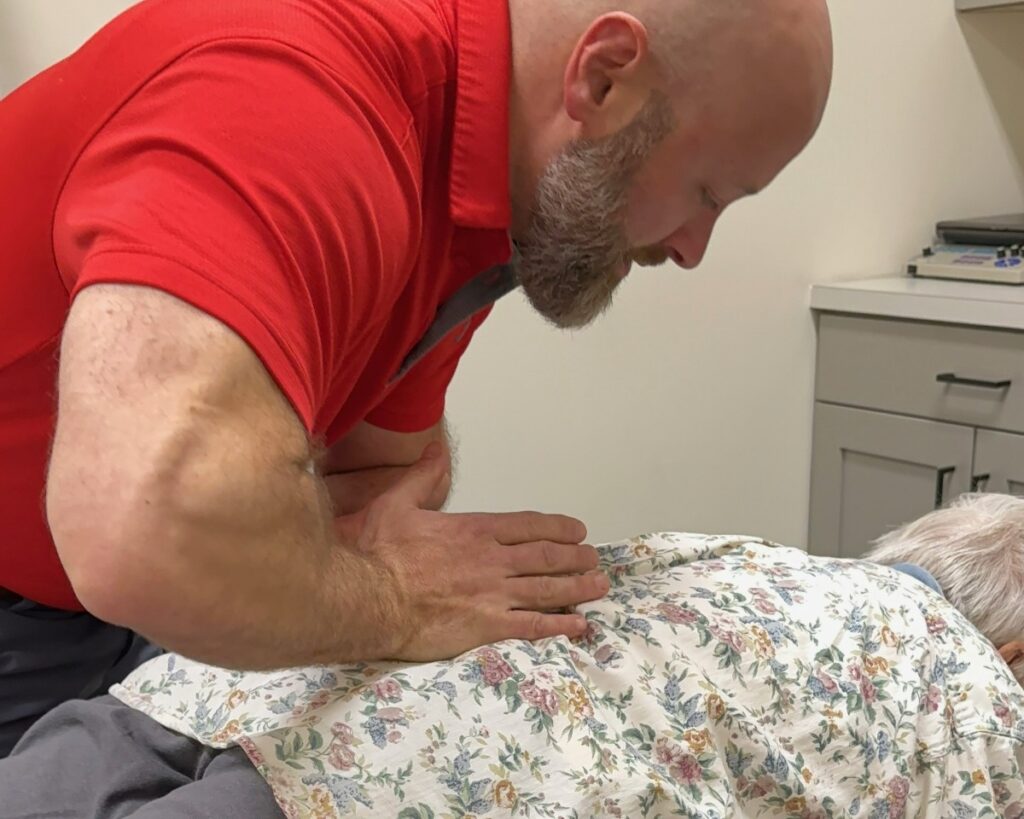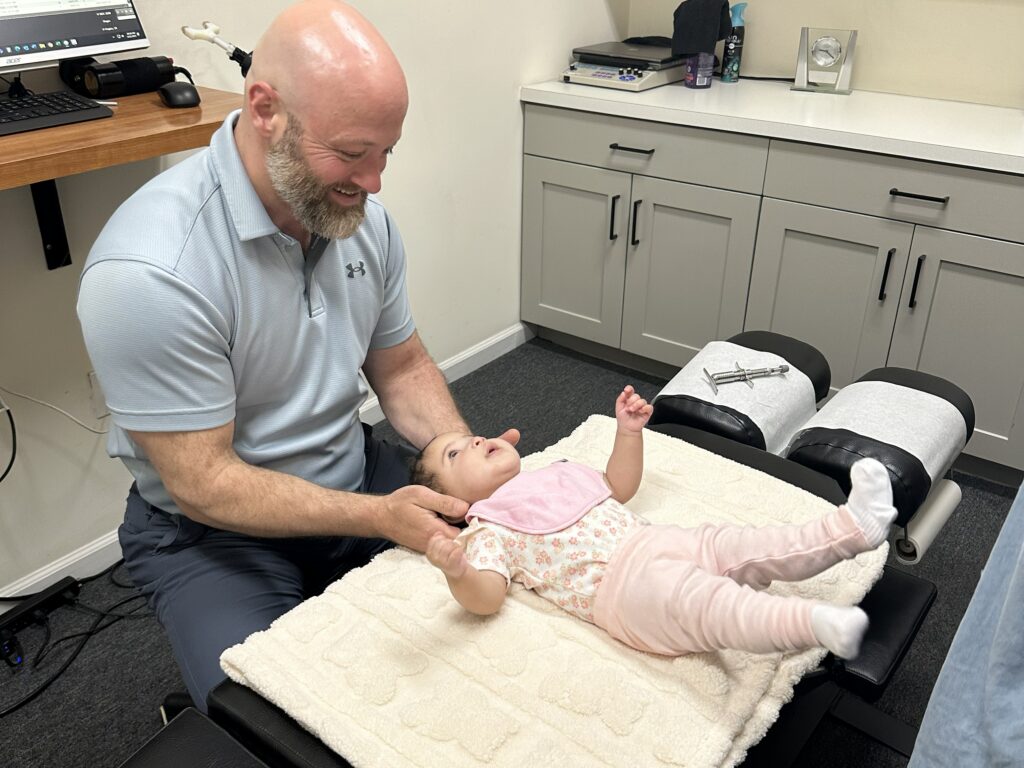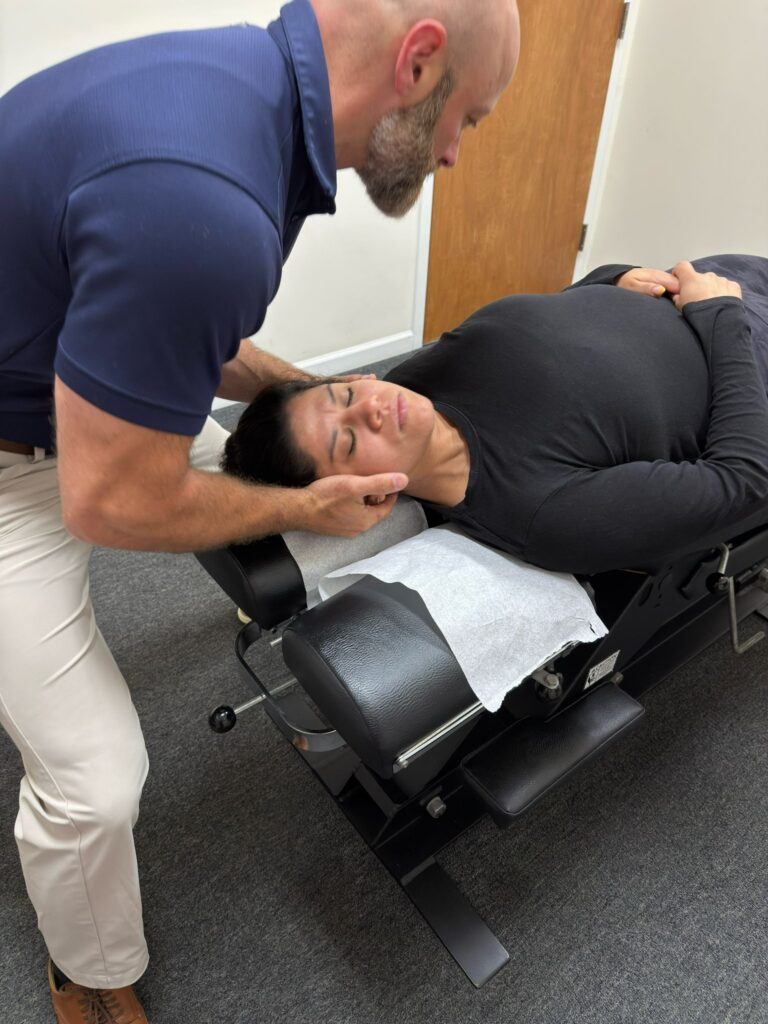

As a local chiropractor, I want to emphasize the importance of improving your flexibility for better mobility and injury prevention. Many people believe that flexibility is only crucial for athletes, but the truth is, it can benefit everyone, regardless of activity level. By integrating a few straightforward strategies into your daily routine, you can experience significant improvements in your flexibility. Are you curious about how you can enhance your flexibility today? Let’s delve into some effective techniques that can positively impact your daily movement and overall well-being. Remember, a flexible body is a healthy body, and I’m here to guide you on this journey towards natural healing and enhanced mobility.
Understand the Importance of Flexibility
As a local chiropractor, I want to emphasize the importance of flexibility in your overall health and wellness. Many people may think of flexibility as simply being able to touch their toes, but it actually plays a crucial role in how our bodies function every day. Improved flexibility enhances your range of motion, which can make everyday activities, like lifting groceries or engaging in sports, much easier and safer.
It allows your muscles and joints to work together more effectively, reducing the risk of injuries that can lead to chronic pain.
Another significant benefit of flexibility is its ability to relieve muscle tension and improve posture. When your body is flexible, it experiences less strain, which contributes to a greater sense of well-being. You may also notice better circulation, as flexibility aids in the efficient delivery of oxygen and nutrients throughout your body.
Flexibility is particularly vital for recovery after workouts or physical activity. Incorporating stretching into your routine can help soothe sore muscles, facilitating quicker healing and recovery.
By prioritizing flexibility, you aren’t only enhancing your immediate comfort but also investing in your long-term health. This commitment will help you maintain an active and vibrant lifestyle as you age.
Incorporate Dynamic Stretching Into Your Warm-Up
As a local chiropractor, I want to share the importance of incorporating dynamic stretching into your warm-up routine. This practice can significantly improve your flexibility and enhance your overall physical performance.
Movements such as leg swings and arm circles not only prepare your muscles for activity but also help to increase your range of motion, which is crucial for preventing injuries.
Timing your warm-up is essential; by properly warming up your body with these dynamic stretches, you set the stage for a more effective workout.
This proactive approach aligns with our philosophy of natural healing and maintaining optimal health. Remember, taking the time to prepare your body can lead to better outcomes in your fitness journey and overall well-being.
Benefits of Dynamic Stretching
As a local chiropractor, I often emphasize the importance of preparing your body for physical activity, and one of the most effective methods is dynamic stretching. This approach not only warms up your muscles but also increases blood flow, enhances your range of motion, and significantly reduces the risk of injury.
Incorporating dynamic stretches into your routine can lead to noticeable improvements in your performance and flexibility. Here are some key benefits I encourage my patients to consider:
- Engaging your muscles through controlled movements helps to activate and prepare them for activity.
- Dynamic stretching activates your core, promoting better stability during physical exertion.
- It improves coordination and agility, essential components for athletic performance and daily activities.
- Enhancing your overall athletic performance can lead to increased enjoyment and satisfaction in your chosen activities.
- Elevating your energy levels and focus can make a significant difference in how you approach your workouts or sports.
I recommend starting your warm-up with dynamic stretching to set yourself up for a more effective workout or competition. This practice can be a game-changer for anyone looking to improve flexibility and overall physical health.
Embracing these natural methods of care can significantly contribute to your well-being and athletic endeavors!
Examples of Effective Movements
As a local chiropractor, I often see many individuals who underestimate the significance of incorporating effective movements into their warm-up routines. However, these movements are crucial for preparing your body and enhancing overall flexibility.
Dynamic stretching is an excellent way to warm up your muscles and improve your range of motion. For instance, leg swings can be incredibly beneficial. By standing on one leg and swinging the other leg back and forth, you can help loosen your hip joints, which is essential for maintaining mobility.
Another effective movement is arm circles. Simply extend your arms out to the sides and make circular motions in both directions. This exercise not only loosens up your shoulders but also promotes better posture, which is vital for spinal health.
Walking lunges are another great addition to your warm-up. They stretch your legs while also engaging your core, helping to prepare your body for more strenuous activities. Additionally, high knees are fantastic for getting your heart rate up and actively stretching your hip flexors, which can often be tight from prolonged sitting.
By integrating these movements into your warm-up routine, you won’t only enhance your flexibility but also prepare your body for the workout ahead. This proactive approach can help you move more freely and confidently, ultimately supporting your overall health and well-being.
Timing Your Warm-Up
As a local chiropractor dedicated to your overall health and wellness, I want to emphasize the importance of timing when it comes to your warm-up routine. Properly warming up can significantly enhance your performance and reduce the risk of injury during physical activities.
I recommend starting your warm-up about 10 to 15 minutes before your workout. This allows your muscles to gradually increase in temperature and flexibility, preparing them for the demands of exercise.
Incorporating dynamic stretching into your warm-up is crucial. Focus on movements that closely mimic the activity you plan to engage in, which will help activate your entire body. Here are some effective dynamic stretches to consider:
- Arm circles: These help loosen your shoulders, improving mobility.
- Leg swings: Great for opening up your hips and enhancing your range of motion.
- Walking lunges: These activate your leg muscles and promote better stability.
- High knees: A fantastic way to elevate your heart rate and prepare your cardiovascular system.
- Torso twists: Warming up your core is essential for many physical activities and helps with overall balance.
By integrating these warm-up techniques into your routine, you’ll not only improve your performance but also support your body’s natural healing processes.
Practice Static Stretching Regularly
As a local chiropractor, I want to emphasize the importance of incorporating static stretching into your routine for better overall health and flexibility. While it may be tempting to dive into dynamic exercises, static stretching is a fundamental practice that can significantly enhance your flexibility and well-being. This technique involves holding a stretch for a duration of 15 to 60 seconds, which allows your muscles to relax and elongate. Not only does this practice improve flexibility, but it also plays a crucial role in injury prevention by increasing your range of motion.
To begin, I recommend selecting a variety of stretches that target major muscle groups, including your hamstrings, quadriceps, and shoulders. You can easily incorporate these stretches into your routine after workouts or during dedicated flexibility sessions.
Remember to focus on your breathing, and take your time; the aim is to feel the stretch without pushing yourself too hard.
Consistency is vital—try to engage in static stretching at least three times a week to notice significant improvements. It’s important to keep in mind that progress takes time, so be patient with yourself and celebrate each small advancement in your journey toward greater flexibility.
Utilize Foam Rolling Techniques
As a local chiropractor, I want to share with you the incredible benefits of foam rolling for enhancing your flexibility and overall well-being.
Foam rolling is a powerful technique that helps release tension in your muscles, which can significantly improve your range of motion and alleviate soreness. Many of my patients have found that incorporating foam rolling into their routine has led to remarkable improvements in their physical comfort and mobility.
Let’s take a closer look at some effective rolling techniques that can help you maximize these benefits.
By understanding how to properly use a foam roller, you can enhance your self-care routine and support your body’s natural healing processes.
Benefits of Foam Rolling
As a local chiropractor, I want to share with you the often-overlooked benefits of foam rolling and how it can significantly contribute to your overall health and wellness.
Many individuals may not be familiar with how foam rolling can enhance flexibility and aid in muscle recovery, but incorporating this practice into your routine can lead to numerous advantages for both your workouts and everyday activities.
Here are some key benefits of foam rolling that I encourage you to consider:
- Relieves Muscle Tension: Foam rolling effectively eases tightness and soreness in your muscles, helping to alleviate discomfort and promote relaxation.
- Boosts Blood Circulation: By enhancing blood flow, foam rolling supports faster healing and recovery, which is vital for maintaining an active lifestyle.
- Improves Range of Motion: Regular foam rolling can increase your flexibility, allowing for smoother and more efficient movements during your daily activities and exercise routines.
- Lowers Injury Risk: By keeping your muscles supple and well-maintained, foam rolling can significantly reduce your risk of injury, ensuring that you remain active and healthy.
- Enhances Muscle Performance: When you take care of your muscles with foam rolling, you’re setting yourself up for better workouts and improved athletic performance.
Foam rolling isn’t just a recovery tool; it also prepares your body for the physical demands of daily life.
I encourage you to incorporate foam rolling into your self-care routine to uncover greater flexibility and give your muscles the attention they need.
If you have any questions about foam rolling or how it can fit into your overall wellness plan, don’t hesitate to ask during your next visit!
Effective Rolling Techniques
As a local chiropractor dedicated to promoting natural healing and overall wellness, I want to share some insights about foam rolling and how it can significantly benefit your flexibility and recovery.
First, it’s essential to find a comfortable position on the floor to start your foam rolling routine.
Begin by rolling slowly over the muscle groups you want to target, applying just the right amount of pressure.
Pay special attention to areas that feel tight or sore, as these are often where knots or trigger points reside.
It’s crucial to use your body weight to control the pressure effectively, and aim to spend about 30 seconds to a minute on each area.
Remember to breathe deeply; exhaling can help you release any built-up tension.
To further enhance your mobility during this process, consider incorporating gentle dynamic movements, such as leg swings, while you roll.
This can help promote better blood flow and flexibility.
Lastly, don’t overlook the importance of hydration post-rolling; drinking water will assist in flushing out toxins that are released during the process.
By integrating foam rolling into your regular routine, you’ll likely notice improvements in your flexibility and a quicker recovery from physical activities.
As always, I’m here to help guide you in your journey toward better health and well-being!
Explore Yoga for Flexibility and Balance
As a chiropractor, I want to introduce you to the incredible benefits of yoga, particularly how it can enhance your flexibility and balance, which are essential for maintaining a healthy spine and overall well-being.
Many people think of yoga as merely a method for relaxation, but in reality, it serves as a powerful tool for strengthening your body and mind.
Integrating yoga into your wellness routine can lead to significant improvements in your physical health. Each pose is designed to stretch and strengthen your muscles while promoting stability throughout your entire body.
Here are some essential yoga poses to consider:
- Downward Dog: This pose helps elongate your spine and encourages proper alignment as you press your heels toward the floor, potentially alleviating tension in your back.
- Warrior II: This pose enhances your grounding and strength by stretching your hips and legs, which can improve your posture and alignment.
- Tree Pose: By balancing on one leg, you challenge your stability and build core strength, which is vital for a healthy spine.
- Cobra Pose: This pose opens your chest and improves spinal flexibility, helping to counteract the effects of prolonged sitting and poor posture.
- Seated Forward Bend: This gentle stretch lengthens your hamstrings and promotes relaxation, allowing your mind to calm and your body to release tension.
By embracing these poses, you can enhance your flexibility and balance, contributing to better spinal health and overall vitality.
As your chiropractor, I encourage you to explore the integration of yoga into your lifestyle for a holistic approach to natural healing.
Engage in Pilates for Core Strength and Flexibility
As a local chiropractor, I want to introduce you to the benefits of Pilates, particularly in relation to core strength and flexibility, and how it can complement your journey towards natural healing.
Pilates is a fantastic way to enhance your overall wellness by focusing on controlled movements and proper alignment. This practice helps to build a strong foundation that supports your entire body, which is crucial for maintaining spinal health.
When you engage in Pilates, you actively work your core muscles, promoting stability and balance—two key elements that can significantly improve your flexibility. As you progress through a variety of Pilates exercises, you’ll begin to notice an increase in your joint range of motion and better posture, both of which are vital for your overall well-being.
Moreover, each Pilates session emphasizes mindful breathing, allowing you to connect deeply with your body and enhance your stretches. This awareness not only contributes to physical benefits but also supports mental clarity and relaxation.
I encourage you to incorporate Pilates into your routine a few times a week. You’ll likely see significant improvements in both flexibility and strength, regardless of whether you’re just starting out or have some experience.
The beauty of Pilates is that exercises can be modified to match your individual level, ensuring you’re always engaged and challenged.
Stay Hydrated for Optimal Muscle Function
As a chiropractor dedicated to your overall health and wellness, I want to emphasize the importance of staying hydrated for optimal muscle function. Proper hydration is crucial for allowing your muscles to perform at their best.
When you consume enough water, you not only support muscle recovery but also help in preventing fatigue, which can hinder your progress in achieving flexibility and mobility goals.
It’s also important to be aware of the signs of dehydration, as they can impact your overall well-being and hinder the benefits of chiropractic care.
By staying hydrated, you’re making a proactive choice for your health, which complements the natural healing process we focus on in our practice.
Importance of Water Intake
As a local chiropractor, I want to emphasize the significance of hydration alongside your flexibility exercises. While many people focus on stretching and strengthening, it’s easy to overlook how crucial proper water intake is for your overall well-being. Staying hydrated is vital for keeping your muscles functioning optimally, as it helps prevent stiffness and cramps that could impede your progress.
When you maintain good hydration levels, your body is better equipped to lubricate joints and sustain muscle elasticity. This allows for a more expansive range of motion, which is essential for both flexibility and overall physical health.
Here are some benefits of adequate water intake that I encourage you to consider:
- Water aids in transporting essential nutrients to your muscles, helping them perform at their best.
- It effectively flushes out toxins, contributing to a cleaner and healthier body.
- Proper hydration supports optimal blood flow, which can enhance your physical performance.
- Muscles that are well-hydrated tend to recover more quickly after workouts, reducing the risk of injury.
- Staying hydrated can also elevate your energy levels, making it easier to engage in your daily activities.
I encourage you to make a habit of sipping water throughout the day to complement your flexibility efforts.
Hydration and Muscle Recovery
As a local chiropractor, I want to emphasize the important role hydration plays in muscle recovery, especially for those of you who may not be familiar with how it affects your body. Proper hydration is crucial for your muscles to repair and rebuild effectively after exercise.
When you’re well-hydrated, nutrients can flow more freely to your muscles, which not only speeds up recovery but also helps reduce soreness. This means you’re less likely to experience stiffness or fatigue following your workouts.
Drinking enough water is essential for maintaining an optimal electrolyte balance, which is vital for muscle function. I encourage you to sip water throughout the day, particularly before, during, and after your workouts.
If you find yourself sweating heavily, it might be beneficial to replenish your fluids with an electrolyte drink.
By prioritizing your hydration, you’re not just supporting your muscle recovery; you’re also enhancing your overall performance and flexibility. This can help you bounce back quicker and train harder, which is something we all strive for in our fitness journeys.
Signs of Dehydration
As a local chiropractor, I want to emphasize the importance of recognizing the signs of dehydration for your overall health and optimal muscle function. Many people may not realize how dehydration can impact not only their physical performance but also their well-being.
When your body is dehydrated, your muscles may struggle to work efficiently, which can hinder your flexibility and lead to discomfort. Here are some key signs to watch out for:
- A dry mouth or throat can make swallowing uncomfortable, indicating that your body is lacking fluids.
- Dark yellow urine is a clear sign of concentrated waste, suggesting you may need to hydrate.
- Feelings of fatigue or dizziness can leave you feeling sluggish and affect your daily activities.
- Muscle cramps are a warning that your body is in distress and may be lacking the necessary hydration to function properly.
- Headaches can also arise due to insufficient fluid intake, affecting your focus and overall comfort.
By staying aware of these symptoms, you can take proactive steps to prevent dehydration from impacting your health and performance.
I encourage you to keep a water bottle nearby, sip on fluids throughout the day, and listen to your body’s signals. Proper hydration is essential for keeping your muscles flexible and ready to tackle any challenge you face.
Set Realistic Goals and Track Progress
As a local chiropractor dedicated to promoting natural healing and overall wellness, I want to help you understand the importance of setting realistic goals and tracking your progress in improving your flexibility.
Flexibility can mean different things to different people—it might be as simple as touching your toes, achieving a split, or enhancing your performance in activities like sports or dance.
Start by considering what flexibility means to you, and then establish specific, measurable, achievable, relevant, and time-bound (SMART) goals. For instance, you might aim to increase your reach by a couple of inches over the next month. This focused approach not only keeps you motivated but also aligns with the principles of chiropractic care, which emphasizes gradual and sustainable improvement.
I recommend keeping a journal or using an app to track your stretching routines and progress. Document how you feel during each session and note any improvements, such as an increased range of motion. This practice can help you stay accountable while also allowing you to celebrate the small victories along your journey.
Remember, it’s perfectly okay to adjust your goals as you progress. Consistency is crucial, and with patience and determination, you’ll see significant improvements in your flexibility.
Listen to Your Body and Avoid Overstretching
As a local chiropractor, I want to emphasize the importance of listening to your body while working on your flexibility. Many people underestimate the significance of respecting their body’s limits, and pushing too hard can lead to injuries that could set you back in your healing journey.
It’s crucial to be mindful of the signals your body is sending you during stretching. Here are some key points to keep in mind to ensure your safety and well-being:
- Focus on feeling a gentle pull in your muscles, rather than pain. Pain is your body’s way of signaling that something is wrong.
- Be aware of your breathing. If you notice your breath becoming shallow or strained, it’s a sign to ease up.
- Pay attention to your body’s tension levels. If you find yourself tensing up instead of relaxing, it may be time to take a step back.
- Listen to your body when it tells you to stop, even if your mind is urging you to continue. Your body knows best.
- Remember that improving flexibility is a gradual process. Patience is key; rushing can lead to setbacks.
By respecting your body and its limits, you’ll be better equipped to enhance your flexibility safely and effectively.
If you have any concerns or need guidance on your journey, don’t hesitate to reach out for support in your natural healing process.
Make Flexibility Training a Consistent Habit
As a chiropractor dedicated to your overall health and well-being, I want to emphasize the importance of incorporating flexibility training into your regular routine. Improved flexibility can play a crucial role in enhancing your mobility and preventing injuries.
To get started, I recommend scheduling flexibility sessions three to four times a week, even if they’re brief—just 10 to 15 minutes will do. Remember, consistency is far more impactful than the length of each session.
Setting reminders on your phone or choosing a specific time each day to dedicate to stretching can help establish this habit. It’s beneficial to integrate flexibility exercises into your warm-up or cool-down routine after workouts. By doing so, you’ll create a positive association between stretching and your current fitness practices, making it easier to stay committed.
To keep your routine engaging, try exploring various types of flexibility exercises, such as yoga, Pilates, or dynamic stretches. This variety can make the training process more enjoyable and less monotonous.
I encourage you to track your progress and celebrate even the smallest improvements; these milestones can serve as motivation to keep you on track. Remember, the goal here is to establish a healthy habit, not necessarily to achieve perfection. If you happen to miss a day, there’s no need to worry—just get back on track the following day.
Conclusion
As a chiropractor, I want to emphasize the importance of flexibility in maintaining overall health and wellness. Improving your flexibility isn’t just about occasional stretching; it requires consistency and mindful practices. I recommend incorporating dynamic stretching into your warm-ups to prepare your muscles and joints for movement. After your workout, practicing static stretches can help maintain and improve your range of motion.
Exploring yoga can also be a fantastic way to enhance flexibility while promoting relaxation and mindfulness. Remember, staying hydrated is essential for muscle function, so make sure you drink enough water throughout the day. Setting realistic flexibility goals can keep you motivated and on track.
Listening to your body is crucial to avoid injuries during flexibility training. I encourage you to make flexibility exercises a regular part of your routine. Not only will this help improve your flexibility, but it will also enhance your overall performance and well-being. Remember, chiropractic care can support your flexibility journey by addressing any underlying issues and ensuring your body is functioning optimally.