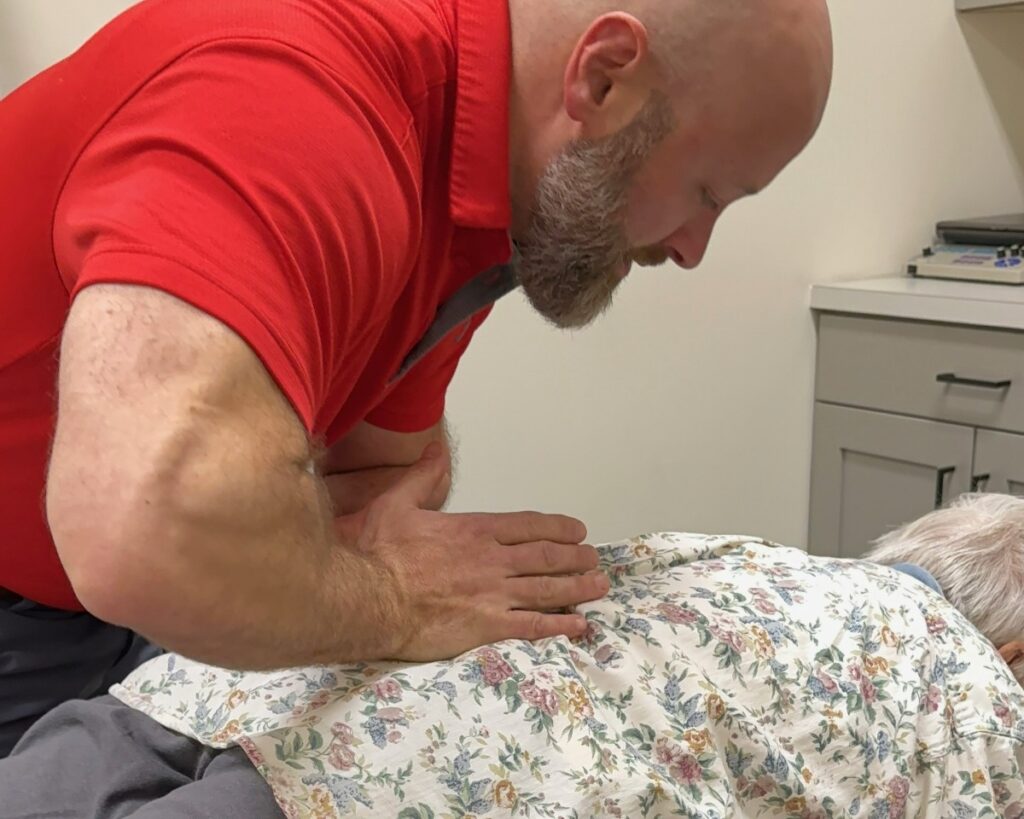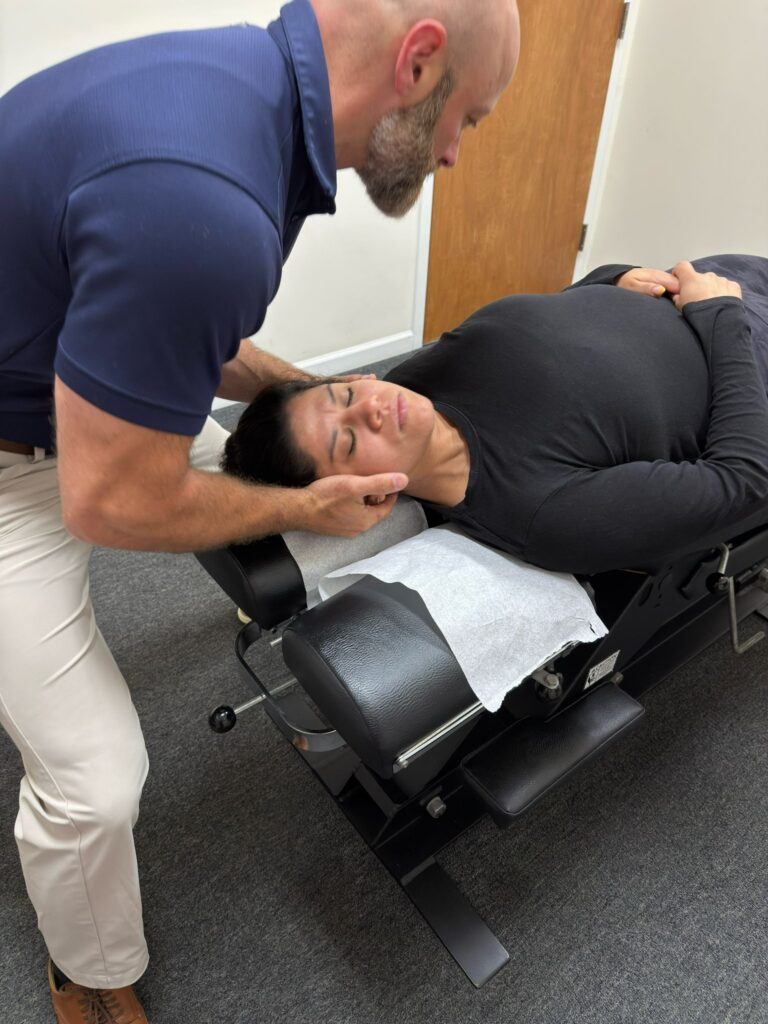

As a local chiropractor, I understand that headaches can be incredibly disruptive to your daily life. When you experience one, exploring gentle remedies can truly enhance your comfort and wellbeing. Simple yet effective strategies, such as staying properly hydrated, practicing relaxation techniques, and incorporating gentle exercises into your routine, can significantly alleviate headache pain.
Moreover, it’s essential to consider other holistic approaches, including the benefits of aromatherapy and mindful dietary choices that can help prevent headaches from occurring in the first place. These methods not only provide relief but also promote overall wellness. By understanding and embracing these natural healing techniques, you can take proactive steps toward managing your headaches more effectively.
I invite you to discover these solutions tailored for you, as they might just transform your approach to headache relief and enhance your quality of life. If you’re curious about how chiropractic care can play a role in this journey, I’m here to guide you.
Understanding the Different Types of Headaches
As a local chiropractor, I want to help you understand the different types of headaches and how we can approach their relief through natural healing. When you experience a headache, identifying its type is crucial for effective treatment.
Tension headaches are the most prevalent, often triggered by stress or muscle strain in your neck and shoulders. You may feel a dull, aching sensation and tightness around your forehead, which can usually be alleviated through spinal adjustments and relaxation techniques.
Migraines can be particularly debilitating, characterized by throbbing pain, nausea, and heightened sensitivity to light or sound. If you’re experiencing these symptoms, it’s essential to address the underlying causes, which may include spinal misalignments that chiropractic care can help correct.
Cluster headaches, though less common, are known for their excruciating pain, often occurring in cycles and centered around one eye. While these can be challenging to manage, chiropractic techniques may provide some relief by promoting better overall spinal health and reducing tension in the surrounding areas.
Sinus headaches arise from sinus infections and create pressure and discomfort in your face and forehead. By improving your body’s alignment and function through chiropractic care, we can help enhance your body’s ability to fight off infections and reduce inflammation.
Understanding the type of headache you’re facing is the first step in finding the right natural remedy. I encourage you to assess your symptoms and consider how chiropractic care can support your journey to relief and improved well-being.
Together, we can manage your pain effectively and promote a healthier, more balanced lifestyle.
The Power of Hydration
As a chiropractor, I often emphasize the importance of hydration in maintaining your overall health and well-being. Many people are unaware of how dehydration can contribute to headaches and discomfort. When your body is lacking sufficient fluids, your brain can temporarily shrink, which can lead to pain and headaches. So, if you start to feel the onset of a headache, it’s crucial to evaluate your fluid intake.
I encourage my patients to make it a regular practice to drink water throughout the day, particularly if you’re physically active or exposed to heat. The general guideline is to aim for at least eight 8-ounce glasses of water daily, but it’s essential to listen to your body—thirst is a natural signal that you need to hydrate.
Additionally, incorporating hydrating foods such as fruits and vegetables into your diet can help replenish lost fluids and support your overall health.
For those who experience frequent headaches, keeping a water bottle within reach can serve as a helpful reminder to stay hydrated. Maintaining proper hydration not only minimizes the risk of headaches but also enhances your overall health and wellness.
Prioritizing hydration could be a simple yet effective strategy to find relief from those troublesome headaches and improve your quality of life.
Relaxation Techniques for Tension Relief
As a local chiropractor, I understand that many of you may experience tension headaches and may not be familiar with the benefits of chiropractic care and natural healing techniques.
Incorporating relaxation methods into your daily routine can significantly alleviate discomfort and enhance your overall well-being. Here are four effective techniques I recommend:
- Deep Breathing: This simple yet powerful technique involves taking slow, deep breaths to help calm your mind and reduce tension. Try inhaling for four counts, holding your breath for four counts, and then exhaling for four counts. This practice can help lower stress levels and promote relaxation.
- Progressive Muscle Relaxation: This method involves systematically tensing and then relaxing each muscle group, starting from your toes and moving up to your head. By focusing on each area, you can become more aware of where you might be holding tension and encourage your body to let go.
- Meditation: Taking a few minutes each day to sit in a quiet space can be incredibly beneficial. Focus on your breath or repeat a calming mantra to help clear your mind. Meditation can reduce stress and improve your mental clarity, which is essential for overall health.
- Gentle Stretching: Incorporating gentle neck and shoulder stretches into your routine can help release built-up tension and improve circulation. As a chiropractor, I often emphasize the importance of maintaining flexibility in these areas, as they can significantly impact how you feel.
By integrating these relaxation techniques into your lifestyle, you may find relief from tension headaches and improve your overall quality of life.
If you have any questions or would like to explore how chiropractic care can further support your health, feel free to reach out.
Aromatherapy and Essential Oils
As a local chiropractor, I want to share the benefits of incorporating aromatherapy and essential oils into your wellness routine, especially for those who experience headaches. These natural remedies can be excellent companions in your journey towards relief.
For instance, lavender oil is well-known for its calming properties and can be particularly effective in easing tension headaches. On the other hand, peppermint oil, with its refreshing aroma and cooling effect, is great for headaches related to stress or fatigue.
To use these oils, it’s important to dilute a few drops in a carrier oil and gently massage it into your temples or the back of your neck. This not only helps in relieving pain but also promotes relaxation.
Alternatively, you might consider using a diffuser to fill your space with soothing scents while you unwind. For those of you who are busy or often on the go, roll-on blends can provide a convenient option for headache relief.
I encourage you to explore various essential oils to find the ones that resonate with you the most. Integrating aromatherapy into your routine can be a gentle yet effective approach to managing headaches, complementing the chiropractic care and natural healing methods we promote in our practice.
Dietary Considerations for Headache Prevention
As your local chiropractor, I want to emphasize the importance of nutrition in preventing headaches. What you consume can significantly impact your overall health and the frequency of headaches. Staying well-hydrated is crucial; dehydration is a common trigger for headaches.
Additionally, certain foods may exacerbate discomfort, so it’s essential to be mindful of your diet. By prioritizing nutrient-rich options, you can’t only enhance your well-being but also help reduce the likelihood of experiencing headaches.
Incorporating whole foods, fruits, vegetables, and healthy fats into your meals can provide the necessary nutrients your body needs to function optimally. Remember, a balanced diet is a key component of natural healing and maintaining a pain-free life.
If you have questions or need guidance on dietary choices that support your health, feel free to ask during your visit!
Hydration and Headache Connection
As a local chiropractor, I’m passionate about helping my patients understand the connections between their overall health and wellness, including the prevention of headaches. One significant factor that often gets overlooked is hydration. Even mild dehydration can lead to discomfort or trigger migraines.
Here are some helpful tips to improve your hydration levels and keep headaches at bay:
- Drink Water Regularly: It’s important to stay proactive about your hydration. Aim for at least 8 glasses of water a day, but feel free to adjust this based on your daily activities and the climate you live in. Staying ahead of your hydration can make a big difference.
- Include Hydrating Foods: Don’t forget that hydration comes from food too! Adding fruits and vegetables with high water content, like cucumbers, watermelon, and oranges, can be an enjoyable and effective way to boost your fluid intake.
- Limit Caffeine and Alcohol: While enjoying a cup of coffee or a glass of wine is fine in moderation, both substances can lead to dehydration. Being mindful of your consumption can help maintain your hydration levels.
- Carry a Water Bottle: It’s a simple tip, but keeping a reusable water bottle with you can serve as a constant reminder to sip water throughout the day. Making hydration a habit can significantly reduce the frequency of headaches.
By incorporating these strategies into your daily routine, you can support not only your hydration but also your overall health.
Food Triggers to Avoid
As a local chiropractor dedicated to natural healing, I want to share some important insights about how certain foods can impact your health, particularly when it comes to headaches.
You may not be aware, but specific items in your diet can trigger headaches and exacerbate discomfort. For instance, aged cheeses, processed meats, and foods containing MSG are often common culprits. Additionally, chocolate and caffeine can lead to migraines for some individuals, so it’s wise to be mindful of your intake.
Artificial sweeteners are another area to watch out for, as they can provoke headaches in those who are sensitive. Alcohol, especially red wine, is a frequent trigger that I encourage my patients to consider limiting.
It’s also important to note that skipping meals or fasting can cause a drop in blood sugar, which might lead to headaches as well.
I recommend keeping a food diary to help identify your specific triggers. This awareness can empower you to make more informed dietary choices that support your overall wellness.
By avoiding these headache-inducing foods, you might find a reduction in the frequency and severity of your headaches, leading to a more comfortable and balanced life.
Nutrient-Rich Foods for Relief
As a local chiropractor, I often see patients struggling with headaches and discomfort. While identifying headache triggers is important, it’s equally crucial to focus on incorporating nutrient-rich foods into your diet to help alleviate and prevent these issues.
Here are four types of foods you might consider adding to your meals:
- Leafy Greens: Vegetables like spinach and kale aren’t only delicious but also packed with magnesium. This mineral is known to potentially reduce the frequency of headaches, making it a great addition to your diet.
- Fatty Fish: Including fatty fish like salmon and mackerel in your meals can be beneficial. These fish are rich in omega-3 fatty acids, which have excellent anti-inflammatory properties that may help reduce headache intensity.
- Nuts and Seeds: Snacks such as almonds and chia seeds are fantastic for brain health. They provide magnesium along with other essential nutrients, supporting overall wellness and potentially helping to prevent headaches.
- Fruits and Vegetables: Staying hydrated is vital for headache prevention, and incorporating hydrating foods like watermelon and cucumbers into your diet can help maintain proper hydration levels.
By focusing on these nutrient-rich foods, you can support your body’s natural healing process and potentially reduce the occurrence of headaches.
The Benefits of Gentle Physical Activity
As a local chiropractor, I want to share with you the remarkable benefits of gentle physical activity, especially when it comes to managing headaches. Engaging in low-impact exercises and stretching can significantly relieve headache symptoms. These movements enhance blood circulation and help reduce muscle tension, both of which are key factors in alleviating pain.
Incorporating relaxation techniques into your daily routine can further improve your overall well-being and equip you with effective strategies to manage headaches naturally.
Remember, chiropractic care isn’t just about spinal adjustments; it also emphasizes the importance of a holistic approach, including gentle physical activity, to support your body’s healing process.
Low-Impact Exercises
As a local chiropractor dedicated to helping you find natural relief from headaches, I want to emphasize the importance of incorporating low-impact exercises into your daily routine.
These gentle movements not only enhance circulation but also reduce tension and foster a sense of relaxation—key components in managing headaches effectively.
Here are four low-impact exercises that I recommend:
- Walking: Engaging in a simple walk can significantly clear your mind and alleviate stress. It’s an effective way to get your body moving without putting too much strain on your joints.
- Swimming: The buoyancy of water creates a supportive environment for your body, making swimming an excellent choice for easing tension and promoting overall well-being.
- Cycling: Whether you choose a stationary bike or prefer to ride outdoors, cycling can release endorphins, which are natural pain relievers, helping to combat headache discomfort.
- Yoga: Incorporating gentle yoga poses into your routine enhances flexibility and relaxation. This practice not only helps alleviate headache triggers but also promotes a deeper mind-body connection.
By integrating these low-impact exercises into your lifestyle, you can take proactive steps toward managing headaches and improving your overall health.
Stretching and Relaxation Techniques
As a local chiropractor, I want to emphasize the importance of incorporating stretching and relaxation techniques into your daily routine, especially if you’re engaging in low-impact exercises.
These gentle movements are essential for releasing tension that can build up in your muscles, which is often a significant contributor to headaches.
I recommend starting with simple stretches, such as neck rolls and shoulder shrugs, to alleviate tightness in these areas.
Additionally, practicing deep breathing exercises can greatly enhance your relaxation and help reduce stress, which is often a trigger for headaches.
Find a quiet space, close your eyes, and concentrate on your breath—this practice can help clear your mind and promote a sense of calm.
Consider integrating gentle yoga or tai chi into your regimen as well.
These practices not only combine stretching with mindfulness but also foster an overall sense of well-being.
By incorporating these techniques into your lifestyle, you can prevent headaches and support your body’s natural healing processes.
Conclusion
As a local chiropractor, I want to share with you some gentle remedies that can significantly alleviate headache discomfort. It’s essential to prioritize hydration, as staying properly hydrated can play a crucial role in preventing headaches. Additionally, incorporating relaxation techniques into your daily routine can help reduce tension and stress, which are common headache triggers.
Engaging in low-impact exercises, such as walking or gentle stretching, can also contribute to headache relief by improving circulation and reducing muscle tension. Don’t overlook the benefits of aromatherapy—certain essential oils have been known to provide soothing effects that can help ease headache symptoms.
Moreover, maintaining a balanced diet is vital for your overall health and can positively impact headache frequency and severity. By embracing these gentle approaches, you’ll not only find relief from headaches but also enhance your overall well-being. As you explore these natural healing methods, remember that chiropractic care can complement these practices by addressing any underlying musculoskeletal issues that may contribute to your headaches. Together, we can work towards a calmer, healthier life!