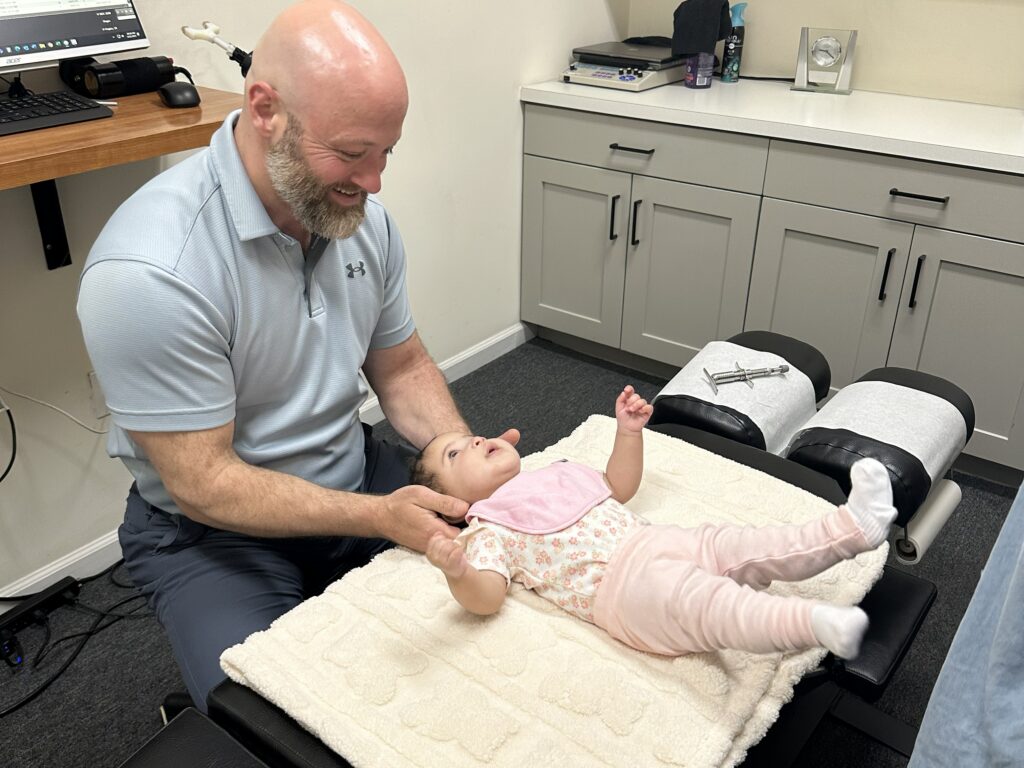

As a local chiropractor dedicated to helping our community, I understand how debilitating chronic tension headaches can be. If you’re experiencing these headaches, I want to share with you how chiropractic care can provide relief through natural healing methods. Our focus is on restoring proper alignment in your body, reducing muscle tightness, and enhancing your overall well-being.
We utilize a variety of techniques, including spinal manipulation and trigger point therapy, to target the underlying causes of your discomfort. I know it can be overwhelming if you’re not familiar with chiropractic practices, so let’s explore ten effective strategies I use to help ease tension headaches and improve your quality of life. Together, we can find the right approach tailored specifically for you.
Spinal Manipulation Techniques
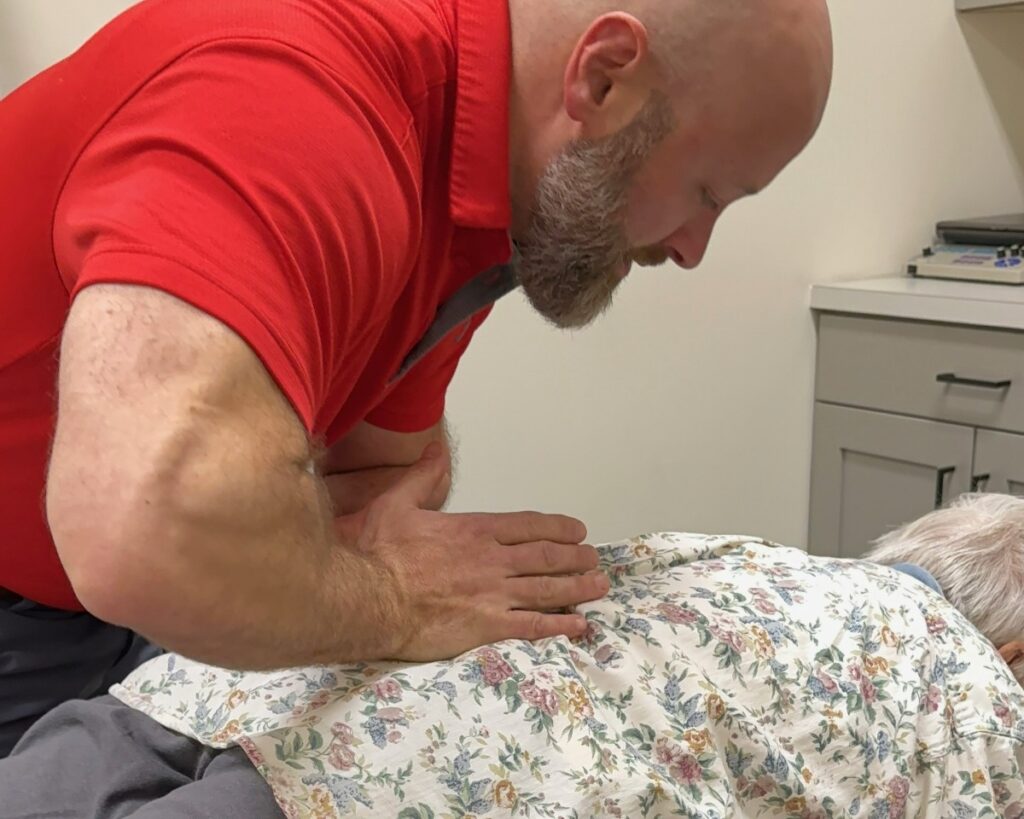
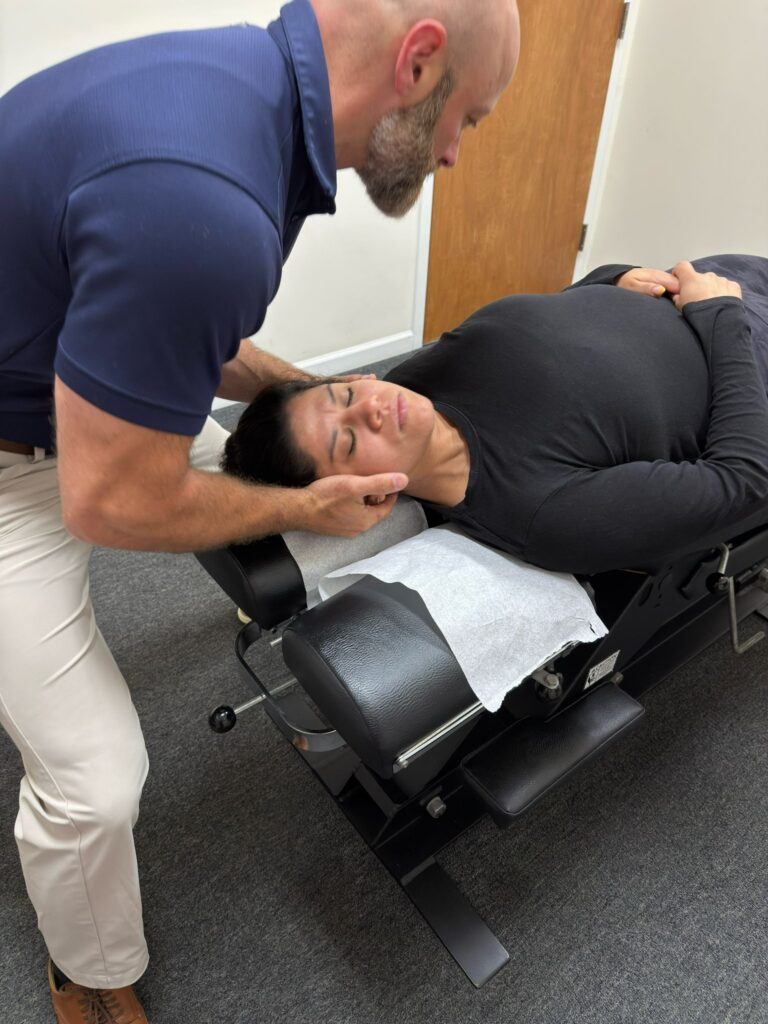
At our chiropractic clinic, we focus on spinal manipulation techniques as a natural way to alleviate chronic tension headaches. Many people may not realize that misalignments in the spine can contribute to headaches, and that’s where we come in. During your visit, I’ll assess your posture and spinal alignment to pinpoint any problem areas that may be affecting your well-being.
By applying controlled force to specific joints, I aim to restore proper alignment in your spine. This process can help reduce nerve irritation and muscle tension, which are often triggers for tension headaches. After an adjustment, many patients report feeling immediate relief. This is largely due to increased blood flow and improved nerve function, which helps alleviate pain.
Our techniques typically involve gentle thrusts or stretches, designed to enhance mobility and decrease discomfort. With consistent care, regular adjustments can significantly improve your overall spinal health, potentially leading to a reduction in both the frequency and intensity of your headaches.
Incorporating spinal manipulation into your headache management plan can yield long-term benefits, making it an effective option for those struggling with chronic tension headaches. Together, we’ll create a personalized treatment plan to help you regain balance and comfort in your daily life.
I’m here to guide you every step of the way on your journey to better health through natural healing.
Soft Tissue Therapy
As a local chiropractor, I want to introduce you to the incredible benefits of soft tissue therapy. This approach focuses on specialized techniques that target your muscles and connective tissues to alleviate tension and pain.
Many of my patients have found that these methods can significantly enhance their overall well-being, particularly when it comes to managing chronic tension headaches.
By incorporating soft tissue therapy into your treatment plan, you can experience relief and improve your body’s function.
This natural healing technique not only addresses the symptoms but also works to identify and resolve the underlying issues contributing to your discomfort.
I encourage you to explore the advantages of soft tissue therapy and see how it can support your journey to better health.
Techniques Used in Therapy
As a local chiropractor, I want to take a moment to explain how we can help you manage chronic tension headaches through various therapy techniques, particularly soft tissue therapy. This method focuses on the muscles, tendons, and ligaments in the neck and head area, which are often key contributors to headache discomfort.
In our practice, we use techniques such as massage, stretching, and myofascial release to relieve tightness and enhance blood flow to the affected areas. You may feel targeted pressure applied to specific points, which can significantly reduce muscle tension and alleviate your headaches.
We also incorporate instrument-assisted methods to reach deeper layers of tissue, promoting relaxation and flexibility.
It’s important to note that each treatment is tailored to your individual needs, ensuring that you receive the most effective care possible for your tension headaches.
By combining these techniques, our goal is to not only relieve your pain but also help restore normal function, allowing you to enjoy a better quality of life.
If you’re new to chiropractic care, I encourage you to ask questions and learn more about how these natural healing methods can benefit you.
Benefits of Soft Tissue
As a local chiropractor, I want to share with you the remarkable benefits of soft tissue therapy, especially if you’re dealing with chronic tension headaches. You may not be familiar with how this natural healing method works, but it can significantly enhance your overall well-being.
Soft tissue therapy focuses on relaxing the muscles and alleviating tension, which is crucial for managing headache symptoms. By specifically targeting areas of tightness, this therapy promotes improved blood flow and oxygen delivery to your muscles, helping to ease the pain.
Many of my patients find that after just a few sessions, they notice an increase in their range of motion and flexibility, making daily activities much more comfortable.
Moreover, soft tissue therapy isn’t just about physical relief; it also helps reduce stress and fosters relaxation. This can lead to a more balanced mental state, which is essential for your overall health.
If you incorporate regular sessions into your routine, you’ll likely experience long-term benefits that will help you manage headaches more effectively and improve your quality of life.
Posture Correction
As a local chiropractor, I want to share how improving your posture can significantly help alleviate chronic tension headaches. Many people may not realize that poor posture, such as slouching or hunching forward, can put extra strain on your neck and shoulders, leading to increased muscle tension and discomfort.
During your visits, I can help you identify specific postural issues and work with you to develop a personalized correction plan tailored to your needs. By focusing on proper alignment, we can reduce the stress on your muscles and spine, which is essential for overall well-being.
Simple changes in your daily habits, such as sitting up straight, keeping your shoulders back, and ensuring that your workspace is ergonomically designed, can make a significant difference in how you feel.
Additionally, I encourage incorporating exercises that strengthen your core and back muscles, as these can greatly support better posture.
Regular chiropractic adjustments can help maintain proper alignment, making it easier for you to adopt healthier habits and ultimately lead to a more comfortable, pain-free life. Together, we can work towards achieving your health goals through natural healing.
Stress Management Strategies
As a local chiropractor, I want to emphasize the importance of managing stress for your overall health, especially when it comes to alleviating chronic tension headaches. Many people may not realize how interconnected stress and physical well-being are, but incorporating effective stress management strategies can significantly reduce headache pain.
First, it’s crucial to identify your personal stress triggers—these could stem from work, personal life, or even your environment. By understanding what causes your stress, we can work together to develop a plan to minimize these triggers.
Incorporating practices like mindfulness and deep-breathing exercises into your daily routine can help ground you during stressful moments. I often recommend setting aside time each day for relaxation techniques such as meditation or progressive muscle relaxation, which can be beneficial for both your mind and body.
Don’t underestimate the power of good sleep! Prioritizing sleep and establishing a consistent sleep schedule can greatly enhance your resilience to stress. Quality rest is a key component of healing and recovery.
Additionally, engaging in hobbies or activities that bring you joy is a wonderful way to unwind and recharge. Whether it’s painting, gardening, or reading, finding time for what you love can make a significant difference in how you manage stress.
Remember, the goal is to create a harmonious balance in your life that allows you to handle stress effectively. By doing so, you can experience fewer tension headaches and improve your overall well-being.
As your chiropractor, I’m here to support you on this journey to better health through natural healing methods.
Exercise and Stretching Programs
As a local chiropractor, I want to share how incorporating customized exercise routines can be a game-changer for those dealing with chronic tension headaches.
Many patients may not realize that specific stretching techniques can significantly reduce muscle tightness and enhance overall flexibility.
By integrating these strategies into your daily routine, you can improve your well-being and manage your headaches more effectively.
Let’s delve into how these natural healing methods can benefit you and contribute to a healthier, pain-free life.
Tailored Exercise Routines
As a chiropractor, I want to share how tailored exercise routines can be a powerful tool in managing chronic tension headaches. Many patients don’t realize that these headaches often stem from muscle tightness and poor flexibility, particularly in the neck, shoulders, and upper back.
When you come to see me, I’ll take the time to assess your unique situation and develop a personalized exercise program that targets those specific areas contributing to your discomfort.
Incorporating regular movement into your daily life can significantly enhance circulation, alleviate stress, and promote better posture—all of which are crucial in headache management. You may be surprised to learn that even short, focused exercise sessions can lead to meaningful relief.
Consistency is key; by sticking to your tailored routine, many of my patients find that the frequency and intensity of their headaches decrease over time, leading to an improved quality of life.
If you’re new to chiropractic care and natural healing, I’m here to guide you through this process and help you understand how simple lifestyle changes can make a big difference.
Let’s work together to find the right approach for you!
Effective Stretching Techniques
As a local chiropractor, I want to share some effective stretching techniques that can greatly assist in alleviating chronic tension headaches. These headaches often stem from muscle tightness, and by improving flexibility, we can help relieve that discomfort. Incorporating neck and shoulder stretches into your daily routine can lead to significant improvements.
One simple technique is to gently tilt your head to each side, holding the position for 15-30 seconds. This helps release built-up tension. Additionally, shoulder rolls are another great option—just lift your shoulders towards your ears and then roll them back and down. This motion can help loosen tight muscles in your upper body.
Don’t forget about chest stretches, which can open up tight areas that contribute to headache pain. Clasp your hands behind your back and slightly lift your arms to stretch the chest muscles.
As you perform these stretches, remember to breathe deeply and allow yourself to relax into each position.
By practicing these techniques regularly, you can’t only ease headache pain but also enhance your overall well-being. Maintaining flexibility and reducing tension is key to preventing headaches in the long run.
If you have any questions or would like to learn more about how chiropractic care can support your health, feel free to reach out!
Nutritional Guidance
As a chiropractor, I want to emphasize the important connection between nutrition and your overall well-being, especially when it comes to managing chronic tension headaches. Many patients may not realize that what you eat can significantly impact how often you experience headaches. A balanced diet that includes plenty of fruits, vegetables, whole grains, and lean proteins can help reduce inflammation and enhance your overall health.
Hydration is another crucial factor; dehydration is a common headache trigger. Be sure to drink enough water throughout the day to keep your body well-hydrated.
It’s also essential to be aware that certain foods may worsen your headaches. For instance, caffeine, processed foods, and artificial sweeteners can contribute to tension and discomfort. Keeping a food diary can be a helpful tool in identifying any dietary triggers that might be linked to your headaches.
I recommend including magnesium-rich foods in your diet, such as nuts, seeds, and leafy greens. Magnesium is known for its ability to help alleviate headaches.
Additionally, maintaining regular meal times can stabilize your blood sugar levels, which may help prevent headache onset.
By making conscious nutritional choices, you can support your body’s natural healing processes and manage chronic tension headaches more effectively.
Ergonomic Assessments
As a local chiropractor, I want to emphasize the importance of your workspace in maintaining your overall well-being.
It’s essential to assess your setup to ensure you’re experiencing optimal comfort. By focusing on your posture and selecting the appropriate equipment, you can significantly alleviate tension headaches and other discomforts.
Let’s delve into how ergonomic assessments can improve your daily routine and support your journey toward natural healing.
Understanding these principles can empower you to create a healthier work environment that complements your chiropractic care.
Workplace Setup Evaluation
As a chiropractor, I often see how a well-structured workplace can significantly reduce the risk of chronic tension headaches.
It’s crucial to evaluate your workspace to pinpoint areas that may be contributing to your discomfort. Begin by ensuring that your desk and chair are at the right heights; your feet should be flat on the ground, and your knees should form a 90-degree angle. This posture helps to align your spine and reduce strain on your muscles.
Your computer monitor should be positioned at eye level to prevent unnecessary neck strain. Keeping frequently used items within easy reach can help minimize awkward stretching or twisting, which can lead to discomfort.
I also recommend incorporating ergonomic tools, such as wrist supports or an adjustable chair, to enhance your comfort while you work.
It’s important to regularly reassess your setup, especially as your tasks or equipment change. By taking a proactive approach to your workplace organization, you can improve your overall comfort and well-being, which is key to preventing those pesky headaches.
Posture Improvement Strategies
As a local chiropractor, I want to help you understand the importance of maintaining a healthy posture to prevent chronic tension headaches and enhance your overall well-being.
One of the first steps we can take together is to evaluate your body alignment and the way your workspace is set up.
Let’s start by looking at your chair and desk. It’s essential that your chair provides adequate support for your lower back while allowing your feet to rest flat on the floor. This will help maintain proper spinal alignment. Your desk should be adjusted so that when you’re typing, your elbows are at a comfortable 90-degree angle.
Next, let’s talk about your computer screen. Positioning it at eye level is crucial to avoiding unnecessary strain on your neck. This simple adjustment can make a significant difference in how your body feels throughout the day.
I also encourage you to take regular breaks. Stand up, stretch, and reset your posture frequently. Being mindful of how you sit and stand is key to reducing tension headaches and improving your overall comfort.
Equipment Recommendations
As a local chiropractor, I often emphasize the importance of evaluating your workspace setup, as the right equipment can greatly influence your posture and overall comfort.
One of the best investments you can make is an ergonomic chair that provides adequate support for your lower back and encourages a neutral spine position. Additionally, consider a height-adjustable desk; this allows you to switch between sitting and standing, which can help reduce strain on your body.
It’s also crucial to ensure that your monitor is at eye level. Using a monitor stand can help you achieve this, preventing neck strain that often occurs from looking down at your screen.
For your hands and wrists, choose a keyboard and mouse designed with ergonomics in mind, as this can significantly reduce tension and discomfort during extended use.
Lastly, don’t overlook the importance of a supportive cushion for your lower back while seated; this can enhance your posture even further.
By incorporating these adjustments into your workspace, you’ll create a more comfortable environment that can help alleviate tension headaches and other issues related to poor posture.
Trigger Point Therapy
As a local chiropractor, I want to share how trigger point therapy can be a valuable tool for managing chronic tension headaches. This specialized approach focuses on pinpointing and relieving tight knots in your muscles, particularly in areas like the neck, shoulders, and upper back, where tension often accumulates.
During a session, I’ll use my hands or specific tools to apply pressure to these trigger points. While you may feel some discomfort, rest assured that this sensation is a good sign—it indicates that we’re effectively working to release the tension. The aim is to alleviate your discomfort, which can ultimately lead to fewer headaches and less intense pain.
Incorporating trigger point therapy into your overall treatment plan can significantly enhance your well-being. Many of my patients report improved muscle flexibility and relaxation, which can make it much easier to manage headaches and engage in daily activities without the burden of constant pain.
I’m here to support you on your journey to better health through natural healing methods like this.
Heat and Cold Therapy
As a local chiropractor, I want to share with you how heat and cold therapy can be effective in managing chronic tension headaches. Many of my patients have found that applying heat to the neck and shoulders can really help in relaxing tight muscles and boosting blood flow, which can significantly alleviate pain. Simple methods like using a warm towel, a heating pad, or even enjoying a warm shower can make a big difference.
Conversely, cold therapy serves a different purpose. It can numb the pain and reduce inflammation, which is particularly beneficial during a headache. Applying an ice pack or a cold compress to your forehead or the back of your neck can offer immediate relief when you’re in discomfort.
To get the most out of these therapies, I recommend alternating between heat and cold applications. You might start with 15-20 minutes of heat followed by a similar duration of cold.
Just a quick tip: always wrap ice packs in a cloth to protect your skin from frostbite. Finding the right balance between heat and cold can empower you to manage your headaches more effectively, making it easier for you to engage in your daily activities without the burden of pain.
If you have any questions about incorporating these methods into your routine, feel free to ask during our next appointment!
Lifestyle Modifications
As a local Chiropractor, I want to share some valuable insights on how lifestyle modifications can help you effectively manage chronic tension headaches. Many of my patients find that by making a few simple changes to their daily routines, they can significantly alleviate their discomfort.
First and foremost, it’s essential to evaluate your daily habits. One common culprit behind headaches is dehydration, so be sure to drink plenty of water—aim for at least eight glasses a day. Staying hydrated is a key aspect of overall health and can help prevent headaches from occurring.
Next, let’s talk about sleep. Establishing a consistent sleep schedule is crucial. Create a calming bedtime routine to improve the quality of your sleep, as rest is vital for your body’s recovery and overall well-being.
Regular exercise is also important. You don’t need to engage in intense workouts; even light activities such as walking or stretching can help reduce tension in your body. Movement promotes circulation and can ease the tightness that often leads to headaches.
Posture plays a significant role in tension headaches, especially for those of us who spend long hours working at a desk. I recommend making ergonomic adjustments to your workspace to minimize strain on your neck and shoulders. Proper posture can make a world of difference.
In addition, consider incorporating stress management techniques into your routine. Mindfulness, yoga, or even simple breathing exercises can help alleviate tension and promote relaxation.
Lastly, be mindful of your caffeine and alcohol intake. Both substances can contribute to headaches, so limiting them can be beneficial.
Conclusion
As your local chiropractor, I want to help you understand how incorporating chiropractic care into your routine can significantly alleviate chronic tension headaches. Many patients are surprised to learn that techniques like spinal manipulation and soft tissue therapy can provide effective relief from headache pain.
In addition to these hands-on treatments, we focus on stress management strategies tailored to your individual needs. It’s essential to recognize the role of exercise, posture correction, and ergonomic assessments in supporting your overall well-being. By making lifestyle modifications and utilizing targeted therapies, you can reduce the frequency of your headaches and enhance your quality of life.
I encourage you to take charge of your health and consider these holistic approaches. Together, we can work towards a healthier, headache-free future!