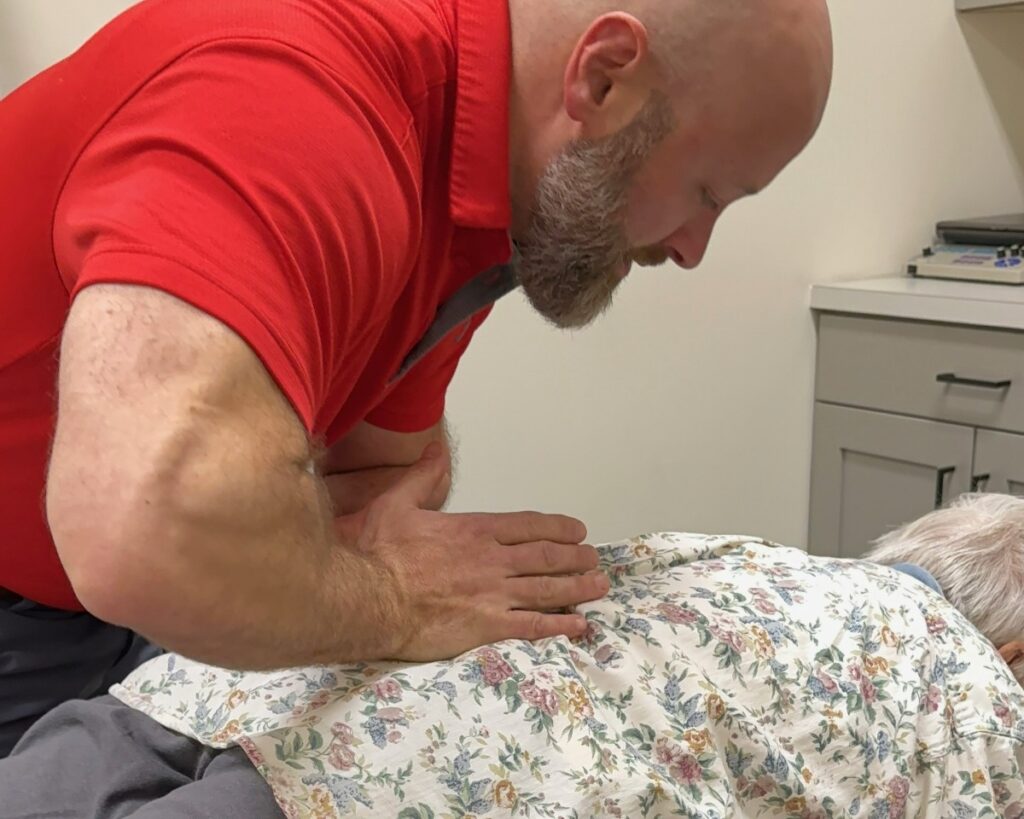
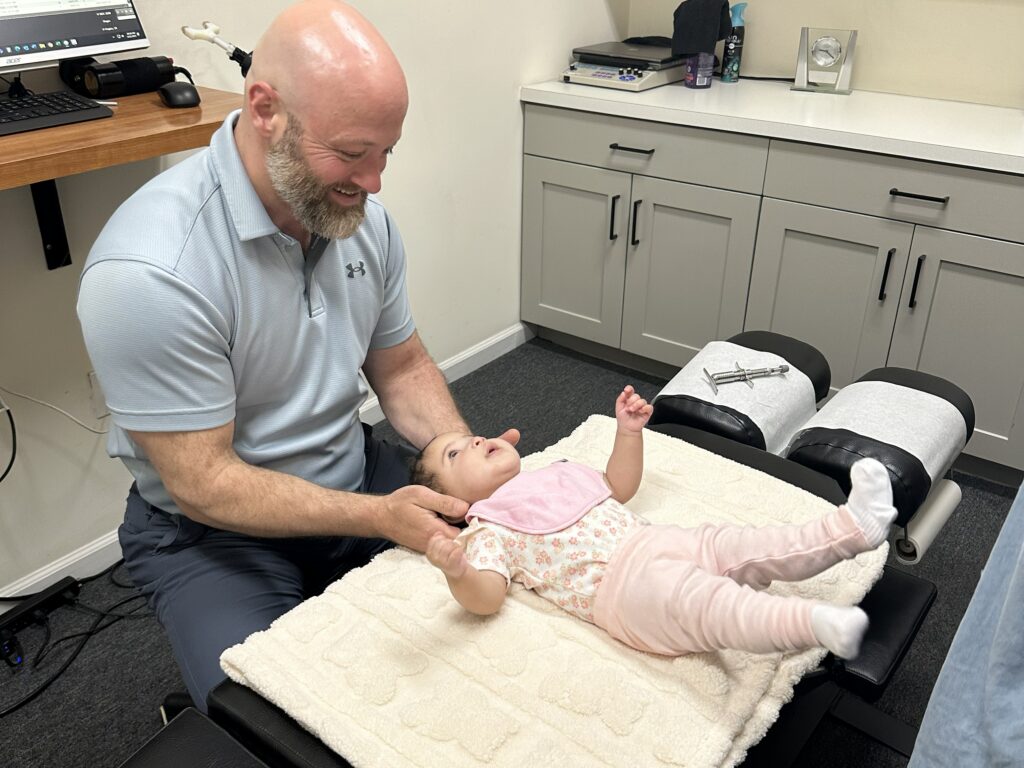
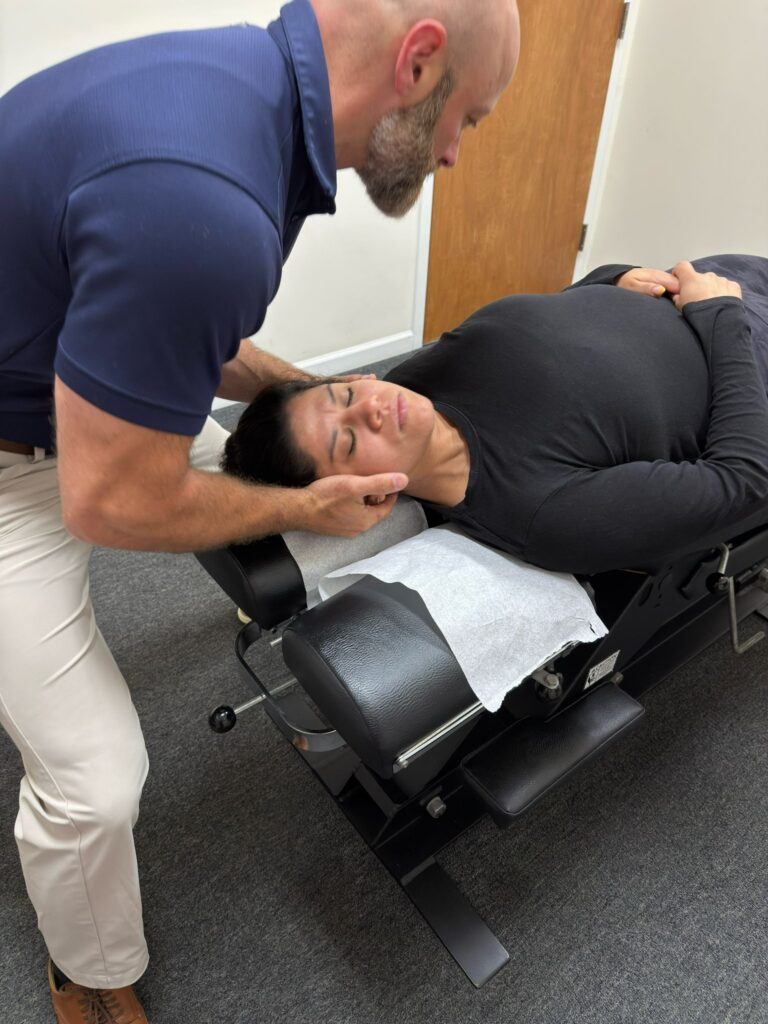
As a local chiropractor, I understand that experiencing a sports injury can feel like a major setback in your athletic journey. However, I want to assure you that healing naturally is within reach, and it all begins with understanding your body’s natural response to injury.
Chiropractic care plays a crucial role in this process by helping to align your spine and joints, which can alleviate pain and promote healing. Alongside chiropractic adjustments, incorporating the right nutrition into your diet can provide your body with the essential nutrients it needs for recovery.
Additionally, physical therapy tailored to your specific injury can further enhance your healing process. Mindfulness techniques, such as meditation and breathing exercises, can also help reduce stress and improve your mental resilience, allowing you to focus on your recovery.
Are you ready to unlock your full potential while promoting natural healing? Together, we can explore the essential steps for a successful recovery and help you come back even stronger than before. Let’s embark on this journey towards wellness and optimal performance!
Understanding Sports Injuries: Types and Causes
As a local chiropractor, I want to help you understand sports injuries and how they can impact your overall well-being. Knowing the types and causes of these injuries is crucial for recovery and prevention. Common injuries you might encounter include sprains, strains, fractures, and tendonitis.
Sprains occur when there’s damage to the ligaments, while strains involve injuries to the muscles or tendons. Fractures are breaks in the bone, and tendonitis is characterized by inflammation of the tendons, typically caused by repetitive movements or overuse.
Various factors can contribute to these injuries. For instance, not warming up properly, neglecting to stretch, or using incorrect techniques can all heighten your risk. Additionally, playing in poor conditions or using inappropriate equipment can lead to injury. Overtraining is another common issue, as it can push your body beyond its limits.
It’s important to recognize the signs of these injuries, such as pain, swelling, or restricted movement. By understanding the different types and causes of sports injuries, you can take proactive steps to prevent them and set yourself up for a smoother recovery.
As a chiropractor, I’m here to support you on your journey to natural healing and optimal health.
The Role of Nutrition in Injury Recovery
As a local chiropractor, I want to emphasize how crucial nutrition is during your recovery from an injury. Many people may not realize that the right foods can significantly enhance your healing process and help manage inflammation. Prioritizing protein-rich foods, such as lean meats, fish, and legumes, is vital because protein plays a key role in repairing damaged tissues.
In addition to protein, it’s important to incorporate a variety of fruits and vegetables into your diet. These foods are packed with antioxidants, which help combat oxidative stress and support your body’s healing efforts.
Don’t overlook the importance of healthy fats—found in avocados and nuts—since they contribute to cell structure and hormone production, both of which are essential for recovery.
Staying well-hydrated is another essential aspect of your healing journey. Fluids help transport vital nutrients to the tissues that are working hard to heal.
I also encourage you to pay attention to specific nutrients that can aid in recovery. For instance, vitamin C is important for collagen formation, while zinc plays a critical role in supporting your immune function.
By maintaining a balanced diet, you can enhance your body’s natural ability to heal, allowing you to recover more effectively.
Remember, nutrition is just as important as any rehabilitation exercises you may be doing. By fueling your body wisely, you can significantly improve your recovery progress.
If you have any questions about how chiropractic care and nutrition can work together for your healing, feel free to reach out.
Herbal Remedies for Pain Relief and Healing
As your local chiropractor, I understand that dealing with pain from an injury can be challenging. While chiropractic care plays a vital role in your recovery, exploring herbal remedies can provide additional natural support for your healing journey.
These remedies not only help alleviate discomfort but also encourage overall recovery. Here are some effective options that I often recommend to my patients:
- Turmeric: This powerful herb is well-known for its anti-inflammatory properties, making it an excellent choice for reducing pain and swelling associated with injuries.
- Ginger: A natural pain reliever, ginger can help alleviate soreness and enhance blood circulation, which is essential for healing.
- Willow Bark: Often referred to as “nature’s aspirin,” willow bark has been used for centuries to help relieve headaches and joint pain.
- Arnica: This topical herb can be applied directly to the skin to reduce bruising and swelling, making it a great option for localized pain relief.
- Devil’s Claw: Traditionally used for arthritis pain, this herb may help improve mobility and reduce discomfort, making it beneficial for those recovering from injuries.
Incorporating these herbal remedies alongside chiropractic care can create a supportive environment for your healing process.
Together, we can work towards getting you back to your game quicker and with greater ease. Always feel free to discuss any herbal options with me during your visits, so we can tailor a holistic approach to your recovery.
The Benefits of Physical Therapy Techniques
As a local chiropractor, I want to share how incorporating physical therapy techniques into your recovery can significantly enhance your healing process. These methods are designed to restore mobility, alleviate pain, and prevent future injuries. By collaborating with a knowledgeable chiropractor, you’ll receive customized exercises that align with your individual needs and goals.
One of the primary advantages of these techniques is the improvement in flexibility and strength, which is essential for getting back to your athletic pursuits. Manual therapy methods, such as adjustments and soft tissue work, can help relieve pain and facilitate healing by improving blood circulation and reducing muscle tension.
You’ll also learn about proper body mechanics, which are crucial for preventing re-injury and maintaining overall health. In addition, chiropractic care promotes a proactive attitude towards your well-being. You’ll gain a deeper understanding of your body and discover the significance of consistency in your rehabilitation journey.
Engaging in these therapeutic techniques not only accelerates your recovery but also empowers you to take control of your fitness and health. Embrace chiropractic care and physical therapy for a more seamless return to the sports and activities you love.
Mindfulness and Mental Health in Recovery
As a local chiropractor, I want to emphasize that when you’re recovering from a sports injury, mental resilience is just as vital as your physical healing.
It’s not just about the adjustments we make to your spine; it’s also about nurturing your mind. Incorporating visualization techniques can help you maintain focus on your recovery goals.
Additionally, practicing mindfulness can foster a positive mindset, which is crucial during your healing journey. By combining these strategies with chiropractic care, you can enhance your recovery process and support your overall mental health.
Importance of Mental Resilience
As your local chiropractor, I want to emphasize that while physical therapy and rest are crucial for healing sports injuries, developing mental resilience can significantly enhance your recovery journey.
By prioritizing your mental health alongside your physical healing, you can more effectively navigate the challenges that come with injury. Here are some important aspects to consider:
- Stay present: Incorporating mindfulness practices can help you focus on the here and now, reducing anxiety about what lies ahead in your recovery.
- Embrace positivity: A positive mindset can greatly improve your motivation and overall outlook during the healing process.
- Develop coping strategies: It’s essential to learn techniques that can help you manage stress and frustration as you work towards recovery.
- Connect with others: Surrounding yourself with supportive friends and family can provide the encouragement you need to uplift your spirits.
- Set small goals: By achieving minor milestones, you can maintain motivation and reinforce your progress, which is vital for your healing.
By embracing these practices, you can experience a more holistic recovery journey that complements the physical care we provide.
Visualization Techniques for Recovery
As a local chiropractor, I want to emphasize the significance of mental resilience in your recovery from sports injuries, and how visualization techniques can be a powerful tool in this process.
When you vividly imagine your healing journey, you create a mental blueprint that supports your physical recovery. Take a moment to picture yourself moving freely and without pain, feeling strength returning to your muscles and joints. This practice not only boosts your confidence but also helps alleviate anxiety surrounding your injury.
I encourage you to set aside just a few minutes each day for this mental exercise. By visualizing your recovery, you help send positive signals to your body, which can enhance the healing process.
It’s important to remember that the mind and body are deeply interconnected. By harnessing the power of your imagination, you can support your journey back to peak performance.
As your chiropractor, I’m here to help guide you through this process, combining natural healing methods with these visualization techniques to optimize your recovery.
Mindfulness Practices for Healing
As a local chiropractor, I want to emphasize the importance of integrating mindfulness practices into your recovery process from a sports injury. These techniques not only support your physical healing but also enhance your mental and emotional well-being.
By cultivating mindfulness, you can stay present, alleviate stress, and develop a positive outlook during your recovery. Here are some effective mindfulness practices I encourage you to consider:
- Meditation: Dedicate a few minutes each day to focus on your breath. This practice allows your thoughts to come and go without judgment, promoting a calm mind that can help with pain management and recovery.
- Body Scans: Take the time to connect with your body. By tuning into each part and acknowledging any tension, you can promote relaxation and increase your awareness of how your body feels during the healing process.
- Gratitude Journaling: Maintaining a gratitude journal can be transformative. By writing down things you’re thankful for, you shift your focus from pain or frustration to positivity, which can enhance your overall outlook during recovery.
- Mindful Walking: Consider incorporating mindful walking into your routine. As you walk, pay attention to each step and connect with your surroundings. This practice not only keeps you engaged but also encourages gentle movement that can aid your healing.
- Visualization: Spend a few moments visualizing your successful recovery and future achievements. This technique reinforces your commitment to healing and helps keep a positive mindset.
By embracing these mindfulness practices alongside your chiropractic care, you can support your recovery journey and promote a holistic approach to healing.
Let’s work together to ensure you’re on the path to a strong and healthy recovery.
Essential Stretching and Strengthening Exercises
As a local chiropractor, I want to emphasize the importance of incorporating essential stretching and strengthening exercises into your recovery from sports injuries.
Many people may not realize that improving flexibility and engaging in targeted strength training can significantly enhance your rehabilitation process. These techniques aren’t just about easing pain; they play a crucial role in restoring balance and function to your body.
By focusing on specific stretches, we can help alleviate tension and improve your range of motion.
Strengthening exercises, on the other hand, are vital for building support around injured areas, which can prevent future injuries and promote overall stability.
I encourage you to consider these exercises as part of a holistic approach to healing.
Together, we can explore how these methods can aid in your recovery journey and get you back to the activities you love.
Importance of Flexibility
As a local chiropractor, I want to emphasize the importance of flexibility in maintaining not just athletic performance but overall health and well-being.
While many individuals often prioritize strength and endurance, flexibility is a critical component that can significantly enhance your physical capabilities and help prevent injuries.
By incorporating flexibility training into your routine, you can promote better range of motion and reduce the likelihood of sustaining injuries.
Here are some essential stretching and strengthening exercises that I recommend:
- Dynamic stretches such as leg swings can effectively warm up your muscles, preparing them for physical activity.
- Static stretches, like hamstring stretches, are ideal for post-workout recovery, helping to ease muscle tension and improve flexibility.
- Yoga is a fantastic practice that not only enhances balance and core strength but also promotes relaxation and mindfulness.
- Foam rolling is a great technique to release muscle tension and improve blood circulation, which is vital for recovery and overall muscle health.
- Active stretches such as lunges can be integrated into your movements, helping your body become more flexible and resilient during physical activities.
By prioritizing flexibility alongside strength and endurance, you can enhance your overall physical performance and maintain a healthy, active lifestyle.
Targeted Strength Training
As a local chiropractor, I want to emphasize the importance of building a solid foundation for movement through flexibility, but it’s targeted strength training that can truly enhance your overall performance.
By focusing on specific muscle groups, you can improve your stability, power, and endurance, which are crucial aspects of physical health.
For instance, incorporating exercises like squats and lunges can help strengthen your legs, while planks are excellent for engaging your core.
It’s also vital to work on your upper body strength; push-ups and shoulder presses can significantly enhance the strength of your arms.
I recommend aiming for two to three sessions of strength training each week, gradually increasing the resistance and intensity as your body adapts.
However, it’s essential to balance strength training with flexibility exercises to prevent injuries.
By strategically targeting your muscles, not only will you recover more quickly from any injuries, but you’ll also elevate your performance in activities such as sports or daily tasks.
Remember, chiropractic care can support your journey towards optimal health and performance.
Let’s work together to get you started on this path to better strength and wellness!
Recovery and Rehabilitation Techniques
As a local chiropractor, I want to emphasize the importance of a targeted approach to recovery from sports injuries, which often involves a combination of stretching and strengthening exercises.
These exercises not only promote flexibility but also enhance muscle resilience, ultimately helping you return to your sport feeling stronger and more capable. Here are some key exercises I recommend incorporating into your rehabilitation routine:
- Hamstring stretches: These are crucial for loosening tight muscles, which can help prevent re-injury.
- Quadriceps stretches: Keeping your thigh muscles flexible is vital for improved mobility and injury prevention.
- Calf raises: Strengthening your lower legs is essential for maintaining stability during physical activity.
- Planks: Building core strength is fundamental to supporting your overall movement and balance.
- Resistance band exercises: These are excellent for targeting specific muscle groups, ensuring balanced strength across your body.
By integrating these techniques into your recovery plan, you can enhance your healing process and become more resilient as you prepare to return to your sport.
It’s important to listen to your body and adjust the intensity of these exercises as needed to ensure effective healing.
Acupuncture and Alternative Therapies
As a local chiropractor, I want to introduce you to the benefits of acupuncture and alternative therapies for healing sports injuries naturally. Acupuncture involves stimulating specific points on your body, which can enhance blood flow, reduce inflammation, and speed up the healing process. Many of my patients report that regular acupuncture sessions not only alleviate pain but also promote relaxation, making it easier for them to recover from their injuries.
In addition to acupuncture, chiropractic adjustments can be a vital part of your recovery plan. These adjustments help realign your musculoskeletal system and relieve tension in your muscles, leading to improved mobility and flexibility—both crucial for returning to your favorite sport.
Furthermore, I often recommend herbal remedies and nutritional supplements to support your healing journey. These can provide your body with essential nutrients it needs to recover effectively.
By combining acupuncture, chiropractic care, and other natural therapies, we can create a holistic approach to your recovery.
I encourage you to explore these options and discover how they can enhance your healing process. Together, we can work towards getting you back to optimal health and performance.
The Importance of Rest and Recovery
As a local chiropractor, I want to emphasize the critical role that rest and recovery play in your healing journey, especially after an injury. I understand that many of you may be eager to return to your usual activities, but it’s vital to prioritize your recovery to avoid setbacks and ensure proper healing.
Allowing your body the time it needs to recuperate can significantly enhance your recovery process. Here are some essential components of rest and recovery that I encourage you to consider:
- Sleep: Strive for 7-9 hours of quality sleep each night. This is when your body does much of its healing and repair work.
- Hydration: Staying well-hydrated is crucial for muscle repair and overall health. Water aids in transporting nutrients and eliminating toxins from your system.
- Nutrition: Nourish your body with a variety of nutrient-rich foods. A balanced diet can greatly support your recovery and strengthen your immune system.
- Gentle Movement: While rest is important, incorporating light activities such as stretching or walking can help maintain circulation and flexibility without putting too much strain on your body.
- Listening to Your Body: It’s crucial to tune in to what your body is telling you. If you experience pain, it’s important to adjust your activities and seek guidance on how to proceed safely.
Remember, healing is a process, and taking the time to rest and recover properly will pay off in the long run.
If you have any questions about your recovery or how chiropractic care can assist you, feel free to reach out. Your health is my priority!
Building a Supportive Healing Environment
Creating a supportive healing environment is essential for your recovery from sports injuries, and as your local chiropractor, I want to help you understand how to facilitate this process naturally. Surrounding yourself with positive influences is crucial; connect with friends and family who uplift you and support your healing journey. Their encouragement can significantly enhance your morale and motivation, which are important components of recovery.
Next, let’s focus on your physical space. It’s important to set up an environment that promotes comfort and relaxation. Keep your recovery area organized and free from clutter, and fill it with items that bring you peace and joy—whether that’s inspiring books, soothing music, or even some greenery.
Incorporating essential oils or calming scents can also help create a tranquil atmosphere conducive to healing.
Nutrition plays a vital role in your recovery as well. I recommend stocking your kitchen with nutrient-dense foods that facilitate healing, such as a variety of fruits, vegetables, and lean proteins. A well-balanced diet can enhance your body’s natural healing processes and support your overall well-being.
Finally, consider incorporating gentle activities like yoga or meditation into your routine. These practices not only promote physical flexibility but also contribute to mental well-being. A holistic approach to recovery can help you heal more effectively and prepare you for a robust return to your sport.
Preventing Future Injuries: Strategies for Athletes
As a local chiropractor, I want to help you understand how to prevent future injuries and maintain your overall well-being through natural healing methods.
It’s important for athletes and active individuals to take a proactive stance in their training and recovery. Here are some effective strategies that can keep you healthy and performing at your best:
- Warm-Up Thoroughly: Begin each workout with dynamic stretches. This helps prepare your muscles and joints for the demands of physical activity and can significantly reduce the risk of injuries.
- Cross-Train Regularly: Participate in various sports or activities. This not only strengthens different muscle groups but also helps prevent overuse injuries that can occur from repetitive motions in a single sport.
- Listen to Your Body: It’s crucial to tune in to what your body is telling you. If you feel fatigued or experience discomfort, be mindful and avoid pushing through pain. Ignoring these signals can lead to more serious injuries.
- Incorporate Strength Training: Building strength in key muscle groups supports your joints and enhances overall performance. A well-rounded strength training program can help you maintain balance and stability, which are vital for injury prevention.
- Prioritize Recovery: Allow your body adequate time to rest and recover after intense activity. Utilizing techniques such as foam rolling, massage, and chiropractic adjustments can greatly facilitate healing and restore your body’s natural alignment.
By integrating these strategies into your routine, you can effectively reduce your risk of injury and promote long-term health.
If you have any questions or would like to learn more about how chiropractic care can support your athletic endeavors, feel free to reach out!
Conclusion
As a local chiropractor, I want to share with you the benefits of a holistic approach to healing sports injuries. By integrating chiropractic care into your recovery process, you can enhance your performance and get back to doing what you love. It’s essential to focus on proper nutrition to fuel your body, as well as exploring natural remedies that can aid in your recovery.
Physical therapy is an invaluable part of healing, and chiropractic adjustments can help align your spine and joints, promoting better movement and reducing pain. Additionally, don’t underestimate the importance of mindfulness and rest—these elements are crucial for your overall well-being and recovery.
Creating a supportive environment around you is vital. Engage with friends, family, and professionals who encourage your healing journey. Together, we can take proactive steps to prevent future injuries, ensuring you remain at your best. With commitment and the right strategies, you’ll not only recover from your injuries but also unlock your full athletic potential. Let’s work together to unleash your game!