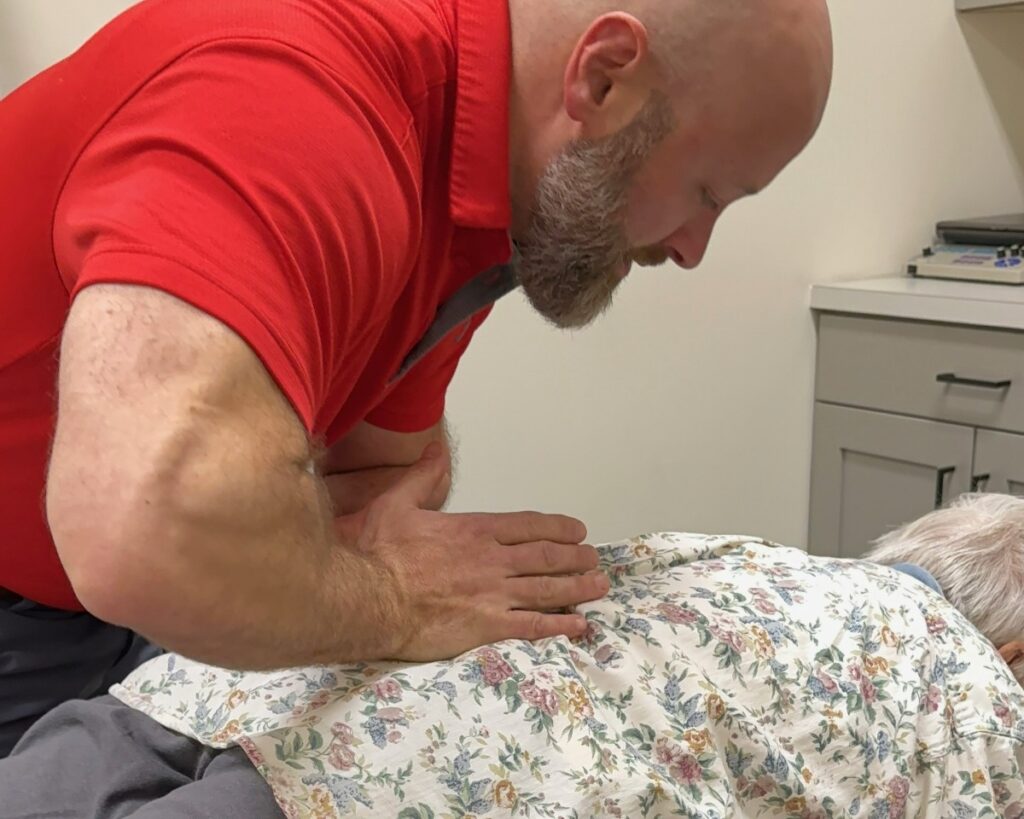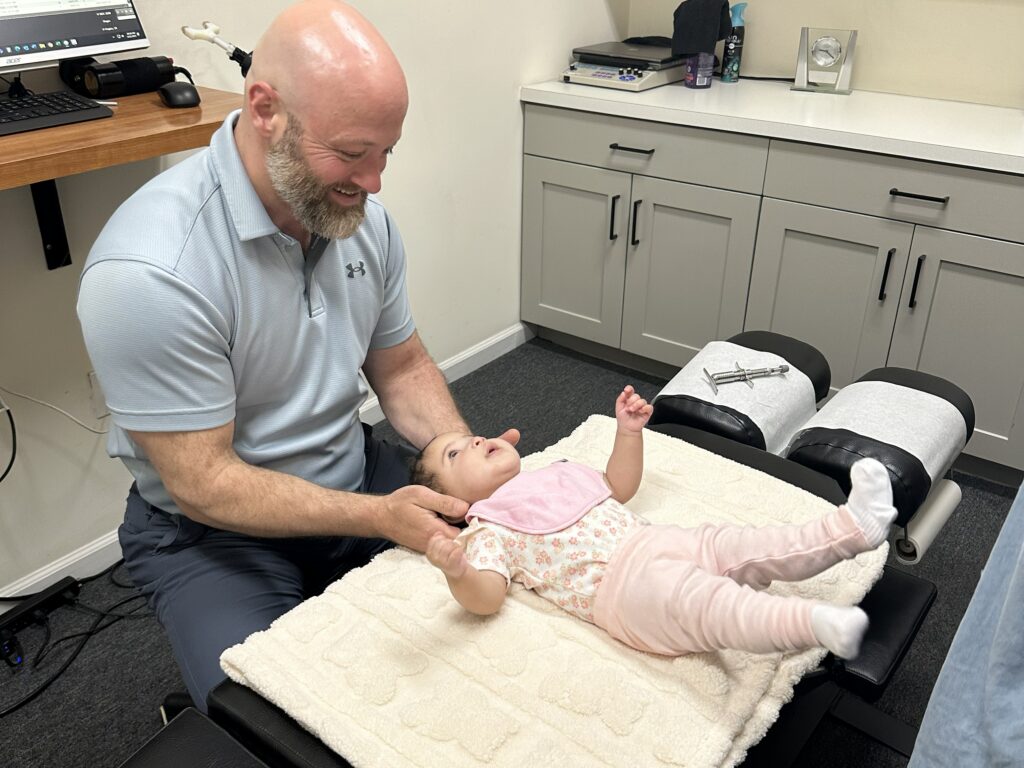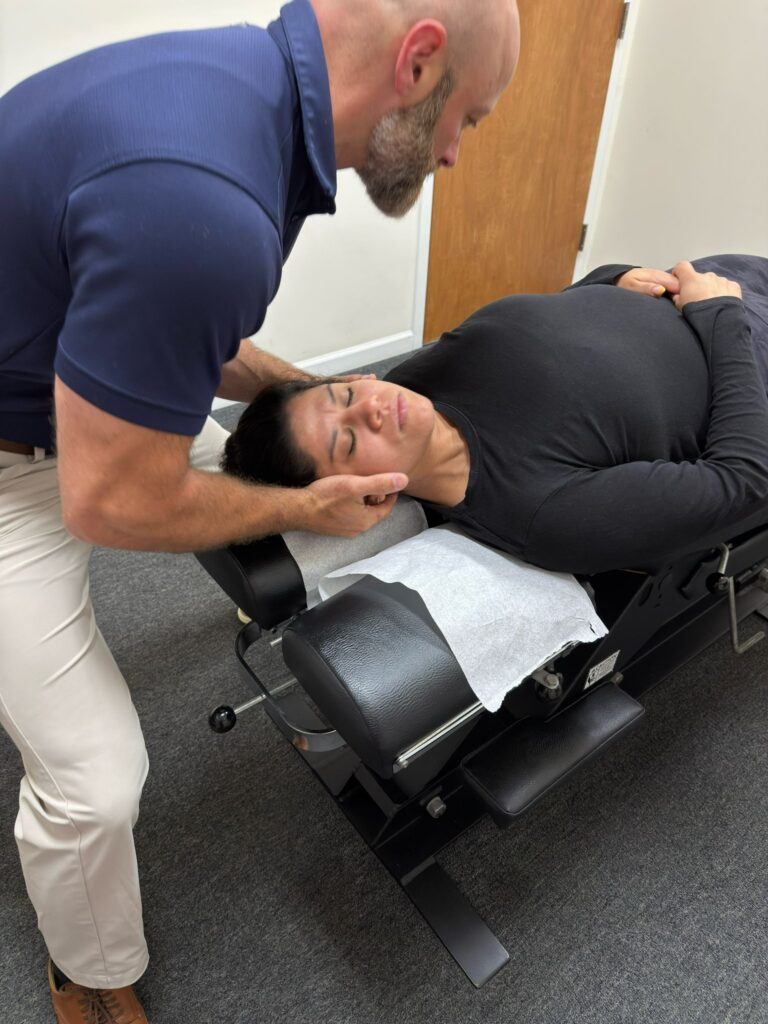

As a local chiropractor, I understand that sports injuries can be particularly challenging, and it’s crucial to approach treatment with care and knowledge. Many people may not be familiar with chiropractic care and its role in natural healing, so let’s explore how it can benefit you.
First, it’s important to assess your specific injury and situation. Chiropractic care focuses on the musculoskeletal system and aims to restore balance and function to your body without the use of invasive procedures or pharmaceuticals. From immediate relief techniques, such as spinal adjustments and soft tissue therapies, to long-term rehabilitation strategies that include strengthening exercises and lifestyle modifications, we have a range of options to help you recover.
Understanding how chiropractic care works can be essential in getting you back in the game safely and effectively. By addressing the root cause of your injury and promoting natural healing, we can help reduce pain, improve mobility, and prevent future injuries.
If you’re ready to explore these treatment options, the first step is to schedule a consultation. Together, we can create a personalized plan tailored to your needs, ensuring you’re on the path to a full recovery.
Understanding Common Sports Injuries
As a local chiropractor, I want to help you understand the common injuries that can occur while engaging in sports. Many people may not realize that sprains and strains are among the most frequent injuries athletes face. These injuries often arise from overexertion or using improper techniques.
A sprain involves damage to the ligaments, while a strain affects the muscles or tendons. It’s crucial to be mindful of these injuries to avoid further complications.
Fractures are another concern, typically resulting from falls or collisions, and can cause varying degrees of pain and immobilization. Additionally, tendonitis is a common issue, especially for those who perform repetitive motions in their sports. This condition leads to inflammation and discomfort, which can hinder your performance.
If you participate in contact sports, it’s vital to be aware of concussions. This serious brain injury occurs due to impacts and can present symptoms like headaches, confusion, and difficulties with balance. Recognizing the signs of these injuries is an important step in prevention.
At our chiropractic practice, we emphasize the importance of understanding the risks associated with your sport. By being informed, you can take proactive measures to reduce the chances of injury.
We’re here to support you with natural healing methods that promote recovery and overall well-being, ensuring that your athletic experience remains safe and enjoyable.
The R.I.C.E. Method: Rest, Ice, Compression, Elevation
As a local chiropractor, I want to share with you an effective approach for managing sports injuries: the R.I.C.E. method, which stands for Rest, Ice, Compression, and Elevation.
This simple yet powerful technique can significantly alleviate pain and swelling, allowing your body to recover more swiftly. It’s essential to understand not only how to implement this method but also when to use it for the best results.
By incorporating the R.I.C.E. method into your recovery routine, you can support your body’s natural healing process and get back to your activities sooner.
Benefits of R.I.C.E
As a local chiropractor, I understand that injuries can be quite frustrating and can disrupt your daily life. That’s why I want to share with you the R.I.C.E. method—Rest, Ice, Compression, and Elevation—as a natural and effective way to promote healing and reduce pain.
When you rest the injured area, you’re allowing your body to heal without the added strain that can occur with continued activity. This is a crucial first step in recovery.
Applying ice is also essential; it helps numb the pain and significantly decreases swelling, which is often a source of discomfort.
Next, compression is important as it supports the injured area and prevents fluid buildup, which can exacerbate swelling.
Elevation is another key element; by elevating the injury, you can help reduce blood flow to the area, further alleviating swelling and promoting healing.
Incorporating the R.I.C.E. method into your injury management routine not only accelerates recovery but also enhances your comfort during the healing process.
I encourage you to take these simple yet effective steps seriously, as they can make a significant difference in how quickly you regain your strength and return to your usual activities.
When to Apply
As your local chiropractor, I want to emphasize the importance of understanding when to apply the R.I.C.E. method to support your recovery after an injury. Timing is crucial, and ideally, you should begin this treatment within the first 24 to 48 hours following the injury.
First, it’s essential to rest the injured area. This helps prevent any further damage and allows your body to start the healing process.
Next, applying ice is key; aim for about 15-20 minutes every hour. This not only reduces swelling but also numbs the pain, providing you with some much-needed relief.
After icing, I recommend wrapping the injured area with a compression bandage. It should be snug but not overly tight to avoid restricting blood flow. This step is vital for managing swelling and offering support as your body heals.
Lastly, elevating the injured limb above heart level whenever you can is beneficial. This position encourages blood flow back to the heart, which helps minimize swelling.
By applying the R.I.C.E. method promptly and correctly, you’re not just treating the symptoms of your injury—you’re taking proactive steps towards a smoother and more effective recovery.
Over-the-Counter Pain Relief Options
As a local chiropractor, I often encounter patients who are dealing with sports injuries and looking for effective ways to manage their discomfort. One of the quickest solutions many people turn to is over-the-counter pain relievers. While these can provide temporary relief, it’s important to understand the options available and how to use them safely to complement your overall healing process.
Let’s take a closer look at some common pain relief choices, such as acetaminophen and nonsteroidal anti-inflammatory drugs (NSAIDs) like ibuprofen. While these medications can help alleviate pain, they should be used with caution and in accordance with proper dosage guidelines.
In my practice, I emphasize the importance of addressing the root cause of pain through natural healing methods. Chiropractic care can play a significant role in not only relieving pain but also promoting long-term wellness.
If you’re considering pain relief options, I encourage you to explore both the benefits of over-the-counter medications and the advantages of chiropractic adjustments, which can help restore balance and function to your body.
Common Pain Relievers
As a local chiropractor, I want to emphasize the importance of pain relief in your recovery journey, especially when dealing with sports injuries. Understanding your options can empower you to make informed decisions about your health.
Here are some common pain relievers that you might consider during your healing process:
- Acetaminophen: This is a go-to for general pain relief. It’s often gentle on the stomach, making it a safe choice for many individuals.
- Ibuprofen: As a nonsteroidal anti-inflammatory drug (NSAID), ibuprofen not only helps alleviate pain but also works to reduce inflammation. This can be particularly beneficial for injuries that involve swelling.
- Naproxen: Similar to ibuprofen, naproxen is another NSAID that offers long-lasting relief. It’s a great option if you’re dealing with ongoing discomfort.
While these over-the-counter options can support your recovery, I encourage you to consider chiropractic care as part of a holistic approach to healing.
Dosage and Safety Guidelines
As your local chiropractor, I want to emphasize the importance of finding effective pain relief while also understanding the proper dosage and safety guidelines for over-the-counter medications.
It’s crucial to read the label carefully before taking any medication, as dosages can vary significantly. For common pain relievers like ibuprofen and acetaminophen, adults generally shouldn’t exceed 400 mg and 1,000 mg per dose, respectively. Remember to wait at least six hours before taking another dose to avoid potential complications.
It’s also essential to consider any pre-existing health conditions you may have, such as liver problems or stomach ulcers, as these can affect your safety when taking these medications.
If you’re currently on other medications, be sure to check for any potential interactions that could arise.
If you’re uncertain about the right dosage for your situation, or if your pain continues for more than a few days, I encourage you to reach out for professional guidance.
Chiropractic care offers natural healing methods that can complement your pain management strategies, so don’t hesitate to ask how we can work together to improve your well-being!
When to Seek Medical Attention
As a local chiropractor, I understand that recognizing when to seek medical attention for a sports injury can be challenging, especially if you’re not familiar with chiropractic care and natural healing.
Being proactive about your health can help avoid long-term complications. Here are some important signs that indicate it might be time to consult a professional like myself:
- Persistent severe pain: If you’re experiencing pain that doesn’t improve with rest or over-the-counter medications, it’s crucial to get a thorough assessment. Chiropractic care can help identify the root cause and provide effective treatment options.
- Notable swelling or bruising: If you notice significant swelling or bruising around the injured area, this could suggest a more serious underlying issue. A chiropractor can evaluate these symptoms and recommend appropriate care to facilitate healing.
- Limited mobility: Should you find it difficult or impossible to move the affected joint or limb, it’s important not to ignore this. Seeking chiropractic support can help restore function and alleviate discomfort.
Timely evaluation and treatment can significantly enhance your recovery process and overall outcomes.
Trust your intuition; if something doesn’t feel right, it’s always wise to seek help. Early intervention through chiropractic care can make a substantial difference in your healing journey and promote a return to your favorite activities.
Physical Therapy: Benefits and Techniques
As a local chiropractor, I want to share how chiropractic care can be a vital part of your recovery from sports injuries. Our approach focuses on natural healing and restoring your body’s function through targeted techniques.
When you come to see us, we conduct a thorough assessment of your injury and create a personalized treatment plan tailored to your specific needs. This plan often includes exercises designed to improve your strength, flexibility, and balance—key components in getting you back to your active lifestyle.
We also utilize manual therapy techniques, such as gentle adjustments and soft tissue work, which can help alleviate pain and improve circulation.
In addition to these hands-on methods, we may incorporate modalities like ultrasound or electrical stimulation to help reduce inflammation and accelerate your healing process.
Our goal is to support your body’s natural ability to heal itself, ensuring you recover effectively and safely.
The Role of Rehabilitation in Recovery
Rehabilitation is a vital component of your recovery from sports injuries, and as a local chiropractor, I want to emphasize how it can help you regain strength and mobility while also preventing future issues.
It’s not just about healing; it’s about returning to your sport even stronger than before.
- Personalized Treatment Plans: At our clinic, we create rehabilitation programs specifically tailored to your individual injury and needs. This personalized approach ensures that your recovery journey is as effective as possible.
- Gradual Strengthening: Our focus is on progressive strengthening and flexibility exercises. We’ll guide you through safe and effective movements that allow your body to adapt and recover properly, minimizing the risk of re-injury.
- Education and Prevention: Part of your rehabilitation will include learning valuable techniques to avoid future injuries. Our goal is to empower you with knowledge so that you can make informed decisions about your physical activity and maintain your health long-term.
By integrating chiropractic care into your rehabilitation process, you’re taking a natural approach to healing that supports your body’s innate ability to recover.
Let’s help you get back to your sport in optimal condition!
Advanced Treatment Options: Injections and Surgery
As a local chiropractor, I want to help you understand that when conventional treatments fall short in alleviating your pain or restoring your function, there are advanced options available, such as injections and surgery.
However, before considering these invasive methods, it’s important to explore natural healing approaches that can be highly effective.
Injections like corticosteroids or hyaluronic acid aim to provide targeted relief by reducing inflammation or lubricating joints. While they can offer temporary relief and help you regain mobility, they may not address the underlying issues causing your discomfort.
Many of my patients have found success with chiropractic adjustments, which can improve joint function, alleviate pain, and promote natural healing without the need for injections.
If conservative methods, including chiropractic care, don’t yield the desired results, surgery might come into play as a last resort.
Surgical options, which can include arthroscopy, ligament reconstruction, or joint replacement, vary depending on the injury. However, surgery often involves longer recovery times and may not always provide a permanent solution.
I encourage you to consult with me and other healthcare providers to explore all available options and determine the best approach for your specific condition.
Together, we can weigh the potential risks and benefits, ensuring you make an informed decision on your path to recovery and wellness.
Preventative Measures to Avoid Future Injuries
As a local chiropractor, I want to emphasize the importance of a proactive approach to your health, especially when it comes to preventing future injuries.
While advanced treatment options like injections and surgery can be beneficial, there are several natural and effective preventative measures you can incorporate into your routine.
Here are a few key strategies to help keep you active and injury-free:
- Strength Training: Engaging in targeted strength training can significantly enhance the support your muscles provide to your joints. This not only improves your overall stability but also reduces the likelihood of sustaining injuries.
- Proper Warm-ups: It’s crucial to warm up before any physical activity. A good warm-up increases blood flow to your muscles, making them more pliable and ready for the demands of exercise. This simple step can be a game-changer in injury prevention.
- Cross-Training: I encourage you to diversify your workouts. By incorporating various forms of exercise, you can engage different muscle groups and avoid repetitive strain on any one area. This approach not only keeps your routine fresh and exciting but also helps prevent overuse injuries.
At our chiropractic office, we focus on natural healing and providing you with the tools you need to maintain your health.
Returning to Sports: Guidelines for a Safe Comeback
As a local chiropractor, I want to emphasize the importance of a careful and strategic approach when returning to sports after an injury. It’s essential to first consult with your healthcare provider to ensure your body is ready to return to activity. This evaluation can help determine your recovery progress and identify any limitations that may still be present.
When reintroducing yourself to your sport, I recommend starting with low-impact activities to gently ease your body back into motion. Pay close attention to how you feel during this process. If you experience any pain or discomfort, it’s crucial to take a step back and listen to your body.
Incorporating strength and flexibility exercises into your routine can significantly support your recovery. These exercises not only help in rebuilding strength but also enhance your overall stability, reducing the risk of future injuries. Setting realistic goals and tracking your progress can provide motivation—celebrate those small milestones as they’re essential steps in your healing journey.
Additionally, consider working with a coach or trainer who understands your situation and can offer guidance tailored to your needs. With chiropractic care, we can also address any musculoskeletal issues and promote natural healing, ensuring your body is in the best shape for a successful return to sports.
Above all, remember that patience is key. Rushing back into competition can lead to re-injury, which could set you back further. Prioritizing your long-term health and well-being is essential for a sustainable and enjoyable sports experience.
Conclusion
Injuries can be a significant hurdle for athletes, but understanding your treatment options can greatly enhance your recovery journey. As a local chiropractor, I want to share insights into how chiropractic care can play a vital role in your healing process.
Starting with the R.I.C.E. method—Rest, Ice, Compression, and Elevation—can help manage initial symptoms. However, seeking professional help, particularly from a chiropractor, can provide a more comprehensive approach to recovery. Chiropractic adjustments can aid in realigning your body, reducing pain, and promoting natural healing.
It’s essential to listen to your body throughout this process. Incorporating preventative measures, such as regular chiropractic care, can help you avoid future injuries and setbacks. As you prepare to return to your sport, we can develop a tailored plan that ensures a safe and effective comeback.
With the right approach, including chiropractic treatment and education on proper body mechanics, you can get back to enjoying your favorite activities sooner than you think! Let’s work together to ensure you’re not just recovering but thriving in your sport.