
Tension headaches can be a frustrating and persistent issue that many people experience. Understanding their triggers and symptoms is essential for finding effective relief. While many may turn to over-the-counter pain relievers, it’s important to consider a more holistic approach to health and wellness.
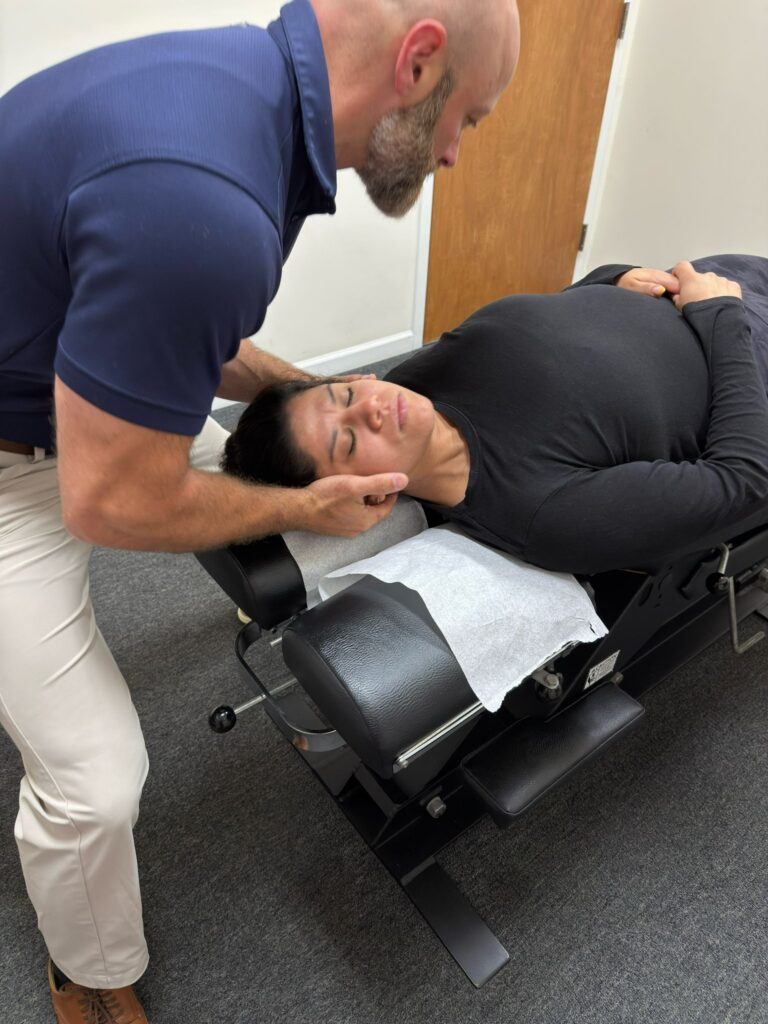
Chiropractic care is a natural and effective way to address tension headaches. By focusing on spinal health, chiropractors can help alleviate the underlying issues that contribute to headache pain. Misalignments in the spine can lead to tension in the muscles and nerves, which often trigger headaches. Regular chiropractic adjustments can help restore proper alignment, reduce muscle tension, and improve overall body function.
In addition to chiropractic adjustments, there are several lifestyle changes you can make to help manage and prevent tension headaches. Here are some simple tips:
- Stay Hydrated: Dehydration can contribute to headaches, so make sure you’re drinking enough water throughout the day.
- Practice Good Posture: Poor posture can strain your neck and back, leading to tension headaches. Be mindful of your posture, especially if you spend long hours sitting at a desk.
- Manage Stress: Stress is a common trigger for tension headaches. Consider incorporating relaxation techniques such as deep breathing, meditation, or yoga into your daily routine.
- Get Regular Exercise: Physical activity can help reduce tension and improve your overall well-being. Aim for at least 30 minutes of moderate exercise most days of the week.
- Prioritize Sleep: Ensure you’re getting enough restful sleep each night. Establish a regular sleep schedule and create a calming bedtime routine.
By focusing on these natural methods and seeking chiropractic care, you can effectively manage and prevent tension headaches. Remember, taking control of your well-being is possible, and with the right approach, you can live a healthier, pain-free life.
Key Takeaways
Tension headaches can be a frustrating experience, but there are effective ways to find relief and promote overall wellness—many of which can be enhanced through chiropractic care.
One of the best approaches to managing tension headaches is regular chiropractic adjustments. By addressing spinal misalignments, chiropractic care not only helps reduce the frequency and severity of tension headaches but also promotes better overall health. Your spine plays a crucial role in your nervous system function, and keeping it aligned can lead to better communication between your body and brain, ultimately supporting pain relief.
In addition to chiropractic adjustments, massage therapy is another excellent way to target muscle tension, particularly in the neck and shoulders, which are often culprits in tension headaches. Combining massage with chiropractic care can enhance your healing process and provide lasting relief.
Incorporating relaxation techniques into your daily routine can also be extremely beneficial. Practices like yoga, deep breathing exercises, and mindfulness can help manage stress levels, which is a common trigger for headaches. By learning to relax and center yourself, you may find that your headaches become less frequent.
Hydration is key! Drinking enough water throughout the day is essential for preventing headaches. Dehydration can lead to increased muscle tension, so make it a habit to keep a water bottle with you.
Lastly, maintaining good posture is vital for preventing tension headaches. Be mindful of how you sit, stand, and move throughout the day. Simple changes, like adjusting your workstation or being aware of your body mechanics, can make a significant difference in reducing tension.
By prioritizing chiropractic care alongside these lifestyle changes, you can take control of your health and reduce the occurrence of tension headaches naturally. Your journey to optimal wellness starts with understanding your body and how it functions.
Understanding Tension Headaches
When you experience a tension headache, it often feels like a tight band is constricting your head. This common type of headache usually arises from stress, poor posture, or muscle tension. The discomfort can range from mild to severe and typically affects both sides of your head.
Unlike migraines, tension headaches generally don’t cause nausea or sensitivity to light, which can make them easier to manage in your daily life. You might also feel tightness in your neck, shoulders, or jaw, and this tension can intensify the pain. Recognizing these signs can empower you to understand what you’re experiencing.
While tension headaches can be bothersome, they’re usually not indicative of a more serious condition. As a chiropractor, I want to emphasize that chiropractic care can be an effective, natural approach to managing and preventing tension headaches. By focusing on spinal health and alignment, chiropractic adjustments can help relieve muscle tension and improve posture, which may alleviate headache symptoms.
Here are a few simple tips you can incorporate into your daily routine to help prevent tension headaches:
- Posture Check: Be mindful of your posture, especially if you spend long hours sitting at a desk. Ensure your workstation is ergonomically friendly, and take regular breaks to stretch and move.
- Stay Hydrated: Dehydration can contribute to headaches, so make sure you’re drinking enough water throughout the day.
- Stress Management: Incorporate stress-reducing techniques such as deep breathing exercises, meditation, or yoga into your routine. These practices can help decrease muscle tension and promote relaxation.
- Regular Chiropractic Visits: Regular adjustments can help maintain spinal health, reduce tension in your neck and shoulders, and support your overall well-being.
- Gentle Stretching: Incorporate gentle neck and shoulder stretches into your day to relieve tightness and improve blood flow.
Identifying Triggers and Symptoms
While you mightn’t always be aware of it, identifying the triggers and symptoms of tension headaches is crucial for managing and preventing them effectively. Understanding what leads to your headaches can empower you to take proactive steps to reduce their frequency and severity. Here are some common triggers and symptoms to keep an eye on:
- Stress: Emotional or physical stress is often a leading cause of tension headaches. Incorporating relaxation techniques like deep breathing, meditation, or gentle yoga can help alleviate stress and promote overall wellness.
- Poor posture: When you sit or stand with improper alignment, it can strain your neck and shoulders, leading to headaches. As a chiropractor, I emphasize the importance of maintaining good posture throughout the day. Simple adjustments, like keeping your computer screen at eye level and taking breaks to stretch, can make a significant difference.
- Fatigue: Insufficient sleep or overexertion can lead to headaches. Prioritizing rest and establishing a consistent sleep routine can help your body recover and reduce headache occurrences.
- Dehydration: Failing to drink enough water can trigger headaches. Staying hydrated is essential for overall health, so aim to drink plenty of water throughout the day.
- Muscle tension: Tightness in the neck, shoulders, or scalp is a common symptom of tension headaches. Regular chiropractic adjustments can help relieve muscle tension, improve spinal alignment, and enhance your overall well-being.
By tracking these triggers and symptoms, you can develop a personalized strategy for relief. Chiropractic care plays a vital role in achieving optimal health and managing tension headaches naturally.
Lifestyle Changes for Prevention
Making simple lifestyle changes can significantly help reduce the frequency of tension headaches, and as a chiropractor, I want to share some natural strategies that promote overall wellness.
One of the most effective ways to manage stress, a common trigger for tension headaches, is through techniques like mindfulness, yoga, or deep breathing exercises. These practices not only ease your mind but also help maintain spinal health and improve posture.
Incorporating regular physical activity into your routine is also essential. Aim for at least 30 minutes of moderate exercise most days. This not only keeps your body fit but also promotes better spinal alignment and reduces tension in your muscles.
Hydration is key, so remember to drink plenty of water throughout the day. Staying hydrated can have a positive impact on your overall well-being and help prevent headaches.
Be mindful of your posture, especially if you spend long hours at a desk. Adjusting your workspace to be ergonomically friendly can make a significant difference. Consider investing in a chair that supports your back and keeps your spine aligned, and remember to take breaks to stretch and move around.
Establishing regular sleep patterns is crucial too. Going to bed and waking up at the same time every day helps regulate your body’s natural rhythms, which can lead to better quality sleep and less tension.
Pay attention to your diet by eating balanced meals. Reducing excessive caffeine and alcohol can also contribute to fewer headaches. Instead, focus on nourishing your body with natural foods that support your health.
Finally, scheduling regular breaks throughout your day can prevent tension from building up. These small adjustments not only help in reducing headache frequency but also promote a healthier lifestyle overall.
Remember, chiropractic care is a powerful tool for achieving optimal health and wellness. Regular chiropractic adjustments can help alleviate tension, improve your spine’s function, and enhance your overall quality of life.
Over-the-Counter Pain Relievers
If you find yourself struggling with tension headaches despite making positive lifestyle changes, it’s important to know that there are natural approaches to finding relief.
While over-the-counter pain relievers may offer temporary solutions, chiropractic care can address the underlying issues contributing to your headaches and promote overall wellness.
Chiropractic adjustments focus on aligning the spine and optimizing nerve function, which can significantly help reduce tension and alleviate headache pain.
Here are some tips and insights to consider for managing tension headaches naturally:
- Regular Chiropractic Visits: Regular adjustments can help maintain proper spinal alignment, reducing nerve irritation and tension that may lead to headaches.
- Stress Management Techniques: Incorporate yoga, meditation, or deep-breathing exercises into your routine. These practices can help lower stress levels and reduce muscle tension.
- Stay Hydrated: Dehydration can contribute to headaches, so make sure you’re drinking enough water throughout the day.
- Posture Awareness: Pay attention to your posture, especially if you sit for long periods. Ergonomic adjustments to your workspace can also help minimize tension.
- Gentle Stretching and Exercise: Regular physical activity and gentle stretching can improve blood flow and relieve muscle tension, which may help prevent headaches.
Remember, while it might be tempting to reach for pain relievers, exploring natural healing methods through chiropractic care can provide a more holistic solution for your headaches.
If your headaches persist, consider consulting a chiropractor who can guide you on the best path to health and wellness. Your body will thank you!
Prescription Medications
If over-the-counter options aren’t providing the relief you need for tension headaches, it might be tempting to consider prescription medications. However, as a chiropractor, I want to emphasize that there’s a natural and effective alternative that could help you achieve optimal health and wellness: chiropractic care.
Chiropractic adjustments target the root causes of tension headaches, often related to spinal misalignments and muscle tension. By correcting these issues, you can alleviate pain and improve your overall well-being without the need for medications or their potential side effects.
In addition to chiropractic adjustments, here are some general tips to help manage tension headaches naturally:
- Stay Hydrated: Dehydration can contribute to headaches, so make sure you’re drinking enough water throughout the day.
- Practice Good Posture: Poor posture can lead to tension in the neck and shoulders, exacerbating headache symptoms. Pay attention to your posture, especially when sitting at a desk or using your phone.
- Manage Stress: Incorporate relaxation techniques such as deep breathing, meditation, or yoga to help reduce stress levels that may trigger headaches.
- Regular Exercise: Engaging in regular physical activity can improve circulation and reduce muscle tension, both of which can help prevent headaches.
- Sleep Well: A consistent sleep schedule and a comfortable sleep environment can greatly impact headache frequency and intensity.
By focusing on these natural approaches, including chiropractic care, you can find effective relief from tension headaches and improve your overall health without relying on medications.
Your body has an incredible ability to heal itself when given the proper support!
Common Prescription Options
When it comes to tackling tension headaches, many people often look for quick fixes through medications. However, as a local chiropractor, I want to emphasize the benefits of natural healing and how chiropractic care can be a powerful ally in managing headache pain and promoting overall wellness.
Chiropractic adjustments can help alleviate tension headaches by addressing spinal misalignments that may contribute to muscle tension and nerve irritation. By improving spinal function, we can enhance blood flow and reduce stress on the nervous system, which may lead to fewer headaches over time.
Here are some tips for natural relief and healthier living:
- Regular Chiropractic Care: Regular adjustments can help keep your spine aligned, reducing tension in your neck and shoulders where headaches often originate.
- Stay Hydrated: Dehydration can trigger headaches, so make sure to drink plenty of water throughout the day.
- Mind Your Posture: Poor posture can contribute to tension in your neck and back. Be mindful of your posture when sitting at a desk or using your phone.
- Manage Stress: Incorporate relaxation techniques such as deep breathing, yoga, or meditation into your routine to help reduce stress levels.
- Exercise Regularly: Physical activity can help relieve tension and improve overall well-being. Aim for at least 30 minutes of moderate exercise most days.
- Adequate Sleep: Ensure you’re getting enough restorative sleep each night, as lack of sleep can lead to increased headaches.
- Nutrition Matters: Eating a balanced diet rich in fruits, vegetables, whole grains, and lean proteins can support your body’s ability to fend off headaches.
By focusing on these natural approaches and incorporating chiropractic care into your wellness routine, you can take proactive steps toward reducing tension headaches and enhancing your overall health.
Dosage and Administration Tips
When it comes to relieving tension headaches, many people often seek quick fixes like prescription medications. However, as a chiropractor, I want to emphasize the power of natural healing and the benefits of chiropractic care for achieving optimal health and wellness.
Understanding how to care for your body properly is crucial, and there are effective, drug-free strategies you can incorporate into your daily routine.
First and foremost, always listen to your body and consult with a healthcare professional about your specific needs. While medications can have their place, they come with risks and may not address the underlying issues causing your headaches.
Instead, consider the holistic approach of chiropractic care, which focuses on spinal health and overall wellness.
Here are some general tips to help manage tension headaches naturally:
- Stay Hydrated: Dehydration can contribute to headaches, so make sure you’re drinking plenty of water throughout the day. This simple habit can improve your overall well-being.
- Practice Good Posture: Poor posture can strain your neck and back, leading to headaches. Be mindful of how you sit and stand, especially if you spend long hours at a desk.
- Incorporate Regular Exercise: Physical activity can relieve stress and tension in your muscles. Aim for activities that you enjoy, whether that’s walking, yoga, or stretching.
- Manage Stress: Explore relaxation techniques such as deep breathing, meditation, or yoga to help reduce stress levels, which can trigger headaches.
- Consider Chiropractic Adjustments: Regular visits to a chiropractor can help align your spine and relieve tension in your neck and shoulders. This natural approach can lead to significant improvements in headache frequency and intensity.
- Sleep Well: Ensure you’re getting adequate sleep. Establish a calming bedtime routine to promote better sleep quality.
- Take Breaks: If you’re working at a computer or focusing on a task for a long time, remember to take breaks. This can help prevent tension from building up.
By focusing on these natural strategies and the benefits of chiropractic care, you can find effective relief from tension headaches while promoting your overall health.
Potential Side Effects
While prescription medications can provide quick relief for tension headaches, they often come with potential side effects that may affect your daily life. As a chiropractor, I encourage you to consider natural alternatives that not only address the pain but also promote overall wellness.
Here are some common side effects associated with tension headache medications:
- Drowsiness or fatigue
- Nausea or gastrointestinal discomfort
- Dizziness or lightheadedness
- Dry mouth or changes in appetite
- Risk of dependency or withdrawal symptoms
Instead of relying on medications, I recommend exploring chiropractic care as a holistic approach to managing tension headaches. Chiropractic adjustments can help alleviate pain by addressing spinal misalignments and improving overall body function.
Additionally, here are some tips to help you find relief naturally:
- Stay Hydrated: Dehydration can contribute to headaches, so be sure to drink plenty of water throughout the day.
- Practice Good Posture: Maintaining proper posture while sitting and standing can reduce tension in your neck and shoulders, helping to prevent headaches.
- Incorporate Relaxation Techniques: Activities such as yoga, meditation, or deep breathing exercises can help manage stress and tension.
- Engage in Regular Physical Activity: Exercise promotes blood flow and can help reduce the frequency and severity of headaches.
- Get Enough Sleep: Quality sleep is vital for overall health and can help minimize headache occurrences.
Before considering any treatment, I recommend discussing your symptoms with a healthcare professional who understands your preference for natural healing.
Together, you can explore the best options for achieving optimal health and wellness without the side effects associated with medications. Embrace a holistic approach and give chiropractic care a try for lasting relief and a healthier lifestyle!
Physical Therapy and Massage
Chiropractic care is a fantastic option for relieving tension headaches, often working in harmony with physical therapy and massage. By focusing on spinal alignment and overall wellness, chiropractic adjustments can help ease muscle tightness and improve blood flow, which are crucial for reducing the frequency and intensity of headaches.
During your chiropractic visit, your chiropractor will assess your posture and movement patterns, identifying any spinal misalignments that may be contributing to your headaches. They’ll develop a personalized care plan that may include adjustments, exercises, and stretches designed to strengthen weak muscles and relieve tightness.
While chiropractic care is a primary approach, massage therapy can also be beneficial. It targets tense areas in your neck, shoulders, and back, promoting relaxation and helping to release built-up tension. Techniques such as trigger point therapy or deep tissue massage can provide additional relief, complementing your chiropractic treatment.
Incorporating chiropractic care into your routine not only addresses immediate headache relief but also equips you with strategies to prevent future headaches. Here are some general tips to enhance your well-being:
- Maintain Good Posture: Pay attention to your posture, especially during long periods of sitting. Keeping your spine aligned can help prevent tension buildup.
- Stay Hydrated: Drink plenty of water throughout the day. Dehydration can trigger headaches, so keeping hydrated is key.
- Regular Exercise: Engage in regular physical activity to strengthen your muscles and improve circulation.
- Manage Stress: Practice relaxation techniques such as deep breathing, yoga, or meditation to help reduce stress levels.
- Sleep Well: Ensure you get enough restful sleep each night, as fatigue can contribute to headaches.
By prioritizing chiropractic care and these healthy habits, you can take significant steps towards achieving optimal health and reducing the occurrence of tension headaches.
Relaxation Techniques and Stress Management
In addition to the benefits of chiropractic care and physical therapy, integrating relaxation techniques and effective stress management into your daily routine can significantly enhance your overall health and help reduce the occurrence of tension headaches.
By effectively managing stress, you can lower both the frequency and intensity of your headaches, allowing you to enjoy life more fully. Here are some simple yet effective techniques you can easily incorporate into your day:
- Deep Breathing: Take a moment to practice slow, deep breaths. This technique helps calm both your mind and body, promoting relaxation.
- Progressive Muscle Relaxation: Work through each muscle group in your body by tensing and then relaxing them. This process releases built-up tension and can be done anywhere.
- Mindfulness Meditation: Spend a few minutes focusing on the present moment. This practice can help alleviate stress and anxiety, bringing a sense of peace.
- Yoga: Consider engaging in gentle yoga or stretching exercises. These movements help release muscle tension and promote relaxation while enhancing your spinal health.
- Guided Imagery: Visualize calming and peaceful scenes. This technique can soothe your mind and help you escape from daily stressors for a little while.
Incorporating these practices into your routine can lead to significant improvements in managing tension headaches and enhancing your overall well-being.
Start small, and gradually weave these techniques into your lifestyle to experience the best results.
Hot and Cold Therapy
When tension headaches strike, hot and cold therapy can be a simple yet effective way to find relief. As a chiropractor, I often recommend these methods to my patients as part of a holistic approach to health.
Applying heat can help relax tight muscles in the neck and shoulders, which is often a contributing factor to tension headaches. On the other hand, cold packs can reduce inflammation and numb the pain, providing a dual approach to comfort.
To enhance your recovery, consider alternating between heat and cold. For instance, you might start with a warm compress for about 15-20 minutes to loosen muscles, followed by a cold pack for another 15-20 minutes to reduce any swelling. This combination not only helps with immediate relief but also promotes better overall wellness.
Remember that regular chiropractic adjustments can play a crucial role in preventing tension headaches by ensuring your spine is properly aligned and your nervous system is functioning optimally.
By addressing the root causes of your discomfort, chiropractic care supports your body’s natural ability to heal and maintain health.
Incorporating mindful practices such as stretching, proper hydration, and stress management techniques can also contribute to reducing the frequency of tension headaches.
Always listen to your body, and if headaches persist, consult with your chiropractor to explore further options for maintaining your health and well-being.
Benefits of Heat Application
As a chiropractor, I understand how debilitating tension headaches can be, especially when you’re experiencing tightness in your neck and shoulders. One of the natural methods I often recommend to my patients is the application of heat. Using heat therapy can be a wonderful way to alleviate discomfort and promote overall wellness.
Here are some key benefits of applying heat:
- Muscle relaxation: Heat works wonders on tight muscles, helping to soothe and ease discomfort. This is particularly helpful when tension builds in the neck and shoulder areas.
- Increased blood circulation: The warmth from heat application encourages better blood flow to the affected areas, which can aid in the healing process and promote relaxation.
- Stress reduction: Heat has a calming effect that can significantly lower stress levels. Taking a moment to apply heat can serve as a mini self-care session, allowing you to unwind.
- Pain relief: The soothing warmth can help numb sharp pains, providing you with immediate relief from discomfort.
- Improved flexibility: Warming up your muscles makes them more pliable, which can enhance your range of motion and overall movement.
Incorporating heat therapy into your self-care routine can be a simple yet effective way to manage tension headaches and support your overall health.
However, it’s important to remember that these methods work best when combined with regular chiropractic care. A chiropractor can help address the root causes of your tension headaches and provide tailored treatments to keep you feeling your best.
For the best results, consider using a heating pad, warm towel, or taking a warm shower to help ease muscle tension.
Always listen to your body and consult with your chiropractor to create a comprehensive plan that promotes natural healing and healthier living.
Effectiveness of Cold Packs
Cold packs can be an excellent tool in your journey towards relief from tension headaches, complementing the benefits of chiropractic care. When you place a cold pack on your forehead or the back of your neck, it helps narrow blood vessels, which can reduce inflammation and soothe pain. This method can provide quick relief, especially during those nagging headache episodes.
You can easily create your own cold pack by wrapping ice in a cloth or using a gel pack from the freezer. For optimal results, aim to keep the cold pack on for about 15-20 minutes. This allows your muscles to relax and can enhance the overall effectiveness of your spinal adjustments. Just remember to take breaks to prevent skin irritation.
Incorporating cold packs into your wellness routine may not only improve your comfort but also support the natural healing process that chiropractic care promotes.
In addition to using cold packs, it’s essential to maintain a healthy lifestyle. Regular chiropractic adjustments can help keep your spine aligned, reduce tension, and promote better overall health.
Stay hydrated, practice good posture, and take time to relax your mind and body. With these strategies, you can regain control over your day and experience greater well-being.
Combining Both Therapies
Combining both hot and cold therapies can be a powerful way to relieve tension headaches, and as a chiropractor, I believe it’s important to explore natural methods for pain relief and overall wellness.
Using these therapies together not only enhances your comfort but also supports your body’s healing process.
Here’s how you can effectively combine hot and cold therapies to maximize relief from tension headaches:
- Start with Cold Therapy: Apply a cold pack to your forehead or the back of your neck for about 15-20 minutes. This helps to reduce inflammation and numb pain, providing immediate relief.
- Take a Break: After the cold pack, wait about 30 minutes before switching to heat. This allows your body to adjust and prepares your muscles for relaxation.
- Switch to Heat: Use a warm compress on your neck and shoulders. The heat helps to relax tense muscles and improve blood circulation, which can be incredibly beneficial for headache relief.
- Repeat as Needed: Feel free to repeat this cycle throughout the day. Listen to your body and adjust the duration of each therapy based on what feels best for you.
- Stay Hydrated: Remember to drink plenty of water throughout the day. Staying hydrated is essential for overall health and can help prevent headaches.
Combining hot and cold therapies is a simple yet effective way to manage tension headaches naturally.
As a chiropractor, I encourage you to explore these methods alongside regular chiropractic care. A well-aligned spine can significantly influence your overall health and reduce the frequency and intensity of headaches.
Alternative Therapies
If you’re looking for relief from tension headaches, consider chiropractic care as a natural and effective option. Chiropractors focus on aligning the spine and ensuring your nervous system functions optimally, which can help reduce headache frequency and intensity. By addressing any misalignments in your spine, chiropractic adjustments can relieve pressure on nerves and muscles, promoting relaxation and pain relief.
In addition to chiropractic adjustments, incorporating practices like yoga can be beneficial. Yoga combines physical postures, breathing exercises, and meditation, which can help manage stress—a common trigger for tension headaches. Regular practice can enhance your overall well-being and reduce the likelihood of headaches.
Massage therapy is another great complementary approach. It can alleviate muscle tension in the neck and shoulders, providing immediate relief. When combined with chiropractic care, these therapies can enhance your recovery and promote long-term health.
Also, consider natural remedies such as herbal teas with peppermint or feverfew, which some people find helpful for easing headache symptoms. Just be sure to discuss any new treatments with your chiropractor to ensure they fit into your overall wellness plan.
Lastly, practicing mindfulness meditation can improve your ability to cope with stress, further reducing headache occurrences. By integrating chiropractic care with these holistic practices, you’re taking a proactive approach to your health and finding what works best for your tension headache relief.
When to Seek Professional Help
When should you consider seeking professional chiropractic care for tension headaches? While many tension headaches can be managed at home with simple lifestyle adjustments, there are times when it’s essential to consult a chiropractor. If your headaches become more frequent, severe, or start to interfere with your daily life, it may be time to seek expert help.
Here are some signs that indicate you should reach out to a chiropractor:
- Headaches that last longer than a few days
- Increased intensity or frequency of headaches
- Symptoms such as nausea, vomiting, or changes in vision
- Pain that disrupts your daily activities or sleep patterns
- Headaches that occur after a head injury
Chiropractors focus on the spine and nervous system, which can play a key role in tension headaches. By addressing misalignments in the spine, chiropractic adjustments can help relieve tension and improve overall wellness. Seeking chiropractic care can’t only alleviate your headache pain but also help identify any underlying issues contributing to your discomfort.
In addition to professional care, here are some tips to help manage tension headaches at home:
- Stay Hydrated: Drink plenty of water throughout the day to prevent dehydration, which can trigger headaches.
- Practice Good Posture: Be mindful of your posture, especially if you spend long hours at a desk. Proper alignment can reduce tension in your neck and shoulders.
- Take Breaks: If you’re working on a computer, take regular breaks to rest your eyes and stretch your muscles.
- Use Relaxation Techniques: Consider incorporating deep breathing exercises, meditation, or yoga into your routine to help reduce stress and tension.
- Get Enough Sleep: Aim for consistent, restful sleep to help your body recover and maintain balance.
Conclusion
In conclusion, managing tension headaches effectively starts with understanding the role of your spine and overall wellness. As a chiropractor, I emphasize that the foundation of good health lies in proper spinal alignment and function. By addressing any misalignments through chiropractic adjustments, you can alleviate the tension that contributes to headaches.
In addition to chiropractic care, it’s important to identify your headache triggers. Incorporate relaxation techniques such as deep breathing or gentle stretches, which can help reduce stress and tension in your body. Also, consider alternative therapies like massage or acupuncture, which can complement your chiropractic care and promote natural healing.
Don’t forget the basics: staying well-hydrated, maintaining good posture, and engaging in regular physical activity can significantly impact your well-being. These lifestyle changes, paired with chiropractic adjustments, can help you manage and even prevent future headaches.
If your headaches persist, I encourage you to seek professional chiropractic care. Together, we can develop a personalized approach to enhance your health and well-being. Take charge of your health today and explore the holistic benefits that chiropractic care can offer!