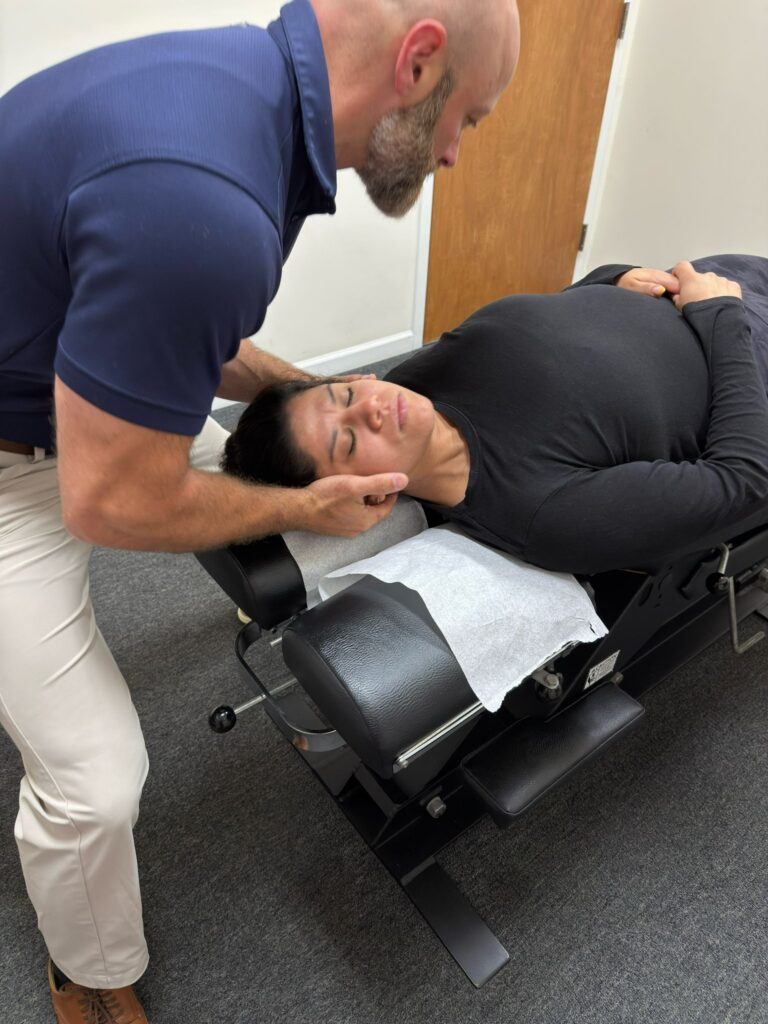
If you suffer from migraines, you understand how crippling they can be. While many treatments focus on medication, chiropractic care offers a natural and effective approach to managing pain. By addressing misalignments in the spine, chiropractic adjustments can help reduce the frequency and intensity of migraines, supporting your overall well-being without the side effects associated with pharmaceuticals.
In addition to chiropractic care, techniques like acupuncture and herbal remedies can complement your healing journey. However, chiropractic care should be your first line of defense, as it targets the root of many issues that can trigger migraines, such as tension in the neck and upper back.
Incorporating mindfulness practices, such as deep breathing, meditation, or gentle yoga, can also be beneficial. These practices not only promote relaxation but can empower you to manage your pain more effectively.
Here are a few general tips to help you on your journey to migraine relief:
- Stay Hydrated: Dehydration can trigger migraines, so be sure to drink plenty of water throughout the day.
- Maintain a Consistent Sleep Schedule: Irregular sleep patterns can lead to migraines. Aim for 7-9 hours of quality sleep each night.
- Keep a Food Diary: Identify any food triggers by tracking what you eat and how it affects your migraines. This can help you avoid certain foods that may contribute to your pain.
- Practice Good Posture: Poor posture can lead to tension in your neck and back, which can trigger migraines. Be mindful of your posture, especially if you sit for long periods.
- Regular Chiropractic Visits: Consistent chiropractic care can help maintain spinal health and prevent migraines from occurring.
By embracing chiropractic care and these simple lifestyle adjustments, you can take control of your health and find relief from migraines naturally. Remember, you don’t have to suffer in silence—start your journey toward optimal health today!
Key Takeaways
As a local chiropractor dedicated to your health and wellness, I want to share how chiropractic care can be a powerful ally in managing migraines. Regular spinal adjustments can optimize your spinal health, which may help reduce the frequency and intensity of migraine attacks. By ensuring that your spine is aligned, we can enhance your nervous system function, ultimately contributing to your overall well-being.
Incorporating herbal remedies like feverfew and butterbur alongside your chiropractic treatments may also provide additional relief. These natural options can help lessen migraine severity when used in conjunction with the adjustments you receive in our office.
Mindfulness and meditation are great practices to consider as well. These techniques can help lower stress levels, which is essential since stress is a common trigger for migraines. Taking a few moments each day to practice relaxation can be a simple yet effective way to support your body and mind in managing pain.
Don’t forget about nutrition! Incorporating foods rich in magnesium and omega-3 fatty acids into your diet can play a crucial role in preventing migraines. These nutrients help reduce inflammation and promote the relaxation of blood vessels, which can be beneficial for migraine sufferers.
Finally, biofeedback techniques can empower you to take control of your pain and stress responses. By learning how to recognize and manage these responses, you can complement your chiropractic care and work towards effective migraine relief.
Remember, chiropractic care is a natural, holistic approach to achieving optimal health and wellness. By focusing on your spine and overall lifestyle, you can take significant steps toward reducing your migraine occurrences and enhancing your quality of life. If you’re struggling with migraines, consider scheduling an appointment to discuss how we can work together towards a pain-free future!
Understanding Migraines: Causes and Symptoms
Understanding Migraines: Natural Relief through Chiropractic Care
Migraines can be a real challenge, affecting your daily life and well-being. It’s important to recognize their causes and symptoms to find effective ways to manage them naturally. If you’ve ever experienced a pulsating or throbbing pain, often on one side of your head, you know how debilitating this discomfort can be. It can last from hours to days, making it tough to concentrate on your daily activities. You might also feel nausea, experience vomiting, or become sensitive to light and sound.
Identifying what triggers your migraines is essential. Common culprits include stress, certain foods, hormonal fluctuations, and lack of sleep. Keeping a headache diary is a practical tool that can help you notice patterns and identify your unique triggers. Additionally, some people experience aura symptoms before the headache strikes, like visual disturbances or tingling sensations.
Chiropractic care can play a significant role in managing migraines. By focusing on spinal health, chiropractors can help ensure that your nervous system functions optimally, which may reduce the frequency and severity of your migraines. Regular chiropractic adjustments can relieve tension in your neck and spine, which is often linked to headache pain.
Here are some general tips for managing migraines naturally:
- Stay Hydrated: Dehydration can trigger migraines, so make sure to drink plenty of water throughout the day.
- Maintain a Consistent Sleep Schedule: Getting enough restful sleep is crucial. Try to go to bed and wake up at the same time each day.
- Practice Stress Management Techniques: Incorporate relaxation techniques like deep breathing, meditation, or yoga into your routine to help manage stress levels.
- Monitor Your Diet: Certain foods may trigger your migraines. Pay attention to what you eat and how it affects you.
- Consider Regular Chiropractic Visits: Regular adjustments can help maintain spinal alignment, which supports overall health and wellness.
Understanding these signs and taking proactive steps, including seeking chiropractic care, can empower you to manage your migraines naturally and improve your quality of life.
Acupuncture: A Holistic Approach to Pain Relief
When it comes to finding relief from migraines, chiropractic care offers a holistic approach that addresses not just the pain but also the underlying issues in your body.
By focusing on spinal alignment and overall wellness, chiropractic adjustments can help restore balance, improve nerve function, and promote natural healing. Many patients discover that chiropractic care not only alleviates migraine pain but also enhances their overall health and well-being.
Here are three benefits of chiropractic care for migraine relief:
- Pain Reduction: Chiropractic adjustments can help relieve tension in the spine and surrounding muscles, reducing pain and discomfort.
- Stress Relief: Regular chiropractic visits can help alleviate stress and tension in the body, a common trigger for migraines. Techniques such as spinal manipulation promote relaxation and peace of mind.
- Improved Sleep: Many patients notice better sleep quality after chiropractic treatments. Quality sleep is crucial for overall health and can be particularly important in preventing migraines.
In addition to chiropractic care, here are some general tips for managing migraines:
- Stay Hydrated: Drink plenty of water throughout the day to prevent dehydration, which can trigger migraines.
- Maintain a Regular Sleep Schedule: Aim for a consistent sleep routine to help regulate your body’s internal clock.
- Practice Stress-Reduction Techniques: Consider activities like yoga, meditation, or deep breathing exercises to help manage stress levels.
Choosing chiropractic care as your primary method for pain relief can lead to a healthier, more balanced life.
Remember to consult with your chiropractor about your specific needs and how they can help you achieve optimal health.
Herbal Remedies: Nature’s Solutions for Migraines
If you’re seeking natural ways to relieve your migraines, consider incorporating chiropractic care into your wellness routine. Chiropractic adjustments can help alleviate tension in your spine and neck, which may be contributing to your headaches. Alongside this, you might also explore herbal remedies as complementary solutions.
In this article, we’ll discuss some effective herbal ingredients that can support your journey to finding relief, how to prepare them, and important dosage and safety considerations. Remember, while herbal remedies can be beneficial, they work best when combined with the holistic approach of chiropractic care.
Chiropractic care focuses on the alignment of your spine and overall nervous system function, which plays a crucial role in your body’s health. Maintaining proper spinal alignment can reduce stress and tension, potentially leading to fewer migraines.
Here are some general tips for managing migraines naturally:
- Stay Hydrated: Dehydration can trigger migraines, so drink plenty of water throughout the day.
- Practice Relaxation Techniques: Stress is a common migraine trigger, so consider incorporating yoga or meditation into your routine.
- Maintain a Consistent Sleep Schedule: Aim for regular sleep patterns to help regulate your body’s rhythms.
- Consider Nutritional Support: Some find relief with magnesium-rich foods or those high in omega-3 fatty acids, which can reduce inflammation.
By integrating chiropractic care with these natural approaches, you can take significant steps toward achieving optimal health and reducing the frequency and intensity of your migraines.
Always consult with your chiropractor to tailor a wellness plan that best suits your individual needs.
Effective Herbal Ingredients
Many individuals experience migraines, and while there are various approaches to managing pain, chiropractic care stands out as a holistic solution that addresses the root causes of discomfort.
In addition to regular chiropractic adjustments, some people find that certain herbal ingredients can complement their wellness journey without the side effects often linked to medications. Here are three herbal ingredients you might find helpful alongside chiropractic care:
- Feverfew: This herb has a long history of use for reducing the frequency and intensity of migraines. It may be beneficial to discuss with your chiropractor how incorporating feverfew can support your overall treatment plan.
- Butterbur: Known for its anti-inflammatory properties, butterbur is thought to help prevent migraines when taken consistently. Your chiropractor can guide you on the best ways to integrate this herb into your wellness routine.
- Peppermint: Applying peppermint oil topically can provide soothing relief, especially when massaged into the temples. Combining this with chiropractic adjustments may enhance your relaxation and pain relief.
Incorporating these herbal ingredients into your health routine could further enhance your journey toward migraine relief.
Remember, chiropractic care focuses on promoting a healthy spine and nervous system, which can significantly impact overall wellness. Always consult with your chiropractor before adding new treatments to ensure they align with your individual health needs.
For optimal health and pain relief, consider regular chiropractic visits, maintaining good posture, staying hydrated, and managing stress through relaxation techniques.
Embracing a holistic approach will empower you on your path to better health!
Preparation Methods Explained
Understanding how to prepare herbal remedies can complement your journey towards natural healing and wellness, especially for managing migraines. While chiropractic care is an excellent choice for addressing pain and promoting overall health, incorporating herbal remedies can enhance your self-care routine. Start by choosing high-quality herbs like feverfew, peppermint, or ginger, which are known for their soothing properties.
A simple way to enjoy the benefits of these herbs is to make a tea. Just steep a teaspoon of dried herbs in hot water for about 10 minutes. This warm, aromatic infusion can help ease tension and promote relaxation.
If you’re looking for a more concentrated option, consider making a tincture. Soak your chosen herbs in alcohol for several weeks, shaking the mixture daily. Afterward, strain the herbs out, and you’ll have a potent remedy ready for use.
For those who prefer topical applications, infusing oils with calming herbs like chamomile or lavender can be quite effective. Simply apply the infused oil directly to your temples for soothing relief.
Remember, it’s important to store your prepared remedies in dark, cool places to keep them potent and effective.
While herbal remedies can be beneficial, always prioritize chiropractic care as a foundational approach to pain relief and wellness. A chiropractor can help identify and address the root causes of your migraines, providing adjustments that promote spinal health and overall wellbeing.
Dosage and Safety Tips
While herbal remedies can be a helpful part of managing migraines, it’s essential to approach them with care to ensure you’re maximizing their benefits safely. Here are three important tips to consider when exploring natural options for relief:
- Consult a Professional: Before trying any herbal treatment, it’s wise to have a conversation with your chiropractor or healthcare provider. They can guide you on safe options that complement your chiropractic care and ensure they don’t interfere with any other wellness strategies you’re using.
- Start Low and Go Slow: If you decide to incorporate herbal remedies, begin with a small amount to see how your body reacts. This gradual approach allows you to gauge your tolerance and helps prevent any unwanted side effects, making it easier to find the right fit for your wellness routine.
- Monitor Effects: Pay attention to how your body responds to the herbal remedy. Keep a simple journal of your migraine patterns and any effects you notice. If something doesn’t feel right or if side effects arise, it’s okay to adjust your approach or consult your chiropractor for guidance.
Remember, chiropractic care is a holistic approach that can significantly aid in managing pain and promoting overall wellness.
Combining spinal adjustments with natural remedies can provide a well-rounded strategy for achieving optimal health and relief from migraines.
Always prioritize open communication with your healthcare providers to ensure that you’re making the best choices for your well-being.
The Role of Diet in Managing Migraines
When it comes to managing migraines, your diet can play a crucial role in finding relief. As a chiropractor, I believe in the power of a holistic approach to health, which includes paying attention to what you eat. Start by being mindful of common trigger foods that might contribute to your migraine symptoms. Staying hydrated is also essential, as dehydration can often lead to headaches.
Additionally, focusing on nutrient-rich foods can support your overall health and potentially lessen the frequency and intensity of migraines. Consider incorporating plenty of fruits, vegetables, whole grains, and healthy fats into your meals. These foods can provide your body with the vitamins and minerals it needs to function at its best.
Remember, chiropractic care is also a fantastic way to promote natural healing and wellness. By keeping your spine aligned and your nervous system functioning optimally, you can enhance your body’s ability to cope with pain and stress, which can be beneficial for those prone to migraines.
Here are some simple tips to help you manage your diet and migraines:
- Keep a food diary to identify potential trigger foods.
- Drink plenty of water throughout the day.
- Eat regular, balanced meals to maintain stable blood sugar levels.
- Consider adding magnesium-rich foods like nuts and leafy greens to your diet, as magnesium can help with migraine prevention.
By making these dietary adjustments and seeking chiropractic care, you can work towards achieving optimal health and reducing migraine symptoms naturally.
Trigger Foods to Avoid
As a local chiropractor dedicated to your health and wellness, I want to share some important information about foods that can trigger migraines. Understanding these triggers can empower you to make better choices for your well-being. Keeping a food diary is a great way to identify your personal triggers; however, here are three common ones to be mindful of:
- Aged cheeses – These cheeses often contain tyramine, a compound that can lead to headaches. If you enjoy cheese, consider opting for fresher varieties that may be less likely to trigger discomfort.
- Processed meats – Many processed meats contain nitrates, which have been known to trigger migraines. Choosing fresh, unprocessed meats can be a healthier option that may help reduce headache occurrences.
- Alcohol – Particularly red wine, alcohol can cause blood vessels to dilate, potentially leading to headaches. If you enjoy a drink now and then, moderation is key, and you might want to explore alternatives that are less likely to provoke discomfort.
In addition to being mindful of these foods, incorporating regular chiropractic care into your routine can be an excellent way to support your overall health and manage pain naturally. Chiropractic adjustments can help improve spinal alignment, reduce tension, and promote better blood flow, which may contribute to fewer headaches and a greater sense of well-being.
Remember, your health is in your hands, and making informed dietary choices along with regular chiropractic care can lead to a happier, healthier life.
If you’re struggling with migraines or any other discomfort, don’t hesitate to reach out to your local chiropractor for guidance and support on your journey to optimal health!
Hydration and Migraine Relief
Staying hydrated is crucial for managing migraines and overall wellness. Even mild dehydration can trigger or worsen headaches, so it’s important to drink plenty of water throughout the day. A good target is to consume at least eight 8-ounce glasses of water daily, but you might need even more if you’re active or spending time in warm weather.
Listen to your body—if you feel thirsty, that’s a clear sign you need to hydrate.
In addition to water, incorporating electrolyte-rich drinks can be beneficial, especially after exercise or during hot days. Keeping track of your water intake can help you stay mindful, and carrying a refillable water bottle can make it easier to sip throughout the day.
By prioritizing hydration, you not only help prevent migraines but also support your overall health, which aligns perfectly with the principles of chiropractic care.
Remember, proper hydration is just one piece of the puzzle in your journey to relief. For optimal health, consider how chiropractic adjustments can enhance your body’s natural functions and help alleviate pain, including migraines.
Every step you take in caring for your body counts towards a healthier, pain-free life!
Nutrient-Rich Foods Benefits
While it may not be the first thing you think of, the foods you consume play a significant role in managing migraines. By choosing nutrient-rich foods, you can’t only support your overall brain health but also help reduce the frequency and intensity of those pesky headaches. This is where chiropractic care comes in; alongside a healthy diet, it can be a powerful ally in your journey towards optimal wellness.
Here are three essential nutrients to consider incorporating into your meals:
- Magnesium: This mineral is vital for relaxation and can be found in leafy greens and nuts. It helps relax blood vessels, which may ease migraine symptoms. As a chiropractor, I often emphasize the importance of a balanced diet to support spinal health and overall well-being.
- Omega-3 Fatty Acids: Found in fatty fish like salmon, these healthy fats are known for their anti-inflammatory properties. Reducing inflammation can help alleviate pain, making omega-3s a great addition to your diet as you seek natural ways to manage discomfort.
- Riboflavin (Vitamin B2): You can find riboflavin in dairy products and eggs. This vitamin has shown potential in lowering the frequency of migraines. By ensuring you’re getting enough riboflavin, you can take a proactive approach to your health and wellness.
In addition to incorporating these nutrients into your diet, remember that chiropractic care is a holistic approach to pain relief and overall health. Regular chiropractic adjustments can help improve spinal alignment, enhance nerve function, and promote better circulation—all of which can contribute to reducing migraine triggers.
Here are a few general tips to support your health and well-being:
- Stay hydrated: Drinking plenty of water can help prevent dehydration, a common trigger for migraines.
- Maintain a consistent eating schedule: Eating regular meals can help stabilize blood sugar levels, reducing the likelihood of headaches.
- Practice relaxation techniques: Stress is a known trigger for migraines, so consider incorporating deep breathing, yoga, or meditation into your routine.
Mindfulness and Meditation: Reducing Stress and Pain
When you engage in mindfulness and meditation, you can significantly ease the stress and pain associated with migraines, complementing the benefits of chiropractic care. These practices promote a state of relaxation and awareness, enabling you to manage your symptoms more effectively. By concentrating on your breathing and staying present, you create mental space that helps alleviate tension in your body.
Here’s a quick overview of the benefits of incorporating mindfulness and meditation into your wellness routine:
| Benefits | Description |
|---|---|
| Stress Reduction | Lowers cortisol levels, which helps ease muscular tension and supports spinal health. |
| Pain Management | Helps shift your focus away from pain sensations, allowing your body to relax and heal naturally. |
| Improved Sleep | Encourages restful sleep, which is essential for recovery and overall health. |
| Enhanced Focus | Boosts concentration, making it easier to stay engaged in your daily activities. |
| Emotional Balance | Aids in regulating mood and reducing anxiety, leading to a healthier state of mind. |
Incorporating these mindfulness practices alongside your chiropractic care can lead to significant improvements in your overall well-being. Start with just a few minutes a day—perhaps after your chiropractic adjustments—and gradually increase your practice to reap maximum benefits. Remember, a balanced approach to wellness that includes spinal health and stress management can help you achieve optimal health naturally.
Essential Oils: Aromatherapy for Migraine Relief
Building on the relaxation techniques from mindfulness and meditation, aromatherapy with essential oils can complement your wellness routine, especially when managing migraine symptoms.
While chiropractic care is the most effective way to address the underlying causes of pain and promote overall health, essential oils can provide additional relief by stimulating your senses and fostering relaxation.
Here are three oils to consider:
- Peppermint Oil: This oil has a cooling effect that can help alleviate headaches when gently applied to your temples. Its invigorating aroma can also uplift your mood.
- Lavender Oil: Renowned for its calming properties, inhaling lavender can help reduce anxiety and stress, which are common migraine triggers. Creating a peaceful environment with lavender can enhance your relaxation practices.
- Eucalyptus Oil: If sinus issues contribute to your migraines, eucalyptus oil may help clear congestion, making it easier to breathe and reducing pain.
To incorporate these oils into your routine, you can diffuse them in your living space, inhale them directly, or mix them with a carrier oil for topical application.
However, remember that while essential oils can provide temporary relief, regular chiropractic adjustments address the root causes of tension and discomfort.
For a holistic approach to migraine management, consider combining these essential oils with chiropractic care.
By working with a chiropractor, you can develop a personalized plan that promotes spinal health, reduces pain, and enhances your overall well-being.
Always listen to your body, and find what works best for you in your journey toward optimal health.
Chiropractic Care: Aligning the Body for Better Health
Chiropractic care is a fantastic way to boost your overall health by focusing on the alignment of your spine and its significant effects on your entire body. When your spine is aligned properly, it can enhance nerve function and increase blood flow, which may help reduce the frequency and intensity of migraines.
During your chiropractic visits, I’ll carefully assess your spine to identify any misalignments. With gentle adjustments, I’ll work to correct these issues, relieving tension and improving the function of your nervous system. Many of my patients have reported fewer headaches and less discomfort after incorporating regular chiropractic sessions into their routines.
In addition to spinal adjustments, I often recommend simple lifestyle changes, such as specific exercises and stretches, to support your treatment. These can help reinforce the benefits of chiropractic care and contribute to your overall wellness. By making chiropractic care a regular part of your health routine, you’re not just looking for relief from migraines; you’re making a valuable investment in your long-term health and well-being.
Here are a few tips you can easily incorporate into your daily life to support your health:
- Stay Hydrated: Drinking plenty of water helps keep your body functioning optimally and can aid in reducing headaches.
- Practice Good Posture: Be mindful of your posture while sitting and standing. Keeping your spine aligned can prevent unnecessary strain.
- Incorporate Stretching: Simple stretches throughout the day can relieve tension and improve flexibility.
- Manage Stress: Consider relaxation techniques such as deep breathing or meditation to help reduce stress levels, which can contribute to headaches.
Biofeedback: Gaining Control Over Your Pain
Biofeedback can be a transformative tool in managing your migraines, especially when combined with chiropractic care. As a chiropractor, I believe in the power of understanding your body’s responses to stress and pain. By utilizing biofeedback techniques, you can learn to recognize and control physical reactions that may trigger migraines, allowing you to take an active role in your wellness journey.
Chiropractic care focuses on the spine and nervous system, which play a crucial role in how your body manages pain. By maintaining proper spinal alignment and reducing tension, chiropractic adjustments can enhance your body’s natural ability to heal and may complement the benefits of biofeedback.
Here are some general tips to help you manage migraines naturally:
- Practice Relaxation Techniques: Incorporate deep breathing, meditation, or gentle yoga into your daily routine to help reduce stress and tension.
- Stay Hydrated: Dehydration can trigger migraines, so make sure you’re drinking plenty of water throughout the day.
- Maintain a Healthy Diet: Eating balanced meals and avoiding known migraine triggers, such as processed foods and excessive caffeine, can support your overall well-being.
- Regular Chiropractic Visits: Consistent chiropractic care can help keep your spine aligned, which may reduce the frequency and intensity of migraines.
- Sleep Hygiene: Establish a regular sleep schedule and create a calming bedtime routine to improve your sleep quality, as poor sleep can contribute to migraine episodes.
By integrating biofeedback with chiropractic care, you can empower yourself to manage your migraines more effectively and enhance your overall health.
Understanding Biofeedback Techniques
Migraines can be incredibly debilitating, but there’s hope in natural methods like chiropractic care and biofeedback techniques. These approaches can help you regain control over your body and manage your pain without relying on medications or surgeries. By combining chiropractic adjustments with biofeedback, you can tap into your body’s natural ability to heal and find relief.
Here are three essential components of biofeedback that can enhance your wellness journey:
- Monitoring: By using sensors, you can keep an eye on vital signs like heart rate, muscle tension, and skin temperature. This real-time feedback helps you understand how your body reacts to stressors and can inform your chiropractic treatment.
- Awareness: Gaining awareness of how your body responds to different situations is crucial. Identifying triggers that lead to migraines can empower you to make healthier choices and work with your chiropractor to address the underlying issues.
- Relaxation Techniques: Incorporating practices such as deep breathing, meditation, or visualization can significantly reduce stress and tension. These relaxation techniques can complement your chiropractic care, helping to alleviate migraine symptoms and promote overall wellness.
By embracing these natural approaches, you can create a comprehensive strategy for managing migraines. Chiropractic care focuses on aligning your spine and improving your nervous system function, which can enhance your body’s ability to cope with pain.
With dedication to both chiropractic adjustments and biofeedback, you can find a holistic path to health and relief from migraines. Remember, you’re not alone in this journey—your chiropractor is here to support you every step of the way!
Benefits for Migraine Sufferers
As you seek relief from migraines, consider exploring the benefits of chiropractic care alongside alternative treatments like biofeedback. Chiropractic adjustments can play a crucial role in managing migraine pain by addressing spinal misalignments that may contribute to your discomfort. By promoting proper spinal alignment, chiropractic care helps to improve nervous system function, which can lead to a reduction in the frequency and intensity of migraine episodes.
Here’s a quick overview of the benefits of chiropractic care for migraine sufferers:
| Benefit | Description | Impact |
|---|---|---|
| Pain Management | Alleviates migraine pain through spinal adjustments | Improved quality of life |
| Stress Reduction | Helps to relieve tension and stress in the body | Fewer migraine episodes |
| Increased Awareness | Provides insights into how spinal health affects overall wellness | Better prevention strategies |
| Empowerment | Encourages self-care and proactive health management | Enhanced self-efficacy |
| Non-invasive | A safe, natural approach to pain relief | Minimal side effects |
Incorporating chiropractic care into your routine can empower you to take charge of your health. Here are some general tips to help manage your migraines:
- Stay Hydrated: Drink plenty of water throughout the day to help prevent dehydration, which can trigger migraines.
- Maintain Good Posture: Pay attention to your posture, especially if you spend long hours at a desk. Proper spinal alignment can reduce tension and discomfort.
- Identify Triggers: Keep a migraine diary to track potential triggers such as certain foods, stress, or environmental factors. This awareness can help you avoid them in the future.
- Practice Relaxation Techniques: Incorporate stress-relief practices such as deep breathing, yoga, or meditation into your daily routine to help manage stress levels.
Integrating With Other Treatments
When you integrate chiropractic care with biofeedback, you can take significant strides in managing your migraine pain naturally. Chiropractic adjustments focus on aligning your spine, which can alleviate tension that often triggers headaches.
Meanwhile, biofeedback teaches you to recognize how your body responds to stress, giving you the tools to manage your pain more effectively.
Here are three key benefits of combining these treatments:
- Enhanced Awareness: You’ll develop the ability to spot the early signs of a migraine, allowing you to take proactive steps before the pain escalates. This could mean adjusting your posture or using breathing techniques to help calm your body.
- Relaxation Techniques: Biofeedback equips you with strategies to help relax your muscles and mind. By learning how to trigger your body’s relaxation response, you can potentially lower the intensity of your migraines.
- Holistic Approach: This combination addresses both the physical and emotional elements of migraines. By focusing on the whole person, you’re promoting overall well-being and not just treating the symptoms.
By incorporating biofeedback with your chiropractic care, you empower yourself to manage your migraines more effectively and naturally.
Remember, making small adjustments to your daily routine, such as practicing deep breathing or maintaining good posture, can lead to healthier living and less pain.
Embrace chiropractic care as a vital part of your journey toward optimal health and wellness!
Physical Therapy: Strengthening for Prevention
Chiropractic care can play a vital role in preventing migraines by focusing on the alignment and mobility of your spine, which directly affects the muscles that support your neck and head. By maintaining a healthy spine, you can improve your posture and reduce tension in these key areas.
Regular visits to a chiropractor can help you develop a personalized plan that includes specific stretches and exercises designed to strengthen your neck and shoulder muscles. When you strengthen these muscles, you can alleviate the strain that often contributes to migraine onset.
Incorporating spinal adjustments and targeted exercises into your routine helps build resilience over time. You’ll also enhance your body awareness, which can prevent the postural habits that may trigger migraines.
In addition to spinal adjustments, chiropractic care offers valuable techniques to manage stress and reduce muscle tightness. As your strength and alignment improve, you may notice a decrease in the frequency and intensity of your migraines, allowing you to enjoy a more active, pain-free life.
To further support your wellness journey, consider these general tips: maintain good posture throughout your day, stay hydrated, and practice relaxation techniques like deep breathing or meditation.
These small changes, combined with regular chiropractic care, can lead to significant improvements in your overall health and help you manage migraine symptoms more effectively.
Lifestyle Changes: Building Resilience Against Migraines
Chiropractic care serves as a strong foundation for managing migraines, but making certain lifestyle adjustments can significantly enhance your resilience against these painful episodes.
By consciously modifying your daily habits, you can help lower both the frequency and intensity of migraine attacks.
Here are three simple lifestyle changes you can easily incorporate into your routine:
- Stay Hydrated: Dehydration is a frequent trigger for migraines. Make it a habit to drink at least eight glasses of water each day. Keeping your body well-hydrated can support overall health, including spinal health.
- Establish a Consistent Sleep Schedule: Irregular sleep patterns can exacerbate migraine issues. Aim to go to bed and wake up at the same time every day. This consistency can help regulate your body’s internal clock and promote better sleep quality, which is crucial for your overall well-being.
- Manage Stress Effectively: Stress is a significant trigger for migraines. Incorporating stress management techniques like meditation, yoga, or deep breathing exercises into your daily routine can make a big difference.
These methods not only help reduce stress but also support a healthier spine and nervous system.
By integrating these lifestyle changes alongside regular chiropractic care, you can enhance your body’s natural ability to fight off migraines and promote a healthier, pain-free life.
Conclusion
Incorporating chiropractic care into your migraine management plan can truly make a difference. As a local chiropractor, I believe that spinal health plays a crucial role in overall wellness. By focusing on proper alignment and addressing any underlying spinal issues, you may find significant relief from migraines.
Additionally, exploring herbal remedies and mindfulness practices can complement your chiropractic treatments and empower you to tackle migraines more effectively. It’s important to find what works best for you, and creating a holistic approach that fits your lifestyle is key.
Here are some general tips to consider:
- Regular Chiropractic Adjustments: Consistency is vital. Regular visits can help maintain proper spinal alignment, which may reduce the frequency and intensity of migraines.
- Stay Hydrated: Dehydration can trigger migraines. Make sure to drink plenty of water throughout the day.
- Mindfulness and Relaxation Techniques: Incorporating practices like deep breathing, yoga, or meditation can help manage stress, which is a common migraine trigger.
- Maintain a Healthy Diet: Eating a balanced diet rich in fruits, vegetables, and whole grains can support your overall health and may help in reducing migraine occurrences.
With the right strategies in place, you’ll be better equipped to reduce migraine frequency and enhance your overall quality of life. Remember, chiropractic care is a natural, effective option to consider for your journey to wellness. You’ve got this!