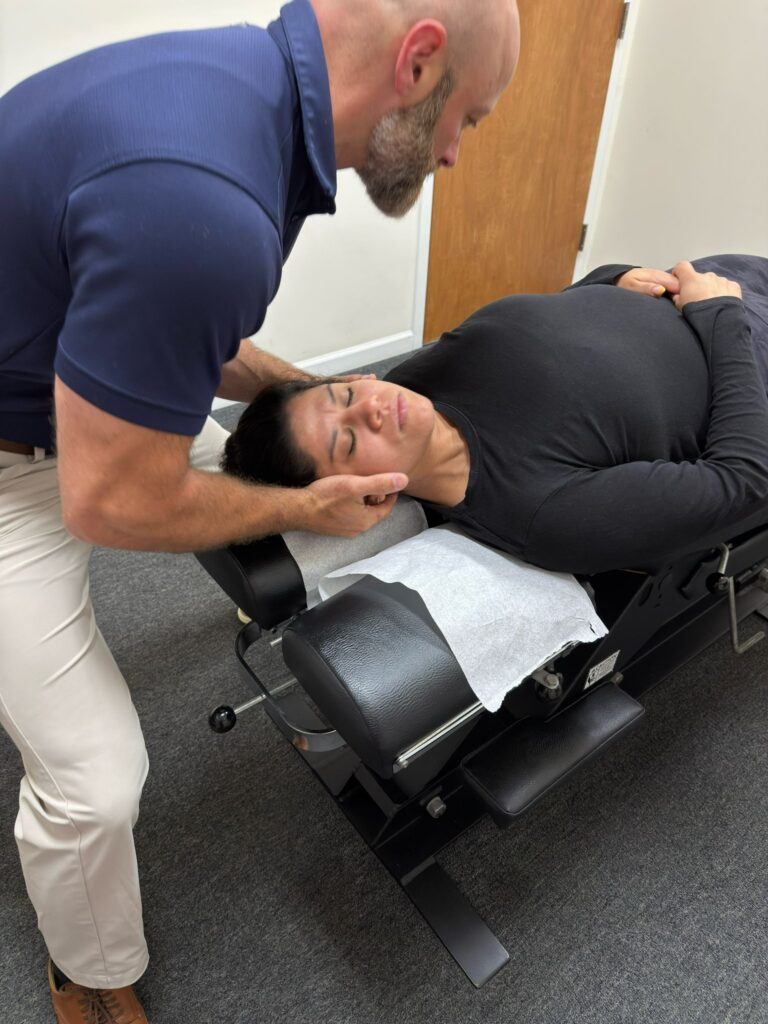

If you’ve ever faced the challenge of migraines, you understand how they can disrupt your daily life. Chiropractic care offers a unique and effective approach to managing this pain by focusing on spinal alignment and overall wellness. Instead of just covering up the symptoms, chiropractic care aims to address the underlying issues that may be contributing to your migraines.
Curious about the role of spinal adjustments in alleviating migraine pain? These adjustments can help restore proper alignment to your spine, which may lead to improved nerve function and reduced tension in your body. This natural, drug-free method can be a game-changer for many people suffering from migraines.
In addition to spinal adjustments, there are lifestyle changes you can make to enhance your treatment. Staying hydrated, practicing stress-reduction techniques like deep breathing or yoga, and maintaining good posture can all support the healing process. Regular exercise and a balanced diet rich in fruits, vegetables, and whole grains can also play a significant role in your overall wellness.
Let’s dive deeper into the top insights into chiropractic care for migraines and explore how you can take control of your health naturally. By choosing chiropractic care, you’re opting for a holistic path to wellness that emphasizes the body’s innate ability to heal itself. Remember, your journey to pain relief and optimal health starts with informed choices and a commitment to natural healing.
Key Takeaways
Chiropractic Care for Migraines: Top 10 Insights
- Chiropractic care is a natural approach that addresses the root causes of migraines by ensuring your spine is aligned and your nervous system is functioning at its best. This can lead to fewer and less intense migraine episodes.
- Regular spinal adjustments can relieve pressure on nerves, improve blood flow, and help ease the symptoms of migraines. By keeping your spine aligned, you’re setting the stage for your body to heal itself naturally.
- Each person is unique, which is why personalized chiropractic plans can be highly effective in managing migraines. These plans often include gentle techniques that relax tight muscles around the spine, helping to reduce tension.
- To enhance your wellness journey, consider complementary therapies like acupuncture and massage in conjunction with chiropractic care. These treatments can work together to boost your overall relief from migraines.
- It’s important to maintain open communication with your chiropractor. By sharing your experiences and symptoms, together you can create a collaborative plan that optimizes your care and helps you manage migraines effectively.
- Here are some general tips for managing migraines: stay hydrated, maintain a healthy diet, and practice stress-relief techniques like deep breathing or meditation. These lifestyle habits can complement your chiropractic care and help you feel your best.
- Remember, chiropractic care is about more than just treating pain; it’s about achieving optimal health and wellness. By choosing this natural path, you’re investing in your long-term health and vitality.
- Make sure to schedule regular check-ups with your chiropractor. Consistent care can help keep your spine aligned and your body functioning optimally, reducing the likelihood of migraine occurrences.
- Lastly, listen to your body. If you notice patterns in your migraines or triggers, discuss these with your chiropractor. This information can help tailor your treatment plan for even better results.
By prioritizing chiropractic care and adopting a healthier lifestyle, you can take significant steps toward reducing migraines and enhancing your overall well-being.
Understanding Migraines: What Happens in the Body
When you experience a migraine, your body undergoes a series of complex changes that can be overwhelming. It all starts in your brain, where nerve cells become overly active, sparking a chain reaction. This unusual electrical activity can lead to inflammation and the release of neurotransmitters like serotonin and dopamine, which can affect blood vessels and cause them to expand. This process often results in intense pain, along with sensitivity to light and sound.
During a migraine, your body also releases stress hormones that can increase your discomfort. You may notice that your digestive system is affected too, leading to symptoms like nausea or vomiting, which can make the experience even more challenging. Common triggers for migraines include hormonal changes, certain foods, and environmental factors, all of which can worsen these reactions.
Understanding what happens during a migraine can empower you to manage them more effectively. One of the best ways to support your body is through chiropractic care, which focuses on spinal health and nervous system function. Regular chiropractic adjustments can help maintain proper alignment, reduce tension, and promote overall wellness, all of which may contribute to fewer migraine occurrences.
In addition to chiropractic care, here are some general tips for managing migraines naturally:
- Keep a headache diary to identify and track your triggers.
- Stay hydrated and maintain a balanced diet rich in whole foods.
- Practice relaxation techniques, such as deep breathing or meditation, to help reduce stress.
- Ensure you get regular sleep and establish a consistent sleep schedule.
- Incorporate gentle exercises like yoga or walking into your routine to promote overall health and well-being.
The Role of Chiropractic Care in Pain Management
Chiropractic care is a powerful ally in pain management, as it addresses the root causes of discomfort instead of just covering up the symptoms. Many individuals struggle with chronic pain, and traditional treatments often provide only temporary relief. Through chiropractic treatment, you’re encouraged to investigate the underlying factors contributing to your pain, such as misalignments in the spine or muscle tension.
When you choose chiropractic care, you’re not just looking for pain relief; you’re also enhancing your overall wellness. By improving your spine’s alignment and boosting your nervous system’s function, chiropractic care helps your body heal itself more effectively. This means that many patients notice improvements in their general health and well-being, not just a decrease in pain.
One of the best aspects of chiropractic care is the personalized approach. Your chiropractor will create a tailored treatment plan that may include lifestyle changes, specific exercises, and ergonomic tips that suit your unique needs. This holistic method empowers you to take charge of your pain management, encouraging a healthier and more active lifestyle without the need for medications or invasive procedures.
Here are some general tips to help you manage pain and promote overall wellness:
- Stay Active: Gentle exercises, like walking or stretching, can keep your muscles and joints flexible.
- Maintain Good Posture: Pay attention to how you sit, stand, and move throughout the day to avoid unnecessary strain on your body.
- Incorporate Ergonomics: Adjust your workspace to ensure that it supports your body’s natural posture, reducing the risk of pain.
- Stay Hydrated: Drinking plenty of water can help lubricate your joints and keep your muscles functioning optimally.
- Listen to Your Body: If something feels off or painful, don’t ignore it. Seeking chiropractic care early can prevent larger issues down the road.
How Spinal Adjustments Can Relieve Migraine Symptoms
Spinal adjustments play a crucial role in enhancing your spinal alignment, which can significantly help in alleviating migraine symptoms. By improving the function of your nervous system, these adjustments can effectively reduce tension and pain, leading to a more comfortable life.
When your spine is properly aligned, it allows for better communication between your brain and body, which can help manage the triggers that lead to migraines. By receiving regular chiropractic care, you not only address existing issues but also work towards preventing future discomfort.
To maximize the benefits of spinal adjustments, consider incorporating the following tips into your daily routine:
- Stay Hydrated: Drinking plenty of water can help prevent dehydration, a common migraine trigger.
- Practice Good Posture: Being mindful of your posture, especially when sitting for long periods, can reduce strain on your spine and neck.
- Engage in Regular Physical Activity: Gentle exercises like walking or stretching can promote spinal health and reduce tension in your muscles.
- Manage Stress: Incorporate relaxation techniques such as deep breathing, yoga, or meditation to help alleviate stress, which is often a migraine trigger.
- Get Enough Sleep: Aim for a consistent sleep schedule to ensure your body gets the rest it needs to function optimally.
By embracing chiropractic care and these lifestyle tips, you can take proactive steps towards achieving optimal health and reducing migraine symptoms naturally.
Spinal Alignment Benefits
Understanding how spinal adjustments can help alleviate migraine symptoms is essential for anyone seeking relief. When your spine is out of alignment, it can place unnecessary pressure on nerves and muscles, often resulting in tension headaches and migraines. By receiving spinal adjustments through chiropractic care, you’re taking an important step towards restoring proper alignment. This can relieve pressure, improve blood flow to the brain, and enhance your overall well-being.
Good circulation is vital for reducing the frequency and intensity of migraines, and chiropractic adjustments can help facilitate this. Additionally, these adjustments can ease muscle tension and promote relaxation, which are crucial for combating the discomfort that often accompanies migraines.
Regular chiropractic care not only addresses immediate concerns but also supports long-term spinal health, making it a proactive choice for managing migraines effectively.
Here are some simple tips to help support your spinal health and overall wellness:
- Stay Active: Engage in regular physical activity to strengthen your back and neck muscles.
- Practice Good Posture: Be mindful of your posture when sitting or standing to prevent unnecessary strain on your spine.
- Stay Hydrated: Drinking plenty of water can help maintain good circulation and overall health.
- Manage Stress: Incorporate relaxation techniques such as deep breathing, yoga, or meditation into your routine to help reduce tension.
You deserve to feel your best, and proper spinal alignment can be a crucial part of your journey to optimal health. By choosing chiropractic care, you’re investing in a natural and effective way to manage your migraines and enhance your overall wellness.
Nervous System Function
The nervous system is crucial in how our bodies handle pain, including the discomfort of migraines. When your spine is out of alignment, it can interfere with nerve function and amplify pain signals. This is where chiropractic care comes in. By performing gentle adjustments to realign your spine, we can help restore proper nervous system function.
When spinal misalignments are corrected, you may notice that your body responds more effectively to pain management, which can lead to fewer and less intense migraine episodes. Chiropractic adjustments enhance the communication between your brain and body, allowing for better regulation of pain and tension.
Incorporating regular chiropractic care into your wellness routine can significantly improve your overall well-being. Here are some general tips to help you manage migraines naturally:
- Stay Hydrated: Drink plenty of water throughout the day, as dehydration can trigger migraines.
- Maintain a Healthy Diet: Eating balanced meals rich in fruits, vegetables, whole grains, and lean proteins can support your overall health and help prevent migraines.
- Practice Stress Management: Techniques such as deep breathing, meditation, or yoga can reduce stress, which is a common migraine trigger.
- Get Regular Exercise: Engaging in regular physical activity can improve your overall health and may help reduce the frequency of migraines.
- Establish a Sleep Routine: Aim for consistent sleep patterns to ensure your body gets the rest it needs.
By prioritizing your spinal health through chiropractic care and adopting these healthy lifestyle habits, you can work towards managing and alleviating migraine symptoms effectively.
Tension Relief Techniques
Chiropractic adjustments are a powerful tool in addressing the root causes of tension that often lead to migraine symptoms. By realigning your spine, these adjustments can relieve pressure on your nerves and enhance blood flow, which may significantly reduce the frequency and intensity of your migraines. Many people experience immediate relief as the tension in their neck and shoulders eases.
In addition to spinal adjustments, chiropractors often use gentle soft tissue techniques to further alleviate muscle tightness. These methods help to relax the muscles surrounding your spine, contributing to your overall health and well-being.
To maintain this balance and prevent tension from reoccurring, regular chiropractic adjustments are key. If you’re experiencing migraines, consider scheduling a consultation with your chiropractor to create a personalized plan that focuses on effective tension relief techniques. This proactive approach can make a significant difference in managing your symptoms.
Here are some additional tips to help manage tension and enhance your wellness at home:
- Stay Hydrated: Drink plenty of water throughout the day to help keep your muscles hydrated and functioning well.
- Practice Good Posture: Be mindful of your posture, especially when sitting for long periods. Use ergonomic furniture if possible and take breaks to stretch.
- Incorporate Relaxation Techniques: Explore mindfulness, deep breathing exercises, or yoga to help reduce stress and muscle tension.
- Exercise Regularly: Engage in regular physical activity to keep your body strong and flexible, which can help prevent tension build-up.
The Connection Between Neck Pain and Migraines
When neck pain arises, it can often trigger debilitating migraines that can significantly impact your daily life. Understanding the connection between these two issues is essential for effective management. Both neck pain and migraines are linked through shared nerve pathways and muscle tension. When the muscles in your neck become tight, they can irritate nearby nerves, leading to migraine symptoms. By recognizing this link, you can take proactive steps to address both conditions.
Here’s a brief overview of common causes of neck pain and how chiropractic care can help:
| Cause of Neck Pain | Symptoms | Chiropractic Solutions |
|---|---|---|
| Poor posture | Stiffness and discomfort | Spinal adjustments to realign the spine and improve posture |
| Injuries | Radiating pain | Soft tissue therapy to relieve tension and promote healing |
| Stress | Tension headaches | Relaxation techniques to ease muscle tension and reduce stress |
| Sleep disturbances | Migraines | Customized exercise plans to improve sleep quality and reduce pain |
| Arthritis | Chronic pain | Lifestyle adjustments to enhance mobility and manage discomfort |
Chiropractic care is a natural and effective way to alleviate pain and promote overall wellness. Regular spinal adjustments can help realign your spine, improve nerve function, and reduce muscle tension, which can, in turn, lessen the frequency and intensity of migraines. Additionally, incorporating relaxation techniques and customized exercise plans into your routine can significantly enhance your quality of life.
Here are some tips to help you manage neck pain and reduce the risk of migraines:
- Maintain Good Posture: Be mindful of your posture, especially when sitting for long periods. Use ergonomic chairs and take breaks to stretch your neck and shoulders.
- Stay Hydrated: Dehydration can contribute to headaches. Ensure you’re drinking enough water throughout the day.
- Practice Stress Management: Engage in activities such as yoga or meditation to reduce stress and tension in your neck muscles.
- Prioritize Sleep: Create a restful sleeping environment and consider using a supportive pillow to maintain proper neck alignment while you sleep.
- Seek Chiropractic Care: Regular visits to a chiropractor can help keep your spine aligned, relieve tension, and improve your overall health.
Lifestyle Modifications That Complement Chiropractic Treatment
To maximize the benefits of chiropractic care for your migraines, it’s important to incorporate some simple lifestyle changes that can enhance your overall well-being.
Focusing on a balanced diet and staying well-hydrated are crucial steps that can support your body in its natural healing process. Additionally, managing stress through relaxation techniques and mindfulness can help reduce the frequency and intensity of your migraines.
Improving your sleep hygiene by establishing a regular sleep schedule and creating a peaceful sleep environment can also play a significant role in your health.
Remember, these modifications not only complement your chiropractic treatments but also empower you to take charge of your migraine triggers.
Nutrition and Hydration Balance
As a local chiropractor, I want to share some important insights on how nutrition and hydration can play a crucial role in managing migraines alongside chiropractic care. By focusing on whole foods, you can support your body in healing naturally.
Aim to fill your plate with a colorful variety of fruits and vegetables, whole grains, and lean proteins. These nutrient-dense foods aren’t only delicious but can also help reduce inflammation and promote overall wellness.
Hydration is equally important. Did you know that dehydration can trigger migraines? To stay ahead of potential triggers, aim to drink at least eight glasses of water a day. You might need more if you’re active or in a warm environment, so listen to your body and adjust accordingly.
Tracking what you eat and drink can be a handy tool to spot patterns that may be linked to your migraines.
By prioritizing proper nutrition and hydration, you’re not just enhancing your chiropractic treatments; you’re also empowering yourself to take control of your health.
Stress Management Techniques
Managing stress is a vital component for anyone seeking relief from migraine symptoms, particularly when combined with chiropractic care. Embracing stress management techniques in your daily life can lead to remarkable improvements in your wellbeing.
Start by incorporating deep breathing exercises or mindfulness meditation into your routine. These simple practices can help ground you and significantly reduce feelings of anxiety, making them great allies in your health journey.
Regular physical activity, such as walking or yoga, not only lowers stress levels but also enhances your overall health, complementing the benefits of chiropractic care.
Don’t underestimate the power of hobbies or spending time with friends. Engaging in activities you love can serve as a wonderful emotional outlet, allowing you to unwind and recharge.
It’s also important to set boundaries at work and home; protecting your time and energy can prevent feelings of being overwhelmed and help you maintain a balanced lifestyle.
By actively managing your stress, you’ll be enhancing the effectiveness of your chiropractic treatment. This holistic approach not only aims to alleviate pain but also promotes a healthier, more vibrant life.
Sleep Hygiene Practices
Quality sleep is crucial for managing migraines and maximizing the benefits of chiropractic care. By adopting good sleep hygiene practices, you can achieve the restorative rest your body needs, which is essential for reducing the frequency and intensity of migraines.
Here are some straightforward tips to enhance your sleep environment and habits:
- Stick to a Regular Sleep Schedule: Try to go to bed and wake up at the same time every day. This consistency helps regulate your body’s internal clock, making it easier to fall asleep and wake up refreshed.
- Establish a Calming Bedtime Routine: Engage in relaxing activities before bed, such as reading a book or practicing meditation. This helps signal to your body that it’s time to wind down and prepare for sleep.
- Limit Screen Time Before Sleep: Turn off electronic devices at least an hour before bedtime to minimize blue light exposure. Blue light can interfere with your natural sleep cycle, making it harder to fall asleep.
- Optimize Your Sleep Environment: Ensure your bedroom is conducive to sleep by keeping it cool, dark, and quiet. This can significantly improve the quality of your sleep, allowing your body to recover and heal.
- Mind Your Diet Before Bed: Avoid caffeine and heavy meals close to bedtime. These can disrupt your sleep, making it harder for your body to relax and rejuvenate.
By incorporating these simple practices into your nightly routine, you can create an optimal environment for sleep, enhancing not only your overall well-being but also the effectiveness of your chiropractic care.
Nutritional Considerations for Migraine Sufferers
Managing migraines can often feel overwhelming, but understanding the role of nutrition in your overall wellness is a vital step. As a chiropractor, I believe in a holistic approach to health, where diet, lifestyle, and spinal health all work together to promote optimal well-being.
Many people experience food triggers that can lead to headaches, so it’s important to pay attention to what you eat. Common triggers include aged cheeses, processed meats, and artificial sweeteners. Keeping a food diary can help you identify these triggers, allowing you to make informed choices that support your health.
Incorporating magnesium-rich foods—like spinach, nuts, and whole grains—may help reduce the frequency of migraines. Foods rich in omega-3 fatty acids, such as fatty fish and flaxseeds, can also provide anti-inflammatory benefits, which might ease your discomfort. Staying well-hydrated is crucial too; dehydration can often lead to headaches, so make sure you’re drinking plenty of water.
Regular meal times are essential; skipping meals can trigger migraines. Aim for a balanced diet filled with fruits, vegetables, lean proteins, and whole grains to nourish your body. By being mindful of your nutrition, you can take proactive steps toward minimizing migraine occurrences.
Additionally, don’t forget to consider how chiropractic care can play a role in your health journey. Adjustments can help improve your spinal alignment, which may alleviate tension and stress that contribute to migraines.
The Importance of Stress Management in Migraine Prevention
Stress can significantly increase the chances of experiencing migraines, which is why managing stress effectively is crucial for prevention. As a chiropractor, I believe that understanding your stress triggers and employing natural strategies to cope can greatly reduce the frequency of your migraines.
Here are some straightforward approaches to help you manage stress and promote overall wellness:
- Practice mindfulness: Simple techniques like meditation or deep-breathing exercises can help calm your mind and center your thoughts, making it easier to handle stress.
- Stay active: Regular physical activity is essential. Engaging in exercise not only releases endorphins, which are natural stress relievers, but it also promotes better spinal health.
- Maintain a routine: Establishing a consistent daily schedule brings stability to your life, which can help minimize anxiety and create a sense of control.
- Limit caffeine and alcohol: These substances can heighten stress levels and may trigger migraines. Opt for water or herbal teas instead to stay hydrated and support your body’s natural functions.
- Seek support: Connecting with friends, family, or support groups can provide a valuable outlet for sharing your experiences and feelings, reducing the burden of stress.
Incorporating these strategies into your daily routine not only helps manage stress but also supports your overall health and wellness.
By prioritizing stress management, you may experience fewer migraine episodes and enjoy a better quality of life.
Patient Testimonials: Success Stories With Chiropractic Care
Chiropractic care has become a beacon of hope for many patients seeking relief from migraines and enhancing their overall wellness. Take Sarah, for example. After suffering from debilitating migraines for years, she discovered chiropractic care and, after just a few sessions, experienced a remarkable reduction in the frequency and intensity of her headaches.
Sarah’s story is just one of many that illustrate the transformative power of chiropractic adjustments.
Another inspiring success is Mark, who faced challenges with medication side effects. By choosing chiropractic care, he found a natural alternative that empowered him to take charge of his health and well-being. This journey not only alleviated his migraines but also restored balance and relaxation to his life.
Many individuals report feeling more relaxed and centered after their chiropractic treatments. It’s important to understand that chiropractic care goes beyond just treating symptoms; it promotes overall wellness by addressing the root causes of discomfort.
With regular adjustments, patients often notice less dependency on pain medications, leading to a healthier, more vibrant lifestyle.
If you’re exploring options for migraine relief, consider incorporating these simple tips alongside chiropractic care:
- Stay Hydrated: Dehydration can trigger migraines, so make sure to drink plenty of water throughout the day.
- Maintain Good Posture: Poor posture can contribute to tension headaches. Be mindful of your posture while sitting, standing, or working at a desk.
- Incorporate Relaxation Techniques: Practices such as yoga, meditation, or deep breathing can help reduce stress, which is a common migraine trigger.
- Get Regular Exercise: Gentle activities like walking, swimming, or cycling can boost your overall health and help reduce the frequency of migraines.
Chiropractic care is a powerful tool for those seeking natural relief from migraines and a pathway to optimal health. By focusing on spinal alignment and overall wellness, you can take significant steps toward improving your quality of life.
Finding the Right Chiropractor for Your Needs
How do you find the right chiropractor to address your specific needs? It’s essential to consider what you hope to achieve with your care. A skilled chiropractor can play a crucial role in managing migraines and promoting overall wellness. Here are some straightforward tips to help you make an informed choice:
- Check Credentials: Make sure your chiropractor is licensed and has the necessary certifications. This ensures they’ve the proper training to help you.
- Specialization: Look for a chiropractor who specializes in treating migraines or headaches. Their experience in this area can provide you with targeted care that addresses your unique situation.
- Consult Reviews: Take the time to read testimonials from other patients. Their experiences can give you insight into the chiropractor’s effectiveness and patient satisfaction.
- Initial Consultation: Use the initial consultation as an opportunity to discuss your concerns. This meeting allows you to gauge their approach and see if it aligns with what you’re looking for.
- Treatment Approach: It’s important to ensure that their methods resonate with you. If you prefer a gentle, hands-on approach, make sure they offer techniques that are comfortable for you.
Choosing the right chiropractor can significantly enhance your ability to manage migraines and improve your overall health naturally.
Don’t hesitate to ask questions during your search, and trust your instincts!
Remember, chiropractic care focuses on restoring your body’s natural balance, leading to effective pain relief and a healthier lifestyle.
Embrace this journey towards wellness—you deserve it!
Integrating Chiropractic Care With Other Treatment Modalities
When considering chiropractic care for migraines, it’s essential to recognize how it can be the cornerstone of your wellness journey. Chiropractic adjustments focus on aligning the spine, which can significantly reduce the frequency and intensity of migraine attacks. By optimizing spinal health, you’re not just targeting the symptoms; you’re addressing the root cause of your discomfort.
While there are many therapies out there, chiropractic care stands out as a natural and effective option for pain relief and overall wellness. Many patients find that incorporating additional therapies, such as acupuncture or massage, can complement their chiropractic adjustments and enhance their relief. However, it’s important to remember that chiropractic care should be your primary focus for achieving optimal health.
Collaborating with your chiropractor can lead to a personalized approach tailored to your unique needs. Your chiropractor can guide you on lifestyle changes, proper posture, and exercises that support your spinal health, which can further alleviate migraine symptoms.
Here are some general tips to help manage migraines and promote overall well-being:
- Stay Hydrated: Dehydration can trigger migraines, so ensure you’re drinking plenty of water throughout the day.
- Maintain Good Posture: Poor posture can strain your neck and spine, leading to headaches. Be mindful of your posture, especially when sitting for long periods.
- Regular Chiropractic Visits: Consistent adjustments can keep your spine in alignment and help prevent future migraines.
- Practice Relaxation Techniques: Stress is a common migraine trigger. Techniques like deep breathing, yoga, or meditation can help reduce stress levels.
- Healthy Diet: Eating a balanced diet rich in whole foods can support your overall health and may help in reducing migraine occurrences.
Complementary Therapies Overview
Chiropractic care is a powerful approach to managing migraines, often providing significant relief by addressing spinal health and overall body alignment. However, combining chiropractic with other natural therapies can enhance your results and support a holistic approach to wellness.
Here are some complementary therapies that pair well with chiropractic care to help you tackle the root causes of your migraines:
- Acupuncture: This ancient technique may relieve tension and restore energy flow, complementing the adjustments you receive in chiropractic care.
- Massage Therapy: By targeting muscle tightness and tension, massage can help alleviate headache triggers and enhance your overall comfort.
- Physical Therapy: Engaging in strengthening and stretching exercises can improve your posture and reduce pain, providing a solid foundation for your chiropractic treatments.
- Nutritional Counseling: Understanding and identifying dietary triggers can be crucial in managing your migraines. A well-balanced diet supports your overall health and can help reduce the frequency of headaches.
- Stress Management Techniques: Practices like yoga and meditation not only promote relaxation but can also help mitigate stress-induced migraines, allowing your chiropractic care to be even more effective.
By exploring these complementary options alongside your chiropractic care, you can achieve a more comprehensive approach to managing your migraines.
Collaborative Care Strategies
Integrating chiropractic care with other natural healing practices can significantly enhance your overall health and well-being. As a chiropractor, I believe in the power of a comprehensive treatment plan that’s tailored to your individual needs. By combining chiropractic adjustments with supportive therapies like physical therapy, acupuncture, or massage therapy, we can’t only target migraines but also address the underlying issues that may be contributing to your discomfort.
In addition to these therapies, adopting healthy lifestyle changes can further amplify the benefits of chiropractic care. Simple practices like stress management techniques, maintaining a balanced diet, and incorporating regular exercise into your routine can make a world of difference in your health journey.
Open communication with your healthcare team is essential to ensure that everyone is on the same page, which maximizes the effectiveness of each treatment. By embracing a collaborative approach centered around chiropractic care, you increase your chances of achieving lasting relief from migraines and enhancing your quality of life.
Conclusion
Incorporating chiropractic care into your migraine management can offer significant relief and enhance your overall wellness. Our approach focuses on spinal alignment, addressing lifestyle factors, and personalized treatment plans to help you tackle the root causes of your migraines. By prioritizing chiropractic care, you can harness the natural healing power of your body without relying on medications or surgical interventions.
Don’t underestimate the importance of stress management and a healthy lifestyle. Simple practices, such as regular exercise, staying hydrated, and incorporating relaxation techniques like deep breathing or yoga, can complement your chiropractic treatments and further reduce the frequency and intensity of your migraines.
With the right chiropractor by your side and a comprehensive approach to your health, you can discover lasting relief and regain control over your life. Remember, chiropractic care is not just about addressing pain; it’s about achieving optimal health and wellness. Start your journey to a migraine-free life today, and embrace a healthier, more vibrant you!