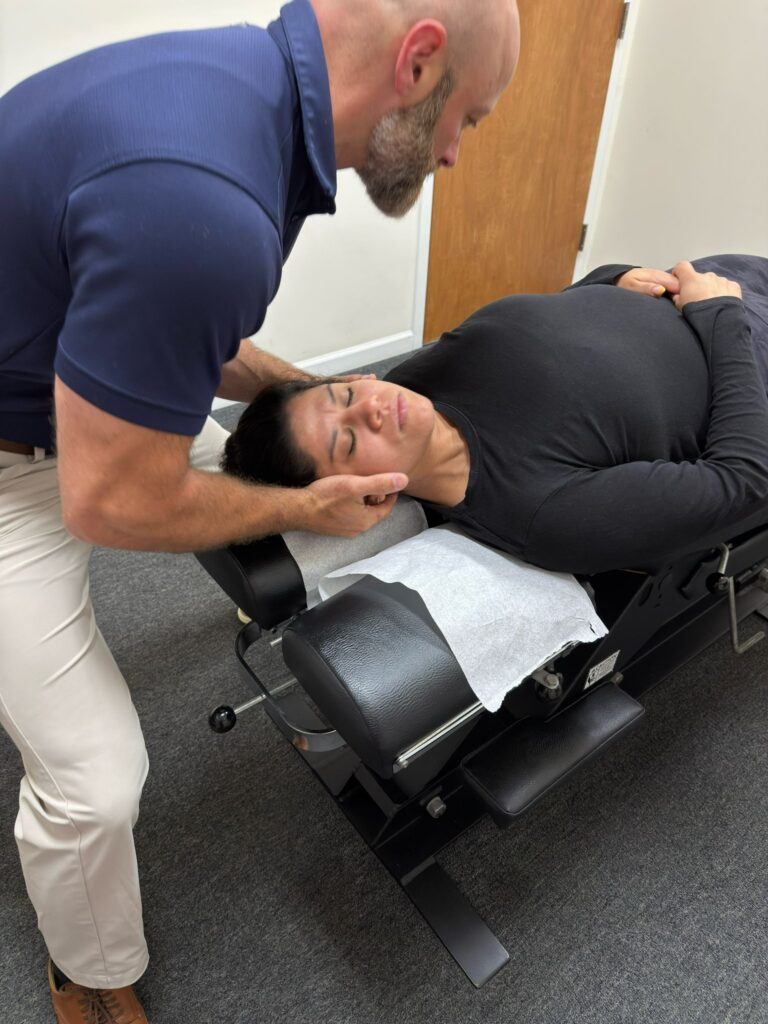

If you frequently find yourself dealing with headaches, you’re definitely not alone. Many individuals are on the lookout for natural solutions that offer relief while steering clear of medications. As a local chiropractor, I want to share how chiropractic care can be a powerful ally in your journey to alleviate headaches and enhance your overall well-being.
Understanding the different types of headaches—such as tension, migraine, or cervicogenic headaches—is essential for finding the right approach. Often, headaches stem from issues related to spinal health, muscle tension, or stress. Chiropractic adjustments can help realign your spine, reduce tension in your muscles, and improve your overall nervous system function, making it a natural and effective way to manage headache pain.
In addition to chiropractic care, there are several lifestyle changes and tips that can help you find relief:
- Posture Check: Maintaining good posture, especially when sitting at a desk, can alleviate strain on your neck and back, reducing the likelihood of tension headaches.
- Stay Hydrated: Dehydration can trigger headaches, so drinking plenty of water throughout the day is crucial for your overall health.
- Regular Exercise: Engaging in regular physical activity can relieve tension and improve blood circulation, which may help reduce headache frequency.
- Mindfulness and Relaxation Techniques: Practices such as yoga, meditation, or deep breathing exercises can help manage stress and tension, which are common headache triggers.
- Sleep Hygiene: Ensuring you get enough restorative sleep is vital. Establishing a regular sleep schedule and creating a calming bedtime routine can significantly impact headache occurrence.
- Nutritional Considerations: Keeping a food diary can help identify any dietary triggers that may contribute to your headaches, allowing you to make informed choices.
By integrating these strategies with regular chiropractic care, you can take significant steps toward achieving optimal health and reducing the frequency and intensity of your headaches. Remember, your spine plays a crucial role in your overall health, and addressing any misalignments through chiropractic adjustments can lead to a happier, healthier you. If you’re struggling with headaches, consider scheduling a visit to discuss how chiropractic care can support you in finding relief and enhancing your well-being.
Key Takeaways
Headaches can be a real challenge, but there are natural ways to find relief, and chiropractic care stands out as one of the best options. Here are some effective strategies to help you manage headaches and promote overall wellness:
- Chiropractic Care: Regular visits to your chiropractor can help correct spinal misalignments, which are often a root cause of headaches. By realigning the spine, you can reduce both the frequency and intensity of headache pain. This natural approach focuses on restoring balance to your body, leading to lasting relief.
- Herbal Remedies: Incorporating natural herbs like peppermint and ginger into your routine can provide soothing relief. Peppermint oil, for instance, can help ease headache pain and reduce inflammation. Simply apply diluted peppermint oil to your temples for a refreshing sensation.
- Essential Oils: Essential oils, such as lavender and eucalyptus, are fantastic tools for headache relief. When applied to the temples in a diluted form, they can offer calming effects that may reduce headache symptoms. These natural remedies are easy to use and can be a part of your daily wellness routine.
- Stress Management: Tension-related headaches are common, but practicing stress management techniques can make a significant difference. Mindfulness meditation and deep breathing exercises can help you relax and release tension, contributing to fewer headaches over time.
- Stay Hydrated and Eat Well: Proper hydration and a balanced diet are key to preventing headaches. Make sure to drink plenty of water throughout the day. Additionally, be mindful of potential headache triggers in your diet, such as aged cheeses and processed meats. Focusing on whole, nutritious foods can support your overall health and well-being.
By prioritizing chiropractic care and incorporating these natural strategies into your lifestyle, you can take significant steps towards alleviating headaches and enhancing your overall health. Remember, a holistic approach that includes spinal health, nutrition, and stress management is your best bet for achieving long-term wellness.
Understanding the Different Types of Headaches
Headaches can be classified into several types, each with its own causes and symptoms. As a chiropractor, I want to help you understand these types so you can find natural ways to achieve relief and enhance your overall wellness.
Tension headaches are the most common type and often result from stress, fatigue, or poor posture. You might feel a dull ache across your forehead or at the back of your head. To alleviate tension headaches, consider practicing regular stretches, maintaining good posture, and incorporating relaxation techniques like deep breathing or meditation into your daily routine.
Migraines can be more intense and are often accompanied by nausea or sensitivity to light and sound. They may have specific triggers, such as certain foods or hormonal changes. Keeping a headache diary can help you identify these triggers, and chiropractic care can assist in addressing the underlying tension and misalignments in the spine that may contribute to migraines.
Cluster headaches, while less common, are incredibly painful and usually occur in cycles or “clusters.” They can strike suddenly and cause intense, burning pain around one eye. Chiropractic adjustments can help reduce the frequency and severity of these headaches by improving spinal alignment and relieving tension in the neck and shoulders.
Sinus headaches arise from sinus infections or inflammation, causing pressure and discomfort in your forehead, cheeks, or nose. Chiropractic care can support sinus health by ensuring proper alignment of the spine and promoting overall body function. Techniques such as gentle adjustments and massage can help alleviate sinus pressure and improve drainage.
By understanding these types of headaches, you can take proactive steps toward relief. Incorporating regular chiropractic care into your wellness routine can be a powerful tool for managing headaches naturally.
Remember to stay hydrated, practice good posture, and prioritize stress management techniques for a healthier, pain-free life. Your journey to optimal health starts with simple, mindful choices!
Herbal Remedies for Headache Relief
When dealing with a headache, it’s important to consider natural methods for relief, and herbal remedies can be a great addition to your wellness routine. Many individuals find that certain herbs can soothe discomfort, and while these can be beneficial, it’s essential to remember that chiropractic care is an excellent approach to achieving optimal health and managing pain, including headaches.
Here are some herbs that might help alleviate headache symptoms:
| Herb | Benefits |
|---|---|
| Peppermint | Can help ease tension and improve circulation, which may alleviate headache pain. |
| Ginger | Known for its ability to reduce nausea and inflammation, making it a helpful option for headache relief. |
| Feverfew | Often recognized for its preventive properties against migraines. |
| Willow Bark | Acts as a natural pain reliever, which can be particularly useful for headache discomfort. |
While you can enjoy these herbs in tea or supplement form, it’s essential to prioritize a holistic approach to your health. Chiropractic care focuses on aligning the spine and improving nervous system function, which can significantly reduce headache frequency and intensity.
Here are some practical tips you can incorporate into your daily routine for headache management:
- Stay Hydrated: Dehydration can trigger headaches, so ensure you’re drinking plenty of water throughout the day.
- Manage Stress: Stress is a common headache trigger. Techniques such as deep breathing, meditation, or gentle yoga can help reduce stress levels.
- Maintain Good Posture: Poor posture can lead to tension headaches. Being mindful of your posture, especially when sitting at a desk, can make a significant difference.
- Regular Chiropractic Visits: Scheduling regular check-ups with your chiropractor can help maintain spinal alignment and prevent headaches before they start.
Essential Oils and Aromatherapy
Headaches can be a common issue that many people face, and while there are various treatments available, chiropractic care stands out as a natural and effective approach to finding relief. As a chiropractor, I believe in the power of holistic health and wellness, and I want to share some insights on how essential oils can complement your journey toward optimal health.
Incorporating essential oils into your wellness routine can enhance your experience of pain relief and relaxation. Oils like lavender and peppermint are known for their soothing properties and can be used to help alleviate headache symptoms. However, it’s important to remember that while these oils can be beneficial, addressing the underlying causes of headaches is key.
Chiropractic care focuses on the spine and nervous system, which play a crucial role in overall health. Misalignments in the spine can lead to tension and discomfort, often contributing to headaches. By visiting your chiropractor, you can receive gentle adjustments that help restore proper alignment, reduce tension, and promote better overall function of your body.
Here are some general tips to help manage headaches naturally:
- Hydration: Drink plenty of water throughout the day. Dehydration can often lead to headaches, so staying hydrated is essential.
- Regular Adjustments: Schedule regular chiropractic appointments to maintain spinal health and prevent headaches caused by misalignments.
- Stress Management: Incorporate relaxation techniques such as deep breathing, meditation, or gentle yoga to reduce stress levels, which can trigger headaches.
- Essential Oils: If you choose to use essential oils, try diffusing lavender or peppermint in your home or applying diluted oil to your temples for a calming effect.
- Posture Awareness: Pay attention to your posture, especially if you work at a desk. Ensure your workspace is ergonomic to reduce strain on your neck and back.
By combining the benefits of chiropractic care with simple lifestyle adjustments and the use of essential oils, you can create a comprehensive approach to headache relief and overall wellness.
Best Essential Oils
Finding relief from headaches can often be achieved through natural methods, and essential oils can be a helpful addition to your wellness routine. As a chiropractor, I emphasize the importance of holistic approaches to health, and incorporating essential oils is a great way to support your body’s natural healing processes.
Peppermint oil is a popular choice due to its cooling effect, which can help ease tension in the muscles surrounding the spine and neck. This can improve circulation and alleviate discomfort.
Lavender oil is known for its calming properties that can reduce stress and promote relaxation, making it a fantastic option for those who experience tension headaches related to stress.
Eucalyptus oil is beneficial for opening up airways, which can be particularly helpful if your headaches are linked to sinus pressure. By clearing your nasal passages, you can improve overall comfort.
Additionally, rosemary oil is known to stimulate blood flow, which may help reduce pain and discomfort in the head and neck areas.
To use these oils effectively, dilute a few drops with a carrier oil, such as coconut or jojoba oil, and gently apply them to your temples or the back of your neck. This localized application can enhance the soothing effects.
Remember to experiment with different scents to find which one resonates with you, as each person’s response can vary.
While essential oils can provide temporary relief, it’s important to address the root causes of headaches. Regular chiropractic care can help identify and correct spinal misalignments that may contribute to tension and discomfort.
By maintaining proper spinal health, you can enhance your overall wellness and reduce the frequency and intensity of headaches.
Incorporating these natural remedies and seeking chiropractic care together can pave the way for a healthier, pain-free life.
Remember to listen to your body and consult with your chiropractor for personalized advice and strategies tailored to your specific needs.
Aromatherapy Techniques
Incorporating essential oils into your wellness routine can complement the benefits of chiropractic care and enhance your overall health. Begin by diffusing calming oils such as lavender or invigorating oils like peppermint in your home or office. This creates a soothing environment that supports relaxation and wellness.
Another effective method is inhalation; simply place a few drops of your chosen oil on a tissue or cotton ball and take deep breaths. This can help ease tension and promote a sense of calm, which is beneficial for both your mind and body.
For targeted relief, consider applying diluted essential oils to your temples and wrists. Gentle massage with these oils not only feels great but can also help alleviate muscle tension often associated with spinal misalignments.
Remember, chiropractic care focuses on the entire musculoskeletal system, and combining it with these natural techniques can amplify your results.
If you’re looking for quick relief, a warm or cool compress infused with essential oils may be just what you need. This method can help soothe headaches and discomfort, complementing the adjustments you receive in chiropractic sessions.
Always remember to take deep breaths and focus on the pleasant scents as you embrace these techniques. They can be a wonderful addition to your journey toward optimal health, reinforcing the importance of holistic approaches like chiropractic care for natural healing and overall wellness.
Acupressure and Acupuncture Techniques
Headaches can be quite disruptive, but there are natural methods to find relief that can complement your chiropractic care. Acupressure and acupuncture techniques are effective ways to manage headaches by targeting specific pressure points in the body.
In acupressure, you can apply firm pressure to these points using your fingers or a small tool. This practice encourages the flow of energy throughout your body, helping to relieve tension and pain. A popular acupressure point is located between your thumb and index finger; gently pressing this area can be particularly beneficial for tension headaches.
Acupuncture, which involves the insertion of thin needles into specific points, is another method that can help reduce pain and promote relaxation. Many individuals find that regular acupuncture sessions lead to lasting benefits, enhancing their overall well-being.
While both acupressure and acupuncture can be valuable tools, incorporating chiropractic care is often the best choice for achieving optimal health. Chiropractic adjustments can help realign your spine and alleviate the underlying causes of headaches, leading to more effective and long-lasting relief.
To incorporate these techniques into your routine, consider practicing acupressure at home. Additionally, regular visits to your chiropractor can help maintain spinal health and prevent future headaches.
Dietary Adjustments for Headache Prevention
When it comes to preventing headaches, making dietary adjustments can play a crucial role in your overall wellness and complement the benefits of chiropractic care. Just like how spinal alignment affects your body, certain foods and beverages can influence headache symptoms. By being mindful of your diet, you can greatly reduce the frequency of headaches and enhance your overall health.
Here’s a quick guide to help you identify headache-friendly foods and those to avoid:
| Foods to Include | Foods to Avoid |
|---|---|
| Leafy greens | Aged cheeses |
| Whole grains | Processed meats |
| Hydrating fruits (e.g., watermelon) | Caffeinated beverages |
Incorporating more whole, nutrient-dense foods can help keep your body balanced and support your spine’s health. Staying hydrated by drinking plenty of water is essential, as dehydration can lead to headaches. Be cautious about common triggers like alcohol or excessive sugar, which can disrupt your body’s natural balance.
Moreover, remember that regular chiropractic care can help reduce tension in your neck and shoulders, which can also contribute to headaches. By adjusting your diet and maintaining spinal health through chiropractic adjustments, you can take proactive steps towards headache prevention and enhance your well-being.
Consider these dietary tips as part of a holistic approach to health—one that emphasizes natural healing and optimal wellness through chiropractic care.
Stress Management and Relaxation Techniques
Managing stress effectively is essential for reducing headache frequency and enhancing overall well-being, and chiropractic care can play a significant role in this process. By addressing misalignments in the spine, chiropractors can help alleviate tension that may contribute to stress and headaches.
Incorporating various stress management and relaxation techniques into your daily routine can further bolster your efforts. Start with deep breathing exercises; inhaling deeply through your nose and exhaling slowly can calm both your mind and body. This simple practice complements chiropractic adjustments by promoting relaxation and reducing muscle tension.
Progressive muscle relaxation is another excellent method. As you focus on each muscle group, starting from your toes and moving upward, consider how chiropractic care can relieve tightness and improve overall muscle function.
Mindfulness meditation is also beneficial for stress relief. Dedicate a few minutes each day to focus on the present moment, allowing your thoughts to settle. This practice can enhance the benefits of chiropractic care by fostering a deeper connection between your mind and body.
Don’t underestimate the power of physical activity. Engaging in regular exercise, like a brisk walk, can release endorphins and significantly reduce stress. Coupling this with chiropractic adjustments can further enhance your physical well-being and alleviate discomfort.
Lastly, prioritize getting enough sleep. Quality rest is vital for managing stress levels and supports your body’s natural healing processes. When combined with chiropractic care, a good night’s sleep can lead to improved overall health.
Hydration and Its Impact on Headaches
Staying hydrated is crucial not just for overall well-being, but also for preventing headaches that can arise from dehydration. As a chiropractor, I encourage you to pay attention to signs like fatigue, dry mouth, or dizziness—these may indicate a dehydration headache. Ensuring you drink enough water throughout the day is a simple yet powerful way to help keep your mind clear and alleviate discomfort.
In addition to hydration, maintaining proper spinal health is vital for overall wellness, which can also impact headache frequency and intensity. By keeping your spine aligned through regular chiropractic adjustments, you can promote better nerve function and enhance your body’s ability to manage pain naturally.
Here are some practical tips to incorporate hydration and spinal health into your daily routine:
- Set a Water Goal: Aim to drink at least eight 8-ounce glasses of water a day. Carrying a reusable water bottle can help you track your intake.
- Hydrate with Whole Foods: Include fruits and vegetables with high water content in your diet, such as cucumbers, oranges, and watermelon.
- Establish a Routine: Make it a habit to drink water at certain times of the day, like after waking up, with meals, and before bed.
- Practice Good Posture: Ensure that your workstation is ergonomically set up to reduce strain on your spine, which can contribute to headaches.
- Regular Chiropractic Visits: Schedule check-ups with your chiropractor to maintain spinal health, which can help reduce headache triggers and promote natural healing.
By prioritizing hydration and chiropractic care, you can take significant steps towards a healthier, pain-free life.
Importance of Staying Hydrated
Staying hydrated is crucial for your overall health and can significantly help in preventing headaches. Even mild dehydration can lead to discomfort, and proper hydration supports your body’s balance and keeps your brain functioning at its best. Here are some key benefits of staying hydrated that can aid in headache prevention, and how chiropractic care complements these efforts:
- Improved Blood Flow: Drinking enough water ensures that your blood circulation is optimal, which is vital for delivering oxygen and nutrients to your brain. Good circulation can also enhance the effectiveness of chiropractic adjustments, helping your body heal naturally.
- Reduced Muscle Tension: Hydration can help ease muscle tension, a common contributor to headaches. When your muscles are well-hydrated, they’re less likely to tighten up, reducing the risk of tension headaches. Regular chiropractic care also focuses on relieving muscle tension and aligning your spine, further supporting your wellness.
- Enhanced Mood: Staying adequately hydrated can boost your mood and cognitive function, making you less prone to stress-related headaches. When combined with chiropractic care, which promotes relaxation and overall well-being, you can achieve a healthier state of mind.
- Detoxification: Proper hydration helps your body flush out toxins, which can be linked to headaches. By maintaining hydration, you not only support your body’s natural detox processes but also enhance the effectiveness of chiropractic treatments aimed at promoting a healthy nervous system.
General Tips for Staying Hydrated:
- Carry a water bottle with you throughout the day.
- Set reminders on your phone to take a water break.
- Incorporate water-rich foods like fruits and vegetables into your diet.
- Start your day with a glass of water to kickstart hydration.
Remember, while staying hydrated is a vital part of your health routine, regular visits to your chiropractor can help you manage headaches and enhance your overall wellness naturally.
Signs of Dehydration Headaches
Recognizing the signs of dehydration headaches is crucial for preventing discomfort and promoting overall health. When your body doesn’t receive enough water, it sends out distress signals that can lead to various symptoms.
Here are some signs of dehydration to keep an eye on:
| Signs of Dehydration | Symptoms |
|---|---|
| Thirst | Increased urge to drink |
| Dry mouth | Lack of saliva |
| Fatigue | Low energy levels |
| Dizziness | Feeling lightheaded |
| Dark urine | Concentrated urine color |
If you notice any of these signs, it’s vital to hydrate immediately. Drinking water not only helps alleviate headaches but also supports your spinal health and overall wellness. Staying properly hydrated can aid in maintaining optimal spinal function, which is essential for a healthy body.
In addition to drinking plenty of water, consider incorporating these general tips into your daily routine to enhance your wellness:
- Regular Water Intake: Aim to drink water consistently throughout the day rather than waiting until you’re thirsty.
- Eat Hydrating Foods: Include fruits and vegetables with high water content, such as cucumbers, watermelon, and oranges, in your diet.
- Mind Your Posture: Poor posture can exacerbate headaches. Ensure you’re sitting and standing with proper alignment to support your spine.
- Chiropractic Care: Regular visits to your chiropractor can help ensure your spine is in alignment, which can improve hydration and overall function.
The Role of Exercise in Headache Relief
While many individuals may seek medication for headache relief, integrating exercise into your daily routine serves as a powerful natural remedy that aligns beautifully with chiropractic care. Regular physical activity not only helps decrease tension and improve mood but also enhances blood flow, which can play a significant role in alleviating headaches.
Here’s how you can incorporate exercise in a way that complements your journey toward optimal health:
- Select Enjoyable Activities: Whether it’s a gentle walk, cycling, or even a relaxing yoga session, choose exercises that you look forward to. Enjoyment is key to staying motivated!
- Ease Into It: If you’re new to exercising, start with short sessions to avoid strain and gradually increase the duration and intensity as your body adapts. Remember, your body, especially your spine, will thank you for taking it slow.
- Stay Committed: Aim for at least 150 minutes of moderate aerobic exercise each week. Consistency is crucial for reaping the full benefits, and this routine supports your spinal health as well.
- Don’t Forget to Stretch: Regular stretching is essential in relieving muscle tension that often leads to headaches. Incorporating stretches into your routine can help maintain flexibility and support spinal alignment.
By prioritizing exercise and maintaining a healthy lifestyle, you can enhance your overall well-being and reduce headaches naturally. Chiropractic care complements this approach by ensuring that your spine is aligned and functioning optimally, allowing your body to heal and thrive.
Always consult with your chiropractor to find the best exercise plan tailored to your specific needs. Remember, taking proactive steps towards health is key to living pain-free!
Sleep Hygiene and Its Importance for Headache Sufferers
Good sleep hygiene is crucial for anyone dealing with headaches, as poor sleep can worsen pain and trigger new episodes. As a chiropractor, I understand the importance of a good night’s rest for overall wellness and pain relief. To enhance your sleep quality, start by establishing a regular bedtime routine. Aim to go to bed and wake up at the same time every day, even on weekends. This consistency helps regulate your body’s internal clock, which can be beneficial for headache sufferers.
Creating a calming environment is also key. Keep your bedroom dark, cool, and quiet to promote relaxation. Limiting screen time before bed is important too; the blue light from devices can interfere with your ability to fall asleep. Instead, consider reading a book or practicing gentle stretches to unwind.
Be mindful of your diet as well. Avoid caffeine and heavy meals close to bedtime, as these can disrupt your sleep. If you’re feeling hungry, opt for a light snack, like a banana or a handful of nuts, which can help you feel satisfied without weighing you down.
Regular physical activity is another great way to improve your sleep quality. Exercise can help relieve tension and stress, but try to finish any workouts a few hours before bedtime. This allows your body to wind down and prepare for rest.
If you find your mind racing at night, relaxation techniques like deep breathing, chiropractic adjustments, or meditation can help calm your thoughts. These practices not only set the stage for a restful night but can also reduce the likelihood of headaches.
By incorporating these tips into your routine, you can improve your sleep hygiene and support your overall health naturally.
Conclusion
Incorporating reliable natural solutions into your routine can significantly enhance your ability to manage headaches, and chiropractic care plays a pivotal role in this process. By understanding the type of headache you’re experiencing, you can better tailor your approach to relief. Chiropractic adjustments can help alleviate tension and improve spinal alignment, which may reduce headache frequency and intensity.
Alongside chiropractic care, consider exploring herbal remedies and essential oils as complementary options. Simple relaxation techniques, such as deep breathing and gentle stretches, can also provide relief. Don’t underestimate the power of hydration, regular exercise, and good sleep hygiene—they are essential in preventing headaches and promoting overall wellness.
By adopting a holistic approach that includes chiropractic care, you can take charge of your well-being and enjoy a healthier, more comfortable life. Remember, you don’t have to suffer in silence; natural solutions and chiropractic adjustments can help you find the relief you deserve. Start your journey to better health today!