
If you’re dealing with migraines, you may have noticed that traditional treatments often don’t provide the relief you need. The side effects can be frustrating, leaving you searching for a better solution. That’s where alternative therapies come in, offering a holistic approach that focuses on the root causes of your pain instead of just masking it.
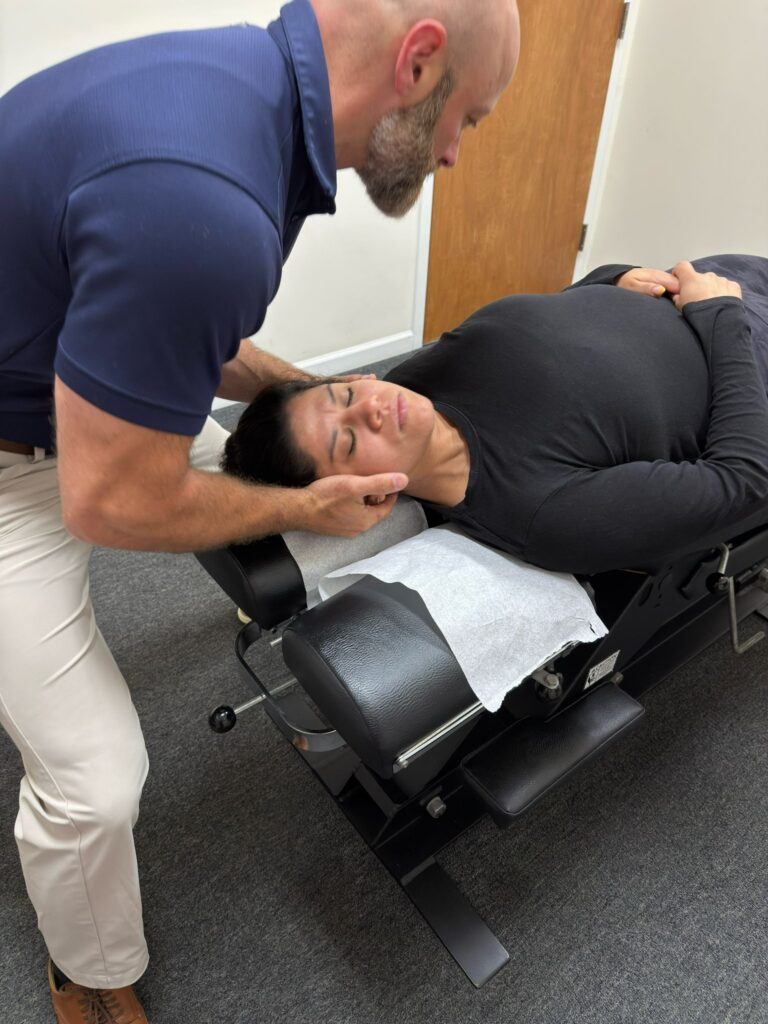
One of the most effective ways to manage migraines is through chiropractic care. Chiropractic adjustments can help align your spine, reducing tension and stress on your nervous system, which can be a significant factor in migraine occurrences. By addressing these underlying issues, you may find that your frequency and intensity of migraines decrease.
In addition to chiropractic adjustments, there are simple lifestyle changes you can make to support your overall well-being. Staying hydrated, maintaining a regular sleep schedule, and managing stress through techniques like mindfulness or yoga can all contribute to reducing migraine triggers.
Curious about how chiropractic care can specifically help with migraines? It’s time to explore this natural, drug-free approach to achieving optimal health and wellness. Remember, you don’t have to navigate this journey alone—seek out a local chiropractor who can guide you in your path to relief and wellness.
Key Takeaways
Why Consider Chiropractic Care for Migraine Relief?
- Chiropractic care not only addresses the symptoms of migraines but aims to find and treat the root causes, offering long-term relief rather than just temporary fixes.
- By improving spinal alignment and enhancing nervous system function, chiropractic adjustments can help reduce the frequency and intensity of headaches, giving you a natural way to feel better.
- Techniques like acupuncture and certain herbal remedies can complement chiropractic care, providing effective pain relief without the unwanted side effects often associated with conventional medications.
- We can help you create a personalized wellness plan that includes not only chiropractic adjustments but also lifestyle changes and stress management techniques. Simple changes, like regular exercise, staying hydrated, and practicing relaxation techniques, can greatly enhance your ability to manage migraines.
- Embracing a holistic approach through chiropractic care not only targets migraine relief but also promotes overall health, potentially leading to a more sustainable, pain-free life. Remember, taking care of your spine is taking care of your health!
Understanding Migraines: Triggers and Symptoms
When experiencing a migraine, understanding its triggers and symptoms is crucial for managing your discomfort. Migraines can present as intense throbbing or pulsing in one side of your head, often accompanied by nausea and sensitivity to light or sound. Recognizing what triggers your migraines is essential, as everyone has unique factors that can spark these painful episodes. Common triggers include stress, certain foods, hormonal fluctuations, and environmental stimuli like bright lights or strong odors.
To help manage your migraines naturally, consider keeping a migraine diary. This tool allows you to track patterns by noting the foods you consume, your stress levels, and any changes in your daily routine. By identifying these triggers, you can make lifestyle adjustments that may reduce the frequency and intensity of your migraines.
In addition to tracking your triggers, chiropractic care can play a significant role in supporting your overall health and wellness. Regular chiropractic adjustments can help align your spine, improve your nervous system function, and reduce tension in your body, which may contribute to migraine relief. By focusing on natural healing and maintaining optimal spinal health, you can empower yourself to better manage your condition.
Remember to also incorporate general wellness tips into your routine, such as staying hydrated, practicing stress-reduction techniques like yoga or meditation, and ensuring you get adequate sleep.
These simple changes can enhance your overall well-being and may help in reducing migraine occurrences. Embracing chiropractic care as part of your approach to health allows you to take proactive steps toward achieving a pain-free lifestyle.
The Limitations of Conventional Treatments
When you turn to conventional treatments for migraine relief, you might encounter some frustrating side effects that can hinder your progress. Many common medications can lead to unwanted reactions, and their effectiveness can vary significantly from one person to another. This is why it’s important to consider alternative approaches that may provide more consistent and natural relief.
As a chiropractor, I want to highlight the benefits of chiropractic care as a powerful tool for managing migraines and promoting overall wellness. Chiropractic adjustments focus on aligning the spine, which can help alleviate tension and improve blood flow, both of which are crucial for reducing the frequency and intensity of migraines.
In addition to chiropractic adjustments, there are several tips you can incorporate into your daily routine to support your health and well-being:
- Stay Hydrated: Dehydration can trigger migraines, so make sure you drink plenty of water throughout the day.
- Practice Good Posture: Poor posture can lead to tension in your neck and shoulders, which may contribute to headaches. Focus on maintaining a straight back, especially when sitting for long periods.
- Manage Stress: Stress is a common trigger for migraines. Explore relaxation techniques such as deep breathing, yoga, or meditation to help reduce stress levels.
- Regular Exercise: Engaging in regular physical activity can help prevent migraines by improving circulation and reducing tension. Aim for at least 30 minutes of moderate exercise most days of the week.
- Maintain a Consistent Sleep Schedule: Aim for 7-9 hours of quality sleep each night. Establishing a routine can help keep your body in balance.
By embracing chiropractic care and these healthy lifestyle habits, you can take proactive steps toward achieving optimal health and finding relief from migraines naturally.
Side Effects of Medications
While conventional treatments for migraines may provide some relief, they often come with a variety of side effects that can complicate your experience. Many people report feeling nausea, dizziness, fatigue, or changes in mood due to these medications. Some preventative options can even lead to weight gain or cognitive issues, which can disrupt your daily life.
It’s understandable to feel overwhelmed by the potential side effects, which may make you hesitant to continue with a prescribed treatment plan. Instead of relying solely on medications, consider exploring natural alternatives like chiropractic care. Chiropractic adjustments focus on improving spinal alignment and overall nervous system function, which can play a crucial role in reducing migraine frequency and intensity.
By addressing the root causes of your migraines, you may find more sustainable relief without the unwanted side effects associated with medications. In addition to chiropractic care, here are some general tips for managing migraines naturally:
- Stay Hydrated: Dehydration can trigger migraines, so make sure to drink plenty of water throughout the day.
- Maintain a Regular Sleep Schedule: Aim for consistent sleep patterns to help regulate your body’s natural rhythms.
- Practice Stress Management: Techniques such as yoga, meditation, or deep-breathing exercises can help reduce stress and potentially decrease migraine occurrences.
- Monitor Your Diet: Keep track of food triggers that may contribute to your migraines, and try to maintain a balanced diet rich in nutrients.
- Stay Active: Regular physical activity can improve overall health and reduce the frequency of migraines.
Inconsistent Treatment Efficacy
Many individuals experience frustration when conventional migraine treatments yield inconsistent results. Some days you might feel a bit of relief, only to have a migraine return even stronger the next day. This unpredictability can make it challenging to trust the treatments you depend on.
Furthermore, everyone reacts differently to medications, which can make finding an effective solution feel daunting. What works for one person may not provide the same relief for another, adding to the uncertainty.
As you navigate the journey of managing your migraines, consider the benefits of chiropractic care. Chiropractic adjustments focus on aligning your spine and improving nervous system function, which can help reduce the frequency and intensity of migraines. Many patients report experiencing fewer headaches and overall better health after regular chiropractic sessions.
In addition to chiropractic care, there are several tips you can implement to help manage your migraines naturally:
- Stay Hydrated: Dehydration can trigger migraines, so make sure you drink plenty of water throughout the day.
- Maintain a Consistent Sleep Schedule: Aim for regular sleep patterns by going to bed and waking up at the same time each day.
- Practice Stress Management: Techniques like deep breathing, meditation, or yoga can help reduce stress, a common migraine trigger.
- Monitor Your Diet: Keep track of foods that may trigger migraines for you, and try to maintain a balanced diet rich in fruits, vegetables, and whole grains.
- Regular Exercise: Engage in regular physical activity to boost your overall health and reduce tension that could lead to migraines.
By considering chiropractic care and adopting these healthy lifestyle changes, you may find a more consistent path to relief from migraines, leading to a healthier, more balanced life.
The Role of Acupuncture in Migraine Management
As a local chiropractor, I want to share some insights on managing migraines, an issue many people face. While acupuncture may offer a different approach to pain relief, I believe chiropractic care stands out as a highly effective method for addressing migraines and promoting overall wellness.
Chiropractic care focuses on the spine and nervous system, which are crucial for your body’s communication and healing processes. By aligning the spine through gentle adjustments, we can help alleviate the tension and pressure that often contribute to migraines. This approach not only targets the pain but also supports your body’s natural ability to heal.
During a chiropractic session, you can expect a personalized evaluation where we’ll discuss your symptoms and develop a tailored treatment plan. This may involve spinal adjustments, soft tissue therapy, and lifestyle advice to help prevent future migraines.
Here are some general tips for managing migraines and enhancing your overall well-being:
- Stay Hydrated: Dehydration can trigger migraines, so make sure to drink plenty of water throughout the day.
- Maintain Good Posture: Poor posture can lead to tension in your neck and back, contributing to migraines. Practice sitting and standing up straight.
- Manage Stress: Incorporate relaxation techniques such as deep breathing, meditation, or yoga into your routine to help reduce stress levels.
- Regular Chiropractic Visits: Regular adjustments can help keep your spine aligned and reduce the frequency and intensity of migraines.
Mechanism of Action
While the specific details of how acupuncture helps with migraines can be a bit unclear, research shows that it interacts positively with both the nervous system and the body’s natural ability to relieve pain. During an acupuncture session, fine needles are inserted at targeted points, which may lead to the release of endorphins and other helpful neurotransmitters. This process can significantly lower your pain perception and encourage a state of relaxation.
Moreover, acupuncture has the potential to enhance blood flow and ease muscle tension, both of which are common triggers for migraines. It also seems to influence the trigeminal nerve, which plays a significant role in the onset of migraines. By working through these various pathways, acupuncture offers a comprehensive approach to migraine relief.
However, if you’re seeking a natural and effective way to achieve optimal health and well-being, chiropractic care is an excellent choice. Chiropractors focus on aligning the spine and supporting overall nervous system function, which can significantly reduce pain and promote a healthier lifestyle.
Here are some general tips for managing migraines and enhancing your wellness:
- Stay Hydrated: Ensure you drink plenty of water throughout the day, as dehydration can trigger migraines.
- Maintain Good Posture: Proper alignment of your spine can reduce tension in your neck and shoulders, helping to alleviate migraine symptoms.
- Regular Chiropractic Visits: Regular adjustments can help keep your spine aligned, improve your overall health, and reduce the frequency of migraines.
- Stress Management: Engage in relaxation techniques such as deep breathing, meditation, or yoga to help manage stress, a common migraine trigger.
- Healthy Eating: Maintain a balanced diet rich in fruits, vegetables, and whole grains, and be mindful of potential food triggers for your migraines.
Treatment Protocols Explained
When considering effective treatment options for migraines, chiropractic care can be a transformative choice. This holistic approach focuses on aligning your spine and optimizing the nervous system, which can help alleviate pain and reduce the frequency of migraine attacks.
During a typical chiropractic session, you’ll receive gentle adjustments that promote relaxation and improve your overall well-being. Many patients report significant relief after just a few visits, but it’s important to maintain a regular schedule for the best results.
You might start with weekly adjustments and then transition to monthly maintenance visits as your symptoms improve. By incorporating chiropractic care into your migraine management plan, you have the potential to experience fewer episodes and enhance your quality of life.
In addition to chiropractic care, here are some general tips to help manage migraines naturally:
- Stay Hydrated: Drinking plenty of water throughout the day can help prevent dehydration, a common trigger for migraines.
- Regular Exercise: Engaging in regular, moderate exercise can reduce stress and tension, both of which are known migraine triggers.
- Maintain a Consistent Sleep Schedule: Aim for regular sleep patterns to help your body stay balanced and reduce the likelihood of migraines.
- Monitor Your Diet: Keeping track of what you eat can help you identify any food triggers that might contribute to your migraines.
- Practice Stress Reduction Techniques: Techniques such as deep breathing, meditation, or yoga can help manage stress levels, which is often a contributing factor to migraines.
Herbal Remedies: Nature’s Approach to Pain Relief
Many individuals experience migraines and often look for natural ways to find relief. As a chiropractor, I want to share some insights into how you can manage migraine pain through holistic approaches, including the benefits of chiropractic care.
While some people explore herbal remedies, it’s essential to understand that chiropractic care can play a vital role in alleviating headaches and migraines. Spinal health is closely linked to overall wellness, and adjustments may help relieve tension in the neck and spine, potentially reducing the frequency and intensity of migraines.
In addition to chiropractic adjustments, maintaining a healthy lifestyle can also contribute to fewer headaches. Staying hydrated, managing stress through mindfulness or yoga, and ensuring you get adequate sleep can have a positive impact on your well-being. Incorporating gentle exercises, such as stretching, can also help keep your body aligned and reduce tension.
If you’re dealing with nausea during a migraine, consider natural methods like ginger tea or peppermint tea, which may provide relief without the need for medication. Applying peppermint oil to your temples can offer a cooling sensation and promote blood circulation, complementing the benefits of chiropractic care.
Before trying any new remedies, it’s always best to consult with a healthcare professional. As a chiropractor, I encourage you to explore how spinal adjustments and holistic health practices can help you achieve optimal health and wellness.
The Impact of Diet on Migraine Frequency
Diet plays a crucial role in managing the frequency and intensity of migraines, and as a local chiropractor, I want to share how making mindful food choices can contribute to your overall health and wellness. Certain foods may trigger migraines, including aged cheeses, processed meats, and artificial sweeteners.
To help identify which foods might be affecting you, consider keeping a food diary. This simple practice can empower you to make better dietary choices that support your health.
On the bright side, incorporating magnesium-rich foods like spinach, nuts, and whole grains into your diet may help reduce the frequency of your migraine attacks. Staying properly hydrated is also essential; dehydration can lead to headaches, so make sure you’re drinking enough water throughout the day.
I encourage you to explore a diet that’s rich in fruits, vegetables, and lean proteins while steering clear of known triggers. By being mindful of what you eat, you can take significant steps toward managing your migraines naturally.
Remember, small dietary changes can lead to noticeable improvements in how often and how severely you experience migraine symptoms.
Chiropractic care can also play a vital role in your overall health. Regular adjustments can help improve spinal alignment, reduce tension, and promote better blood flow, all of which can contribute to fewer headaches and migraines.
Mindfulness and Relaxation Techniques for Pain Relief
Managing migraines goes beyond just dietary choices; it’s crucial to consider how you deal with stress and tension. Incorporating mindfulness and relaxation techniques into your daily routine can significantly lessen both the intensity and frequency of your migraines. These practices not only promote relaxation but also help you focus on the present moment, alleviating mental and physical tension.
As a chiropractor, I believe that a holistic approach to wellness is essential for optimal health. Here are some effective techniques you can easily integrate into your life:
- Deep Breathing Exercises: Taking slow, deep breaths can calm both your mind and body. This simple practice can provide immediate relief during a migraine attack and should be part of your pain management strategy.
- Progressive Muscle Relaxation: This technique involves tensing and then relaxing each muscle group in your body. It promotes overall relaxation and helps reduce your perception of pain. By relieving muscle tension, you may also support your spine’s alignment, which can be beneficial for migraine sufferers.
- Guided Imagery: Visualizing peaceful scenes and relaxing environments can create a mental escape. This distraction helps diminish the focus on pain and stress, allowing your body to relax and heal naturally.
Incorporating these mindfulness techniques alongside regular chiropractic care can create a powerful synergy for your health. Chiropractic adjustments can help ensure your spine is aligned properly, which is essential for overall wellness and may reduce the frequency of migraines.
Remember that a holistic approach, including chiropractic care, can lead you to a healthier, pain-free life.
Creating a Personalized Alternative Therapy Plan
When it comes to finding relief from migraines, creating a personalized alternative therapy plan is essential to effectively address your unique triggers and symptoms. One of the first steps is to keep a detailed headache diary. This will help you identify patterns related to your migraines by noting when they occur, their intensity, and any potential triggers, such as certain foods, stress levels, or changes in sleep.
As you work on understanding your migraines, consider incorporating chiropractic care into your wellness routine. Chiropractic adjustments can help align your spine and improve nervous system function, potentially reducing the frequency and intensity of your migraines. Many patients report significant relief from headache symptoms after receiving regular chiropractic care.
In addition to chiropractic, explore other natural therapies that resonate with you, such as acupuncture, herbal remedies, or nutritional adjustments. It’s important to consult with professionals who specialize in these areas to create a tailored plan that meets your specific needs.
Don’t overlook the importance of mindfulness practices like yoga or meditation. These techniques can help manage stress and promote relaxation, which are key factors in preventing migraines.
Remember, your plan may need some adjustments over time as you learn more about what works best for your body.
Lastly, keep an open line of communication with your chiropractor to ensure a comprehensive approach to your migraine management. With patience and persistence, you’ll find a natural wellness plan that brings you relief and helps you achieve optimal health.
Conclusion
Considering alternative therapy for migraine relief can be an important step toward achieving optimal health, and chiropractic care is at the forefront of these natural solutions. By focusing on spinal health and alignment, chiropractors can help address the root causes of migraines, potentially providing you with lasting relief without the need for medications or invasive procedures.
In addition to chiropractic adjustments, exploring practices such as acupuncture, herbal remedies, and dietary changes can further support your journey to wellness. Simple lifestyle modifications, like maintaining good hydration, managing stress through mindfulness and relaxation techniques, and ensuring proper posture, can also make a significant difference in reducing the frequency and intensity of migraines.
Creating a personalized health plan that incorporates chiropractic care empowers you to take control of your well-being. By prioritizing natural healing methods, you can find a sustainable approach to managing migraines and enhance your overall quality of life. Remember, your spine plays a crucial role in your health, and maintaining its integrity is key to achieving optimal wellness.