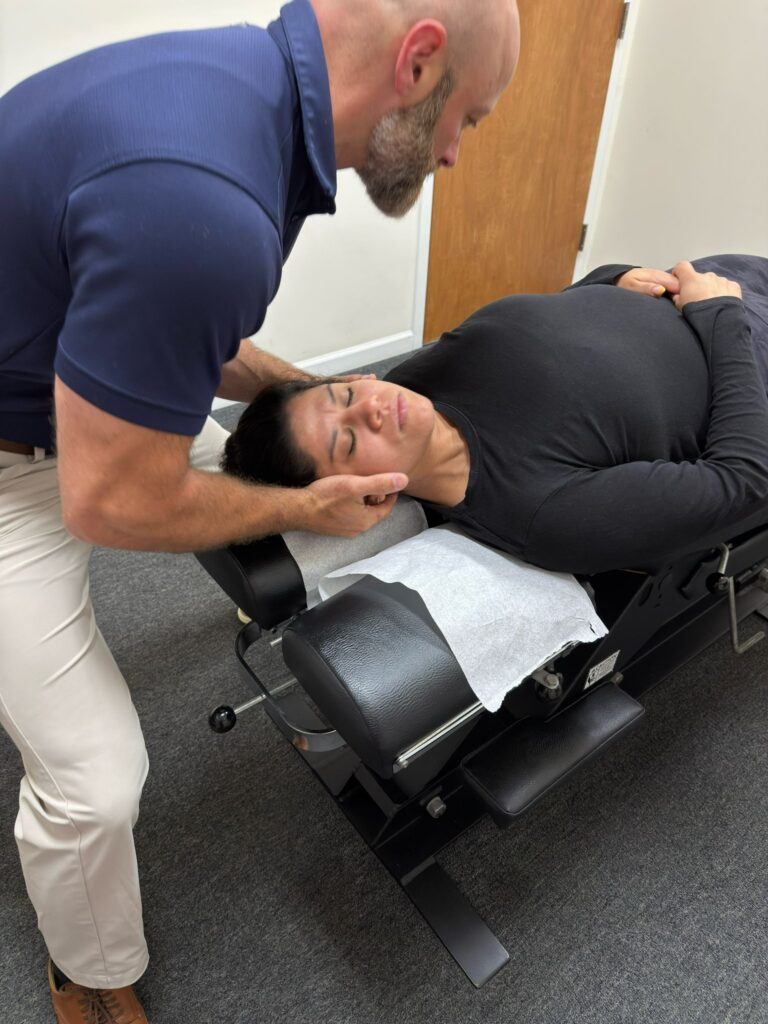

If you’ve ever suffered from tension headaches, you may not realize that your spinal alignment could be a crucial factor. Poor posture and daily habits can lead to misalignments in your spine, which may trigger painful signals. Understanding how your spine affects your overall health is vital for achieving wellness. So, how can you improve your spinal alignment and potentially reduce those persistent headaches? Let’s dive into some effective strategies that can help you find relief naturally.
One of the best ways to enhance your spinal alignment is through chiropractic care. Regular visits to a chiropractor can help correct misalignments, reduce tension, and alleviate headaches. Chiropractors are trained to assess your spine and provide personalized adjustments that can restore balance to your body.
In addition to chiropractic adjustments, consider these simple tips to support your spinal health and reduce headache discomfort:
- Maintain Good Posture: Be mindful of your posture throughout the day, especially if you sit for long periods. Keep your back straight, shoulders relaxed, and feet flat on the floor. Consider using an ergonomic chair to support your spine.
- Take Breaks: If your work involves looking at a screen, take regular breaks to stretch and move around. This can help relieve tension in your neck and shoulders.
- Stay Hydrated: Drinking plenty of water is essential for overall health. Dehydration can lead to headaches, so make sure you’re consuming enough fluids throughout the day.
- Incorporate Stretching and Exercise: Gentle stretching and regular physical activity can improve flexibility and strengthen the muscles that support your spine. Activities like yoga or Pilates can be particularly beneficial.
- Get Enough Sleep: A good night’s sleep is crucial for recovery and overall well-being. Ensure your sleeping position supports your spine, and invest in a comfortable mattress and pillow.
- Manage Stress: Stress can exacerbate tension headaches. Engage in relaxation techniques such as deep breathing, meditation, or spending time in nature to help reduce stress levels.
By prioritizing your spinal health through chiropractic care and these practical tips, you can take significant steps toward alleviating headaches and enhancing your overall wellness. Remember, your spine plays a vital role in your health, and maintaining its alignment is key to feeling your best. If you’re struggling with headaches, consider scheduling a visit to your local chiropractor to explore how they can help you achieve optimal health naturally.
Key Takeaways
- Good posture is essential for maintaining a healthy spine and reducing headaches. Keep your shoulders back and your head aligned over your spine. This simple adjustment can significantly reduce strain and improve your spinal alignment.
- Consider using ergonomic furniture that promotes proper posture. Position your computer screen at eye level to avoid leaning forward, which can lead to discomfort and tension in your neck and back. This small change can provide support to your spine and enhance your overall well-being.
- Regular physical activity is vital for strengthening your core and back muscles. Activities like walking, yoga, or swimming can help improve your spinal alignment and lower your risk of headaches. Incorporating movement into your daily routine can make a big difference in how you feel.
- Scheduling regular chiropractic check-ups is a proactive way to maintain your spinal health. A chiropractor can help identify and correct any misalignments in your spine, alleviating tension that may contribute to headaches. With chiropractic care, you can experience natural relief and support your body’s healing processes.
- Don’t forget to practice gentle neck and shoulder stretches every day! These stretches can ease tension and promote better spinal health, ultimately helping to prevent headaches. Simple stretches can be done at your desk or home, making it easy to incorporate into your daily routine.
By focusing on these tips and integrating chiropractic care into your wellness journey, you can take significant steps towards achieving optimal health and minimizing headaches naturally.
Understanding the Connection Between Spinal Alignment and Headaches
When exploring the vital connection between spinal alignment and headaches, it becomes evident that misalignments can lead to considerable discomfort. Your spine is more than just a support structure; it houses crucial nerves that communicate with your brain. Any disruption in this alignment can trigger pain signals, resulting in headaches. If your spine is out of alignment, it may put unnecessary strain on the surrounding muscles and tissues, which can lead to tension headaches or migraines.
It’s important to recognize that poor posture, whether you’re sitting or standing, can exacerbate these issues. When your spine isn’t properly aligned, it can create additional pressure on muscles, leading to tightness and discomfort. This tension often radiates to your head, resulting in those persistent headaches that can be hard to shake off.
As a chiropractor, I encourage you to prioritize your spinal health as part of your overall wellness routine. Here are some simple tips you can incorporate into your daily life to help alleviate tension and promote better alignment:
- Practice Good Posture: Whether you’re at your desk or on the go, being mindful of your posture can significantly improve spinal alignment. Keep your shoulders back and your head aligned over your spine.
- Take Frequent Breaks: If you work at a desk, make it a habit to stand up, stretch, and move around every hour. This helps relieve tension that can build up from prolonged sitting.
- Incorporate Stretching: Simple neck and shoulder stretches can help ease tension that contributes to headaches. Try gentle stretches throughout the day to keep your muscles relaxed.
- Stay Hydrated: Dehydration can lead to headaches, so be sure to drink plenty of water throughout the day. Proper hydration supports overall health and muscle function.
- Consider Chiropractic Care: Regular chiropractic adjustments can help correct misalignments, reduce tension, and improve your overall well-being. Our goal is to support your body’s natural healing processes and help you achieve optimal health.
By focusing on your spinal health and implementing these tips, you can take proactive steps toward reducing headaches and enhancing your overall quality of life.
Common Causes of Poor Spinal Alignment
If you spend long hours sitting, you may not realize how a sedentary lifestyle can negatively affect your spinal alignment.
Combine that with poor posture habits, and you could be setting yourself up for discomfort and headaches. Understanding how these factors impact your spine is essential for your overall well-being.
When you sit for extended periods, your spine can become misaligned due to lack of movement and support. This misalignment can lead to muscle tension, stiffness, and even chronic pain.
Poor posture, such as slouching or leaning forward, exacerbates these issues, putting extra strain on your spinal structures.
Fortunately, there are steps you can take to improve your spinal health. Here are some helpful tips:
- Take Regular Breaks: Set a timer to remind yourself to stand up and stretch every 30 minutes. This simple act can help alleviate tension and promote better alignment.
- Mind Your Posture: Be mindful of your posture while sitting. Keep your back straight, shoulders relaxed, and feet flat on the floor. Consider using ergonomic furniture that supports your spine.
- Stay Active: Incorporate physical activity into your daily routine. Engaging in exercises that strengthen your core and back muscles can significantly improve your spinal health.
- Visit Your Chiropractor: Regular chiropractic adjustments can help restore proper alignment to your spine, reduce discomfort, and enhance your overall wellness. Chiropractic care is a natural way to address spinal misalignments and promote healing.
By taking these proactive steps and considering chiropractic care, you can support your spine and lead a healthier, pain-free life.
Sedentary Lifestyle Effects
A sedentary lifestyle can have a significant impact on your spinal health, often leading to discomfort and headaches. When you spend long hours sitting—whether at a desk or in front of a screen—your spine misses out on necessary movement. This inactivity weakens the muscles that support your spine, creating imbalances that can lead to poor posture.
Over time, you may find yourself slumping or leaning forward, which puts extra strain on your neck and back. You mightn’t even be aware of how your daily habits, like prolonged sitting, can negatively affect your posture and overall well-being.
The good news is that you can take proactive steps to counteract these effects. Incorporating regular movement and stretching into your daily routine is essential for maintaining a healthy spine. Simple activities like taking short breaks to stand, stretch, or go for a brief walk can make a significant difference.
As a chiropractor, I encourage you to consider how chiropractic care can play a vital role in your journey to optimal health. Regular chiropractic adjustments can help realign your spine, relieve tension, and promote better posture.
This natural approach not only alleviates pain but also enhances your overall wellness, allowing your body to function at its best. Remember, small changes in your daily habits can lead to big improvements in your spinal health and reduce the frequency of headaches.
Poor Posture Habits
Prolonged sitting isn’t the only factor that can lead to poor spinal alignment; your everyday posture habits play a crucial role as well. Simple actions like slouching in your chair, leaning forward to look at screens, or hunching over your phone can contribute to misalignment. These seemingly minor habits can accumulate over time, creating strain on your neck and back.
To help combat these issues, it’s important to be aware of your posture throughout the day. Here are some practical tips to improve your spinal health:
- Sit Smart: Ensure your chair supports your lower back. Keep your feet flat on the ground and your knees at a 90-degree angle.
- Screen Time Awareness: Position your computer screen at eye level to avoid leaning forward. If you’re using your phone, try holding it at eye level instead of looking down.
- Lift Properly: When picking up heavy objects, always bend at your knees and keep your back straight. This technique helps protect your spine from unnecessary strain.
- Mind Your Sleep Position: If you tend to sleep on your stomach, consider switching to your side or back. This adjustment can help maintain a neutral spine alignment.
- Take Breaks: If you sit for long periods, make it a habit to stand up, stretch, and move around every 30 minutes. This can help reduce tension and enhance circulation.
By being mindful of how you sit, stand, and move, you can significantly improve your posture and reduce the risk of headaches and discomfort from poor spinal alignment.
Chiropractic care can also be an excellent choice for addressing these issues, as it focuses on natural healing and aligning the spine for optimal health. If you’re experiencing pain or discomfort, consider visiting a chiropractor to help you achieve a healthier, pain-free lifestyle.
The Role of Posture in Headache Development
Your posture plays an essential role in headache development, and as a chiropractor, I want to help you understand how it can impact your daily life. When your alignment is off, it can lead to strain in your neck and shoulders, often resulting in tension headaches. By paying attention to your posture and making simple adjustments, you can significantly reduce discomfort and improve your overall well-being.
Chiropractic care focuses on restoring proper alignment and function to your spine, which is key to alleviating pain and preventing headaches. Regular chiropractic adjustments can help relieve tension, improve your posture, and promote natural healing in your body.
Here are some general tips you can incorporate into your daily routine to support better posture and reduce headache risk:
- Stay Mindful of Your Sitting Position: Make sure your feet are flat on the ground, your back is supported, and your computer screen is at eye level to avoid straining your neck.
- Take Breaks: If you’re working at a desk for long periods, take short breaks every hour to stretch and move around. This can help alleviate tension building in your muscles.
- Strengthen Your Core: Engage in exercises that strengthen your core muscles. A strong core supports your spine and can help maintain proper posture throughout the day.
- Practice Good Sleep Positioning: Ensure your pillow supports your neck properly and promotes a neutral spine position while you sleep.
By focusing on these tips and seeking chiropractic care, you can take proactive steps toward achieving optimal health and reducing headache discomfort naturally.
Poor Posture Consequences
When you maintain poor posture, you mightn’t realize the significant impact it has on your body, particularly when it comes to headaches. Slouching or hunching over can create unnecessary strain on your neck and upper back muscles, leading to muscle fatigue and discomfort that often triggers tension headaches.
Furthermore, poor alignment can compress nerves and blood vessels, which reduces oxygen flow to your brain and can worsen headache symptoms. You may also notice a drop in your overall energy levels, as your body struggles to cope with the misalignment. By neglecting your posture, you’re not only putting yourself at risk for headaches but also compromising your overall health and well-being.
Fortunately, chiropractic care can be a fantastic solution to help you achieve better posture and alleviate headache symptoms. Regular visits to a chiropractor can help realign your spine, relieve muscle tension, and improve your overall posture. This can lead to significant pain relief and a boost in your energy levels.
In addition to seeking chiropractic care, here are some simple tips you can incorporate into your daily routine to improve your posture and reduce the risk of headaches:
- Be Mindful of Your Posture: When sitting or standing, keep your shoulders back and your head aligned with your spine. Imagine a string pulling the top of your head toward the ceiling.
- Take Breaks: If you’re working at a desk, make sure to take regular breaks to stand up, stretch, and walk around. This helps reduce muscle tension and improves circulation.
- Strengthen Your Core: Engage in exercises that strengthen your core muscles. A strong core can support better posture and reduce strain on your back.
- Use Ergonomic Furniture: Consider using chairs and desks that promote good posture. An ergonomic chair can provide proper support for your back and encourage a healthy sitting position.
- Stay Hydrated: Drinking plenty of water can help keep your muscles hydrated and reduce fatigue.
Ergonomics and Headaches
Good posture is essential not just for looking good but for maintaining your overall health and well-being—especially when it comes to preventing headaches. Poor posture, such as slouching or sitting awkwardly, can put unnecessary strain on your muscles and spine, which often leads to tension headaches. You mightn’t even be aware that how you sit at your desk or hold your phone can trigger discomfort.
As a chiropractor, I want to emphasize the importance of ergonomics in your daily life. Creating a workspace that supports good posture is key to reducing headaches and promoting spinal health. Here are a few simple tips you can implement right away:
- Adjust Your Chair Height: Ensure that your chair is adjusted so that your feet rest flat on the ground and your knees are at a 90-degree angle. This helps keep your spine aligned.
- Monitor Position: Your computer monitor should be at eye level to prevent neck strain. If you find yourself looking down or up at your screen, it may be time for an adjustment.
- Supportive Seating: Invest in a chair that offers good lumbar support. This helps maintain the natural curve of your spine and can alleviate tension.
- Take Breaks: Every 30 to 60 minutes, take a moment to stand up, stretch, and walk around. This will help relieve tension that builds up from sitting for too long.
- Mind Your Body Position: Whether you’re at your desk or using your phone, be mindful of how you position your body. Keeping your shoulders relaxed and your back straight can make a significant difference.
By being conscious of your posture throughout the day, you can greatly reduce the frequency and intensity of headaches.
Remember, small adjustments can lead to big improvements in your health and comfort. If you’re experiencing persistent headaches, consider visiting a chiropractor who can provide personalized care and guidance tailored to your needs.
Chiropractic care is a natural and effective way to promote healing and support your overall well-being without the need for medications or surgeries. Embrace these changes for a healthier, pain-free life!
Signs of Misalignment in the Spine
How can you tell if your spine is misaligned? Recognizing the signs is the first step toward improving your spinal health naturally. Here are three common indicators that your spine might be out of alignment, along with some tips on how chiropractic care can help:
1. Persistent Pain: If you’re experiencing ongoing discomfort in your neck, back, or shoulders that just won’t go away, this could be a sign of misalignment. You might notice that the pain worsens after sitting or standing for long periods.
Chiropractic adjustments can help realign your spine, alleviating pain and promoting overall wellness.
2. Reduced Mobility: Feeling stiff when you bend or twist? This stiffness could indicate that your spine isn’t in its optimal position, which can restrict your range of motion.
Regular chiropractic visits can help improve mobility by ensuring your spine is aligned and functioning properly. In addition, gentle stretches and exercises recommended by your chiropractor can further enhance your flexibility.
3. Postural Changes: Take a moment to assess your posture. Are your shoulders uneven or do you find yourself slouching? These physical signs can indicate spinal misalignment.
Chiropractic care focuses on restoring proper posture through adjustments and ergonomic advice, helping you carry yourself better throughout the day. Simple practices like being mindful of your sitting habits and incorporating breaks can also make a big difference.
By paying attention to these signs and seeking chiropractic care, you can take proactive steps toward achieving optimal health and wellness.
Exercises to Improve Spinal Alignment
Addressing the signs of spinal misalignment is just the beginning of your journey toward better health. Incorporating specific exercises into your daily routine can further enhance your spinal health and overall well-being. As a chiropractor, I believe that natural healing through movement and proper alignment is key.
Let’s explore some simple exercises that can help you achieve better spinal alignment.
Start with neck stretches to relieve tension. Gently tilt your head side to side, holding each position for 15 seconds. This easy stretch can help ease tightness and promote relaxation in your neck, which is crucial for maintaining a healthy spine.
Next, try cat-cow stretches to improve flexibility in your spine. While on all fours, alternate between arching your back (like a scared cat) and dropping your belly (like a cow), synchronizing with your breath. This movement not only increases flexibility but also encourages proper spinal alignment.
Strengthening your core is essential for supporting your spine. One effective way to do this is through planks. Hold a plank position for 20-30 seconds, making sure your body forms a straight line from head to heels. A strong core helps stabilize your spine and prevents misalignment.
Don’t forget about your upper back! Practicing seated rows with resistance bands can engage your upper back muscles and promote better posture. Sit tall, pull the bands toward you, and feel your back muscles working. This exercise is excellent for counteracting the effects of slouching, which is common in our daily lives.
Finally, tight hips can also affect your spinal alignment, so it’s important to stretch them. Try lunging forward with one leg while keeping the other leg back to stretch the hip of the back leg. This stretch can help release tension in your hips, allowing for a more aligned spine.
Integrating these exercises into your routine can greatly enhance your spinal alignment and overall health.
Remember, regular chiropractic care is also an essential part of this journey. It not only helps to relieve pain but also promotes natural wellness and optimal health.
Lifestyle Changes for Better Posture
While you mightn’t realize it, the small adjustments you make in your daily routine can significantly enhance your posture and spinal alignment. As a local chiropractor, I want to share with you some simple lifestyle changes that can support your spine and help reduce headaches, emphasizing the importance of natural healing and wellness through chiropractic care.
1. Ergonomic Workspace: Create a workspace that prioritizes your health. Position your computer screen at eye level to avoid strain on your neck and back. Choose a chair that offers proper lumbar support, allowing your feet to rest flat on the floor.
This setup not only promotes better posture but also encourages spinal health, helping you feel better throughout your workday.
2. Mind Your Phone: In our tech-driven world, we often find ourselves hunched over our phones. To combat this, hold your phone at eye level when texting or browsing.
This simple adjustment reduces the strain on your neck and spine, which can prevent discomfort and promote better alignment.
3. Regular Breaks: Make it a habit to take short breaks every hour. Stand up, stretch, and walk around.
Not only does this help alleviate tension, but it also keeps your muscles active and engaged. Regular movement is crucial for overall spinal health and can help you avoid stiffness and discomfort.
Remember, these lifestyle changes are easy to implement and can have a profound impact on your overall well-being.
If you’re experiencing pain or discomfort, consider visiting a chiropractor for personalized care and support. Chiropractic adjustments can provide effective relief and promote natural healing, helping you achieve optimal health without the need for medications or surgery.
Your spine will thank you!
The Benefits of Chiropractic Care
Chiropractic care is an exceptional way to enhance the positive changes you’ve already made towards better posture and spinal alignment. When you work with a chiropractor, you receive personalized adjustments that specifically target misalignments and tension in your spine. These adjustments not only help relieve headaches but also improve your overall spinal function and mobility.
By attending regular chiropractic sessions, you can significantly reduce muscle tension, promote relaxation, and boost blood circulation—key factors in alleviating headache symptoms. Additionally, chiropractors offer tailored advice on exercises and stretches that you can easily add to your routine, which further supports your spinal health.
As your body starts to function more efficiently through chiropractic care, you’ll likely experience increased energy levels and improved focus. This holistic approach to wellness complements your commitment to better posture and helps you achieve lasting relief from headaches, enhancing your overall sense of well-being.
Here are some simple tips to support your spinal health at home:
- Practice Good Posture: Be mindful of your posture while sitting, standing, or walking. Try to keep your shoulders back and your spine aligned.
- Stay Active: Regular movement, whether through walking, stretching, or exercise, keeps your muscles and joints healthy.
- Hydrate: Drinking plenty of water is essential for keeping your discs hydrated and supporting overall spinal health.
- Use Ergonomic Furniture: If you spend long hours at a desk, consider using an ergonomic chair and desk setup to promote proper alignment.
- Incorporate Stretching: Simple stretches throughout the day can help relieve tension and keep your spine limber.
Chiropractic care is a powerful ally in your journey toward optimal health, making it the best choice for natural pain relief and wellness. Embrace this holistic approach, and you’ll be well on your way to feeling your best!
Ergonomic Adjustments for Daily Activities
To maintain proper spinal alignment during your daily activities, making ergonomic adjustments is essential for your overall health and wellness. By implementing these small changes, you can significantly reduce strain on your spine and help alleviate headaches, all while embracing a natural approach to well-being.
Here are three simple adjustments you can make for a healthier lifestyle:
- Chair Height: Adjust your chair to provide support for your lower back and ensure your feet rest flat on the floor. This promotes a neutral spine position, which is crucial for preventing discomfort and maintaining good posture.
- Screen Position: Position your computer screen at eye level, about an arm’s length away. This helps prevent slouching and reduces neck strain, allowing your spine to stay aligned while you work.
- Phone Usage: Instead of cradling your phone between your ear and shoulder, use a headset or speakerphone. This simple change can significantly decrease neck tension and keep your spine in a more natural position.
By incorporating these ergonomic adjustments into your daily routine, you can support your spinal health and enhance your overall well-being.
Maintaining Long-Term Spinal Health
Maintaining long-term spinal health is crucial for your overall well-being, and chiropractic care plays a vital role in achieving this. By prioritizing spinal health, you can prevent discomfort and improve your quality of life naturally.
One key aspect of spinal health is consistent physical activity. Engaging in exercises that strengthen your core and back muscles, such as yoga or Pilates, can enhance your flexibility and alignment. These activities not only support your spine but also promote a sense of relaxation and well-being.
It’s also important to be mindful of your posture during daily activities. Whether you’re sitting at a desk or standing for extended periods, maintaining good posture can make a significant difference. Consider using ergonomic furniture and remember to take regular breaks to stretch. This helps alleviate tension and reduces the risk of misalignments.
Regular chiropractic check-ups are essential for identifying and correcting any spinal misalignments early on. Your chiropractor can provide personalized adjustments that help restore proper alignment, relieve pain, and enhance your overall health. This natural approach to wellness can help you avoid more serious issues down the line.
Additionally, supporting your spinal health goes beyond just physical activity and posture. Staying hydrated and eating a balanced diet rich in nutrients like calcium and vitamin D is vital for maintaining strong bones.
These lifestyle choices complement chiropractic care, creating a holistic approach to your health.
Conclusion
Improving your spinal alignment is a powerful way to reduce headaches and enhance your overall well-being. As a chiropractor, I’ve seen firsthand how a well-aligned spine can make a world of difference. By focusing on your posture, incorporating simple exercises, and making ergonomic adjustments in your daily life, you can support your spine and promote natural healing.
Here are some easy tips to help you improve your spinal alignment and say goodbye to those nagging headaches:
- Mind Your Posture: Sit up straight and keep your shoulders relaxed. When you’re at your desk, ensure your screen is at eye level to avoid straining your neck.
- Stretch It Out: Regular stretching can do wonders for your spine. Try gentle neck and shoulder stretches throughout the day to release tension.
- Stay Active: Engage in regular physical activity that strengthens your core muscles. This will provide better support for your spine and improve your posture.
- Ergonomic Adjustments: Invest in a supportive chair and set up your workspace ergonomically. Small changes can lead to significant improvements in your comfort and spinal health.
- Chiropractic Care: Regular chiropractic adjustments are essential for maintaining spinal health. We can help keep your spine aligned, which can alleviate pain and prevent future headaches.
Remember, small, consistent changes in your daily routine can lead to big improvements in your health. Prioritize your spinal alignment today, and enjoy a headache-free life through the power of chiropractic care!