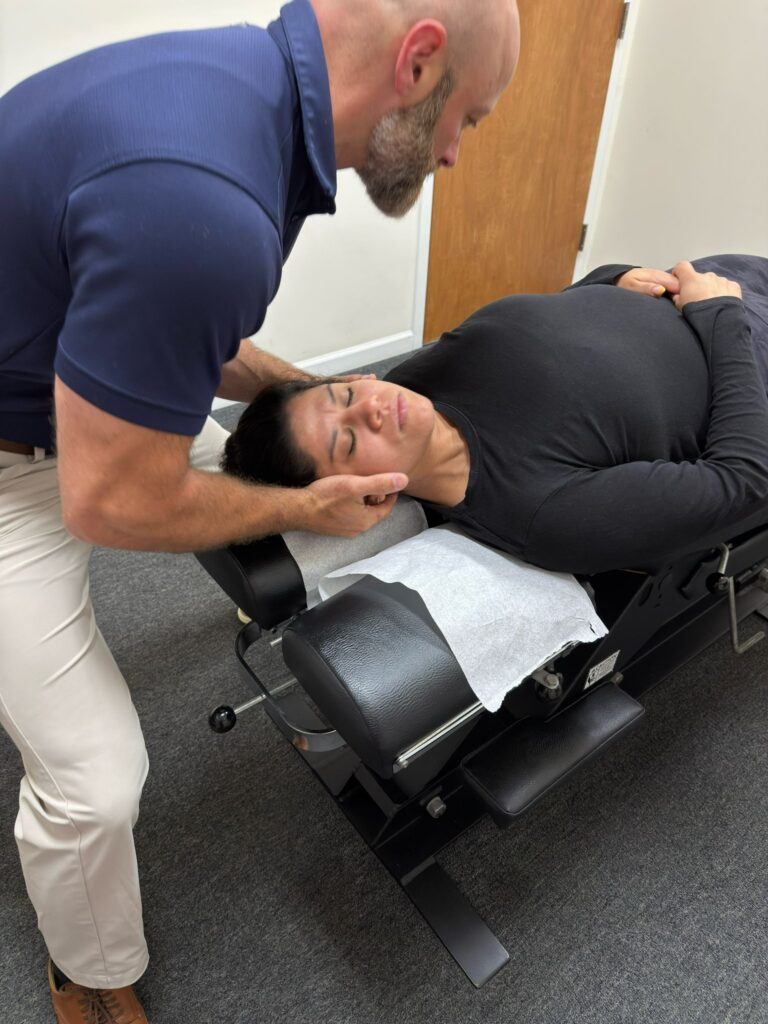

If you’re one of the many who suffer from migraines, finding effective relief can sometimes feel overwhelming. You may have explored various treatments without finding lasting results. However, there are practical steps, especially through chiropractic care, that can help alleviate your discomfort and reduce the frequency of these painful episodes. By focusing on natural healing methods, you can empower yourself to regain control over your health.
Here are some strategies that might make a significant difference in your daily life:
- Stay Hydrated: Dehydration can trigger migraines, so make sure you are drinking plenty of water throughout the day. Proper hydration helps maintain optimal bodily function and can aid in reducing headache symptoms.
- Regular Chiropractic Adjustments: Chiropractic care can be a powerful ally in managing migraines. Regular spinal adjustments help ensure that your nervous system functions at its best, potentially reducing the frequency and intensity of migraine attacks.
- Mind Your Posture: Poor posture can contribute to tension headaches and migraines. Focus on maintaining good posture throughout your day, especially if you work at a desk. Ergonomic adjustments can go a long way in relieving strain on your neck and spine.
- Manage Stress: Stress is a well-known trigger for migraines. Incorporating relaxation techniques such as deep breathing, meditation, or yoga can help you manage stress more effectively. Chiropractic care may also assist in stress management by promoting relaxation in your body.
- Essential Oils for Relief: Some individuals find relief from migraines by using essential oils like peppermint or lavender. These can be applied topically or used in aromatherapy. Just remember to consult with your chiropractor for the best approach to incorporate them into your wellness routine.
- Regular Exercise: Engaging in regular physical activity can help reduce the frequency of migraines. Exercise releases endorphins, which act as natural painkillers. Plus, it can improve overall spinal health, which is crucial for preventing migraines.
- Adequate Sleep: Ensuring you get enough restorative sleep is essential. Sleep disturbances can trigger migraines, so practice good sleep hygiene by maintaining a consistent schedule and creating a restful environment.
By integrating these natural strategies into your routine, especially through chiropractic care, you can work towards reducing migraine occurrences and enhancing your overall well-being. Remember, taking proactive steps towards your health is key, and your chiropractor is here to support you on that journey.
Key Takeaways
- Stay hydrated by drinking at least eight glasses of water daily. Monitoring the color of your urine can help you ensure you’re getting enough fluids. Proper hydration supports overall health and can help reduce the frequency of migraines.
- Be mindful of what you eat! Identifying and avoiding common migraine trigger foods, such as aged cheeses, cured meats, and alcohol, can make a significant difference. Instead, opt for fresh, unprocessed foods that nourish your body and support spinal health.
- Consider using essential oils like peppermint and lavender, which can help relieve tension and promote relaxation. Remember to mix them with a carrier oil before applying to your skin for safe use.
- Regular exercise is essential not just for your overall health but also for managing migraines. Activities like walking or yoga enhance circulation, help release feel-good endorphins, and can reduce the intensity of migraine symptoms. Plus, it keeps your spine healthy and aligned.
- Prioritize good sleep hygiene! A consistent sleep schedule and a restful environment can greatly improve your overall well-being and help prevent migraines. Quality sleep supports your body’s natural healing processes and contributes to a healthy spine.
By incorporating these tips into your daily routine and considering chiropractic care, you can take proactive steps toward achieving optimal health and reducing migraine discomfort naturally. Remember, your spine plays a crucial role in your overall health, so keeping it aligned is key!
Stay Hydrated
When you’re dealing with migraines, staying hydrated can significantly improve your overall well-being and comfort. Dehydration is a common trigger for headaches, so it’s essential to sip water throughout the day to help prevent them. Aim to drink at least eight glasses of water daily, but always listen to your body. If you find yourself being active or spending time in warmer weather, be sure to increase your water intake.
A simple way to check your hydration status is by observing the color of your urine; a light yellow shade indicates good hydration. If it’s darker, it’s time to grab a glass of water. Incorporating hydrating foods into your diet, such as cucumbers, watermelon, and oranges, can also help increase your fluid intake.
Carrying a reusable water bottle is a great reminder to drink regularly. You might even consider setting a timer or using an app to track your hydration goals. By making hydration a priority, you can reduce the likelihood of migraines and support your body’s natural healing processes.
As a chiropractor, I emphasize the importance of holistic approaches to health. Staying well-hydrated is just one aspect of maintaining a healthy spine and body.
Remember, chiropractic care can play a crucial role in managing pain and enhancing your overall wellness, providing a natural alternative without the need for medications or surgeries. So, alongside your hydration efforts, consider regular chiropractic adjustments to help keep your body aligned and functioning optimally.
Never underestimate the power of hydration as part of your wellness strategy!
Essential Oils for Relief
While many individuals turn to conventional treatments for migraines, incorporating essential oils can be a natural and effective way to find relief. As a chiropractor, I believe in exploring holistic approaches to health and wellness, and essential oils can complement chiropractic care in your journey to optimal health.
One essential oil that many find beneficial is peppermint oil. Its menthol content can help relax tight muscles and improve blood circulation, which may alleviate headache symptoms. You can apply it topically to your temples and wrists, or inhale it directly for quick relief.
Remember, regular chiropractic adjustments can also help address underlying issues contributing to tension and headaches.
Lavender oil is another fantastic option known for its calming properties. Reducing stress is important, as it’s a common migraine trigger. You can diffuse lavender oil in your home or apply it to your pulse points to create a peaceful environment.
Pairing this with chiropractic care can enhance your relaxation and promote overall wellness.
If sinus pressure is contributing to your migraines, eucalyptus oil might help by opening nasal passages and improving airflow. Inhale it or add a few drops to a warm bath for soothing relief.
Don’t forget that maintaining proper spinal alignment through chiropractic adjustments can also support better breathing and overall sinus health.
To get the most out of essential oils, consider blending them with a carrier oil for safe application. Always perform a patch test on a small area of skin before full use to ensure there’s no allergic reaction.
By incorporating essential oils along with regular chiropractic care, you can create a comprehensive approach to managing migraines and achieving better health.
Dietary Adjustments
When managing migraines, making dietary adjustments can have a profound impact on your overall well-being. As a chiropractor, I believe that addressing the root causes of discomfort—like migraine triggers—can lead to natural healing and improved health.
Start by identifying any foods that might be triggering your migraines and try to avoid them. Common culprits include aged cheeses, processed meats, and artificial sweeteners. Keep a food diary to track what you eat and how it affects your symptoms. This can help you pinpoint specific triggers more effectively.
Staying well-hydrated is equally important. Dehydration can contribute to headaches and migraines, so aim to drink plenty of water throughout the day. Herbal teas and water-rich fruits and vegetables can also help you maintain hydration.
In addition to dietary changes, consider incorporating regular chiropractic care into your wellness routine. Chiropractic adjustments can help improve spinal function, reduce tension, and promote better overall health, which may provide additional relief from migraine symptoms.
Trigger Foods to Avoid
Identifying trigger foods is crucial for managing migraines effectively, as certain dietary choices can worsen your symptoms. By understanding what to avoid, you can potentially reduce the frequency and intensity of your migraines, and enhance your overall health and wellness.
Here are four common trigger foods you might consider eliminating from your diet:
- Aged cheese – These cheeses often contain tyramine, which can lead to headaches. Opt for fresher cheese varieties instead.
- Cured meats – Processed meats may have additives that can trigger migraines. Choosing fresh, unprocessed meats can be a healthier alternative.
- Alcohol – Particularly red wine, which is a common trigger. Staying hydrated and opting for non-alcoholic beverages can help maintain your wellness.
- Caffeinated beverages – While some people find that small amounts of caffeine help with headaches, too much can provoke migraines. Moderation is key, so consider limiting your intake.
In addition to being mindful of your diet, chiropractic care can play a significant role in managing migraines and promoting overall wellness.
Regular chiropractic adjustments can help alleviate tension in the spine and improve your body’s function, potentially reducing headache frequency.
Remember, maintaining a healthy lifestyle with balanced nutrition, hydration, and regular chiropractic visits can empower you on your journey to migraine relief and optimal health.
Always consult with a chiropractor for personalized advice tailored to your specific needs.
Hydration and Migraine Relief
Staying properly hydrated is crucial for managing migraines, as even slight dehydration can trigger headaches or intensify existing pain. As a chiropractor, I often emphasize the importance of a holistic approach to wellness, and hydration plays a key role in that. Make it a daily habit to drink water consistently throughout the day. Additionally, incorporating hydrating foods into your meals can provide extra benefits for your body and overall health. Here’s a helpful reference table to guide you in focusing on hydration:
| Food | Water Content (%) | Benefits |
|---|---|---|
| Cucumber | 95 | Low-calorie, revitalizing |
| Watermelon | 92 | Packed with vitamins |
| Strawberries | 91 | Rich in antioxidants |
| Spinach | 91 | Nutrient-dense and hydrating |
Regular Exercise
Regular exercise can significantly contribute to reducing the frequency and intensity of migraines, making it an essential part of your wellness journey.
As a chiropractor, I emphasize the importance of natural methods for pain relief and overall health. Incorporating physical activity into your routine not only promotes well-being but may also decrease migraine episodes.
Here are some gentle exercise options to consider:
- Walking – A simple and low-impact activity that enhances circulation without putting too much strain on your body. Walking can also help clear your mind and reduce stress.
- Yoga – Combining gentle movements with mindfulness, yoga improves flexibility and alleviates tension. This can be particularly beneficial for those suffering from migraines, as it encourages relaxation and improved body awareness.
- Swimming – This low-impact, full-body workout is easy on your joints and offers a refreshing escape from daily stresses. The soothing properties of water can also help ease tension and discomfort.
- Cycling – Whether you prefer riding outdoors or using a stationary bike, cycling can boost your mood and provide a fantastic way to get your heart rate up without excessive strain on your body.
Integrating these exercises into your daily routine can positively impact your migraine management.
Remember to stay consistent and listen to your body’s signals.
Additionally, consider visiting your chiropractor to discuss how spinal alignment and adjustments can further enhance your overall health and well-being, supporting your efforts to live a pain-free, active life.
Stress Management Techniques
Managing stress is crucial not only for migraine relief but also for your overall health and well-being. As a chiropractor, I often see the connection between stress, tension in the spine, and the onset of migraines. There are several effective techniques you can incorporate into your daily routine to help alleviate stress naturally and promote healing.
One of the simplest methods is deep breathing exercises. Taking a few moments each day to focus on your breath can help calm your nervous system, reduce tension in your body, and enhance spinal alignment. Pairing deep breathing with mindfulness meditation can further deepen your sense of calm, allowing you to become more aware of your body and how stress affects it.
Regular physical activity is another essential component of a healthy lifestyle. Engaging in activities such as walking, stretching, or yoga not only boosts your mood but also promotes better spinal health. Movement helps to release endorphins, the body’s natural pain relievers, while also reducing muscle tension that can contribute to migraines.
As you explore these strategies, remember that chiropractic care plays a vital role in achieving optimal health. Regular adjustments can help ensure your spine is aligned, reducing nerve interference and allowing your body to function at its best. This holistic approach to wellness can significantly enhance your ability to manage stress and prevent migraines.
Incorporating these techniques into your daily life can make a significant difference. Try setting aside a few minutes each day for deep breathing, engage in regular physical activity, and consider chiropractic adjustments as a part of your wellness routine. Together, these practices can lead to a healthier, happier you.
Deep Breathing Exercises
Deep breathing exercises can be an effective method for alleviating migraine symptoms and reducing stress, making them a great complement to chiropractic care. By focusing on your breath, you not only promote relaxation but also support your overall well-being. Here’s a simple guide to help you get started:
- Find a Quiet Space: Choose a comfortable spot where you can sit or lie down without distractions. This will help you focus entirely on your breathing and the relaxation process.
- Inhale Deeply: Take a slow, deep breath in through your nose for a count of four. As you do this, allow your abdomen to expand fully. This deep inhalation helps increase oxygen flow, which is vital for your body’s healing processes.
- Hold Your Breath: Gently pause and hold your breath for a count of four. This helps your lungs fully utilize the oxygen, promoting a sense of calm and balance.
- Exhale Slowly: Release your breath through your mouth for a count of six, letting go of any tension. This slow exhalation is crucial for activating your body’s relaxation response.
Repeat this breathing cycle for several minutes. Incorporating deep breathing into your daily routine can be a simple yet powerful way to manage stress and potentially reduce the frequency of migraines.
Remember, while these techniques are beneficial, regular chiropractic care can also play a vital role in achieving optimal health and pain relief.
Mindfulness Meditation Practices
Incorporating mindfulness meditation into your daily routine can be a valuable addition to your overall health and wellness strategy, especially when it comes to managing stress and alleviating migraine symptoms. As a chiropractor, I believe that a holistic approach to health, including mindfulness, can complement the benefits of chiropractic care.
By focusing your attention on the present moment, you can help reduce anxiety and foster a sense of calm that supports your body’s natural healing processes. Start with just a few minutes each day—find a quiet space, sit comfortably, and concentrate on your breath. If your mind begins to wander, gently guide your thoughts back to your breathing. This simple practice can enhance your body awareness, enabling you to recognize early signs of a migraine more effectively.
Mindfulness can also complement your chiropractic adjustments by helping you stay in tune with your body and its signals. As you learn to manage your stress, you may find that the tension contributing to your migraines decreases.
Remember, consistency is key; making mindfulness meditation a regular part of your day can bring significant relief from the stress that often triggers migraines.
In addition to mindfulness meditation, consider regular chiropractic care to address any misalignments in your spine that could contribute to headaches and migraines. A well-aligned spine supports optimal nervous system function, which is essential for your overall health.
Together, these practices can empower you to take charge of your wellness journey and lead a healthier, pain-free life.
Physical Activity Benefits
While you mightn’t realize it, engaging in regular physical activity can be one of the most effective ways to manage stress and promote overall well-being. As a local chiropractor, I want to emphasize that exercise isn’t just about staying fit; it plays a crucial role in enhancing your quality of life and can even help alleviate migraine symptoms.
Here are four benefits of incorporating physical activity into your daily routine for stress relief:
- Releases Endorphins: When you exercise, your body releases endorphins. These natural chemicals act as pain relievers and mood boosters, helping you feel happier and more relaxed.
- Improves Sleep: Getting regular physical activity can significantly improve the quality of your sleep. Better sleep means you wake up feeling refreshed, which can help reduce migraine triggers and lower stress levels.
- Reduces Tension: Movement is key to relieving muscle tension, which often contributes to headaches and migraines. By keeping your body active, you can help prevent the tightness that leads to discomfort.
- Boosts Confidence: Achieving fitness goals—no matter how small—can enhance your self-esteem. Feeling good about your physical health can empower you to tackle stress more effectively.
In addition to these benefits, consider incorporating regular chiropractic care into your wellness routine. Chiropractic adjustments can help ensure your spine is aligned, which supports overall bodily function and can enhance the effectiveness of your physical activity.
Remember, a healthy spine is essential for a healthy body!
Sleep Hygiene Practices
Good sleep hygiene can play a crucial role in reducing the frequency and severity of migraines, and as a local chiropractor, I want to share some effective tips to improve your sleep and overall wellness.
Establishing a consistent sleep schedule is key. Try to go to bed and wake up at the same time every day, which helps regulate your body’s internal clock and promotes better sleep quality.
Creating a restful sleep environment is essential. Make your bedroom a sanctuary by keeping it dark, quiet, and cool. You might consider using blackout curtains to block out light and a white noise machine to mask any disruptive sounds.
Limit screen time in the evening, as the blue light emitted from devices can interfere with your ability to fall asleep. Instead, engage in calming activities like reading a book or practicing meditation.
Also, pay attention to your evening diet; it’s best to avoid caffeine and heavy meals close to bedtime to promote better rest.
Ensure you’re getting the right amount of sleep—aim for 7 to 9 hours each night. Quality sleep is vital for your body’s healing processes and can significantly reduce migraine occurrences.
By adopting these sleep hygiene practices, you not only promote better sleep but also support your body’s natural healing abilities.
Incorporating these healthy habits into your daily routine can make a noticeable difference in your overall well-being.
And remember, chiropractic care can also support your journey to optimal health, helping to alleviate pain and improve your body’s function.
Prioritize your health and well-being with a holistic approach!
Over-the-Counter Medications
After improving your sleep hygiene, it’s important to explore natural ways to address migraines, as this can help you regain control over your day without relying on medications. One of the best approaches is chiropractic care, which focuses on spinal health and can play a significant role in relieving migraine symptoms.
Here are some tips and tricks to consider:
- Chiropractic Adjustments: Regular visits to a chiropractor can help align your spine, reduce tension, and improve nerve function, which may alleviate migraine triggers.
- Posture Awareness: Maintaining good posture, especially while working or using devices, can reduce strain on your neck and back, helping to prevent migraine onset.
- Stress Management: Incorporating relaxation techniques such as deep breathing, yoga, or meditation can help reduce stress levels, which are often a trigger for migraines.
- Hydration: Staying well-hydrated is crucial. Dehydration can lead to headaches, so make sure to drink plenty of water throughout the day.
- Healthy Lifestyle Choices: Eating a balanced diet, getting regular exercise, and ensuring you have adequate sleep can all contribute to overall wellness and may help reduce the frequency of migraines.
If migraines persist, it’s essential to consult with a healthcare professional who understands the benefits of chiropractic care in managing pain naturally.
Conclusion
Incorporating natural remedies into your daily routine can significantly enhance your migraine relief while promoting overall health and wellness. Staying hydrated is crucial, as dehydration can trigger migraines. Simple adjustments to your diet, such as including more whole foods and reducing processed items, can also make a difference.
Regular chiropractic care is one of the best ways to manage migraine pain naturally. Chiropractors focus on spinal health, which can greatly influence the nervous system and help reduce the frequency and intensity of migraines. Alongside chiropractic adjustments, engaging in regular physical activity can help relieve tension and improve circulation, further aiding in migraine prevention.
Don’t overlook the benefits of stress management techniques, such as yoga or meditation, which can also play a vital role in reducing migraine occurrences. Ensuring you have good sleep hygiene—like maintaining a consistent sleep schedule and creating a restful environment—can further support your health and wellbeing.
While it’s tempting to turn to over-the-counter medications for quick relief, remember that these can often mask the symptoms rather than address the root cause. By focusing on these proactive, natural approaches, including chiropractic care, you can better manage your migraines and promote a healthier lifestyle. Your body will thank you!