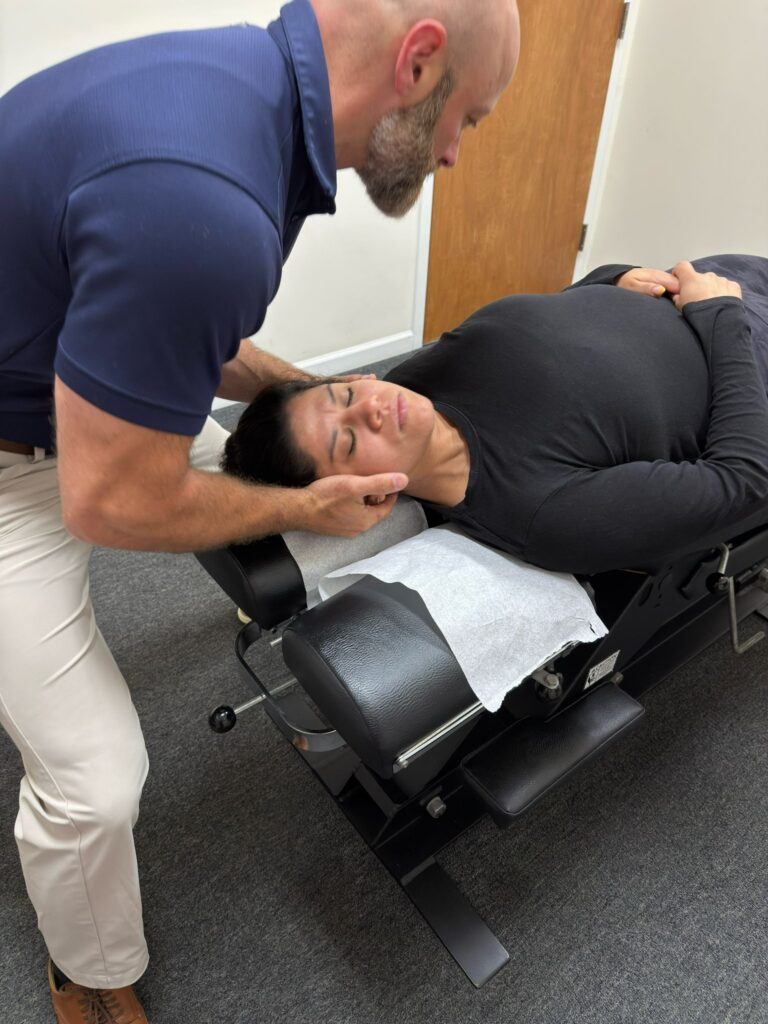
Tension headaches can be a real nuisance, affecting your daily life and overall well-being. You might be surprised to learn that simple adjustments and natural remedies can make a significant difference. As a chiropractor, I believe that understanding the underlying causes, including poor posture and muscle tension, is crucial for effective relief.
One of the first steps to tackle tension headaches is to assess your workstation setup. Ensure that your chair supports your lower back, your computer screen is at eye level, and your feet can rest flat on the ground. Maintaining good posture while sitting can alleviate unnecessary strain on your spine and muscles, reducing the likelihood of headaches.
Incorporating relaxation techniques into your daily routine can also be incredibly beneficial. Simple practices like deep breathing exercises, gentle neck stretches, and mindfulness meditation can help release tension in your body and promote a sense of calm. Regular chiropractic adjustments can further enhance your relaxation, as they help to align your spine, improve circulation, and relieve muscle tension.
Staying hydrated and maintaining a balanced diet rich in fruits, vegetables, and whole grains can support your overall health and reduce the frequency and intensity of tension headaches. Don’t underestimate the power of proper hydration and nutrition in keeping your body functioning optimally.
Lastly, consider scheduling regular chiropractic visits as part of your wellness routine. Chiropractic care focuses on the spine and nervous system, addressing the root causes of tension headaches rather than just masking the symptoms. By working with a chiropractor, you can develop a personalized plan to restore balance and promote natural healing in your body.
Let’s work together to uncover practical solutions for managing and reducing tension headaches. With the right approach, you can achieve optimal health and enjoy a more comfortable, pain-free life.
Key Takeaways
- Stay hydrated! Drinking plenty of water each day helps keep your body functioning properly and can prevent headaches caused by dehydration. Remember, proper hydration is essential for overall health and well-being.
- Regular exercise and stretching are key to relieving muscle tension and improving posture. Incorporating activities like walking, swimming, or yoga into your routine not only helps your body stay flexible and strong but also supports spinal health.
- Stress can contribute to tension headaches, so practicing relaxation techniques is important. Deep breathing, yoga, and meditation can help calm your mind and reduce tension in your body. These practices can also enhance the benefits of chiropractic care by promoting relaxation and reducing stress levels.
- Maintaining good posture is crucial for spinal health and can help minimize strain on your neck and shoulders. Setting up an ergonomic workstation is a great way to support proper alignment and reduce discomfort while working.
- Establishing a consistent sleep schedule and creating a comfortable sleep environment can significantly enhance sleep quality. Quality sleep is essential for recovery and can help prevent headaches. Consider consulting with your chiropractor for tips on optimal sleeping positions that support your spine.
Remember, chiropractic care is a natural and effective way to address tension headaches and promote overall wellness. By integrating these tips into your daily routine and working with your chiropractor, you can achieve a healthier, pain-free life!
Understand the Causes of Tension Headaches
To effectively relieve tension headaches, it’s crucial to understand what causes them. These headaches often arise from muscle tension in your neck, shoulders, and scalp. Stress is a major factor; when you’re stressed, your muscles tend to tighten, leading to discomfort.
Additionally, poor sleep can play a significant role. When you don’t get enough rest, your body becomes more vulnerable to tension, making headaches more likely.
Dehydration is another common issue that can worsen headaches. Your brain needs proper hydration to function well, so drinking enough water throughout the day is essential.
Eye strain from excessive screen time or inadequate lighting can also contribute to tension headaches. Recognizing these triggers empowers you to take proactive steps in managing your headaches.
Chiropractic care is an excellent approach for addressing muscle tension and promoting overall wellness. Regular adjustments can help alleviate tightness in your neck and shoulders, improving your body’s ability to cope with stress.
Here are some tips to help you manage tension headaches naturally:
- Stay Hydrated: Aim to drink plenty of water throughout the day.
- Take Breaks: If you work at a computer, remember to take regular breaks to rest your eyes and stretch your muscles.
- Practice Relaxation Techniques: Engage in activities like deep breathing, yoga, or meditation to reduce stress.
- Prioritize Sleep: Establish a relaxing bedtime routine to ensure you get quality rest.
- Consider Chiropractic Care: Regular visits to a chiropractor can help relieve tension, improve spinal alignment, and enhance your overall wellness.
Practice Good Posture
Practicing good posture is vital for alleviating tension headaches and promoting overall spinal health. When you maintain proper alignment of your body, whether you’re sitting at your desk or standing in line, you can significantly reduce the strain on your neck and shoulders.
This is where chiropractic care comes into play—by focusing on spinal adjustments and alignment, a chiropractor can help you achieve the posture necessary for optimal health.
To enhance your comfort and well-being, consider setting up an ergonomic workstation. This means adjusting your chair and desk so that your computer screen is at eye level, your feet are flat on the ground, and your wrists are straight while typing.
Regular stretching is also beneficial; simple neck rolls and shoulder stretches can relieve tension and improve your flexibility.
Remember, the key to natural healing lies in a healthy spine. Regular chiropractic visits can help maintain that alignment and prevent future discomfort.
Importance of Alignment
Good posture is crucial in preventing tension headaches, and as your local chiropractor, I want to emphasize how proper alignment can help you achieve optimal health. Misalignment can lead to muscle strain and discomfort, contributing to headaches. When you maintain good posture, your muscles and joints function more efficiently, which can significantly reduce the risk of tension buildup.
Start by sitting up straight—keep your head aligned over your shoulders and your shoulders relaxed. Avoid slouching or leaning forward, as these habits can put extra stress on your neck and back. Regularly checking your posture throughout the day is essential, especially if you find yourself sitting for long periods. This simple adjustment can greatly decrease the frequency and intensity of headaches.
Incorporating chiropractic care into your wellness routine is an excellent way to ensure that your spine is properly aligned and functioning at its best. A chiropractor can help identify any misalignments and provide gentle adjustments to promote balance and health in your body.
Remember, your body thrives on alignment and balance, so make it a priority to maintain good posture. By doing so, you can effectively keep headaches at bay and enhance your overall well-being naturally.
Take small steps towards better alignment today, and you may find yourself feeling more energized and free from discomfort.
Ergonomic Workstation Setup
While setting up your workstation, it’s crucial to prioritize ergonomics to support good posture and prevent discomfort. As a chiropractor, I want to emphasize that maintaining proper alignment can significantly reduce tension headaches and other spinal issues.
Begin by adjusting your chair so your feet rest flat on the floor, with your knees at a 90-degree angle. This position helps to keep your hips aligned and supports your lower back. Make sure your chair has good lumbar support to maintain the natural curve of your spine, which is essential for overall spinal health.
Next, position your monitor at eye level, about an arm’s length away. This will help you avoid straining your neck and shoulders, which can lead to discomfort over time. If you find yourself leaning forward or tilting your head to see the screen, it may be time to make some adjustments.
Your keyboard should be close enough so that your elbows remain at your sides while typing, allowing your wrists to stay straight. This alignment is important to prevent strain and promote healthy wrist posture, reducing the risk of repetitive strain injuries.
Lastly, if you often talk on the phone, consider using a headset. This can help you avoid cradling the phone between your shoulder and ear, which can lead to neck and shoulder tension.
Implementing these ergonomic changes can greatly enhance your comfort and productivity, while also contributing to your overall spinal health.
Stretching and Movement
Incorporating regular stretching and movement into your daily routine can significantly alleviate tension and enhance your posture, which is vital for overall health. As a chiropractor, I often see how prolonged sitting can lead to muscle tightness, discomfort, and even headaches.
To combat this, it’s important to take short breaks every hour. Stand up, stretch, and realign your posture to keep your spine healthy.
Simple stretches like neck rolls, shoulder shrugs, and chest openers can help release built-up tension. Remember to focus on keeping your back straight and your shoulders relaxed during these stretches.
Additionally, activities such as yoga and Pilates are fantastic for improving flexibility and core strength, which are essential for maintaining good posture.
Chiropractic care plays a crucial role in achieving optimal health. Regular visits to a chiropractor can help ensure your spine is aligned, which not only aids in pain relief but also promotes overall well-being.
By prioritizing movement and stretching, you’re taking proactive steps to relieve tension and support a healthier body.
Stay Hydrated
Staying hydrated is crucial for overall health and can play a significant role in preventing tension headaches. When your body is dehydrated, it can lead to muscle tightness and discomfort, which may contribute to headache pain. Many people are unaware of just how much water their body truly needs to function at its best.
By maintaining optimal hydration levels, you can help alleviate the frequency and intensity of headaches, and support your spinal health as well.
Here are some simple tips to ensure you’re drinking enough fluids:
- Carry a water bottle: Having a water bottle with you at all times makes it easy to sip throughout the day.
- Set reminders: Use your phone to prompt you to drink water regularly. This can help you build a healthy habit.
- Flavor it up: If plain water isn’t appealing, consider adding slices of lemon or cucumber for a refreshing twist.
- Eat water-rich foods: Incorporate fruits and vegetables like watermelon, cucumbers, and oranges into your meals. They not only hydrate you but also provide essential nutrients for your body.
- Track your intake: Consider using an app to keep an eye on how much water you consume daily. This can help you stay accountable and meet your hydration goals.
Remember, proper hydration supports not only your general wellbeing but also the health of your spine. When your body is well-hydrated, it can function more efficiently, reducing the risk of discomfort and pain.
Incorporate Regular Exercise
Regular exercise can be a game-changer in managing tension headaches and enhancing overall well-being. As a chiropractor, I often emphasize the importance of physical activity for not just your body, but also for your spine and nervous system health. Engaging in regular exercise helps reduce stress, improve blood circulation, and release endorphins, all of which can alleviate headache symptoms. I recommend aiming for at least 30 minutes of moderate exercise most days of the week.
Here’s a quick reference table to help you choose suitable activities that can benefit your spine and overall health:
| Activity | Benefits |
|---|---|
| Walking | Low-impact, easy to start, good for posture |
| Yoga | Promotes flexibility, relaxes muscles, improves spinal alignment |
| Cycling | Boosts cardiovascular health, strengthens core muscles |
| Swimming | Gentle on joints, invigorating, supports spinal decompression |
| Strength training | Builds muscle, increases stamina, supports joint health |
Finding an activity you enjoy is key to making it a consistent part of your routine. When you incorporate exercise, you’ll not only feel great physically but also mentally, which can significantly lower your chances of experiencing tension headaches.
Explore Relaxation Techniques
As a chiropractor dedicated to promoting health and wellness, I want to share some effective relaxation techniques that can help alleviate tension headaches and enhance your overall mental well-being. By incorporating these natural methods into your daily routine, you can manage stress and potentially prevent headaches before they arise.
Here are some easy-to-follow techniques that may be beneficial:
- Deep Breathing: Take a moment to focus on slow, deep breaths. Inhale deeply through your nose, allowing your abdomen to rise, and then exhale gently through your mouth. This practice calms both your mind and body, reducing stress levels.
- Progressive Muscle Relaxation: This technique involves tensing and then relaxing each muscle group in your body, starting from your feet and moving up to your head. It helps release built-up tension and promotes a sense of relaxation.
- Mindfulness Meditation: Set aside a few minutes each day to sit quietly and be present. Focus on your thoughts and surroundings without judgment. This practice enhances your awareness and can help you manage stress more effectively.
- Guided Imagery: Picture a serene scene in your mind, such as a tranquil beach or a peaceful forest. Visualizing these calming images can help distract you from discomfort and promote relaxation.
- Gentle Stretching: Incorporate simple neck and shoulder stretches into your routine. Stretching these areas can relieve tightness and improve flexibility, which is important for spinal health and overall comfort.
By adopting these relaxation techniques regularly, you can create a soothing routine that not only addresses tension headaches but also contributes to your overall mental health and well-being.
Utilize Heat or Cold Therapy
When that nagging tension headache starts to set in, one of the simplest and most effective ways to find relief is through heat or cold therapy. As a chiropractor, I often recommend these methods to help alleviate discomfort and promote natural healing.
To begin, consider using a cold pack. Place it gently on your forehead or the back of your neck for about 15 minutes. The cold sensation helps numb the pain and can reduce inflammation, providing quick relief.
On the other hand, if you find warmth more soothing, a heating pad or a warm towel can work wonders. Applying heat to your neck or shoulders can help ease tense muscles, which are often the culprits behind tension headaches.
If you have a bit more time, a warm shower or bath can be a great way to relax your entire body and melt away stress. And for those moments when you’re on the go, don’t underestimate the power of a warm rice bag; it’s portable and effective!
Remember, it’s important to listen to your body. Some individuals find cold therapy to be more effective, while others prefer the soothing effects of heat. Feel free to experiment with both approaches to see which one provides you the best relief from your headaches. You might even find that switching between them can offer optimal comfort.
In addition to these at-home remedies, regular chiropractic care can play a significant role in managing headache pain and improving overall wellness. By addressing any spinal misalignments, we can help reduce tension and enhance your body’s ability to heal naturally.
Incorporating chiropractic adjustments into your routine not only aids in headache relief but also promotes a healthier lifestyle overall. Take care of your spine, and it will take care of you!
Manage Stress Effectively
Managing stress effectively is crucial for preventing tension headaches, and chiropractic care can play a significant role in this process. By addressing spinal alignment, chiropractors help improve nervous system function, which can reduce anxiety and stress levels.
Incorporating mindfulness techniques into your routine can also be beneficial. These practices keep you present and centered, promoting a sense of calm that complements the benefits of chiropractic adjustments.
Additionally, don’t overlook the importance of taking regular breaks throughout your day. This simple practice allows you to recharge and maintain focus, reducing the likelihood of tension headaches.
Practice Mindfulness Techniques
Practicing mindfulness techniques can significantly alleviate stress, which is often a contributing factor to tension headaches. By concentrating on the present moment, you can reduce mental strain, promote relaxation, and support your overall well-being—complementing the benefits of chiropractic care.
Here are some effective mindfulness practices to integrate into your daily routine:
- Deep Breathing: Take a few moments to inhale deeply through your nose, hold for a few seconds, and then exhale slowly. This technique helps calm your nervous system and can enhance the effects of spinal adjustments.
- Body Scan: Mentally check in with each part of your body, starting from your head down to your toes. As you focus on each area, consciously release any tension you feel. This practice not only enhances relaxation but also helps you become more aware of how your body feels, which is crucial for understanding your spinal health.
- Guided Meditation: Consider using apps or online resources that offer calming audio meditations. These can help you clear your mind and reduce stress, making your chiropractic sessions more effective.
- Mindful Walking: While walking, pay attention to each step and your surroundings. This practice helps ground you in the moment and can be a great way to enhance your overall posture and spinal alignment.
- Gratitude Journaling: Take a few minutes each day to write down three things you’re grateful for. Shifting your focus to positive thoughts can significantly improve your mental health and complement the natural healing provided by chiropractic care.
Incorporating these mindfulness techniques into your routine can lead to lasting relief from tension headaches and contribute to your overall health.
Prioritize Regular Breaks
Taking regular breaks throughout your day is essential for effectively managing stress and preventing tension headaches, not just for your mind but also for your spine. When you work non-stop, your mind and body, including your spine, can become fatigued, leading to increased tension in your muscles and joints.
I recommend setting a timer to remind yourself to step away every hour. Use these moments to stretch, take deep breaths, or enjoy a short walk. These activities not only refresh your mind but also help release built-up muscle tension that can affect your spinal health.
You might find it beneficial to engage your senses during these breaks. Sip on a warm cup of tea or listen to calming music. These simple pleasures can create a more relaxed state, which is crucial for maintaining a healthy spine.
Prioritizing these breaks won’t only enhance your work environment but can also boost your productivity and overall well-being. Incorporating these pauses into your routine can make it easier to manage stress and reduce the frequency of tension headaches, which often stem from spinal misalignments.
Remember, chiropractic care is a wonderful way to address these issues naturally. Regular adjustments can help keep your spine aligned, relieving tension and promoting optimal health.
Consider Over-the-Counter Medications
If you’re experiencing tension headaches frequently, it’s important to understand that there are natural ways to manage and alleviate this discomfort, and chiropractic care can be a highly effective option. Rather than relying on over-the-counter medications, which may only mask the pain temporarily, consider how chiropractic adjustments can help address the root cause of your headaches.
Chiropractic care focuses on the alignment of your spine and overall nervous system health. Misalignments in the spine can lead to tension and strain in the surrounding muscles, contributing to headaches. By receiving regular chiropractic adjustments, you can help restore proper alignment, reduce tension, and promote overall wellness.
Here are some additional tips for managing tension headaches naturally:
- Stay Hydrated: Dehydration can be a common trigger for headaches. Make sure to drink plenty of water throughout the day.
- Practice Good Posture: Poor posture can strain your neck and back, leading to headaches. Be mindful of your posture, especially when sitting for long periods.
- Incorporate Stress-Relief Techniques: Stress is a major contributor to tension headaches. Explore relaxation techniques such as deep breathing, meditation, or yoga to help manage stress levels.
- Get Regular Exercise: Physical activity can improve circulation and reduce muscle tension. Aim for at least 30 minutes of moderate exercise most days of the week.
- Consider Massage Therapy: Complementing chiropractic care with massage therapy can enhance relaxation and relieve muscle tension, further reducing the likelihood of headaches.
While it may be tempting to reach for pain relievers when headaches strike, consider exploring chiropractic care as a holistic approach to achieving optimal health and wellness.
Always consult with your chiropractor about your specific needs and any underlying conditions. Remember, the goal is to not just treat the symptoms but to promote long-lasting health and well-being.
Get Adequate Sleep
Getting enough quality sleep is essential for preventing tension headaches and promoting overall health. As a chiropractor, I understand the connection between sleep and spinal health, and I want to share some effective ways to enhance your sleep routine for better wellness.
First, focus on your sleep environment. Make sure your bedroom is dark, quiet, and cool. This can create the ideal atmosphere for restful sleep. Also, consider investing in a supportive mattress and pillows that align your spine properly. Proper alignment is crucial, as it can help reduce tension in your neck and back, leading to a more restful sleep.
Next, establish a bedtime routine. Try to go to bed and wake up at the same time each day, even on weekends. This consistency helps regulate your body’s internal clock. Engage in relaxing activities before bed, such as gentle stretching or deep breathing exercises, to prepare your body for sleep.
Incorporating chiropractic care into your routine can also significantly enhance your sleep quality. Regular adjustments can help improve spinal alignment, reduce muscle tension, and alleviate stress, all of which contribute to better sleep. Plus, chiropractic care promotes overall wellness, helping your body function optimally.
Lastly, pay attention to your daytime habits. Stay physically active, as regular exercise can improve sleep quality. However, try to avoid vigorous workouts close to bedtime. Also, limit caffeine and screen time in the evening to help your body unwind.
Importance of Sleep Quality
As a chiropractor, I want to highlight the critical role that quality sleep plays in managing tension headaches and overall wellness. Good sleep isn’t just about rest; it’s about allowing your body to heal, reduce stress, and maintain a healthy spine.
Here are some important reasons why focusing on your sleep quality can have a profound impact on headache relief:
- Restores Your Energy: Quality sleep is essential for replenishing your energy levels. This helps you stay alert and ready to face the day, reducing the likelihood of stress-induced headaches.
- Reduces Stress: When you experience deep sleep, your body naturally lowers stress hormones. Since tension headaches can often be triggered by stress, prioritizing your sleep can help keep those headaches at bay.
- Supports Brain Function: Adequate rest enhances your cognitive abilities and stabilizes your mood. When your mind is clear and your mood is balanced, you’re less likely to experience headaches.
- Improves Pain Tolerance: Quality sleep can actually increase your pain threshold. This means that when you do experience discomfort, such as a headache, it may feel less intense and more manageable.
- Enhances Overall Well-being: Good sleep supports your body’s natural healing processes, contributing to your overall health. Feeling your best can significantly reduce the frequency and severity of headaches.
To improve your sleep quality, consider the following tips:
- Establish a Sleep Routine: Go to bed and wake up at the same time every day to regulate your body clock.
- Create a Comfortable Sleep Environment: Ensure your bedroom is dark, quiet, and cool to promote restful sleep.
- Limit Screen Time Before Bed: Reduce exposure to screens at least an hour before bedtime to help your mind unwind.
- Incorporate Relaxation Techniques: Practices such as deep breathing, meditation, or gentle stretches can help you relax before sleep.
- Consider Chiropractic Care: Regular chiropractic adjustments can improve your spinal health, which in turn can enhance your sleep quality and overall well-being.
By prioritizing your sleep quality and incorporating natural remedies like chiropractic care, you can significantly improve your health and reduce tension headaches.
Making these small changes can be a game changer for your wellness journey!
Sleep Hygiene Practices
To ensure you get the restorative sleep your body needs, it’s crucial to embrace healthy sleep hygiene practices that complement your overall wellness, including the benefits of chiropractic care.
Begin by establishing a consistent sleep schedule; aim to go to bed and wake up at the same time each day, even on weekends. This regularity helps regulate your body’s internal clock, which is vital for overall health and can enhance the effectiveness of chiropractic treatments.
Create a calming bedtime routine to signal to your body that it’s time to wind down. Incorporating gentle stretches or chiropractic exercises can help relax your muscles and prepare your spine for rest.
Limit screen time at least an hour before bed; the blue light emitted from devices can disrupt your natural sleep cycle, making it harder to achieve quality sleep.
Ensure your sleep environment promotes relaxation. Keep your room dark, cool, and quiet to support deep sleep. A comfortable mattress and supportive pillows are essential for maintaining proper spinal alignment, which is critical for your overall health and recovery.
Avoid heavy meals, caffeine, and alcohol close to bedtime, as these can interfere with your sleep quality. If you find yourself unable to sleep, it’s a good idea to get out of bed and engage in a relaxing activity—perhaps some light stretching or breathing exercises—to help ease your mind and body until you feel sleepy again.
Seek Professional Help If Needed
If your tension headaches persist despite trying various remedies, it’s crucial to explore chiropractic care as a natural and effective solution. A chiropractor can help identify the root causes of your headaches, such as spinal misalignments or tension in your neck and shoulders, and offer personalized treatments to address these issues.
Remember, finding relief is possible, and you deserve to live free from pain.
Here are some signs that it may be time to consult a chiropractor:
- Headaches lasting more than a few days
- Severe pain that interferes with your daily life
- Frequent headaches, occurring several times a week
- Additional symptoms like nausea or changes in vision
- Limited improvement from over-the-counter pain relievers
Chiropractic adjustments can help restore proper alignment in your spine, which may alleviate headache symptoms. Alongside adjustments, your chiropractor might recommend exercises, stretches, or lifestyle changes that promote overall wellness and reduce headache frequency and intensity.
Additionally, consider these general tips to help manage tension headaches:
- Stay hydrated: Drink plenty of water throughout the day.
- Practice good posture: Be mindful of your posture whether sitting at a desk or using your phone.
- Manage stress: Incorporate relaxation techniques such as deep breathing or meditation into your daily routine.
- Get regular exercise: Physical activity can help reduce tension and improve your overall health.
You don’t have to face your headaches alone—support is available through chiropractic care, and with the right approach, relief is within reach. Embrace a healthier, pain-free life today!
Conclusion
By understanding the causes of tension headaches and incorporating expert tips into your daily routine, you can significantly reduce their frequency and intensity. As a chiropractor, I want to emphasize the importance of spinal health in alleviating headache pain. Maintaining good posture not only supports your spine but also helps prevent muscle tension that can lead to headaches.
Staying hydrated is essential for overall wellness, and it can also contribute to fewer headaches. Make sure you’re drinking enough water throughout the day! Regular exercise is another key component; it promotes better circulation and helps relieve built-up tension in your muscles.
Don’t underestimate the power of relaxation techniques and stress management. Practices like deep breathing, meditation, or gentle stretching can make a big difference in your well-being. Prioritizing quality sleep is crucial too, as restorative rest is vital for your body to heal and function optimally.
If tension headaches persist, consider visiting a chiropractor. Our focus on spinal adjustments and holistic care can help address underlying issues that may be contributing to your headaches. You have the tools to tackle tension headaches—now let’s put them into action for a healthier, pain-free life!