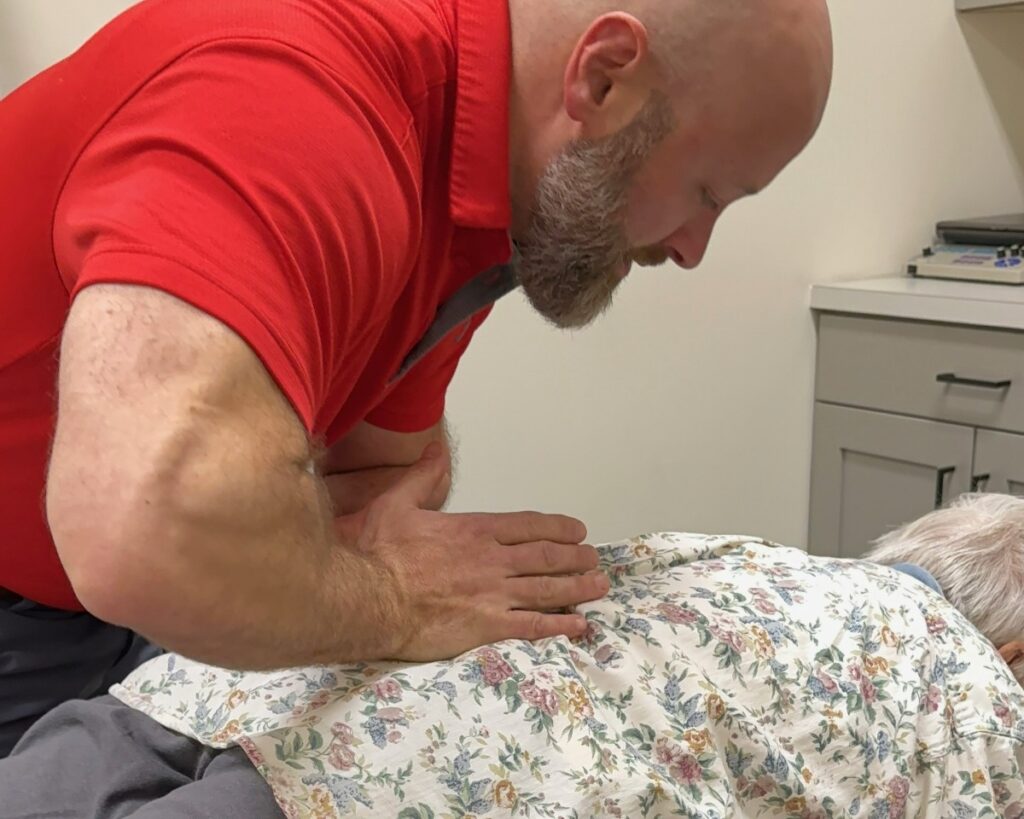
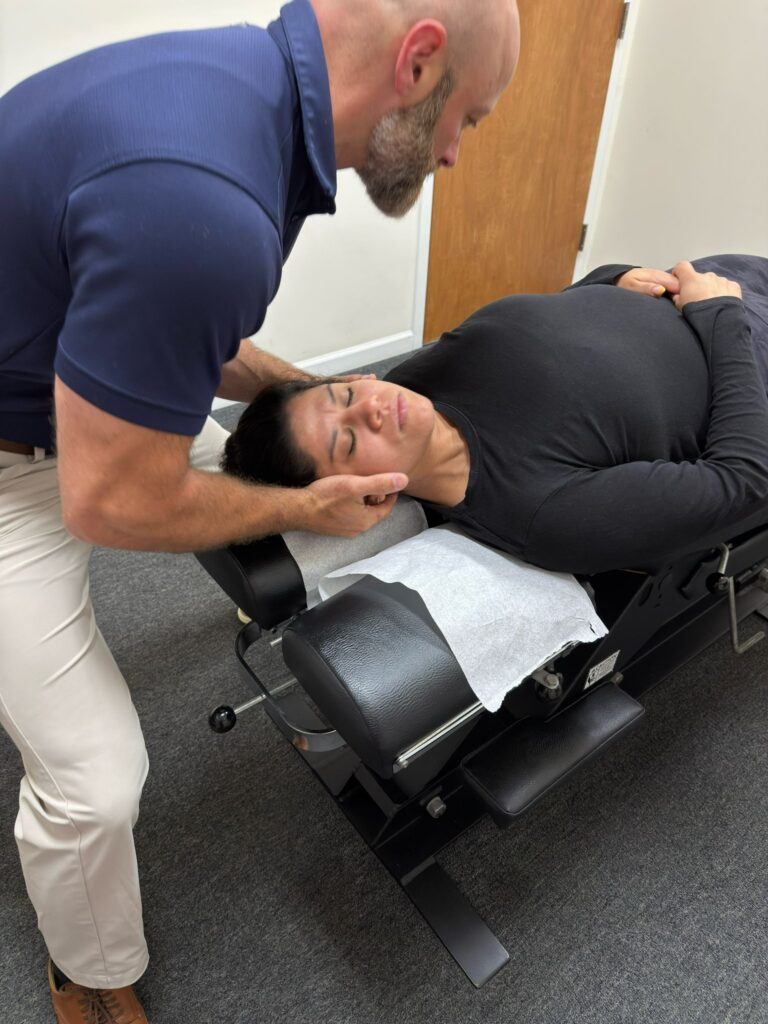
If you experience headaches, you might think that medication is your only solution. However, there are many effective ways to find relief that don’t involve pills, and chiropractic care is one of the best options available. By focusing on the health of your spine and nervous system, chiropractic adjustments can address the root causes of headaches, leading to more natural and lasting relief.
In addition to chiropractic care, there are several lifestyle changes you can make to help manage and prevent headaches. Here are some practical tips you can implement:
- Stay Hydrated: Dehydration can trigger headaches, so make sure you’re drinking plenty of water throughout the day.
- Maintain Good Posture: Poor posture can strain your neck and back, leading to tension headaches. Pay attention to your posture while sitting, especially if you work at a desk.
- Manage Stress: Stress is a common headache trigger. Incorporating relaxation techniques like deep breathing, meditation, or yoga can help reduce tension and promote overall well-being.
- Regular Exercise: Engaging in regular physical activity can improve blood circulation and reduce the frequency of headaches. Aim for at least 30 minutes of moderate exercise most days of the week.
- Get Enough Sleep: Establishing a regular sleep schedule and ensuring you get quality rest can significantly impact headache frequency and severity.
- Consider Dietary Triggers: Some foods may trigger headaches for certain individuals. Keeping a food diary can help you identify and avoid any dietary culprits.
- Visit Your Chiropractor: Regular chiropractic adjustments can help keep your spine aligned and your nervous system functioning optimally. This can lead to fewer headaches and better overall health.
By exploring these natural approaches, you can empower yourself to take control of your headache management. Chiropractic care not only addresses headaches but also promotes a healthier lifestyle overall. Remember, you don’t have to rely solely on medication—there are many effective strategies to help you feel better.
Key Takeaways
Chiropractic care is a fantastic option for alleviating headaches, as it focuses on improving spinal alignment and reducing tension throughout the body. By using gentle adjustments, we can help restore balance and relieve the pressure that often contributes to headaches.
In addition to chiropractic adjustments, integrating massage therapy can also be beneficial. It helps to relieve muscle tightness and boost blood circulation, offering a natural way to find relief from headache pain.
Incorporating relaxation techniques such as yoga and meditation into your routine can greatly reduce stress levels, which is a common trigger for headaches. These practices promote a sense of calm and can help minimize the frequency of headaches.
Don’t forget the importance of hydration! Staying properly hydrated and eating a balanced diet rich in magnesium—found in foods like leafy greens, nuts, and whole grains—can prevent headaches caused by dehydration.
Engaging in regular physical activity is another key to overall well-being and stress management. Whether it’s a brisk walk, cycling, or any form of exercise you enjoy, moving your body can help keep headaches at bay.
Lastly, having a strong emotional support network can really enhance your ability to manage stress, which is vital for preventing headaches. Surround yourself with friends and family who uplift you.
By choosing chiropractic care and adopting these healthy habits, you can take significant steps toward achieving optimal health and reducing headaches naturally. Remember, with the right approach, you can live a vibrant, pain-free life!
Understanding Different Types of Headaches
Headaches can strike unexpectedly, often leaving you searching for relief. To effectively address them, it’s essential to understand the different types of headaches you might experience and how chiropractic care can help.
Tension headaches are the most common type and often feel like a tight band around your head. They’re typically triggered by stress or muscle tension, which can be alleviated through gentle chiropractic adjustments that promote relaxation and reduce tension in the neck and shoulders.
Migraines are a more intense experience, often accompanied by nausea and sensitivity to light or sound. Regular chiropractic care can help by improving spinal alignment, which may reduce the frequency and severity of migraines for many individuals.
Cluster headaches occur in cycles and cause severe pain around one eye. While these headaches can be particularly debilitating, chiropractic adjustments may help by addressing any neck or upper back issues that could be contributing to the pain.
Sinus headaches, which result from sinus infections, can cause pressure and pain in your forehead and cheeks. Chiropractic care can support your overall health, potentially improving sinus function and reducing the frequency of these headaches.
Each type of headache has unique characteristics and triggers. By identifying your specific headaches, you can explore chiropractic options for relief. Regular chiropractic care not only addresses pain but also promotes overall wellness, helping your body function at its best.
In addition to chiropractic adjustments, you can also incorporate some general tips to help manage headaches:
- Stay hydrated by drinking plenty of water throughout the day.
- Practice good posture to reduce tension in your neck and back.
- Incorporate relaxation techniques such as deep breathing or meditation into your daily routine.
- Ensure you get adequate sleep each night to support overall health.
By understanding your headaches and seeking chiropractic care, you can take significant steps toward finding effective relief and enhancing your well-being.
Lifestyle Changes for Headache Relief
Making simple lifestyle changes can significantly decrease the frequency and intensity of your headaches, and chiropractic care can play a vital role in this process. Staying hydrated, eating balanced meals, and managing stress are essential, but incorporating regular chiropractic adjustments can enhance these efforts by ensuring that your spine is aligned and functioning optimally.
Prioritizing good sleep hygiene is another crucial factor. When your body is well-aligned through chiropractic care, you’re more likely to experience restful sleep. This can help you wake up refreshed and ready to tackle the day, reducing the chance of headaches.
Additionally, consider practicing relaxation techniques and gentle exercises that promote spinal health. Simple activities like stretching, yoga, or even mindful breathing can help relieve tension in your neck and shoulders, which are common headache triggers.
Remember, chiropractic care not only addresses immediate pain but also supports your overall wellness journey. By prioritizing your spinal health, you can pave the way for a healthier, headache-free life.
If you’re experiencing headaches, consult with your chiropractor to explore a personalized plan that works for you!
Hydration and Nutrition
Staying properly hydrated and nourishing your body are essential steps toward achieving optimal health and reducing the frequency and intensity of headaches. As a chiropractor, I can’t stress enough the importance of drinking enough water throughout the day. Dehydration can be a major trigger for headaches, so make it a goal to drink at least eight 8-ounce glasses of water daily.
Listen to your body—if you feel thirsty, it’s your cue to hydrate!
Nutrition is another key player in maintaining overall wellness. Focus on eating balanced meals that include plenty of fruits, vegetables, whole grains, and lean proteins. Some foods, particularly those high in magnesium—like leafy greens and nuts—can be especially helpful for headache relief.
Don’t forget to eat regularly, as skipping meals can lead to low blood sugar, which can also trigger headaches.
Incorporating these simple habits into your daily routine can greatly enhance your overall well-being. Remember, chiropractic care is a natural approach to pain relief and supports your body’s ability to heal itself.
By prioritizing hydration and making smart food choices, alongside regular chiropractic adjustments, you can significantly improve your health and reduce headache occurrences.
Take these tips to heart, and consider how chiropractic care can be a valuable part of your journey to wellness!
Sleep Hygiene Practices
Getting enough quality sleep is essential for reducing headache frequency and intensity, and prioritizing sleep hygiene can significantly impact your overall well-being. As a chiropractor, I believe that optimal health starts with good sleep practices, and here’s how you can improve your sleep naturally.
First, establish a consistent sleep schedule. Going to bed and waking up at the same time every day helps regulate your body’s internal clock, which can lead to better sleep quality.
Next, create a calming bedtime routine to signal to your body that it’s time to unwind. This could include activities like gentle stretching or deep breathing exercises, both of which can also benefit your spine and overall alignment.
Make your sleep environment comfortable by keeping your bedroom dark, quiet, and cool. A well-supported spine during sleep can lead to fewer aches and pains, so consider investing in a quality mattress and pillows that support your neck and back.
Limit screen time before bed, as the blue light emitted by devices can interfere with your ability to fall asleep. Instead, opt for relaxation techniques or reading a book that doesn’t stress you out.
Also, be mindful of your food and drink choices; avoiding caffeine and heavy meals in the hours leading up to sleep can help your body relax.
Finally, if you find yourself struggling to sleep, don’t stay in bed tossing and turning. Instead, get up and engage in a relaxing activity—like light stretching or listening to soothing music—until you feel sleepy again. This approach not only helps you avoid frustration but also promotes a more restful night.
Incorporating these sleep hygiene tips into your routine can enhance your overall health and wellness.
Remember, chiropractic care can also play a vital role in addressing sleep issues by ensuring your spine is properly aligned, which can improve your sleep quality and reduce headaches.
Consider visiting your local chiropractor to explore how they can help you achieve better sleep and a healthier life.
Stress Management Techniques
Stress can be a significant trigger for headaches, making it crucial to explore effective management techniques that promote natural healing and wellness. As a chiropractor, I recommend incorporating regular physical activity into your daily routine. Simple activities like a brisk walk not only help reduce tension but also support spinal health and overall well-being.
Mindfulness practices, such as meditation or deep breathing exercises, can be incredibly beneficial in lowering stress levels and promoting relaxation. These techniques help calm the mind and can reduce the physical tension that often contributes to headaches.
It’s also important to carve out time for hobbies or activities you enjoy. Engaging in pleasurable activities provides a mental break and can be a great way to relieve stress naturally. Additionally, establishing healthy boundaries in your work and personal life can prevent feelings of overwhelm.
Don’t underestimate the importance of social support. Talking to friends or family about your stressors can lighten your load and enhance emotional well-being.
Chiropractic care is an excellent option for managing stress-related headaches. Regular adjustments can help align the spine, reduce tension in the body, and promote better overall health.
Natural Remedies to Consider
Natural remedies can provide effective relief for headaches while promoting overall wellness, and as a chiropractor, I believe that chiropractic care is one of the best ways to address these issues. Our body’s alignment plays a crucial role in how we experience pain, including headaches. By ensuring that your spine is properly aligned, you can relieve tension and reduce the frequency of headaches.
One popular natural remedy to consider is the use of essential oils, such as peppermint or lavender. Applying these oils to your temples or inhaling their soothing scents can help ease headache symptoms. However, to truly get to the root of the problem, visiting a chiropractor can help identify any spinal misalignments that may be contributing to your headaches.
Acupuncture is another method that targets specific points in the body to relieve pain, but chiropractic care offers a more holistic approach. Through spinal adjustments, we can alleviate pressure on the nerves that may be causing your headaches, leading to more sustained relief.
Herbal supplements like feverfew or butterbur may provide some symptom relief, but supporting your body’s natural healing processes through chiropractic adjustments is a proactive way to enhance your overall health.
Incorporating mindfulness and relaxation techniques, such as deep breathing or gentle yoga, can also help reduce tension. Regular exercise is beneficial too, as it promotes blood flow and can decrease headache frequency.
Lastly, maintaining a consistent sleep schedule is vital for your body’s natural rhythms and can help prevent headaches from occurring.
Remember, if you’re struggling with headaches, consider scheduling a visit to your chiropractor. Together, we can create a tailored plan to help you achieve optimal health and wellness.
Always consult with a healthcare professional before starting any new treatment, but know that chiropractic care can be an effective and drug-free way to find relief.
The Role of Hydration and Nutrition
Staying properly hydrated and maintaining a balanced diet can significantly impact the frequency and intensity of headaches. As a local chiropractor, I want to emphasize how these simple lifestyle choices can support your overall health and wellness, aligning with our goal of natural healing.
When your body is dehydrated, it can trigger headaches. That’s why drinking enough water throughout the day is crucial. Aim for at least 8 glasses daily, or more if you’re active. Hydration not only helps with headaches but also supports spinal health and overall bodily function.
Nutrition also plays a vital role in how we feel. Certain foods can either trigger or alleviate headaches, so choosing wisely is important. Here’s a quick guide to help you make better food choices:
| Foods to Eat | Foods to Avoid | Hydration Tips |
|---|---|---|
| Leafy greens | Aged cheeses | Drink water regularly |
| Whole grains | Processed meats | Herbal teas |
| Nuts and seeds | Caffeinated drinks | Limit sugary drinks |
Incorporating more leafy greens, whole grains, and nuts into your diet can help nourish your body and potentially reduce headache occurrences. On the other hand, be mindful of aged cheeses and processed meats, as these can sometimes contribute to discomfort.
Additionally, regular water intake is essential. Set reminders on your phone or use a water bottle that tracks your daily intake to ensure you’re staying hydrated throughout the day. Herbal teas can also be a soothing alternative to help you stay hydrated.
Alternative Therapies and Techniques
When you’re experiencing persistent headaches, considering alternative therapies can be a great way to find relief without relying on medication. These approaches often address the root causes of your headaches and can work well alongside chiropractic care, which I believe is the best choice for achieving optimal health and wellness.
Here are some effective options to consider:
- Chiropractic Adjustments: Regular spinal adjustments can help realign your spine, reduce nerve tension, and improve overall body function, which may significantly decrease headache frequency and intensity.
- Acupuncture: This technique involves inserting thin needles into specific points on the body, which may help alleviate headache pain and reduce the number of headaches you experience.
- Massage Therapy: A targeted massage can relieve muscle tension in your neck and shoulders, improve blood flow, and provide comfort from headaches. This works well in conjunction with chiropractic care.
- Yoga and Meditation: Incorporating yoga and meditation into your routine can help reduce stress and promote relaxation, both of which are essential for headache management. These practices also support overall spinal health by improving flexibility and posture.
- Herbal Remedies: While I focus on chiropractic care, some people find that herbs like feverfew and butterbur can be helpful. It’s always a good idea to discuss these with your chiropractor to ensure they fit into your health plan.
- Cognitive Behavioral Therapy (CBT): This approach can help you change your perception of pain and develop effective coping strategies, enhancing your overall well-being.
In addition to these therapies, maintaining a healthy lifestyle is vital. Staying hydrated, getting enough sleep, practicing good posture, and managing stress through relaxation techniques can all contribute to reducing headaches.
When to Seek Professional Help
Recognizing when to seek professional help for your headaches is essential for managing your overall health and wellness. If you find that your headaches are severe, disrupt your daily activities, or last longer than 72 hours, it’s a good idea to reach out to a healthcare provider.
However, instead of turning to medications, consider scheduling a visit with a chiropractor, who can help identify the root causes of your headaches and provide natural solutions.
If you notice that your headaches are becoming more frequent or intense, or if there are sudden changes in your headache patterns, this is another indication that professional assessment is needed. A chiropractor can evaluate your spinal health and make adjustments that might alleviate tension contributing to your headaches.
Be aware of any new symptoms that may arise, such as changes in vision or speech difficulties. While these can be concerning, a chiropractor can offer a holistic approach to addressing these issues through spinal health and wellness strategies.
If over-the-counter medications that once provided relief no longer seem effective, it may be time to explore chiropractic care as a natural alternative. Chiropractic adjustments can help relieve tension and promote better alignment, leading to long-lasting relief from headaches.
Lastly, if your headaches are affecting your work, relationships, or quality of life, seeking help from a chiropractor can provide you with tailored management strategies that focus on healing and wellness rather than just masking symptoms.
Conclusion
Managing headaches effectively often goes beyond just taking medication. As a chiropractor, I want to emphasize the importance of natural healing and how chiropractic care can be a key player in alleviating headache pain.
First and foremost, consider making some lifestyle changes. Regular physical activity, adequate hydration, and a balanced diet can significantly impact your overall health and reduce the frequency and intensity of headaches. Incorporating relaxation techniques like yoga and deep breathing can also help manage stress, which is a common headache trigger.
Chiropractic care is particularly beneficial for those suffering from headaches. By addressing spinal misalignments and improving nervous system function, chiropractic adjustments can alleviate tension and reduce headache frequency. Many patients experience relief from tension headaches and migraines through regular chiropractic treatment, as it helps restore balance and promotes the body’s natural healing processes.
In addition to chiropractic adjustments, consider incorporating gentle stretching and strengthening exercises for your neck and upper back. This can help alleviate tension that often contributes to headaches.
Remember, if your headaches persist or worsen, it’s essential to seek professional help. You deserve to live comfortably and improve your quality of life. By exploring these natural options and prioritizing chiropractic care, you can find effective relief and achieve optimal health. Take the time to discover what works best for you on your journey to wellness!