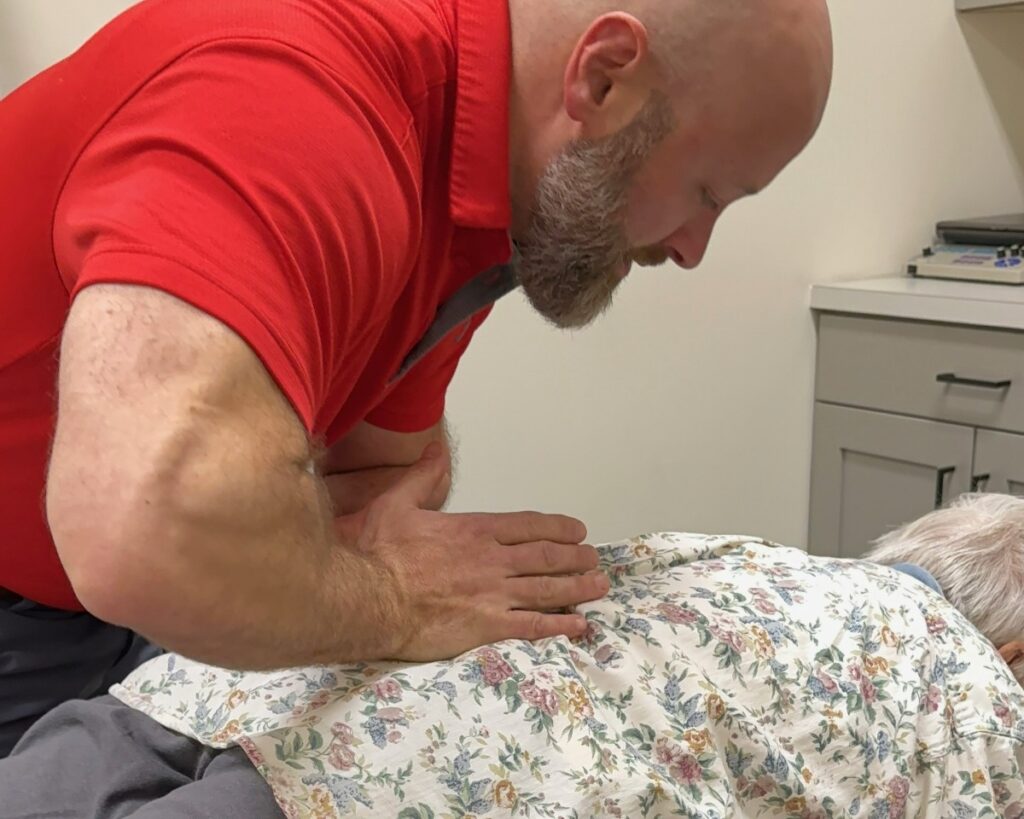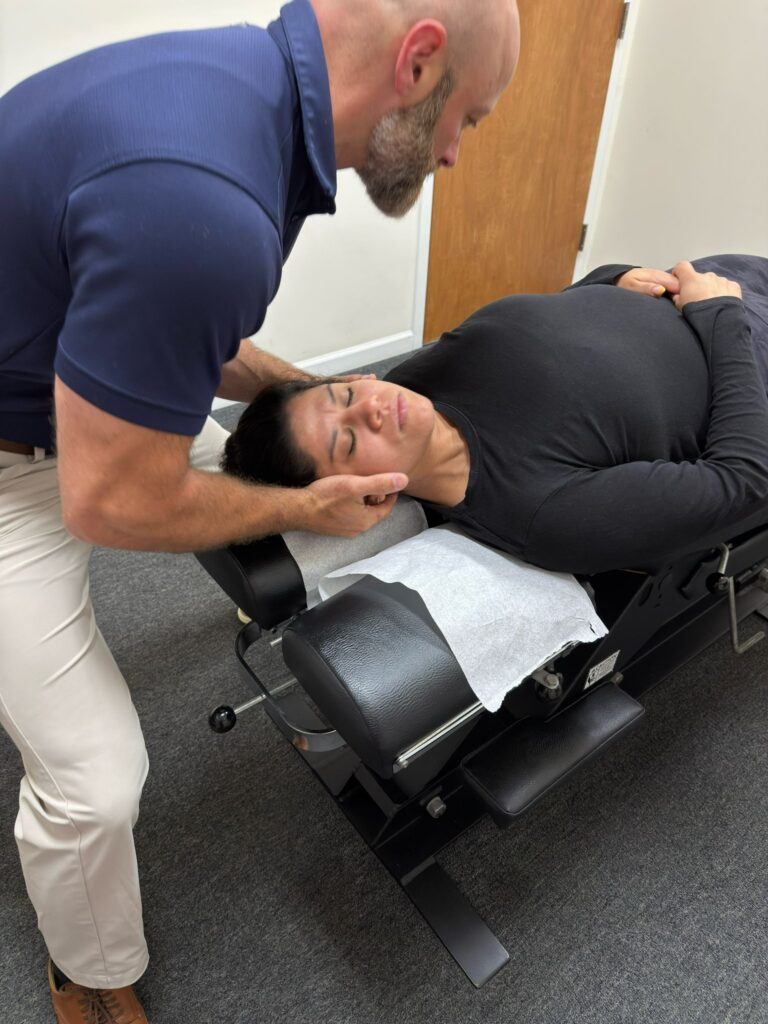

If you’re experiencing frequent headaches, it might be time to consider visiting a chiropractor. Understanding the nature and frequency of your headaches is crucial in your journey toward relief. While knowing when to seek help can be challenging, recognizing specific signs can guide you toward making the right choice for your health.
Chiropractic care focuses on the relationship between your spine and nervous system, and it can be highly effective in alleviating headache pain. Here are some factors that might indicate it’s time to reach out for professional guidance:
- Frequency and Intensity: If your headaches occur more than once a week or if they disrupt your daily activities, it’s a good idea to consult a chiropractor. They can assess your spine and posture, which may be contributing to your headaches.
- Location of Pain: Headaches that are localized to certain areas, such as the neck or shoulders, may be linked to spinal issues. Chiropractors specialize in identifying and treating these problems, helping to relieve tension and restore balance.
- Lack of Relief from Home Remedies: If you’ve tried over-the-counter pain relievers or other home remedies without success, chiropractic care might be a more effective solution. Chiropractors use natural techniques to address the root cause of your headaches rather than just masking the symptoms.
- Associated Symptoms: If your headaches are accompanied by other symptoms such as neck pain, dizziness, or visual disturbances, it’s essential to seek a chiropractor’s expertise. They can perform a thorough examination and develop a tailored treatment plan.
- Stress and Tension: If you notice that stress or tension often leads to your headaches, chiropractic adjustments can help alleviate muscle tightness and promote relaxation, leading to a decrease in headache occurrences.
In addition to seeking chiropractic care, here are some general tips for managing headaches naturally:
- Stay Hydrated: Dehydration can trigger headaches, so make sure you’re drinking enough water throughout the day.
- Maintain Good Posture: Poor posture can strain your neck and spine, contributing to headaches. Focus on sitting and standing up straight, especially if you work at a desk.
- Incorporate Relaxation Techniques: Try deep breathing, meditation, or yoga to help reduce stress and tension in your body.
- Get Regular Exercise: Physical activity can improve blood flow and reduce stress, which may help minimize headache frequency.
- Limit Screen Time: Take breaks from screens to reduce eye strain and tension headaches.
By choosing chiropractic care and implementing these natural strategies, you can take significant steps toward achieving optimal health and reducing the frequency of headaches. Remember, your well-being is a priority, and seeking help from a professional can lead to lasting relief.
Key Takeaways
- If you find yourself experiencing headaches more than once a week, it’s a good idea to seek professional help. Regular evaluations can help identify the root cause and guide you toward effective treatment options, including chiropractic care that focuses on natural healing.
- If your headache symptoms worsen and aren’t relieved by typical over-the-counter remedies, consider visiting a chiropractor. They can offer natural alternatives and holistic approaches to help alleviate your discomfort.
- Headaches that come with vision changes, confusion, or severe nausea should never be ignored. It’s important to get a professional assessment as soon as possible. A chiropractor can help assess your spinal health, which may be contributing to these symptoms.
- If headaches are disrupting your daily activities or affecting your relationships, consulting with a chiropractor is crucial. They can provide personalized strategies for relief that promote overall wellness and help restore balance in your life.
- A sudden increase in headache intensity or frequency can signal underlying issues that need attention. Chiropractic care focuses on spinal alignment and nerve function, which may help address these concerns naturally and effectively.
Remember, regular chiropractic check-ups can enhance your overall health and prevent future headaches. Maintaining a healthy lifestyle, staying hydrated, managing stress, and practicing good posture can also contribute to fewer headaches. Prioritize your wellness through natural methods and let chiropractic care guide you on your journey to optimal health!
Understanding Headaches: Types and Triggers
When you experience a headache, it’s important to recognize that not all headaches are the same. Different types can affect you in various ways, and understanding these differences can help you manage them more effectively.
Tension headaches, for example, often feel like a tight band around your head and are frequently triggered by stress or poor posture. As a chiropractor, I encourage you to pay attention to your posture throughout the day, as maintaining proper alignment can reduce the frequency of these headaches.
Migraines, on the other hand, can cause intense, throbbing pain and are often accompanied by nausea and sensitivity to light or sound. While these can be debilitating, chiropractic care has been shown to help alleviate the tension and misalignments that can contribute to migraine occurrences.
Cluster headaches, though less common, can be extremely painful and usually occur in cycles. Adopting a holistic approach to wellness that includes regular chiropractic adjustments can help minimize the intensity and frequency of these headaches.
Identifying triggers is equally important in managing headaches. Common culprits include dehydration, lack of sleep, certain foods, and hormonal changes. As a part of your wellness routine, consider tracking your headaches and their triggers. This can provide valuable insights into your condition, empowering you to make lifestyle changes that may reduce both the frequency and severity of your headaches.
Here are some general tips to help manage your headaches naturally:
- Stay Hydrated: Drinking plenty of water throughout the day can help prevent dehydration-related headaches.
- Maintain Good Posture: Whether sitting at a desk or standing, being mindful of your posture helps reduce tension headaches.
- Get Enough Sleep: Aim for a consistent sleep schedule to support your body’s natural rhythms.
- Manage Stress: Incorporate relaxation techniques like deep breathing, yoga, or meditation into your routine to reduce stress levels.
By embracing a holistic approach to health and wellness through chiropractic care, you can achieve optimal health and reduce the impact of headaches on your life.
When to Consider Seeking Help
Although you might manage occasional headaches with home remedies, there are times when seeking professional help, particularly from a chiropractor, becomes essential. If your headaches are frequent, worsening, or don’t respond to over-the-counter treatments, it’s a clear sign that a chiropractic evaluation could be beneficial. Chiropractors are skilled in addressing the underlying causes of headaches, often related to spinal alignment and tension.
If you experience headaches alongside other concerning symptoms—such as vision changes, confusion, or severe nausea—it’s important to prioritize your health and consider a professional assessment. Additionally, if headaches disrupt your daily activities or affect your work and relationships, reaching out to a chiropractor can provide you with effective relief.
A sudden increase in headache intensity or frequency is another reason to seek help. Chiropractors can work with you to identify and address any spinal misalignments or tension that may be contributing to your discomfort.
Remember, chronic headaches can signal underlying issues that require attention, and early intervention through chiropractic care can lead to better management and relief.
Incorporating some general tips can also help you manage headaches. Staying hydrated, practicing good posture, and incorporating regular physical activity can contribute to overall wellness and may reduce headache occurrences.
If something feels off, trust your instincts and consider chiropractic care as a natural and effective approach to achieving optimal health and wellness.
Frequency of Headaches: A Key Indicator
Frequent headaches can be a sign that there’s something more going on in your body, and it’s important not to overlook them. If you find yourself dealing with headaches more than once a week, it’s a signal to take action. This could point to chronic issues or factors like stress, inadequate sleep, or dehydration.
Even if you only experience headaches occasionally, they can still reveal patterns linked to certain triggers, such as food choices, stress levels, or hormonal fluctuations.
One effective way to understand your headaches better is by tracking them. Keep a simple diary noting when your headaches occur, how long they last, and any other symptoms you might experience. This can provide valuable insights into potential causes and will be useful when discussing your situation with a healthcare professional.
Ignoring frequent headaches can potentially lead to more serious health concerns in the future. By addressing them early on, you can’t only find relief but also enhance your overall well-being.
Chiropractic care is an excellent natural option for tackling headaches and promoting wellness. A chiropractor can help identify misalignments in your spine that may be contributing to your headaches and work with you to restore balance and function.
Regular adjustments can help reduce stress on your nervous system, improve blood flow, and alleviate tension, all of which can lead to fewer headaches and a better quality of life.
In addition to chiropractic care, consider incorporating these general tips into your routine for better headache management:
- Stay hydrated: Drink plenty of water throughout the day to prevent dehydration, a common headache trigger.
- Manage stress: Practice relaxation techniques such as deep breathing, yoga, or meditation to help reduce tension.
- Prioritize sleep: Aim for 7-9 hours of quality sleep each night, as lack of rest can contribute to headaches.
- Maintain good posture: Pay attention to your sitting and standing positions to avoid strain on your neck and back.
- Eat balanced meals: Fuel your body with nutritious foods and avoid excessive caffeine or processed sugars, which can trigger headaches.
If you notice changes in your headache patterns or if they persist, don’t hesitate to reach out for help. Your health and well-being are worth it, and chiropractic care can be a key part of your journey towards optimal health.
Initial Consultation: What to Expect
When you schedule your initial consultation with a chiropractor, it’s important to come prepared with information about your headaches and overall health. During your appointment, the chiropractor will assess your symptoms, discuss your medical history, and may suggest a range of natural healing techniques tailored to your needs.
Understanding what to expect can help ease any anxiety and ensure you get the most out of your visit. Here are some tips to help you prepare:
- Document Your Symptoms: Keep a detailed record of your headaches, including when they occur, their duration, and any triggers you notice. This information can assist your chiropractor in identifying patterns and potential causes.
- Share Your Health History: Be ready to discuss any past injuries, medical conditions, or surgeries, as well as any treatments you’ve tried in the past. This will help your chiropractor understand your unique situation better.
- Ask Questions: Don’t hesitate to ask about how chiropractic care can help alleviate your headaches and improve your overall health. Your chiropractor is there to help you understand the benefits of natural healing.
- Consider Lifestyle Factors: Think about your daily habits, such as posture, stress levels, and physical activity. These can all impact your spinal health and contribute to headaches.
- Relax and Breathe: Remember, this consultation is a chance for you to learn more about your body and how chiropractic care can help you achieve optimal health. Taking a few deep breaths can help calm any nerves.
Appointment Preparation Tips
As you prepare for your initial consultation with a headache specialist, it’s important to gather relevant information that will help guide your discussion. A great starting point is to keep a headache diary for at least a couple of weeks. This diary can be an invaluable tool in identifying patterns in your headaches, such as their frequency, duration, and intensity, as well as any potential triggers that may be contributing to your discomfort.
While you’re keeping track of your headaches, make sure to note any medications you may be taking, including over-the-counter options and supplements. This information can guide your specialist in understanding your current health situation and how it may relate to your headaches.
Additionally, consider any previous treatments you’ve tried and their results, as this can provide insight into what’s or hasn’t worked for you in the past.
It’s also beneficial to reflect on your medical history and any family history of headaches or related conditions. This background can help your specialist determine if there are hereditary factors at play.
Lastly, don’t forget to jot down any questions or concerns you have prior to your appointment. This will ensure that you get answers to all your queries and make the most out of your visit.
Remember, chiropractic care can be a fantastic natural approach to addressing headaches and overall wellness. By focusing on spinal health and proper alignment, many patients have found relief from headaches without the need for medications or invasive procedures.
If you’re seeking a holistic solution, consider discussing how chiropractic adjustments can support your journey to optimal health during your appointment. Your health matters, and taking these steps can help set you on the right path to feeling your best.
Typical Assessment Process
After you’ve prepared for your appointment, you’ll find that the initial consultation with a chiropractor is structured to gather comprehensive information about your condition. You’ll begin by discussing your headache history, including how often they occur, how long they last, and their intensity. Be ready to share any triggers or accompanying symptoms you’ve noticed. The chiropractor may ask about your lifestyle, daily activities, and any past injuries that could be relevant.
They will likely perform a gentle physical examination, focusing on your spinal alignment and how it may relate to your headaches. This assessment helps them understand your unique situation and identify any areas of tension or misalignment that could be contributing to your discomfort.
By the end of the consultation, your chiropractor will provide insights into how chiropractic care can help alleviate your headaches and improve your overall wellness. They’ll discuss natural, non-invasive treatment options tailored to your needs, such as specific adjustments or lifestyle changes to support your spinal health.
Remember, it’s important to ask any questions you may have during this important first meeting.
As a general tip, maintaining good posture, staying hydrated, and managing stress through relaxation techniques can also be beneficial for headache relief. Embracing a holistic approach to health through chiropractic care can be a powerful step towards achieving optimal wellness.
Treatment Options Offered by Specialists
When you visit a chiropractor for headache relief, you’ll find a variety of natural treatment options designed specifically for your needs. Unlike conventional methods that often rely on medication, chiropractic care focuses on addressing the root causes of headaches through spinal adjustments and holistic wellness approaches.
Chiropractic adjustments can help align the spine, relieve tension, and improve blood flow, which may significantly reduce headache frequency and intensity. In addition to adjustments, chiropractors may also incorporate lifestyle advice, stretching exercises, and nutritional tips to promote overall health and well-being.
Understanding these natural options empowers you to take control of your health and make informed decisions about your headache relief. Remember, maintaining a healthy spine through regular chiropractic visits can lead to long-term wellness and a reduction in headaches.
As you navigate your path to relief, consider these simple tips: stay hydrated, practice good posture, and manage stress through relaxation techniques like yoga or meditation. Your journey to a headache-free life starts with choosing chiropractic care as a vital part of your wellness routine.
Medication Management Techniques
When it comes to finding relief from headaches, understanding how to manage your pain naturally is key. As a chiropractor, I believe that addressing the root cause of your headaches through spinal care can lead to more effective and lasting relief than relying on medications. Many headaches stem from tension in the neck and spine, so chiropractic adjustments can help restore proper alignment, reduce tension, and alleviate pain.
Start by paying attention to your body and any patterns related to your headaches. Keeping a simple diary can help you track when headaches occur and what might trigger them. This information can be valuable in identifying stressors or physical issues that chiropractic care can address.
In addition to regular chiropractic adjustments, consider incorporating some lifestyle changes to enhance your overall well-being. Staying hydrated, practicing good posture, and managing stress through relaxation techniques—like deep breathing or yoga—can significantly impact your headache frequency and intensity.
Timing is also essential. If you feel a headache starting, taking a moment to stretch or adjust your posture can sometimes help prevent it from worsening.
Remember, the path to optimal health is a collaborative journey. Don’t hesitate to discuss your symptoms and experiences with your chiropractor, as we can work together to find the best solutions for your health and wellness.
Alternative Therapies and Approaches
Exploring alternative therapies can greatly enhance your chiropractic care and support your journey to headache relief. While chiropractic adjustments focus on aligning your spine and improving your overall health, incorporating techniques like acupuncture, massage therapy, and biofeedback can provide additional benefits.
Acupuncture, for instance, works by targeting specific pressure points, which may help reduce the intensity and frequency of headaches. Similarly, massage therapy is excellent for relaxing tense muscles and alleviating stress, which can often trigger headaches. Biofeedback offers a unique approach by teaching you how to control certain bodily functions, empowering you to manage headache pain more effectively.
In addition to these therapies, making simple lifestyle changes can have a significant impact on your well-being. Activities like yoga and meditation promote relaxation and help reduce the frequency of headaches. Paying attention to your diet through nutritional counseling can also help identify potential dietary triggers that may be contributing to your headaches.
When you visit your chiropractor, don’t hesitate to ask about these holistic alternatives. Together, you can create a comprehensive treatment plan that addresses your specific needs.
Monitoring Your Progress: Keeping Track
Many people find it helpful to monitor their headache patterns and triggers for better management, and this is where a headache diary can make a real difference. By keeping a record of the frequency, intensity, and duration of your headaches, along with any potential triggers—like certain foods, stress levels, or sleep habits—you can start to identify what might be causing your discomfort.
As a chiropractor, I emphasize the importance of understanding your body’s signals. When tracking your headaches, it’s also beneficial to note any treatments you try, particularly natural solutions like chiropractic adjustments, and how effective they’re for you. This information is invaluable when discussing your progress during chiropractic visits, allowing your practitioner to tailor a care plan that suits your individual needs.
Don’t forget to include lifestyle factors as well, such as your exercise routine and hydration levels. These elements play a significant role in overall wellness and can impact your headache experience. By creating a comprehensive picture of your health, you empower yourself to make informed decisions about your care.
Be sure to review your diary regularly. Over time, you may notice patterns that can guide you in making adjustments to your lifestyle or chiropractic care. Staying organized and observant is a proactive step towards achieving effective headache management.
Reassessing Your Condition: When to Return
Understanding When to Reassess Your Condition: A Guide to Chiropractic Care
Are you wondering when it’s the right time to reassess your condition and return to your chiropractor? If your headaches continue or seem to get worse even after treatment, that’s a strong indicator that you should come in for another visit. Pay attention to any changes in how often your headaches occur or how severe they feel. If you start experiencing new symptoms, such as neck pain or dizziness, don’t hesitate to reach out to us.
Staying proactive about your health is essential. If the relief you initially felt begins to fade, returning for a reassessment can help you get back on the path to wellness. If you’re unsure about the effectiveness of your current treatment plan, discussing your concerns with your chiropractor can provide valuable insight.
Regularly checking in on your progress ensures you’re receiving the best care tailored to your needs.
Here are some general tips to keep you feeling your best:
- Stay Hydrated: Drinking enough water helps maintain overall health and can alleviate headaches.
- Practice Good Posture: Be mindful of your posture, especially if you sit for long periods. This can help reduce strain on your spine and prevent headaches.
- Incorporate Stretching: Simple stretching exercises can relieve tension and improve flexibility in your neck and back.
- Listen to Your Body: Trust your instincts; if something doesn’t feel right, it’s always better to check in sooner rather than later.
Long-Term Management Strategies for Headache Relief
When it comes to managing headaches long-term, a comprehensive approach can greatly enhance your overall well-being. As a local chiropractor, I believe that incorporating chiropractic care into your routine can be a fundamental part of achieving optimal health and relieving pain naturally. In addition to chiropractic adjustments, consider adopting lifestyle changes, effective self-care practices, and stress management techniques to find what works best for you.
Here’s a straightforward table to guide you in considering effective long-term strategies:
| Strategy | Benefits | Tips |
|---|---|---|
| Regular Chiropractic Care | Helps align the spine and reduce headache frequency and severity | Schedule routine visits with your chiropractor for best results |
| Regular Exercise | Boosts overall health and reduces tension | Aim for 30 minutes of moderate activity, most days |
| Healthy Diet | Fuels your body and minimizes headache triggers | Keep a food diary to identify potential food triggers |
| Sleep Hygiene | Enhances recovery and overall health | Maintain a consistent sleep schedule and create a calming bedtime routine |
| Mindfulness | Reduces stress and promotes relaxation | Incorporate practices like meditation or gentle yoga into your day |
| Hydration | Prevents dehydration-related headaches | Aim for 8-10 glasses of water daily to stay well-hydrated |
Implementing these strategies consistently can lead to noticeable improvements over time. Remember, the goal is to create a balanced lifestyle that supports your health, and chiropractic care is a vital component of that journey. By prioritizing natural healing methods and maintaining regular check-ups, you can effectively manage headaches and enhance your quality of life.
Conclusion
If you’re experiencing frequent headaches, it’s crucial to seek help, and chiropractic care could be your best option for relief. Pay attention to how often these headaches occur and any other symptoms that accompany them. A chiropractor can provide personalized treatment plans that focus on spinal health and natural healing, offering effective strategies for long-term relief.
Remember, your spine plays a significant role in overall health, including headache management. Regular chiropractic adjustments can help align your spine, reduce tension, and improve your nervous system function, which may alleviate headache symptoms.
Tracking your headaches and noting any patterns can also be beneficial. Keep a journal of when your headaches occur, their intensity, and any triggers you notice. This information can assist your chiropractor in crafting a tailored approach just for you.
In addition to chiropractic care, consider incorporating some general wellness tips into your routine. Staying hydrated, maintaining a balanced diet, practicing good posture, and managing stress through relaxation techniques can contribute significantly to reducing headache frequency and severity.
Don’t hesitate to reach out to a chiropractor—your journey to natural relief and improved wellness begins with that first step. Embrace chiropractic care as a pathway to not just pain relief, but to a healthier, more vibrant life.